
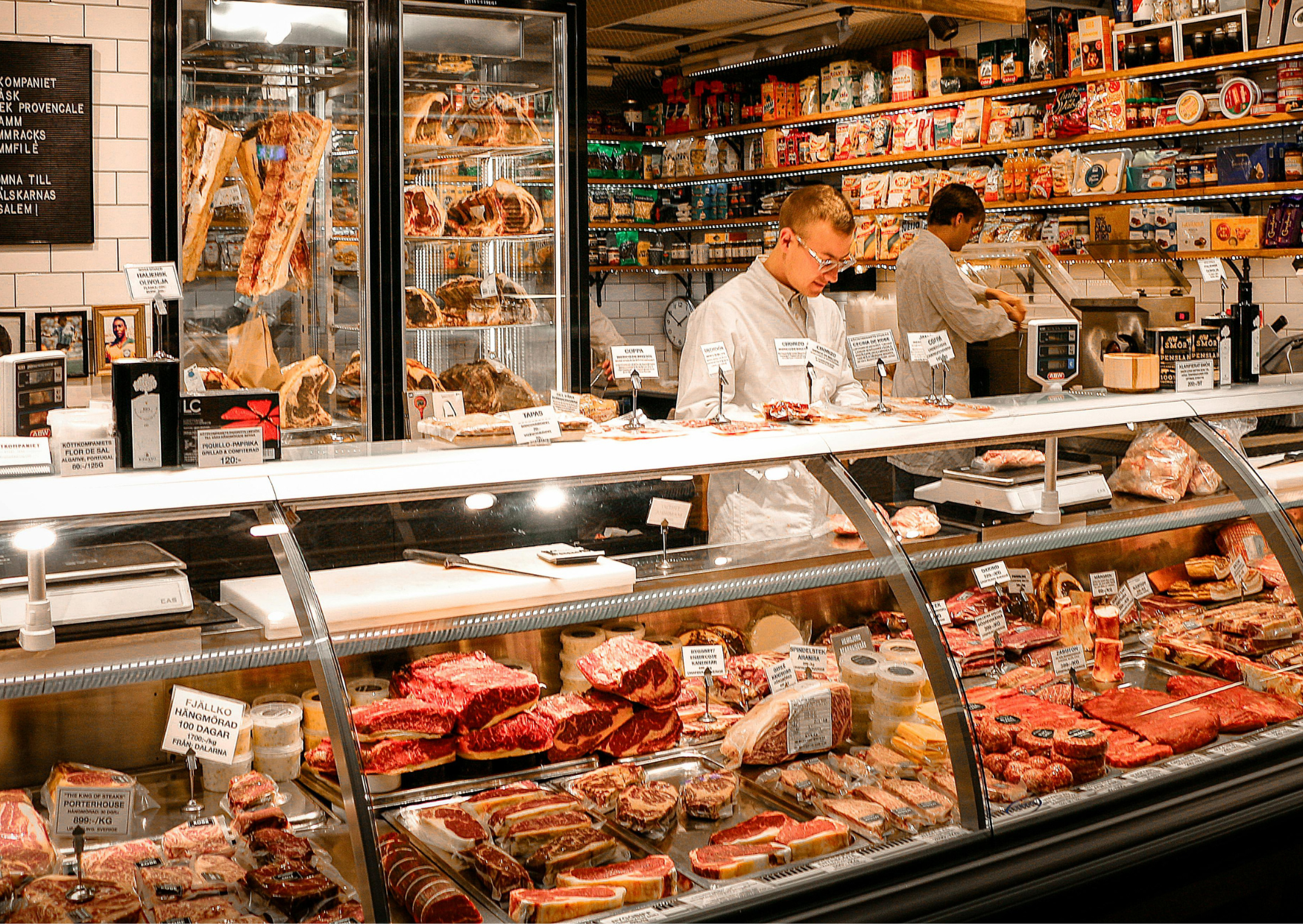
This title sounds like one of those Europe comparisons people love to hate.
Too neat. Too flattering. Too obviously built to annoy anyone who has stood in an American supermarket lately and watched a normal protein aisle start behaving like a luxury market with fluorescent lights.
Fair enough.
But the broad contrast is real. In the U.S., beef and veal were up 14.4% year over year in February 2026, with ground beef up 15.2%, roasts up 12.4%, and steaks up 16.3%. USDA’s own latest food-price outlook still says beef and veal prices are expected to rise 10.1% in 2026, with strong demand meeting tighter supplies.
Portugal does not look like that.
Not because the country exists outside inflation. It does not. Portugal’s CPI was still running around 2.1% in February 2026, and the March estimate was 2.0%. Food is not frozen in amber. But the beef counter can still feel dramatically calmer than the American one. One very plain example: a Continente flyer from April 2025 showed bife da vazia de novilho Angus at €19.99/kg, and the current 2026 product page for that same cut still shows €19.99/kg. That does not prove every butcher in Portugal held every beef cut flat for twelve months. It does prove the title is not absurd.
That is the useful comparison.
Not “Portugal is cheap.”
More like: the U.S. beef story has become so aggressive that a merely stable Portuguese counter now feels unbelievable.
The American Beef Number Is Not A Mood. It Is A Real Shock.
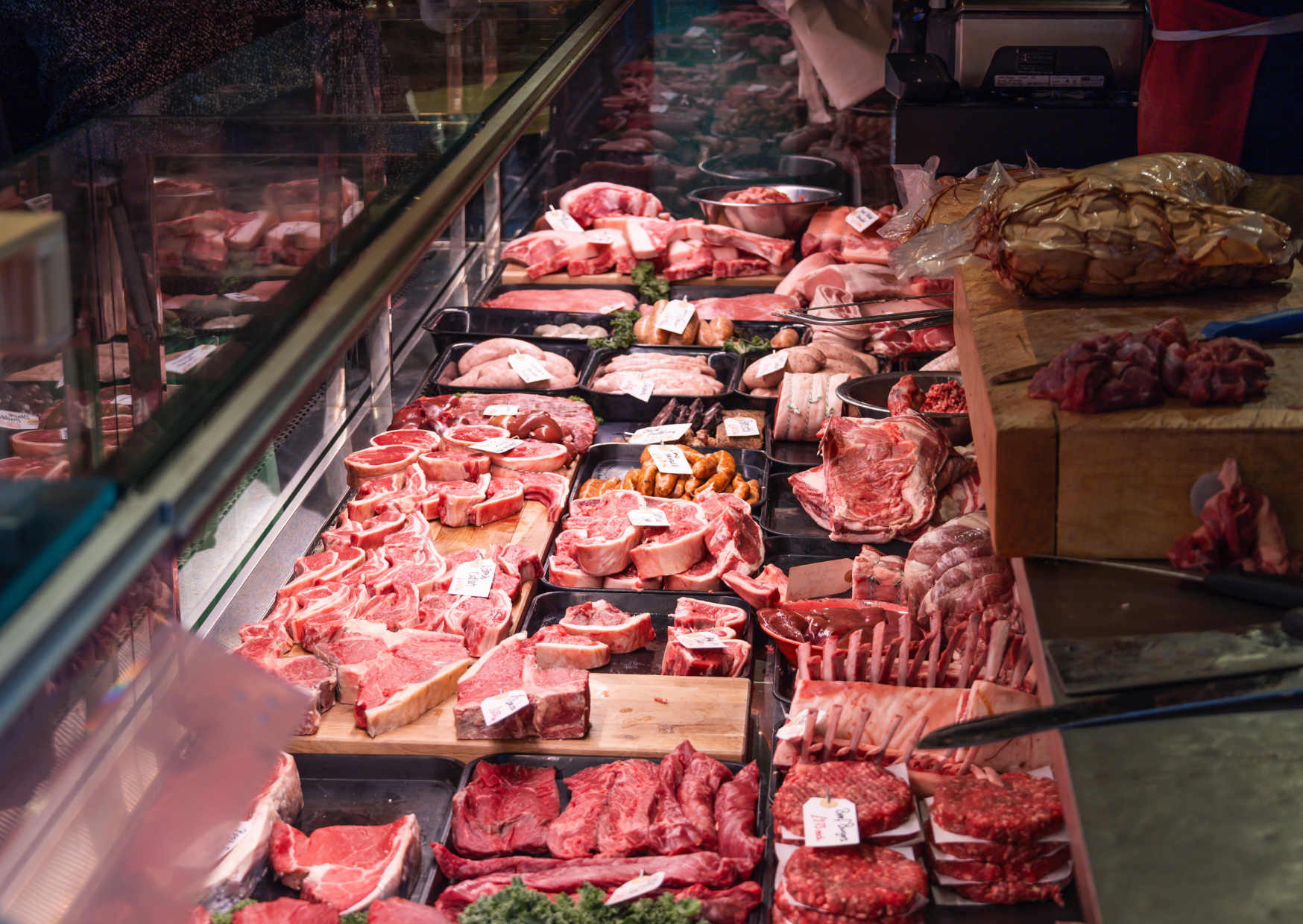
A lot of food inflation talk in the U.S. gets blurry because everything has been expensive for long enough that people start describing the feeling instead of the category.
Beef deserves its own category.
The official BLS data is ugly enough on its own. Beef and veal up 14.4% year over year. Ground beef up 15.2%. Steaks up 16.3%. This is not one fussy imported cut people can stop buying without emotional consequence. This is the normal meat part of the normal grocery life getting significantly more expensive in a single year.
And the USDA is not telling anyone to expect quick relief. Its current food-price outlook says beef and veal prices are projected to rise 10.1% in 2026, with a very wide interval around that because the market is already under stress. That matters because it tells you the February surge was not just a weird shelf accident. The system underneath is tight.
This is why Americans react so hard to meat prices now.
Not only because the number is high.
Because beef is one of the last foods people still think of as “normal grocery life,” and once that category starts acting erratic, the whole basket feels less stable.
Portugal Feels Different Because The Increase Is Not Screaming At You.
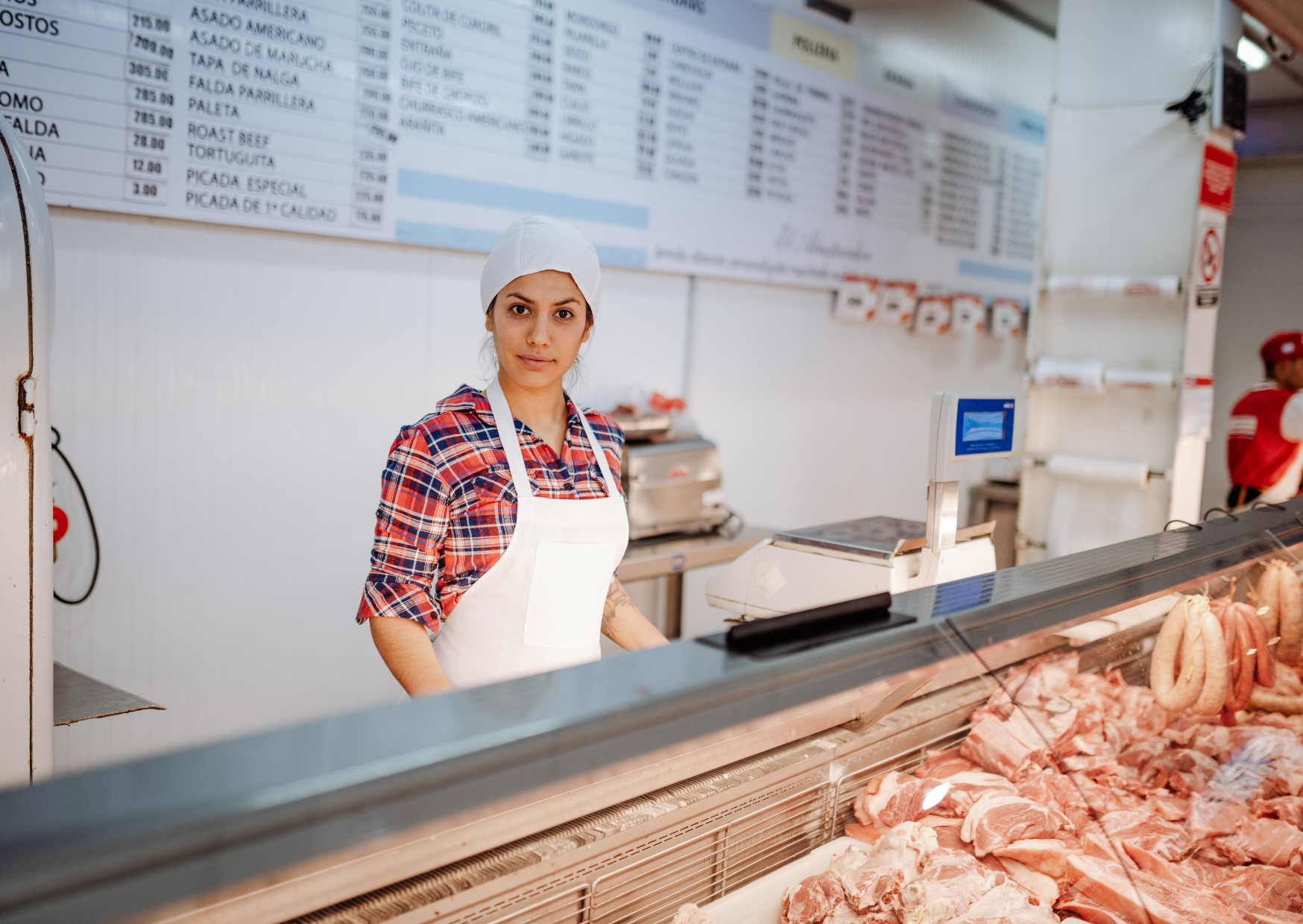
Portugal is not a low-cost fantasy in every category now.
Housing has become much harsher. Utilities can bite. Imported foods can still annoy you. Plenty of people living in Portugal would laugh, correctly, at any article pretending the country is permanently cheap in some universal sense.
But the meat counter can still feel different.
Part of that is inflation scale. Portugal’s recent CPI numbers are simply much softer than what U.S. beef buyers are absorbing. Part of it is market structure. Part of it is shopping rhythm. Part of it is that Portuguese daily food life still has more room for substitution without the household feeling as if dinner has been emotionally downgraded. A person can eat less beef without feeling like the whole week has become punitive.
The calmer feeling matters almost as much as the exact price.
American grocery stress is not only about what something costs. It is also about the speed at which categories stop feeling trustworthy. Portugal, right now, still gives more categories a chance to remain ordinary. That includes some beef cuts. That includes butcher-counter logic more generally. That includes the basic assumption that a week of eating does not need to be rebuilt from scratch every time one protein spikes.
That is a bigger psychological advantage than people think.
One Flat Price Does Not Prove The Whole Country. It Still Tells You Something.
Now, let’s balance a few things. We want to keep it real for you so you can make informed decisions.
No, one supermarket cut does not prove the whole Portuguese meat market was unchanged for a year.
It would be silly to claim that.
What it does prove is that the title is not built out of fantasy. In April 2025, Continente advertised bife da vazia de novilho Angus at €19.99/kg. The current 2026 product page still lists bife da vazia de novilho at €19.99/kg. If a Portuguese shopper says a favorite beef cut still feels like last year’s price, that is now completely defensible in at least some real market examples.
That is exactly the kind of detail American readers now find difficult to believe.
Because in the U.S., “same as last year” has stopped sounding like a normal grocery sentence in too many categories. The country has taught people to expect drift, surprise, shrinkage, weird substitutions, and the small humiliation of acting relieved when the checkout total is merely bad instead of insulting.
Portugal can still give you moments where a product looks almost boringly stable.
Boring is underrated.
Especially at the butcher.
The Real Difference Is That Portugal Still Lets You Build Around A Smaller Basket.
This is where people usually get the comparison wrong.
They think the point is that Portugal sells magically cheap beef.
That is not really the point.
The point is that Portuguese food life still makes it easier to reduce beef dependence without dinner becoming a moral failure. Eggs, chicken, legumes, cod, pork, rice dishes, soups, and vegetable-heavy meals still sit inside ordinary weekly life in a much less defensive way than many Americans are used to. So when beef is stable, great. When it is not, the kitchen bends more easily. The household is not as committed to one expensive protein identity. That flexibility is one reason a Portuguese butcher or supermarket counter can feel calmer even when the country is not universally cheap.
In the U.S., beef inflation feels especially punishing because it lands inside a grocery culture that often leans on bigger weekly baskets, more one-shot shopping, more convenience foods, and more emotional dependence on familiar center-of-plate habits. Once beef surges there, the whole weekly plan can feel destabilized.
In Portugal, the basket can absorb the shock better.
And if one cut does stay flat, the contrast feels even ruder.
This Does Not Mean All Portuguese Beef Is Cheap, Or That America Has No Alternatives.
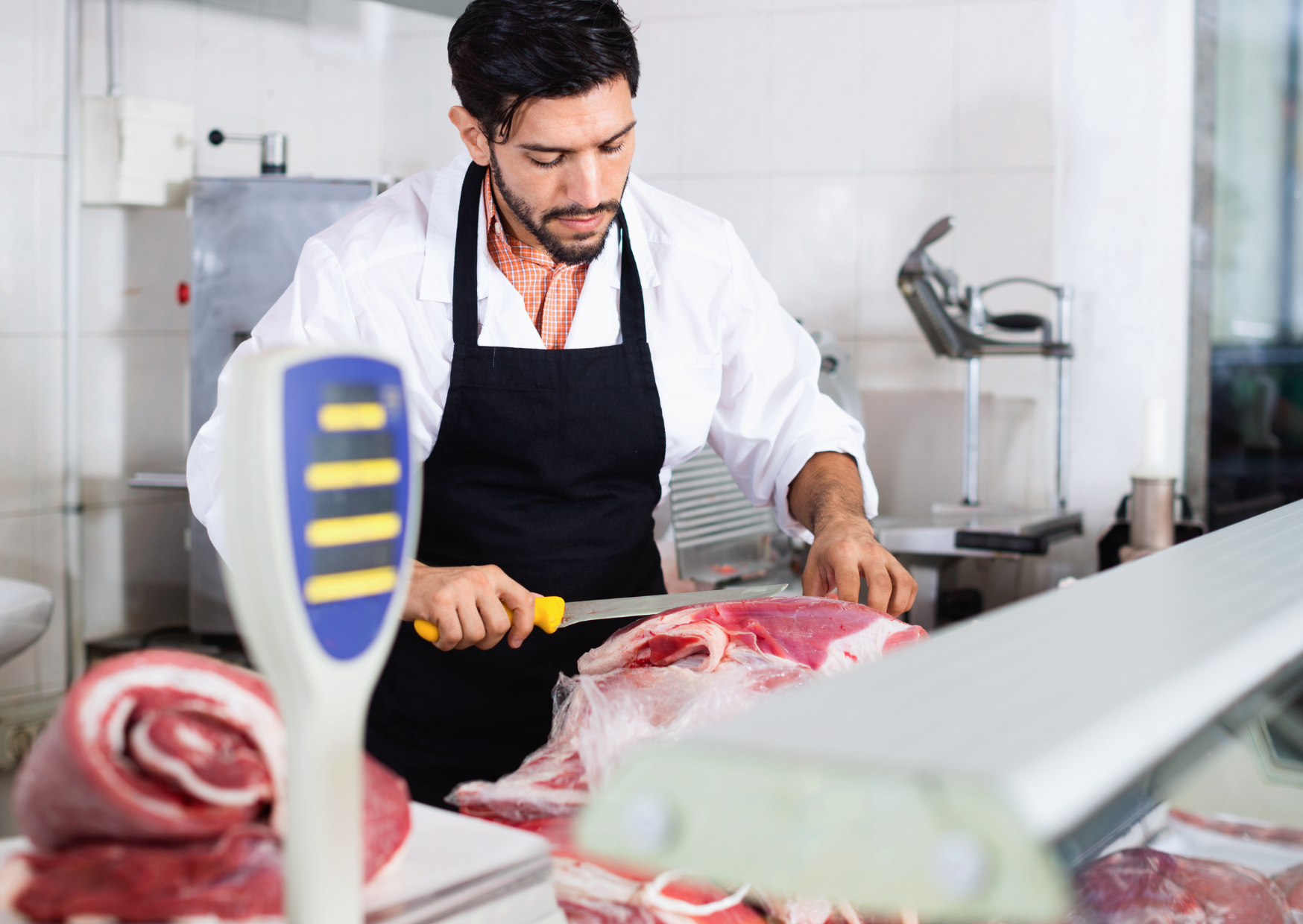
Portugal is still part of Europe’s broader meat market, and broader European beef conditions are not exactly sleepy. The European Commission’s latest beef market material shows EU beef prices still running high year over year at the producer level. So no, this is not a fairy tale in which Portuguese cattle somehow escaped the whole continent’s pressure.
And the U.S. is not helpless either. Americans can shift to chicken, pork, eggs, legumes, and all the usual substitutes when beef gets aggressive. They already do. The point is not that one country can adapt and the other cannot.
The point is that one country is adapting from a much harsher starting point.
When U.S. beef is up 14.4% in a year, it is not just another inflation footnote. It is a signal that a very normal grocery category is now behaving like a financial stress test. Portugal, by contrast, can still produce real examples where a familiar beef cut is literally unchanged year on year. Those are two very different retail atmospheres.
That difference is what the title is trying to capture.
Not a miracle.
A change in baseline.
Americans Usually Miss The Butcher Logic Because They Shop Too Big And Too Rarely.
This is where the broader food-culture gap matters.
A lot of Americans still shop like the whole week must be purchased in one act of logistical heroism. Bigger store. Bigger cart. Bigger freezer assumptions. Bigger protein decisions. That structure makes every category shock worse because the cart is trying to hold too much certainty.
Portugal often works with smaller corrections.
Bread again.
Vegetables again.
Fish instead.
Eggs tonight.
Soup tomorrow.
One cut of beef, not three.
That rhythm lowers the emotional temperature of food pricing. A stable butcher price lands as normal, not miraculous. A higher butcher price lands as annoying, not as the collapse of the meal plan. The system around the purchase matters almost as much as the purchase itself.
That is one reason the title works even though it sounds provocative.
Portugal is not only giving a different price in some cases.
It is giving a different shopping rhythm, and that rhythm makes price stability feel more visible when it appears.
The Full Monthly Food Story Is Bigger Than Beef, But Beef Reveals It Best.
This is what I keep coming back to.
Beef is useful because it is emotionally charged. People notice it. They remember it. They use it as shorthand for “grocery life is getting out of hand.” In the U.S., that shorthand is now justified. The BLS category numbers are too strong, and the USDA outlook is too hot, for anyone to pretend this is just a media story.
Portugal, meanwhile, still has enough ordinary food stability that a person can see a familiar beef number, unchanged, and think: yes, that sounds about right.
That is the bigger national difference.
Not that Portugal wins every shelf.
That ordinary groceries have not yet stopped feeling ordinary to the same degree.
Once a country loses that feeling, people stop trusting the basket. And once they stop trusting the basket, food becomes emotionally expensive before it even becomes financially unbearable.
America is much closer to that line right now.
Portugal is still further from it.
What To Check Before You Believe Any Food-Price Story
Start with the category, not the headline.
“Beef is up” means nothing unless you know whether you are talking about steaks, ground beef, roasts, or the whole beef-and-veal basket.
Then check whether the comparison is one product, one chain, one city, or the wider market.
Then ask the more useful question: does this price fit into a kitchen that still works?
That is what people really want to know.
Not whether one number is lower.
Whether the whole food life around that number still behaves normally.
A few blunt rules help:
- compare like with like
- do not turn one promotional price into a national myth
- do not ignore category inflation when it is this large
- do notice when a real current cut is unchanged year on year
- remember that stable food categories matter more than pretty food rhetoric
That last one is what the title is really about.
The Strange Part Is That “Same As Last Year” Now Sounds Like A Flex.
That is the honest ending.
The line “my butcher charges the same as last year” should not feel like a cultural provocation.
It should feel ordinary.
In the U.S. right now, it does not. With beef and veal up 14.4% year over year, and USDA still expecting a high-increase year overall, price stability in a familiar meat category has started sounding almost fictional.
In Portugal, the atmosphere is different enough that the line can still be defensible without resorting to folklore. Inflation is lower. The shopping rhythm is tighter. And in at least one very normal current example, a common beef cut is sitting at exactly the same €19.99/kg mark it carried a year ago.
That does not make Portugal a cheap-food paradise.
It does make America look much harsher.
And once you notice that, the title stops sounding like bragging.
It starts sounding like a very ordinary sentence that the U.S. somehow made unbelievable.

About the Author: Ruben, co-founder of Gamintraveler.com since 2014, is a seasoned traveler from Spain who has explored over 100 countries since 2009. Known for his extensive travel adventures across South America, Europe, the US, Australia, New Zealand, Asia, and Africa, Ruben combines his passion for adventurous yet sustainable living with his love for cycling, highlighted by his remarkable 5-month bicycle journey from Spain to Norway. He currently resides in Spain, where he continues sharing his travel experiences with his partner, Rachel, and their son, Han.