
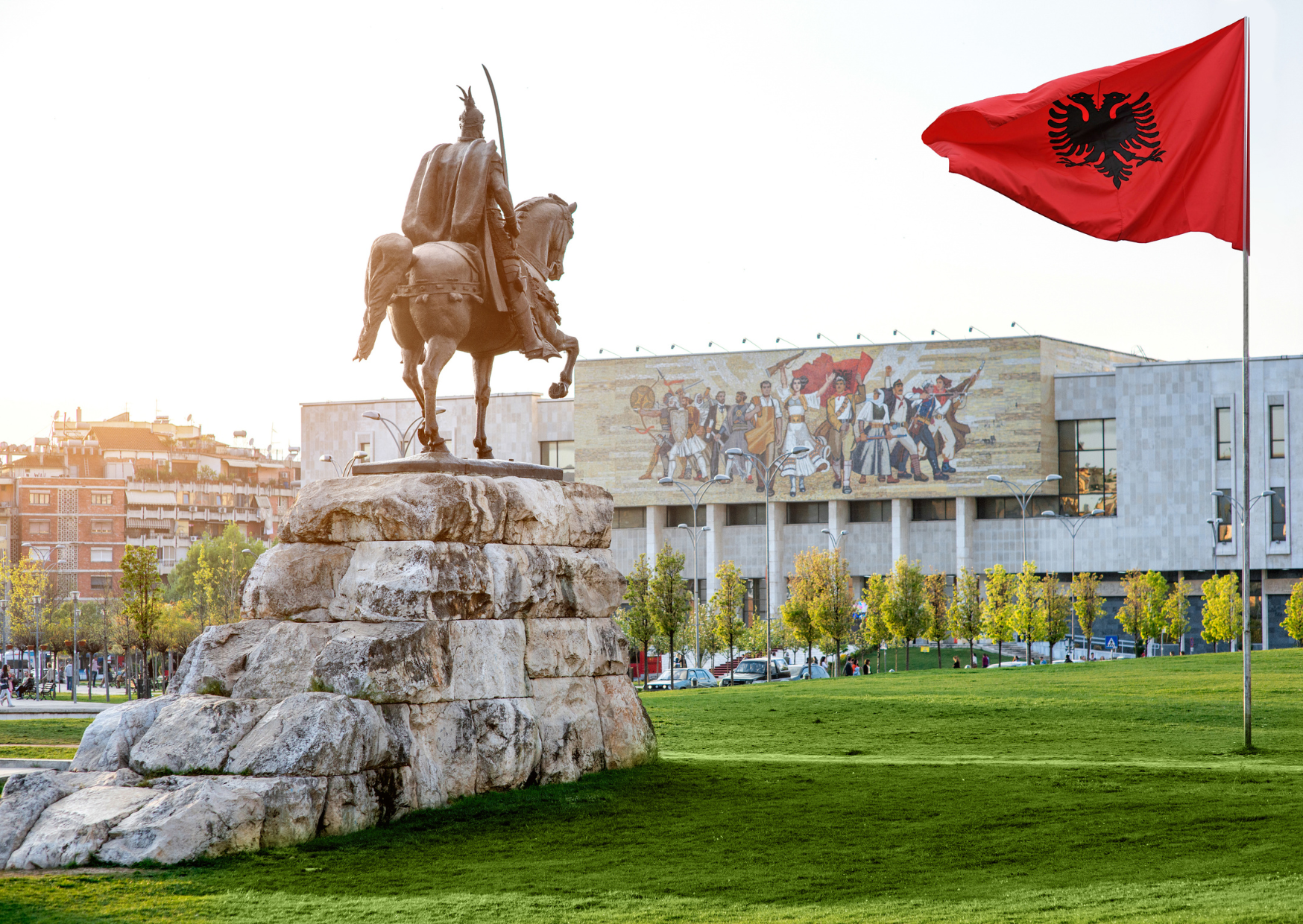
For years, Portugal was the answer.
Warm enough. Pretty enough. Western enough. Cheap enough, or at least cheap enough compared with the American places people were trying to leave. It had the right light, the right food, the right old-city texture, and just enough international familiarity that Americans could imagine themselves living there without feeling they had moved too far from recognizability.
That answer is aging badly.
Not because Portugal stopped being attractive. It did not.
Because the old Portugal fantasy no longer comes at the old Portugal price, and because too many Americans are still shopping the country as if the market had not changed, the rents had not changed, and the foreign demand story had not become brutally obvious to anyone who has tried to rent something decent lately. That is why people keep asking the next question.
If Portugal is now too expensive, too visible, too fought over, or too over-explained, where does the American gaze go next?
The country that increasingly fits that role is Albania.
Not because Albania is “the new Portugal” in some neat interchangeable way.
It is not.
Not because the countries are culturally identical.
They are not.
And not because Albania is still some secret nobody has noticed.
That fantasy is already outdated.
But if you mean the next European country Americans start talking about with the same old Portugal tone, the same mix of surprise and opportunism, the same “wait, why is nobody else doing this?” energy, Albania is the strongest answer right now.
It has the coast. It has the old-city and mountain angle. It has the lower-cost promise. It has a lighter-bureaucracy story than many Americans expect. And, crucially, Americans can currently stay in Albania for up to one year without a residence permit, which is the kind of detail that turns casual travel interest into serious long-stay attention very quickly.
That is where the comparison starts.
And that is also where people need to stop being lazy.
Albania Is Not Portugal 2.0 And That Is Exactly Why It Is Moving Up
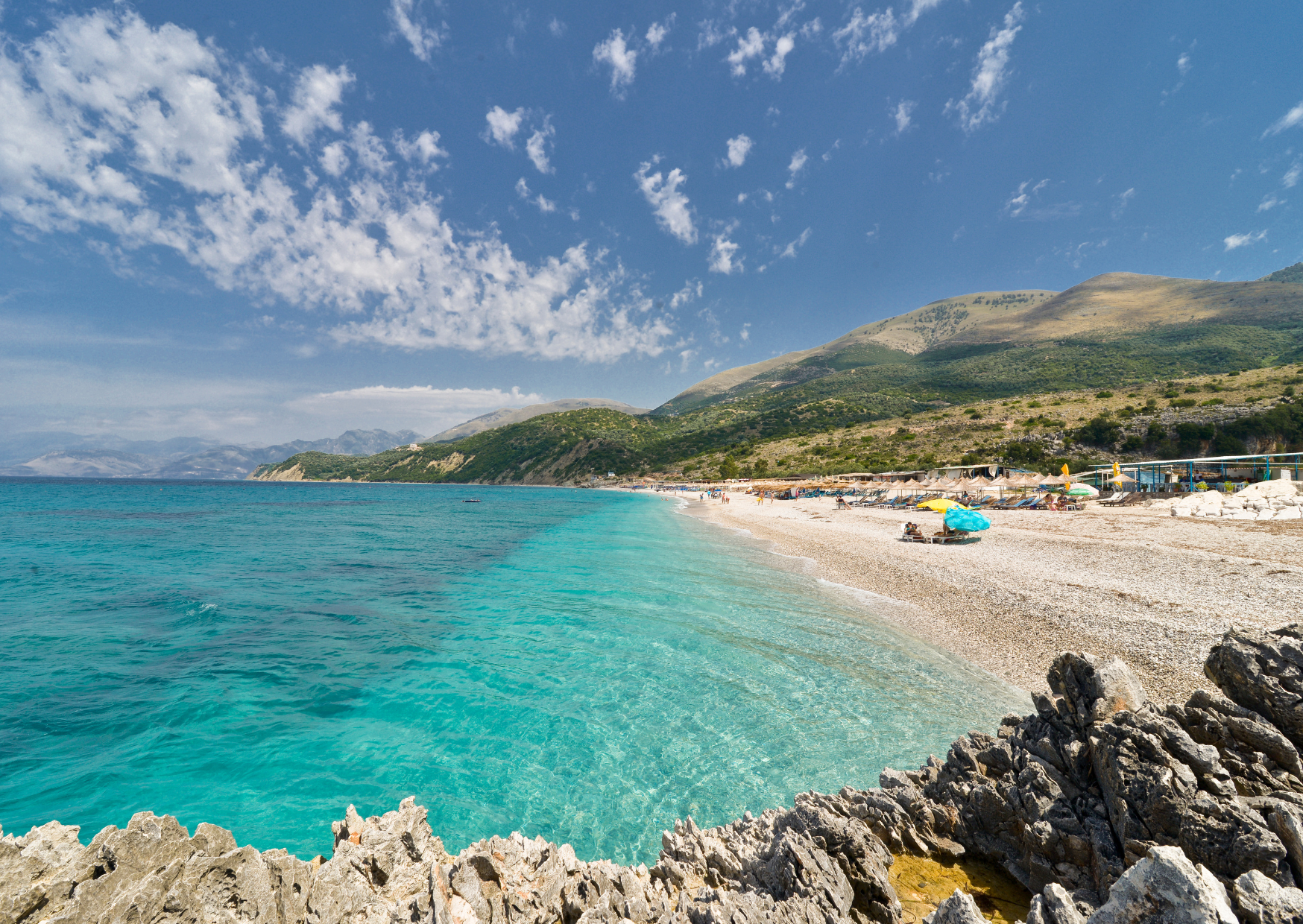
The first mistake is assuming “next Portugal” means Albania is just Portugal at an earlier stage.
No.
Albania is not a substitute product.
It does not offer the same healthcare structure, the same EU status, the same administrative environment, the same rail quality, or the same level of international polish. In some places that is the attraction. In others it is the warning label.
Still, the reason the comparison works is clear enough.
Portugal used to occupy a certain spot in the American imagination. European but approachable. Coastal but affordable. Beautiful without feeling inaccessible. Foreign, but not so foreign that people panicked. Albania is starting to occupy that same psychological slot for the kind of American traveler or slow mover who no longer believes the old Portugal marketing but still wants the same broad shape of life.
That shape matters.
People are not only shopping for weather.
They are shopping for a life script. Walkable old centers. Sea nearby. Outdoor meals. Visible public life. Better value than the U.S. or western Europe. A place that still feels like a discovery, even when it is already halfway through being discovered.
That is Albania now.
The key point is that Albania still feels early enough in the American conversation that people can imagine getting there “before everyone else,” which is one of the oldest and most embarrassing motivations in travel and relocation culture. It is also a very powerful one.
And yes, it is a bit ridiculous.
Still works.
The Tourism Numbers Already Show The Country Is Moving Fast
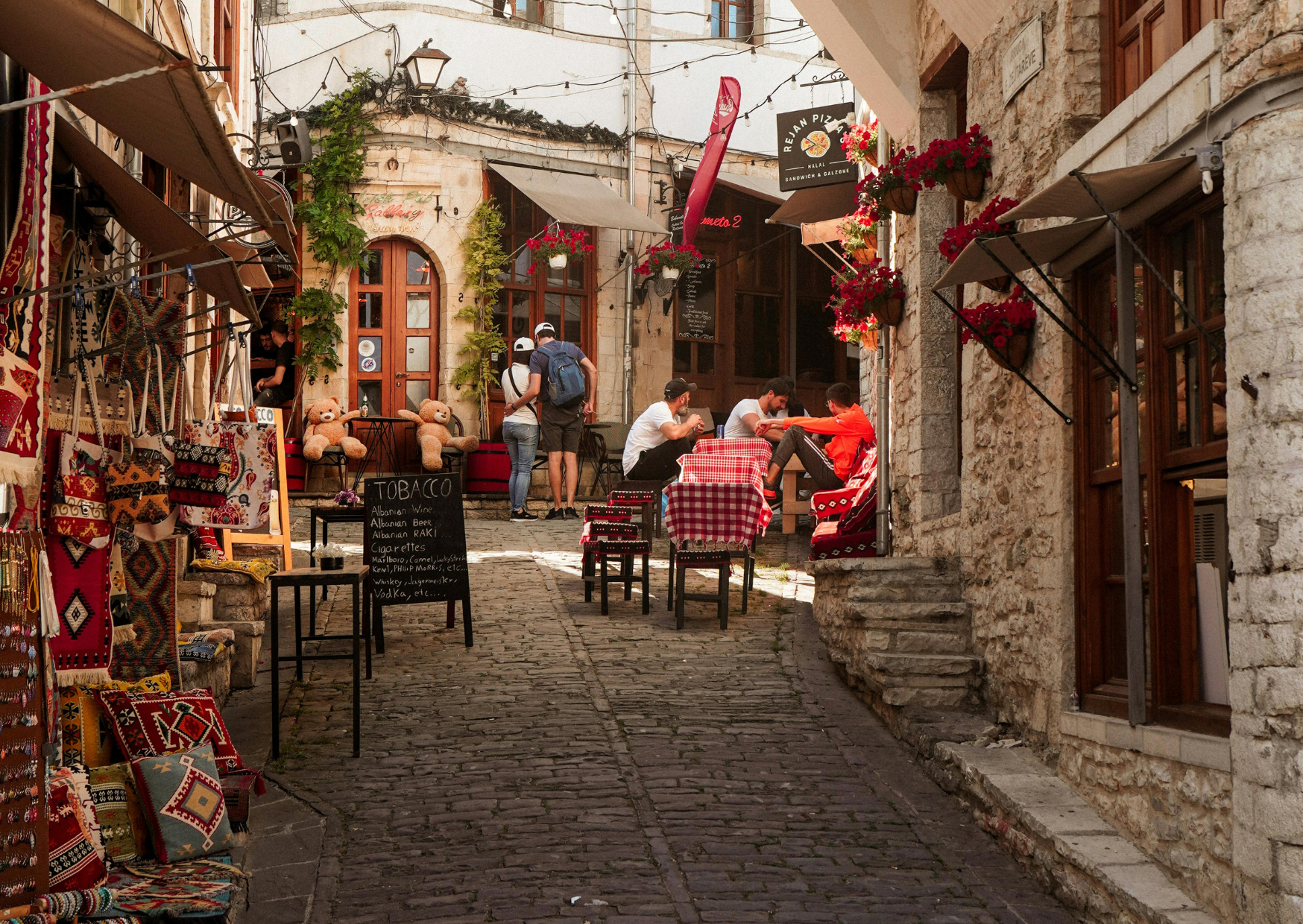
If you want proof that Albania is no longer fringe, look at the tourist arrivals.
Official INSTAT figures show 12,466,038 foreign citizen arrivals in Albania in 2025, up from 11,696,111 in 2024. That is not a sleepy niche-country trajectory anymore. That is a country under active tourism acceleration.
That number matters for two reasons.
First, it kills the fantasy that Albania is some untouched corner of Europe waiting patiently to be admired by especially perceptive Americans. It is not untouched. The tourist wave is real, and anybody writing about Albania as if they found a private Adriatic loophole is already late to their own story.
Second, it tells you that Albania is at exactly the stage where a country starts attracting a new category of foreign attention. Not just backpackers, not just regional summer travelers, and not just the people who were always willing to trade polish for price. Once a country passes a certain visibility threshold, it starts catching the eye of slower travelers, semi-retirees, remote workers, long-stay Americans, and people who have been burned by Portugal’s old promise becoming more expensive and less accidental.
That is the important part.
The comparison to Portugal is not only about beauty or affordability.
It is about timing in the foreign imagination.
Portugal had its moment when Americans could still talk about it as if they were ahead of the curve.
Albania is entering that phase now.
Not secretly.
But early enough that the American article machine is only just beginning to really notice.
The One-Year Stay Is What Turns Curiosity Into Obsession
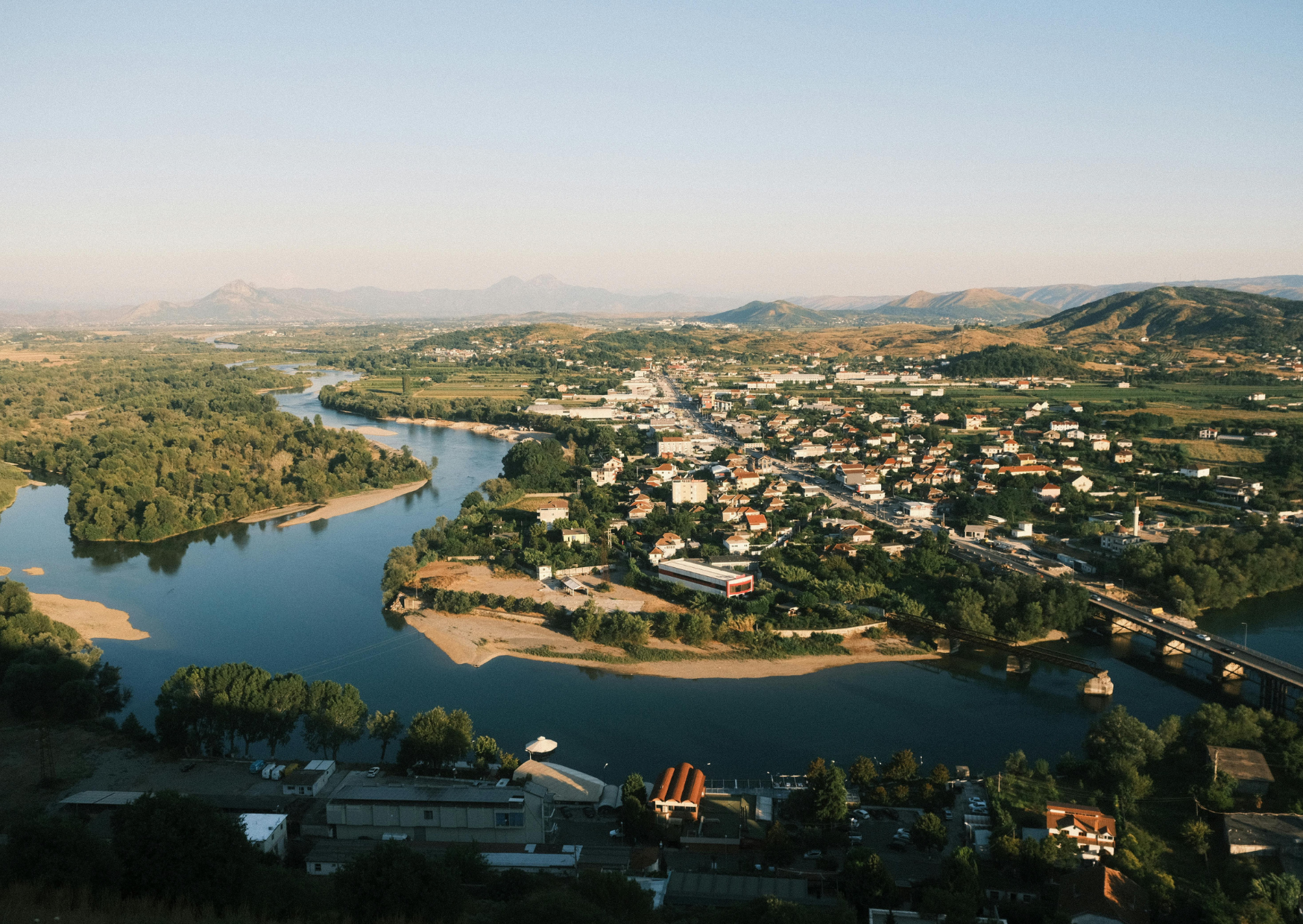
This is where Albania stops being a nice travel idea and starts becoming dangerous to people’s long-stay spreadsheets.
For U.S. citizens, Albania is unusually simple on the stay side. The U.S. Embassy in Tirana states that U.S. citizens may stay in Albania for up to one year without a residence permit. The U.S. State Department’s country information page says the same thing plainly: no tourist visa is required for U.S. citizens, and if you intend to stay more than one year, then you need to apply for a residence permit.
That is a huge deal.
Not because everyone actually wants to stay a year.
Because the rule changes the psychology of the country immediately.
A lot of Americans are not really shopping for a legal immigration process at first. They are shopping for room. Room to test a city. Room to spend a season. Room to stay beyond Schengen pressure without instantly entering the bureaucracy trench. Room to slow down without making a formal move before they are sure they want one.
Albania gives them that room.
That is exactly the kind of rule that creates a “next Portugal” narrative, because it lowers the emotional barrier to entry. You do not have to commit to a residency application just to see what six months feels like. You do not have to run the same Schengen clock that governs so much of the rest of Europe. You can treat the country less like a vacation container and more like a temporary life experiment.
That is intoxicating for a certain kind of American.
Especially the ones who are already tired of hearing “90 days in 180” every time they start imagining Europe as something larger than a trip.
Now, none of this means Albania is lawless or effortless. The Albanian Ministry for Europe and Foreign Affairs still defines the standard short-stay C visa logic as 90 days in 180 where a visa is relevant, and long-stay D visas exist for foreigners who need them. But for Americans specifically, the one-year rule is the line that matters first.
That rule alone is enough to make Albania start appearing in the same conversations Portugal used to dominate.
The Appeal Is Coastal Europe Without Full Western Pricing

This is the part people want simplified into one sentence.
They want to hear “Albania is cheap.”
That is not good enough.
The smarter version is that Albania still offers a lower financial entry point into the idea of Mediterranean-adjacent Europe than the western European places Americans usually name first. It is not the only reason people are looking. It may be the biggest one.
The euro zone changed the emotional math for a lot of Americans in 2025 and 2026. Portugal, Spain, and Italy still attract them, but they no longer automatically feel like the easier answer once exchange rates, rents, deposits, and longer stays get serious. Albania operates outside that structure. The local currency is the lek, the housing conversation is different, and the country still lives at a much lower income level than EU western favorites. Eurostat’s enlargement-country overview shows Albania’s GDP per capita as one of the lowest in that wider European group, and its household income levels far below the EU average. That does not automatically tell you what your own lifestyle will cost. It does tell you you are dealing with a country whose domestic economic base is nowhere near Portugal’s internationalized western-European pricing tier.
That matters because countries do not feel “cheap” in the abstract.
They feel cheap or expensive relative to the foreign demand hitting them and the local economy underneath them. Portugal’s problem was not only beauty. It was that international demand ran far ahead of local wage reality and changed the market story faster than old articles changed their copy.
Albania is earlier in that process.
That is why the comparison works.
It still feels like a place where a foreigner can get in before the full lifestyle-brand tax has attached itself to every attractive square meter. Whether that remains true for long is another question.
Probably not forever.
What Albania Gets Right That Portugal Once Got Right
A country becomes “the next Portugal” in American writing only when it assembles a particular stack of advantages.
Albania is building that stack.
The coast is real. The Riviera marketing can get silly, but the coast is not imaginary.
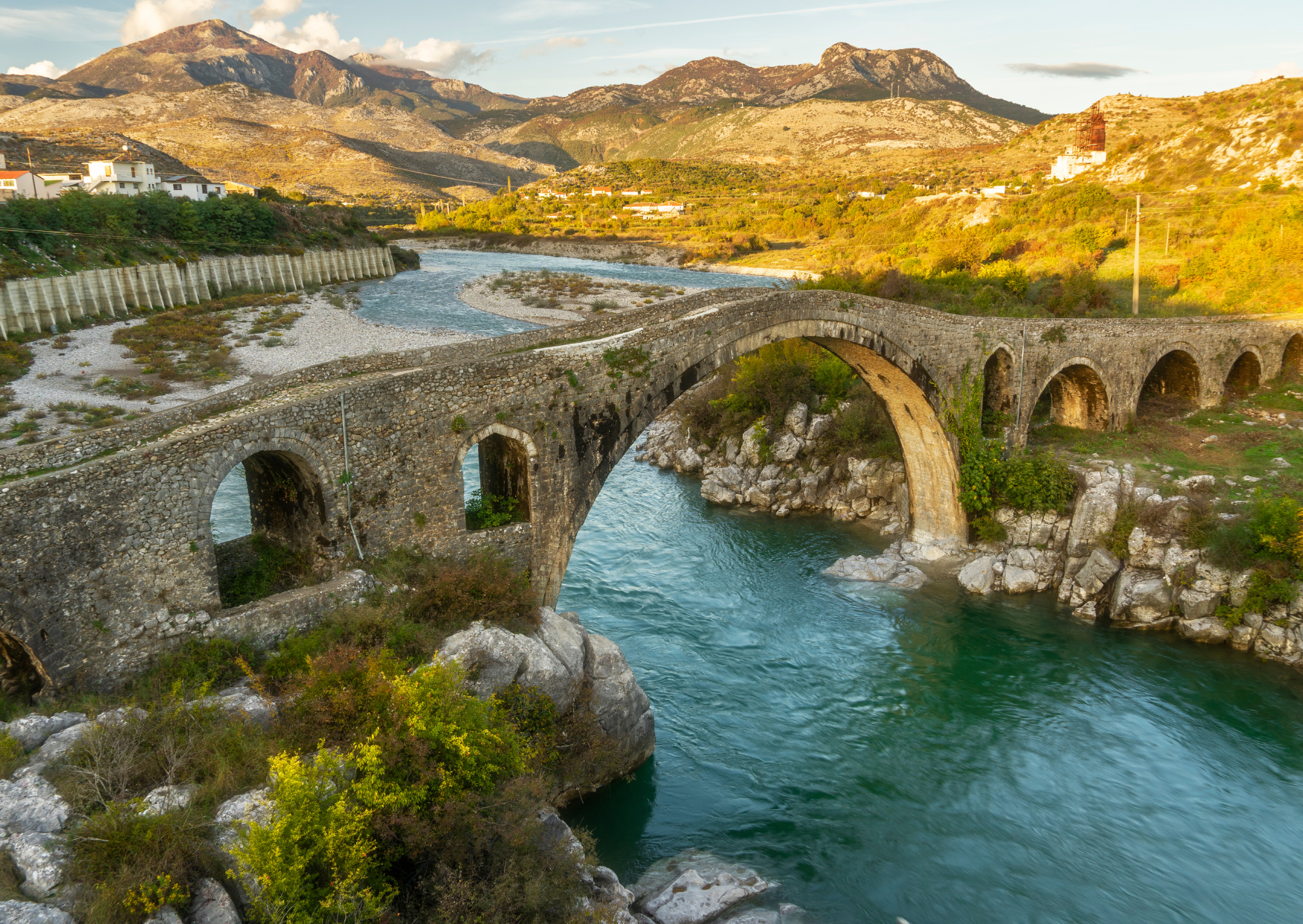
The visual Europe factor is real. Old towns, mountain backdrops, cafés, promenades, historical layers, and enough dramatic scenery to keep relocation fantasy alive.
The affordability story still has oxygen. Not universally, not without caveats, but enough that people still feel a genuine difference between Albania and western Europe when they run rough numbers.
The stay rule for Americans is unusually generous. That one matters a great deal.
The country still feels under-scripted. This is bigger than people think. Once a place becomes too thoroughly translated for foreigners, some people feel safer and others lose interest. Albania still has enough rough edges that it does not feel like a processed export.
That combination is strong.
It is also why the country is attracting Americans who are no longer interested in fighting for a Lisbon rental, no longer interested in pretending Porto is undiscovered, and no longer interested in reading one more article about “hidden” European places that have already become visibly expensive on the ground.
The old Portugal dream was never only about Portugal.
It was about finding an opening.
Albania still looks like an opening to a lot of people.
That is the dangerous and market-moving part.
What Albania Does Not Give You, And Why That Matters
This is where the article has to stay honest or the comments will tear it apart.
Albania is not a western-European soft landing with lower prices.
That is the fantasy version.
The real version is that Albania is a country with real strengths and very real trade-offs. It is not in the EU. It does not give you Schengen convenience just because the sea is beautiful. It does not offer Portugal’s public-healthcare image or Spain’s system familiarity. Infrastructure can be patchier. Bureaucracy can be rougher. Public transport is not the same game. The administrative experience is not as polished as in countries that have already spent years being optimized around international middle-class expectations.
That is important because “next Portugal” is a tempting phrase, and tempting phrases make people stupid.
Albania works best for people who understand they are not buying a discount copy of Cascais with a Balkan accent. They are entering a different country with a different rhythm, a different developmental stage, and a different relationship to foreign demand. Some people will like that more. Some will hate it after two months.
Good.
That is how it should be approached.
The people most likely to do well there are not the ones chasing a lifestyle brand. They are the ones looking for room, time, lower entry costs, and a country that has not yet been entirely arranged around other foreigners’ needs. The people most likely to do badly are the ones who want low prices but still expect western-European polish in every category.
That combination rarely stays cheap anywhere.
The Places People Will Start Talking About First
When Americans begin discovering a country, they do not discover it evenly.
They cluster.
In Albania, the obvious names will keep coming first: Tirana, because capitals always absorb the first wave of serious attention. The coast, because coasts always absorb the fantasy wave. The Riviera strip, because articles need pretty photos and a good overstatement. Maybe Shkodër for the mountain-adjacent romantics. Maybe Vlora and Sarandë for the sea-first crowd. Maybe some people will insist they are “doing Albania properly” by naming a smaller place three years before it develops the same problem.
None of that is surprising.
What matters more is how people enter the country psychologically.
The smart move is not “where is Albania’s next Lisbon.”
That question ruins countries.
The better question is where the country still behaves like itself enough to support a normal life without requiring western-European expectations at western-European prices. The second somebody starts shopping Albania only for the bits that most resemble the old Portugal fantasy, the process has already begun to repeat itself.
That is exactly how the “next Portugal” story becomes a self-fulfilling price story.
First comes the article.
Then comes the foreign attention.
Then come the rents, the shiny cafés, the property videos, the “should we buy now?” conversations, and the comment sections full of people announcing that the place was better two years ago.
Albania is now close enough to that curve that the question is no longer whether it will happen.
It is how fast.
The First 7 Days If You’re Actually Thinking About Albania
Do not start with fantasy.
Start with what you are really trying to solve.
Day one, decide whether you want a scouting base, a full-year test, or a real move. The country is useful for all three, but they are not the same project.
Day two, understand the stay rule properly. As a U.S. citizen, you can stay up to one year without a residence permit, but that is not the same as becoming permanently settled by magic.
Day three, pick your first base by function, not beauty. Tirana if you need urban infrastructure. A coast option if the coast is actually the point. Something calmer if your fantasy is “ordinary life” rather than “European reveal montage.”
Day four, stop comparing everything to Portugal. That habit will make you misread Albania immediately.
Day five, test the practical parts. Pharmacies. SIM cards. groceries. transport. banking friction. everyday walking. weather in the actual month, not the brochure month.
Day six, ask whether you like the country as it is, not as it might become after another five years of foreign demand and polished expat content.
Day seven, decide whether the appeal is real or just relief that Portugal now costs more than your old spreadsheet allowed.
That last question matters more than people think.
Sometimes the “next Portugal” is not actually your next country.
It is just the first place that still looks numerically possible.
The Next Portugal Story Is Really A Warning Story
That is the honest ending.
When Americans start asking for the “next Portugal,” they are usually revealing two things at once. First, that Portugal’s old promise has become harder to buy. Second, that they still want the same promise somewhere else.
Albania is the country most likely to receive that projection now.
The coast is real enough. The one-year stay rule for Americans is real enough. The tourism boom is real enough. The lower-cost entry story is real enough. The timing in the foreign imagination is real enough. Put all that together and yes, Albania is probably the strongest answer to the title.
But the title carries a warning too.
The moment a country becomes “the next Portugal” in the American imagination, it has already stopped being only itself. It has entered the pipeline where beauty, affordability, flexibility, and foreign attention start reshaping one another faster than older locals or newer arrivals want to admit.
Albania is not there in the same way Portugal is.
Not yet.
That is exactly why people are starting to talk about it.

About the Author: Ruben, co-founder of Gamintraveler.com since 2014, is a seasoned traveler from Spain who has explored over 100 countries since 2009. Known for his extensive travel adventures across South America, Europe, the US, Australia, New Zealand, Asia, and Africa, Ruben combines his passion for adventurous yet sustainable living with his love for cycling, highlighted by his remarkable 5-month bicycle journey from Spain to Norway. He currently resides in Spain, where he continues sharing his travel experiences with his partner, Rachel, and their son, Han.