

The first number many Americans price out before a move to Spain is rent.
The second, quietly, is their mouth.
Not in a glamorous dental-tourism way. Not because they suddenly want veneers and a beach town in the same week. More because a lot of people in their late fifties, sixties, and early seventies arrive at relocation with a backlog of oral work they have been postponing for years. An implant that keeps getting delayed. A crown that is “fine for now.” Gum work that got discussed once and then filed under later. A bridge that really should have been replaced before the pandemic and definitely before the grandkids started asking why steak takes so long.
Then Spain enters the picture.
And suddenly the math changes.
Not because Spanish dentistry is free. It is not.
Not because the public system is going to sweep in and rebuild an American retiree’s molars for nothing. It will not.
The reason is simpler. Private dental work in Spain often costs less, feels easier to schedule, and can be folded into the relocation timeline before the rest of the move starts swallowing attention. For people already planning reconnaissance trips, visa prep, housing searches, or a slow relocation, the dental work starts to look less like a separate project and more like one smart part of the move.
That is why more retirees are front-loading it.
Not after they arrive half-settled and exhausted.
Before.
The Real Trigger Is Usually Not Spain It Is America

A lot of this starts with frustration at home.
Original Medicare still leaves most routine dental care on the patient’s side of the bill. Cleanings, fillings, extractions, dentures, implants, crowns, the usual expensive parade, mostly sit outside the basic coverage people assumed would feel more protective in retirement. Some Medicare Advantage plans add dental benefits, and for some retirees that helps. But the help is often narrower than people imagined. Network limits, annual caps, and partial coverage have a way of shrinking the emotional comfort very quickly.
That gap matters more in retirement than people expect.
Working years allow a lot of dental procrastination because there is still an income stream, still a job-based benefits story, still the possibility of “I’ll handle that next year.” Retirement strips some of that illusion away. The tooth does not care that someone is between Medicare enrollment choices. The implant consultation does not get cheaper because a person has become more organized.
So when Spain moves from fantasy to actual plan, dental work starts to get dragged into the same spreadsheet as rent, residency, insurance, and flight timing.
And unlike some relocation costs, this one has a nasty emotional edge. Dental delay becomes pain faster than people like to admit.
That is why Spain becomes attractive here. Not because retirees want a medical-adventure narrative.
Because they want to stop being held hostage by a mouth they have been negotiating with for six years.
Spain Is Not Public Dentistry Heaven
A lot of Americans hear “Europe” and assume routine dental care must be generously absorbed into the public system. Spain does not work like that for most adult restorative work.
Yes, Spain has been expanding and standardizing parts of public oral-health coverage. Yes, the system includes preventive and priority-group measures. Yes, adult access is not nothing. But for the kinds of treatments retirees usually care about in this context, crowns, implants, bridges, complex restorative work, and a lot of ongoing adult dentistry still land mainly in the private market.
That sounds disappointing until you understand the second half of the story.
The private market is exactly why the move can still make sense.
Spain has a large dental workforce, a dense urban clinic network, and a much more normalized habit of paying privately for adult dental treatment than many Americans expect. In practice, that means a retiree looking at Madrid, Valencia, Málaga, Alicante, Barcelona, or many medium-sized cities is not wandering into a desert. They are entering a country where private dentistry is ordinary, public coverage is limited for adults, and the patient pathway is often more straightforward than the U.S. insurance maze.
That last part matters more than the sticker price.
People do not only want lower bills.
They want fewer layers of nonsense between the broken tooth and the fix.
The Price Gap Gets Real Very Fast
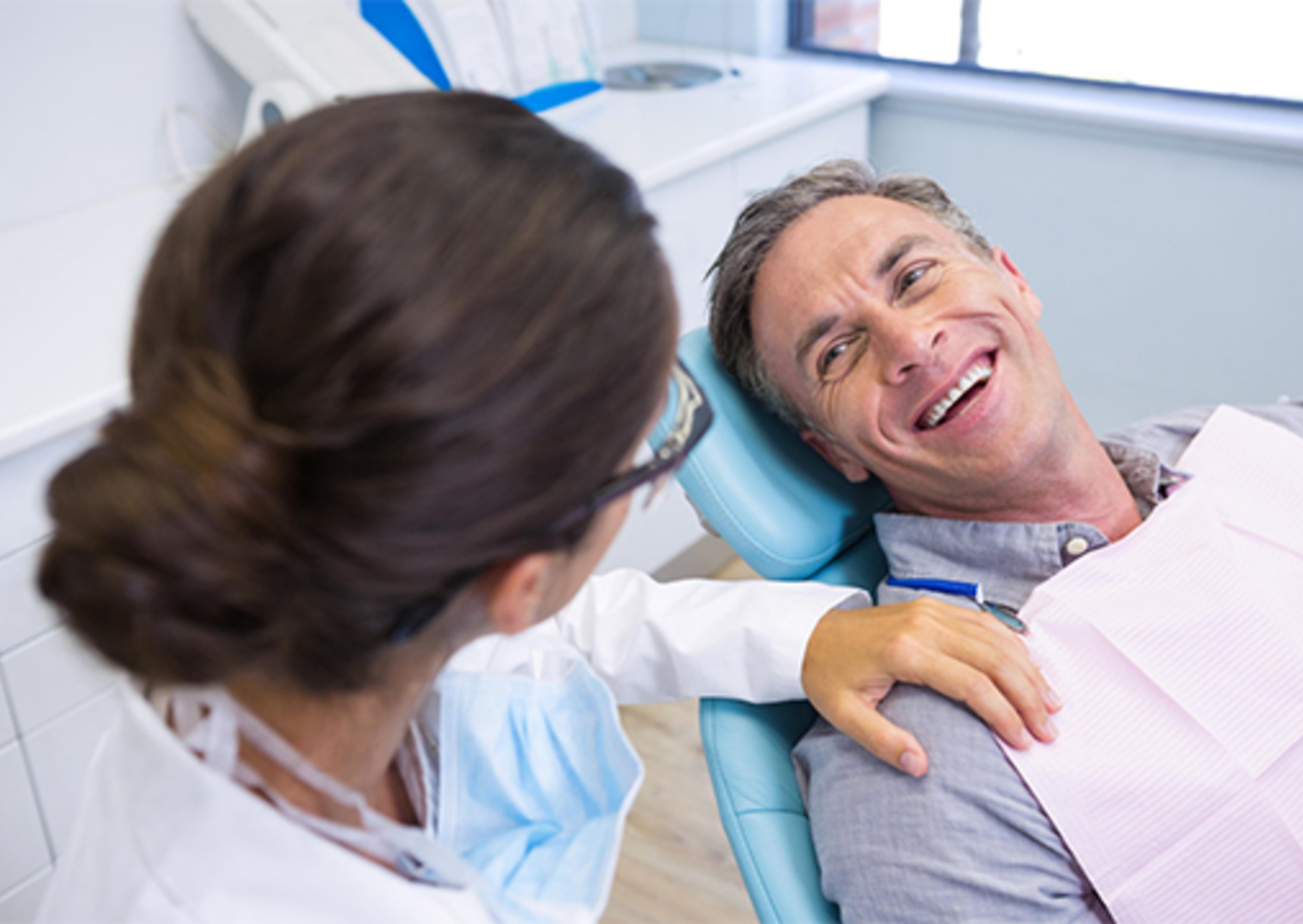
This is where the conversation stops being philosophical.
Current U.S. price guides still put a dental exam with cleaning and x-rays at about $203, a crown at roughly $697 to $1,399, and a single implant averaging $2,143, with broad national variation that can run much higher depending on geography and complexity. In Spain, current clinic listings show single implants starting around €700 and crowns around €500, again with very real variation by city, materials, bone condition, sedation, and the dentist’s plan.
That does not mean every Spanish clinic is cheap.
It means the baseline is different enough that retirees start paying attention.
A person staring at a U.S. treatment plan with two crowns, one extraction, and an implant consult is not comparing abstract health systems anymore. They are comparing a number that may swallow several months of discretionary retirement spending against a number that, while still substantial, feels more survivable.
And once the retiree is already budgeting for Spain, the psychological barrier drops further.
The trip is happening anyway.
The rental search is happening anyway.
The paperwork trip may be happening anyway.
So the dental plan stops feeling like “flying abroad for dentistry” and starts feeling like bundling one expensive life project into another.
That is why this often starts before the move rather than after it. The work becomes part of the same relocation logic as scouting neighborhoods or opening a local bank account later.
Not because people are reckless.
Because they are finally doing the adult version of triage.
Why They Do It Before The Move Instead Of After They Arrive
This is the part outsiders miss.
The early months after relocation are not calm. They are administrative. Even smooth moves get consumed by housing, documents, registrations, tax questions, insurance, furniture, phones, utilities, and the thousand tiny humiliations that come with becoming new somewhere.
That is a terrible moment to discover you also need a root canal, a crown rebuild, or a longer implant plan.
Doing the dental work earlier solves several problems at once.
First, it gives the retiree a clear diagnosis before the rest of relocation chaos begins. A lot of people are not actually sure what they need. They know a tooth is failing. They know a bridge is old. They know something hurts when cold water hits it. Getting scans and a written treatment plan in Spain before moving turns dental dread into a sequence.
Second, it lets them make decisions while they still have time. Maybe the answer is do the cleaning and urgent fillings now, then stage the larger restorative work after the housing contract is signed. Maybe the answer is begin the implant process before the move because healing time can run in the background while the relocation unfolds. Maybe the answer is, unpleasantly, that a tooth should come out sooner rather than later.
Third, it prevents the move itself from becoming the excuse for another year of delay.
This is more common than people admit. Relocating becomes a beautiful umbrella under which all deferred maintenance hides. Dental work. Knee work. Tax cleanup. Estate documents. Vision care. Hearing checks. Everything gets pushed until “after we settle.”
Settling, of course, takes longer than expected.
So the mouth waits again.
Doing dental work before the move cuts through that pattern. It closes an open loop before Spain becomes a fresh set of excuses.
The Treatments That Travel Well And The Ones That Do Not

Not every dental job belongs in a pre-move trip.
That is where people get silly.
A cleaning, check-up, x-rays, second opinion, treatment plan, small filling, simple extraction, periodontal assessment, maybe even crown planning, those are all fairly easy to fit into a scouting visit if the logistics are sensible.
Implants are different.
Implants are not a quick holiday purchase. They are a sequence. The whole process can take many months from start to finish, and after the implant is placed there is often a wait of at least three months before it can support the final replacement tooth. If a bone graft is involved, the timeline can stretch further. That does not make Spain a bad place to do it. It makes Spain a place where you need to think like an adult with a calendar, not like a person buying sandals.
This is exactly why some retirees start before the move.
They do the assessment, imaging, extraction if needed, and first surgical stage while they are still in move-planning mode. Then the healing window overlaps with housing search, downsizing, or staged relocation. By the time they are more fully based in Spain, the restorative phase is easier to complete.
That is smart.
What is not smart is trying to compress a complicated mouth into one heroic ten-day trip because the airfare was good and the apartment had a balcony.
Complex dentistry punishes impatience.
The better mindset is sequence over speed.
That may be the most Mediterranean lesson of the whole thing.
The Better Clinics Feel Boring For A Reason
When retirees do this well, the clinic choice looks less romantic than people expect.
The good sign is not a “smile package.”
It is boredom.
A clinic that asks for records, takes proper images, explains timing, talks plainly about follow-up, gives a written plan, and does not promise a cinematic transformation in the time it takes to recover from jet lag is usually giving off the right signal.
That matters in Spain just as it matters anywhere else.
The flashy mistake in this space is treating dentistry like consumer travel. Cheap flight, pretty city, dramatic sales pitch, a little sightseeing around the edges, what could go wrong. A great deal, unfortunately. That is true in Spain, Turkey, Mexico, Morocco, the United States, everywhere. Dentistry is still healthcare no matter how aggressively the internet packages it.
The safer move is much less exciting.
Find a properly registered clinic.
Ask who is actually doing the work.
Ask for the written treatment plan, material choices, implant brand if relevant, timeline, and what happens if something needs adjusting after you leave.
Ask whether the crown price includes scans, temporary work, lab work, and placement or whether the number being advertised is only the seductive front slice of a larger bill.
Ask how follow-up is handled if the move date shifts.
Ask what should not be rushed.
Retirees tend to do better here than younger dental tourists because they are less impressed by hype and more interested in whether the molar will behave on a Tuesday.
That is the correct instinct.
This Is Also About Getting To Spain With One Less Fire Burning

There is a deeper reason this trend makes sense.
Moving countries is destabilizing even when it is wanted.
People who relocate well are usually the ones who remove a few avoidable future headaches before they land. They do not arrive with every part of life unresolved. They close what can be closed. Dental work fits that logic perfectly because a neglected mouth is one of the most annoying ways to sabotage the first six months abroad.
A person can survive a delayed sofa.
They can survive a confusing internet contract.
They can even survive temporary paperwork chaos if the legal path is sound.
A failing crown is different. It is intimate, repetitive, and expensive in a way that follows you into every meal.
So getting a mouth stabilized before the move is not vanity.
It is relocation prep.
That does not always mean doing every large treatment before arrival. Sometimes it means diagnostics, urgent care, cleaning up infection risk, and making a staged plan. Sometimes it means doing the restorative work in Spain first and then moving a few months later. Sometimes it means discovering the problem is smaller than feared and the retiree can stop mentally budgeting for apocalypse.
That clarity is part of the value.
And clarity gets underrated because people focus only on price.
But retirees are not only buying dental work here.
They are buying predictability.
The 7 Day Dental Prep Before Spain
This is one of those projects that goes better when it is stripped of drama.
Day one, gather the U.S. side. Last x-rays, recent treatment notes, implant history if you have it, medication list, allergies, and any existing treatment plan that made you wince and postpone.
Day two, write the real question. Not “can Spain do dentistry.” Of course Spain can do dentistry. The real question is whether you need urgent stabilization, medium-term restorative work, or a long staged plan.
Day three, shortlist clinics in the Spanish city you are actually considering, not some random glossy destination that has nothing to do with your relocation map.
Day four, request consultations and ask for what matters: imaging, diagnostic fee, estimated timing, whether English is available if needed, and whether they provide a written treatment plan with cost breakdown.
Day five, match dental timing against move timing. If you are looking at implants, bone grafts, or complex bridge work, stop pretending this is a weekend errand. Build a real sequence.
Day six, price the realistic total, not the bait number. Include scans, temporaries, follow-up, medications, and the chance that your first diagnosis will not be the final one.
Day seven, choose the boring sensible option over the exciting one.
A few rules make this much less error-prone:
- Do the consult before the crisis, not after the tooth breaks.
- Do not anchor on the cheapest ad.
- Do not combine major dentistry with your actual moving week.
- Do not assume Spain’s public system will absorb adult restorative work.
- Do not start an implant timeline you cannot realistically finish.
That last one causes more problems than retirees expect.
The Smart Move Is Not The Cheapest Quote
The retirees doing this well are not the ones chasing the absolute lowest number.
They are the ones who understand what Spain is actually offering.
Not miracle dentistry.
Not public-system magic.
Not a free European mouth with every residency application.
What Spain often offers is lower private pricing than the U.S., enough clinic density to make private care practical, and a calmer way to stage dental work before relocation swallows the calendar. For retirees with delayed crowns, missing teeth, old bridgework, or implant decisions hanging over them, that can be a very good deal.
But only if they treat it like healthcare.
Not like a souvenir.
The real advantage is not that Spain makes dentistry free.
It is that Spain can make deferred dental work finally feel manageable, and there are moments in retirement when manageable is more valuable than cheap.
Especially when the alternative is arriving in a new country with a loose crown, a sore jaw, and one more expensive problem still waiting for “later.”

About the Author: Ruben, co-founder of Gamintraveler.com since 2014, is a seasoned traveler from Spain who has explored over 100 countries since 2009. Known for his extensive travel adventures across South America, Europe, the US, Australia, New Zealand, Asia, and Africa, Ruben combines his passion for adventurous yet sustainable living with his love for cycling, highlighted by his remarkable 5-month bicycle journey from Spain to Norway. He currently resides in Spain, where he continues sharing his travel experiences with his partner, Rachel, and their son, Han.