
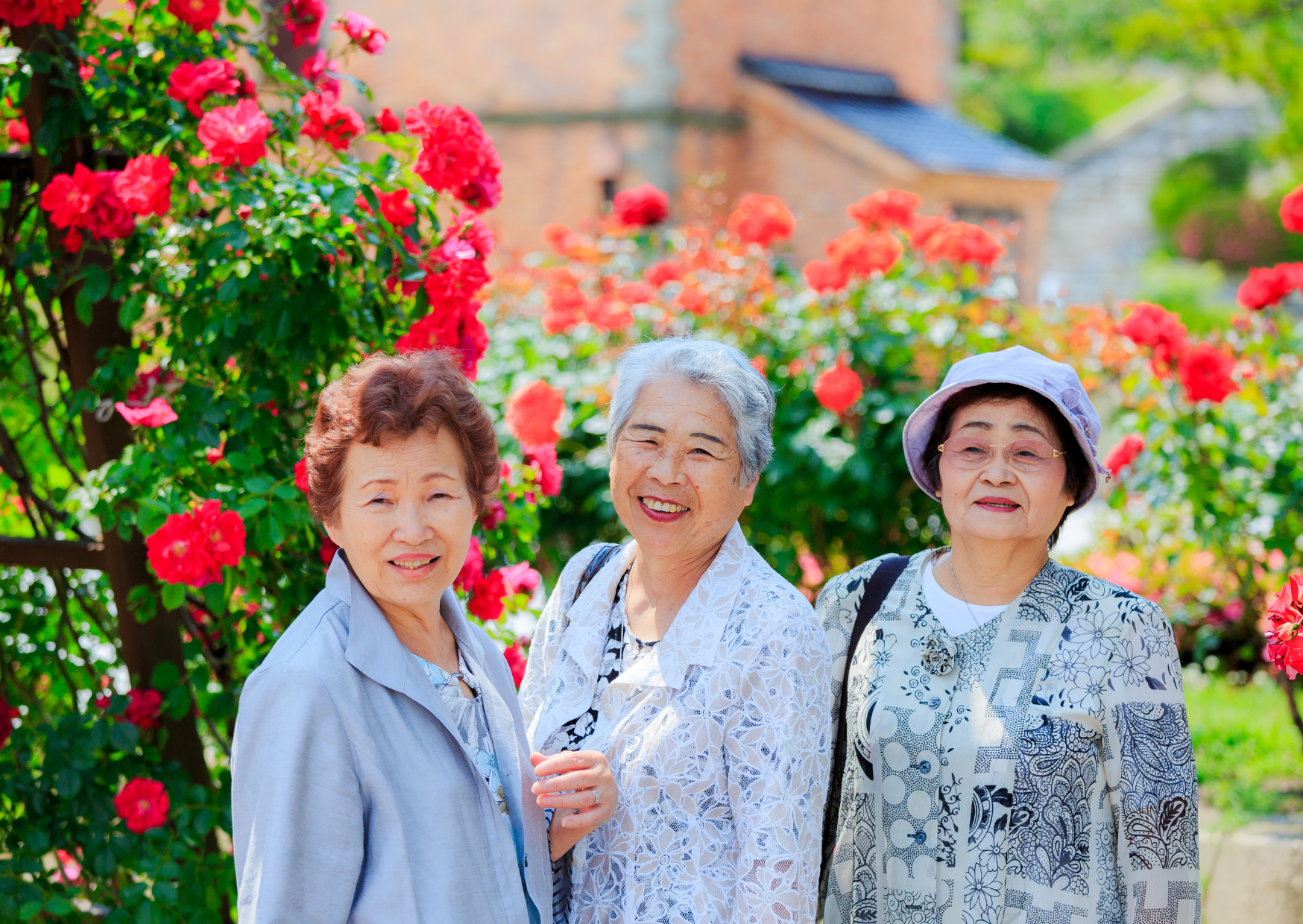
The first thing to understand is that Japanese grandmothers are not magical.
They are not blessed by genetics and seaweed. They do not wake up at 78 with perfect knees because they smiled at miso soup. Japan has dementia, disability, loneliness, depression, and an aging-care crisis that the rest of the world studies precisely because it is hard.
But Japanese grandmothers often carry a set of aging instincts that don’t look like “health hacks.” They look like normal life. And that’s the problem: American medicine tends to treat normal life as background noise.
In the U.S., the aging conversation is dominated by medicine as a product. Drugs. Procedures. Supplements. Tests. Devices. Specialist appointments. The implied promise is: if you buy enough healthcare, you can delay aging.
Japanese grandmothers tend to operate from a different premise: aging is mostly managed in the kitchen, on the street, and inside relationships long before it becomes a medical event. They protect function first. They keep a social role. They design the day to stay usable.
American medicine is brilliant at rescuing people when things go wrong. It is much weaker at protecting the conditions that keep things from going wrong in the first place.
That’s what Japanese grandmothers often understand without giving a speech about it.
They Treat A Good Day As The Real Health Metric
A lot of American health thinking is disease-focused.
Numbers get worshipped. Cholesterol targets, A1c, BMI, blood pressure, CAC score, lab panels. Useful, yes. But the unspoken rule becomes: if the numbers are good, the person is “healthy,” even if their day is collapsing.
Japanese grandmothers tend to reverse it. A good day is the metric.
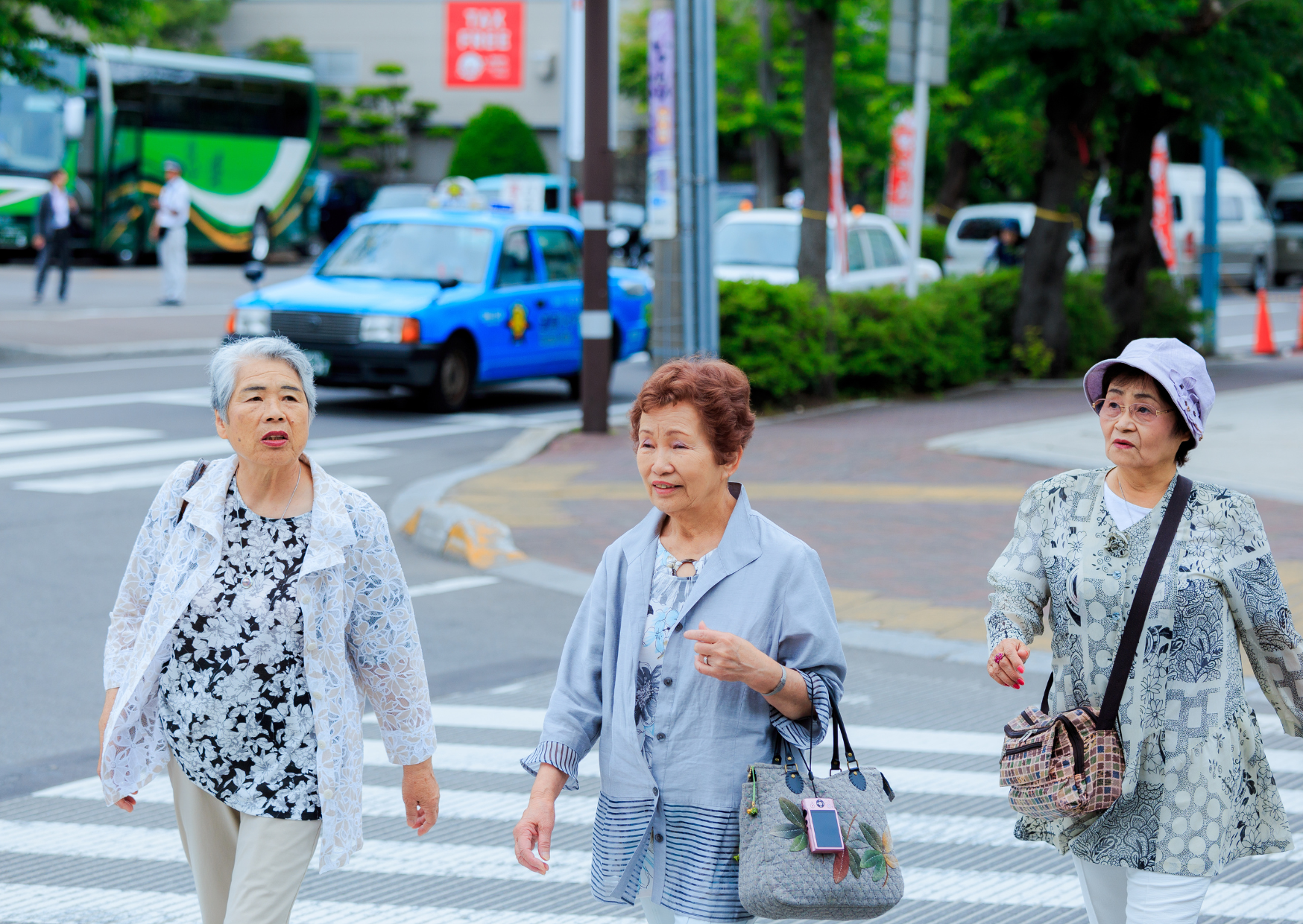
Can you walk to get what you need? Can you cook something simple? Can you carry groceries? Can you climb stairs without bargaining with the railing? Can you sit on the floor and get up? Can you still do something that makes you feel useful?
This matters because aging rarely falls apart all at once. It shrinks. It becomes narrow. People stop going out. They stop cooking. They stop walking. They stop seeing others. Their world becomes a chair, a screen, a car, and a doctor’s office. Then the medical system shows up to label the outcome.
Japan has a concept baked into public aging policy that gets closer to the truth: protect functional ability and daily life. When Japan built long-term care insurance and later pushed community-based integrated care, the explicit goal was to help older adults live in the community with integrated services rather than forcing everything through hospitals. It treats daily function as infrastructure. It treats aging as a community problem. It tries to keep care close to life.
American medicine often treats function as an optional extra, something handled by physical therapy only after injury, or by “senior fitness” only for motivated people. The Japanese grandmother mindset is less optional. Function is the whole point.
They Don’t Wait For A Diagnosis To Start Acting Old On Purpose
Americans often treat aging preparation like a future project.
“I’ll get serious when I retire.”
“I’ll focus on strength training when my knee calms down.”
“I’ll eat better when life is less stressful.”
“I’ll walk more when I move somewhere nicer.”
“I’ll deal with sleep once work is over.”
Then the years pass.
Japanese grandmothers often don’t do that “later” dance. They start adjusting the day early and keep adjusting it. It’s not dramatic. It’s routine.
This shows up in three unglamorous behaviors:
- keeping movement inside the day
- keeping food inside a rhythm
- keeping relationships inside repetition
None of those requires a diagnosis.
American medicine is often reactive by design. People show up when symptoms demand attention, then get managed as cases. The Japanese grandmother approach is closer to maintaining a house: fix small problems early, keep the day stable, don’t wait until the wall is wet.
The U.S. does have prevention guidelines and screening schedules. The gap is that prevention is often treated as a list of medical tasks, not as the shape of daily living. Japanese grandmothers often make prevention invisible by embedding it into normal life.
They Eat In A Way That Protects Blood Sugar And Muscle Without Talking About Either
The Japanese grandmother diet story gets caricatured as fish, tofu, and green tea.
What matters more is structure.
Many older Japanese adults still eat in a pattern that is less extreme than the American one. Smaller portions. More vegetables. More fish. More soy and legumes. More soups. Less constant snacking. Fewer ultra-processed calories dominating the day.
This matters for two aging problems American medicine often underestimates: blood sugar volatility and sarcopenia.
American adults consume a very high share of calories from ultra-processed foods, and those products are excellent at destabilizing appetite and glucose over time. Japan has ultra-processed food too, and intake has risen, but the baseline pattern still tends to include more intact foods.
Then there’s muscle.
Aging does not “happen” only in the brain and heart. It happens in the legs. Loss of strength and muscle is the silent driver of disability. Japanese grandmothers often protect muscle without calling it strength training. They do it by walking daily, standing more, cooking, carrying bags, climbing stairs, and eating enough protein across meals rather than letting lunch be a pastry and dinner be the first real meal at 9 p.m.
American medicine talks about sarcopenia more than it used to, but it still doesn’t treat muscle as primary care. Japanese older-adult culture, especially in places with strong everyday walking and cooking habits, often does.
A Japanese grandmother does not need to say “I’m preventing frailty.” She just lives in a way that makes frailty arrive later.
The food is less chaotic. The protein is more regular. The day includes movement that counts.
They Respect Appetite More Than They Worship Pleasure
One of the most quoted Okinawan ideas is hara hachi bu: stop eating when you’re about 80% full.
Even if you’ve never been to Okinawa, you can understand what that rule does in midlife and old age. It creates a ceiling. It prevents “compensation eating” where dinner becomes a reward for surviving the day. It makes food satisfying without making it a binge sport.
American food culture often does the opposite. It teaches people to outsource appetite to packages, portions, and emotional hunger cues. The result is either overeating or constant dieting, with very little calm middle ground.
Japanese grandmothers often operate with more built-in restraint, not as purity, but as habit. Meals are not designed as entertainment events as often. Portions are smaller. Snacking can happen, but the whole day is less likely to be built around endless edible content.
The most important part is that it’s not moral.
It’s mechanical.
If a person spends decades eating slightly less, moving slightly more, and keeping meals structured, the heart, brain, joints, and metabolic system experience less chronic insult. That changes how old age feels.
American medicine tries to solve appetite damage downstream with weight-loss drugs, supplements, and guilt. Japanese grandmothers often prevent some of the damage upstream by living inside a food culture that doesn’t constantly push people past satiety.
Less overeating becomes normal. Portions stay modest. Eating remains a meal, not a coping tool.
They Don’t Retire From Being Needed
This is the one American medicine almost never addresses directly.
A lot of American aging is psychological collapse disguised as leisure. People stop being necessary, stop being invited, stop being expected, stop being useful. Then we call it depression, cognitive decline, sleep disruption, or “just getting older.”
Japan has a word that gets overused in the West but still points to something real: ikigai, a reason to get up. You don’t need the word to understand the mechanism. People age better when they still have a role.
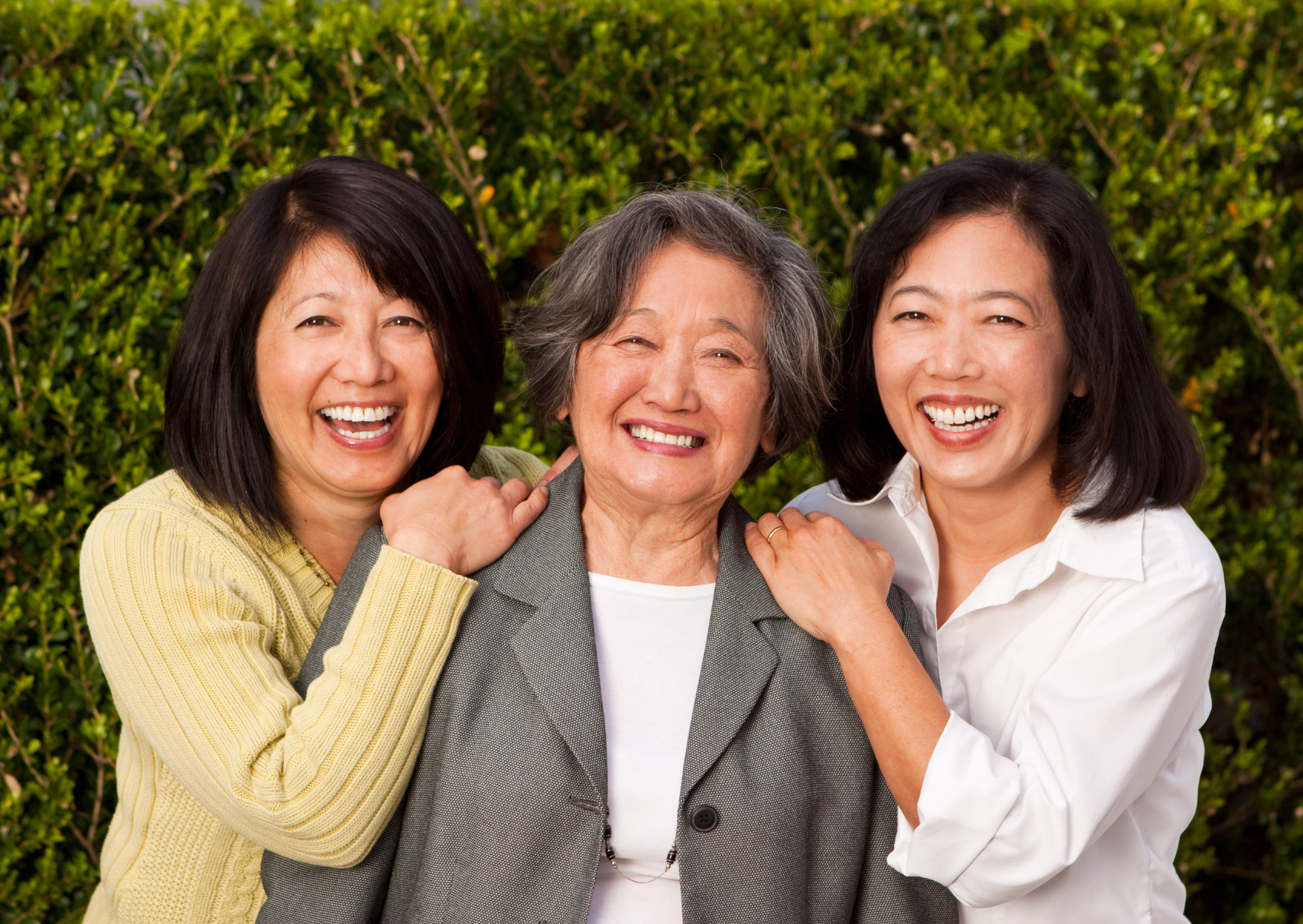
In many Japanese communities, older adults maintain social roles longer. Not because they are forced to work until they drop. Because the social structure still expects older adults to exist in public life: neighborhood routines, family involvement, community events, responsibility in small daily ways.
This is also where social connection becomes a health intervention, not a cute lifestyle detail. Strong social ties have real associations with lower mortality and better mental health outcomes. Japan has loneliness too, and urban isolation is real, but the cultural baseline still tends to keep older adults more visible in everyday life.
American medicine often treats aging as an individual medical problem: manage your conditions, take your meds, schedule your screenings. It rarely treats aging as a role problem: who needs you, where do you belong, what is your place in the daily system?
Japanese grandmothers often keep a place by default.
American retirees often have to invent one, and many don’t.
Purpose isn’t optional. A role protects the brain. Being expected keeps you moving.
They Build “Light” Social Contact Into The Week
Americans often think social life is either close friendships or nothing.
That’s a mistake, especially in later life.
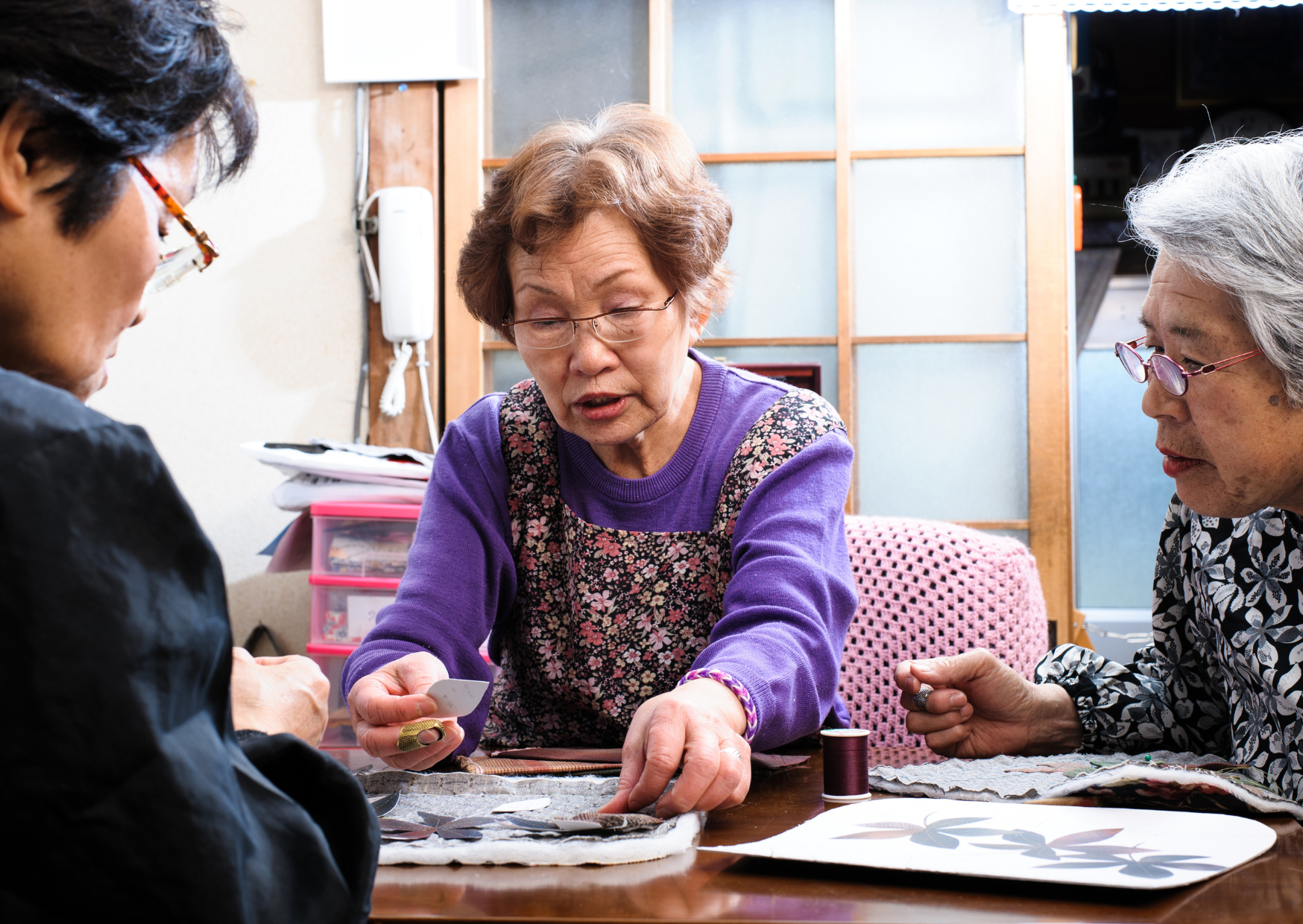
Older adults often benefit most from frequent low-stakes contact: being recognized, being greeted, being part of a repeated rhythm. Japan has long relied on neighborhood patterns and daily rituals that create that low-stakes contact: local shopping streets, small eateries, regular market visits, routine walking routes, community activities.
The Okinawan concept of moai, committed social groups, gets highlighted in longevity storytelling. Whether or not someone belongs to a formal moai, the broader lesson is real: build social connection as a structure, not a mood.
American medicine ignores this because it doesn’t fit a billing code. A doctor can prescribe statins and check A1c. They can’t prescribe “three people who notice if you don’t show up.”
But that is exactly what protects older adults from spiraling into isolation, inactivity, and cognitive decline.
If you want a cruel truth, here it is: many American seniors can disappear socially without anyone noticing for days.
A lot of Japanese grandmothers still live in systems where disappearance is harder, because somebody expects them somewhere, even if it’s just a small expectation.
Weak ties still count. Repetition creates belonging. Loneliness is partly a design problem.
They Treat Long-Term Care As A Normal Stage, Not A Personal Failure
Japan had to confront aging reality earlier than many countries. It built a long-term care insurance system and pushed community-based integrated care precisely because family-only caregiving collapsed under demographic pressure.
That matters because it changes how older adults and families think. Care needs are not framed only as private shame or personal failure. They are treated as a predictable stage that requires systems: home services, rehab, day care, care management, housing support, and coordination with medical services.
American families often face long-term care as a sudden private catastrophe. The system is fragmented, expensive, and heavily means-tested. People avoid talking about it until they are forced into it. That creates panic decisions: selling assets, moving abruptly, draining savings, overburdening one family caregiver, or landing in poor-quality arrangements.
Japanese grandmothers, even when they fear dependency, often exist in a national context where long-term care is at least recognized as something society must organize around. It is still under strain. It still has gaps. But it’s treated as infrastructure.
American medicine often ignores long-term care until the hospital discharge planner is suddenly involved. That’s too late.
This is one reason Japanese older adults often maintain function longer. The system tries to support function and independence before collapse. The U.S. tends to treat collapse and then argue about who pays.
Planning for care is normal. Support is closer to daily life. Independence is treated as a system outcome.
What American Medicine Gets Wrong About Aging
American medicine isn’t evil. It’s oriented toward the wrong target.
It is designed to treat disease episodes, not preserve functional life. That produces several predictable failures:
- it overvalues medications and undervalues strength, balance, and mobility
- it treats sleep as a complaint, not a foundation
- it treats loneliness as a mood, not a risk factor
- it treats frailty as “old age,” not a modifiable trajectory
- it treats nutrition as advice, not a default environment
- it treats preventive care as a checklist, not as a lifestyle structure
- it treats caregiving as a private family issue, not a social system issue
Japan has plenty of medical problems. It also has an aging framework that more openly acknowledges that daily function and community support are core health interventions.
This matters for American readers because it tells them what to stop waiting for.
Don’t wait for the healthcare system to give you a role.
Don’t wait for a diagnosis to start protecting strength.
Don’t wait for retirement to build routine.
Don’t wait for a fall to train balance.
Don’t wait for loneliness to become depression.
Japanese grandmothers often don’t wait. That’s the lesson.
The body is maintained daily. Independence is protected early. Aging is managed before it’s medical.
Pitfalls Most People Miss When They Try To Copy Japan
Americans often try to borrow one Japanese habit and expect a miracle.
That’s not how any of this works. Here are the traps:
Turning it into cuisine cosplay. If you hate fish, forcing fish won’t save you. The goal is intact food and stable meals, not Japanese identity.
Ignoring protein and muscle. Some people copy “light eating” and accidentally under-eat protein, which accelerates frailty. The Japanese grandmother pattern works partly because movement and protein stay present across life.
Treating walking as optional. The magic isn’t “exercise.” It’s daily movement embedded in errands and relationships. If you keep car-dependence, you keep the American aging curve.
Replacing purpose with entertainment. Streaming is not purpose. Travel is not purpose. Purpose is being needed in some small repeated way.
Assuming medicine will cover what life won’t. Pills don’t replace strength. Procedures don’t replace community. Tests don’t replace routine.
Japan isn’t a checklist. It’s a system.
Your First 7 Days Building A Japanese Grandmother Aging Plan
This is not about moving to Japan. It’s about stealing what works in a way you can repeat.
Day 1
Map your walk radius. Find four essentials within a 10 to 15 minute walk: coffee spot, grocery, pharmacy, park bench, library, or one social place. If you can’t, build a plan to relocate your daily life closer to essentials, even if you don’t move countries.
Day 2
Fix breakfast so it stops being dessert. Make it protein-forward and calm: eggs, plain yogurt, tofu, oats with nuts, leftovers. Your goal is stable morning energy, not perfection.
Day 3
Create one social repetition that does not depend on deep friendship. Same café day, same market day, same class, same walking group, same volunteer shift. The goal is to become familiar, not popular.
Day 4
Strength and balance, minimum dose. Two short sessions a week is a start. Squats to a chair, calf raises, step-ups, carries. You are protecting independence. Don’t wait.
Day 5
Build one “hara hachi bu” habit. Smaller plate, stop at satisfied, don’t turn dinner into emotional compensation. This one habit can quietly reduce weight creep and glucose chaos over years.
Day 6
Create one role that makes you needed. Not heroic, not big. Something that causes a person or place to notice if you don’t show up. Grandkid pickup. Dog walk for a neighbor. Club responsibility. Community kitchen. Library volunteer. This is aging insurance.
Day 7
Do one maintenance appointment you’ve delayed. Dental, hearing, vision, blood pressure check, medication review. Japanese grandmothers don’t treat maintenance as moral failure. They treat it as normal upkeep.
This is what American medicine rarely gives people: a plan that makes aging better without waiting for a diagnosis.
The Honest Takeaway
Japanese grandmothers don’t “defeat aging.”
They often delay the worst parts by living inside a structure that protects function, appetite, movement, and belonging long before medicine gets involved.
American medicine can do astonishing things. It can also ignore the foundations that decide whether those astonishing things are needed in the first place.
If there’s one lesson worth keeping, it’s this: stop treating aging as something the medical system will solve later.
Treat aging like Japanese grandmothers often do.
As a daily craft.
As a relationship with routine.
As the slow protection of a life you can still use.

About the Author: Ruben, co-founder of Gamintraveler.com since 2014, is a seasoned traveler from Spain who has explored over 100 countries since 2009. Known for his extensive travel adventures across South America, Europe, the US, Australia, New Zealand, Asia, and Africa, Ruben combines his passion for adventurous yet sustainable living with his love for cycling, highlighted by his remarkable 5-month bicycle journey from Spain to Norway. He currently resides in Spain, where he continues sharing his travel experiences with his partner, Rachel, and their son, Han.