
And Why Cleanliness in France Has Less to Do With Scent and More to Do With Subtle Discipline
Spend time in France and you’ll quickly realize something that surprises many Americans: French people take hygiene seriously.
But not in the way Americans expect.
There are fewer deodorant commercials, fewer mega-packs of body spray, and far less obsession with smelling like fresh laundry. Yet there’s an undeniable polish an invisible routine of care that French people maintain with quiet consistency.
In the U.S., hygiene is often about products, scents, and marketing.
In France, it’s about rhythm, details, and unspoken social expectations.
Here are nine hygiene habits the French often consider essential even obvious that many Americans overlook entirely.
Looking for More Travel & Culture Reads?
– They Don’t Work 24/7: 5 Vacation Customs in Europe That Drive Americans Crazy
– 7 Dress Code Shocks Americans Face in Italy
– 9 European Beach Habits That Shock First-Time Tourists
Quick Easy Tips
If you want to adapt a French-inspired hygiene routine, start with fewer but higher-quality products—less is more.
Emphasize consistency instead of intensity: small, daily efforts like moisturizing or gentle cleansing add up over time.
Adopt balance rather than excess skip the heavy perfumes or whitening obsession, and instead focus on subtle freshness and natural care.
One point of controversy is the French approach to fragrance and body care. While Americans often rely on frequent showers and heavy deodorants, the French emphasize subtle daily grooming and the use of high-quality perfumes. Critics in the U.S. sometimes interpret this as poor hygiene, while the French see it as balance and refinement.
Another debate lies in oral care. Americans are obsessed with whitening treatments and frequent dental visits, whereas the French prioritize regular brushing and moderation over cosmetic perfection. Some argue the American standard is overly commercialized, while the French view their own as more practical and sustainable.
Finally, skincare sparks disagreements. French routines focus on prevention and natural products, while Americans lean toward fast results and trend-driven regimens. Each side questions the other’s priorities luxury and longevity versus convenience and instant gratification.
1. Washing the Face Morning and Night (With Care, Not Just Water)
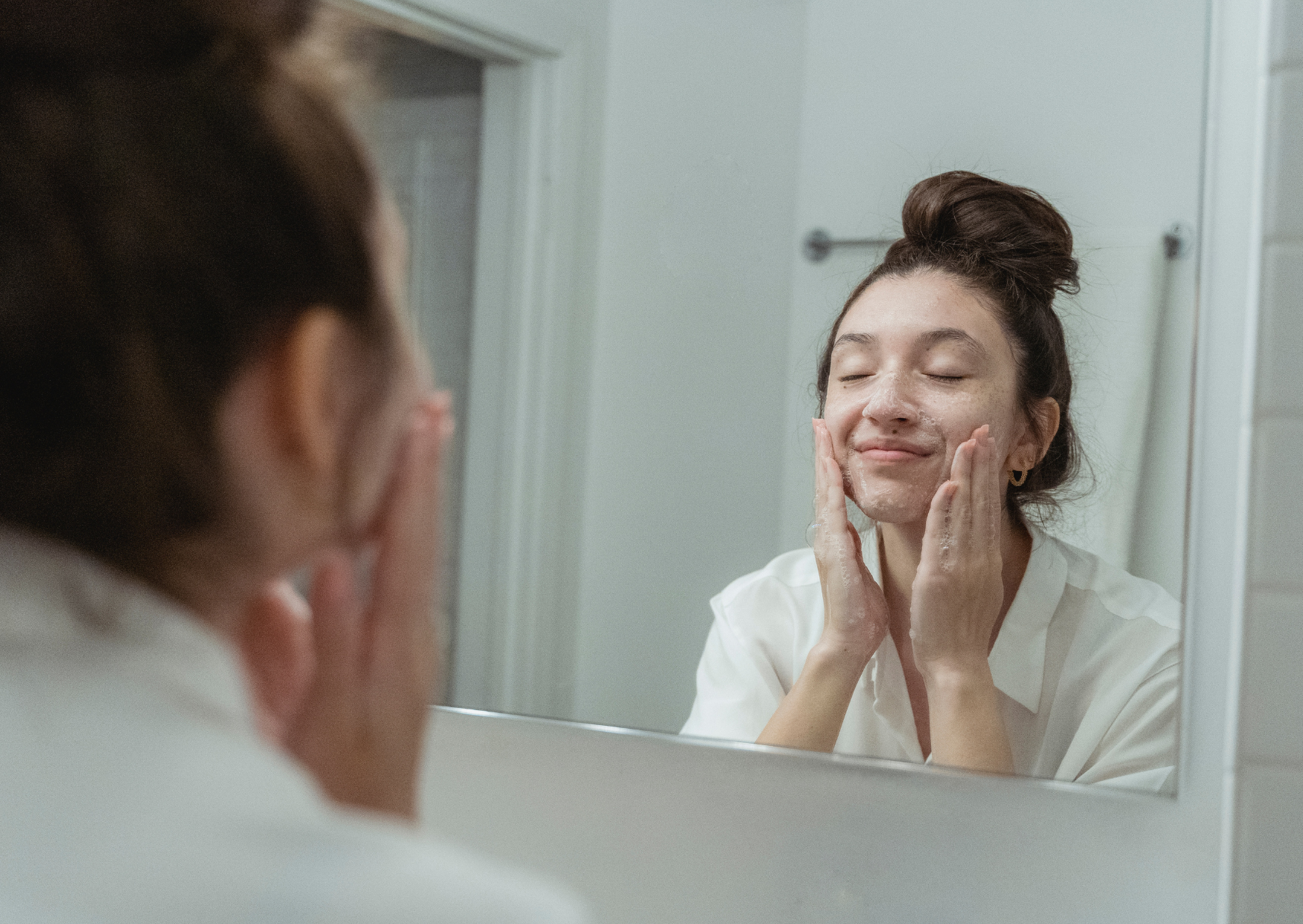
In the U.S., many people splash water on their face in the morning, rub a soapy cleanser across their skin, and call it a routine. Some skip it altogether unless they’re removing makeup or working out.
In France, facial cleansing is non-negotiable — and deliberate.
Most French people wash their face twice a day, often with:
- Micellar water
- A gentle thermal spring spray
- Non-stripping milk-based cleansers
No harsh foaming soaps. No aggressive exfoliation. Just ritual.
The goal isn’t to feel squeaky clean — it’s to preserve the skin barrier. You cleanse to stay balanced, not to wipe yourself raw.
To a French woman, sleeping in makeup isn’t just lazy — it’s bad manners.
To an American, it’s something you do when you’re too tired.
That difference starts at the sink.
2. Changing Clothes Immediately After Coming Home

In many American households, people stay in their “outside clothes” until bedtime — sitting on the couch, cooking dinner, sometimes even getting into bed with the same jeans they wore all day.
In France, this is deeply frowned upon.
The moment you walk in the door, you change — into loungewear or indoor clothes. It’s automatic.
Why? Because street clothes are considered polluted by city dust, germs, sweat, and public contact. Wearing them around the house, especially on the bed or sofa, is seen as unsanitary — even shocking.
Many French parents teach this to kids from an early age.
Clothes have roles.
And the home is not a place for the outside world’s grime.
3. Using a Washcloth or Gant de Toilette — Every Day

While many Americans rely on their hands and body wash, the French often use a gant de toilette — a small wash mitt — for daily cleansing. It’s found in nearly every French home, hotel, and pharmacy.
You use it:
- With water to wipe down in the morning
- For a full soap-and-rinse in the evening
- As a tool for gentle exfoliation
The idea isn’t to scrub aggressively — it’s to reach every part of the body thoroughly and consistently.
Many Americans associate washcloths with childhood or assume they’re optional. In France, they’re part of the fabric of hygiene.
4. Daily Underarm Rinsing — Even Without a Full Shower

In the U.S., people often think of hygiene as “all or nothing.”
Either you take a full shower — or you don’t bother.
In France, it’s normal to do a quick lavage de chat (a “cat wash”) at the sink. Especially in the morning.
This means:
- Rinsing the armpits
- Splashing water on the neck and face
- Maybe a freshening wipe under the chest or groin
This isn’t about skipping showers. It’s about intermittent freshness.
In between baths. In between meetings. On hot days or slow mornings.
To many Americans, this feels incomplete.
To the French, it’s perfectly balanced.
5. Using Perfume Strategically — Not to Mask Lack of Hygiene
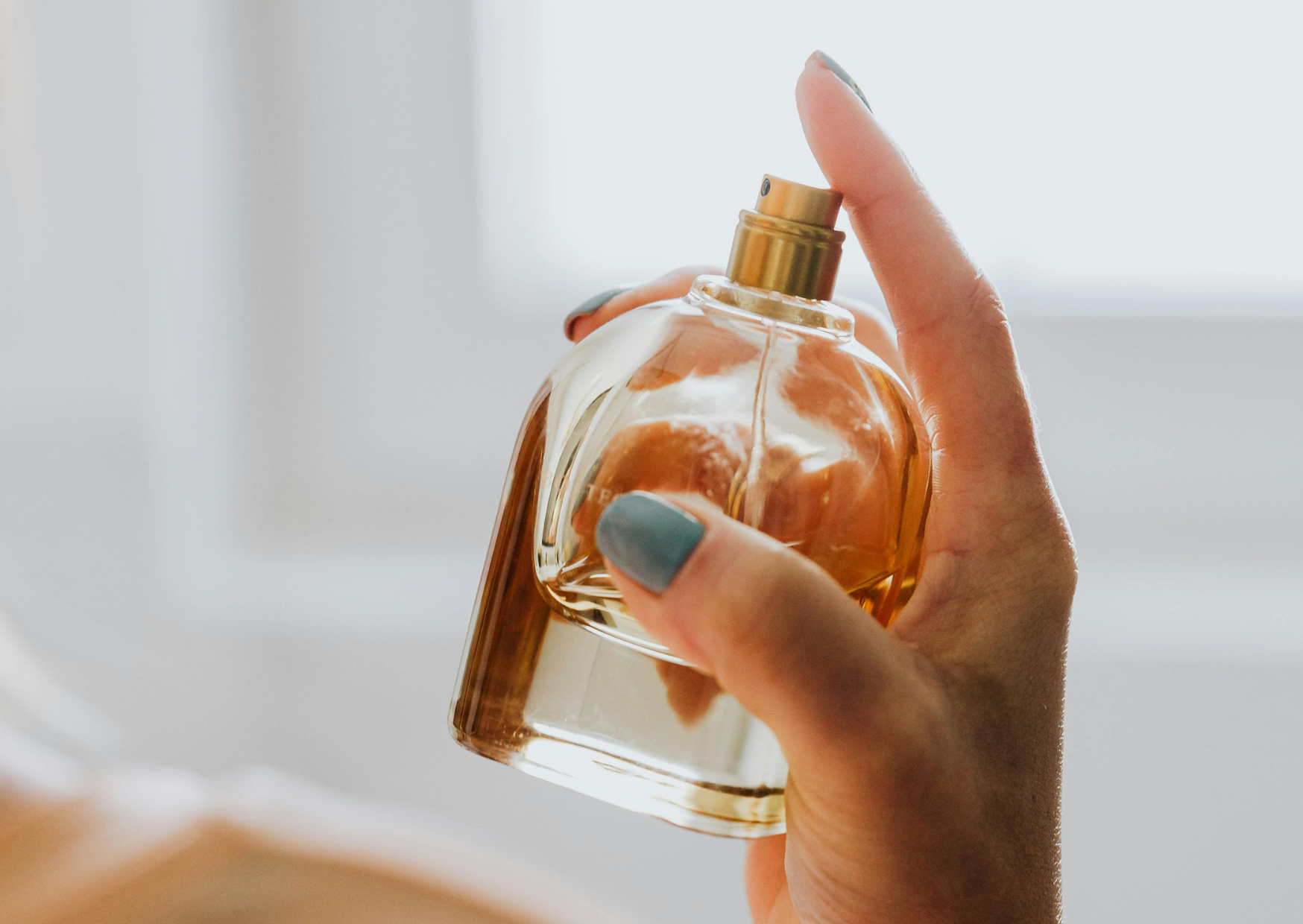
Perfume in France is never used to cover something up.
It’s not meant to hide sweat, mask dirt, or overcompensate for skipped showers.
It’s an accessory — a final note in the hygiene ritual.
Worn on clean skin, behind the ears or on the wrists, applied sparingly and intentionally.
French people often wear one signature scent, or a rotation of two or three depending on season and mood. They don’t spray on clothes or in hair. And they never overdo it.
American perfume culture often trends toward the overpowering — seen as bold, flirty, expressive.
French fragrance culture is about subtlety.
The assumption is: if you’re clean, you don’t need much.
6. Keeping Shoes Off in the Home — Especially in Urban Apartments
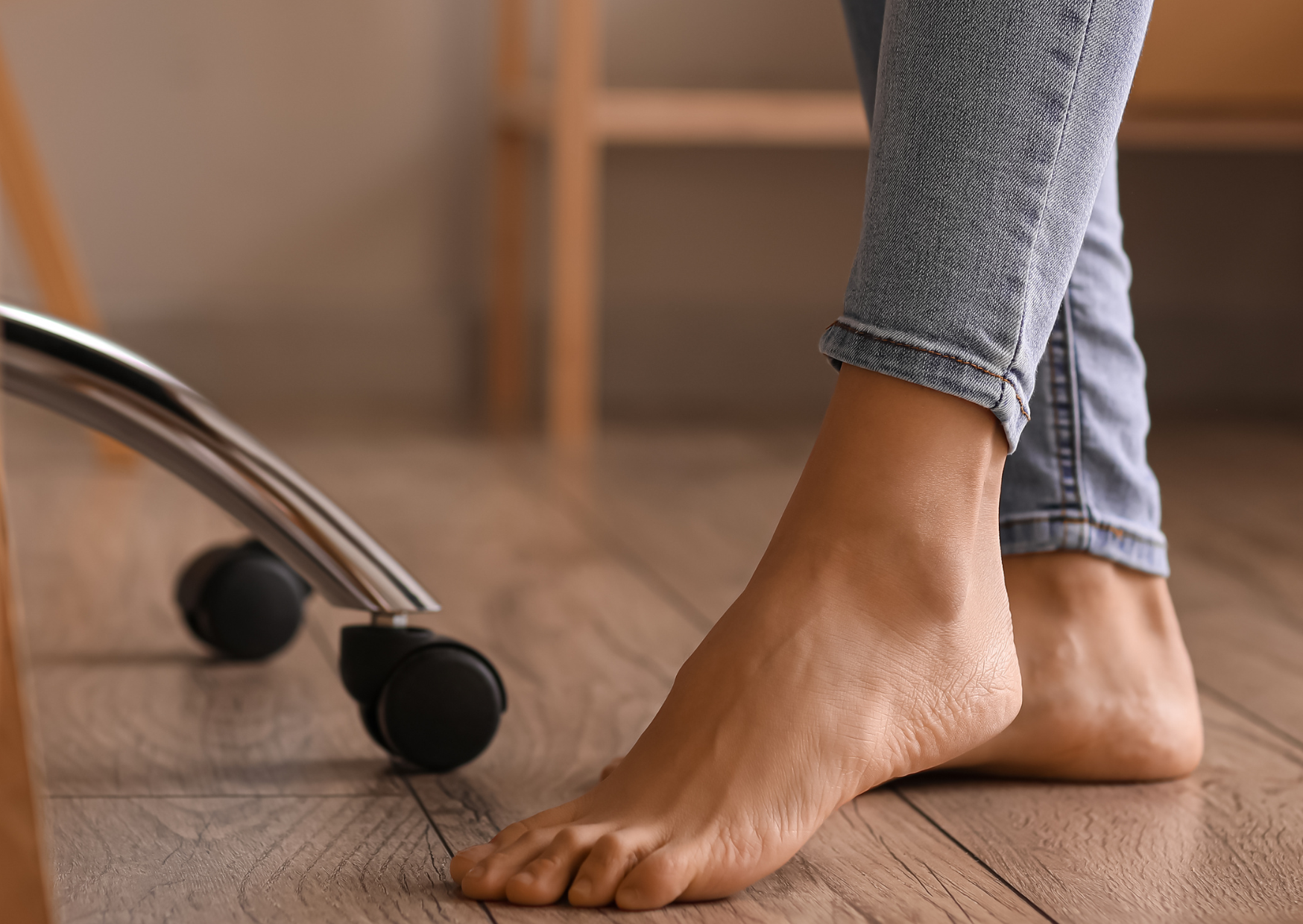
In many American homes, it’s normal to keep your shoes on indoors — especially in social settings.
In France, this varies by region, but in cities and apartments, it’s common sense to remove your shoes at the door. Often without being asked.
Why? Because:
- Streets are dirty
- Public transit leaves residue
- Sidewalks contain invisible grime
Even in more relaxed households, shoes are removed after long days out — or swapped for house slippers.
This isn’t about formality. It’s about keeping the home environment hygienic and distinct.
Many Americans find the practice “too much.”
For the French, it’s automatic.
7. Frequent Handwashing — But Not Performative
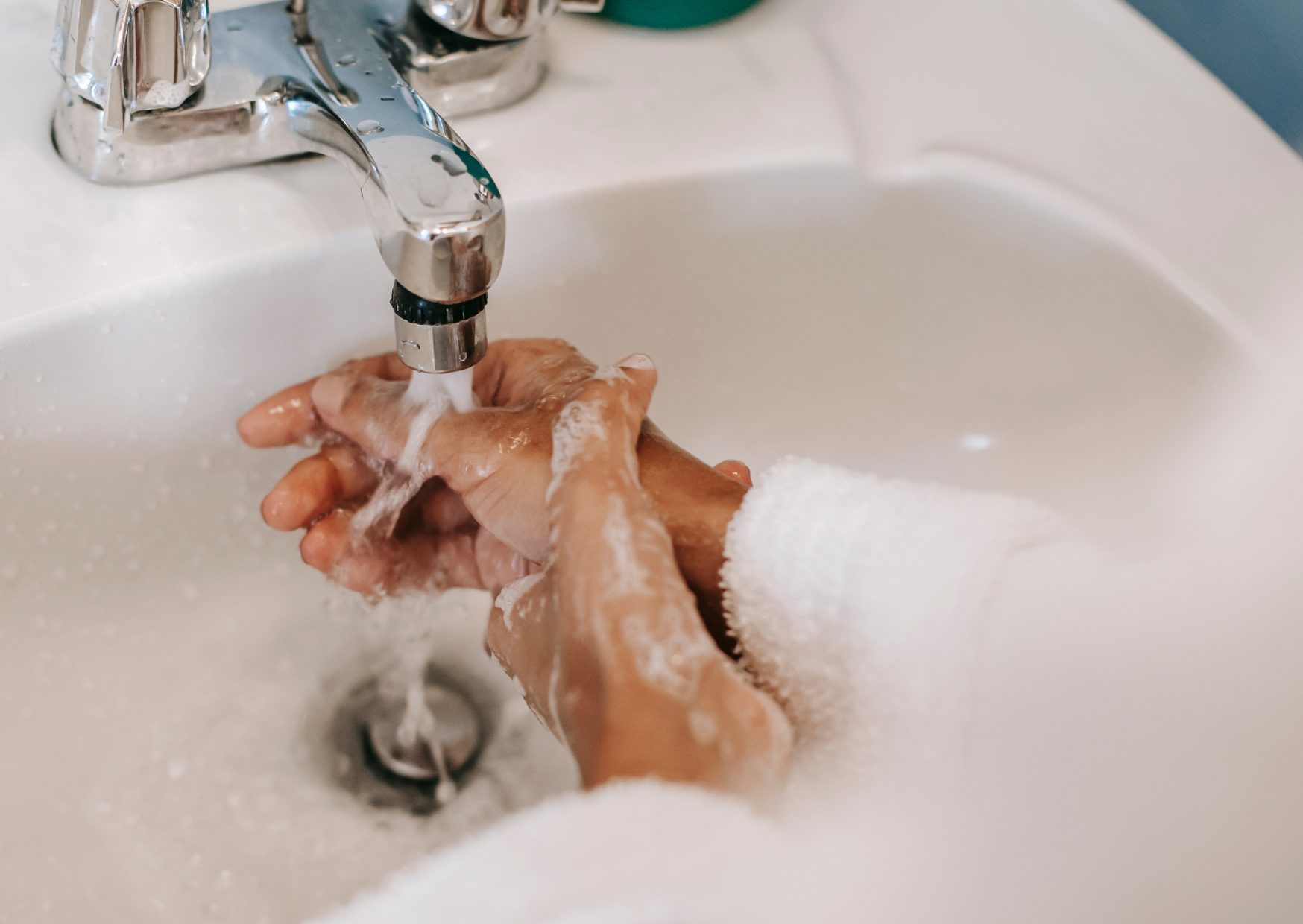
The French aren’t obsessed with antibacterial soaps or hand sanitizers.
But they wash their hands — often, and properly.
Before meals. After the metro. When returning home. After handling money.
There’s no fanfare, no health panic — just a quiet rhythm.
Soap, water, and a towel.
No scented bath gels or antibacterial gimmicks.
French hygiene focuses on consistency, not novelty.
American trends may swing between obsessive sanitization and viral hygiene hacks.
French habits don’t change much.
They’re slow, measured, and designed to last a lifetime.
8. Regular Nail Maintenance — Even for Men
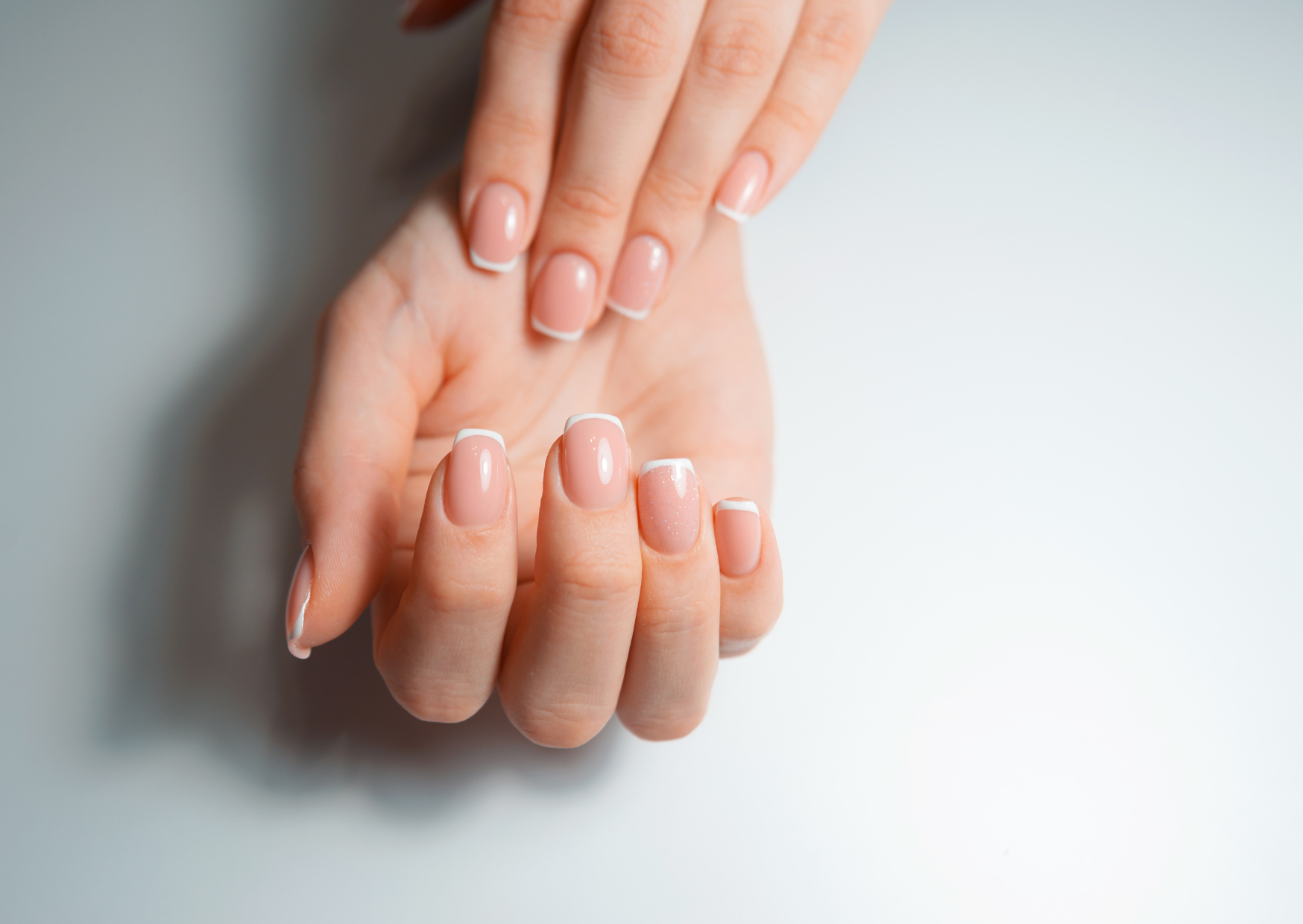
In the U.S., nail care is often viewed as cosmetic. A spa treat. Something women do, or something you pay for on vacation.
In France, clean, trimmed nails are basic hygiene — not luxury.
Even for men.
This doesn’t mean gel manicures or polish.
It means:
- Nails are kept short
- Cuticles aren’t ragged
- No visible dirt
- No chipped polish left unaddressed
You might not see many French people in salons, but that doesn’t mean they’re ignoring their hands. They care — quietly, at home.
To show up with dirty nails, chewed cuticles, or cracked polish?
It’s seen as careless, even if the rest of you is immaculate.
9. Caring for the Skin You Don’t See
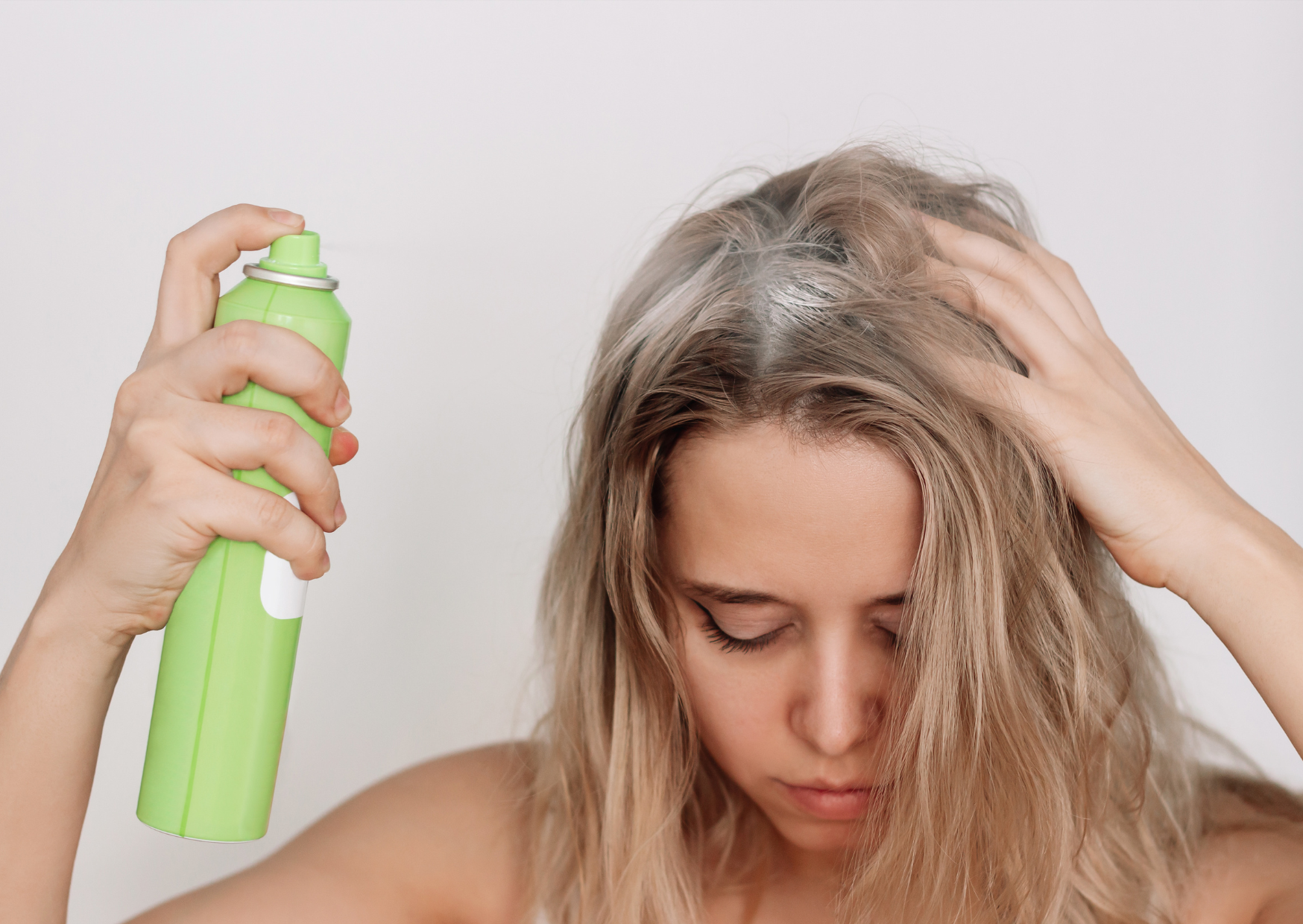
In the U.S., body care often focuses on what others see: the face, hair, maybe arms and legs in summer.
In France, skincare includes what’s under your clothes.
Elbows. Knees. Heels. Back of the neck. Underarms. Between the toes.
French pharmacies are filled with simple but effective products:
- Exfoliating gloves
- Unscented moisturizers
- Clay masks for the body
- Balms for rough spots
This care isn’t performative. It’s not for Instagram.
It’s about feeling clean — not just looking it.
Americans often invest in visible glow.
French people invest in invisible comfort
Why you Should Follow it
One reason you should pay attention to this topic is that hygiene habits often reveal a lot about how a culture thinks about self-respect, social life, and daily discipline. What feels small, like how you wash, groom, or prepare for the day, can shape how you feel in your body and how other people experience your presence. Looking at French habits through that lens can make the topic feel more meaningful than a simple beauty list.
You should also follow it because many of these habits are usually less about luxury and more about consistency. French routines are often admired not because they are extreme, but because they are repeated, simple, and built into everyday life. That can be useful for readers who are tired of complicated self-care advice and want something more grounded. A few small daily changes often work better than occasional dramatic ones.
Another reason to follow it is that it may improve confidence. Hygiene habits affect comfort, freshness, and how put-together someone feels, even when nobody else notices every detail. People who maintain a few reliable rituals often move through the day with less self-consciousness. That makes the appeal practical, not just aesthetic.
You should also consider it because the French approach is often connected to prevention rather than correction. Instead of waiting until there is a problem, the emphasis is often on steady upkeep. That mindset can be healthier than the cycle of neglect followed by panic. For many readers, that shift alone may be the most useful lesson.
Finally, you should follow it because the topic encourages awareness. Many people move through their hygiene routines automatically without ever questioning what they do or why they do it. Seeing another culture’s version of “normal” can make readers think more intentionally about their own habits. Even if they do not adopt every idea, the comparison can still improve how they care for themselves.
Why you Shouldn’t Follow it Blindly
At the same time, you should not assume that all French people follow the same hygiene rules or that all Americans skip them. That kind of framing is catchy, but it quickly turns into stereotype. Hygiene varies by age, climate, schedule, profession, budget, and personality in both countries. If the article sounds too absolute, it can feel more dramatic than true.
You also should not follow these habits just because they seem French. Some may be genuinely useful, but others may simply reflect different routines, housing styles, products, or social expectations. A habit does not become better automatically because it comes from another culture. Readers still need to ask whether it fits their body, lifestyle, and needs.
Another reason to be careful is that hygiene can become moralized very quickly. People often treat routines around cleanliness and grooming as proof of discipline, class, or worth, which can make the conversation judgmental. If someone starts reading this topic as “French people are civilized and Americans are sloppy,” the whole thing becomes less helpful. The strongest version stays observational, not superior.
You should not ignore practicality either. Some “essential” habits may require time, money, or products that not everyone has or wants to prioritize. A person with a rushed schedule, sensitive skin, or a different climate may not benefit from the same routine. Hygiene advice works best when it stays flexible instead of pretending one formula fits everyone.
Finally, you should not let the topic create insecurity. The point of reading about habits like these should be to learn, not to feel embarrassed about every routine you already have. If the article makes readers feel deficient rather than curious, it stops being useful. The best takeaway is not that Americans are doing everything wrong. It is that there may be a few overlooked habits worth borrowing.
In the End, Hygiene in France Is About Subtlety — Not Scrubbing
To the American eye, French hygiene may seem understated.
It’s not flashy. It’s not loudly scented.
And it certainly doesn’t rely on aggressive marketing.
But look closer and you’ll see something more refined.
A face gently cleansed.
A collarbone perfumed with restraint.
Shoes left at the door.
Hands washed without ceremony.
A body maintained with quiet discipline.
French hygiene isn’t about controlling the body.
It’s about listening to it.
Tending to it.
Making care part of your day not just your mirror routine.
In France, to be clean is not to be scrubbed raw or overly perfumed.
It’s to be balanced, consistent, and aware.
And maybe that’s why French people seem polished even when they’re dressed down.
It’s not the clothes.
It’s the care underneath the part Americans often skip.
French hygiene habits reveal that taking care of oneself doesn’t have to mean overcomplicating routines. Their approach combines tradition, subtlety, and consistency, creating a lifestyle that values balance over extremes.
The controversies highlight how cultural expectations shape what we consider “normal.” What Americans see as skipping steps, the French may see as unnecessary or excessive. These differences remind us that hygiene is as much about culture as it is about cleanliness.
Ultimately, borrowing from French habits can be a way to simplify and elevate daily self-care. By focusing on quality, consistency, and balance, anyone can incorporate the elegance of French hygiene into their own routine without feeling overwhelmed.

About the Author: Ruben, co-founder of Gamintraveler.com since 2014, is a seasoned traveler from Spain who has explored over 100 countries since 2009. Known for his extensive travel adventures across South America, Europe, the US, Australia, New Zealand, Asia, and Africa, Ruben combines his passion for adventurous yet sustainable living with his love for cycling, highlighted by his remarkable 5-month bicycle journey from Spain to Norway. He currently resides in Spain, where he continues sharing his travel experiences with his partner, Rachel, and their son, Han.
Ron
Saturday 3rd of January 2026
I’m an American and I do all those except for I don’t use cologne