

Retirement migration is not just about weather anymore.
It is about cash flow.
A country that can attract foreign retirees is not only attracting people. It is attracting pension income, Social Security deposits, investment withdrawals, property spending, restaurant spending, healthcare spending, renovation spending, and years of steady consumer demand from people who are no longer chasing local wages. That is why a small group of countries keeps showing up again and again in retire-abroad planning. They are not all “cheap,” and they are not all easy, but they do have one thing in common: they make it relatively possible for foreign retirees to land with passive income and start spending. Portugal still offers a dedicated passive-income residency route, Italy still has its elective residence path and a 7% regime for certain foreign pensioners in qualifying towns, and Greece still has a 7% flat-tax scheme for qualifying foreign retirees. In the Americas, Panama and Costa Rica still maintain pension-based or passive-income-based residency routes that openly fit retirees.
That is what “competing for pension dollars” really means.
Not that governments are begging Americans personally. More that they have built legal or tax structures that make foreign retirement income welcome enough to be worth chasing. And for Americans, especially those with fixed income plus moderate savings, the appeal is obvious. A pension or Social Security check that feels merely adequate in the U.S. can often buy a larger share of the month abroad, especially in countries where housing, transport, and everyday friction cost less.
The five countries below are not identical.
Some are chasing retirees through tax policy. Some through low income thresholds. Some through clear residency pathways. Some through a mix of climate, healthcare, and visa design.
But they are all playing the same broad game.
They want long-stay foreign income that arrives without needing a local job.
Greece Is Selling Simplicity and a 7% Tax Story

Greece understands the retiree pitch very well now.
The country has spent the last several years building a cleaner case for foreign retirees, and the sharpest part of that case is still the flat-tax regime for eligible foreign pensioners. The scheme offers a 7% flat tax on foreign-source pension income for up to 15 years for qualifying retirees who transfer tax residence to Greece and meet the rules. That one feature alone explains why Greece keeps climbing in retire-abroad conversations. Recent retirement and tax coverage in 2026 still treats that 7% regime as one of the clearest retiree incentives in Europe.
That matters because a lot of retirees are not just chasing lower groceries.
They are chasing predictability.
Greece offers something psychologically powerful: a recognizable tax number, a warm climate, broad retiree appeal, and the feeling that a foreign pension can be treated on understandable terms. That does not mean the country is frictionless. Greece still has paperwork, healthcare navigation, and regional cost differences. But compared with countries where the tax treatment of foreign pensions feels blurrier, Greece is giving retirees a cleaner headline.
There is also a branding advantage. Greece is no longer selling itself only as a tourist dream or island fantasy. It is increasingly visible as a retirement jurisdiction with a real tax hook. Even mainstream 2025 and 2026 retirement coverage keeps flagging Greece as a standout because of healthcare, climate, housing value, and that 7% pension tax treatment.
That is not accidental.
It is competition.
Italy Is Competing Through Place More Than Simplicity
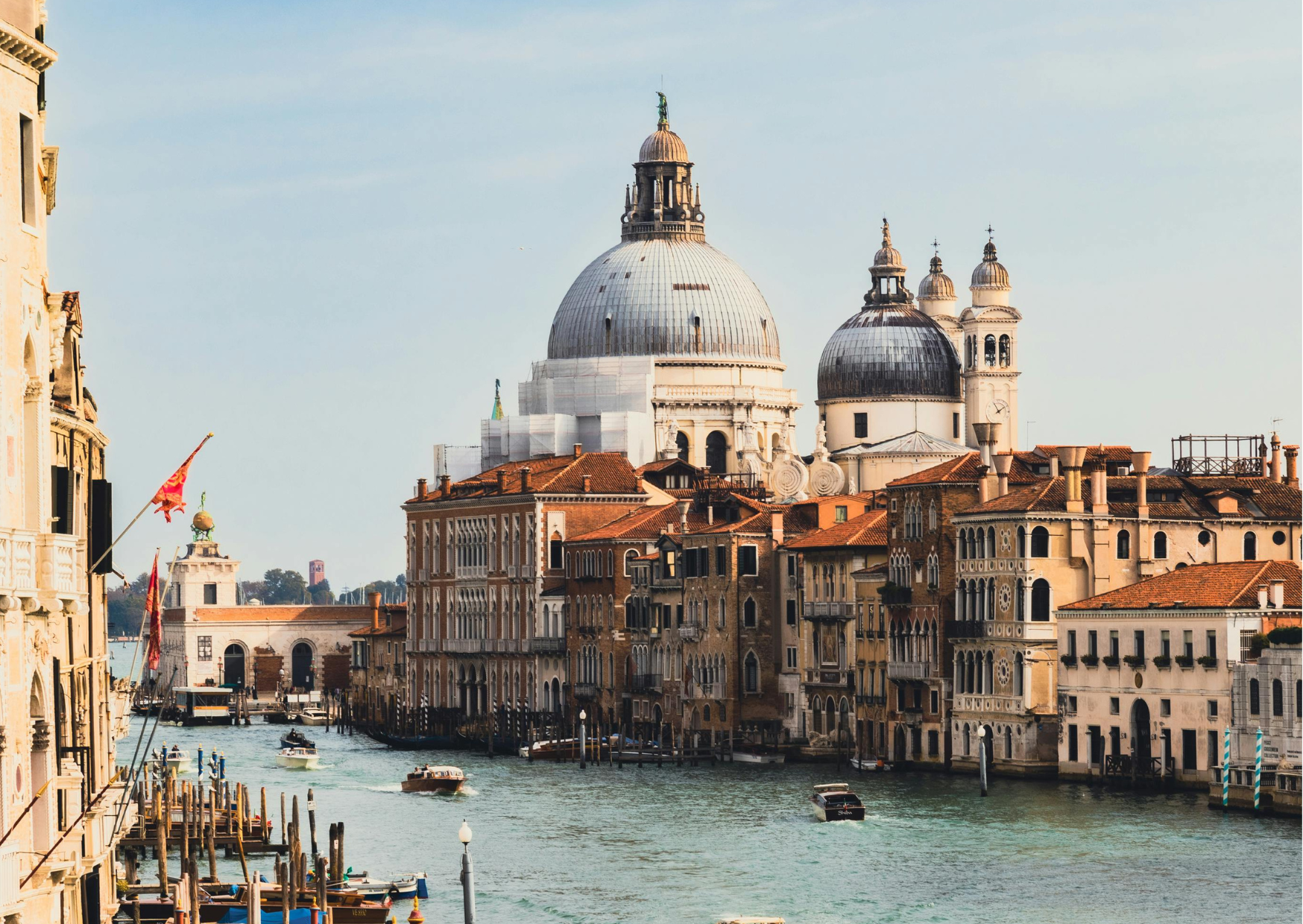
Italy is not as neat on paper as Greece.
It is more seductive in real life.
The retiree path most Americans use is the elective residence route, which is for financially independent people with accommodation and sufficient passive resources, not for people planning to work locally. On top of that, Italy still offers a 7% substitute tax regime for certain foreign pensioners who move to qualifying municipalities under 20,000 residents in parts of southern and central Italy. That means Italy is effectively telling retirees: bring your pension, bring your monthly spending, and we will meet you with a lower-tax option if you choose the right place.
That “right place” part is important.
Italy is not competing for pension dollars by making Rome and Florence cheap. It is competing by pushing retirees toward smaller municipalities that need population and spending. In practice, that means the country is tying tax policy to anti-depopulation strategy. It is not just about attracting a retiree. It is about attracting one to a specific map.
That makes Italy less simple than Portugal or Panama.
It also makes Italy more interesting.
A lot of retirees are willing to tolerate complexity if the reward is strong enough. Italy offers exactly that kind of reward: daily life appeal, food, healthcare reputation, and a chance to lower tax exposure on foreign pension income if the move is structured properly. That is why it remains in the top tier of retirement competition even though the visa and tax setup are not as plug-and-play as some rivals.
Italy is not selling ease first.
It is selling value plus beauty plus a tax lever.
For many retirees, that is enough.
Portugal Still Competes Because the Door Is Understandable
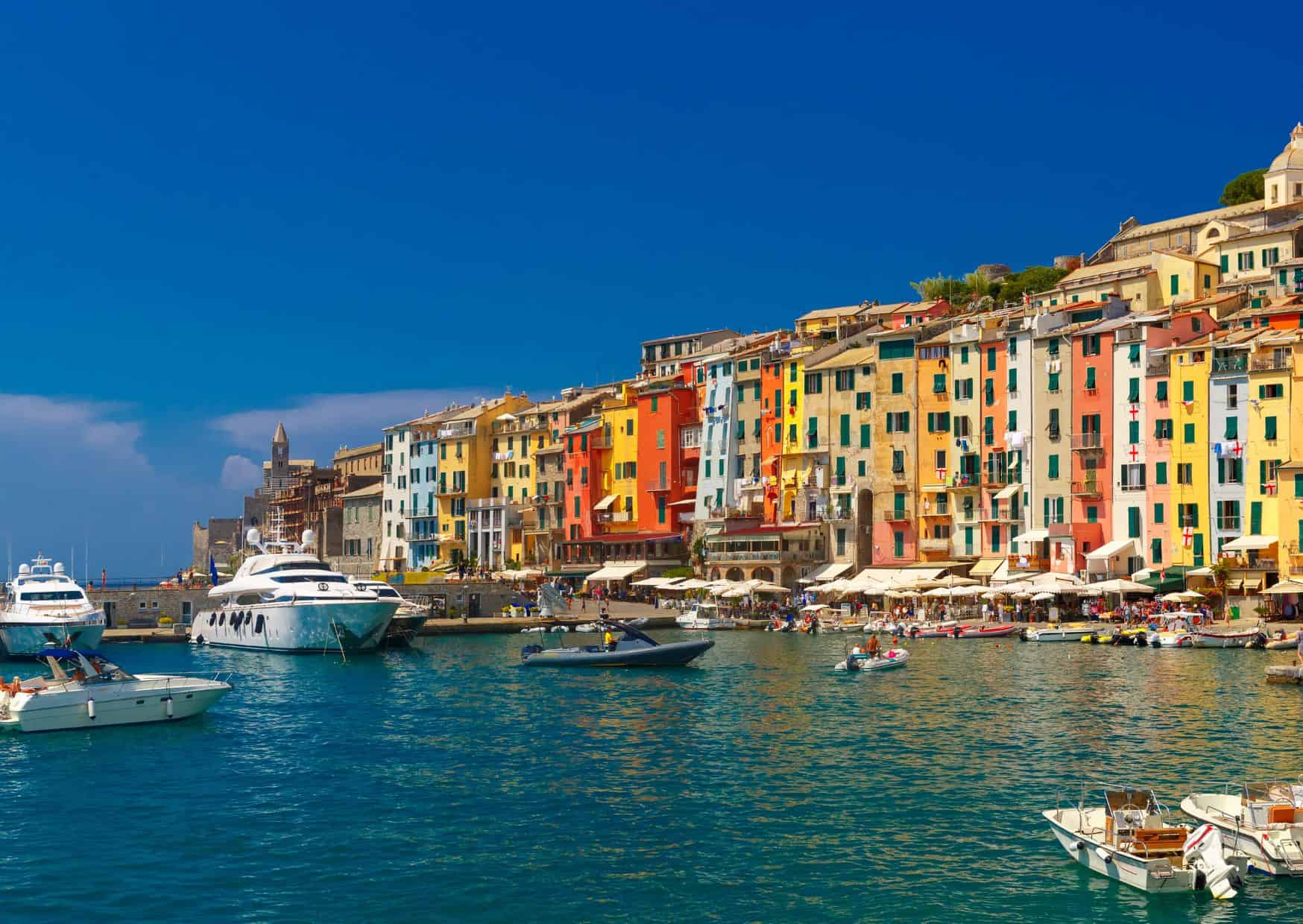
Portugal’s position has changed, but it has not disappeared.
For years, Portugal built a huge retire-abroad reputation on the old Non-Habitual Resident regime plus the D7 passive-income visa. The tax side has evolved, and 2026 tax commentary makes clear that Portugal’s historic NHR story is no longer the clean headline it once was. But the residency side still matters a lot. Portugal’s official visa material still lists residency options for retirement purposes or for people living from passive income, which is the core reason the country remains so visible to retirees.
This is where Portugal stays competitive.
The country still has one of the clearest passive-income entry routes in Europe. Third-party visa comparisons in 2026 continue to place Portugal among the lowest barriers for retirement-style residency, with a baseline income figure around the Portuguese minimum wage threshold, even though real-life retirement budgets obviously need to be higher than that.
That combination still attracts American pension dollars because it feels legible.
A retiree can understand the story:
show passive income
secure housing
get the visa
transition toward residency
That is much easier to emotionally process than countries where the retirement route is more improvised or where policy is aimed at investors rather than pensioners. Portugal also keeps benefiting from strong global-retirement rankings and a reputation for accessible entry, good climate, and a usable path to longer-term status.
The country is not as tax-flattering as it was in the golden NHR years.
It is still very much in the game.
Panama Is Competing More Directly Than Most Countries Ever Would

Panama is one of the clearest cases in the entire world.
It has a dedicated Pensionado category. Not a vague passive-income route. Not a half-retirement workaround. A real pensioner pathway. Panama’s immigration material states that foreigners receiving a pension from a foreign government, international organization, or private company can apply for the pensioner permit if they intend to settle in Panama and have sufficient means to cover their living costs and those of dependents.
That is not subtle competition.
That is a country saying, in paperwork language, “retirees with foreign income are a category we recognize and want to process.”
This matters because retirees love clarity. Panama offers it. The country has spent years building a reputation around the Pensionado route, and 2026 retire-abroad comparisons still highlight Panama as one of the most straightforward places for retirees with steady pension income.
Panama also competes through a broader “retiree benefits” reputation. Even when articles get a little breathless about discounts and perks, the underlying point remains: Panama’s migration structure openly accommodates retired foreigners in a way many countries do not. That makes it unusually good at attracting monthly pension inflows.
And unlike some European options, Panama is not mainly selling itself through tax complexity or municipal-targeting schemes.
It is selling itself through category clarity.
That works.
Costa Rica Is Competing With a Softer, Lifestyle-Heavy Version of the Same Pitch

Costa Rica is not always as flashy as Panama in retirement discussions, but it is very much in the same business.
Costa Rica’s migration system includes a Pensionado category and also a Rentista route for people living from stable independent income. The immigration authority’s materials and regulatory framework make clear that “residents pensionados” and “residents rentistas” are recognized categories, and 2025 reforms under Law No. 9996 continued to frame pensioners and rentistas as part of the country’s strategy for attracting investment and residents.
That means Costa Rica is not just accidentally popular with retirees.
It has a structure that fits them.
Recent retirement-visa comparisons in 2026 still list Costa Rica among the easiest places for pension-based or passive-income-based residency, often with thresholds around the $1,000-per-month pension level for the Pensionado route and higher proof for Rentista applicants.
Costa Rica’s competition strategy is less tax-driven than Greece or Italy and less surgically branded than Panama’s Pensionado reputation. Instead, it competes through a lifestyle stack: climate, healthcare reputation, natural environment, and a residency system that clearly has a lane for retirees. That is a very strong combination for Americans with pension income who want a softer landing in the Americas rather than a move across the Atlantic.
Costa Rica is not necessarily the cheapest of the five.
It does not need to be.
It just needs to remain one of the easier places to legally arrive with passive income and start spending.
What These Countries Are Really Buying

They are buying reliability.
That is the value of retiree income from a national-policy perspective. A retiree with a U.S. pension, Social Security, or investment withdrawals is not applying for a local salary. They are importing outside income and spending it internally. Rent, groceries, cafés, clinics, taxis, renovation work, utilities, lawyers, accountants, restaurants, and tourism spillover all benefit from that flow.
That is why these countries keep building pensioner-friendly lanes.
Not out of charity.
Because fixed foreign income is attractive. It is especially attractive in smaller towns, aging societies, and service-heavy economies that can absorb steady monthly consumption from people who are not relying on the local labor market for their paychecks. Italy’s small-town tax incentive makes that logic obvious. Panama’s Pensionado structure makes it obvious in another way. Portugal’s passive-income visa does the same thing more softly.
So when people say countries are competing for American pension dollars, that is not some dramatic phrase.
It is basically accurate.
Some are doing it with tax.
Some with visa clarity.
Some with lifestyle plus policy.
The strategy changes.
The target is similar.
The Countries That Miss Out Usually Make the Process Too Hard or Too Vague
This is the other side of the story.
A country can be beautiful, affordable, and healthcare-strong and still lose retirees if the path is unclear. Retirees do not only compare climate and cost. They compare friction.
The five countries above keep winning because they reduce one of the key frictions:
they make the retiree category visible.
Sometimes that is a named pensionado permit.
Sometimes it is a passive-income visa.
Sometimes it is a favorable tax regime tied to foreign pension income.
That visibility matters more than people think. It turns a dream into a checklist. And for retirees, checklists are often what convert intention into action. Portugal’s official residency visa language for retirement or passive income, Panama’s explicit pensioner permit, Costa Rica’s pensionado framework, and Greece and Italy’s pension-focused tax stories are all examples of that visibility doing work.
A lot of other countries could attract more foreign retirees in theory.
These five are among the ones doing more in practice.
The Real Competition Is Not for Retirees
It is for Their Monthly Spend
This is the part worth understanding clearly.
Governments are not competing for a one-time visa fee.
They are competing for years of recurring inflows.
A retiree with $2,500 to $5,000 a month in fixed income is economically useful in a very specific way. The money arrives from outside and is spent locally. That makes it very different from trying to attract a local worker who earns and spends inside the same domestic economy. Retirement migration is, in a sense, consumption migration.
That is why countries care.
It also explains why policies often look the way they do. The retiree is welcome as long as they can support themselves, bring in funds, and not become a labor-market issue. That pattern is visible in passive-income visa design, pensionado residency categories, and tax incentives tied to foreign-source pension income.
So the five countries in this article are not random.
They are among the places where the welcome mat is legible enough that American pension money can realistically move.
Your First 7 Days If You’re Comparing Them Seriously
On day one, separate residency route from lifestyle fantasy. A beautiful country with a weak retiree pathway is not actually competing very hard.
On day two, ask whether you are more sensitive to tax treatment or entry simplicity. Greece and Italy are stronger on pension-tax headlines. Panama and Costa Rica are stronger on retiree-category clarity. Portugal stays strong on passive-income residency legibility.
On day three, ignore the minimum threshold for a moment and run your real monthly budget. Visa eligibility is not the same thing as comfortable retirement.
On day four, check whether the policy is national or local in effect. Italy’s 7% tax regime depends heavily on municipality choice, which changes the map completely.
On day five, decide whether you want Europe or the Americas. The friction profile is different, not just the weather.
On day six, price the setup year, not just the steady-state year. Legal fees, flights, temporary accommodation, and insurance transitions matter more than retirees like to admit.
On day seven, ask the actual question:
which country most clearly wants the type of income stream I have?
That usually gets you closer to the truth than asking which country is “best.”
What Actually Matters Here

These five countries are not competing because they love foreign retirees in the abstract.
They are competing because foreign pension income is valuable.
Greece is making a tax argument.
Italy is making a beauty-plus-tax argument.
Portugal is making a passive-income residency argument.
Panama is making a pensionado clarity argument.
Costa Rica is making a lifestyle-plus-pension-route argument.
And for Americans, that means the choice is less about fantasy than about fit.
The best country is not the one with the loudest expat myth.
It is the one whose rules line up most cleanly with your actual pension dollars.

About the Author: Ruben, co-founder of Gamintraveler.com since 2014, is a seasoned traveler from Spain who has explored over 100 countries since 2009. Known for his extensive travel adventures across South America, Europe, the US, Australia, New Zealand, Asia, and Africa, Ruben combines his passion for adventurous yet sustainable living with his love for cycling, highlighted by his remarkable 5-month bicycle journey from Spain to Norway. He currently resides in Spain, where he continues sharing his travel experiences with his partner, Rachel, and their son, Han.