
Americans go to Italy like they are completing a checklist someone else wrote for them.
Rome, Florence, Venice, maybe Milan if they want to feel efficient about it. Then a photo in Cinque Terre, a panic attack in peak-season Amalfi, and a confident declaration that they have “done Italy.”
Meanwhile, a lot of Italians are living, eating, working, and quietly preferring cities foreigners either skip entirely or treat like train-transfer filler.
That is the real divide.
The most over-marketed version of Italy is not always the best version to spend time in. And if you look at recent Italian quality-of-life rankings, domestic travel coverage, and the cities getting praised as underrated by serious travel outlets, the same pattern keeps showing up: the places with stronger daily life and better local rhythm are often not the ones Americans rush to first. In Italy’s 2024 quality-of-life ranking, for example, Bergamo ranked first, with Trento and Bolzano next, while domestic coverage keeps highlighting secondary cities with stronger livability than the postcard giants.
This is not an argument against Rome or Florence.
It is an argument against confusing the most famous Italy with the most satisfying Italy.
Turin Is What Americans Think Milan Will Feel Like
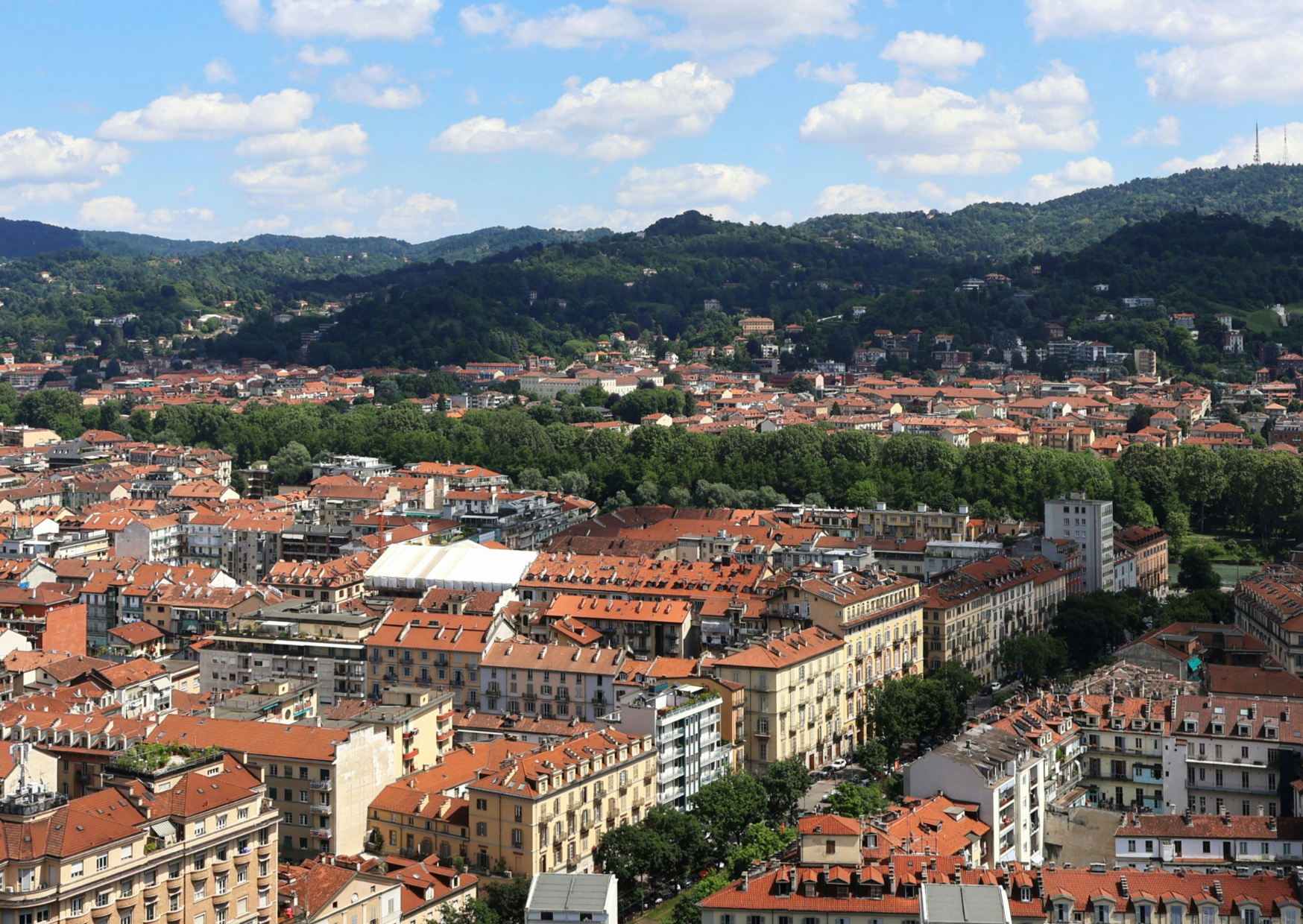
Turin is one of the easiest cities in Italy to underestimate because it does not perform for tourists in the same way.
It is elegant without begging for attention. It has grand boulevards, café culture, serious museums, and actual city weight, but it does not come with the same hyper-commercialized energy that makes parts of Milan feel like a brand campaign with tram lines.
That is exactly why more locals and repeat visitors end up loving it.
Condé Nast Traveller called Turin an “underrated Italian gem” in 2025 and noted how hard it is to believe the city has flown under the radar for so long given its palazzos, food, cultural events, and access to the Alps. Travel + Leisure also highlighted Turin in late 2025 as one of Italy’s best-kept secrets.
What Americans often miss is that Turin feels like a real city first and a destination second.
That means:
- better everyday rhythm
- less performative tourism
- stronger local café and aperitivo life
- less feeling that every street is charging you for existing
If you want an Italian city that feels refined, serious, and livable instead of overexposed, Turin is the obvious miss in the American itinerary.
Trieste Is The Smart Person’s Coastal Italy
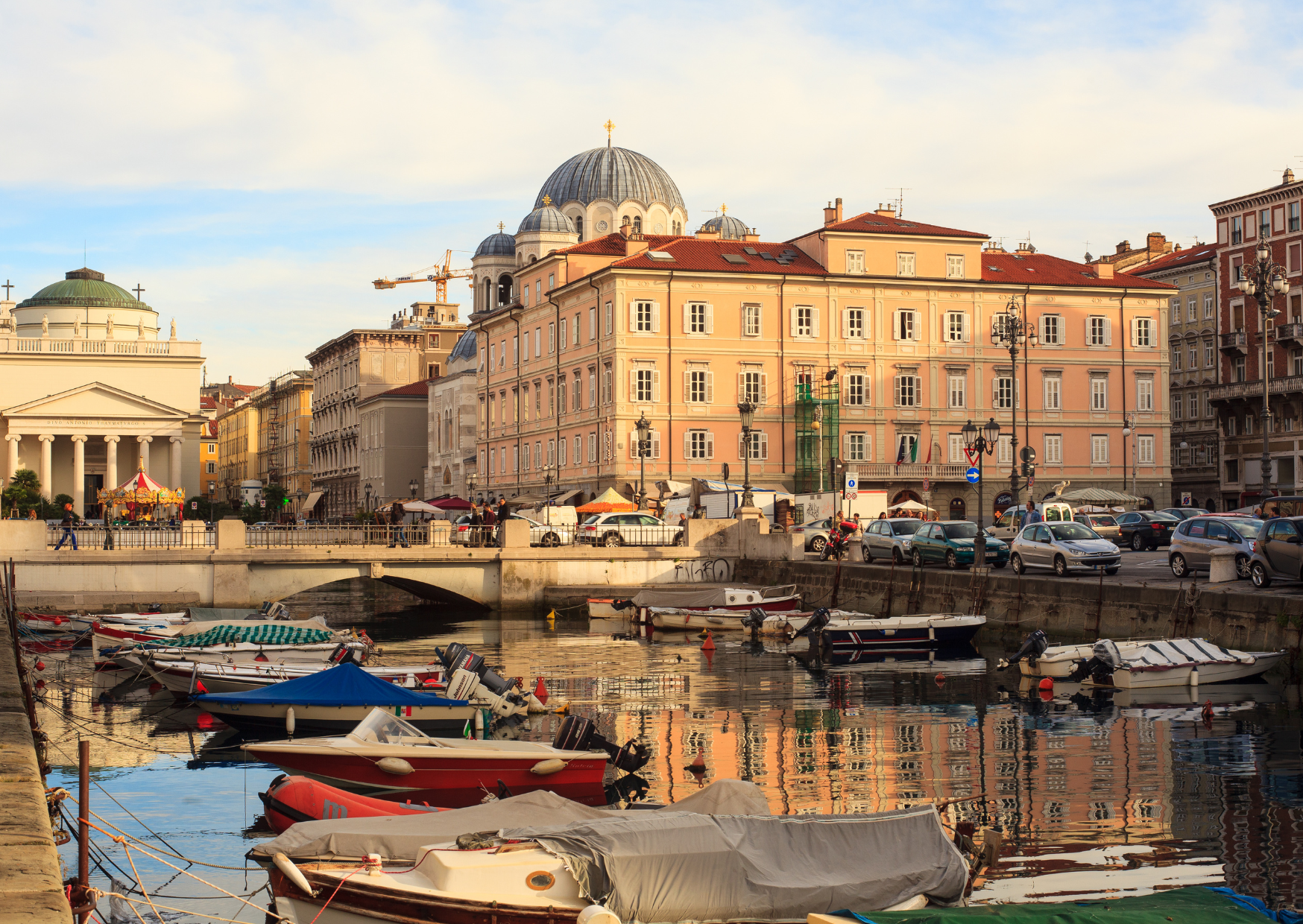
Trieste is where Italy stops behaving the way Americans expect it to.
It is not postcard-Italian in the standard sense. It is Adriatic, borderland, coffee-obsessed, and visibly shaped by Austrian, Slavic, and Italian influences all at once. That makes it less instantly legible to tourists who are looking for a predictable pasta-and-piazza fantasy.
Which is exactly what makes it good.
Travel + Leisure described Trieste in 2025 as an underrated city and the “coffee capital” of Italy, noting that it had been named one of the best places to travel in 2025. Separate 2024 coverage also noted Trieste’s rising profile as a top trending destination for 2025, which is usually what happens right before a place stops being under the radar.
Locals and Italy regulars like Trieste because it offers:
- sea without resort stupidity
- café culture with actual depth
- architecture that feels different from the standard central-Italian tourist circuit
- a city that still seems to belong to the people living in it
Americans skip it because it is not part of the default fantasy.
That is a mistake.
Trieste is one of the few Italian cities that still feels intellectually textured without feeling curated for foreigners.
Parma Is The Version Of “Food Italy” That Still Functions As A Real Place
A lot of Americans say they want authentic food cities in Italy, then go directly to places where authenticity has been flattened into a menu category.
Parma is what that instinct should actually produce.
Yes, Parma is famous for what Americans already know:
- Parmigiano Reggiano
- Prosciutto di Parma
- serious food culture
But the difference is that Parma still feels like a place with standards, not a city cashing in on them. It is calmer, smaller, and more livable than the louder food capitals, and current domestic coverage keeps framing it as exactly that. Idealista’s 2025 piece on living in Parma described it as more refined, elegant, and lower-priced than Bologna, with a slower pace and strong daily-life quality. Eurocities also describes Parma as ranked among Italy’s top cities for quality of life.
That combination is rare.
Parma gives you:
- excellent food without the feeling you are standing inside a food documentary
- a manageable urban scale
- beauty that does not demand a queue
- a city where local life is still visibly the main event
Americans often treat Parma as a side stop or a name on a cheese label.
That is backwards.
Parma is one of the best arguments in Italy for choosing daily quality over louder fame.
Bergamo Is The Kind Of City Italians Actually Trust To Work
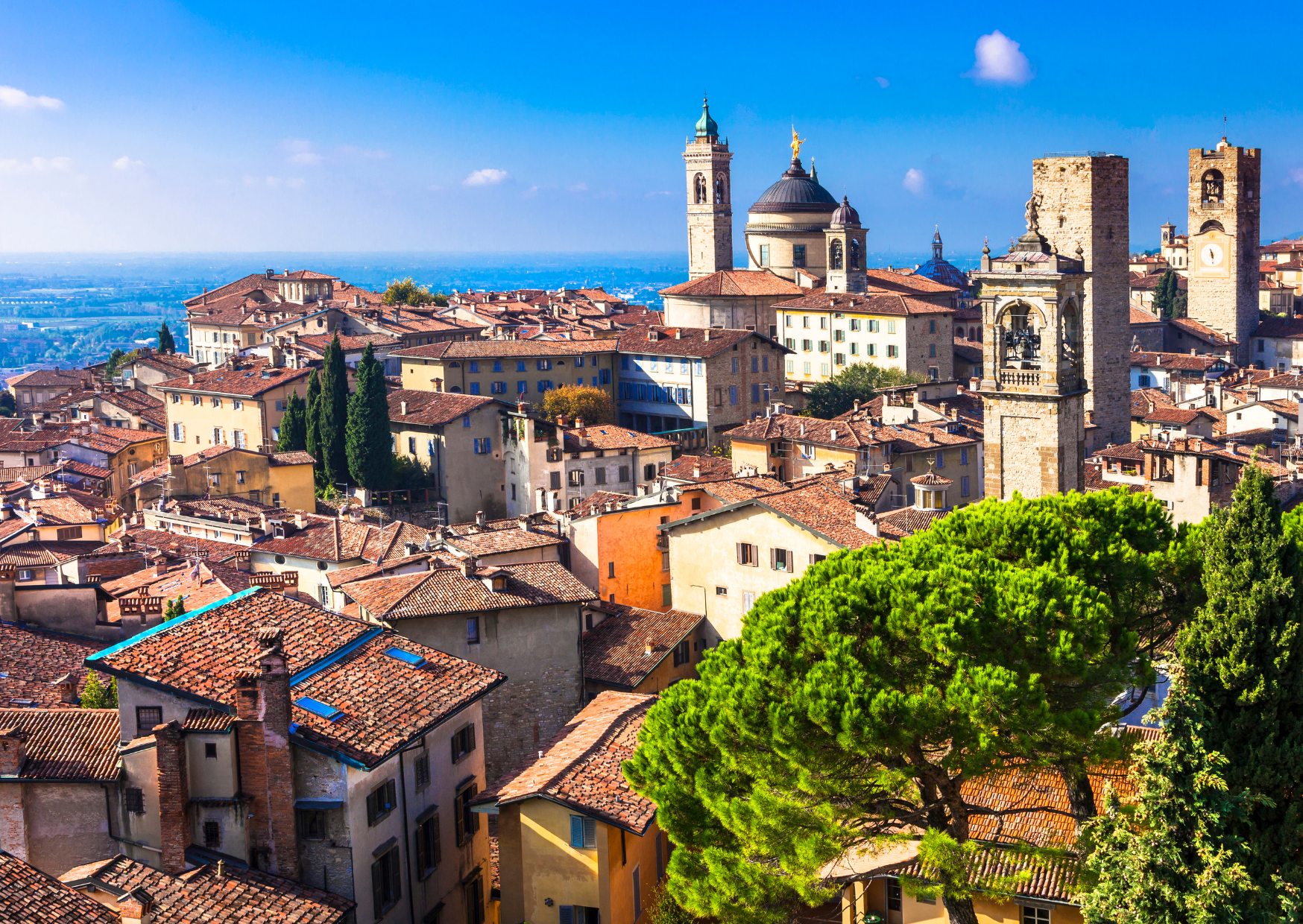
This is where the tourist conversation and the local conversation completely split.
Bergamo does not dominate foreign itineraries the way more famous northern cities do. But when Italians talk about livability, service quality, and whether a place actually functions, Bergamo keeps showing up in a much more serious way.
The clearest proof is blunt: in the 2024 Il Sole 24 Ore quality-of-life ranking, Bergamo came in first. That ranking evaluates dozens of indicators across wealth, services, environment, security, health, and culture.
That matters because “locals actually prefer” often does not mean “most beautiful for a weekend.”
It means:
- a place that works
- a place that feels organized
- a place where daily life is less stupid
- a place where quality is not all façade
Bergamo also has the advantage of being physically compelling without the full tourist overload. It gives you the dramatic upper town, strong northern infrastructure, and easy access to Milan when needed, but it still feels distinctly less consumed than many cities foreigners prioritize first.
Americans skip it because they tend to use northern Italy as a speed corridor between bigger names.
Locals notice that Bergamo is one of the rare cities where beauty and competence actually live in the same building.
Modena Is Better Than The Version Of Bologna Many Foreigners Think They Want
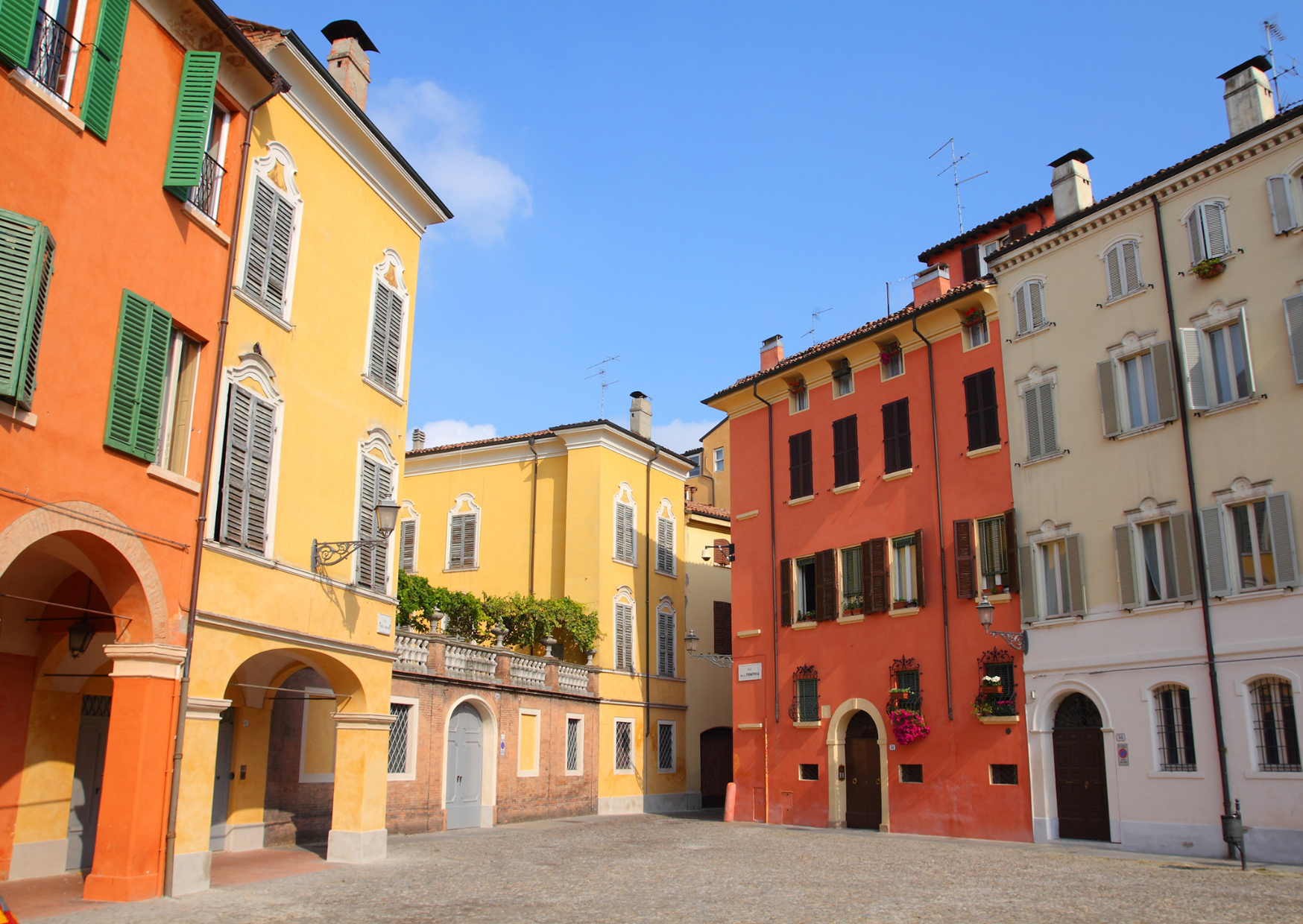
Bologna is now famous enough that it is drifting out of the “smart person’s Italy” category and into the “everyone heard it’s the smart choice” category.
Modena is what some people are really looking for when they say they want Bologna:
- excellent food
- strong regional identity
- manageable scale
- elegant but not precious
- less crowd pressure
- less self-conscious cool
Modena is often overshadowed by Bologna, Parma, and Florence, which is exactly why it stays appealing to people who want northern-central Italy without the extra performance. Broader expat and city-living coverage in late 2025 still describes Modena as vibrant, friendly, and materially less overrun than the names Americans default to.
This is not a tourist city in the postcard sense.
It is a city with real appetite and real standards.
And that matters.
Americans often think they want “authentic Emilia-Romagna.”
What they really want is:
- food they will remember
- streets they can actually enjoy
- and a place that has not yet been fully converted into the approved version of Italian cool
Modena does that better than most.
Ravenna Is What Happens When History Is Still The Main Event
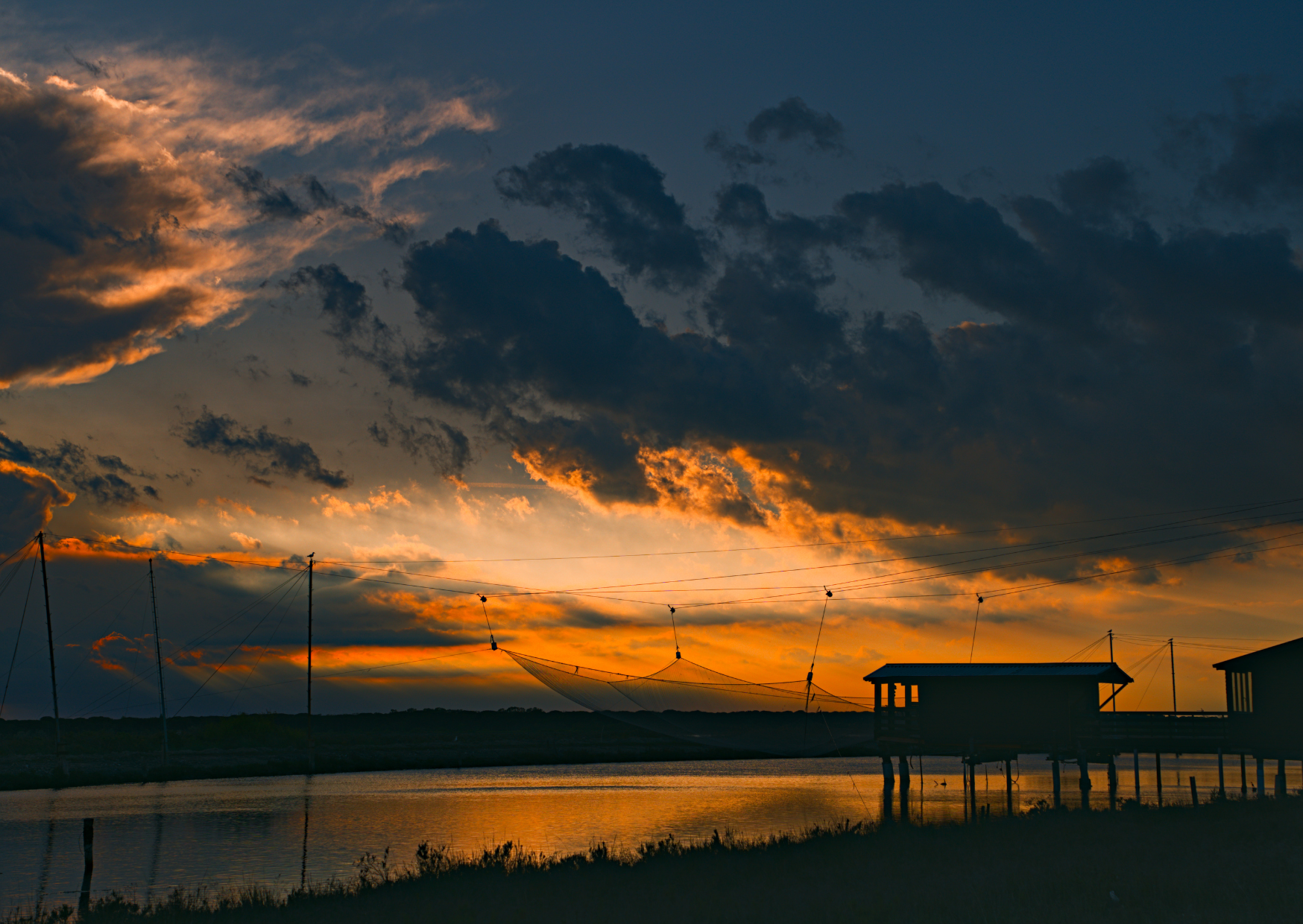
Ravenna is one of the best examples of a city Americans skip because it does not fit the standard fantasy frame.
It is not sold the way Venice is sold.
It is not worshipped the way Florence is worshipped.
It is not loud about itself.
That is a huge advantage.
Recent travel coverage keeps calling Ravenna:
- an “unsung” city
- overlooked
- a hidden gem
- and a place worth visiting specifically because it is less overrun while still being packed with historical depth and art. The Times called it a “charming, overlooked Italian city” in 2025, while other recent travel coverage described it as an underrated gem and emphasized its affordability and walkability.
Locals and repeat travelers tend to value Ravenna because:
- the mosaics are extraordinary
- the city remains digestible
- the center is walkable
- and it still feels like a place with a local pulse, not just a heritage stage set
Americans skip it because they think “historic Italy” is already covered by Rome, Florence, and Venice.
It is not.
Ravenna gives you world-class history without forcing you into the worst tourist behavior Italy has to offer.
Lecce Is The Southern City People Pretend They Discovered Late
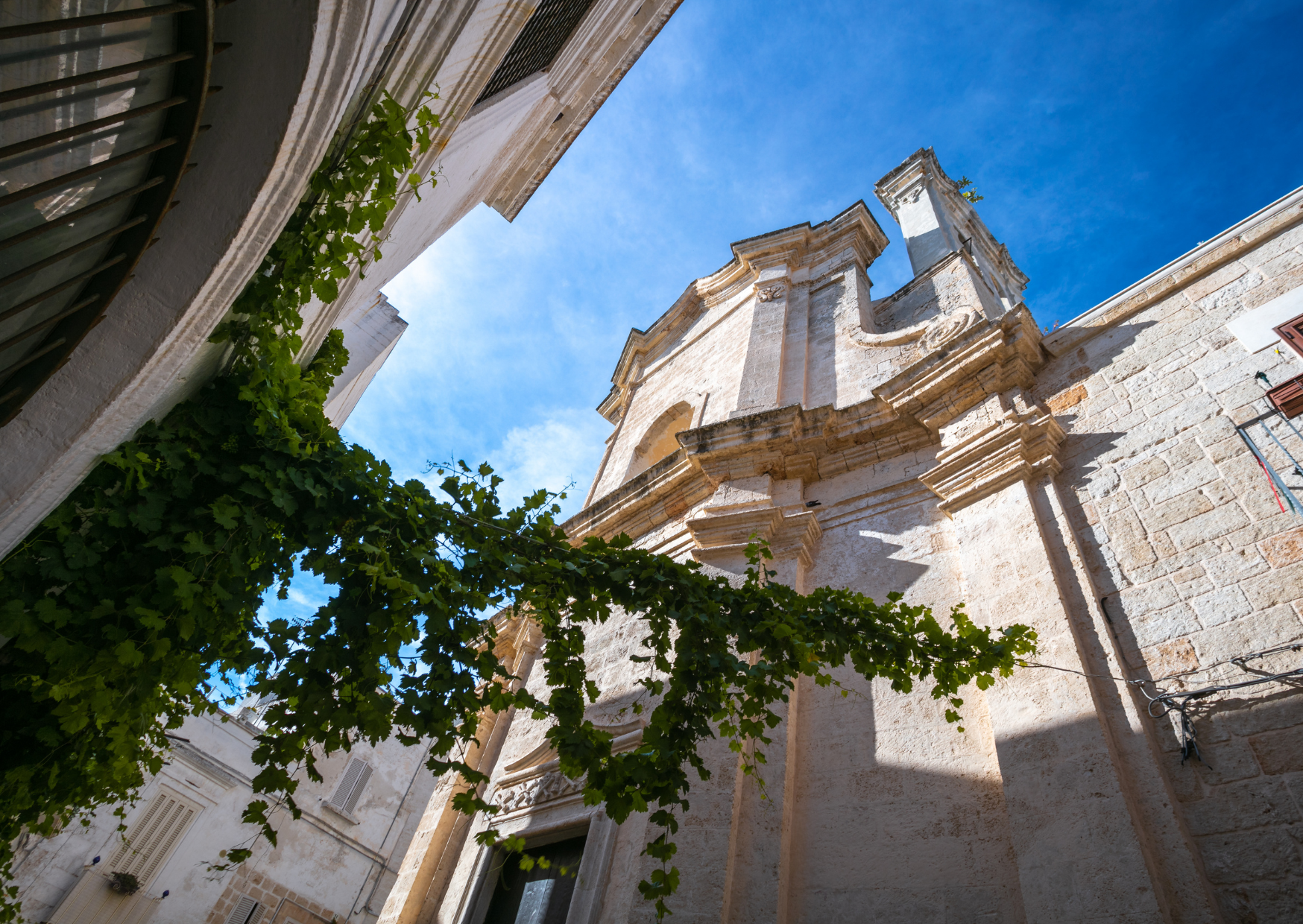
Americans love saying they want “the real South,” then they often either:
- overpay for the most obvious coastal Puglia version
- or skip inland cities that actually have stronger local texture
Lecce is one of the clearest corrections to that mistake.
It has beauty, yes. It has baroque architecture, yes. It gets called the “Florence of the South” often enough to be slightly annoying. But the reason locals and repeat visitors rate it is not just that it photographs well. It is that Lecce still works as a city:
- highly walkable center
- strong daily café rhythm
- serious regional food
- more local gravity than resort towns built around temporary pleasure
Recent travel coverage keeps describing Lecce as laid-back, unsung, and rich in art, architecture, and food without the same crowds that define more famous Italian destinations.
Americans skip it because they think Puglia means beaches first.
Locals know that in many parts of Italy, the city is still where the better life happens.
Lecce is one of the best southern examples of that rule.
What These Cities Have In Common Is More Important Than Which One You Pick
This is the part people miss when they turn lists into bucket-checking.
The seven cities above are not “better” than Rome, Florence, or Venice in some universal way.
They are better for a specific reason:
they still reward living attention, not just tourist consumption.
What they tend to have in common is:
- stronger day-to-day rhythm
- less crowd theater
- less feeling of being processed through a destination machine
- better odds that local life is still setting the tone
That is what a lot of Italians actually value in a city.
And it is why these places keep surfacing in either livability rankings or “underrated” travel coverage. Whether the angle is Bergamo’s quality-of-life win, Turin’s cultural depth, Trieste’s growing recognition, or Ravenna’s overlooked status, the pattern is the same: the cities people end up loving are often the ones that still feel like they belong to themselves.
Americans skip them because they often travel to Italy in the least Italian way possible:
too fast, too obvious, too pre-approved.
Your First 7 Days If You Want The Better Italy Instead Of The Louder Italy
Start by dropping the idea that more famous automatically means more worthwhile.
On the first day, choose one city that is not on your default Italy script.
On the second, price an ordinary apartment, not a boutique hotel fantasy.
On the third, test whether the city feels good at 11 a.m. on a weekday, not just at golden hour.
On the fourth, eat where the pace is calm, not where the menu is begging for foreign validation.
On the fifth, walk a neighborhood that is clearly residential.
On the sixth, ask whether the city still feels interesting when nothing “major” is happening.
On the seventh, pick the place where you can imagine a Tuesday, not just a photograph.
That is the whole trick.
Italy is much easier to love when you stop chasing the parts already flattened by being loved too hard.
The Honest Takeaway
If you want the version of Italy that Italians often rate more highly than foreigners do, stop assuming the most famous cities are the most rewarding ones.
Start with places like:
- Turin
- Trieste
- Parma
- Bergamo
- Modena
- Ravenna
- Lecce
Not because they are “hidden gems,” a phrase that ruins almost everything it touches.
But because they still offer something the biggest-name Italian cities often struggle to protect:
a sense that local life still outranks your itinerary.
That is usually where the better Italy is.

About the Author: Ruben, co-founder of Gamintraveler.com since 2014, is a seasoned traveler from Spain who has explored over 100 countries since 2009. Known for his extensive travel adventures across South America, Europe, the US, Australia, New Zealand, Asia, and Africa, Ruben combines his passion for adventurous yet sustainable living with his love for cycling, highlighted by his remarkable 5-month bicycle journey from Spain to Norway. He currently resides in Spain, where he continues sharing his travel experiences with his partner, Rachel, and their son, Han.