
Once hailed as the future of affordable, authentic travel, Airbnb revolutionized the hospitality industry by letting travelers “live like a local.” For years, it offered an alternative to cookie-cutter hotels and opened up neighborhoods that traditional tourists never saw. But fast forward to 2026, and the shine has undeniably worn off. What was once a travel game-changer has, for many, become a frustrating and overpriced experience.
Increasingly, travelers are voicing concerns about the rising costs, excessive cleaning fees, confusing checkout instructions, and inconsistent service quality. Hosts now seem more like amateur hoteliers than locals offering their spare bedroom, and guests are starting to wonder: Is Airbnb even worth it anymore?
This post dives into why Airbnb may no longer be your best option when traveling especially internationally and what you should consider before booking your next stay. We’ll share quick tips for alternatives, explore some controversial truths Airbnb won’t advertise, and help you reimagine where to rest your head on your next adventure.
So, is Airbnb still worth it? Here’s why Airbnb is no longer the best travel option and what you should book instead.
Choosing alternatives to Airbnb has become less about preference and more about practicality. Many travelers have found that what once felt flexible and affordable now comes with hidden fees, strict rules, and inconsistent quality. When the total cost rivals or exceeds hotels, the original value proposition disappears, pushing people to explore better options.
Another reason to consider alternatives is reliability. Hotels, serviced apartments, and locally run guesthouses offer clearer standards and on-site accountability. If something goes wrong, there is usually a front desk or manager to resolve it immediately. That peace of mind matters more after long flights, late arrivals, or unexpected issues.
Alternatives also tend to integrate better with local communities. Traditional accommodations are designed to host travelers without disrupting residential neighborhoods. This avoids the ethical concerns many travelers now have about short-term rentals contributing to housing shortages or tension with locals.
Flexibility is another overlooked advantage. Many non-Airbnb options allow same-day changes, luggage storage, or early check-in, which short-term rentals often restrict. Travel rarely goes exactly as planned, and accommodations that adapt with you reduce stress rather than add to it.
Finally, choosing alternatives restores simplicity. Clear pricing, predictable rules, and consistent expectations allow travelers to focus on the experience instead of logistics. As more people prioritize ease over novelty, it’s no surprise that travelers are quietly moving away from Airbnb and toward options that simply work better.
Read Here European Things that terrify Americans and American Habits that make Europeans Cringe
Read here how to pack for Europe and Best eSIM for Europe
BOOK YOUR TRAVEL INSURANCE
Two of our favorite travel insurance: Heymondo Vs Safetwing cheapest travel Insurance. You can get for $135 USD your Heymondo Travel Insurance with Heymondo discount code valid for 90 days. Read our full comparison of Genki vs Safetywing Travel Insurance Review and the comparison Heymondo vs Genki
Quick & Easy Travel Tips
Compare total cost — Always calculate the full price (including cleaning and service fees) before booking an Airbnb. It’s not unusual for the final price to rival or exceed that of a hotel.
Look at local laws — Many cities now heavily regulate or outright ban short-term rentals. Booking in a restricted zone can lead to last-minute cancellations or legal complications.
Consider boutique hotels — Many smaller hotels now offer competitive prices, daily housekeeping, and better amenities — often with more consistent quality.
Use booking filters wisely — Whether you’re on Booking.com, Expedia, or even Airbnb, filter for entire units, flexible cancellation, or hotels with high ratings.
Watch for red flags in reviews — Repeated complaints about hidden rules, noise, or unreliable hosts usually mean it’s not worth the risk.
One of the biggest myths still floating around is that Airbnb is always cheaper than a hotel. This might have been true ten years ago, but not anymore. In many popular destinations, once you factor in cleaning fees, service charges, and local taxes, Airbnb is often more expensive than a decent hotel without offering daily cleaning, free breakfast, or a front desk for help.
Another uncomfortable truth? Airbnb has contributed to housing crises in cities around the world. In places like Barcelona, New York, Lisbon, and Amsterdam, locals are being pushed out of neighborhoods where apartments are being bought up and converted to short-term rentals. Booking an Airbnb may mean supporting an industry that’s displacing the very communities you came to experience.
Finally, there’s the erosion of the “local experience” that once made Airbnb special. In many cases, you’re no longer staying in someone’s cozy flat you’re in a corporate-managed unit with IKEA furniture and generic wall art. Self-check-in via a lockbox and an absent host don’t offer cultural immersion; they just feel like a glorified key drop.
1. Airbnb Is No Longer Cheap
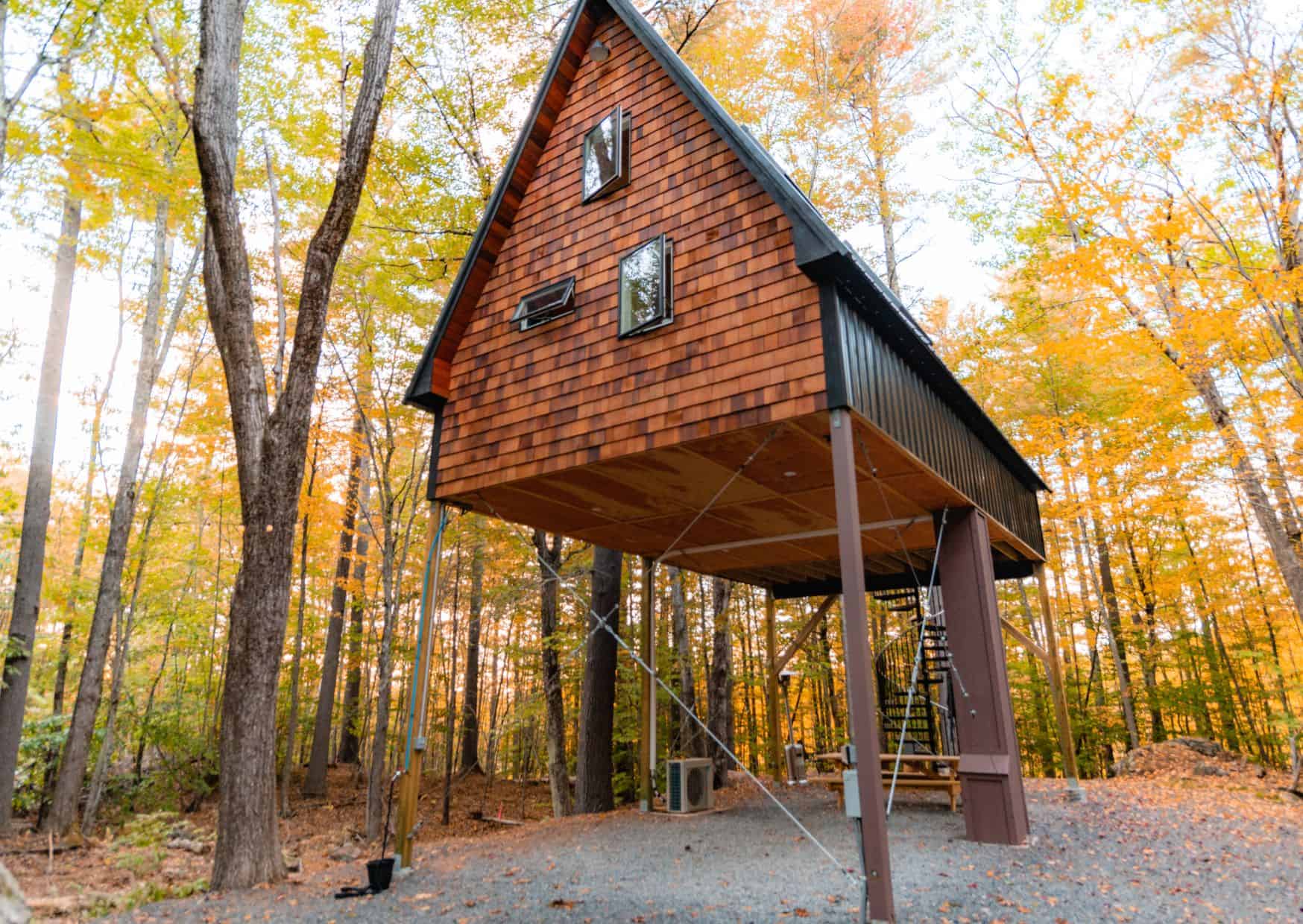
The Problem:
Prices have skyrocketed, often more expensive than hotels.
Hosts charge cleaning fees, service fees, and extra guest fees, making a $100 stay suddenly cost $200+.
Some listings require guests to do chores (strip beds, take out trash) despite the high cleaning fees.
Example: A 2-night Airbnb stay advertised as $120 per night ends up costing $400 after fees—more than a 4-star hotel.
Better Alternative: Boutique hotels, budget-friendly chains, or serviced apartments.
2. Self Check-In = No Service, No Security
The Problem:
Most Airbnbs use self-check-in, so there’s no front desk or security.
If you have a problem, good luck reaching the host quickly.
Some hosts don’t even live in the same city, making urgent issues hard to fix.
Example: You arrive at 1 AM in a foreign city and the keypad code doesn’t work—with no host to help.
Better Alternative: Hotels offer 24/7 service, security, and hassle-free check-in.
3. Hidden Fees Make It Worse Than a Hotel

The Problem:
Hosts pile on extra charges, including:
Cleaning fees ($50–$150)
Service fees (15%–20%)
Pet fees, extra guest fees, “resort” fees, and more
Hotels, by comparison, have clear pricing—you know what you’re paying upfront.
Example: A $80 hotel room costs… $80. A $80 Airbnb can easily total $150+ after fees.
Better Alternative: Look for hotels with breakfast included and no hidden fees.
4. Too Many Airbnb Horror Stories

The Problem:
Cancellations at the last minute leave guests stranded.
Hosts lie about listings—dirty apartments, broken AC, no hot water.
Fake reviews make it hard to trust listings.
Example: You book a “luxury city apartment”—only to find a tiny, dirty studio with broken furniture.
Better Alternative: Hotels & reputable guesthouses offer consistency and real service.
5. Hosts Are Treating Airbnb Like Hotels—Without the Service
The Problem:
Many Airbnbs are run by corporations, not locals.
Hosts expect guests to clean, take out trash, and follow long check-out rules.
Yet, no hotel-level service, no fresh towels, and often no response from the host.
Example: Paying $200+ per night, but being asked to vacuum, take out trash, and strip the beds before checkout.
Better Alternative: Hotels give you fresh towels, daily cleaning, and no chores.
6. Airbnb Is Ruining Local Communities

The Problem:
Airbnb drives up rent prices, pushing locals out of their own neighborhoods.
Cities like Barcelona, Amsterdam, and New York have cracked down on Airbnb because of over-tourism.
Some Airbnbs operate illegally, which could mean your stay gets canceled at the last minute.
Example: A city where locals can no longer afford to live, thanks to investors turning entire apartment buildings into Airbnbs.
Better Alternative: Stay in a locally-owned hotel or guesthouse to support real communities.
7. Bad for Remote Workers & Long-Term Stays
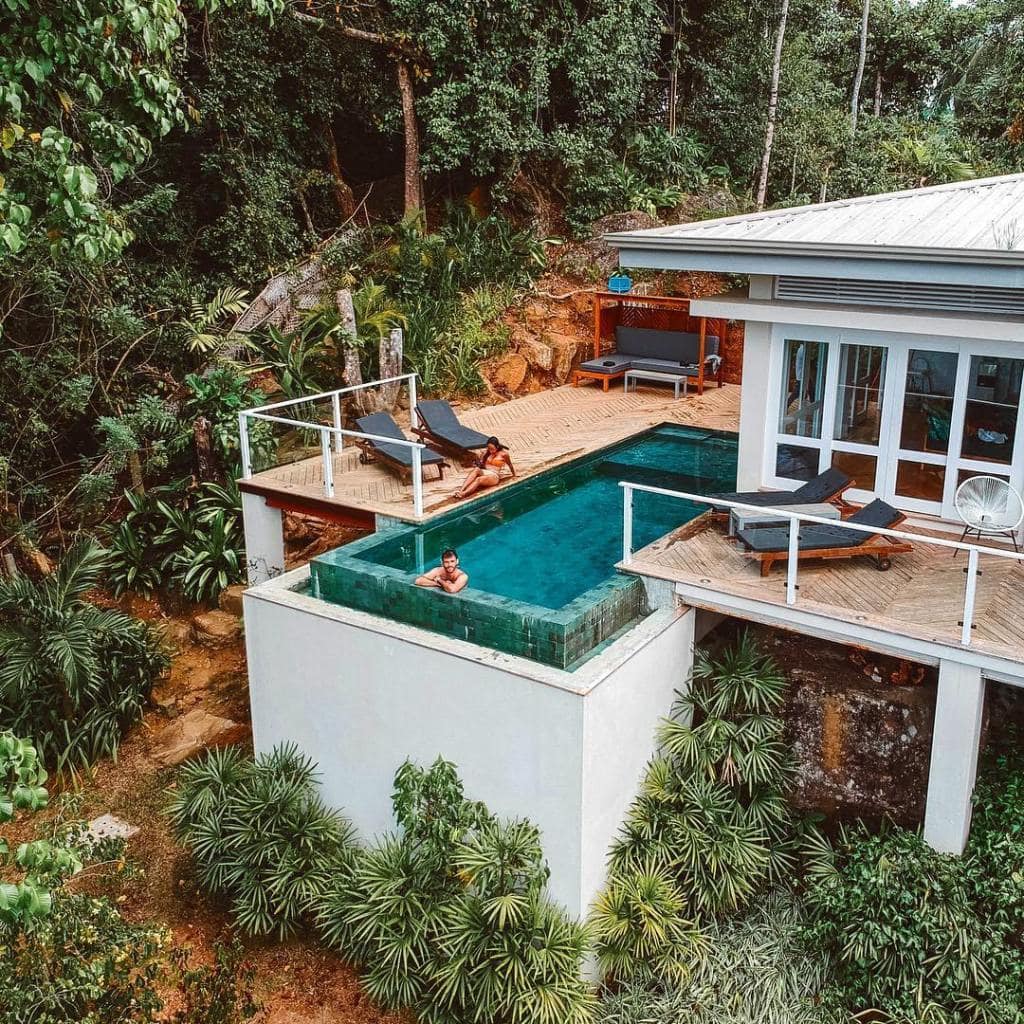
The Problem:
“Fast WiFi” in listings can be a lie—many Airbnbs aren’t work-friendly.
Strict cancellation policies make long-term stays risky.
Monthly rentals aren’t much cheaper—some charge more than hotels!
Example: A “fast WiFi” listing has slow, unreliable internet, making remote work impossible.
Better Alternative: Serviced apartments or co-living spaces designed for digital nomads.
8. It’s No Longer a “Local Experience”
The Problem:
Airbnb used to mean staying in someone’s home—now, most are investment properties.
Many listings are basic, empty apartments with no character.
Guests rarely meet their hosts or get real local tips.
Example: Your Airbnb host is a company with 30 listings, not a real local who knows the neighborhood.
Better Alternative: Stay in family-run guesthouses, boutique hotels, or bed & breakfasts.
So, What’s the Best Alternative to Airbnb?
Instead of overpriced, impersonal Airbnbs, try:
Boutique hotels – Same price (or cheaper), with real service.
Locally-run guesthouses – More authentic, and better for communities.
Co-living spaces – Great for long-term travelers & digital nomads.
Hostels with private rooms – Budget-friendly and social.
Trusted vacation rentals – Platforms like Vrbo or Plum Guide offer vetted, high-quality stays.
Why you Should
One reason you should cover this topic is that traveler sentiment really has shifted. Current travel-industry reporting says surveys are showing travelers increasingly preferring hotels over short-term rentals, even as the rental sector becomes more professionalized. That makes a piece about people quietly quitting Airbnb feel timely rather than exaggerated.
You should also use this angle because pricing frustration is real and easy for readers to understand. Airbnb itself now makes total-price display standard globally, and its own help pages still explain that cleaning fees are separate charges set by hosts and included in the total price. Forbes’ 2026 rental-site roundup also flags cleaning fees, platform fees, and complicated property rules as meaningful downsides for vacation-rental users.
Another reason to write it is that the story is no longer just about traveler convenience. In several places, short-term rentals have become part of larger housing and overtourism disputes. Reuters reported that Spain fined Airbnb over unlicensed tourist-rental listings as part of a broader crackdown tied to housing pressure, and also reported steep declines in short-term tourist rentals in Ibiza after tighter enforcement, with Barcelona still planning a broader holiday-home ban by 2028.
You should also pursue it because the article can offer a useful alternative framework, not just criticism. When travelers stop seeing Airbnb as the automatic “smart” option, they start comparing hotels, guesthouses, aparthotels, and other stays more honestly. That shift matters more now that Airbnb itself has had to respond to complaints about fee transparency and checkout friction.
Finally, you should cover it because it has built-in tension. Airbnb still offers uniqueness and space, but a growing number of signals point to trade-offs around fees, rules, and consistency. That mix of appeal and backlash makes the topic highly clickable while still being grounded in a real change in how travelers are evaluating stays.
Why you Shouldn’t
At the same time, you should not write it as if Airbnb is collapsing or universally hated. Travel-industry research has also pushed back on the idea of broad consumer fatigue, arguing that sentiment remains positive when pricing feels transparent and fair, and that the mix of space, convenience, and cost advantages is still valuable to many guests.
You also should not pretend that every Airbnb stay is a bad deal. Forbes’ 2026 roundup still lists Airbnb positively for its wide variety of unique properties and flexible lodging styles, even while criticizing fees and rules. For many families, groups, and longer stays, those advantages are still real.
Another reason to be careful is that the problem is not always Airbnb alone. A lot of the anger around short-term rentals is really about local housing markets, licensing, enforcement, and overtourism. Reuters’ Spain and Budapest coverage makes clear that the pressure comes from broader city and national debates, not just one app.
You should also avoid making “quitting Airbnb” sound like a moral obligation for every traveler. In some places, a legal short-term rental may still be the most practical option, especially where hotels are limited, expensive, or poorly suited to longer stays. Even Reuters’ Ibiza report noted that nearly one-third of tourists prefer holiday homes partly because they can still be cheaper than hotels.
Finally, you should not let the piece become all headline and no nuance. The strongest version is not “Airbnb bad, hotels good.” It is that travelers are getting more selective because the old promise of cheap, simple, local-feeling stays now comes with more visible trade-offs than it used to. That is a better and more believable argument than total rejection.
Final Verdict: Is Airbnb Still Worth It?
YES, if you:
Find a unique property at a fair price.
Need a big space for families or groups.
Want a long-term rental in a city with no better options.
NO, if you:
Want affordable travel (hotels are now often cheaper).
Expect hotel-like service but get none.
Hate hidden fees, strict rules, and bad host communication.
Airbnb isn’t inherently bad, and it can still offer value in the right circumstances like long stays, remote locations, or unique properties. But as the platform has matured, it’s strayed far from its roots. What was once a disruptive, community-focused model has now become just another commercial booking site, often without the charm or consistency travelers were promised.
Today, travelers want more than just a place to sleep. They want reliability, transparency, and meaningful experiences. That may mean reconsidering traditional hotels, boutique stays, or even new platforms designed to support both travelers and local communities fairly.
Ultimately, being a smarter traveler means questioning the hype and recognizing when a service no longer serves you. Airbnb might have opened the door to a new kind of travel, but it doesn’t have to be the only door you walk through.

About the Author: Ruben, co-founder of Gamintraveler.com since 2014, is a seasoned traveler from Spain who has explored over 100 countries since 2009. Known for his extensive travel adventures across South America, Europe, the US, Australia, New Zealand, Asia, and Africa, Ruben combines his passion for adventurous yet sustainable living with his love for cycling, highlighted by his remarkable 5-month bicycle journey from Spain to Norway. He currently resides in Spain, where he continues sharing his travel experiences with his partner, Rachel, and their son, Han.