
Why This Matters
Spain is famous for paella, sangria, and tapas—but real Spanish dining goes way beyond the tourist staples. Many restaurants have off-menu specialties or regional “secret” dishes that locals devour while visitors stick to the standard “menu.” Below are 8 hidden gems that might not appear on English-language menus or big signboards—but locals know to ask. If you’re tired of standard fare and want a deeper taste of Spain, these dishes are your backstage pass.
Looking for More Travel & Culture Reads?
– They Don’t Work 24/7: 5 Vacation Customs in Europe That Drive Americans Crazy
– 7 Dress Code Shocks Americans Face in Italy
Quick Easy Tips
Ask gently: “¿Hay algo fuera de carta hoy?” This simple phrase—meaning “Do you have anything off the menu today?”—opens the door to local offerings.
Look around the room. If several tables of locals are eating the same unlisted dish, that’s your cue to ask for it.
Go during lunch. Spain’s menú del día often includes surprise items that never appear on printed menus and cost far less than dinner dishes.
One of the biggest controversies around hidden menu items is whether tourists should know about them at all. Some locals love sharing their culinary secrets, while others feel these dishes are part of the country’s intimate food culture and shouldn’t be commercialized. They argue that once tourists request these items, quality declines and prices rise, as has happened in some overly popularized tapas bars.
Another debate revolves around authenticity. Some travelers think “hidden menu” implies exclusivity, expecting elaborate or luxurious dishes. In reality, many off-menu plates are simple: grilled fish, house stews, or rustic vegetable dishes that depend heavily on seasonal produce. Purists insist this simplicity is what makes them authentic, while others argue tourists may feel underwhelmed if they expect spectacle instead of honest cooking.
There’s also disagreement over whether visitors should even attempt to order hidden dishes without speaking Spanish. Some believe curiosity is welcomed, while others say that asking without understanding the cultural context risks miscommunication or appearing entitled. These differing perspectives show how deeply food, language, and identity are intertwined in Spain’s restaurant culture.
1. “Arroz del Día” (Daily Rice Dish)

Why It’s Hidden
Tourists see paella advertised everywhere, but locals often ask if there’s an “arroz del día,” a daily rice special not printed on the standard menu. It might be arroz negro (with squid ink), arroz caldoso (soupy rice), or a special spin with local seafood.
The Real Deal
- Restaurants with good “cocina casera” (homestyle cooking) adapt their rice dishes to fresh ingredients that day.
- They skip the flashy “paella” signage—arroz del día is for those who know to inquire.
- Prices are often lower than the “tourist paella” hype.
How to Order
- Politely ask: “¿Hay algún arroz especial hoy?” or “¿Cuál es el arroz del día?”
- Expect a big shared pan or a personal portion. Some places only make a limited batch, so if they’re out, you missed the boat.
Bottom Line
Yes, paella is iconic, but local arroz specials can be more authentic, cheaper, and fresher. Locals know the difference—join them in skipping the flashy paella sign.
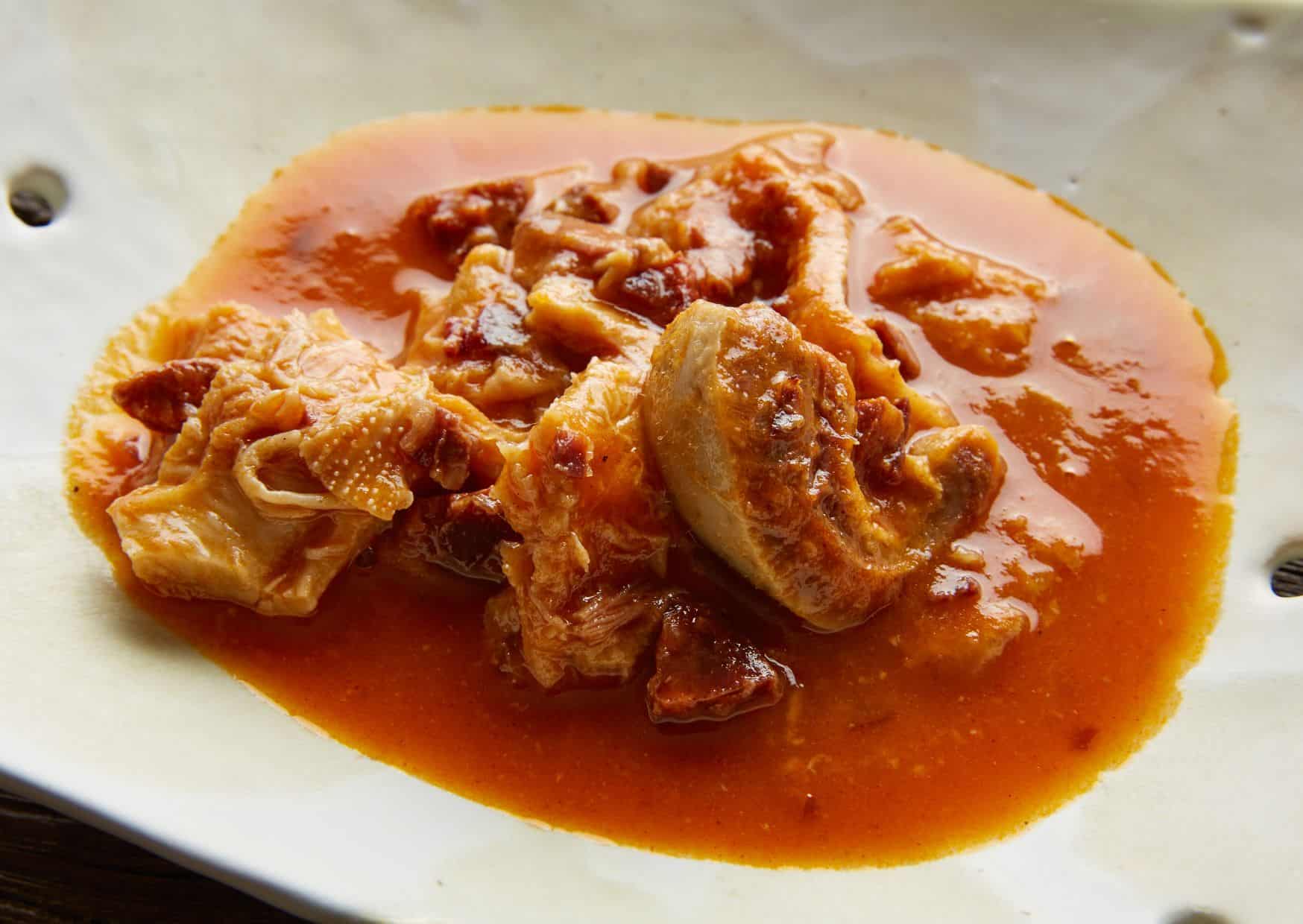
2. “Callos” (Stewed Tripe)
Why It’s Hidden
Callos (stewed tripe) is a traditional dish in regions like Madrid or Asturias, rarely highlighted on tourist menus because many visitors skip offal. Locals, though, relish its hearty flavor.
The Real Deal
- Callos a la madrileña: Tripe cooked with chorizo, paprika, maybe some chickpeas, creating a rich, thick stew.
- It’s an old-school comfort dish, beloved in winter months, or as a midday meal.
- Some restaurants keep it off the main menu but serve a small daily batch for loyal fans.
How to Order
- Ask if they have callos: “¿Tienen callos hoy?”
- If they do, brace for a bold, meaty flavor—not for picky eaters, but a major local experience.
Bottom Line
Yes, it’s tripe. But if you want to taste real Spanish homestyle cooking, callos is your ticket. Locals love it so much they don’t need it spelled out on tourist menus.
3. “Secreto Ibérico” (Secret Pork Cut)
Why It’s Hidden
Jamón ibérico hogs the spotlight, overshadowing another Iberian pork gem: the secreto cut. This flavorful, marbled piece is often off-menu, requested by locals in-the-know.
The Real Deal
- From Iberian pigs, a hidden muscle with intense flavor.
- Grilled simply with salt—juices locked in, a succulent explosion.
- Restaurants with top-quality Iberian pork might quietly mention it if you ask, especially in Andalucía or Extremadura.
How to Order
- If the menu only shows standard cuts (lomo, solomillo), inquire: “¿Tienen secreto ibérico?”
- If they do, you’re in for a treat. Usually served medium or slightly pink—trust the chef’s approach.
Bottom Line
Yes, jamón ibérico is the big name, but the real local “secret” is literally secreto—a must-try cut you won’t see on tourist boards.
4. “Berenjenas con Miel” (Eggplant with Honey)

Why It’s Hidden
In southern Spain (especially Andalucía), you’ll find crispy fried eggplant drizzled with cane honey—berenjenas con miel. Tourists rarely see it unless they roam off the tapas track.
The Real Deal
- Thin eggplant slices, lightly battered and fried, finished with honey or miel de caña (sugarcane syrup).
- Sweet-savory mix reminiscent of Moorish culinary heritage in the region.
- Some places only list it in Spanish, ignoring the English menu.
How to Order
- Ask at a local tapas bar: “¿Tienen berenjenas con miel?”
- Perfect as an appetizer or snack. Crisp outside, soft inside, sweet tang on top.
Bottom Line
Yes, tourists munch patatas bravas or croquetas, but locals in Granada or Málaga know berenjenas con miel is a unique treat—find it off-menu for a sweet surprise.
5. “Migas” (Fried Breadcrumbs)

Why It’s Hidden
Migas—fried breadcrumbs mixed with garlic, chorizo, or peppers—is a rustic dish from areas like Extremadura, La Mancha, or Andalucía. Many modern restaurants skip it on tourist menus, but locals love it as comfort food.
The Real Deal
- Day-old bread crumbled, seasoned, and fried with oil, garlic, sometimes chorizo or bacon.
- Topping can be grapes, melon, or fried eggs, depending on region.
- Historically a shepherd’s dish—hearty, low cost.
How to Order
- If you see mention of migas as a special or “comida casera,” jump on it.
- It might come with an egg cracked on top or sweet grapes mixed in—region influences the twist.
Bottom Line
Yes, it’s “just breadcrumbs,” but ask any local—migas bursts with flavor and tradition, overshadowed by flashier tourist dishes.
6. “Chuletones de Carne” or “Chuleta Vacia” (Steaks Not Listed)

Why It’s Hidden
Some Spanish restaurants only list standard cuts (entrecot, solomillo). The real big steak might be chuletón—a huge bone-in rib steak—often not on the main tourist menu because it’s served for connoisseurs or large sharers.
The Real Deal
- Thick, marbled steak, grilled simply with salt.
- Typically priced by weight—locals might request a specific kilo.
- Common in Basque Country or Castilla y León—big carnivore culture.
How to Order
- If you see “Carne a la brasa” on a chalkboard, ask if they have chuletón or big steak cuts.
- They might guide you to a portion that matches your group size.
Bottom Line
Yes, you won’t see a neon sign for “massive local steak,” but Spaniards know where to get it. If you’re a steak lover, inquire about those bigger cuts.
7. Regional “Guisos del Día” (Daily Stews)
Why It’s Hidden
Many family-run spots cook daily stews—cocido madrileño, fabada asturiana, potaje de garbanzos—rarely on a glossy menu. Locals just ask the waiter, “What’s today’s stew?” Tourists skip it, going for known items.
The Real Deal
- Rotating stews based on fresh produce or region—chickpea stew, lentil stew, beans with chorizo, etc.
- Slow-cooked flavors, cheap and hearty, part of “plato del día.”
- Chefs often do limited quantities—once gone, it’s gone.
How to Order
- “¿Qué guiso tienen hoy?”—the question to unearth these off-menu wonders.
- Usually portioned generously, great for lunch or a chilly day.
Bottom Line
Yes, tourists find comfort ordering patatas bravas, but the real comfort is in these local stews. One pot, one day, all flavor—just ask.
8. Surprise “Postres Caseros” (Homemade Desserts)

Why It’s Hidden
Sure, flan or crema catalana might be listed. But some Spanish eateries keep a “postres caseros” board that changes daily—arroz con leche, torrijas, or a local cake. Locals scan that chalkboard or ask the server, while visitors stick to standard menu items.
The Real Deal
- Each restaurant’s grandma-style dessert, from tarta de queso (cheesecake) to natillas (custard).
- Seasonal spins—maybe fruit-based tarts in summer, heavier sweets in winter.
- Not always in English, so tourists miss out.
How to Order
- At dessert time, ask: “¿Qué postres caseros tienen hoy?”
- The server might list 2–3 homemade treats not on the printed menu—snag them while available.
Bottom Line
Yes, you see flan or ice cream in a tourist menu. But the real gem is the day’s homemade dessert. Locals know to ask for that hidden sweetness.
Conclusion: Ask, Observe, and You’ll Discover Spain’s Best
From “arroz del día” to off-menu callos, Spanish restaurants hide a wealth of local delights that never appear in tourist-simplified menus. If you only look at the standard printed options, you’ll get the usual suspects—paella, sangria—missing the soul behind Spanish culinary tradition.
The trick? Ask the waiter about specials, watch for chalkboards, and dare to order something you can’t pronounce. Locals do it daily, enjoying deeper flavors, often at lower prices. Step into their world by skipping the flashy items, exploring these hidden gems, and you’ll savor the real gastronomic heart of Spain.
Hidden menu items aren’t just food—they’re an invitation into Spain’s culinary heart. These dishes reflect trust between diners and chefs, a shared understanding of seasonal cooking, and a tradition of eating what’s freshest rather than what’s advertised. Once you embrace this mindset, every restaurant visit becomes a chance to discover something unexpected and unforgettable.
Trying these off-menu treasures also deepens your connection to Spanish culture. You begin to appreciate the slow-cooked stews, the simply grilled fish, and the market-driven recipes that locals cherish. Instead of chasing the same dishes every tourist orders, you get to experience the country the way Spaniards do: through food that tells a story.
In the end, the hidden menu isn’t a secret list—it’s a way of eating rooted in curiosity, respect, and openness. When you approach Spanish restaurants with that spirit, you unlock flavors and experiences most visitors miss entirely. And once you order like a local, you’ll never look at menus the same way again.
Pro Tip
Hit neighborhood bars or family-run “mesones.” They’re more likely to have a rotating blackboard of daily dishes—off the tourist circuit. Build rapport with staff: a simple question about “specialties” might unlock their best-kept secrets. ¡Buen provecho!

About the Author: Ruben, co-founder of Gamintraveler.com since 2014, is a seasoned traveler from Spain who has explored over 100 countries since 2009. Known for his extensive travel adventures across South America, Europe, the US, Australia, New Zealand, Asia, and Africa, Ruben combines his passion for adventurous yet sustainable living with his love for cycling, highlighted by his remarkable 5-month bicycle journey from Spain to Norway. He currently resides in Spain, where he continues sharing his travel experiences with his partner, Rachel, and their son, Han.