
Europeans take coffee seriously—but some cities are so specific about how to drink it (and when) that visitors can trip up. From Italy’s no-nonsense espresso etiquette to Turkey’s elaborate brewing customs, here are 7 capitals of caffeine with unique dos and don’ts. Master them, and you’ll sip like a local without ruffling baristas’ feathers.
Coffee in Europe isn’t just a drink—it’s an expression of culture, tradition, and identity. In these seven cities, the rules surrounding coffee go beyond brewing methods; they’re tied to social etiquette, historical customs, and a sense of local pride. For travelers, learning these unspoken laws can turn a simple café visit into a richer cultural experience.
While some rules may feel restrictive to outsiders—like not ordering a cappuccino after breakfast or avoiding takeaway cups in certain regions—they are often rooted in centuries-old habits that locals see as essential to preserving authenticity. Observing them shows respect for local traditions and often leads to warmer interactions with café owners and regulars.
Want More Coffee & Culture Tips?
– The Art of Doing ‘Nothing’: 7 European Secrets to Guilt-Free Relaxation Tourists Miss
– How to Spend a Month in Europe With Just a Carry-On—Minimalist Packing Hacks
– Why Europeans Never Order These 13 Menu Items (And What to Do Instead)
One point of controversy is whether these rules are charming cultural quirks or outdated barriers that alienate tourists. Some argue that rigid customs can make coffee culture feel elitist, discouraging visitors from experimenting or enjoying coffee “their way.”
There’s also debate over whether globalization is eroding these traditions. The rise of international coffee chains and takeaway culture is slowly challenging local norms, leading to tension between preserving authenticity and adapting to modern convenience.
Lastly, some locals believe these coffee customs are essential to maintaining cultural identity, while others see them as unnecessarily strict in an increasingly globalized world. This tension between tradition and change is at the heart of why coffee rules can spark such strong feelings—both for and against.
1. Naples, Italy: Espresso Obsession (No Milk Allowed After Morning)

What Makes It Strict
- Neapolitans treat espresso as near-sacred, served quickly in small cups with a powerful punch. Cappuccinos or lattes after ~11 AM? Major faux pas. Locals say too much milk post-breakfast disrupts digestion.
Key Rules
- Order just “un caffè”—that’s the local lingo for espresso.
- If you try to add sugar, do it fast; some espresso bars pre-sweeten or have a unique local style.
- Drink it standing at the bar; lingering with your espresso is unusual—Neapolitans down it in a few sips, pay, then leave.
Don’t Make This Mistake
- Asking for a cappuccino after lunch or dinner might earn quizzical looks (they may serve you anyway, but expect mild judgment). Embrace espresso’s brevity.
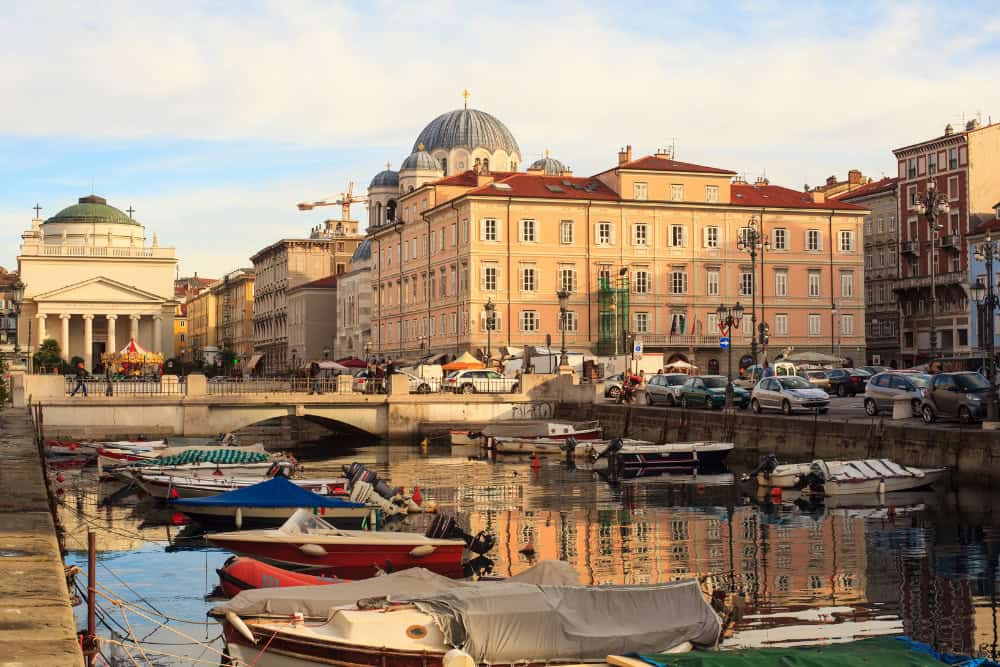
2. Trieste, Italy: Confusing Local Coffee Slang
What Makes It Strict
- Trieste is Italy’s coffee port city—Illy was founded here—so naturally, they developed unique ordering terms different from standard Italian. A “caffè macchiato” or “latte macchiato” might have entirely different names.
Key Rules
- Capo in B: Short for cappuccino in bicchiere (a cappuccino in a glass). If you say cappuccino, you might get something else.
- Locals might say “nero” for plain espresso or “gocciato” for a macchiato.
- Bars have written menus, but many assume you know these special terms.
Don’t Make This Mistake
- Using standard Italian terms might still get you a coffee, but expect the barista to clarify. If you want to feel like a local, learn Trieste’s dialect—maybe “un capo in b” for that small cappuccino in a glass.
3. Vienna, Austria: Etiquette in the Coffeehouse Temple

What Makes It Strict
- The Viennese coffeehouse tradition is UNESCO-worthy, with formal coffee menus listing dozens of variations—like the Melange, Einspänner, or Kapuziner. It’s about slow enjoyment, not just quick caffeine.
Key Rules
- Seat yourself but expect the waiter to bring a menu eventually.
- A single coffee lets you linger for an hour or two with a newspaper—this is normal, not frowned upon.
- The water on the side is part of the ritual; servers often refill it quietly. Don’t wave them down frantically for a check—they’ll come around when it’s polite.
Don’t Make This Mistake
- Rushing or treating it like a fast-food chain. Give yourself time to soak in the grand coffeehouse vibe. “One cappuccino to go” might confuse staff, as Viennese cafés focus on in-house ritual.
4. Istanbul, Turkey: Turkish Coffee Rituals and No Stirring

What Makes It Strict
- In Istanbul, coffee is prepared by boiling finely ground coffee (often sweetened) in a cezve (small pot). Once poured into a demitasse cup, it’s left to settle—no stirring or the grounds disrupt the texture.
Key Rules
- Don’t ask for milk in Turkish coffee. Traditional versions are plain or lightly sweetened.
- Sip slowly—grounds sink to the bottom. If you swirl or stir, you’ll get gritty sips.
- If offered “orta şekerli” (medium sugar) or “sade” (no sugar), choose your sweetness level carefully.
Don’t Make This Mistake
- Asking for a spoon or trying to swirl the coffee around. You’re meant to let it sit, enjoy the bold flavor, and not chug the gritty residue.
5. Lisbon, Portugal: The Small “Bica” and Fast Service

What Makes It Strict
- In Lisbon, a bica is their version of espresso—short, strong, and to the point. Locals pop in, shoot it back, and leave quickly. They may also have unique coffee combos like a galão (milkier coffee in a tall glass).
Key Rules
- “Bica” stands for “Beba isto com açúcar” (rumored origin), meaning “drink this with sugar.” It’s typically unsweetened unless you add a packet.
- Locals rarely linger—no cushy seats for slow sips. Many stand at the counter.
Don’t Make This Mistake
- Expecting a cappuccino or American-size latte. If you say “latte,” you might just get milk. If you want more milk in Lisbon, order a galão or meia de leite (half milk, half coffee).
6. Sarajevo, Bosnia & Herzegovina: Bosnian Coffee and the “No Rushing” Rul

What Makes It Strict
- Similar to Turkish coffee, Bosnian coffee is served in a small copper pot (džezva), with a separate cup (fildžan) and sugar cubes or rahat lokum (Turkish delight). The ritual is slow and social.
Key Rules
- Spoon a bit of foam into the cup first, then carefully pour the coffee.
- Don’t stir vigorously—let grounds settle.
- Typically, it’s not served with milk. Savor it in small sips, with sweet nibbles.
Don’t Make This Mistake
- Rushing or dumping everything at once. Locals see it as a quiet, shared moment—no to-go vibes here. Relax, chat, enjoy each sip.
7. Paris, France: Timing Matters, and So Does Posture

What Makes It Strict
- Parisians do love their café culture, but there’s an unspoken code about when to order a café crème (similar to a latte) vs. an espresso, and how you occupy your table.
Key Rules
- Morning: a café crème or grand crème is typical with pastries.
- Afternoon/Evening: a simple café (espresso) or “café allongé” (like an Americano).
- Don’t hog a tiny table for hours if it’s crowded—unless you keep ordering. Waiters may get impatient if you camp out with just water.
Don’t Make This Mistake
- Ordering a big milky coffee at 10 PM or calling your espresso a “shot.” You might get served, but expect subtle glances. Follow local coffee flow: milky in the morning, dark in the afternoon.
The Bottom Line
Across Europe, coffee culture can be intense—with unspoken codes about ordering, timing, sweetness, and how quickly you sip or linger. Locals don’t all cling to these rules with iron fists, but messing up can earn you gentle corrections or a raised eyebrow. Embrace these quirks, and you’ll discover new flavors, traditions, and a deeper connection to each city’s soul.
Pro Tip
- When in doubt, observe how locals order. Listen for the jargon—like “capo in b” in Trieste or “un caffè” in Naples—and mirror their approach. A quick nod or “is this correct?” can also spark a friendly chat, turning your coffee break into a cultural lesson. Enjoy the brew!

About the Author: Ruben, co-founder of Gamintraveler.com since 2014, is a seasoned traveler from Spain who has explored over 100 countries since 2009. Known for his extensive travel adventures across South America, Europe, the US, Australia, New Zealand, Asia, and Africa, Ruben combines his passion for adventurous yet sustainable living with his love for cycling, highlighted by his remarkable 5-month bicycle journey from Spain to Norway. He currently resides in Spain, where he continues sharing his travel experiences with his partner, Rachel, and their son, Han.