
Think you’re storing your groceries the “right” way? You might be shocked to learn that the very foods you automatically place in the refrigerator are often kept at room temperature in Europe. From sauces to produce, let’s shine a light on what Europeans do differently—and why it might be a game-changer for your own kitchen routine.
Other Reads:
– 15 Unspoken Rules of Mediterranean Life That Tourists Never Understand
– Best Places To Live In Europe: Living in Spain vs Portugal Which is Better?
– Main travel Insurance to get for Europe
Quick & Easy Tips for Storing Food the European Way
Leave Bread Out, Not In — Store bread in a paper bag or breadbox at room temperature to maintain its crust. Refrigerating speeds up staling.
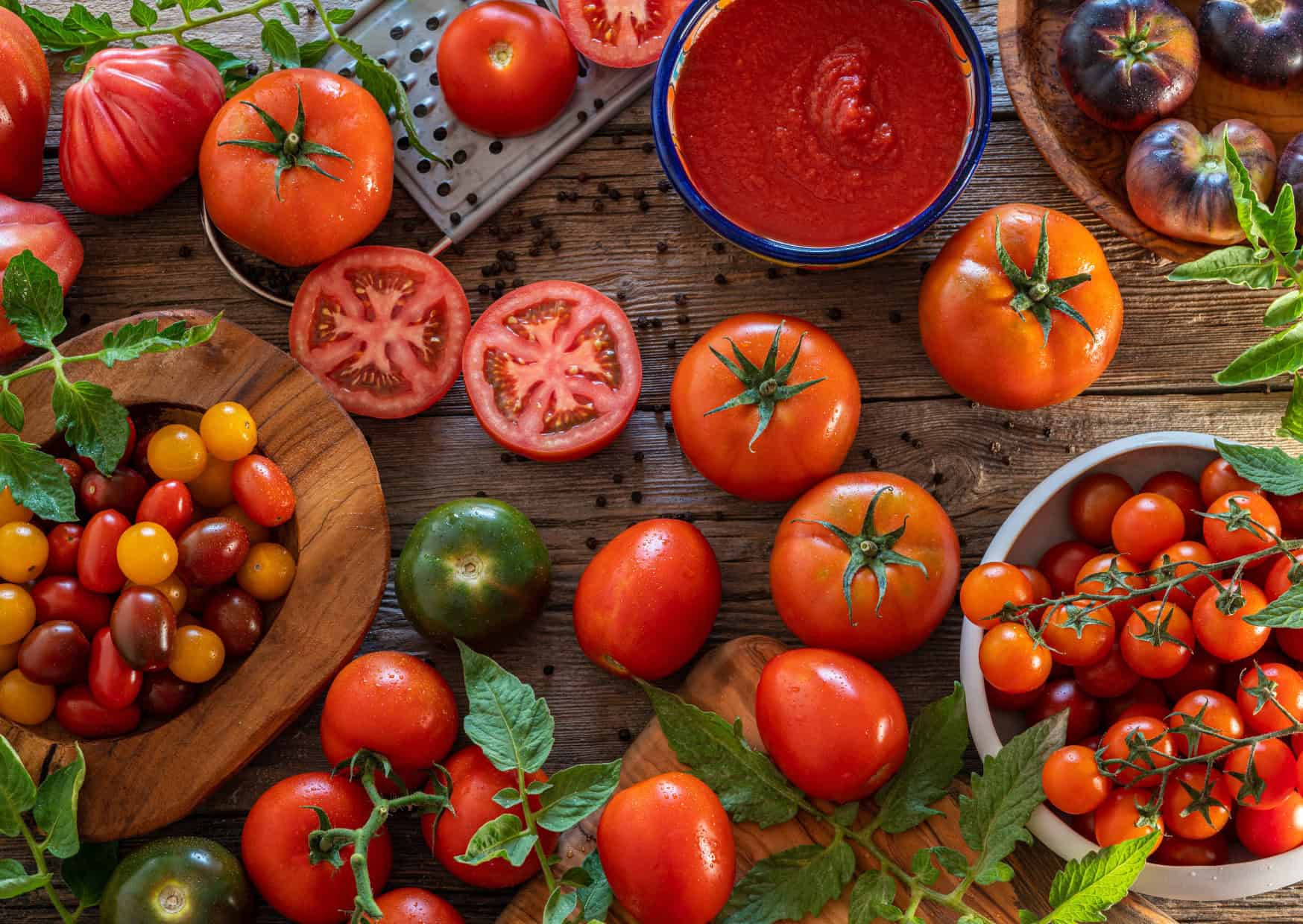
Keep Tomatoes on the Counter — Refrigeration dulls their flavor. Store ripe tomatoes in a cool, shaded spot.
Eggs Out (Sometimes) — In many European countries, eggs are stored at room temperature thanks to different processing standards. Check if your local eggs are unwashed before following suit.
Olive Oil Belongs in the Pantry — Keep olive oil in a dark, cool cabinet to prevent solidifying and flavor loss.
Onions, Potatoes, and Garlic — Store Separately and Never in the Fridge — They last longer and taste better when kept in a cool, dry spot outside the fridge.
One major misunderstanding is that refrigerating everything automatically makes food last longer. Europeans tend to follow traditional storage methods that preserve both texture and flavor — even if that means leaving items unrefrigerated. In many cases, cold air dries out bread, dulls fruit flavors, or even causes certain vegetables to spoil faster. The idea that the fridge is a universal food preserver is more of an American habit than a scientific truth.
Another point of debate is around food safety standards and cultural differences in food processing. For example, Europeans often leave eggs unrefrigerated because they aren’t washed and sanitized in the same way as American eggs — meaning their protective coating stays intact. This sparks controversy, especially among those unfamiliar with international food regulations, but both methods are considered safe within their systems. What seems risky in one country is perfectly normal in another.
Perhaps most surprising is the belief that modern convenience has replaced traditional knowledge. In reality, many Europeans trust time-tested methods passed down through generations, knowing how each food reacts to temperature, humidity, and air exposure. While Americans often rely on refrigeration out of habit or caution, Europeans demonstrate that smart storage is about understanding your food — not just stuffing it in the fridge.
1. Fresh Tomatoes
Why They Usually Skip the Fridge
Refrigerating tomatoes dulls both their flavor and texture. In many European households, buying smaller quantities and eating them at peak ripeness is considered essential.
What Tourists Do
- Throw tomatoes straight into the fridge.
- Worry about them going bad.
- Buy huge packs and refrigerate for weeks.
What Locals Actually Do
- Keep tomatoes in a cool, dry spot on the counter.
- Purchase smaller amounts more frequently.
- Slice for salads at peak ripeness.
Local Truth: If you want that sweet, tangy taste, keep tomatoes at room temperature. Italians, for instance, buy just enough for a day or two to ensure maximum freshness.
2. Bread

Why They Usually Skip the Fridge
Bread gets stale faster in the fridge. Europeans prioritize fresh bread, buying it daily or every other day rather than trying to stretch out its lifespan with refrigeration.
What Tourists Do
- Immediately stash bread in the fridge to “keep it fresh.”
- End up with dry, stale slices a day later.
What Locals Actually Do
- Leave bread at room temperature in a paper or cloth bag.
- Buy new bread daily at local bakeries.
- Use leftover bread for soups, croutons, or pain perdu (French toast).
European Reality: A bread box or simple tea towel is often enough for short-term storage. Refrigeration speeds up staleness, so most Europeans skip it.
3. Olive Oil

Why They Usually Skip the Fridge
Storing olive oil in the fridge makes it cloudy and solid. In Mediterranean regions especially, people go through it quickly and keep it in cool cupboards or on the counter.
What Tourists Do
- Worry about spoilage and store olive oil in the fridge.
- End up with cloudy, solidified oil.
What Locals Actually Do
- Keep it in a cool pantry or cupboard.
- Use it regularly, so it rarely lasts long enough to go bad.
- Transfer to smaller bottles if buying in bulk.
Local Truth: Refrigerating olive oil can affect flavor and consistency. In Spain and Greece, a bottle is almost always left on the countertop—no fridge necessary.
4. Honey

Why They Usually Skip the Fridge
Honey has natural preservatives that make it shelf-stable. The cold causes crystallization and can make it harder to spread or use.
What Tourists Do
- Stick honey in the refrigerator “just to be safe.”
- Complain when it crystallizes or becomes rock-hard.
What Locals Actually Do
- Store honey in a pantry or cupboard at room temperature.
- Keep it tightly sealed away from direct sunlight.
- Use it daily in teas, desserts, and more.
Why It Matters: Honey’s low moisture content deters bacterial growth. It lasts ages on a shelf—no chilling needed.
5. Eggs (Sometimes!)

Why They Usually Skip the Fridge
In much of Europe, eggs are sold unwashed with a natural protective coating. This allows them to stay fresh at room temperature—though the practice can vary by country.
What Tourists Do
- Toss eggs directly into the fridge door.
- Worry about them expiring quickly at room temperature.
What Locals Actually Do
- Often keep eggs on the counter, especially if unwashed.
- Buy smaller quantities and use them quickly.
- Rely on that natural protective layer.
Country Differences: Some European countries do refrigerate eggs if supermarkets do. But in many places, the norm is still countertop storage, thanks to frequent usage.
6. Butter (In Frequent-Use Households)

Why They Usually Skip the Fridge
Cold butter can be too hard to spread. Many Europeans consume butter quickly enough that it doesn’t have time to spoil at room temperature.
What Tourists Do
- Always keep butter in the fridge—even if it’s rock-hard.
- Struggle to spread it on bread.
What Locals Actually Do
- Keep a small butter dish at room temperature for daily use.
- Refrigerate extra butter, but not the current portion.
- Enjoy instantly spreadable butter for breakfast or cooking.
Local Logic: In French and British kitchens, for example, softened butter is a must. A small amount can be left out without worry.
7. Bananas

Why They Usually Skip the Fridge
Bananas become mealy and grayish when chilled. Storing them at room temperature preserves their texture and flavor better.
What Tourists Do
- Put bananas in the fridge to “keep them fresh.”
- Watch them turn grayish or lose taste.
What Locals Actually Do
- Hang or lay bananas in a fruit bowl at room temperature.
- Use overripe bananas for baking or smoothies.
- Eat them quickly before they get too ripe.
Local Truth: In many European homes, bananas are a countertop staple—just grab and go.
8. Onions & Garlic

Why They Usually Skip the Fridge
Moisture and cold environments cause onions and garlic to spoil or sprout faster. Proper ventilation at room temperature keeps them fresher, longer.
What Tourists Do
- Shove them in the crisper drawer.
- Forget them, leading to moldy bulbs.
What Locals Actually Do
- Store in well-ventilated baskets or bowls, away from potatoes.
- Keep them in a cool, dry corner of the kitchen.
- Use them frequently in cooking.
Pro Tip: In Spain and Italy, onions and garlic are base flavors for so many dishes that easy countertop access is key.
9. Potatoes

Why They Usually Skip the Fridge
Refrigeration converts potato starch into sugar, altering taste and texture. Europeans typically favor a dark pantry over a cold fridge.
What Tourists Do
- Assume all produce needs refrigeration.
- Get gritty, sweet-tasting potatoes.
What Locals Actually Do
- Stash potatoes in a cool, dark pantry.
- Use paper or burlap sacks for ventilation.
- Cook them before they sprout.
Local Truth: A dedicated cupboard for potatoes is common in European kitchens—cold temps just aren’t necessary.
10. Avocados (Until They’re Ripe)

Why They Usually Skip the Fridge
Avocados need room temperature to ripen properly. Chilling them prematurely stalls the process, leaving them rock-hard when you need them ripe.
What Tourists Do
- Toss avocados in the fridge as soon as they get home.
- Wonder why they never ripen.
What Locals Actually Do
- Leave them on the counter to soften.
- Refrigerate only after they’re fully ripe (if not eating right away).
- Purchase in small quantities for immediate use.
Why It Matters: Europeans often shop for fresh produce more frequently, so there’s no need for long-term chilling.
11. Ketchup (in Some Countries)

Why They Usually Skip the Fridge
High acidity and preservatives make many commercial ketchups shelf-stable. Some Europeans simply don’t refrigerate it—or don’t use it much at all.
What Tourists Do
- Immediately store ketchup in the fridge door.
- Keep multiple condiment bottles for ages.
What Locals Actually Do
- Sometimes keep ketchup on the counter or cupboard.
- Use smaller bottles or single-serve packets.
- Rely on fresh sauces more often.
Local Vibe: In the UK or Germany, you’ll see ketchup in the fridge, but around the Mediterranean, it’s often a room-temperature afterthought.
12. Jams & Preserves

Why They Usually Skip the Fridge
Traditional jams have high sugar content or are vacuum-sealed, making refrigeration optional—at least until opened and used slowly.
What Tourists Do
- Stash half-used jam jars in the fridge door forever.
- Collect a dozen flavors.
What Locals Actually Do
- Opt for smaller jars or homemade versions.
- Keep unopened jars in the cupboard.
- Use them quickly once opened (sometimes briefly in the fridge).
Local Truth: Most homemade preserves can stay out if sealed properly, but once truly open, some do chill them—just not for very long.
13. Hard Cheeses (Short-Term)

Why They Usually Skip the Fridge
Aged cheeses develop more flavor at moderate temperatures. Leaving them out for short periods is common in cheese-loving countries like France and Italy.
What Tourists Do
- Refrigerate all cheeses immediately, even the portion they plan to eat soon.
- Serve cheese cold and flavorless.
What Locals Actually Do
- Keep aged cheeses at room temperature if they’ll be consumed that day.
- Enjoy cheese at optimal texture—soft and aromatic.
- Refrigerate only what won’t be eaten right away.
Country Quirk: Letting cheese “breathe” is considered essential for full flavor. That doesn’t mean leaving it out for days—just enough time to enjoy it properly.
14. Chocolate (In Many Cases)

Why They Usually Skip the Fridge
Chocolate can develop a white “bloom” from moisture changes in cold storage. Most Europeans prefer a cool cupboard unless it’s extremely hot.
What Tourists Do
- Put chocolate in the fridge to prevent melting.
- End up with that cloudy film on top.
What Locals Actually Do
- Store chocolate in a dark, cool place.
- Avoid fridge chill that compromises texture.
- Savor it at ideal room temperature.
Pro Tip: Quality chocolate’s flavor shines best when it’s not fridge-cold. Only refrigerate in high-heat conditions.
15. Pastries and Baked Goods

Why They Usually Skip the Fridge
Most pastries turn stale or lose their flaky texture in the fridge. Europeans buy or bake in small batches to enjoy them at their freshest.
What Tourists Do
- Put leftover croissants or pastries in the fridge.
- Watch them go stale or soggy.
What Locals Actually Do
- Keep pastries in a sealed container or paper bag at room temperature.
- Buy or bake in small amounts for same-day or next-day consumption.
- Reheat briefly in the oven if needed.
Local Truth: Freshness is key. In France, for example, a croissant is best enjoyed the same day—no chilling required unless it’s a cream-filled dessert that must be kept cold.
The Bottom Line
Europeans have a different relationship with fresh food—often shopping daily or every few days, which reduces the need to overfill the fridge. Keeping certain items at room temperature not only maximizes flavor but also honors long-standing culinary traditions. Whether it’s tomatoes, bread, or chocolate, understanding why Europeans store them differently can help you experience your food at its best.
Want More?
- Why Europeans Never Order These Menu Items
- 15 Unspoken Rules of Mediterranean Life That Tourists Never Understand
- Best Places To Live In Europe: Living in Spain vs Portugal—Which Is Better?
Pro Tip: Adopting even a few of these European-style habits might change how you shop, store, and savor your favorite foods. Try it for a week or two—you might never go back to your old way of stocking the fridge!

About the Author: Ruben, co-founder of Gamintraveler.com since 2014, is a seasoned traveler from Spain who has explored over 100 countries since 2009. Known for his extensive travel adventures across South America, Europe, the US, Australia, New Zealand, Asia, and Africa, Ruben combines his passion for adventurous yet sustainable living with his love for cycling, highlighted by his remarkable 5-month bicycle journey from Spain to Norway. He currently resides in Spain, where he continues sharing his travel experiences with his partner, Rachel, and their son, Han.