
When you picture safe European countries—think Switzerland, Denmark, or Austria—you’re probably imagining minimal crime, polite citizens, and squeaky-clean streets. Yet even these star destinations aren’t immune to a petty crime surge, often targeting unsuspecting visitors. Below, we detail 9 countries with surprising upticks in pickpocketing, theft, and sly scams—plus local strategies to keep your possessions safe.
Want More Travel Safety Insights?
– 7 Airport Outfit Fails That Mark You as a Travel Newbie
– Why Europeans Never Order These 13 Menu Items (And What to Do Instead)
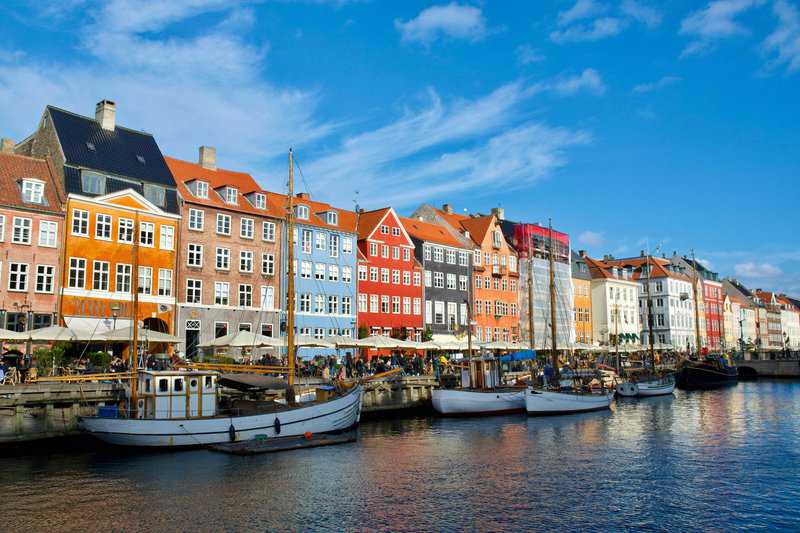
1. Denmark: Pickpockets in Central Copenhagen
Why It’s Surprising
- Denmark consistently tops “safest country” lists. But touristic hotspots like Nyhavn or Strøget shopping street see cunning pickpockets who blend in with crowds.
What’s Booming
- Organized pickpocket rings targeting travelers in café terraces or busy pedestrian zones. Bikes left unlocked also get stolen despite the city’s “trusting” vibe.
How Locals Cope
- Secure backpacks: Danes often use small crossbody bags or waist packs hidden under jackets.
- Lock your bike twice**—one built-in wheel lock + a chain to a fixed stand.
- Watch phones: avoid leaving them on café tables even momentarily.
2. Austria: Sneaky Theft in Vienna’s Tourist Hubs

Why It’s Surprising
- Vienna’s known for classical music, imperial palaces, and polite society. Crime remains low overall, but petty theft is rising in busy areas like Stephansplatz or Naschmarkt.
What’s Booming
- Thieves distract visitors with friendly chat or a fake petition. Bags or phones left on tables vanish quickly. Train stations can also see bag snatching.
How Locals Cope
- Minimal valuables in outer pockets—some Austrians keep phone and wallet in zipped internal pockets.
- Awareness: no leaving purses on chairs in cafés; they keep them on their lap or between feet.
3. Switzerland: Train Station Scams in Zurich & Geneva

Why It’s Surprising
- Switzerland is famously calm and wealthy, giving illusions of total safety. But train stations and lakeside tourist spots have become petty theft hubs.
What’s Booming
- Pickpockets target travelers busy buying tickets or checking currency exchange. Some scammers pretend to do “quick currency exchange” and slip away with your cash.
How Locals Cope
- Hands-on approach: Swiss often keep a firm hand on their bags in crowded station halls.
- Ignore ‘helpers’ offering random currency deals. Locals do official exchanges or ATM withdrawals.
4. The Netherlands: Amsterdam Bicycle & Bag Thefts

Why It’s Surprising
- Amsterdam’s easygoing, liberal rep can lull you into false security. Locals consider it safe overall, but petty crime thrives in nightlife districts and around Central Station.
What’s Booming
- Bike theft is notorious—thousands stolen yearly. Tourists might get approached by street peddlers selling “cheap bikes.” Pickpocketing also hits busy spots like the Red Light District or tram lines.
How Locals Cope
- Double lock your bike with a strong chain plus built-in wheel lock.
- Small crossbody bag worn across your chest. Dutch folks rarely have bulky backpacks behind them in crowded bars.
5. Czech Republic: Prague’s Overcrowded Old Town

Why It’s Surprising
- Prague rates highly for safety, yet the flood of tourists in Old Town Square or Charles Bridge encourages professional pickpockets. Some revolve around crowded trams near the city center.
What’s Booming
- Distraction tactics: a “friendly stranger” might bump you, a beggar might hold up a sign. Meanwhile, another stealthily opens your bag.
- Bar scams overcharging for drinks if you wander unverified nightlife areas.
How Locals Cope
- Keep valuables close: Prague locals often carry minimal cash, rely on cards. They also avoid obviously touristy bars with suspicious “no price list.”
- Know legit taxi/ride apps—random cabs can try inflated fares.
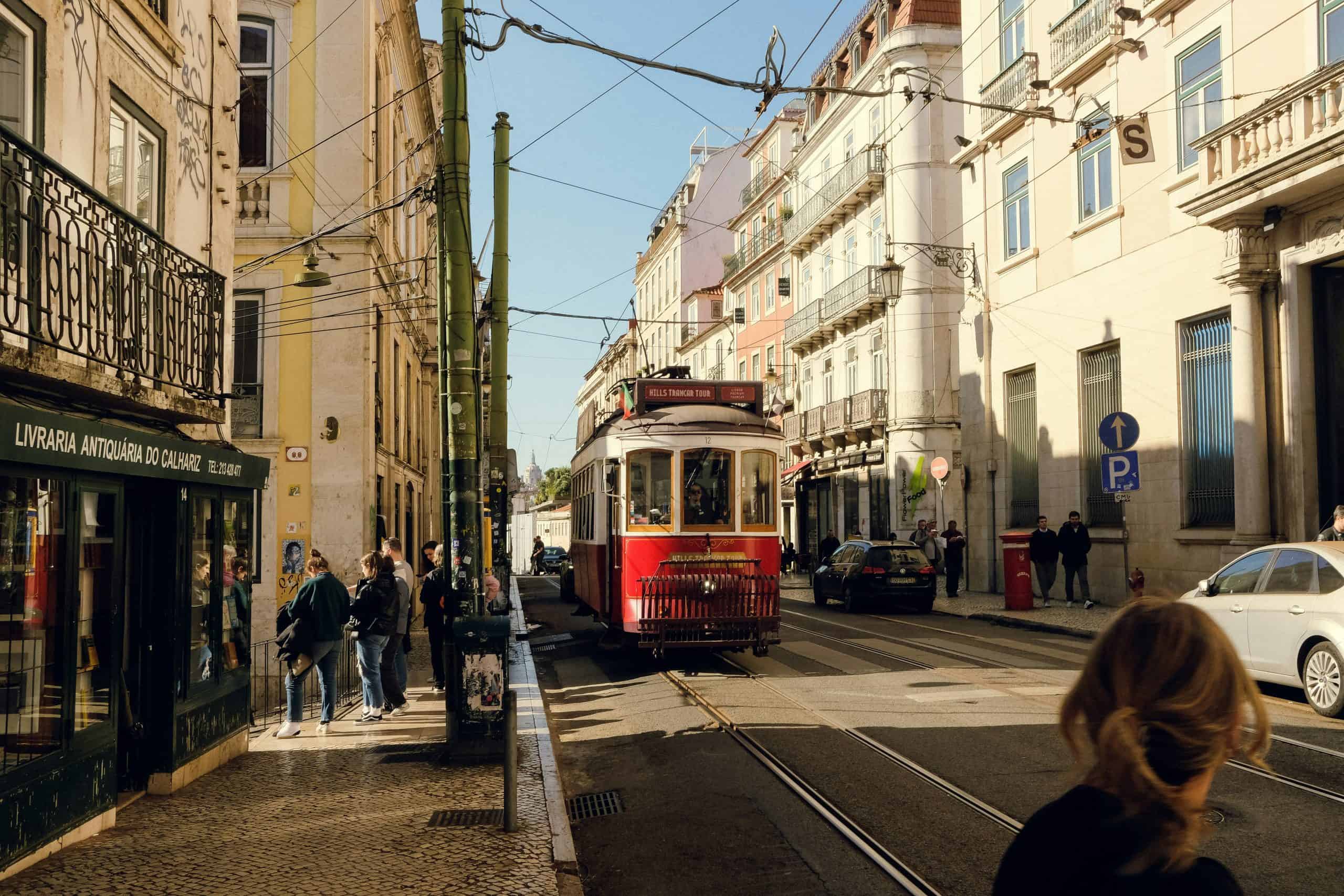
6. Portugal: Lisbon Tram 28 & Touristy Streets
Why It’s Surprising
- Lisbon is famed for charm, but that same charm plus cheap flights drew masses of visitors. Petty theft soared in iconic spots—Tram 28 is a pickpocket haven.
What’s Booming
- Bag slashers on crowded trams or funiculars. Street scammers selling fake tickets or “Fado experiences” at inflated rates.
- Some short-term rental areas see opportunistic theft if tourists leave windows wide open.
How Locals Cope
- Avoid peak tram hours or hold your bag in front. Lisbon residents rarely keep phones in back pockets on busy transport.
- If you want real Fado, ask a local friend or bar owner, not random street touts.
7. Germany: Big City Snatch & Grab in Berlin

Why It’s Surprising
- Germany’s robust police presence and “Ordnung” reputation. Still, Berlin’s nightlife and tourist crowds, especially in places like Alexanderplatz or Warschauer Strasse, attract thieves.
What’s Booming
- Nighttime club lines or busy outdoor bars see phone snatching. Distracted partygoers lose wallets if they set them down.
- Daytime, the U-Bahn trains can have pickpockets targeting your phone as you watch Netflix.
How Locals Cope
- Compact, secure purses or crossbody pouches. Some Berliners keep phones inside zipped interior pockets—especially during weekend nightlife.
- If you must check your phone, hold it firmly.
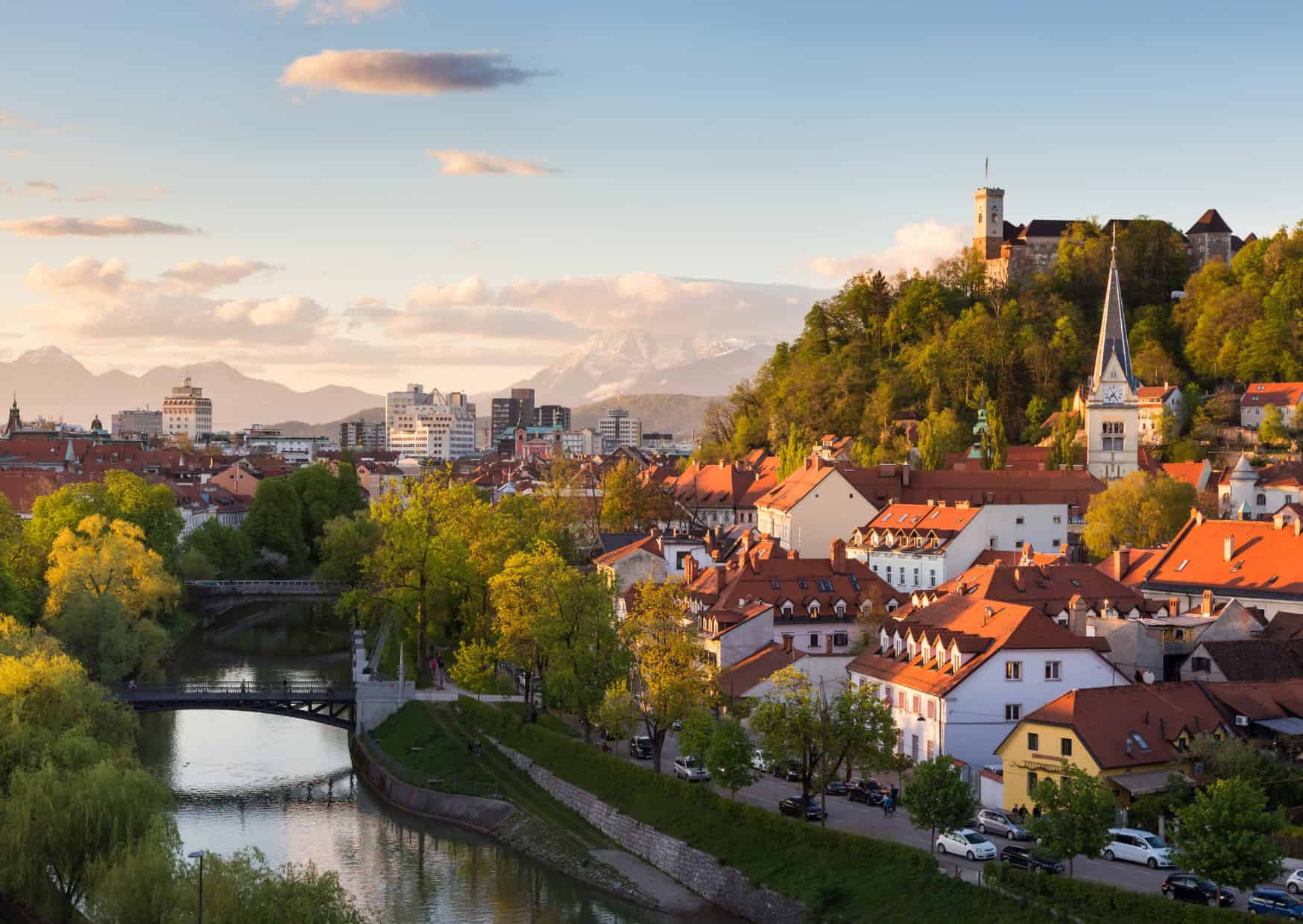
8. Slovenia: Rising Pickpocketing in Ljubljana’s Old Town
Why It’s Surprising
- Slovenia is widely praised as extremely safe—locals are proud. However, rising tourism in Ljubljana means petty thieves find easy targets in the picturesque pedestrian center.
What’s Booming
- Scammers approach with “charity donations” or fake tours. Bicycles remain prime theft items if not locked properly, especially near the river banks.
How Locals Cope
- Stay polite but cautious: Locals rarely donate to random street canvassers—legitimate charities have official stands.
- Lock bikes in well-lit areas; if you carry a bag, keep it zipped or crossbody, especially in summer festival crowds.
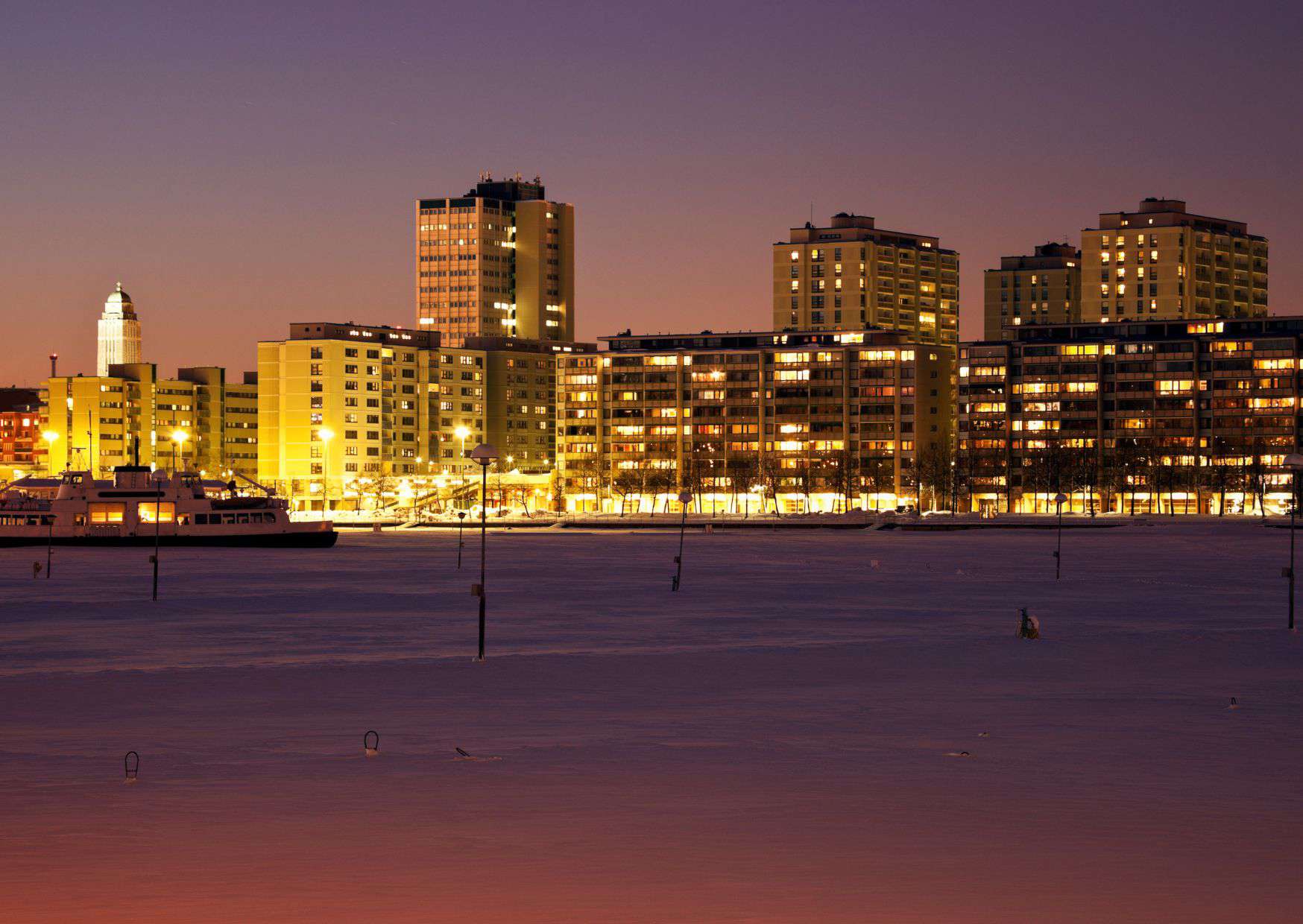
9. Finland: Petty Theft in Helsinki Nightspots
Why It’s Surprising
- Finland is top of “lowest crime rates,” but Helsinki’s nightlife areas see an uptick in phone or bag theft—particularly near bars or train stations like Helsinki Central.
What’s Booming
- Drunk revellers set phones or wallets on counters, step away for a moment, item vanishes. Rare, but climbing thanks to tourism and occasional gang activity.
How Locals Cope
- Finns known for straightforwardness—keep phone in an inside pocket, never leave it on a table unguarded. If you see suspicious loiterers, move on. They also rely on official taxi stands or apps to avoid “informal” rides.
The Bottom Line
Even countries hailed as exceptionally safe can harbor petty crime hotspots—especially in tourist areas, busy nightlife zones, or train stations. Locals often have simple protective habits: minimal valuables, locked bags, caution with “friendly strangers,” and a healthy dose of skepticism. As a traveler, adopting these local strategies goes a long way toward ensuring your trip remains carefree—so you’re enjoying scenic old towns instead of filing theft reports.
Pro Tip
- If you worry about pickpockets, spread out your valuables: keep some cash in a wallet, some in a hidden money belt, a copy of your passport in your accommodation safe, etc. Locals might appear relaxed, but they’ve learned to keep important items out of easy reach—so do likewise. Safe travels!

About the Author: Ruben, co-founder of Gamintraveler.com since 2014, is a seasoned traveler from Spain who has explored over 100 countries since 2009. Known for his extensive travel adventures across South America, Europe, the US, Australia, New Zealand, Asia, and Africa, Ruben combines his passion for adventurous yet sustainable living with his love for cycling, highlighted by his remarkable 5-month bicycle journey from Spain to Norway. He currently resides in Spain, where he continues sharing his travel experiences with his partner, Rachel, and their son, Han.