
Here is a pattern that quietly solves one of American family life’s biggest headaches, practiced by European families living in the United States. When summer comes and American parents are scrambling for expensive camps and patchwork childcare to cover the long school break, the European expat family does something different: they put the children on a plane to the grandparents in the old country, where the kids spend six weeks, or the whole summer, immersed in family, language, and place, while the grandparents do the childcare for free and with joy. The problem American parents pay thousands to solve, the European family answers with a plane ticket and a grandmother.
It is the six week rule, the long summer sent back to Europe, and it is one of the smartest and most meaningful arrangements in expat family life, serving the children, the parents, and the grandparents all at once. This piece looks at what the summer grandparent custom actually is, why it works so well for everyone involved, what the children gain from it, the practicalities and cautions, and what an American family might take from the idea, so that the quiet European solution to the long summer is understood and perhaps borrowed. This is general observation about a family practice, with the usual variation by family.
The Custom
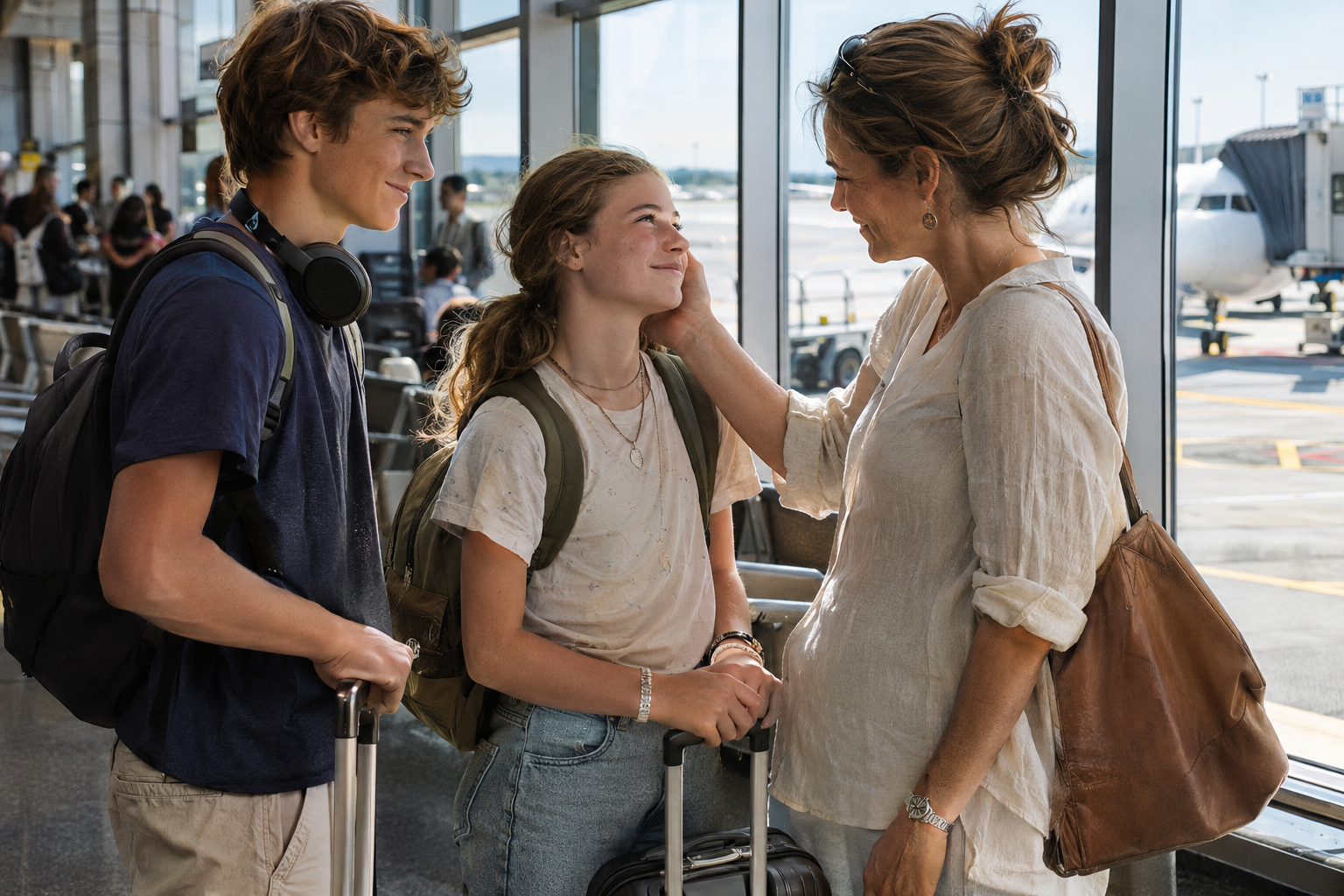
The custom is simple in outline: European families living in America send their children, often unaccompanied once old enough, back to the home country for an extended stay with grandparents over the long school summer, frequently for six weeks or more, sometimes the entire break. The children live with their grandparents, or with the wider family, in the parents’ country of origin, while the parents, who usually cannot take the whole summer off work, carry on in America, flying over to join them for part of the time or collecting them at the end. The grandparents provide the day to day care.
This is a well established pattern among immigrant and expat families of many backgrounds, not only Europeans, the sending of children to the old country for the summer being a classic feature of transnational family life. The long summer holiday, which stretches for weeks in both American and European school calendars, creates a childcare gap that the grandparents back home are often delighted to fill, turning a logistical problem into an annual family reunion. The children become summer fixtures in their grandparents’ homes, and the arrangement repeats year after year as they grow.
What makes it so characteristic is the combination of practical childcare and deep family connection, because the grandparents are not merely minding the children but immersing them in the family’s origin, its language, its food, its places, and its people. The six weeks are not a holding pattern but a rich experience, and the custom is valued as much for what the children absorb as for the childcare it provides. It is a solution that happens to be beautiful, the long summer turned into a bridge back to the family’s roots, staffed by the people most glad to do it.
Why It Works for Everyone

The genius of the arrangement is that it serves every party involved, which is why it endures and why American families might envy it. For the parents, it solves the enormous and expensive problem of summer childcare, the long break that in America means costly camps, juggled schedules, and stress, replaced by a loving, free, trusted arrangement with the children’s own grandparents. The relief, financial and logistical, is considerable, and the parents can work through the summer knowing their children are safe, happy, and cared for by family.
For the grandparents, the arrangement is a gift rather than a burden, giving them extended, precious time with grandchildren who live far away, which for grandparents separated from their families by an ocean is deeply valued. Far from resenting the childcare, most grandparents treasure the long summer with the grandchildren, the chance to spoil them, teach them, and simply be with them for weeks rather than snatched days, and the custom keeps the generations connected across the distance that emigration created. The grandparents get the summers, and they are glad of them.
For the children, as the next section explores, the gains are the richest of all, but even in simple terms the arrangement gives them a long, happy, immersive summer with family rather than a series of institutional camps. Everyone, in short, comes out ahead: the parents save money and stress, the grandparents gain time and purpose, and the children gain an experience that shapes them, which is a rare alignment of interests. The six week rule works because it is genuinely good for all three generations at once, solving a problem for the parents by giving a joy to the grandparents and a gift to the children.
What the Children Gain

The deepest value of the custom lies in what the children absorb over those long summers, which goes far beyond childcare and shapes who they become. The most important gain is language, because weeks of total immersion with grandparents who speak the family’s mother tongue, often without much English, do more for a child’s fluency than any amount of classroom study, and summers in the old country are how many expat children actually become fluent in their heritage language. The six weeks are a language school no money could buy.
Beyond language, the children gain a living connection to their family’s origin, growing up knowing their grandparents, cousins, and extended family as real people rather than distant names, and knowing the country, the town, the home, the food, and the rhythms of the place their parents came from. This rootedness is a profound gift for a child growing up far from the family’s origins, giving them an identity anchored in a real place and real people rather than an abstraction, and it is something the long summers build year upon year. The child belongs to two worlds, and the summers make the second one real.
There is also a growth in independence and resilience, especially for children old enough to travel unaccompanied and spend weeks away from their parents, who return more confident, more capable, and more worldly for the experience of managing in another country and another language. The long summer stretches them in ways a camp near home does not, and many expat adults look back on those childhood summers with their grandparents as among the most formative and cherished experiences of their lives. What the children gain, in language, roots, and resilience, is the real reason the custom is treasured, beyond all its practical convenience.
The Practicalities and Cautions
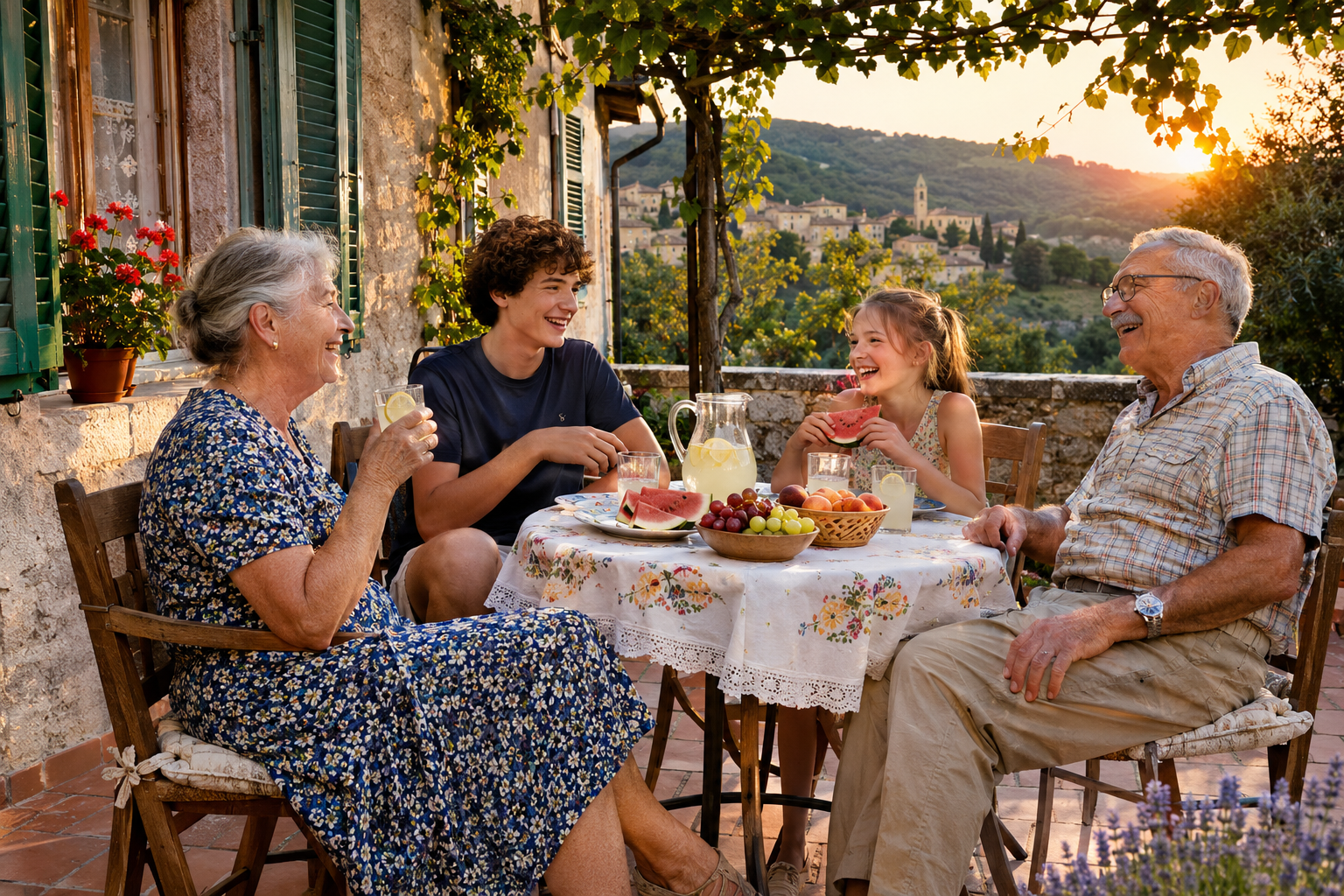
For all its beauty, the arrangement involves real practicalities and some genuine cautions, which are worth facing honestly. The logistics of sending a child across the Atlantic, especially an unaccompanied minor, require care: airlines have specific rules, procedures, and fees for unaccompanied minors, there are documents to arrange, including consent letters and the child’s passport, and parents must judge carefully when a child is old enough and ready to travel and stay away for so long. The practical machinery of the long summer takes organizing, and the child’s readiness matters as much as the paperwork.
There are emotional and family considerations too. Six weeks is a long time for a young child to be away from parents, and both child and parents must be ready for the separation, so the custom suits older children better and should not be forced on a child who is not ready. The demands on the grandparents, however willing, are real, since caring for energetic grandchildren for weeks is tiring, so the arrangement works best when the grandparents are genuinely able and eager rather than merely dutiful. The joy is real, but so is the effort, and a frank family conversation about readiness and capacity is wise.
Legal and safety points deserve attention as well, from ensuring the child travels with proper documentation and consent, to arranging appropriate medical cover and emergency contacts, to being clear about the child’s care and supervision for the whole stay. None of this is a reason not to do it, but it is a reason to do it thoughtfully, with the logistics, the readiness, and the safeguards all considered, so the long summer is a joy rather than a worry. Handled with care, the practicalities are entirely manageable, and the custom’s rewards far outweigh its demands, but they should be met with open eyes.
What an American Family Might Take From It
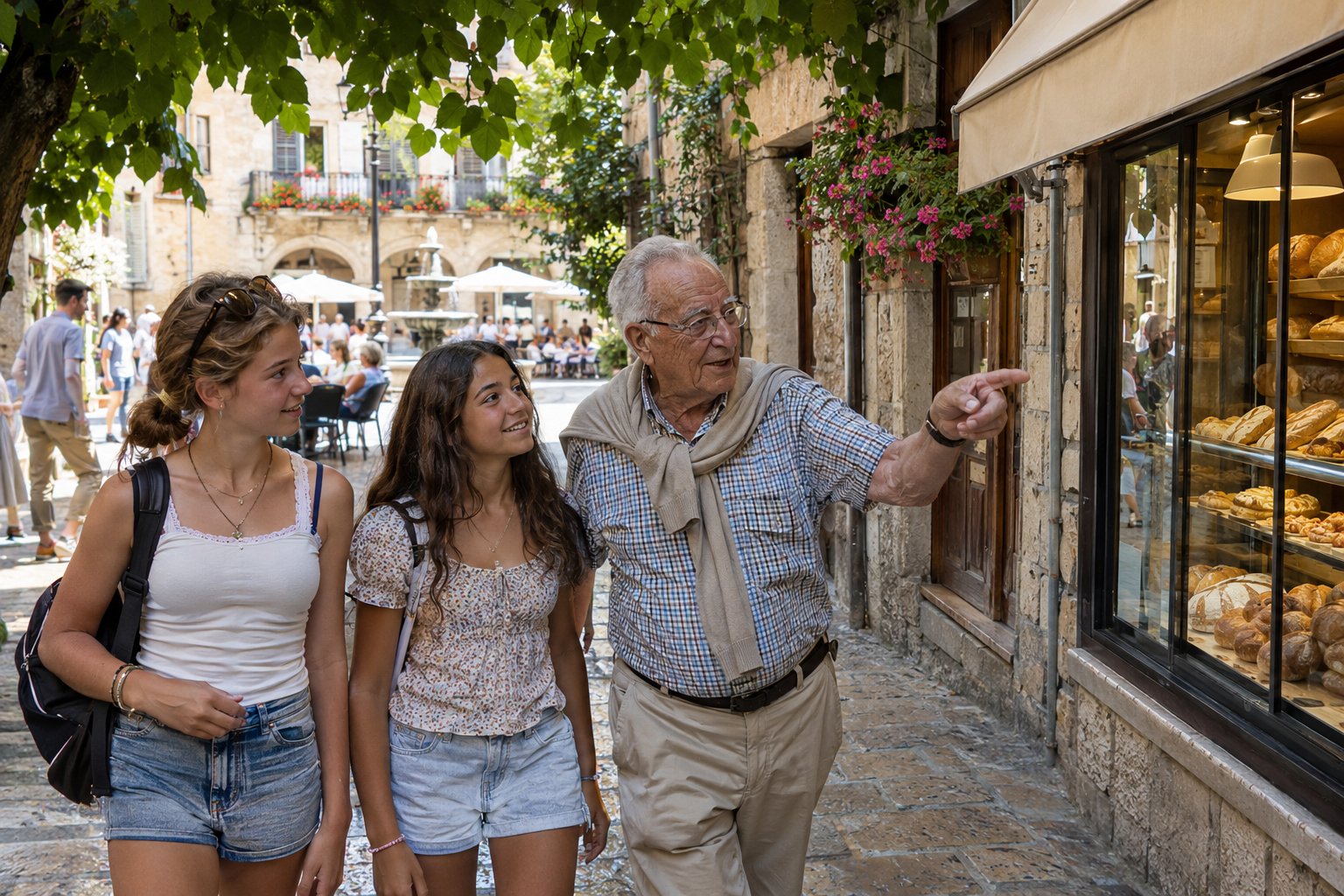
For an American family without grandparents across an ocean, the custom still offers ideas worth borrowing, because its underlying principles travel even if the plane ticket does not. The core insight is that the long summer is best filled with immersive, relationship rich experiences rather than a patchwork of institutional camps, and that grandparents and extended family are an underused resource for both childcare and connection. An American family might send children to grandparents in another state for extended stays, achieving much of the same benefit of family time and relief for parents, even without the international dimension.
The language and cultural immersion lesson translates too, suggesting the value of extended, immersive summer experiences of any kind, whether with family elsewhere, in a language or cultural program, or in a long stay somewhere that stretches and shapes a child, rather than defaulting to local day camps. The principle that a long summer is an opportunity for deep immersion and growth, not just a gap to be covered, is worth taking even if the specifics differ. The European custom points toward richer ways of using the long break than the American default.
Most broadly, the custom is a reminder of the value of multigenerational involvement in raising children, the grandparents as active, treasured participants rather than occasional visitors, which American family life, with its distances and its nuclear focus, can underuse. Whether or not a family can send children abroad, leaning on grandparents and extended family for real, extended time together serves everyone, as the European custom shows. The six week rule, in the end, is a lesson in treating the long summer as a chance to deepen family bonds across the generations, which any family can take to heart in its own way.
The Bond It Builds Across the Distance
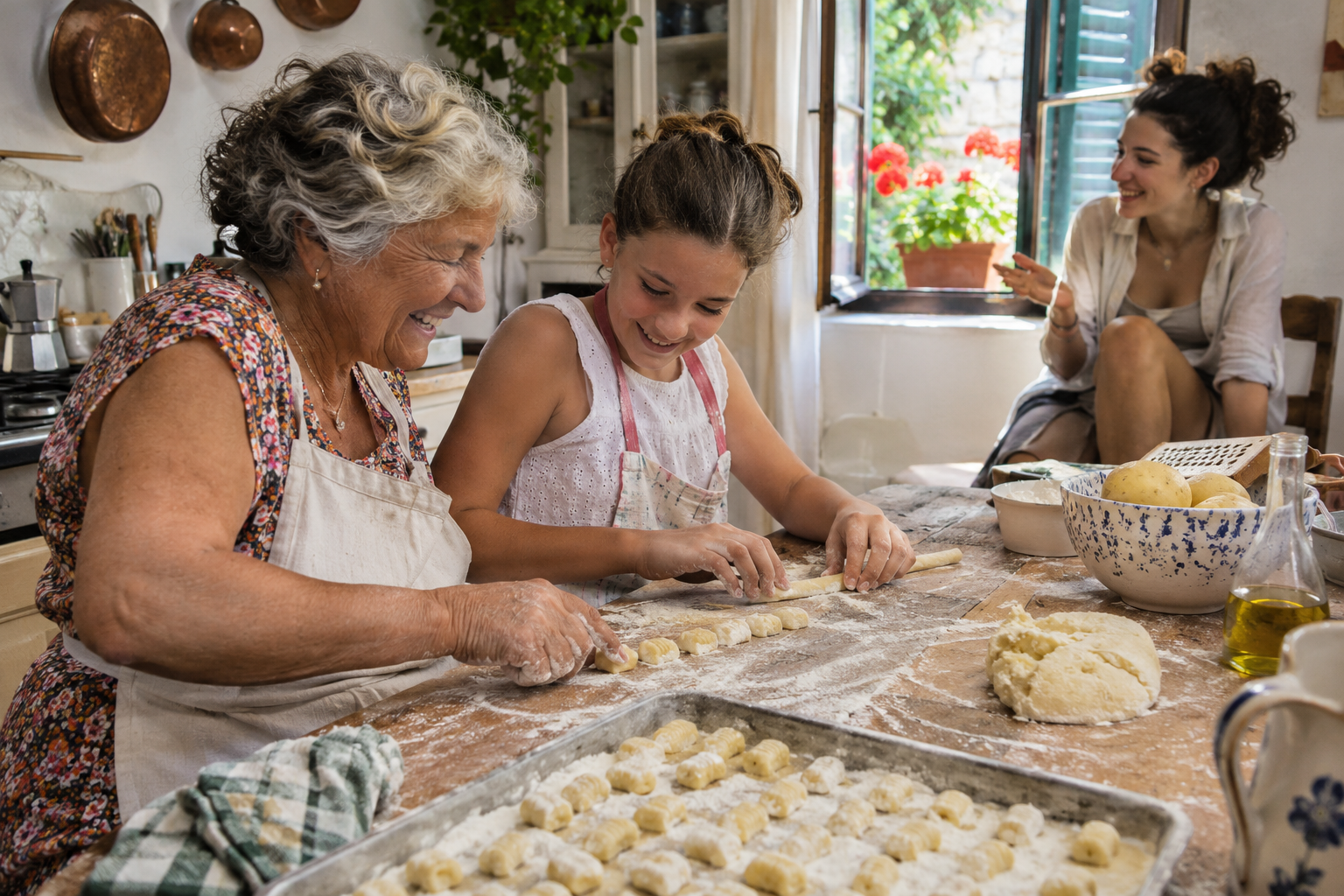
Beyond the practical childcare and even the language and roots, the summer grandparent custom does something quietly profound that deserves its own mention: it builds a real, deep bond between grandchildren and grandparents who would otherwise be near strangers separated by an ocean. For families split across continents by emigration, the relationship between the youngest and oldest generations is the one most at risk of fading to occasional video calls and awkward annual visits, and the long summer is what keeps it alive and genuine. Weeks together, year after year, make the grandparents real figures in the children’s lives rather than distant names.
That bond matters enormously to both ends of it. For the grandparents, often aging and far from their emigrated children, the summers with the grandchildren are a profound source of joy, purpose, and connection, a reason to look forward through the year and a defense against the loneliness that distance can bring. For the children, growing up with a real, loving relationship with their grandparents, formed over those long immersive summers, is a gift that shapes their sense of family and belonging, and one many carry gratefully into adulthood. The custom knits the generations together across the very distance that threatened to separate them.
There is something poignant and admirable in this, families refusing to let an ocean sever the bond between old and young, and using the long summer as the thread that holds three generations together despite the miles. In an age when families scatter across the globe, the summer grandparent custom is a model of keeping the generations connected, and its emotional payoff, the real love between grandchild and grandparent, is arguably its greatest gift of all, beyond any childcare saved or language learned. It is a way of saying that distance need not mean distance of the heart.
For many expat adults, in fact, those childhood summers become the defining memory of their grandparents, the long warm weeks of being spoiled and taught and loved in the old country, and when the grandparents are gone those summers are what remain, a store of closeness that no amount of distance could erase. That is the quiet triumph of the custom: it ensures that a child separated from their grandparents by an ocean still grows up truly knowing and loving them, so that the bond survives not just the miles but, in memory, the years. Few arrangements built for mere convenience end up giving so much.
The Bottom Line
European families living in America solve the expensive problem of the long school summer with a plane ticket, sending their children back to the old country for six weeks or more to stay with grandparents, who provide loving, free childcare while the parents work, turning a logistical headache into an annual family reunion. It is the six week rule, and it serves every generation at once.
The arrangement works because it genuinely benefits all parties: the parents save the cost and stress of summer childcare, the grandparents gain precious extended time with far away grandchildren that they treasure rather than resent, and the children gain the richest rewards of all, fluency in their heritage language through total immersion, a living connection to their family’s origin and people, and a growth in independence that marks them for life. Everyone comes out ahead.
It takes organizing, with real practicalities around unaccompanied travel, documentation, the child’s readiness, the grandparents’ capacity, and safety, so it should be done thoughtfully and suits older children best. And it offers lessons even to American families without an ocean to cross, about filling the long summer with immersive, relationship rich experiences and leaning on grandparents and extended family for real time together. The quiet European answer to the long summer turns out to be one of the wisest arrangements in family life.

About the Author: Ruben, co-founder of Gamintraveler.com since 2014, is a seasoned traveler from Spain who has explored over 100 countries since 2009. Known for his extensive travel adventures across South America, Europe, the US, Australia, New Zealand, Asia, and Africa, Ruben combines his passion for adventurous yet sustainable living with his love for cycling, highlighted by his remarkable 5-month bicycle journey from Spain to Norway. He currently resides in Spain, where he continues sharing his travel experiences with his partner, Rachel, and their son, Han.