
Spend any time around the American expat scene in Spain and you notice a quiet pattern. A lot of people arrive full of excitement, and a meaningful share of them are gone within two years, back in the States, telling a story about how it just did not work out. But some stay, settle, renew their cards, and three years on are still here, happy, rooted, and no longer counting the months.
When you talk to the ones who stayed, they rarely credit luck. They point instead to a handful of specific, unglamorous decisions they made in the very first year.
Those decisions are not mysterious, and they are not about being richer or braver than the people who left. They are about treating the move as real life rather than an extended holiday, and about getting a few practical things right early, before bad habits set in. Three of the five are easy to guess from the outside: they rented inland, they skipped the sea view, and they registered with a doctor early. The other two are the ones people tend to miss, and they may matter most of all.
This piece walks through all five, and what they tell you if you are planning the same move. It is general information from observed experience, not legal, financial, or medical advice.
Why Year One Decides It
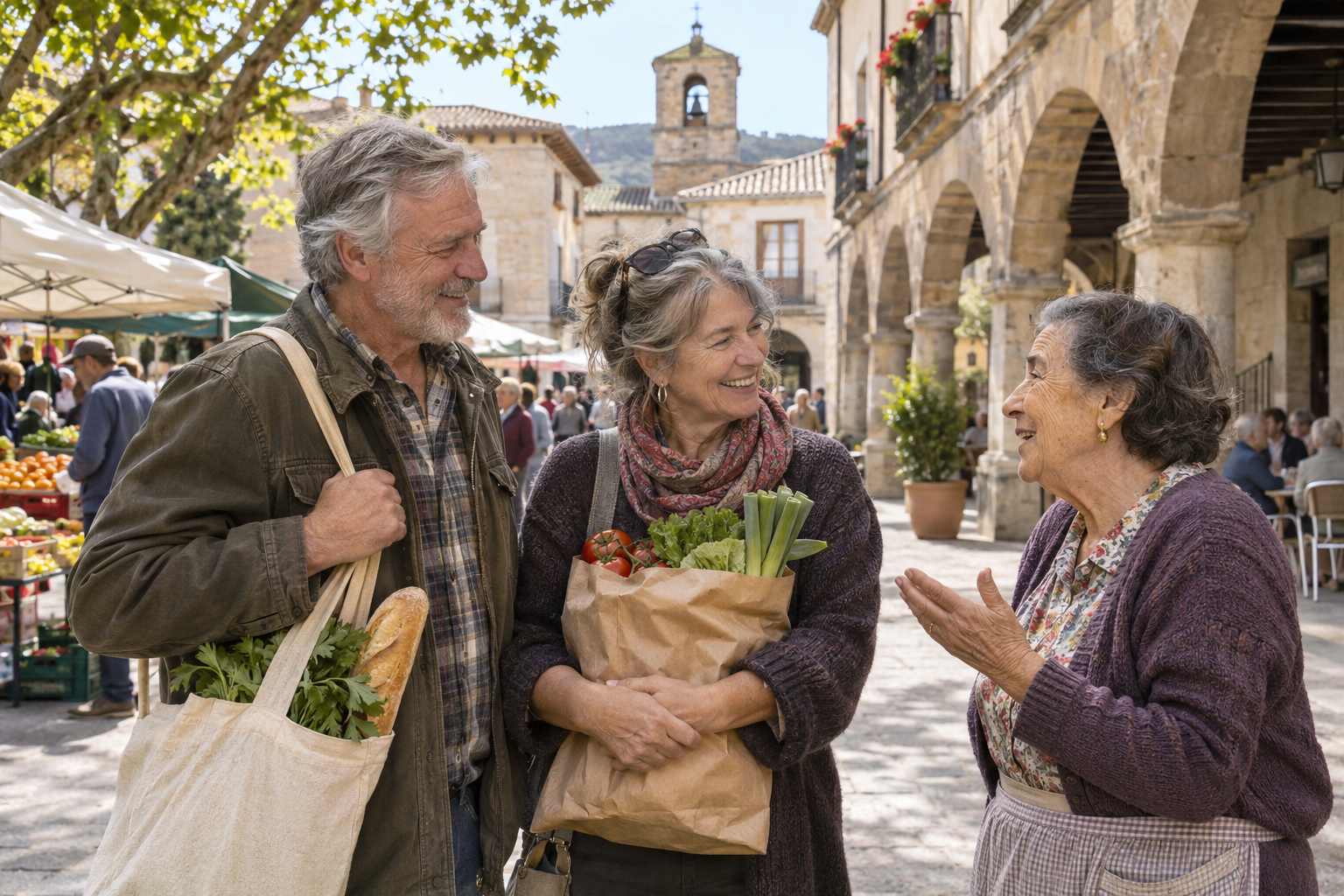
Before the five, it is worth understanding why the first year carries so much weight, because the people who leave almost never leave because Spain turned out to be a bad country. They leave because of choices made in those first months that slowly made life harder than it needed to be: the wrong town, the wrong budget, the wrong isolation, the wrong relationship with the healthcare system. By year two, those choices have compounded into a general sense that it is not working, and the plane ticket home starts to look like relief.
The stayers, by contrast, used year one to build a foundation, and the foundation held. None of what they did was dramatic, which is exactly the point. The move abroad is not won or lost on a single heroic decision but on a series of small, sensible ones taken early, while you still have the energy and the openness of a new arrival. Get those right and the second year feels like settling in; get them wrong and it feels like a slow retreat.
So read the five that follow not as a clever strategy but as a set of early habits that keep the ordinary frictions of expat life from piling up. Each one is something you can actually do in your first twelve months, and together they are most of the difference between the Americans who are still here after three years and the ones who are a cautionary tale at a dinner party back home.
One: They Rented Inland
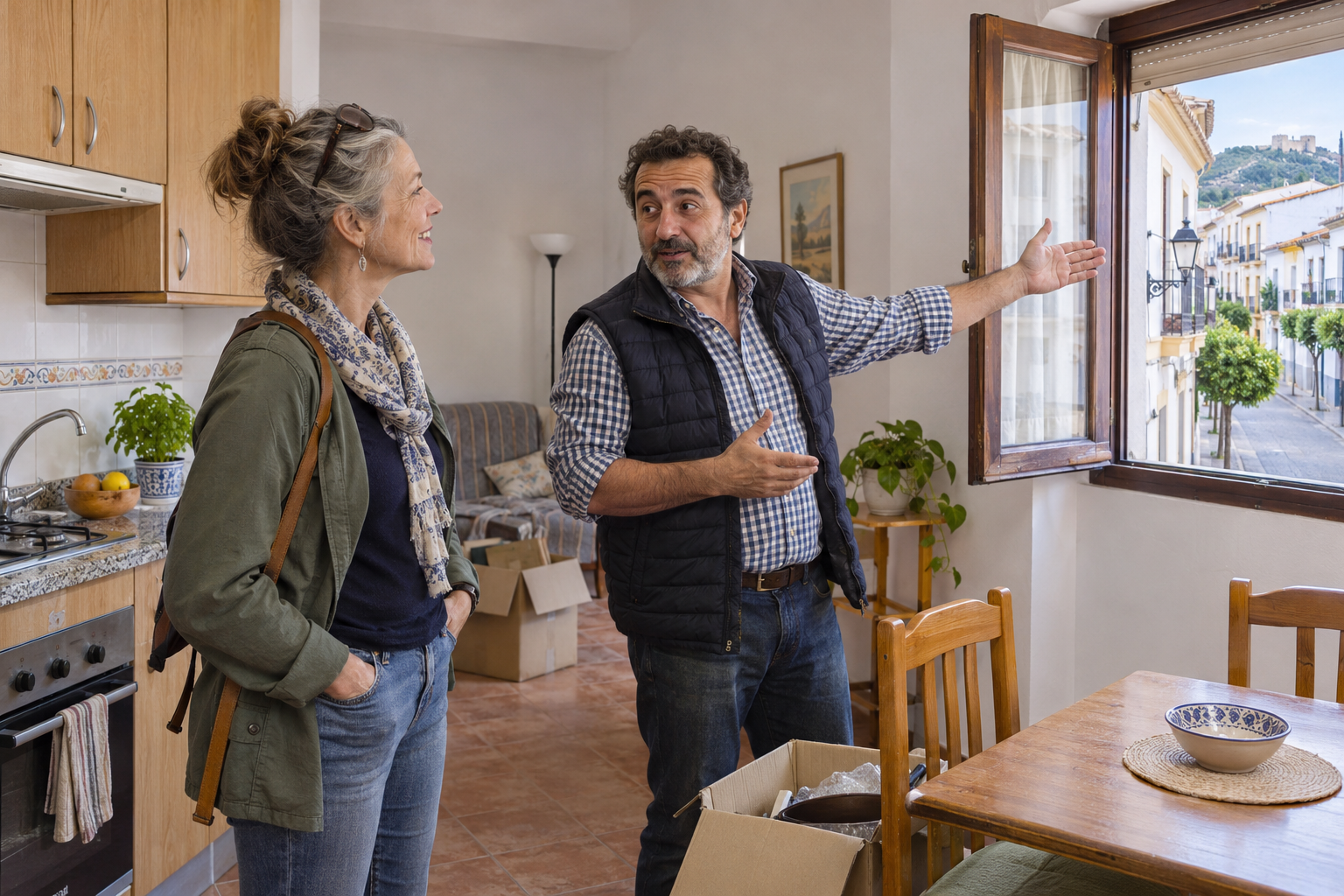
The first thing the stayers did was resist the obvious fantasy, the sunny flat on the Mediterranean, and rent somewhere inland instead, at least to begin with. The coast is what sells Spain to Americans, the images of white villages above a blue sea, and it is genuinely beautiful, but the most touristed stretches of coast are also the most expensive, the most seasonal, and the least like everyday Spanish life. The people who built lasting lives tended to choose inland cities and towns, places like the smaller provincial capitals, where rents are lower and the community does not pack up and leave in October.
Inland Spain offers something the prime coast often does not, which is a real year-round town with Spanish neighbors, a working high street, and a rhythm that does not revolve around tourists. That matters enormously for actually settling, because it is far easier to build a life among people who live there all year than in a resort that half-empties in the off season. The stayers found that an inland base gave them lower costs, more authentic daily life, and a community they could become part of, rather than a pretty place where they were always, subtly, on holiday.
This is not to say nobody can thrive on the coast, and plenty do, especially in the year-round coastal cities rather than the resort strips. The lesson is subtler: do not let the postcard choose your home. The stayers picked where to live on the basis of daily life, cost, and community, and for many that pointed inland, while the people who chased the sea view first and thought about life second more often found the reality thinner and pricier than the picture. Where you plant yourself in year one shapes everything that grows after.
Two: They Skipped the Sea View
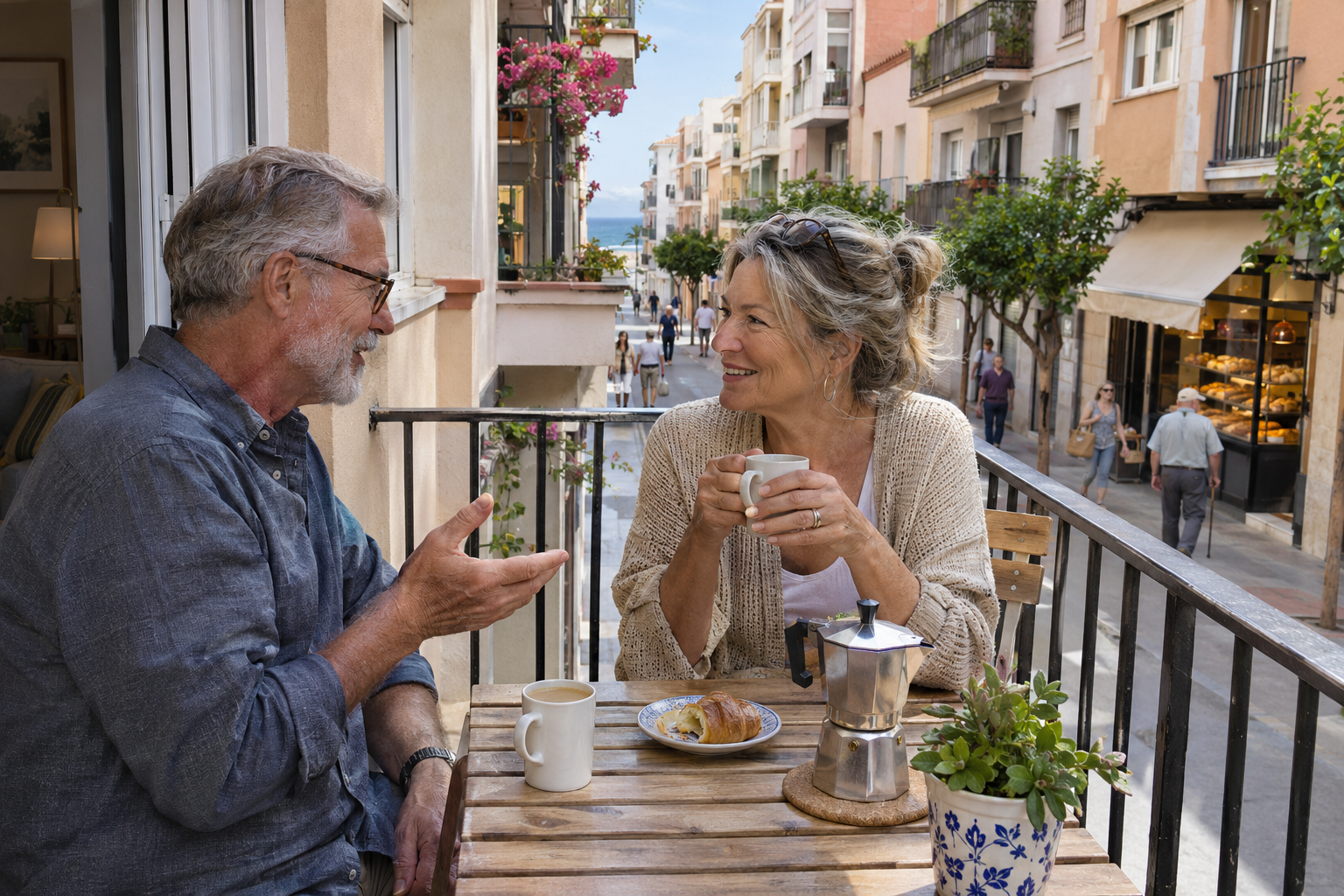
The second thing is related but distinct, and it is about the apartment rather than the town. Even those stayers who did settle near the water almost all skipped the sea view itself, the front-line apartment with the balcony over the beach, and chose the practical flat a few streets back instead. The sea-view premium is real and steep, often a large markup for the same square meters simply because you can see the water, and the people who lasted decided that view was not worth what it cost.
The flat a few blocks inland is usually far cheaper, often quieter, away from the summer noise and the tourist churn of the seafront, and just as close to everything that actually matters, the shops, the cafes, the walk to the beach when you want it. The stayers worked out quickly that you do not spend your life staring at the sea from your sofa, and that paying a heavy monthly premium for a view you stop noticing within weeks is a poor trade. They put that money toward a longer runway, more savings, or simply less financial stress, which is one of the things that let them stay.
There is a deeper principle under both housing choices, which is spending on daily life rather than on the dream image. The sea view, like the resort coast, is something you buy for the fantasy of the move, not for the reality of living, and the reality is what you have to afford month after month for years. The people still here after three years consistently chose the sensible flat over the romantic one, and found that the sensible flat was where real life, and real staying power, actually happened.
Three: They Registered With a Doctor Early

The third thing the stayers did was sort out their healthcare locally and early, rather than drifting along on travel insurance or a vague plan to fly home if anything went wrong. Within the first months they did the practical groundwork: they completed their empadronamiento, the registration at the local town hall that anchors you administratively, and they established a relationship with a doctor, whether through the private health insurance that their visa required or, where they were eligible, the public health centre and an assigned family doctor.
This matters more than it sounds, because healthcare uncertainty is one of the quiet things that sends people home. Not knowing where to go when you are sick, not having a doctor who knows you, relying on emergency rooms or on the idea of flying back to the States, all of it breeds a low background anxiety that erodes the sense of being settled. The stayers removed that anxiety early by plugging themselves into the system properly, so that when the inevitable illness or scare came, they had a doctor, a clinic, and a plan, not a panic.
Getting registered early also forced them up the bureaucratic learning curve while they were still fresh and patient, rather than in a crisis. The empadronamiento, the health registration, the paperwork, all of it is tedious, but doing it in month two rather than month twenty meant the system was no longer frightening by the time they actually needed it. Exactly how you access care depends on your visa and situation, and that is worth proper advice, but the habit is universal among the people who lasted: they treated healthcare as a first-year priority, not a someday errand.
Four: They Started Spanish in the First Month
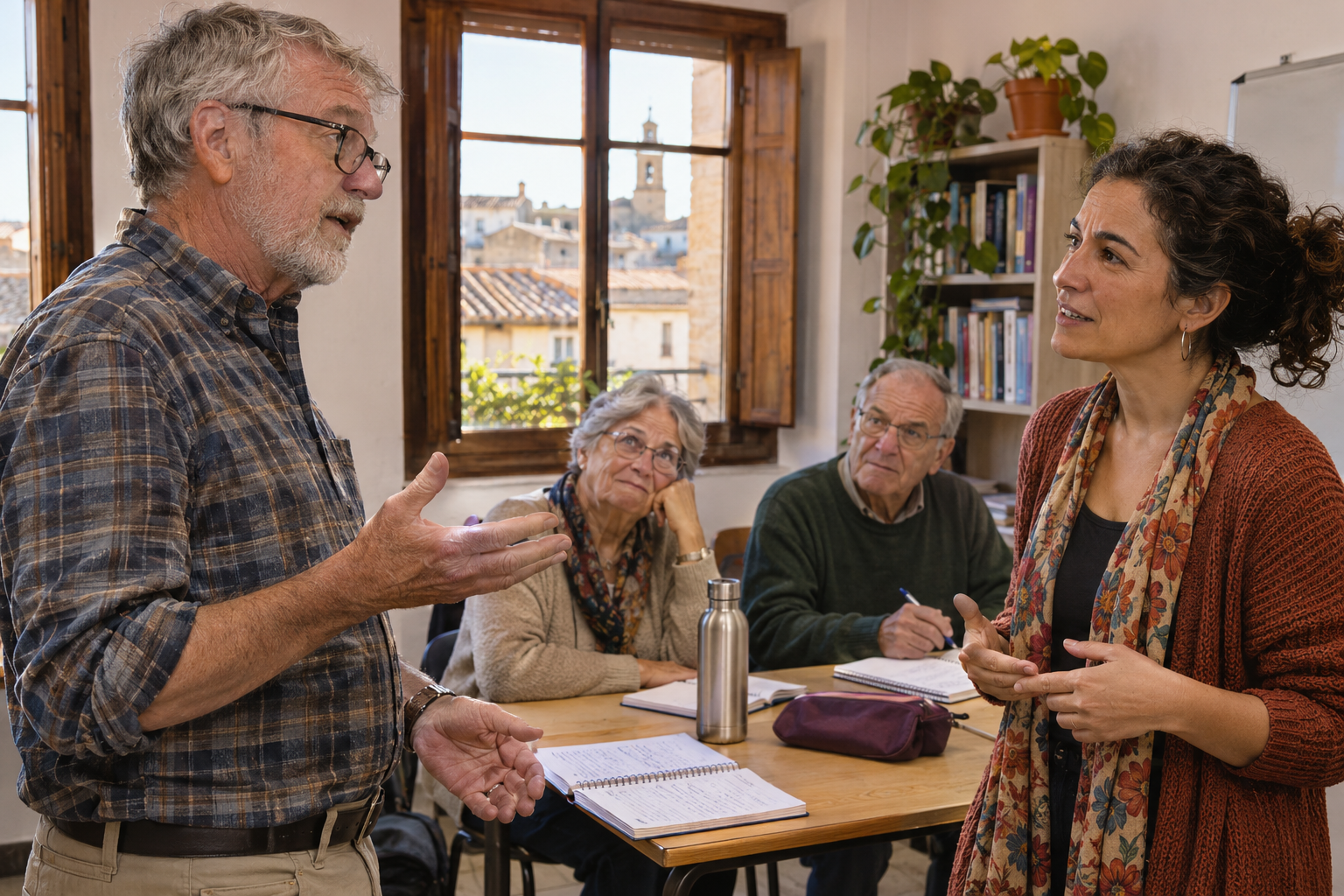
Here is the first of the two most people miss. The Americans still here after three years almost all started learning Spanish immediately, in the first month, not someday, not once they had settled in, but right away, while the resolve of the new arrival was strongest. They enrolled in a class, found a tutor, or committed to daily study, and they did it before the excuse machine could start, because they understood, consciously or not, that language was the thing that would make or break their life in Spain.
The contrast with the people who left is stark. Those who leaned entirely on English, who kept meaning to start Spanish but never quite did, found themselves walled off from the country they lived in, unable to handle their own appointments, make local friends, or feel like anything but permanent outsiders. That isolation is corrosive, and it is one of the surest predictors of going home. The stayers, even the ones who never became fluent, built enough Spanish to function, to be polite, to handle daily life, and crucially to show their neighbors they were trying, which opened doors that English never could.
Starting early mattered specifically because language is slow and compounding, so a head start in month one pays off for years, while a delayed start never catches up. The stayers did not wait to feel ready or to have spare time, because there is never a convenient moment to begin; they simply began, badly and immediately, and let the months of steady practice do their work. By year three their Spanish was the quiet engine of their whole life here, and almost none of them regretted the early effort. The ones who regretted anything regretted waiting.
Five: They Built a Local Life, Not an Expat Bubble
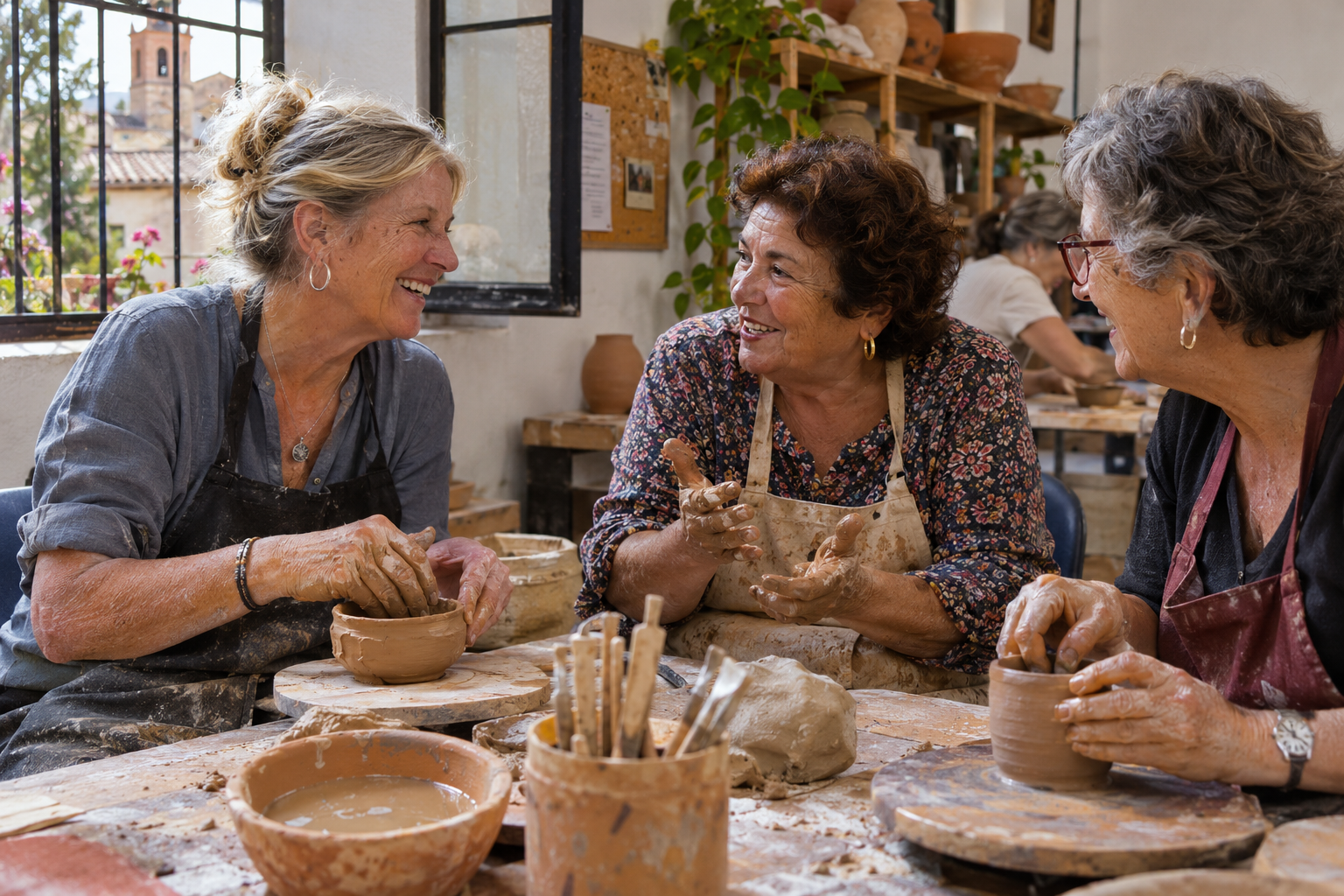
The second thing most people miss is social, and it is perhaps the deepest. The stayers built a genuinely local life rather than retreating into an all-expat bubble, and that choice, made early, is what gave their time in Spain roots instead of just scenery. They joined things that put them among locals, a gym, a choir, a hiking group, a pottery class, the regulars at a neighborhood bar, and they made an effort to have Spanish friends and neighbors, not only other Americans going through the same transition.
The expat bubble is a comfortable trap, and it is where a lot of eventual leavers end up. A circle of fellow foreigners feels like relief at first, easy conversation in English, shared complaints, instant understanding, but it also keeps you at arm’s length from the actual country and ties your emotional life to a group that is itself unstable, because expats come and go constantly. When a few friends in that bubble move home, as they always do, the whole social world can collapse, and the loneliness that follows sends more people back than almost anything else. The stayers avoided that fragility by rooting themselves in the local community, which does not pack up and leave.
A local life also gave them something to stay for beyond the weather, which is what ultimately distinguishes a home from a long vacation. Friendships with neighbors, a place in a local group, being a known face at the market or the cafe, these are the threads that hold a person somewhere, and the stayers wove them early and deliberately. By year three they were not Americans living in Spain so much as people with a life in Spain, and a life is far harder to walk away from than a view. That belonging, built from the first year, is the quiet foundation under all the rest.
The Thread That Ties Them Together
Look at the five together and a single attitude runs through all of them, which is the decision to treat the move as real life from day one rather than as a holiday that might become permanent. Renting inland, skipping the view, sorting healthcare, starting Spanish, building a local circle, every one of them is a choice to invest in ordinary, durable daily life over the romantic image that sold the move in the first place. The stayers, in effect, committed, and the commitment shaped a hundred small decisions.
The people who left often did the opposite without realizing it, keeping one foot in the fantasy and one foot back home. They paid for the view, stayed in English, kept the healthcare vague, and socialized only with other expats, all of which quietly signaled, to themselves as much as anyone, that this was provisional. And provisional lives tend to end, because when the novelty fades, as it always does, there is nothing solid underneath to hold you. The difference was rarely money or courage; it was whether year one built a foundation or just a long, pleasant pause.
None of this means the stayers never struggled, because of course they did, with bureaucracy, with language, with homesickness, with all the ordinary hardness of starting over in a new country. The difference is that they had built the things that carry you through the hard patches: a community, a doctor, a budget that worked, enough language to cope, a life worth the effort. The five decisions were not a guarantee, but they were the scaffolding, and the people still here after three years almost all put that scaffolding up in the first year.
What This Means If You Are Planning the Move
If you are planning your own move to Spain, the useful thing about this pattern is that all five are within your control and all five are cheap or free. You do not need more money to rent inland or skip the sea view; you usually need less. You do not need anything special to register with a doctor early, start Spanish in month one, or join a local group, beyond the decision to do it before the excuses arrive. The barrier is not resources; it is intention.
So treat year one as the year you build the foundation, not the year you float on the novelty. Choose your home for daily life rather than the postcard, get your administrative and healthcare footing early while you are patient, begin the language immediately and badly, and push yourself out of the expat bubble into the actual community from the start. None of it is glamorous, and all of it is the opposite of how the move is usually marketed, which is precisely why it works. The glamour fades; the foundation stays.
And hold the whole thing lightly enough to adapt, because the point is not to follow five rules mechanically but to adopt the mindset behind them, which is to live your Spanish life as real life from the first day. The specifics of your situation, your visa, your budget, your town, deserve proper, tailored advice, and this is observed wisdom rather than a prescription. But the pattern among the people who stayed is clear and encouraging: staying is not luck, it is a set of early choices, and they are choices you can make too.
The Bottom Line
The Americans still happily in Spain after three years tend to share five year-one decisions: they rented inland rather than chasing the resort coast, they skipped the expensive sea view for the sensible flat a few streets back, they registered with a doctor and sorted their healthcare early, they started learning Spanish in the very first month, and they built a genuinely local life instead of retreating into an all-expat bubble. None of it is dramatic, and none of it depends on being rich or fearless.
What ties the five together is the decision to treat the move as real life from day one, investing in durable daily living over the romantic image that sells the move, while the people who left more often kept one foot in the fantasy and one foot back home. The difference was rarely Spain itself, and rarely money or courage; it was whether the first year built a foundation strong enough to carry them through the inevitable hard patches.
If you are planning the same move, the good news is that all five are within your reach and most of them cost nothing but intention. Build the foundation early, live your new life as real life rather than a long holiday, get tailored advice for your own circumstances, and you give yourself the same quiet advantage the stayers had. Three years from now, that first-year groundwork is what will have you renewing your card instead of booking the flight home.

About the Author: Ruben, co-founder of Gamintraveler.com since 2014, is a seasoned traveler from Spain who has explored over 100 countries since 2009. Known for his extensive travel adventures across South America, Europe, the US, Australia, New Zealand, Asia, and Africa, Ruben combines his passion for adventurous yet sustainable living with his love for cycling, highlighted by his remarkable 5-month bicycle journey from Spain to Norway. He currently resides in Spain, where he continues sharing his travel experiences with his partner, Rachel, and their son, Han.