
Everyone told them to go to the Algarve. That is where Americans retire in Portugal, the sunny southern coast with its beaches, its golf, its big established expat community and its English spoken everywhere. But this couple, both newly retired with about $110,000 in savings and two modest pensions, looked at the Algarve’s prices and crowds and chose instead the Alentejo, the vast rural interior just to the north, cheaper, quieter, and far more authentically Portuguese. Two years in, their money has held up beautifully and they do not regret the choice, but there is one thing the glossy accounts of the laid-back Alentejo never warned them about, and it reshaped their whole year: the heat.
This is an illustrative case, a composite of the couples who skip the coast for the cheaper, emptier interior, offered to show both the real savings and the real surprise. The Alentejo is genuinely one of the best-value regions in Western Europe and a beautiful, soulful place to live, which is why their story is worth telling, and the heat is a genuine and underdiscussed cost of choosing the interior over the sea-cooled coast. Here is why they chose it, how their balance looks at year two, and the heat nobody mentioned. This is general information, not financial advice, and figures are illustrative and current as of 2026.
Why the Alentejo Over the Algarve
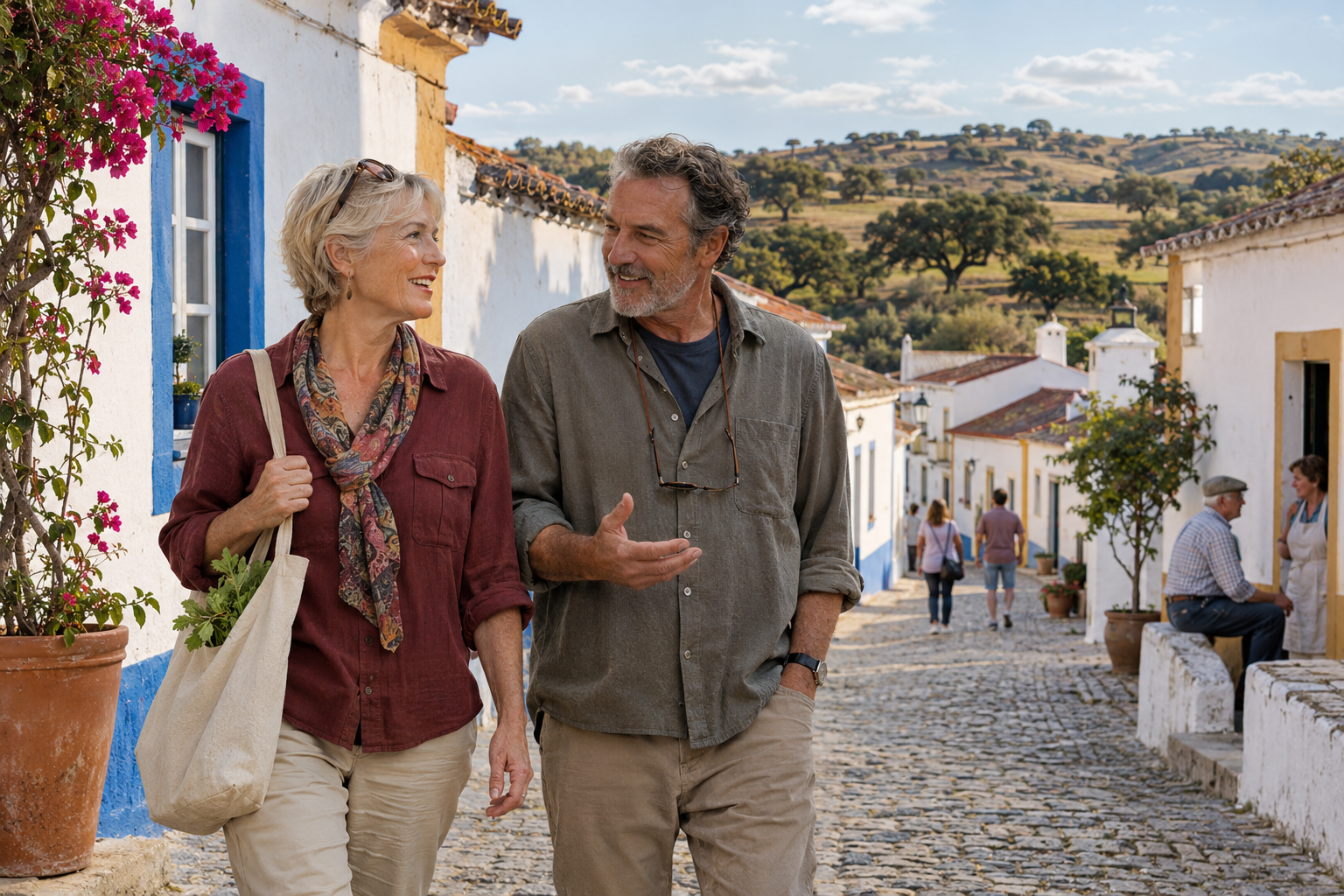
Their reasoning was sound and increasingly common among retirees who do their homework. The Algarve, for all its appeal, is Portugal’s most expensive and most touristed region, its coast crowded with expats and holidaymakers, its prices pushed up by decades of foreign demand, and they found that the thing everyone recommended was also the thing that cost the most and felt the least Portuguese. The default choice was the pricey, crowded one, and they wanted neither the crowd nor the premium.
The Alentejo, by contrast, offered everything they actually wanted. It is dramatically cheaper, with rents and property and daily costs well below the Algarve’s, it is quiet and authentic, a landscape of rolling plains, cork oaks, whitewashed villages, and slow traditional rhythms, and it is genuinely Portuguese rather than an international resort zone. They wanted the real country, the markets and the local life and the sense of living in Portugal rather than in an expat enclave, and the Alentejo gave them that at a fraction of the coastal price.
There was also the beauty and the pace, because the Alentejo is one of the most distinctive and soulful regions of Portugal, famous for its unhurried way of life, its food and wine, its enormous skies and golden light. For a couple who wanted their retirement to be peaceful, immersed, and affordable rather than busy, expensive, and anglicized, the interior was the obvious choice once they looked past the standard advice. They traded the beach and the big expat community for quiet, authenticity, and a much lower cost, which for them was a trade well worth making.
The Setup and the Plan
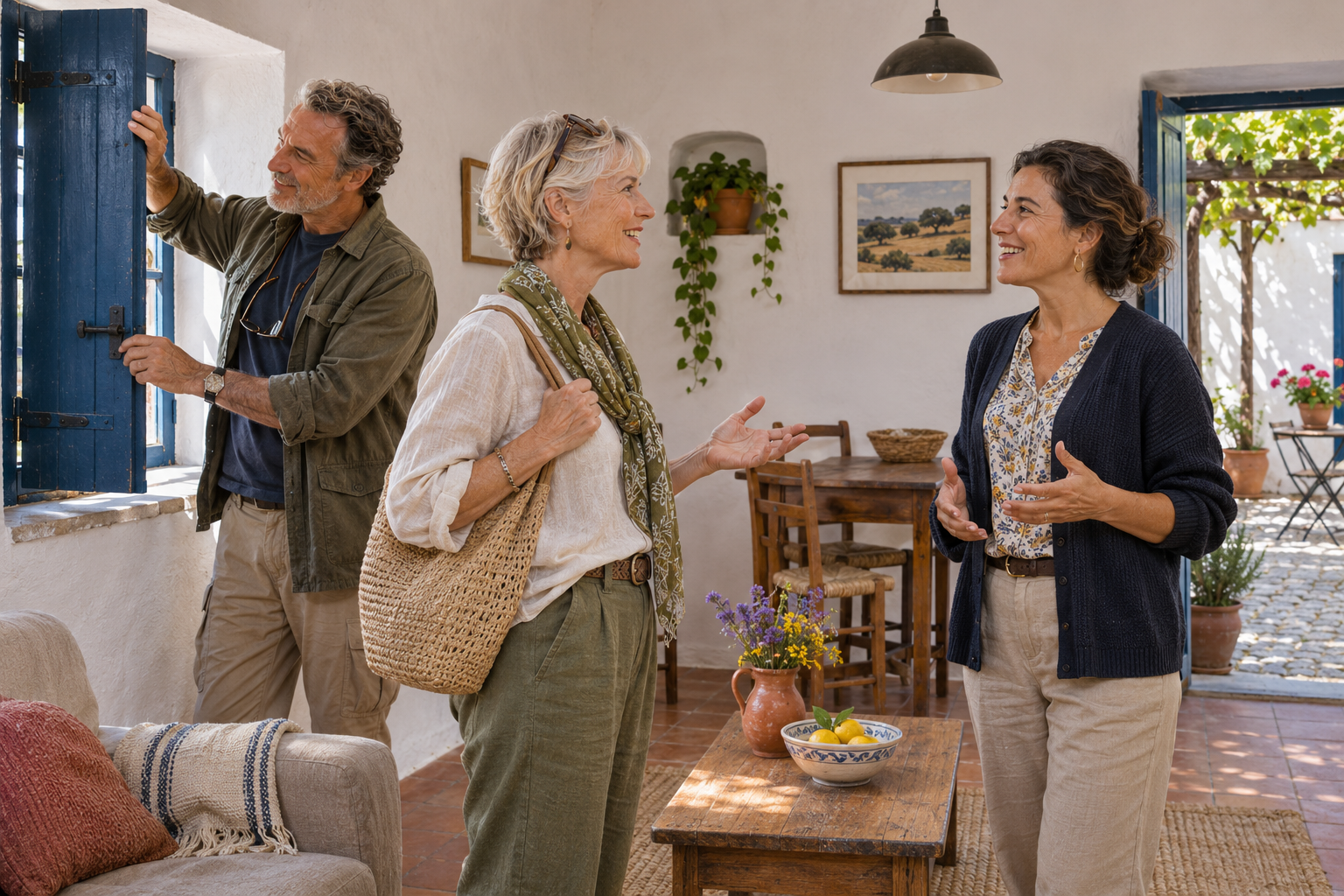
Their financial setup was modest and sensible. Two pensions covered a good share of their costs, the $110,000 in savings served as a cushion and a source of occasional larger spending rather than their main income, and they rented a house in an Alentejo town rather than buying, keeping their capital liquid and their commitment reversible while they learned whether the region suited them. Renting first, in particular, was the prudent move that let them test the life before sinking money into property.
The plan depended on the Alentejo’s low cost of living making their pensions largely sufficient, so that the savings stayed a reserve rather than a fund they steadily drained. They lived a local, unflashy life, shopping in the markets, cooking the regional food, taking advantage of the cheap rents and cheap daily costs, which kept their monthly spending low and their pensions mostly adequate. The whole arrangement was built on the region’s affordability, and the affordability delivered.
They did need a car, which the rural interior requires, and they accepted the relative isolation and the thinner services as the price of the quiet and the savings. This was a conscious trade, choosing a life that needed driving and offered fewer conveniences in exchange for a cost and an authenticity the coast could not match, and going in with eyes open about the rural realities. The car and the isolation were foreseen and accepted, which is exactly how such a trade should be made, and it left them only one real surprise, which arrived with the summer.
The Balance at Year Two
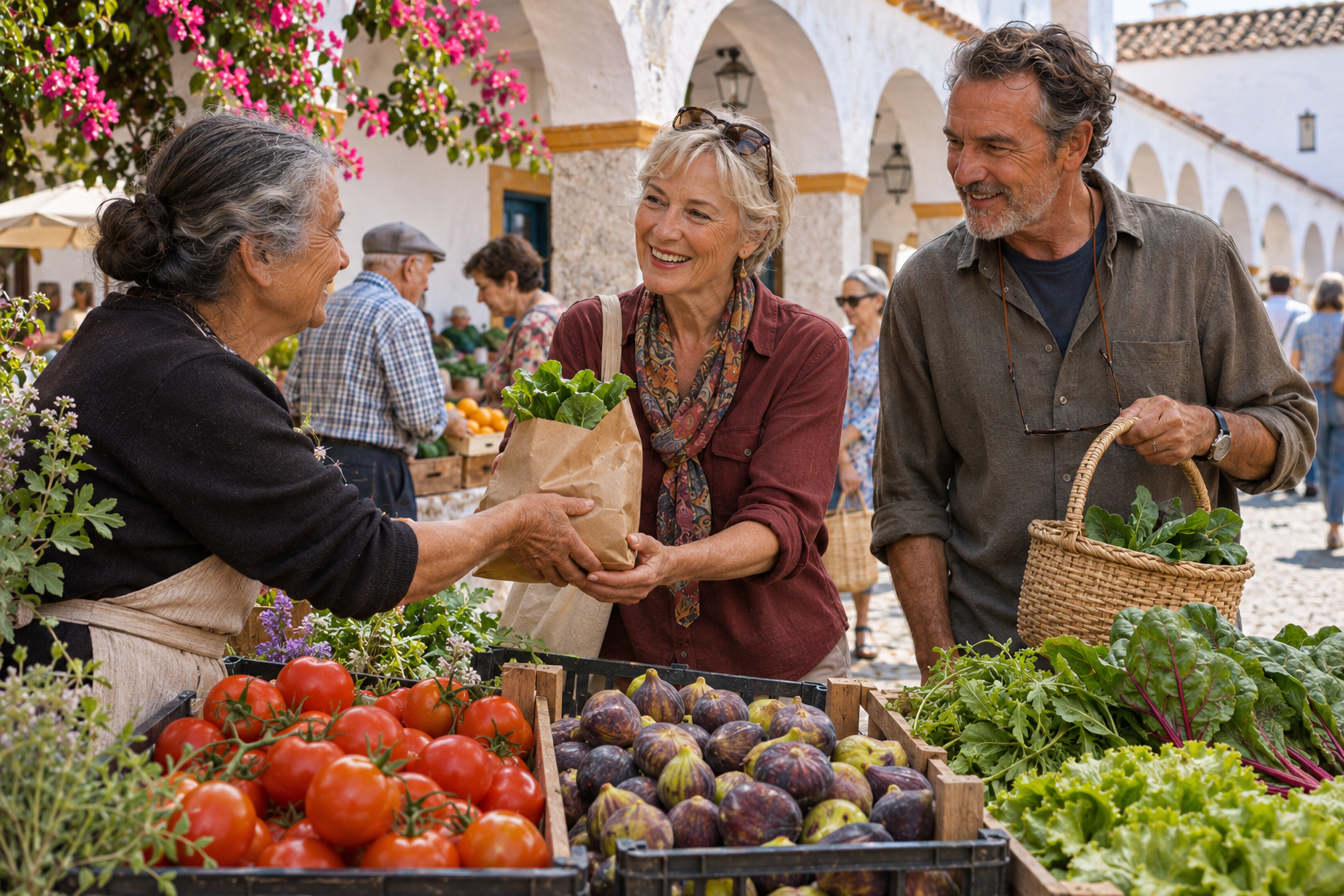
The money has gone well, better than the couple expected, which is the reward for choosing the cheap interior over the expensive coast. After two years their $110,000 was largely intact, drawn down only modestly, because the Alentejo proved so affordable that their two pensions covered most of their life and the savings were rarely touched. They had braced for a steadier drain and instead found that the region’s low rents and low daily costs let them live comfortably within their pension income, preserving the cushion.
The contrast with what the Algarve would have cost is the heart of the financial story. Had they chosen the coast as everyone advised, the higher rents, higher prices, and more expensive expat-oriented life would have pressed much harder on their income and their savings, so their decision to go interior did not just suit their taste, it protected their money. The cheaper region meant the difference between savings preserved and savings slowly spent, which for a couple on modest pensions is a significant and lasting advantage.
The honest note is that their good balance is inseparable from their modest, local lifestyle, because the Alentejo rewards living like the locals and would be less of a bargain for a couple who imported expensive tastes or bought a grand property. They lived simply and cheaply by choice, and the region let that simple life be rich, which is exactly the model that makes rural Portugal such good value. For a couple content with a quiet local life, the Alentejo delivered a genuinely comfortable retirement with the savings barely touched, which is about as good as the money math gets.
The Heat Nobody Mentioned
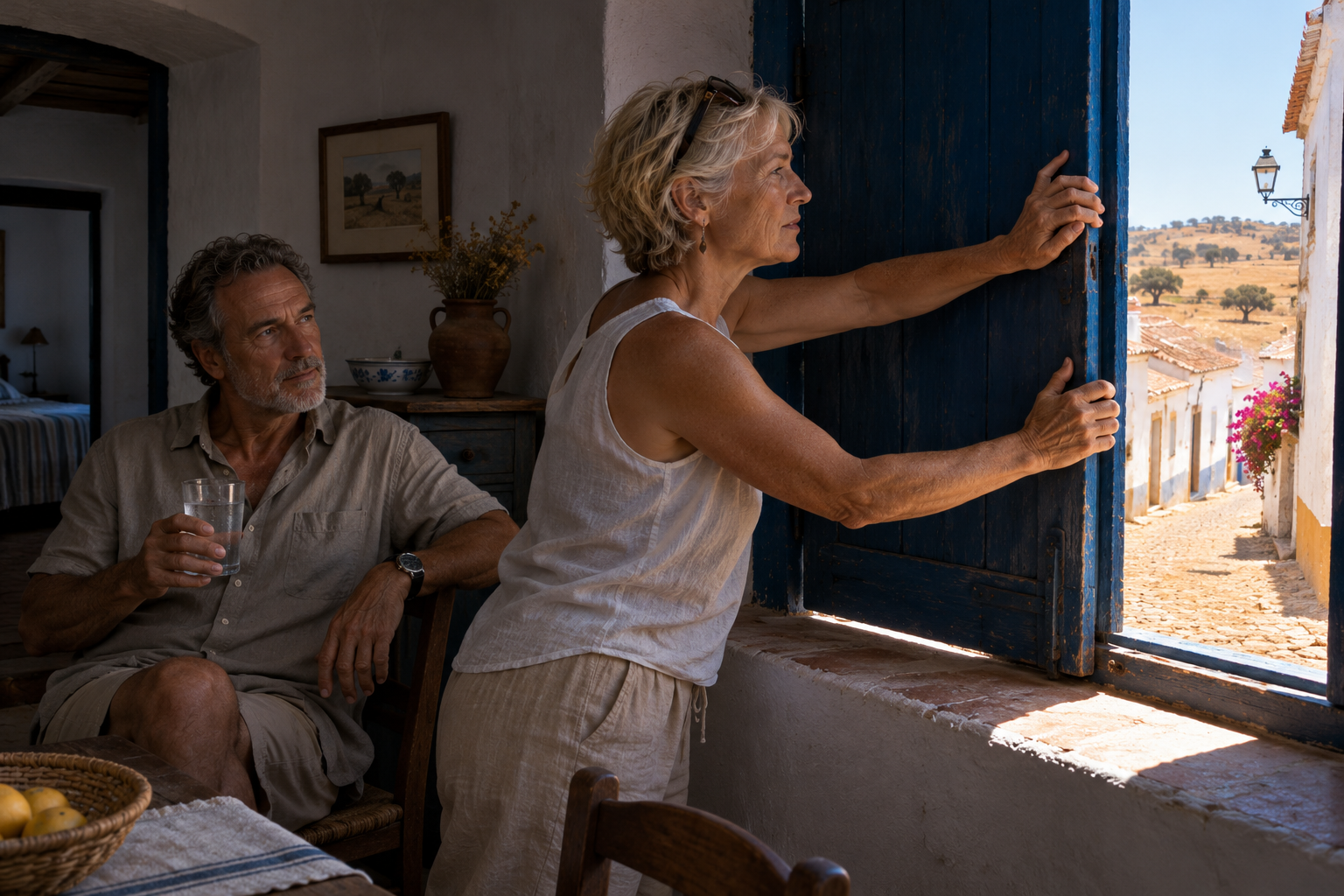
And then there is the heat, the one thing the brochures and the laid-back lifestyle pieces never adequately warned them about. The Alentejo interior, away from the sea breezes that temper the coast, gets brutally hot in summer, with temperatures regularly climbing past forty degrees Celsius, over a hundred Fahrenheit, for days and weeks at a stretch, in a dry, baking heat that dominates the interior from roughly June into September. The same distance from the sea that makes the Alentejo cheap and quiet also makes it far hotter than the coast, and nobody had told them how much.
The heat reshaped their year in ways they had not anticipated. They learned to live like the locals do in summer, shuttering the house against the sun, staying indoors through the baking midday and afternoon, shifting activity to the early morning and the evening, and treating the deep summer as a season to be managed rather than enjoyed outdoors. The siesta and the closed shutters, which had looked like quaint custom, turned out to be survival strategies, and the long hot summers became the hard part of an otherwise idyllic life.
The honest lesson is that the coast’s higher price partly buys its milder climate, the sea breezes that keep the Algarve cooler and more livable in summer, and that choosing the cheaper interior means choosing the harsher heat along with the savings. It is a real trade, and they would still make it, because they love the Alentejo and the heat is a few months rather than the whole year, but they wish someone had made the summer temperatures vivid to them before they arrived. The interior’s heat is the genuine, underdiscussed cost of its affordability, and anyone drawn to the cheap authentic interior over the pricier coast should understand exactly what the summers are before they commit.
The Other Trade-Offs
Beyond the heat, the couple found the other rural trade-offs real but manageable, and worth naming for anyone considering the interior. Isolation is the main one, because the Alentejo is sparsely populated and spread out, so they depend entirely on their car, live some distance from larger towns and their services, and have a quieter social life than a coastal expat hub would offer. The peace they wanted and the isolation they must accept are the same thing seen from two sides, and a person who needs bustle and company would find the interior lonely.
Services and language are the other piece. The rural Alentejo has fewer of the conveniences, specialists, and English-speakers that cluster on the expat coast, so they travel further for certain healthcare and shopping, and they have had to learn more Portuguese than they would have needed in the anglicized Algarve. This has been good for their integration and their sense of really living in Portugal, but it is more effort, and a couple unwilling to drive, to manage with less English, or to handle a more self-reliant rural life would struggle where this couple has thrived.
None of these trade-offs surprised them the way the heat did, because they had gone in expecting rural life to mean a car, isolation, and thinner services, and had accepted those knowingly. The point for anyone considering the interior is that the Alentejo’s gifts, the low cost, the quiet, the authenticity, come bundled with the rural realities, the isolation, the driving, the fewer services, the heat, and the choice is sound only for a couple who genuinely want the former and can genuinely handle the latter. They could, and for them the trade has been richly worth it.
The Glorious Other Three Seasons
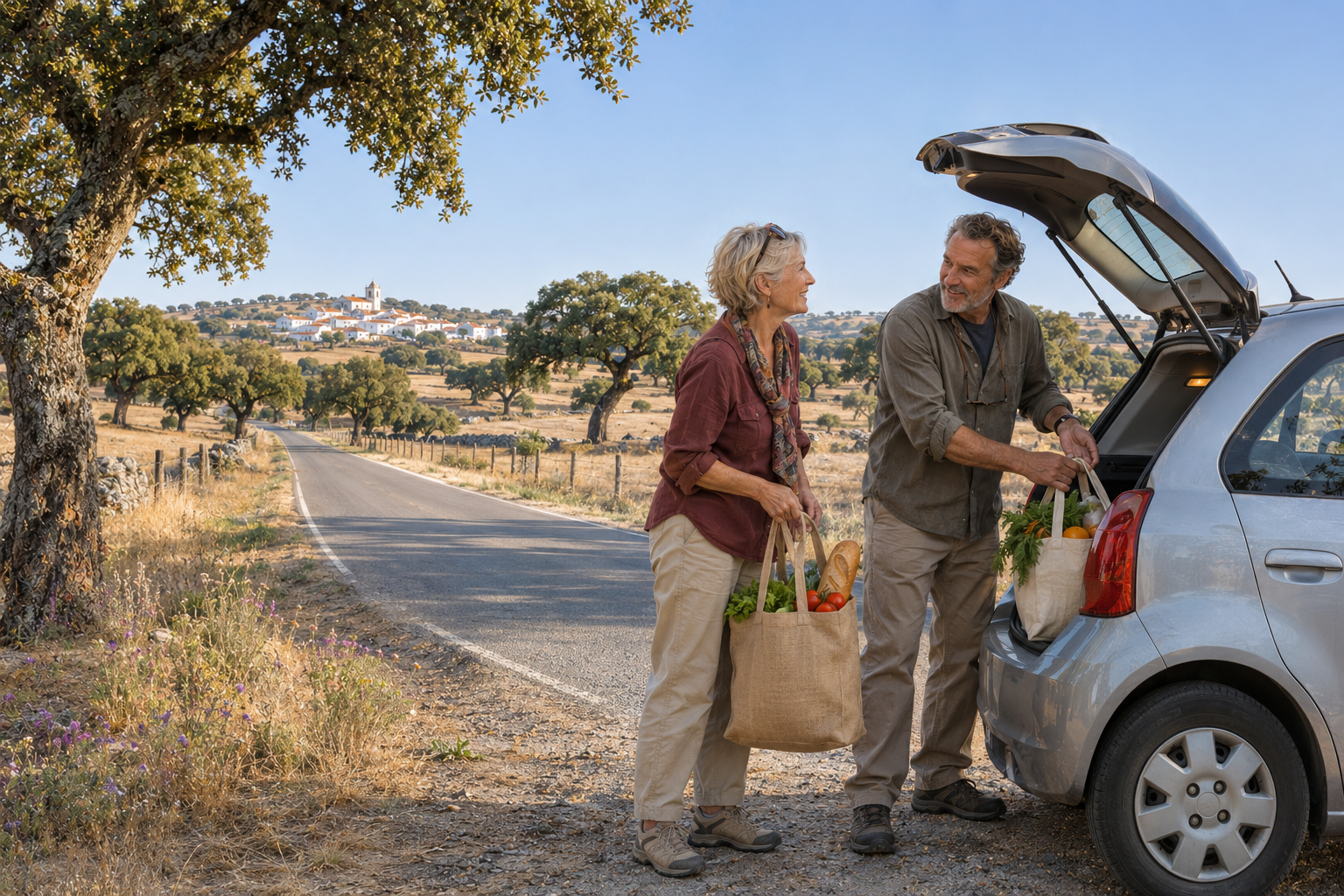
It would be unfair to the Alentejo to leave the impression that it is simply hot, because the brutal summer is one season out of four, and the other three are glorious, which is the other half of the honest picture and the reason the couple happily stay. Spring in the Alentejo is a wonder, the plains green and wildflowered, the temperatures perfect, the light soft, and autumn is long, warm, and golden, an extended, gentle season that stretches well past when the rest of Europe has turned cold.
Even winter, mild and often sunny if cooler, is a pleasant, quiet season of fires and hearty food, nothing like the snowbound winters of the mountains. For most of the year, in other words, the Alentejo delivers exactly the beautiful, temperate, outdoor Mediterranean life the dream promises, and it is only the deep summer that turns hostile. The couple frame it honestly to themselves: they endure the summer and are rewarded with three glorious seasons, which is a trade they find well worth making. The heat is real and worth warning about, but so is the beauty of the long spring, the golden autumn, and the gentle winter that make up the rest of the Alentejo year.
The Property Temptation
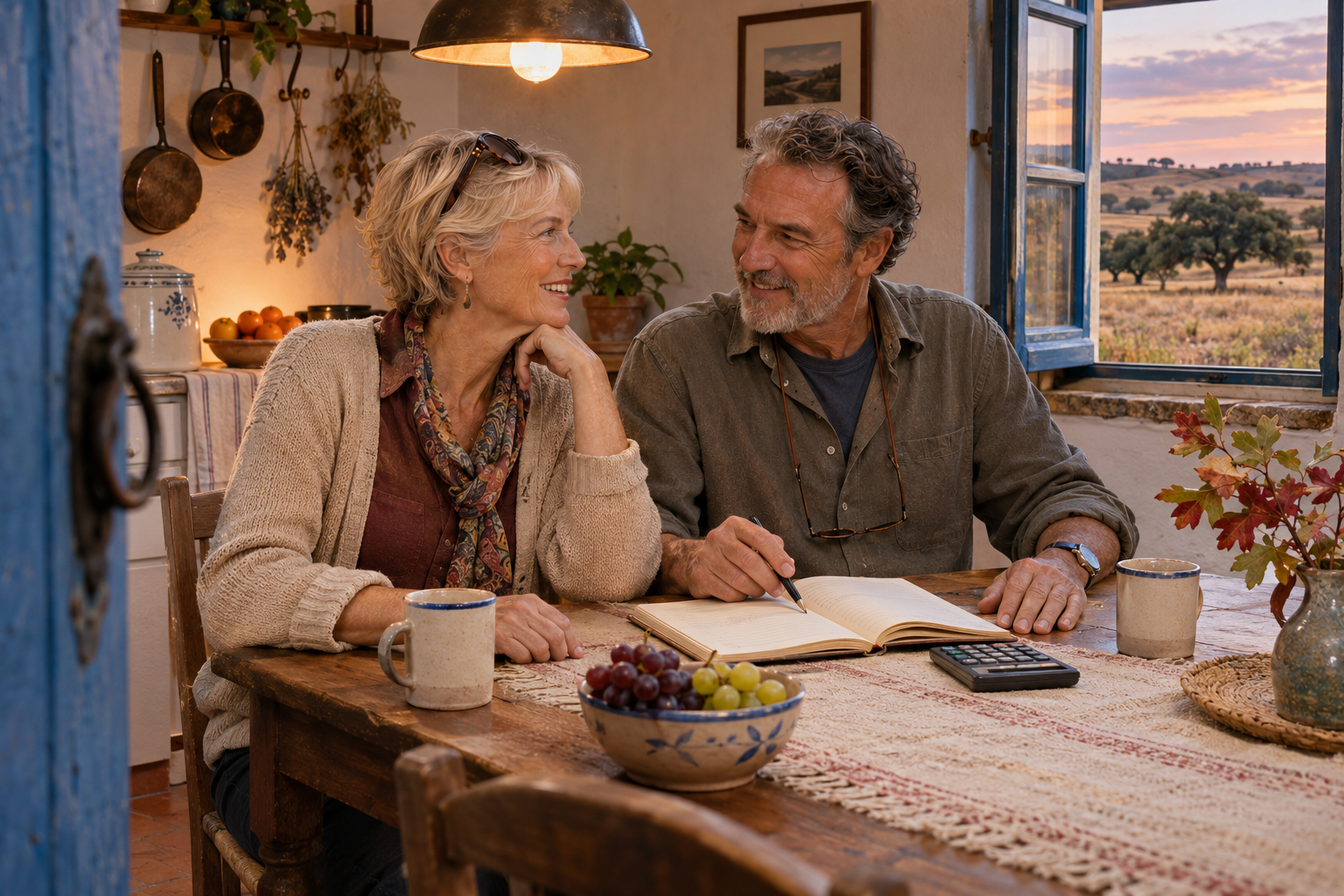
One temptation the couple had to resist, and that anyone drawn to the Alentejo will feel, is the lure of the region’s cheap property. Houses in the interior can be had for prices that stun an American, and the dream of buying a beautiful stone house for a fraction of a coastal cost is powerful, pulling newcomers toward sinking their capital into a village home almost as soon as they arrive. The cheapness makes buying feel like an obvious win.
They held off, and they are glad they did, because renting first let them discover the summer heat, the isolation, and the realities of the specific village before committing their money, keeping the move reversible while they learned whether the life truly suited them. Had they bought in the first flush of enthusiasm, they would have been financially locked into a place before they understood its hard edges, and getting out would have been slow and costly. The lesson they pass on is to rent long enough to live through a full year, summer heat and all, before buying anything, however tempting the price, because the cheap house is only a bargain if the life around it proves to be the one you actually want. Reversibility first, property later, is the rule that protected both their money and their options.
What Their Story Shows
Their two years in the Alentejo offer clear lessons for anyone weighing the cheap interior against the expensive coast. The first is that skipping the default can pay off handsomely, that the most-recommended region is often the priciest and most crowded, and that the retiree willing to look just inland from the obvious choice can find far better value and a more authentic life, as this couple did by choosing the Alentejo over the Algarve. The savings and the soul were both inland.
The second is that climate is a detail worth investigating deeply, not glancing at, because the single thing that most surprised and most reshaped their life was the summer heat that no account had made real to them. The lesson is to research a region’s actual climate in specifics, the real summer temperatures, the real winter conditions, before choosing it, especially when choosing an interior location whose distance from the sea changes everything. A region’s affordability and its climate are often linked, and understanding that link in advance prevents the one surprise that caught them.
The third is the recurring truth that modest local living is what makes the value real, that their money held because they lived like locals in a cheap region rather than importing expensive habits, and that rural Portugal rewards simplicity. Choose the cheaper interior, live the local life, accept the car and the isolation and the heat as the honest price, and a couple on modest pensions can have a beautiful, authentic, affordable Portuguese retirement with their savings nearly untouched, which is exactly what this couple found, hot summers and all.

About the Author: Ruben, co-founder of Gamintraveler.com since 2014, is a seasoned traveler from Spain who has explored over 100 countries since 2009. Known for his extensive travel adventures across South America, Europe, the US, Australia, New Zealand, Asia, and Africa, Ruben combines his passion for adventurous yet sustainable living with his love for cycling, highlighted by his remarkable 5-month bicycle journey from Spain to Norway. He currently resides in Spain, where he continues sharing his travel experiences with his partner, Rachel, and their son, Han.