
The pitch for Cyprus is almost too good to resist, and it reels in a particular kind of American retiree every year. An English-speaking island in the Mediterranean sun, inside the European Union, with a famous tax deal for foreign retirees: pensions taxed at a flat five percent. For a man we will call Dave, who retired early at sixty-two with a modest pension, a Social Security check not far off, and about $95,000 in savings he was desperate not to burn through, Cyprus looked like the answer to a worried question, how to stretch a thin retirement into a dignified one.
Three years on, his story is neither a disaster nor a fairy tale, but it carries a lesson sharp enough to be worth the whole article: the five percent that drew him in was real, and it was also only part of the tax picture, and the part he missed cost him more than he expected.
This is an illustrative case, a composite of the common Cyprus-retirement situation rather than a single verified individual, but every number and rule in it reflects how the island’s system actually works for a retiree in Dave’s position. It is offered not to warn people off Cyprus, which can be a genuinely good choice, but to show what the brochure leaves out, so that anyone tempted by the five percent goes in with the whole picture. Here is why Cyprus drew him, how his balance actually moved over three years, the tax bill he did not see coming, and what it all taught him. This is general information, not financial, tax, or legal advice, and figures and rules are current as of 2026 and change.
Why Cyprus
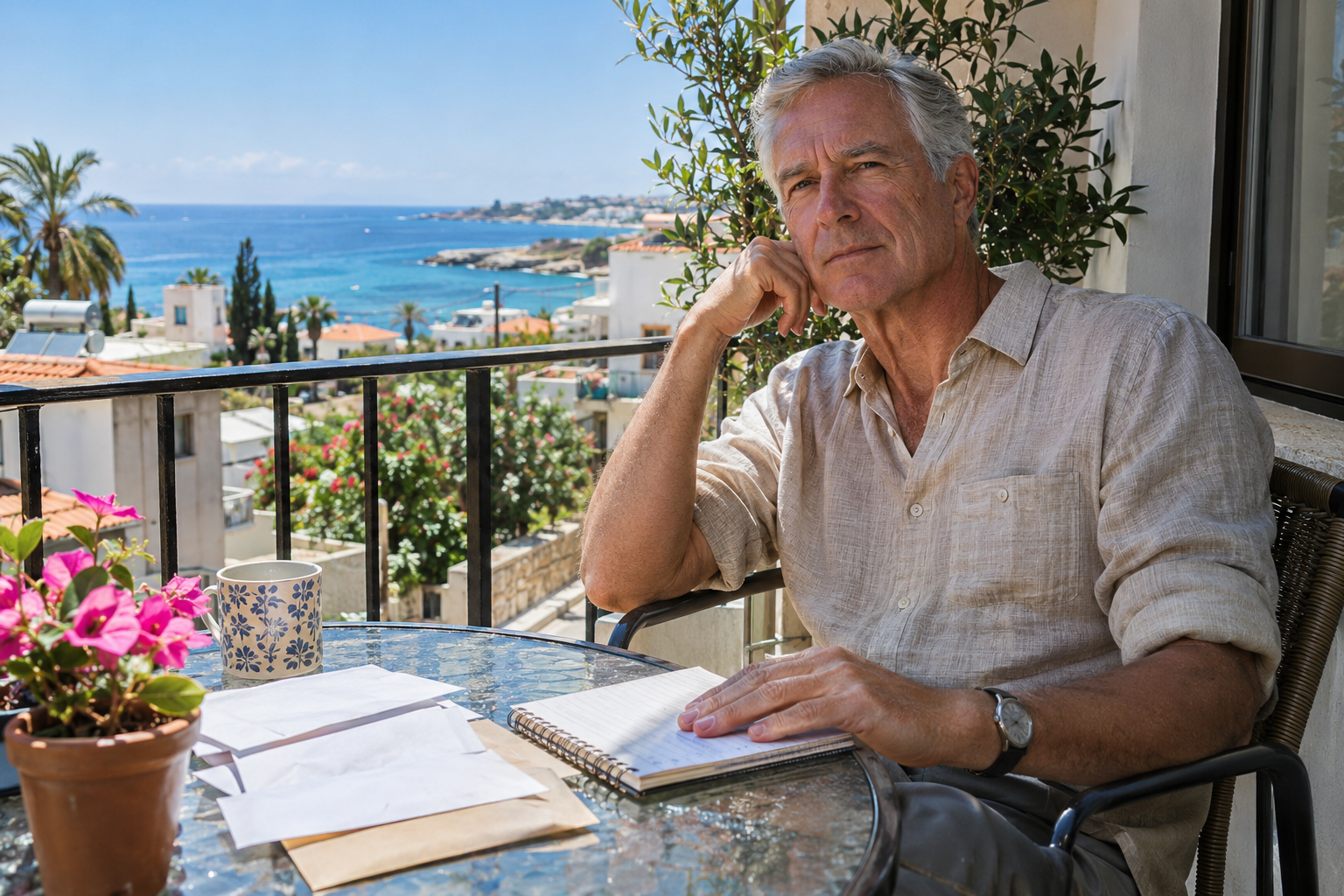
Dave’s reasons for choosing Cyprus were sound, and they are the same reasons it appeals to so many, so they are worth laying out. The headline was the five percent pension tax, a special regime under which a foreign retiree can have their overseas pension income taxed at a flat five percent rate, which sounds, and to a degree is, dramatically favorable compared with ordinary income tax. For a man planning to live on a pension and a Social Security check, the idea of handing over just five percent of it to the taxman was a powerful draw, promising to leave far more in his pocket.
But the tax was only the start of the appeal. Cyprus is English-speaking to a remarkable degree, a legacy of its British history, which meant Dave would not face the language barrier that intimidated him about Spain or Italy, could handle officialdom and daily life in English, and would find an established community of English-speaking expats. It is in the European Union, with the access and the standards that implies, it has a warm Mediterranean climate and a relaxed island pace, and its cost of living, while not the cheapest in Europe, was manageable and well below what he had faced in the United States. On paper it ticked every box.
The deciding factor, underneath all of it, was his fear of outliving his money. With only $95,000 in savings and an early, modest retirement, Dave was acutely worried about preserving that nest egg, and Cyprus seemed to offer a way to live decently on his pension income while the savings sat largely untouched, thanks to the low cost and the low tax. The whole plan rested on the idea that Cyprus would let his income cover his life and his savings stay safe, and the five percent tax was the keystone of that plan. It was a reasonable bet, made on incomplete information.
How the Balance Actually Moved

The good news, and it is genuine, is that Dave’s $95,000 held up better than his worst fears, because the core of his plan worked. His pension and Social Security together covered most of his ordinary living costs in Cyprus, where rent, food, and daily life, while not dirt cheap, were comfortably within his income, so for day-to-day life he was not forced to raid his savings heavily. After three years his balance had drawn down, but not collapsed, sitting somewhere in the region of the high seventies to low eighties of thousands rather than being wiped out, a slow erosion rather than a cliff.
But the drawdown was faster than he had planned for, and that is where the story turns, because he had expected his savings to stay almost flat and instead watched them bleed by several thousand a year more than his projections. Some of this was ordinary, the setup costs of an international move, furnishing a place, flights home to see family, the occasional larger expense, all the things that a tidy spreadsheet underestimates. The island’s housing, particularly in the areas expats favor, was pricier than he had budgeted, and that ate into the margin he had counted on.
And a meaningful slice of the faster-than-expected drawdown came from taxes he had not fully reckoned with, the ones the five percent headline had let him overlook. The gap between the retirement he had modeled, with savings nearly untouched, and the one he was living, with savings slipping by several thousand a year, was explained partly by lifestyle and setup costs and partly by a tax picture more complicated and more expensive than five percent. The balance held, but it held worse than promised, and the difference was largely the part of the tax story the brochure never told him.
The Tax Bill He Did Not See Coming
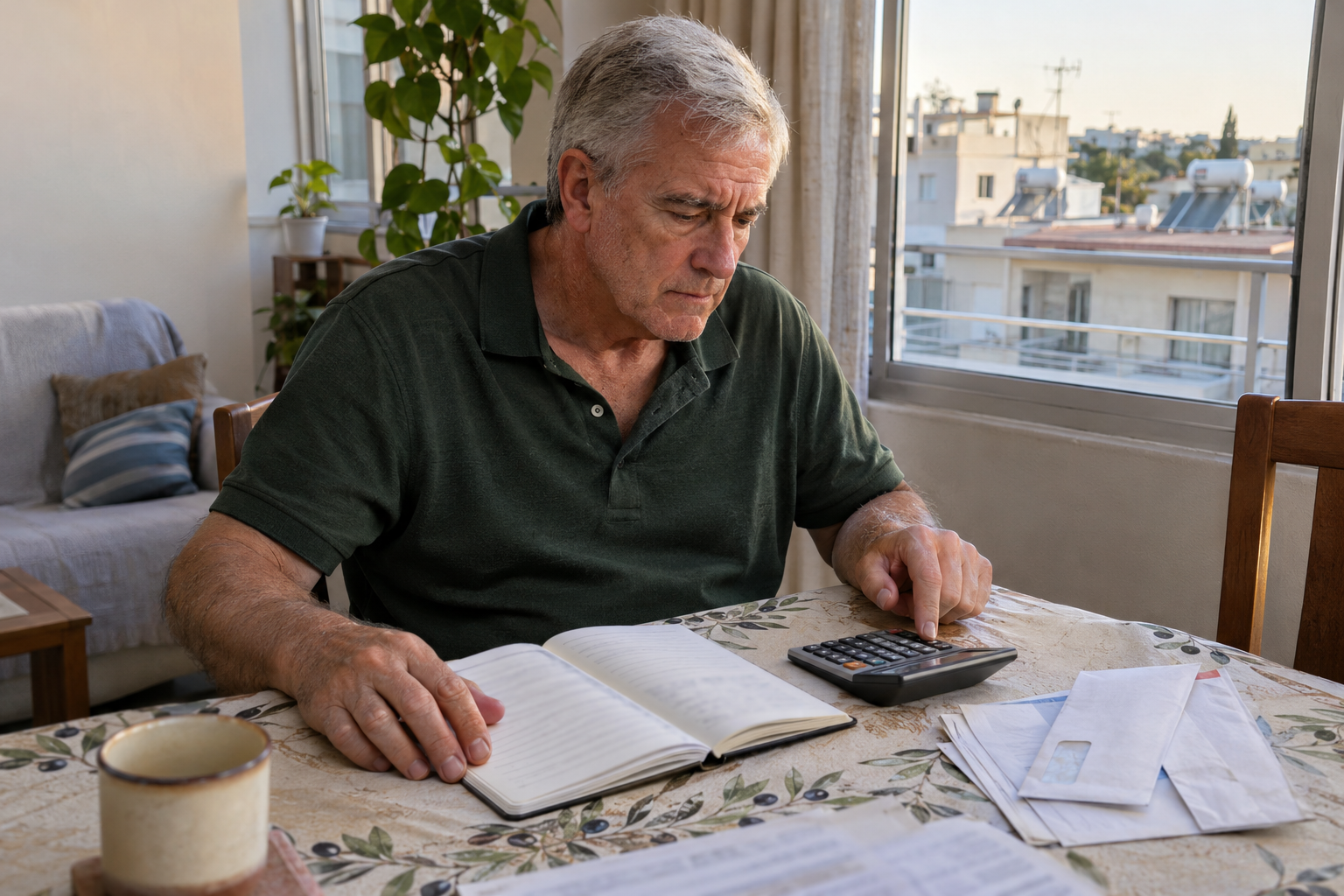
Here is the heart of it, the thing anyone eyeing Cyprus needs to understand, because Dave’s surprise is entirely avoidable with the right knowledge. The five percent pension rate is real, but it is not the whole of what a retiree pays, and three other pieces combined to make his actual tax burden considerably more than five percent of his income. None of them is hidden or improper, they are simply the parts that the simple pitch leaves out, and together they were his unwelcome education.
The first was the health system contribution, known as GESY or the GHS, the Cyprus general healthcare levy, which is charged on income, including pension income, at a rate of around two and a half percent, up to a cap. Dave had budgeted for the five percent pension tax and simply not known about this additional health contribution layered on top of his income, so it arrived as an unbudgeted recurring cost that, while giving him access to the healthcare system, was money he had not planned to pay. It was not huge, but it was real, recurring, and unexpected, and it stacked on top of the tax he had planned for.
The second was the realization that the five percent itself comes with conditions and choices, applying as a flat rate above a small annual exempt amount, with the option to instead be taxed under the normal progressive rates if that works out better, an election that requires actually understanding the system to optimize. And there were further contributions touching other income, such as on his bank interest, that he had not anticipated.
But the third and largest shock was the one that catches so many American retirees abroad and had nothing to do with Cyprus’s generosity at all: as a United States citizen, Dave still had to file and potentially pay US taxes on his worldwide income, because the US taxes its citizens wherever they live, and Cyprus’s low rate did little to change what he owed Uncle Sam. The island’s five percent did not erase the American tax system, and the interplay of the two, with foreign tax credits and US rules, meant his total tax picture was far from the simple five percent he had imagined.
What It Cost Him, and What He Learned

Put together, these surprises did not ruin Dave, but they cost him real money and, worse, cost him the sense of security that was the whole point of the move. The combination of the health contribution, the fuller Cyprus tax reality, and his ongoing US tax obligations meant his effective tax burden was meaningfully higher than five percent, and the extra, compounded with higher-than-expected living and setup costs, is what turned his planned flat savings into a steady drawdown. He was not in crisis, but he was watching his nest egg shrink faster than he had promised himself it would, which gnawed at him.
The deeper cost was the lesson in how he had planned, because Dave had made the classic mistake of building a retirement on a headline number without the fine print, letting the attractive five percent stand in for the whole financial picture. Had he understood the health contribution, the conditions on the pension rate, and above all his continuing US tax exposure before he moved, he could have budgeted accurately, perhaps structured things better, and avoided the nasty surprise entirely. The problem was never that Cyprus was a bad choice, it was that he chose it on partial information and got blindsided by the rest.
What he learned, and what he now tells anyone who asks, is that moving abroad for a tax advantage requires understanding your total tax situation across both countries, not just the shiny foreign rate, and that for an American this always means reckoning with the long reach of the US tax system. He wishes he had paid for proper cross-border tax advice before the move rather than after, when the advice would have shaped his decisions instead of merely explaining his disappointments. The cost of that advice would have been trivial against the surprises it would have spared him.
Would He Do It Again
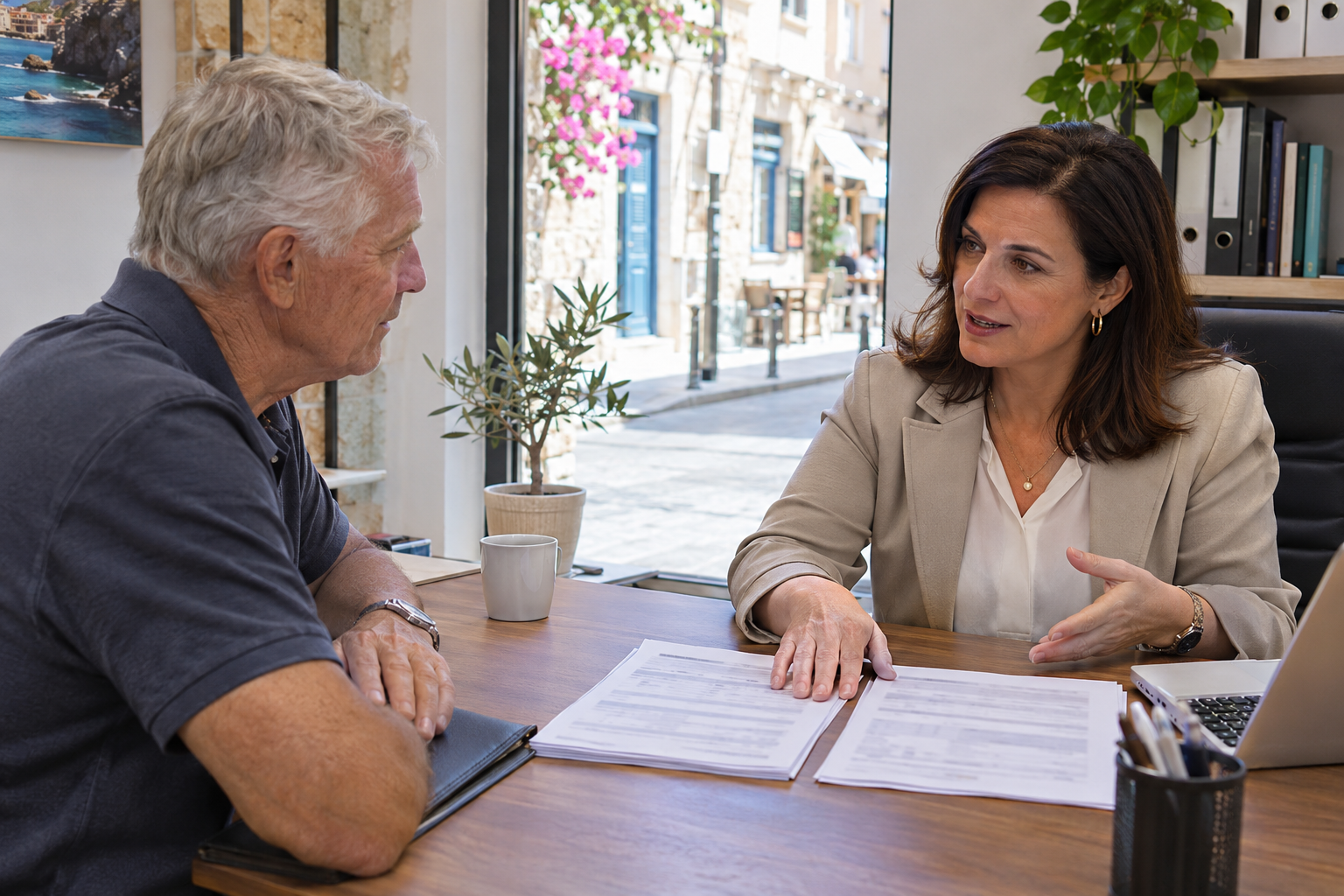
The honest answer, three years in, is that Dave would do it again, but wiser, which is a more useful verdict than a simple yes or no. He genuinely likes his life in Cyprus, the sun and the sea, the English-speaking ease, the community, the slower pace, and the island has delivered on the lifestyle it promised, which counts for a great deal. For all the tax surprises, his pension still covers most of his life, his savings are drawing down slowly rather than catastrophically, and he is living a Mediterranean retirement he could never have afforded in the United States. The core bargain, a decent life on a modest income, has held.
What he would change is the planning, not the place, because every one of his unpleasant surprises was knowable in advance and would not have changed his decision so much as his preparation for it. He would have gotten proper cross-border tax advice, budgeted for the health contribution and the real tax burden, understood his US obligations, and padded his projections for the setup and housing costs that a spreadsheet underestimates. Armed with the true numbers, he could have made the same move with his eyes open and his expectations met, which is a far more comfortable way to live than being perpetually surprised.
So his verdict is not a warning against Cyprus but a warning against the half-informed leap, and it is the most valuable thing his story has to offer. Cyprus can be a genuinely good retirement choice, the lifestyle is real and the overall tax environment, properly understood, is still favorable compared with many places, but it is not the frictionless five percent paradise the pitch suggests, and anyone who treats it as such will get the education Dave got. He loves where he lives. He just wishes he had known what it would actually cost before he arrived.
The Part the Brochure Gets Right
In fairness to Cyprus, and to Dave, it is worth saying that the brochure is not a lie, only incomplete, because much of what drew him is genuinely true. The island really is English-speaking, warm, safe, inside the EU, and cheaper than the United States, and his pension really does stretch far enough to fund a pleasant Mediterranean life, which is no small thing for a man who feared he could not afford to retire at all. The lifestyle he was sold is the lifestyle he got, and on that count Cyprus delivered.
Even the tax environment, properly understood, remains favorable compared with many places, because a total burden somewhat above five percent is still gentle by the standards of a high-tax country, and the five percent pension regime is a real benefit even with the health contribution layered on. The point of Dave’s story is not that Cyprus is secretly a bad deal, it is that the deal is more complicated and a little more expensive than the single headline number implies. Understood in full, Cyprus can still come out ahead, which is exactly why getting the full picture in advance matters so much, so you can enjoy a genuine advantage without being ambushed by its fine print.
The Lessons for Anyone Considering It
Dave’s story distills into a few lessons that apply well beyond Cyprus, to anyone thinking of retiring abroad for financial reasons. The first is to look past the headline rate to your total tax burden, including health contributions, the conditions attached to any special regime, taxes on other kinds of income, and the fine print that the marketing omits, because the advertised number is rarely the whole bill. A country’s tax appeal has to be judged on everything you will actually pay, not on the one figure that made the brochure.
The second, and for Americans the most important, is to never forget the long reach of the US tax system, which follows its citizens around the world and means that a low foreign tax rate does not free you from US filing and potential US tax. The interaction between the foreign country’s rules and the American ones is complex, genuinely requires professional help to navigate well, and is where many hopeful retirees get caught, so it must be understood before the move, not discovered after. For a US citizen, no overseas tax deal is the full story.
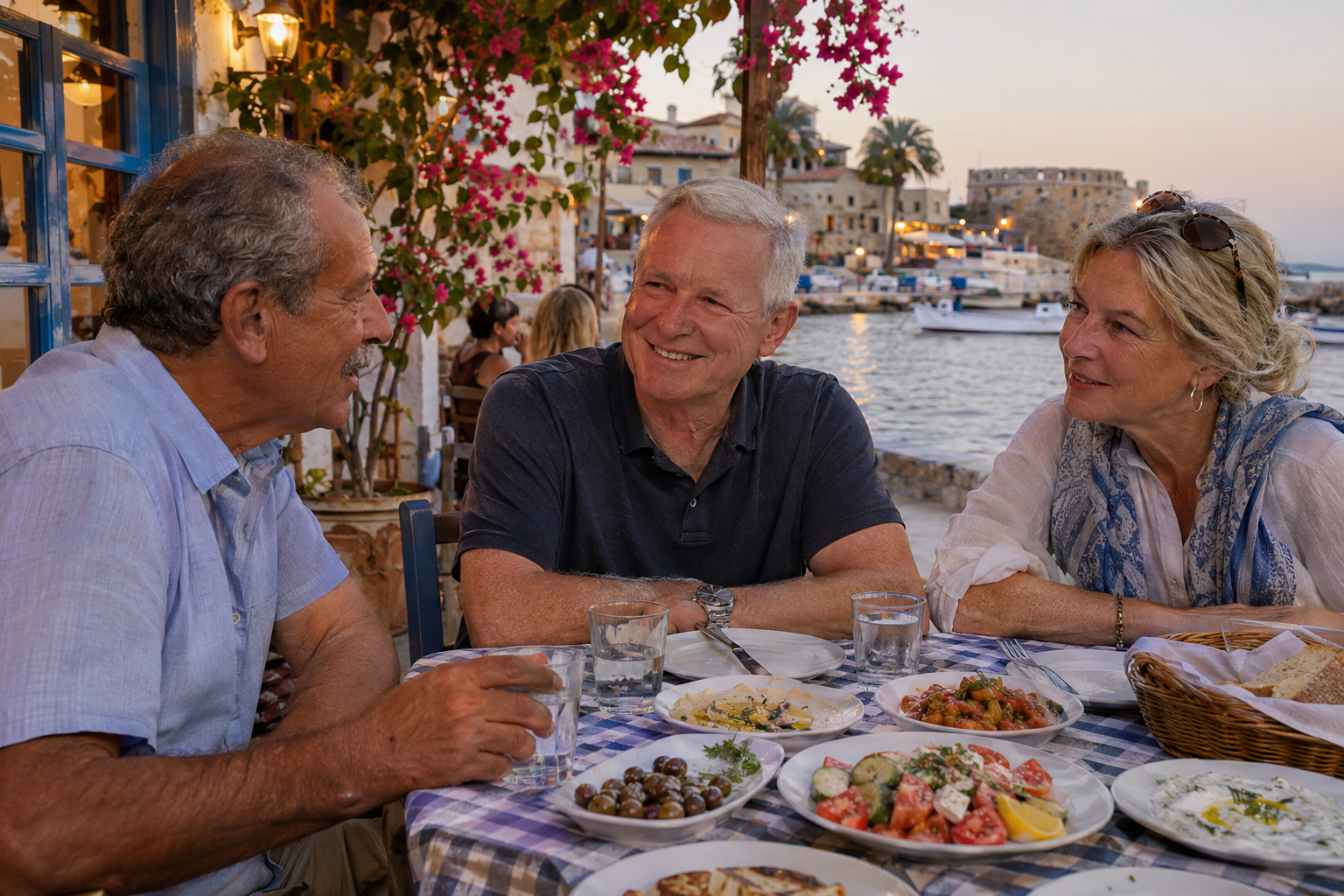
The third is simply to pay for proper cross-border advice before you leap, from someone who understands both the destination’s system and the US one, because the cost of that advice is trivial against the cost of the surprises it prevents. Dave’s whole painful education could have been bought as a few hours of professional guidance beforehand, turning nasty shocks into planned-for line items, and that is the single most practical thing anyone in his position can do. The place may be wonderful, the lifestyle may be everything you hoped, but the finances have to be understood in full, in advance, and across both countries, or the five percent that lured you in will teach you, as it taught Dave, that it was never the whole number.

About the Author: Ruben, co-founder of Gamintraveler.com since 2014, is a seasoned traveler from Spain who has explored over 100 countries since 2009. Known for his extensive travel adventures across South America, Europe, the US, Australia, New Zealand, Asia, and Africa, Ruben combines his passion for adventurous yet sustainable living with his love for cycling, highlighted by his remarkable 5-month bicycle journey from Spain to Norway. He currently resides in Spain, where he continues sharing his travel experiences with his partner, Rachel, and their son, Han.