
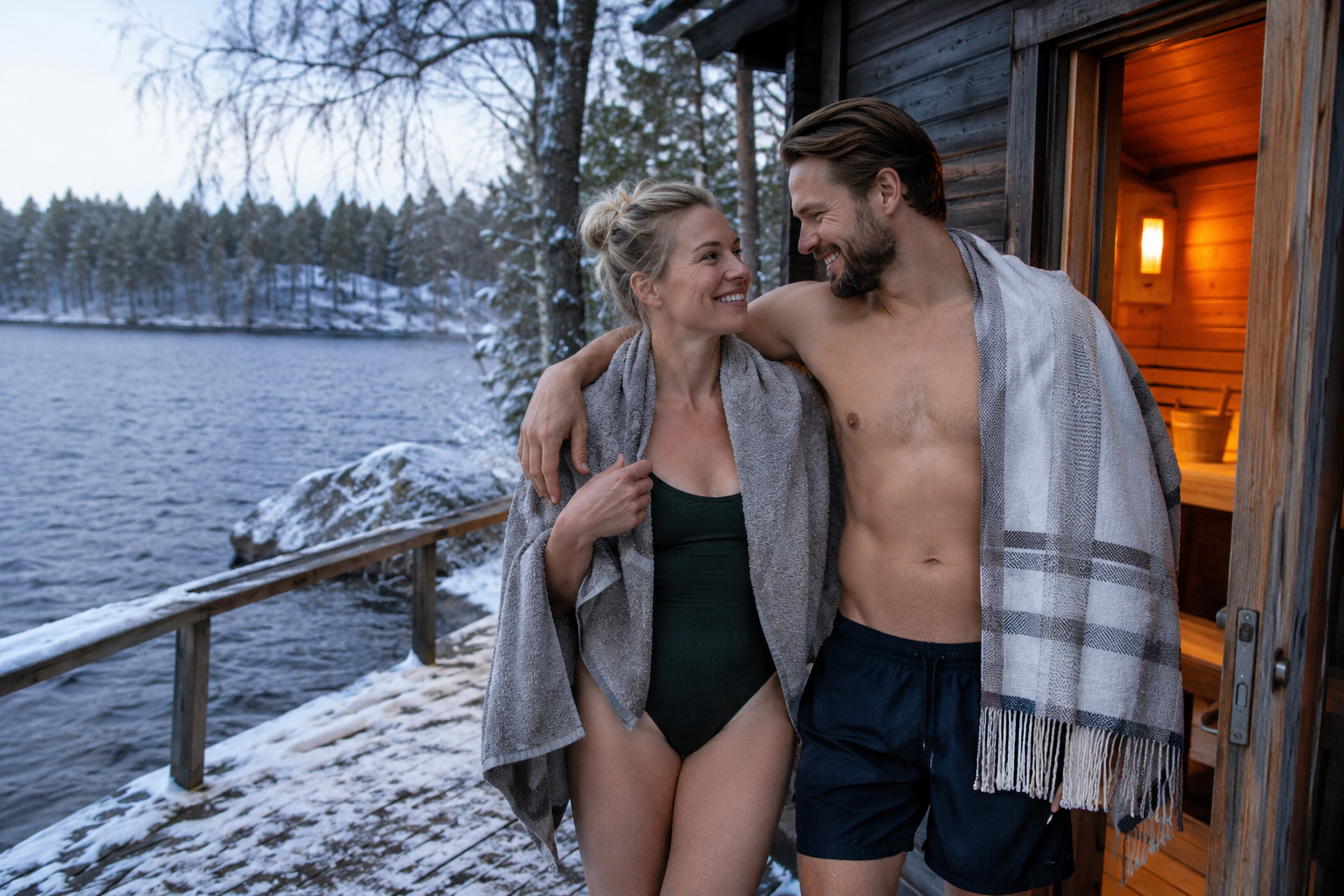
The Finns have a way with cold that the rest of us find slightly alarming, the sauna followed by a plunge into an icy lake or a roll in the snow, the whole culture built around swinging the body between hot and cold as a matter of ordinary wellbeing. I am not Finnish and I do not have a frozen lake, but I had read enough about cold exposure and about the Finnish habit to get curious, and I had a shower and a will to be mildly uncomfortable, so I set myself a simple experiment. For thirty days I would end every single shower with the water turned fully cold, no skipping, no cheating, and I would watch two numbers I could actually measure: my sleep score from the watch I wear at night, and the heating bill, since cold water is water you do not pay to heat.
What follows is an honest account of what happened, which is to say a mix of the genuinely noticeable, the modest, and the uncertain, because thirty days of one person doing a thing is an anecdote, not a study. I went in skeptical of the bigger wellness claims made for cold showers and I came out still skeptical of them, but with a couple of real observations and a habit I did not entirely expect to keep. Here is the setup, what the numbers did, what I noticed beyond the numbers, and what the actual science says, plus an important word about who should be careful. This is a personal experiment and general information, not medical advice.
Why the Cold, and the Rules I Set
The appeal of the Finnish approach is that cold is not treated as punishment but as part of a rhythm, a bracing counterpoint that leaves people feeling alive and well, and that framing is a lot more inviting than the grim endurance-test version of cold showers you sometimes see online. I was not trying to become a cold-plunge evangelist or to chase some dramatic transformation, I was trying to see whether a small, sustainable dose of cold, tacked onto something I already did every day, would do anything I could actually detect. The shower was the obvious vehicle, always there, requiring no lake and no special kit.
So I set simple, honest rules. Every shower would start warm as usual, because I was not trying to suffer through the washing, and then for the last stretch, around sixty to ninety seconds, I would turn the water fully cold and stay under it, breathing through it, until the time was up. No skipping on cold mornings, no quietly nudging the dial back toward warm, and no bailing out early, because the whole point was consistency over thirty days. Most of my showers are in the morning, which matters, as I will get to, since cold does different things depending on when you take it.
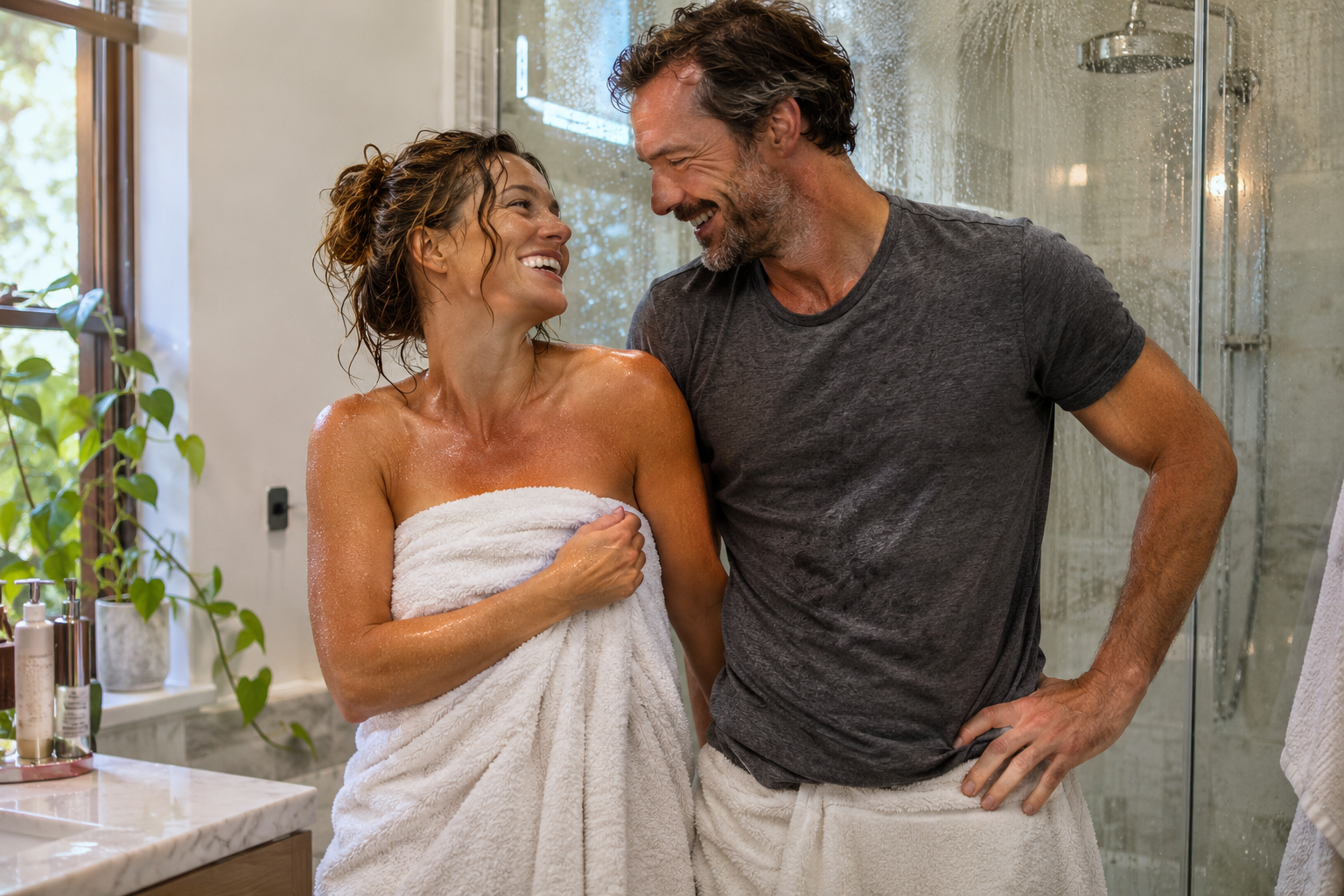
I also decided in advance what I would measure, to keep myself honest rather than just collecting warm feelings. The sleep score from my watch, an imperfect but consistent nightly number, would stand in for whether the cold was affecting my rest, and I would compare the thirty days to the month before. And I would watch the hot-water portion of the energy bill, because ending showers cold, across two adults in the household both roped into the experiment, meant measurably less hot water used, and I was curious whether it would show up in euros. Two numbers, thirty days, no grand expectations.
Week One Was Rough, Then It Was Not
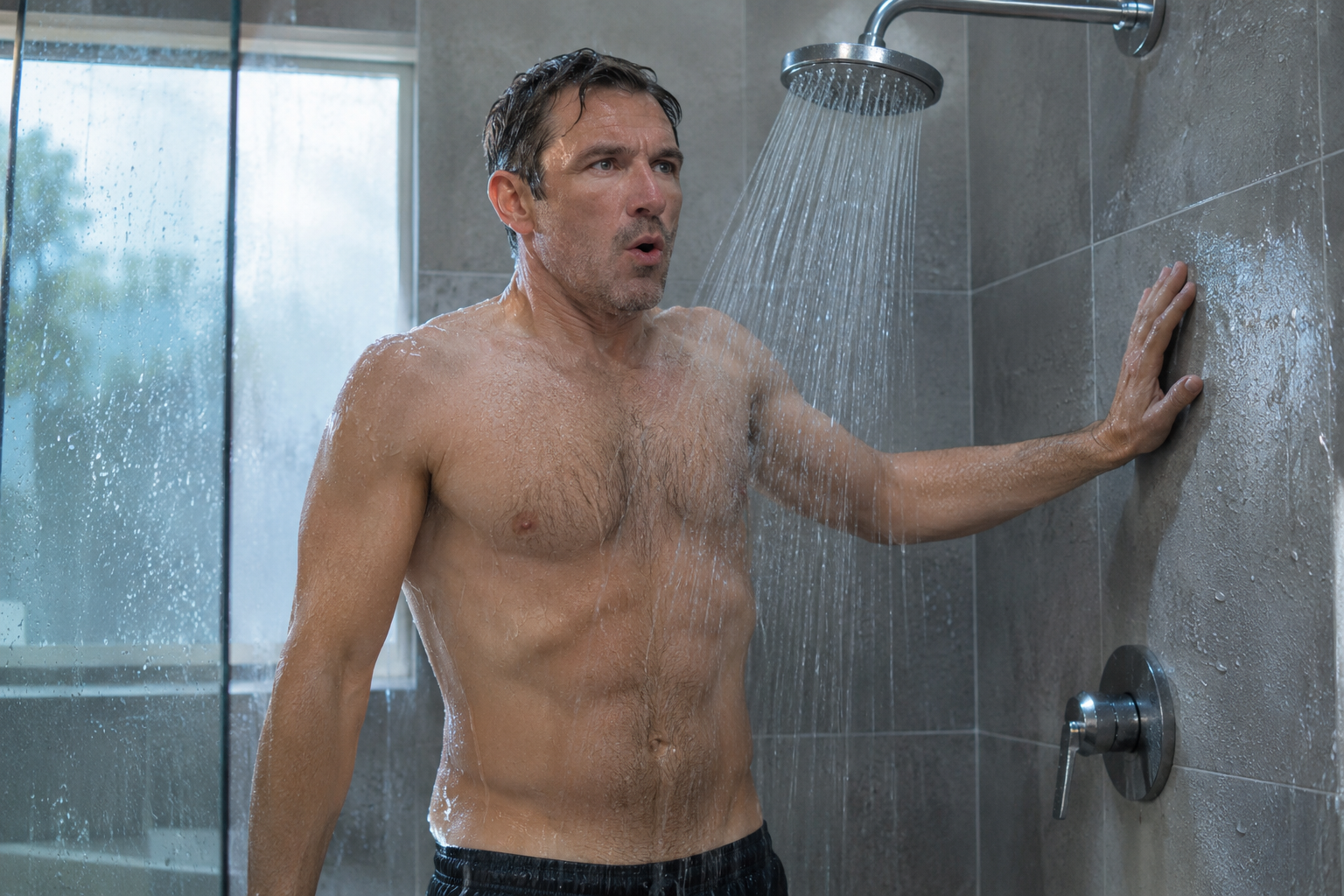
The first few days were exactly as unpleasant as you would expect, and I will not pretend otherwise. Turning the water to cold the first morning produced a genuine gasp, that involuntary sharp intake of breath and the urge to leap straight back out, and the sixty seconds felt much longer than sixty seconds. There is a real jolt to it, a whole-body alarm that does not care about your intentions, and for the first three or four days I had to talk myself into it each time and count down the seconds like a child waiting for a needle.
And then, fairly quickly, it got easier, which was the first genuinely interesting thing. By the end of the first week the gasp had softened into something I could breathe through, the dread beforehand had shrunk, and by the second week I was stepping into the cold almost matter-of-factly, bracing for a few seconds and then just standing there in it. The body adapts faster than I expected, or at least the shock does, and the thing that had felt like an ordeal on day one had become, by day ten, merely a brisk and slightly unpleasant part of the routine. That adaptation alone was a small lesson in how quickly discomfort can normalize.
By the back half of the month the cold had stopped being a big deal at all, and I noticed I had started to almost look forward to the last stretch, not because it felt good exactly but because of the way I felt right after, which was unmistakably awake and oddly cheerful. That after-effect became the thing that carried the habit, more than any number did, and it showed up reliably from early on. If there is one honest headline from the whole month, it is that the cold is far more bearable than it looks from the outside, and that the hardest part is the first week.
What the Sleep Score Did
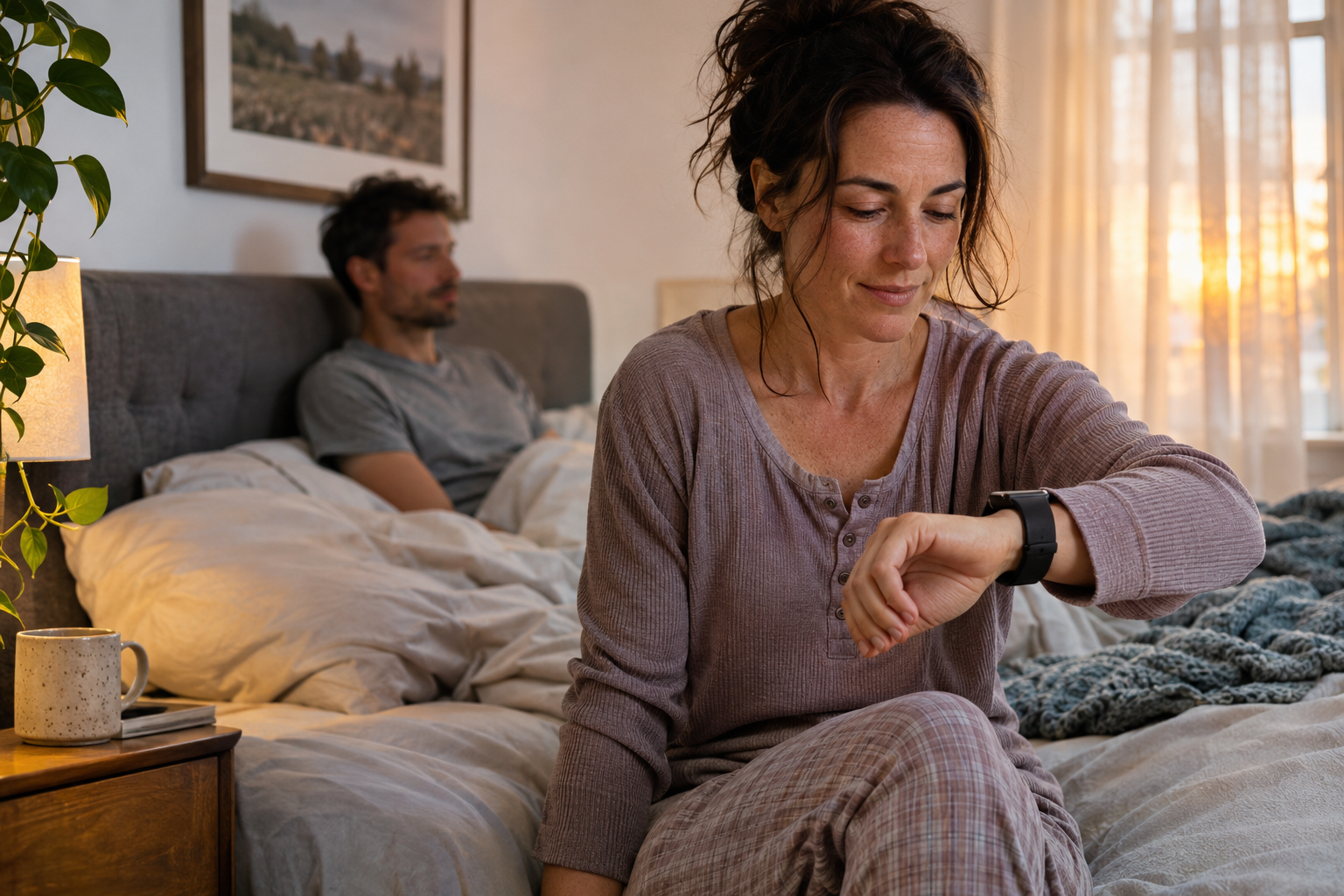
Here is where I have to be careful and honest, because the sleep data was the most ambiguous part of the experiment. Over the thirty days my average nightly sleep score ticked up slightly compared with the month before, by a handful of points, which sounds like a win until you consider how noisy that number is and how many other things affect sleep. A few points on a watch’s sleep score is well within the range of ordinary month-to-month variation, and I cannot honestly pin it on the cold showers rather than on, say, going to bed a bit earlier or a quieter few weeks at work.
What I can say with a little more confidence is subjective, that I felt more rested on waking during the experiment, and that the mornings had a briskness to them that I liked, though even that is tangled up with the alerting jolt of the cold water itself rather than necessarily better sleep. Because I showered in the morning, the cold was waking me up rather than winding me down, and the morning alertness may have had more to do with the immediate effect of cold on the nervous system than with anything that happened overnight. The timing matters, and mine was aimed at mornings, not sleep.
The honest conclusion on sleep is a shrug with a slight lean toward the positive. My numbers nudged up a little, I felt a bit more rested, and none of it is strong enough to call a real effect rather than noise or placebo, which is exactly what I would expect from the thin and mixed research on cold and sleep. If you are hoping cold showers will transform your sleep, my month gives you no grounds for that, and if you take an evening cold shower hoping to sleep better, be aware it might wake you up instead. The sleep story, in my experiment, was modest and uncertain, and I would be lying to dress it up as more.
The Heating Bill Was the Clear Winner

The number that moved most cleanly was the dull one, the heating bill, and this is the part of the experiment I can report without hedging. Ending every shower with the hot water off, across two people showering daily for a month, meant a real reduction in hot water used, and when the bill came it showed up, with the water-heating portion down a noticeable, if modest, amount compared with a typical month. It was not a dramatic windfall, we are talking a handful of euros rather than a transformed bill, but it was real and it was consistent with simple physics: water you do not heat is water you do not pay for.
What struck me was that this was the one benefit that required no belief in wellness claims at all, because it is just arithmetic. Hot water is one of the bigger energy costs in a home, and trimming even the last minute or two of heating off every shower, every day, for two people, adds up to a small but genuine saving over a month, and would add up to more over a winter. In a time when everyone in Europe has been wincing at energy bills, a habit that shaves even a little off the hot-water cost has an appeal entirely separate from what it does or does not do for your body.
I am not going to pretend the heating saving alone would justify the daily discomfort for most people, because a few euros a month is not much set against standing under cold water on a dark morning. But it was a nice, concrete, undeniable result in an experiment otherwise full of maybes, and it reframed the cold shower as something with a practical payoff and not just a wellness gamble. If nothing else, I ended the month knowing that the habit was quietly paying for itself in a tiny way, which is more than most wellness experiments can claim.
What I Actually Felt, and What the Science Says
Setting the numbers aside, the most real thing about the month was the after-effect, that reliable rush of alertness and faintly elevated mood in the minutes after the cold, which showed up almost every time and which I came to value. Whether you call it a jolt to the nervous system, a hit of the body’s stress-and-wake response, or just the sharp pleasure of warmth returning afterward, it was consistent and genuine, and it is the thing I would point to if someone asked what cold showers actually do. They wake you up and lift your mood for a while, in my experience, briskly and dependably.
This lines up reasonably well with what the actual science supports, which is more modest than the internet would have you believe. There is decent reason to think cold exposure can increase alertness and activate the body’s stress response in the short term, and many people report improvements in mood and a feeling of invigoration, which is consistent with my month. But the grander claims, that cold showers meaningfully boost immunity, melt fat, or transform health, run well ahead of solid evidence, and the research is generally small, mixed, and far from conclusive. The honest scientific picture is of a mild, mostly short-term alerting and mood effect, not a health revolution.
So I hold my own experience in that frame, taking the reliable morning lift as the real and reportable benefit, treating the slight sleep improvement as probably noise, and banking the small heating saving as a genuine bonus. The Finns, for what it is worth, pair their cold with heat and community and a whole way of life, and I would not claim my sixty cold seconds captured much of that. What I got was a brisk wake-up, a tiny lower bill, and a surprisingly keepable habit, which is a fair and unglamorous return, and exactly the kind of honest result these experiments should report rather than the transformation they are often sold as.
Who Should Be Careful
Before anyone tries this, there is a real safety note that matters, because cold-water exposure is not trivial for everyone. The sudden cold triggers a jump in heart rate and blood pressure and a sharp change in the body’s responses, and for people with heart conditions, high blood pressure, or certain other health problems, that stress can be genuinely risky. This is not a hypothetical caution, cold shock is a real physiological event, and if you have any cardiovascular condition or other health concern, you should talk to your doctor before taking up cold showers rather than assuming a shower is harmless.
For a healthy person a cold-finish shower is generally considered safe, but even then it is sensible to ease in gradually rather than plunge straight to full cold, to keep the cold portion short at first, and to stop if you feel unwell or lightheaded. I built up over the first week rather than going all-in on day one, which is the approach I would recommend, and I kept the cold to a minute or two rather than chasing ever-longer exposures. There is no prize for extremes here, and the mild version delivers whatever modest benefit is on offer without the added risk of pushing hard.
The simple rule is to treat cold exposure with respect rather than as a dare, to check with a doctor if you have any reason for concern, and to listen to your body rather than an internet challenge. My experiment was a healthy adult ending warm showers with a short cold rinse, nothing heroic, and that is the version I would point anyone toward. The cold is more bearable than it looks, but it is a real stress on the body, and the people for whom that stress is dangerous need to know it before they turn the dial.
Would I Keep It
Thirty days in, somewhat to my surprise, I have mostly kept the habit, which is probably the truest verdict I can give. Not every single shower, and not with any ideological fervor, but the cold finish has stuck around because of that reliable brisk lift afterward and because, once the first week was behind me, it stopped costing much in willpower. It turned out to be a small, cheap, slightly unpleasant thing with a real and pleasant after-effect, and that ratio was good enough to survive past the experiment.
What I would not do is oversell it, because my month gave me no reason to. The sleep benefit was too small and too uncertain to count, the health claims I went in skeptical of I remain skeptical of, and the heating saving, while real, is minor. What is left is honest and modest: a dependable morning wake-up, a tiny lower bill, a quick lesson in how fast discomfort normalizes, and a habit bracing enough to feel like something and small enough to keep. If that sounds worth a cold minute to you, it may well be, and if it does not, you are not missing a miracle.
The Finns are onto something real with their love of cold, I think, but the something is more ordinary than the wellness industry pretends, a brisk, enlivening, mood-lifting jolt rather than a cure for anything. My version was a pale, showerhead-sized imitation of their lakes and snow, and even so it delivered its small reliable lift and paid a few euros back to the heating bill. That is what thirty cold-finish showers got me, reported straight, and I would rather tell you that than sell you a transformation that neither I nor the science can honestly promise.

About the Author: Ruben, co-founder of Gamintraveler.com since 2014, is a seasoned traveler from Spain who has explored over 100 countries since 2009. Known for his extensive travel adventures across South America, Europe, the US, Australia, New Zealand, Asia, and Africa, Ruben combines his passion for adventurous yet sustainable living with his love for cycling, highlighted by his remarkable 5-month bicycle journey from Spain to Norway. He currently resides in Spain, where he continues sharing his travel experiences with his partner, Rachel, and their son, Han.