
Walk into the kitchen of almost any Italian family and you will find the same thing simmering on the stove or sitting in a jar in the pantry, a cooked tomato sauce, eaten most days of the week, year after year, decade after decade. For the Italian man now in his seventies or eighties, a plate of pasta with a simple tomato sugo, or a dish cooked down in passata, has been a near-daily fact of life since childhood, so ordinary that nobody thinks of it as a health habit at all. And yet that humble, lifelong habit of eating cooked tomatoes, rich in a compound called lycopene, is exactly the dietary pattern that researchers studying prostate health have been circling for years, because the observational evidence has long hinted that men who eat a lot of cooked tomato may face a modestly lower risk of prostate trouble.
It is worth being honest right at the start that this is not a brand-new discovery, despite how it is sometimes framed, because the link between tomato, lycopene, and the prostate has been studied since at least the 1990s, and the picture it paints is suggestive rather than settled. What is genuinely interesting is how neatly a traditional Italian eating habit lines up with what that research points toward, and how the specifics of how Italians eat their tomatoes, cooked and with olive oil, turn out to matter a great deal. Here is what the habit actually is, what is in a cooked tomato that draws the interest, what the research does and does not show, and how to borrow the habit sensibly. This is general information about diet and is not medical advice, a diagnosis, or a substitute for screening and your doctor’s care.
The Habit Itself
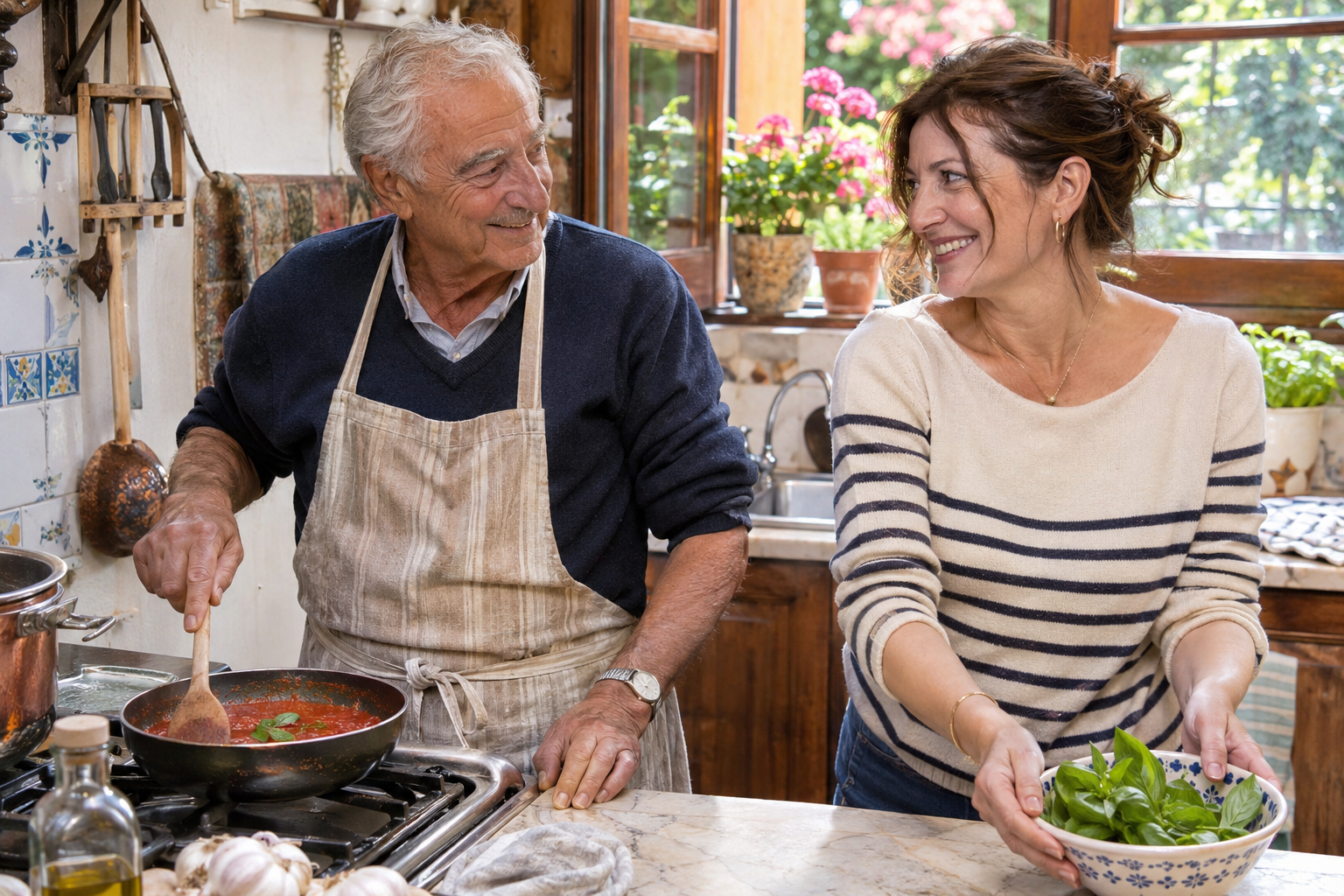
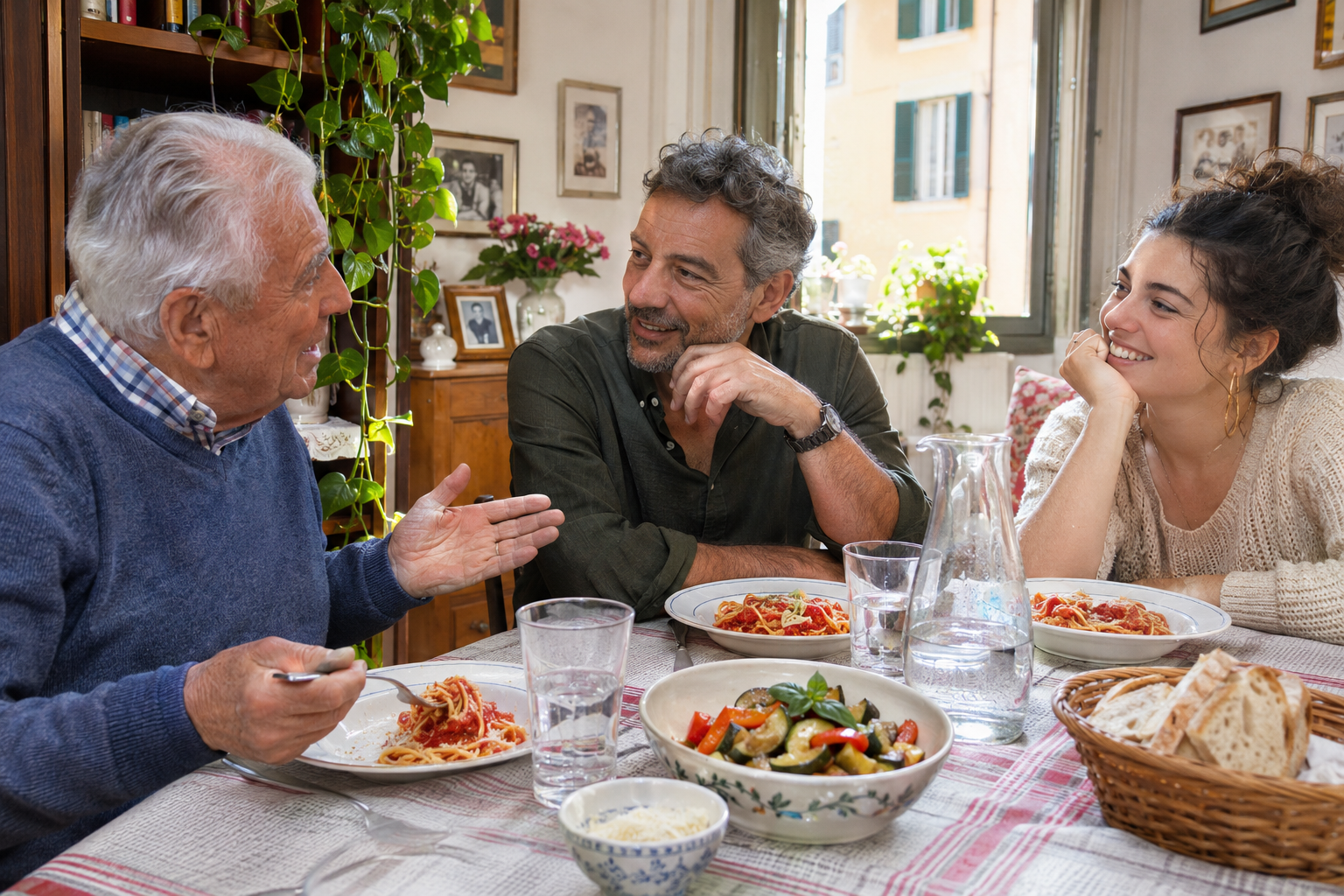
The habit could hardly be simpler, and that is part of its appeal: Italian men eat cooked tomato, most days, for their whole lives. It arrives as the sugo on the pasta, the passata a dish is braised in, the concentrato stirred into a stew, the tomato cooked down with onion and oil into the foundation of countless meals. It is not a supplement, not a special regimen, not something anyone sets out to do for their health, it is simply the backbone of how Italian home food is built, present at the table so consistently that it becomes a lifelong pattern without anyone deciding on it.
The crucial detail, the one that turns out to matter most, is that the tomato is almost always cooked and almost always eaten with fat, typically olive oil. The Italian does not generally get their tomato as a raw slice in a salad, important though that is too, but as a sauce that has been simmered, often for a good while, and enriched with oil. This is the traditional form, the tomato transformed by heat and paired with fat, and as we will see it is precisely this form that the research suggests makes the lycopene inside the tomato most available to the body.
So when we talk about the prostate habit of older Italian men, we are really talking about this specific, ordinary thing, the daily plate of cooked, oil-dressed tomato that has been Italian comfort food forever. There is nothing exotic or effortful about it, no expensive ingredient or special preparation, just the sauce that was always going to be on the stove anyway. That ordinariness is exactly why it is such an easy habit to understand and, for anyone inclined, to adopt, because it asks for no sacrifice and no novelty, only a sauce that much of the world already loves.
What Is Inside the Tomato
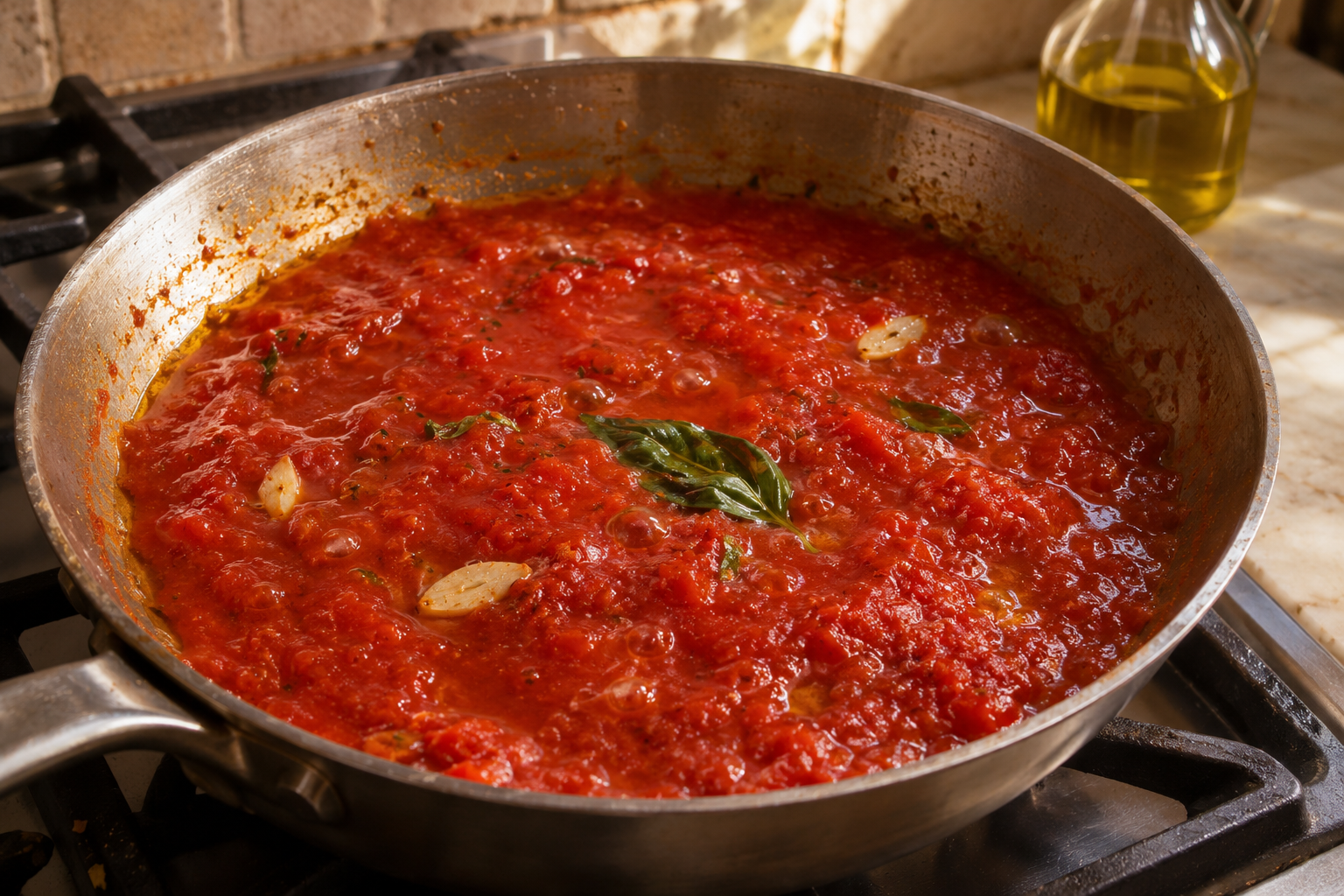
The compound that draws all the attention is lycopene, the pigment that gives tomatoes their deep red color and a member of the carotenoid family, the same broad group as the beta-carotene in carrots. Lycopene is an antioxidant, meaning it helps mop up the reactive molecules that can damage cells over time, and it happens to concentrate in certain tissues of the body, including the prostate, which is part of why researchers interested in prostate health kept coming back to it. The tomato is far and away the biggest source of lycopene in most people’s diets, which is why tomato intake and lycopene intake tend to rise and fall together in the studies.
Here is the part that makes the Italian way of eating tomato so relevant. Lycopene becomes much more available to the body when the tomato is cooked, because heat breaks down the plant cell walls and changes the lycopene into a form the body absorbs more readily, so a cooked sauce delivers more usable lycopene than the same amount of raw tomato. And because lycopene is fat-soluble, eating it with fat, such as the olive oil in a sauce, further improves how much the body takes up. The traditional Italian preparation, simmered tomato with olive oil, is almost a textbook method for maximizing lycopene absorption, as though the cuisine had stumbled onto the optimal delivery system centuries before anyone knew what lycopene was.
This is why a piece about tomatoes and the prostate is really a piece about cooked tomatoes specifically, and why the distinction matters so much. A raw tomato is a fine and healthy thing, but it is the cooked, oil-dressed sauce that concentrates and delivers the lycopene most effectively, and it is that form that dominates the traditional Italian diet and the studies that look at it. The habit and the science point to the same plate, the simmered red sauce glistening with a little oil, which is a satisfying convergence of tradition and biochemistry.
What the Research Actually Shows

Now the honest accounting, because this is where care matters most and where overstatement does real harm. A number of observational studies, going back decades, have found that men who consume more tomato products and more lycopene tend to have a somewhat lower risk of prostate cancer, and reviews pulling these studies together have reported a modest protective association, often stronger for cooked tomato products than for raw. Major cancer-research bodies have noted this pattern, and it is a real and repeatedly observed signal in the data, not something invented for a headline.
But the signal comes with heavy and important qualifications. These are largely observational studies, which can show that tomato eating and lower prostate risk travel together but cannot by themselves prove that the tomato is the cause, because men who eat lots of cooked tomato may differ in many other ways, in their whole diet, their activity, their habits, that also affect risk. When researchers have run more rigorous trials of lycopene or tomato supplements, the results have been mixed and often disappointing, with several failing to show the clear benefit the observational data hinted at. The careful summary is that the evidence is suggestive but not conclusive, a plausible and much-studied association rather than a proven preventive effect.
So the truthful framing is not that cooked tomatoes prevent prostate cancer, which no responsible reading of the research supports, but that a diet rich in cooked tomato is associated with modestly lower risk in many studies, as part of a broader healthy dietary pattern, and that this is a reasonable and harmless thing to lean into while nobody should treat it as protection. It is also worth saying plainly that this research is not new, having been actively studied since the 1990s, so the idea that anyone is “only now” looking at it overstates the case, even if interest continues and the questions are not fully resolved. The habit is worth knowing about, and it is an easy and pleasant one to adopt, but it belongs in the category of sensible eating, not medicine.
The Mediterranean Context
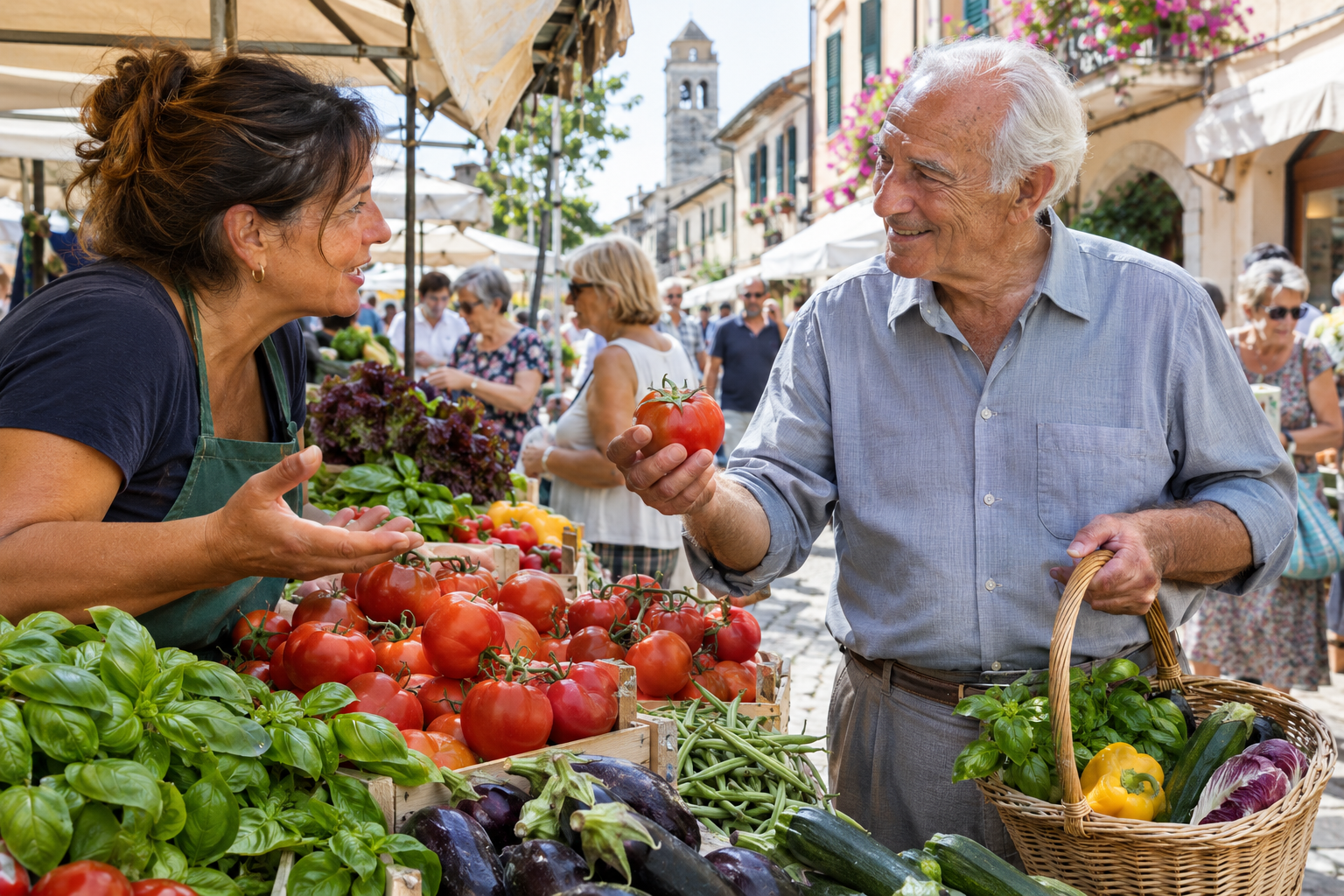
The cooked-tomato habit does not sit alone, and it is a mistake to pull it out of the diet it belongs to and treat it as a single magic ingredient, because its real home is the whole Mediterranean pattern of eating. The Italian man eating his daily sugo is also eating plenty of vegetables, legumes, fish, olive oil, and whole grains, drinking moderately, and often staying physically active well into old age, and it is this entire pattern, repeatedly linked to better health and longevity, that forms the backdrop. The tomato is one bright thread in a larger, well-studied fabric of healthy eating.
This matters because it guards against the false hope that any one food can do the heavy lifting, a hope that food marketing loves to sell and that rarely survives contact with the evidence. The lesson of the Mediterranean research is consistently about the overall pattern, the sum of many good habits eaten over a lifetime, rather than any single hero ingredient, and the cooked tomato is best understood as a reliable, pleasant member of that pattern rather than a standalone shield. Men who eat a lot of cooked tomato as part of a Mediterranean diet are doing many things right at once, and untangling the tomato from the rest is largely artificial.
Seen in that light, the appeal of the habit is not that it is a cure but that it is an easy, enjoyable part of a way of eating that is good for you in the round. Building meals around a simmered tomato sauce, vegetables, olive oil, and whole grains is simply a sound and delicious approach to food, one that happens to align with a great deal of health research, and the tomato’s possible specific benefit for the prostate is a modest bonus on top of a pattern that is worth adopting anyway. That is a far more honest and more useful way to think about it than chasing lycopene as if it were a drug.
How to Borrow the Habit
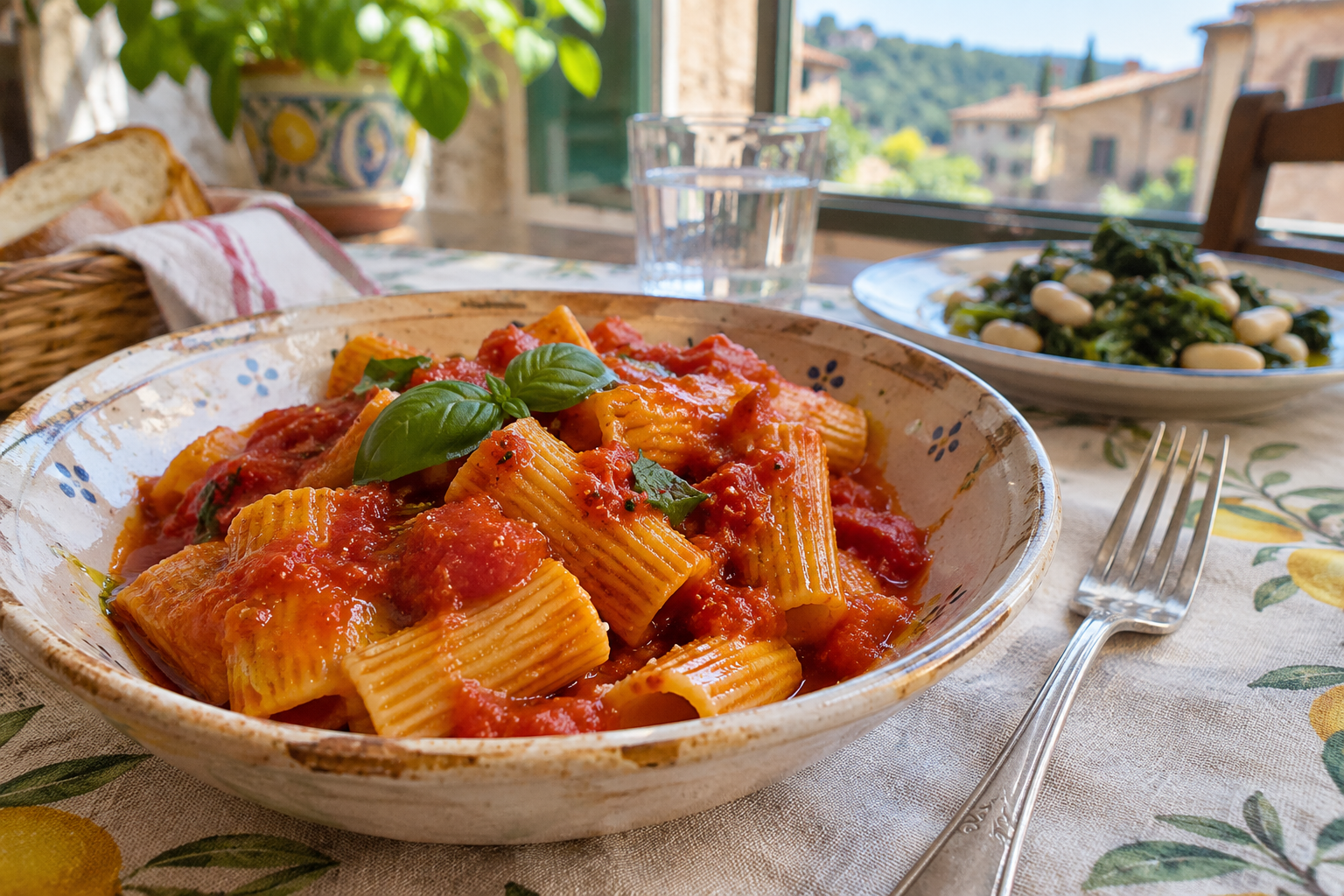
If you want to eat the way those older Italian men do, the method is pleasant and undemanding, and it comes down to making cooked tomato a regular, easy part of your meals. A basic tomato sauce is one of the simplest things in the kitchen, and once it is part of your routine it carries you through pasta, braised vegetables, eggs, fish, beans, and much else. The key is to honor the two details the research points to, that the tomato be cooked and eaten with a little olive oil, which is exactly how the traditional sauce is made anyway.
Here is the plain version Italian families have made forever. Warm a few tablespoons of olive oil in a pan with a clove or two of sliced garlic, or a little chopped onion, over gentle heat until fragrant but not browned. Add a can of good tomatoes or a jar of passata, season with salt, and let it simmer gently for twenty to thirty minutes, stirring now and then, until it thickens and deepens in flavor, adding a torn basil leaf near the end if you have it. That is it, a sauce for pasta, a base for braising, a thing to spoon over almost anything, cooked and oil-dressed in the way that makes its lycopene most available, and cheap and quick enough to make a habit of.
The point is not to force down tomatoes as medicine but to let a genuinely good sauce become a normal fixture of how you eat, the way it is in Italy, so that the habit sustains itself because the food is a pleasure. Keep a jar of passata and a can of tomatoes in the cupboard, make the sauce often, build meals around it alongside vegetables and olive oil, and you will have adopted the Italian pattern in the only way that lasts, by eating well rather than by dosing. If the research is right that there is a modest prostate benefit in it, you will have gained that too, as a quiet extra on top of a way of eating that is worth it on its own.
Why Not Just Take a Supplement
A reasonable question, faced with all this, is why anyone would bother with sauce when you could simply swallow a lycopene pill, and the answer is one of the more honest and interesting parts of the story. When researchers have tested isolated lycopene or tomato supplements in trials, the results have been notably mixed and often underwhelming, frequently failing to deliver the benefit the food studies hinted at, which is a recurring pattern across nutrition science. Pulling a single compound out of a whole food and putting it in a capsule often does not reproduce whatever the food was doing.
This is part of why the sensible lesson points back to the food and the pattern rather than to a supplement, because the benefit, to whatever extent it is real, appears to belong to eating cooked tomato as part of a whole diet, not to a purified extract taken as a pill. The Italian man’s advantage, if he has one, comes from a lifetime of real sauce eaten with real meals, not from a bottle, and the attempts to shortcut that with supplements have largely disappointed. It is one more reason to treat this as a matter of how you eat rather than something to buy, which is both cheaper and, on the evidence, more sensible.
What This Is Not
It must be said as clearly as possible that none of this is a reason to lean on tomatoes instead of proper medical care, because that confusion is where diet writing can do genuine harm. Eating cooked tomato is not a treatment for any prostate condition, not a substitute for screening, and not a reason to skip the conversations about prostate health that men should be having with their doctors as they age. Prostate cancer and other prostate problems are medical matters, and decisions about screening, monitoring, and treatment belong with a physician who knows your history, not with a jar of passata.
The sensible place for the tomato habit is as one small, pleasant part of a healthy life, held alongside, and never in place of, regular medical care and whatever screening you and your doctor decide is right for you. If you have concerns about your prostate, symptoms, or a family history, those are reasons to see a doctor, not to eat more sauce, and anyone who tells you a food can stand in for medical attention is leading you astray. The honest value of the Italian habit is real but modest, a good way of eating that may carry a small bonus, and keeping it in that proportion is what makes it genuinely worth adopting.

About the Author: Ruben, co-founder of Gamintraveler.com since 2014, is a seasoned traveler from Spain who has explored over 100 countries since 2009. Known for his extensive travel adventures across South America, Europe, the US, Australia, New Zealand, Asia, and Africa, Ruben combines his passion for adventurous yet sustainable living with his love for cycling, highlighted by his remarkable 5-month bicycle journey from Spain to Norway. He currently resides in Spain, where he continues sharing his travel experiences with his partner, Rachel, and their son, Han.