
The dream is so vivid it almost sells itself: a stone house in a village in the south, a morning market, a glass of wine in the afternoon light, the long slow French lunch, a retirement spent in the most romanticized country on earth. A great many American retirees chase that dream to France every year, and a quietly significant share of them are gone within about three years, back home or off to somewhere easier, the stone house sold, the adventure folded up. It is not that France failed them, exactly. It is that the brochure version of France and the lived version are different places, and the gap between them wears certain people down in a way nobody warned them about.
This is not an argument against France, which remains one of the great places in the world to live and which countless expats love for the rest of their lives. It is an honest account of the five reasons that most often send American retirees home, the frictions that do not appear in the glossy relocation features, so that anyone dreaming the dream can go in with clear eyes and decide whether these are frictions they can live with.
Knowing them in advance is the difference between being blindsided in year two and being prepared. Here are the five, drawn from what departing expats actually say. This is general information, not legal, tax, or relocation advice.
Why It Tends to Be Three Years
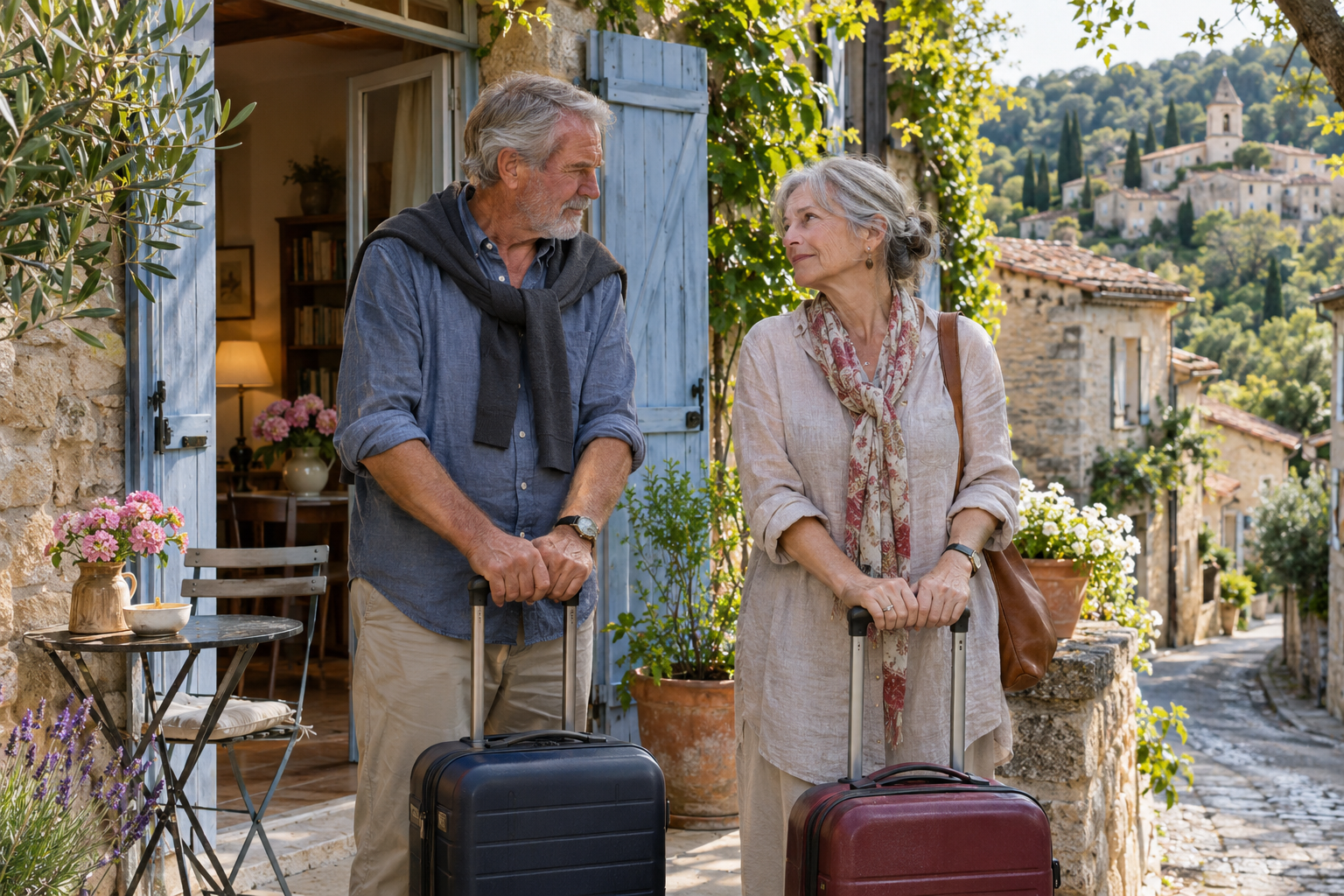
Before the reasons, it is worth understanding the timing, because the three-year pattern is not random but follows a predictable emotional arc that catches people off guard. The first year is the honeymoon, absorbing and novel, when every market and every croissant is a small delight and the frictions feel like charming quirks or temporary teething trouble. The dream is still largely intact, and the problems have not yet accumulated into anything heavy.
The second year is when reality settles in. The novelty fades, the bureaucracy stops being quaint and starts being a grind, the language gap that seemed surmountable has not closed, and the social life that was going to blossom has not quite bloomed. The frictions that were charming in year one are simply tiring in year two, and the distance from home begins to weigh.
By the third year, the accumulated weight forces a reckoning, and the couple who are not thriving can no longer tell themselves it is early days. This is the point at which people either commit for the long haul, having made their peace with the frictions and built a real life, or conclude honestly that it is not working and go home. The three-year mark is where the honeymoon math finally comes due.
One: The Bureaucracy Never Ends
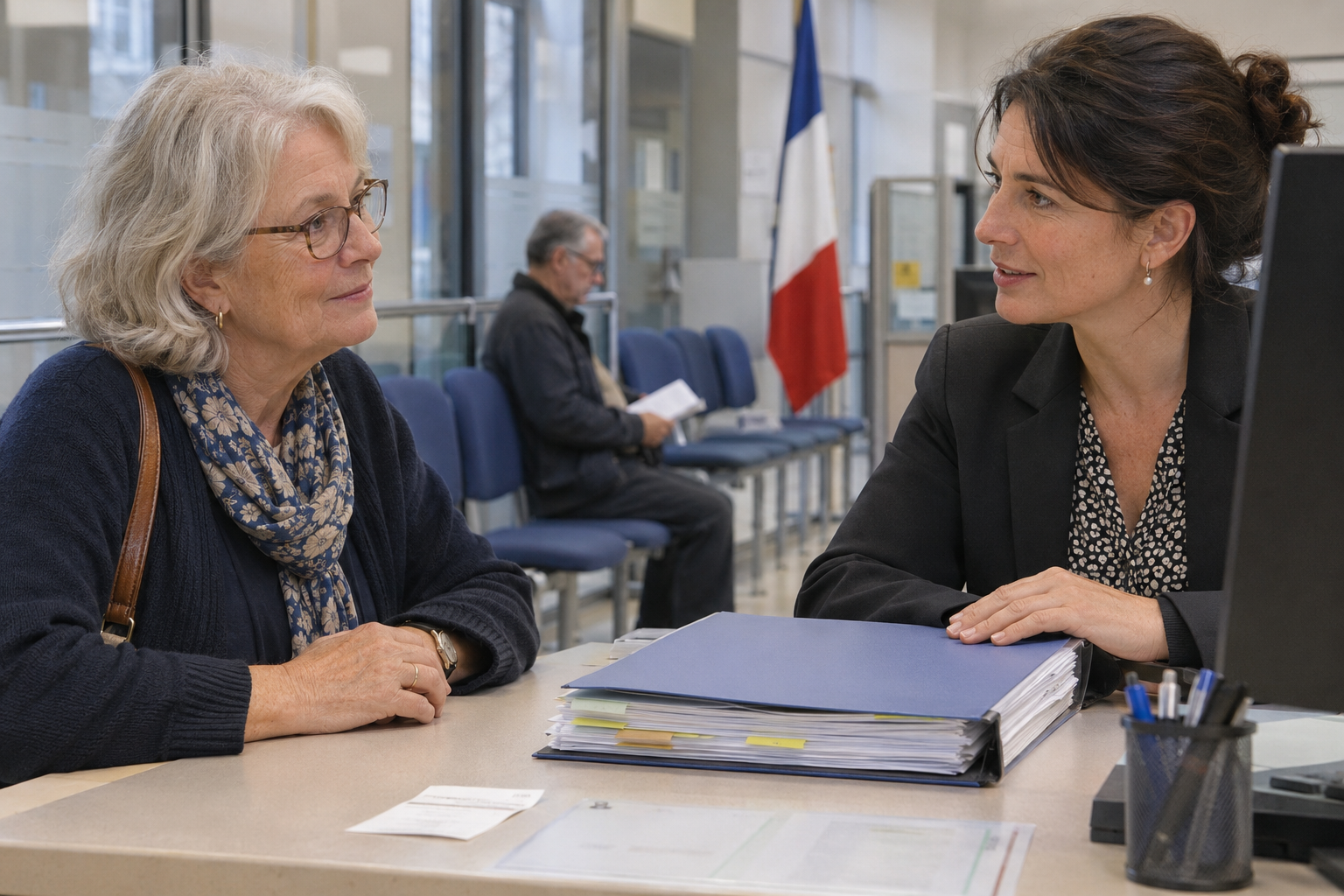
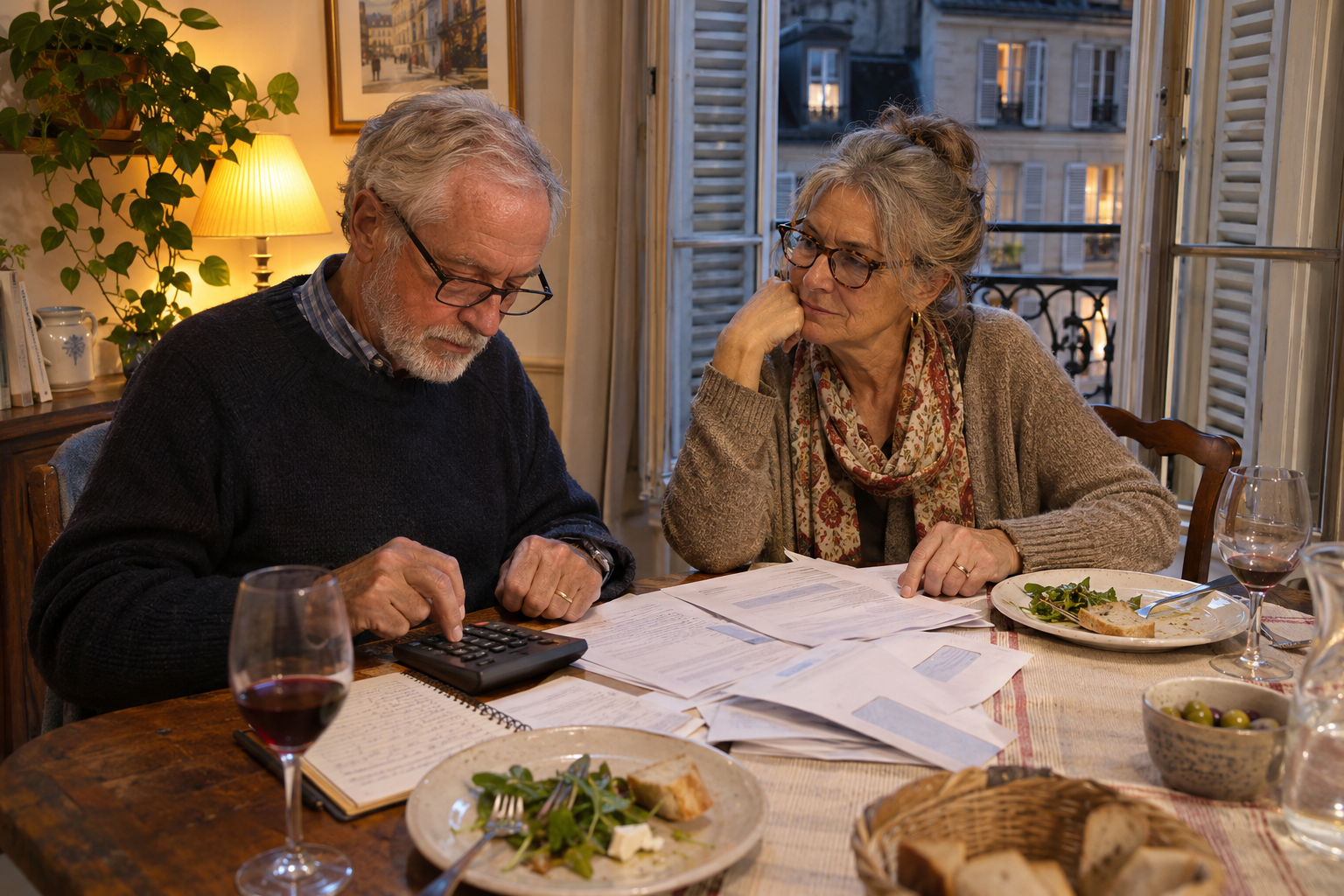
If you ask Americans who left France what finally did it, the answer that comes up more than any other is the bureaucracy, and it is impossible to overstate how central this is to the experience of living there. France runs on paperwork, on official documents, on formal procedures, on offices and appointments and stamped forms, to a degree that astonishes Americans, and for a foreigner the volume of administration is relentless. Nothing is quite as simple as it should be, and everything seems to require a document you do not have, certified in a way you did not expect.
The residency process is the heart of it. The carte de sejour, the residence permit, must be applied for and then renewed on a cycle, and each renewal means assembling a thick dossier of documents, securing an appointment that may be weeks or months out, and navigating a system conducted entirely in French and governed by rules that can seem to shift between offices and officials. Beyond residency, the same formality attaches to opening a bank account, setting up utilities, registering with health care, and a dozen other ordinary tasks, each a small administrative project. The paperwork is not a one-time hurdle at the start but a permanent feature of life.
For some people this is merely annoying, a background hum they learn to manage, but for others it becomes genuinely grinding, a steady drain of time, energy, and morale that slowly poisons the dream. The retiree who imagined long lazy afternoons instead finds themselves spending them gathering documents for an appointment at the prefecture, and the accumulation of these frictions, year after year, is the single most common reason the dream curdles. The bureaucracy does not have to defeat you, but you have to be the kind of person who can shrug it off, and not everyone is.
Two: The Language Is Not Optional
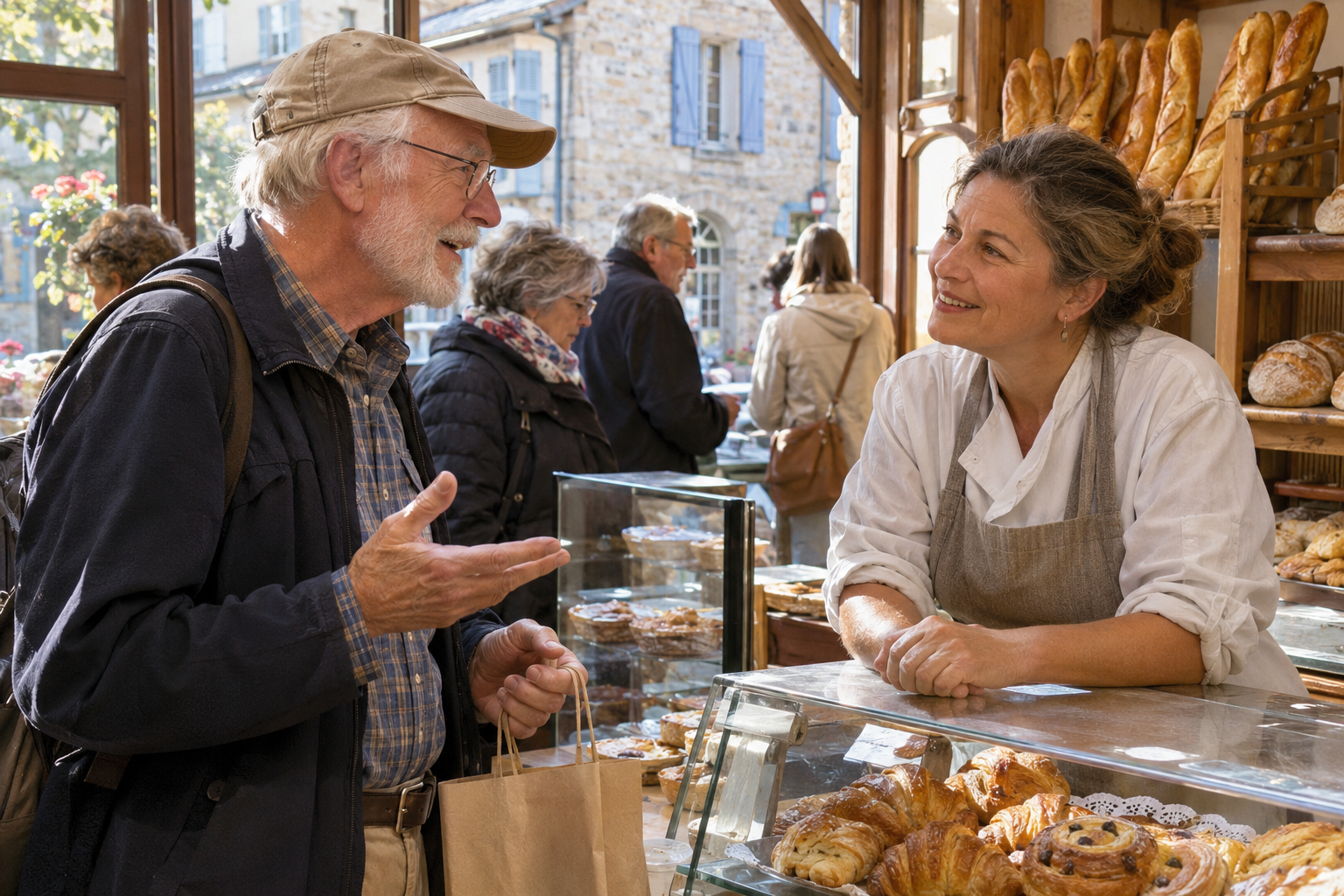
The second reason is the language, and specifically the gap between the casual assumption that you will pick up French and the reality of how much France expects of you. France is less accommodating to non-French-speakers than some other European countries, and outside the most touristed spots, daily life, the administration, the doctor, the neighbors, the shopkeepers, is conducted in French and expects you to meet it there. The notion that you can get by comfortably on English for years is, in most of France, simply not true.
This matters more than newcomers expect because it touches everything. The bureaucracy that already grinds is far worse in a language you do not command, the healthcare harder to navigate, the social life thinner, the daily errands more effortful. And France has a cultural attachment to its language that means the effort to speak French is not just practical but social, a sign of respect that opens doors and whose absence quietly closes them. The retiree who does not learn French does not just struggle with forms, they remain permanently on the outside of the life around them.
Learning a new language well in one’s sixties or seventies is genuinely hard, and while it is far from impossible, it takes sustained effort that not everyone anticipated signing up for. Many arrive imagining they will absorb French by osmosis, discover that they do not, and find themselves two years in still unable to hold a real conversation, isolated and frustrated. The language barrier compounds every other difficulty, and for those who cannot or will not climb it, it becomes a wall between them and the country they moved to, and eventually they go home to a place where they can simply talk to people.
Three: Breaking Into French Life Is Hard
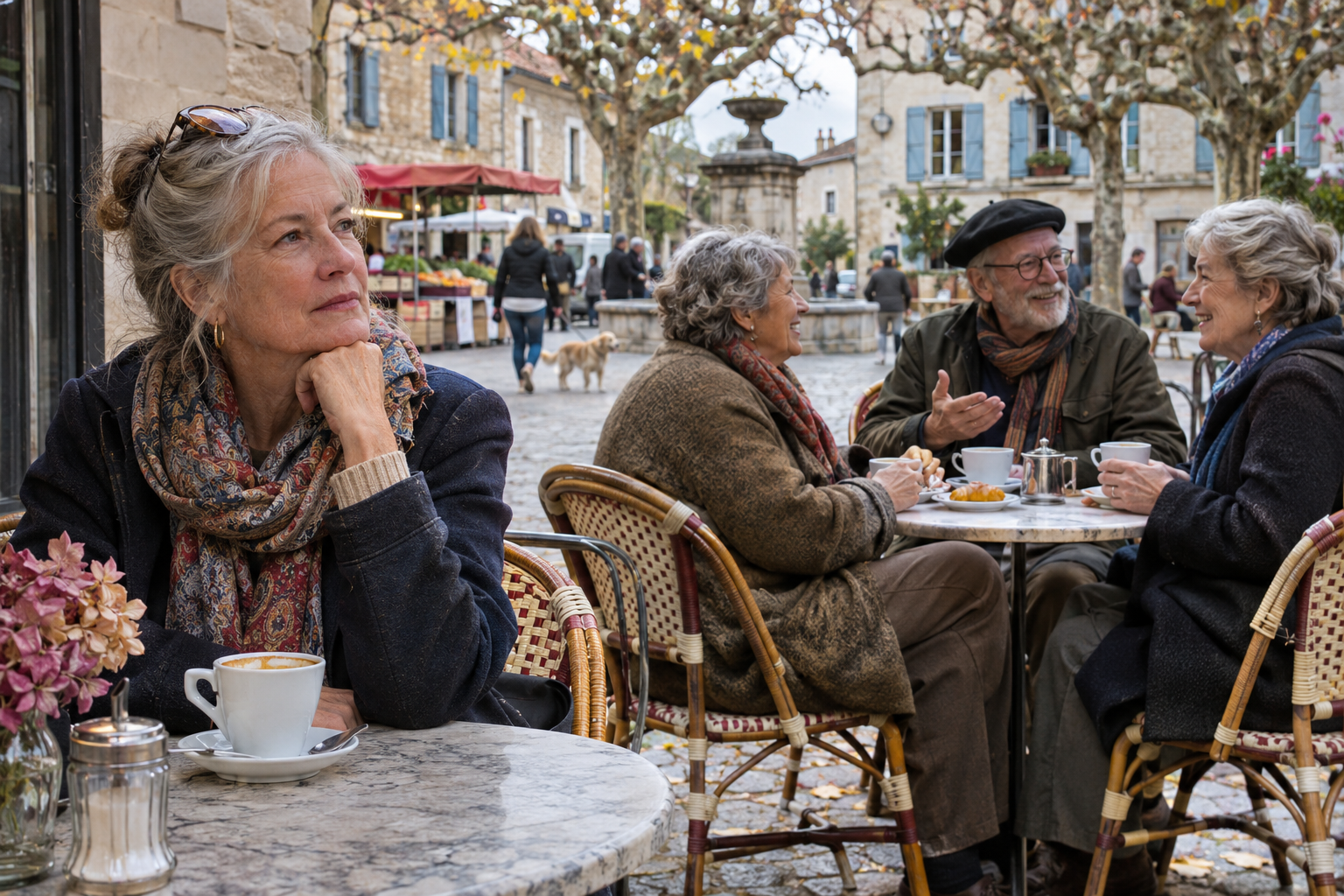
The third reason is social, and it is the one that aches the most, the difficulty of actually integrating and making friends in France. The French are often warm once you are in, but they can be formal and reserved with outsiders, and French social circles, especially in long-settled communities, can be hard for a newcomer to penetrate. Friendships form slowly, through long acquaintance and shared history, and an older foreign couple arriving from abroad can find themselves on the outside of a social world that was complete before they got there.
This produces a particular and painful kind of isolation. The retiree pictured a rich social life among charming new French friends and instead finds that, two years in, their real friendships are few, that they are polite acquaintances with their neighbors but intimate with none, and that the warmth they imagined has not materialized the way they hoped. Combined with the language barrier, which makes deep connection harder still, the social thinness can leave people lonely in paradise, surrounded by beauty but short on the human connection that actually sustains a life.
It is worth saying that this is not universal, and plenty of expats do build real French friendships and rich local lives, often precisely those who learned the language and stayed long enough for the slow friendships to form. But it takes time, effort, and a temperament suited to patience, and for those who need a fuller social life sooner than France provides it, the loneliness becomes a decisive reason to leave. People can endure a great deal of bureaucratic friction if they feel they belong, and conversely the most beautiful village in France is unbearable if you feel alone in it, so the social reason often is the real reason underneath the practical complaints.
Four: The Money Is More Complicated Than It Looks
The fourth reason is financial, and it is more nuanced than the simple assumption that France is expensive, though the cost of living is real, especially in Paris, the Riviera, and the desirable corners where many dream of landing. France is not a cheap-retirement country in the way parts of Portugal, Spain, or Southeast Asia are, and a retiree who did not budget honestly can find their money stretched thinner than expected once the true cost of the life becomes clear.
The surprises tend to live in the details rather than the headline. France levies social charges and taxes that can catch out the unprepared, and owners of valuable property can meet the IFI, the wealth tax on real estate, which is exactly the kind of cost that is easy to overlook until it arrives. It is worth being fair and accurate here, because one piece of the picture actually favors Americans: under the United States and France tax treaty, US-source retirement income such as Social Security and pensions is generally treated favorably for American retirees in France, so the specific fear of being taxed twice on a US pension is often overblown. The money problem is less about that and more about the general expense and the web of French charges and complexity that surround it.
What pushes people out is usually the combination of real cost and real complexity, the sense that the money does not go as far as the dream implied and that the financial admin, like all French admin, is dense and demanding. A retiree who arrives expecting a cheap, simple financial life and meets an expensive, complicated one can feel the ground shift under their plan, and when the money worry stacks on top of the bureaucracy, the language, and the isolation, it can tip the balance toward home. The honest lesson is to get real French tax and cost advice before moving, because the money in France rewards preparation and punishes assumption.
Five: The Pull of Home and Family
The fifth reason is the most human and often the most decisive, the simple pull of home, and above all of family. An ocean is a long way from grandchildren, and the retiree who moved to France in the first flush of adventure can find, two or three years in, that the distance from children and grandchildren has become the central ache of their life. Milestones missed, the grandchildren growing up in photographs, the long expensive flights, the time-zone gap that makes even a phone call awkward, all of it accumulates into a homesickness that beauty cannot cure.
This pull often strengthens precisely as the novelty of France fades. In the first year the adventure is fresh and absorbing, but as the shine wears off and the daily frictions set in, the things left behind start to weigh more heavily, the family, the old friends, the familiar culture, the ease of a place where you understand how everything works and can talk to anyone. A grandchild’s birth, an aging parent’s decline, or simply the slow realization that the people who matter most are far away can turn a wonderful French life into one that feels, suddenly, like the wrong place to be.
Homesickness is not a failure of character, and leaving for family is not giving up, which is worth saying plainly because departing expats often feel they have to justify it. Many people discover, only by living abroad, that proximity to family matters to them more than they knew, and there is wisdom, not weakness, in acting on that discovery. For a great many of those who leave France within a few years, the practical frictions were real but survivable, and the thing that actually brought them home was the heart, the understanding that a beautiful life far from the people you love is not, in the end, the life they wanted.
Going In With Clear Eyes
None of these five reasons means you should not retire to France, and it would be a mistake to read this as a warning off, because France at its best is sublime and many Americans build deeply happy lives there and never look back. The point is that the ones who thrive tend to be the ones who went in knowing what they were taking on, prepared for the bureaucracy, committed to the language, patient with the slow friendships, honest about the money, and clear-eyed about the distance from home. The dream works best when it is not only a dream.
The ones who leave, by contrast, are very often the ones who believed the brochure, who imagined France as an effortless idyll and were unprepared for the friction underneath the beauty. The frictions did not surprise them because France is bad, but because nobody had told them the truth, and the gap between expectation and reality is what broke them rather than the reality itself. Someone who expects the paperwork, plans for the language, and understands the pull of home can meet all five of these and stay, while someone who expected none of them can be undone by any one.
So if France is your dream, dream it fully, but plan it honestly. Learn some French before you go and keep learning it. Budget for the real cost and get proper tax advice. Steel yourself for the bureaucracy and treat it as the price of admission.
Think hard, in advance, about how far you can bear to be from your family, and perhaps keep a foot at home until you are sure. Do all of that, and France may be the great adventure of your life. Skip it, and you may be one more American couple quietly selling the stone house in year three, wiser but sadder, heading home.

About the Author: Ruben, co-founder of Gamintraveler.com since 2014, is a seasoned traveler from Spain who has explored over 100 countries since 2009. Known for his extensive travel adventures across South America, Europe, the US, Australia, New Zealand, Asia, and Africa, Ruben combines his passion for adventurous yet sustainable living with his love for cycling, highlighted by his remarkable 5-month bicycle journey from Spain to Norway. He currently resides in Spain, where he continues sharing his travel experiences with his partner, Rachel, and their son, Han.