
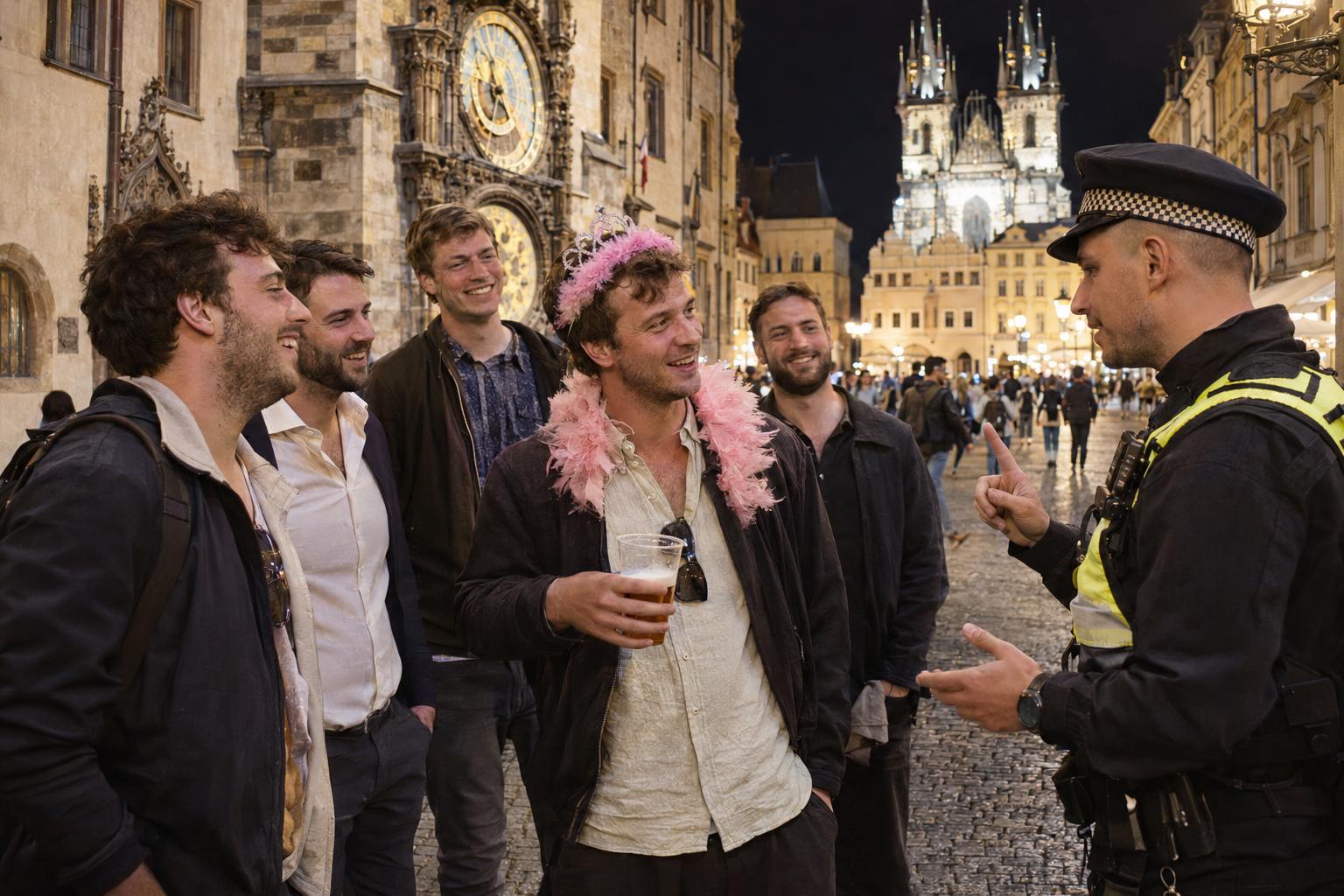
For decades, Prague was the stag party capital of Europe. The Czech capital, with its fairy-tale old town and its famously cheap, famously excellent beer, drew planeloads of rowdy bachelor and bachelorette groups, mostly British, who came for one thing: to drink the historic center dry at a price that seemed almost too good to be true. Beer cheaper than water, a beautiful backdrop, and a night that never seemed to end.
And then the city that is more associated with beer than almost anywhere on earth decided it had had enough. Prague has cracked down on the drunken tourism that made its reputation, banning drinking in its streets and shutting down the late-night pub crawls, in a determined effort to shed its image as a place you fly to purely to get hammered.
It is a striking move for a city in the world’s most beer-loving country, and it comes in two parts, both aimed squarely at the stag-party scene. Here is what Prague has actually banned, why the beer capital turned on its drinkers, what is still perfectly allowed, and how to enjoy Prague’s genuinely wonderful beer culture without a fine.
The Street-Drinking Ban
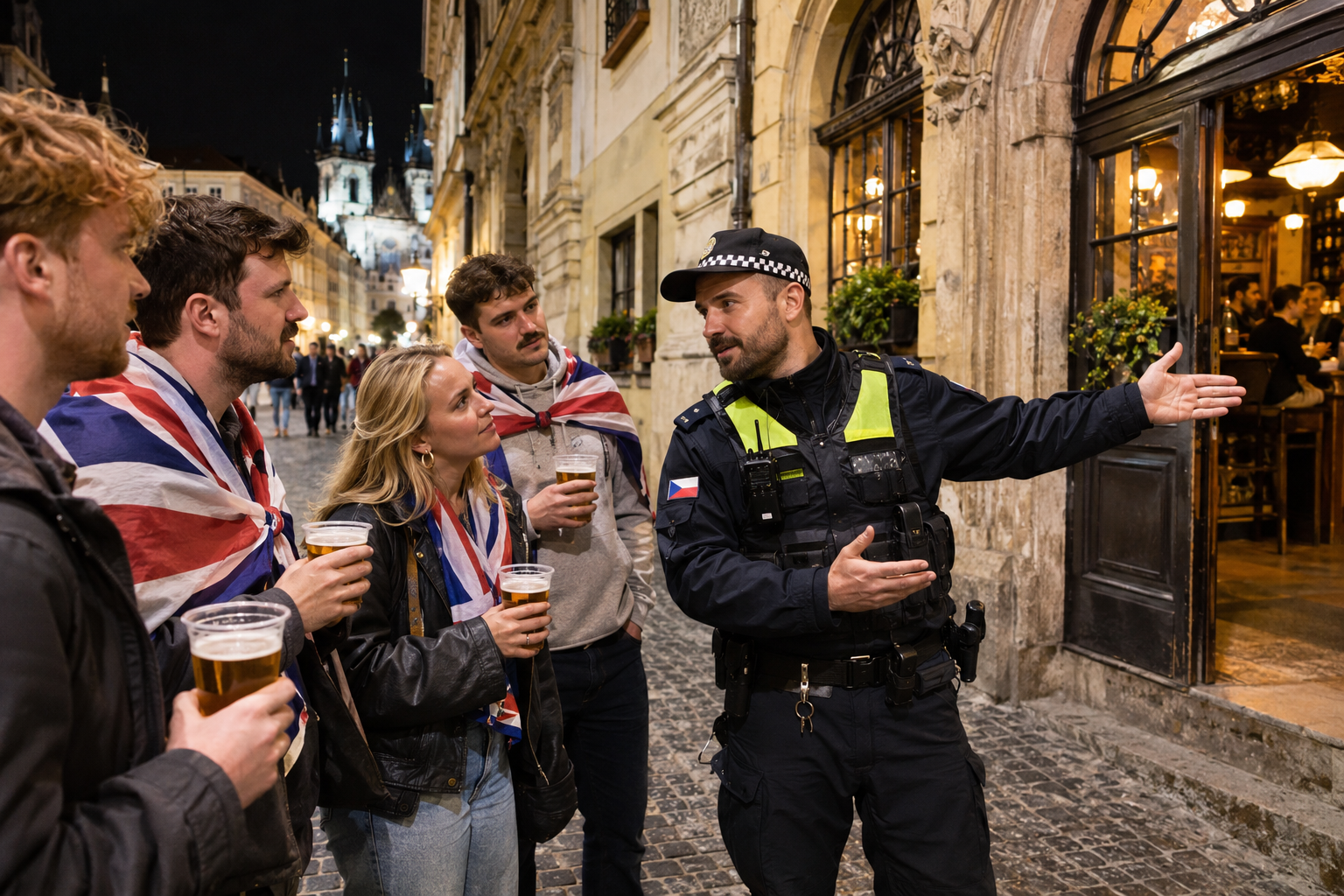
The first part of the crackdown targets drinking in public, and it is more extensive than most visitors realize. Prague has designated a large number of no-drinking zones across the city, hundreds of streets, squares, and parks where consuming alcohol in public is simply banned.
The restrictions blanket the places where the problem is worst. The bans cover over eight hundred locations, concentrated heavily in the historic center and around the things a city wants to protect, schools, playgrounds, transit stops, and major monuments, as well as notorious party streets in the center. Get caught drinking from an open container in one of these zones and the police will make you pour it out on the spot and issue a fine, up to around a thousand koruna, and the old trick of wrapping the bottle in a paper bag will not save you, because an open container counts as drinking regardless of how it is concealed.
The effect is that the casual street-drinking that fueled so much of the rowdy nightlife, the groups roaming the old town with open beers between bars, is now against the rules across much of the center. You cannot simply wander the historic streets drinking, which was a big part of the stag-party experience. The marked zones, often indicated by signs, draw a clear line: alcohol belongs in the bars and on the licensed terraces, not loose in the public streets of the city center.
The Pub Crawl Ban
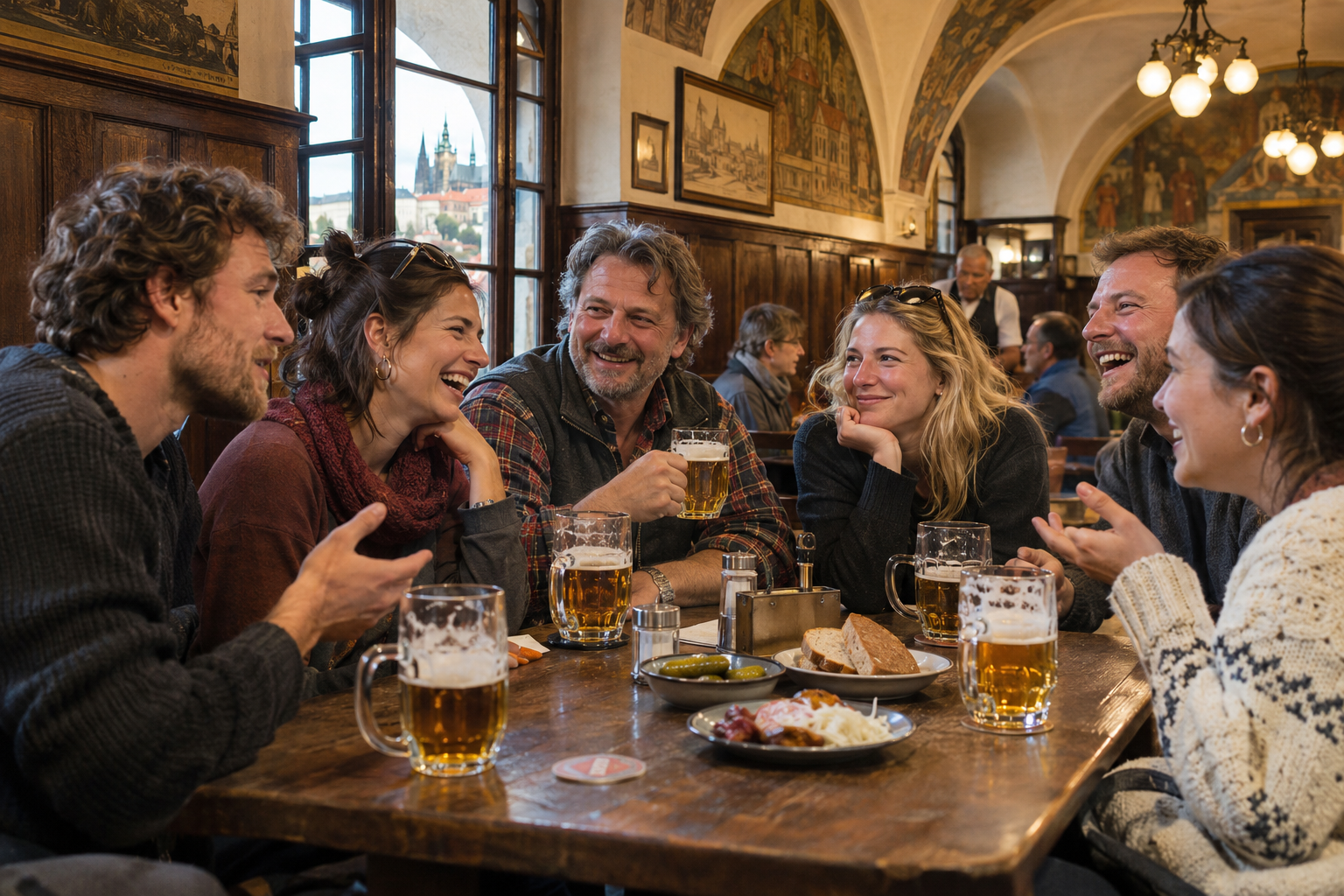
The second and more dramatic part of the crackdown goes after the organized pub crawl, the guided, commercial bar tour that became the signature of Prague’s stag-party tourism. Since late 2024, the city has banned these commercially organized pub crawls at night.
The rule is specific. Agency-organized, guided pub crawls are prohibited in the historic center during the night, between ten in the evening and six in the morning, exactly the hours when the rowdy tours did their damage. It is enforced by the municipal police, and the penalties fall on the organizers, the tour companies running the crawls, who face fines running into the tens of thousands of koruna, a serious sum designed to make the business unviable. The commercial nighttime crawl, the herd of drinkers led from bar to bar by a guide, is simply no longer legal in the center after dark.
This is the measure that most directly targets the stag-party machine, because the organized crawl was its engine. These tours packaged the whole drunken night, shepherding groups of strangers through a circuit of bars, fueling exactly the loud, messy, late-night behavior that residents had come to dread. By banning them at night, Prague struck at the organized heart of the problem, the commercial operation that turned individual drinkers into a roving, guided, nuisance-making crowd. The pub crawl, more than anything, was what Prague decided had to go.
It Is Aimed at the Stag Party
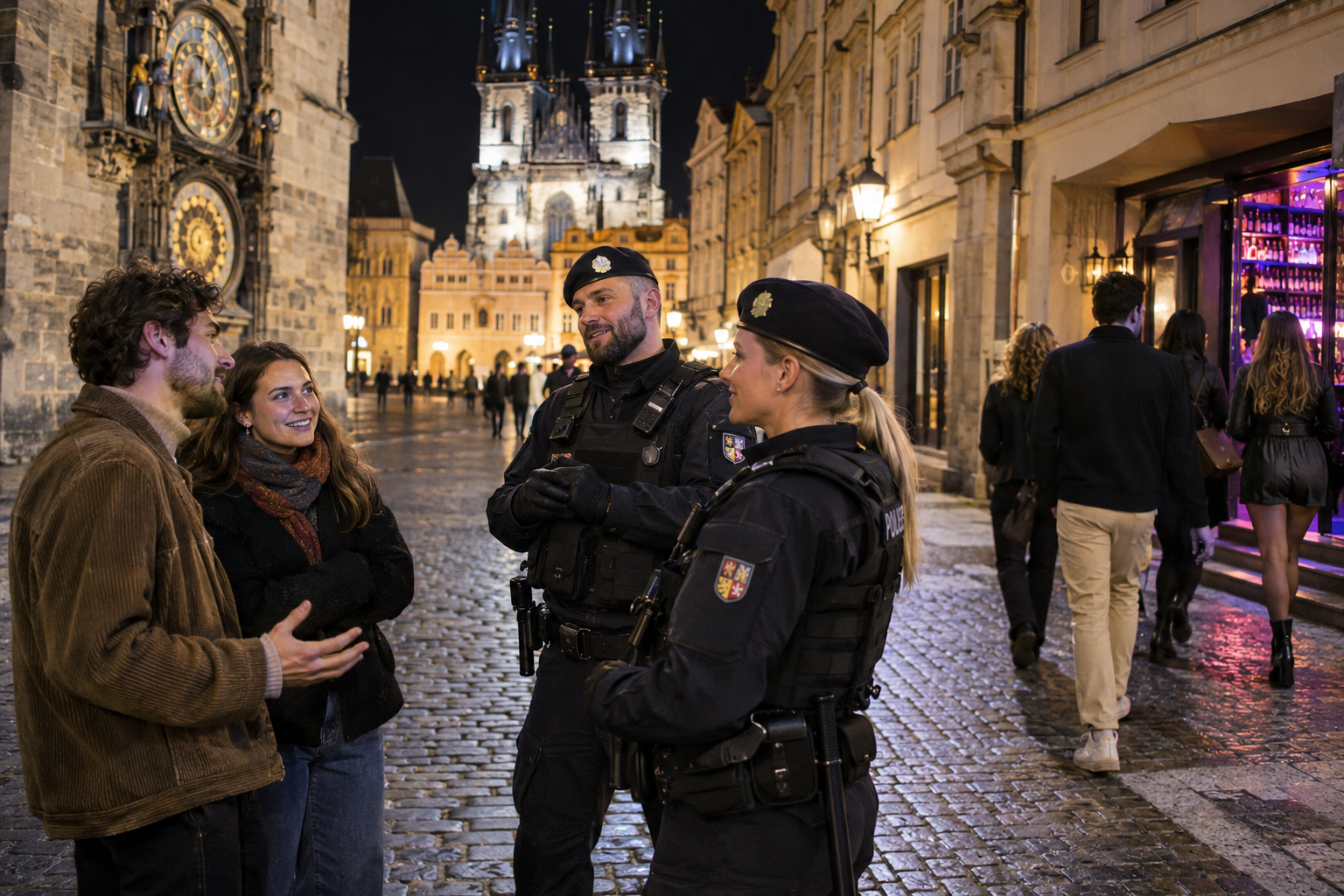
Both measures point in the same direction, and it is no secret what they are aimed at: the stag and hen party tourism that had come to define, and plague, Prague’s center. The city had become a byword for the cheap drinking holiday, and it had grown tired of the consequences.
The appeal that created the problem is easy to understand. Prague offered world-class beer at astonishingly low prices, in a gorgeous historic setting, a combination that made it irresistible to groups whose main goal was to drink a lot for a little. The Czech Republic is, year after year, the world’s heaviest beer-drinking nation per capita, and in the UNESCO-listed old town a pint of excellent local lager could be had for the price of a soft drink, which is a recipe for exactly the kind of tourism that followed.
But the consequences fell on the people who actually live there. Residents of Prague’s historic central district grew increasingly fed up with the noise, the garbage, the public drunkenness, and the general chaos that the rowdy drinking crowds brought to their streets late into the night, and their complaints drove the crackdown. The stag party, fun for the participants, had become a genuine blight for the locals, one of the uglier faces of European overtourism, and the city finally decided to act against the specific phenomenon that was ruining the center for the people who call it home.
A More Cultured Tourist
Behind the rules lies a deliberate strategy, which the city’s leaders have been refreshingly blunt about: Prague wants to change the kind of tourist it attracts. The goal is not just to curb bad behavior but to rebrand the city away from the stag-party image entirely.
City officials have said so openly. In pushing the measures through, Prague’s deputy mayors spoke frankly of wanting to attract a more cultured, wealthier visitor, one who comes for the city’s history, architecture, and culture rather than purely to get drunk cheaply and leave. The crackdown is, in this sense, an act of deliberate repositioning, an attempt to trade the high-volume, low-spending, high-nuisance drinking tourist for a different and, in the city’s view, more desirable kind of guest. Prague is trying to grow up, or at least to curate its crowd.
This did not happen overnight or on the first attempt, which tells you how serious the problem had become. The city had tried gentler measures before, including appointing a dedicated night mayor years earlier whose job was to manage the impact of nightlife on residents, and when those softer efforts failed to tame the chaos, Prague escalated to the outright bans. The crackdown is the product of years of mounting frustration and failed half-measures, a city finally reaching for blunt tools after the subtle ones did not work. The bluntness is itself a measure of how fed up Prague had become.
What Is Still Allowed
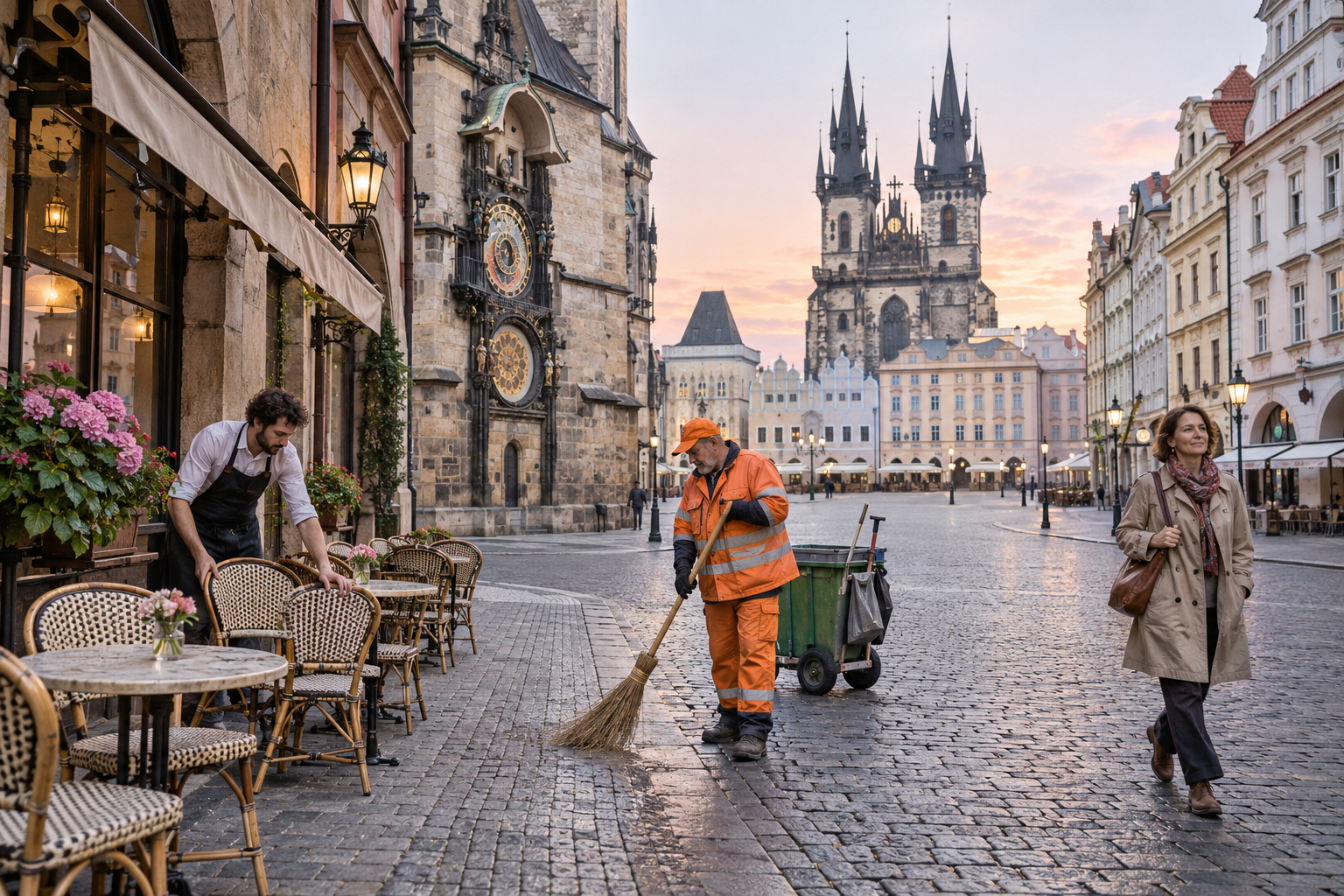
Before anyone despairs that Prague has banned fun, it is important to be clear about how narrow these rules actually are, because they are far more targeted than they first sound. Prague has emphatically not banned drinking, nor beer, nor nightlife, in a country that would never stand for it.
The permitted zone remains vast. You can still go to the pubs and bars, still drink the country’s magnificent and cheap beer to your heart’s content, and still drink on the licensed outdoor terraces of bars and restaurants, which are exempt from the street-drinking ban.
The pub crawl rule bans only the commercial, agency-organized, nighttime version; a group of friends is still free to go from bar to bar on their own, informally, as people always have. Nobody, as one Czech hospitality leader put it, is being banned from going to a pub. The beer, the pubs, and a night out remain completely available.
This narrowness is the key to understanding the whole crackdown correctly. The target is not drinking but a specific, organized, public, nuisance-making form of it: the street-drinking crowds and the commercial nighttime crawls. The individual visitor who wants to enjoy Czech beer culture, sitting in a pub, drinking a few excellent pints, perhaps moving between a couple of bars with friends, is entirely unaffected and entirely welcome. Prague has gone after the stag-party machine, not the pint, which is a distinction worth holding onto, because it means a normal, even enthusiastic, night out is still absolutely on the table.
Does It Actually End the Stag Parties?
The honest question is whether the crackdown will actually achieve its goal of ending Prague’s stag-party scene, and the answer is genuinely uncertain, with reasonable people on both sides. The measures are real and meaningful, but they are also narrow, and their effectiveness is debated.
The skeptical case is straightforward. The pub crawl ban targets only commercial organized tours at night, leaving individuals and self-organized groups free to drink and roam as before, and the street-drinking ban, while broad on paper, depends on patchy on-the-ground enforcement across hundreds of zones. Tour operators in the stag-party business have predictably argued that the ban will not deter stags and hens from coming to Prague at all, since the city’s cheap beer and beauty remain, and the determined party group can simply organize its own crawl and drink in the bars. On this view, the crackdown trims the worst of the organized nuisance without really changing the fundamental draw.
The optimistic case is that signals and friction matter. By banning the organized crawls, cracking down on street drinking, and loudly declaring itself done with stag-party tourism, Prague makes itself a less convenient and less welcoming destination for that crowd, and over time that reputation shift may do as much as the rules themselves. Removing the commercial infrastructure of the drunken night, and making the center a place where you cannot simply roam the streets with a beer, genuinely raises the hassle of the stag-party holiday. The truth is probably somewhere in between: the crackdown will not banish the stag party overnight, but it is a serious, deliberate push in that direction, and it has already changed the texture of nights in the center.
How to Drink in Prague Without a Fine
For the ordinary visitor who simply wants to enjoy Prague’s genuinely world-class beer culture, staying on the right side of all this is easy, and it happens to be the nicer way to drink anyway. The whole trick is to keep your drinking where it belongs: in the pubs and bars, not in the streets.
The practical guidance is simple. Drink in the pubs, bars, and on the licensed terraces, where Czech beer is cheap, superb, and the whole point of the place, rather than on the street in the no-drinking zones.
Keep the noise down, especially after ten at night, when the city’s quiet hours begin and residents are trying to sleep. Do not join an illegal organized nighttime crawl, and if you want to bar-hop, do it informally with your own friends. Carry some identification, and simply behave as a guest in a real city rather than a reveler in a theme park. Do that, and you have nothing to worry about and a wonderful night ahead.
In the end, the crackdown is not Prague turning against beer, which would be unthinkable, but Prague insisting that its beer be enjoyed rather than weaponized. The city is home to one of the great beer cultures on earth, and it would love for you to experience it properly, in its atmospheric pubs, over its extraordinary lagers.
The rules exist because too many visitors treated the center as a cheap open-air bar to be trashed, and all they really ask is that you treat Prague as the beautiful, living city it is. Drink its beer, and drink it well, and the stag-party crackdown will never touch you.

About the Author: Ruben, co-founder of Gamintraveler.com since 2014, is a seasoned traveler from Spain who has explored over 100 countries since 2009. Known for his extensive travel adventures across South America, Europe, the US, Australia, New Zealand, Asia, and Africa, Ruben combines his passion for adventurous yet sustainable living with his love for cycling, highlighted by his remarkable 5-month bicycle journey from Spain to Norway. He currently resides in Spain, where he continues sharing his travel experiences with his partner, Rachel, and their son, Han.