
Here is a problem a lot of would-be expat retirees run into. You want to move abroad, you have the means to support yourself, but you do not have a traditional pension. Maybe you retired early, maybe you live off investments or savings, maybe your income simply does not come from a formal retirement fund. And almost every cheap, popular retirement visa, in Panama, in Costa Rica, is built around exactly the thing you lack: a monthly pension.
Costa Rica has an answer for you, and it is called the Rentista visa. It is the residency route designed for people with money but no pension, asking not for a retirement check but for either a solid monthly income or a lump sum sitting in a Costa Rican bank. It is pricier and more demanding than the pension-based options, but for the pensionless, it is often the door that opens when the others have closed.
Here is how the Rentista visa actually works, the $2,500-a-month-or-$60,000-deposit rule at its heart, why it exists alongside the cheaper pension visa, who ends up choosing it, and the honest costs and catches before you count on it. None of this is legal or tax advice; it is an overview to help you ask the right questions of a qualified professional.
The Rentista Rule

The core requirement of the Rentista visa is specific and worth stating precisely, because the details matter. To qualify, you must prove a stable, guaranteed income of at least two thousand five hundred US dollars per month, assured for a minimum of two years, or satisfy the alternative deposit route we will come to.
The nature of that income is just as important as the amount. It must be stable and guaranteed passive income, which is to say income from sources like investments, annuities, trusts, or rental property, and crucially it cannot be salary from a job. The Rentista is explicitly not for the employed; it is for the financially independent, the person whose money comes in without a paycheck. This passive-income requirement is a defining feature, and treating ordinary salary as qualifying income is one of the common mistakes that sinks applications.
The visa itself follows Costa Rica’s standard pattern for these categories. It is granted as a temporary residency valid for two years, renewable as long as you continue to meet the requirements, and it can cover your spouse and dependent children as well as you. It is, in short, a real and solid route to living in Costa Rica, built specifically around proving you have independent means rather than a pension, and that single design choice is what makes it the option for a particular kind of applicant.
The $60,000 Deposit Alternative

For many people, the most useful part of the Rentista visa is not the monthly-income requirement at all but its alternative, which opens the door to those who have savings rather than a steady income stream. Instead of proving $2,500 a month, you can place a lump sum of sixty thousand US dollars in an approved Costa Rican bank.
The mechanics are straightforward once you understand them. You deposit the sixty thousand dollars into an account at an approved Costa Rican bank, commonly one of the big national banks, structured so that it pays out to you at the rate of $2,500 per month over the two-year period, which is exactly $60,000 across twenty-four months. In effect, you are pre-funding your own two years of required income, parking the money in the country and drawing it down monthly, which satisfies the rule without your needing any external income at all. The money remains yours; you are simply holding and spending it through a Costa Rican bank.
This deposit route is what makes the Rentista accessible to a whole category of people who would otherwise be stuck. Someone with a healthy nest egg but no pension and no large passive-income stream, an early retiree living off savings, say, can simply move sixty thousand dollars into a Costa Rican account and qualify, rather than having to document a qualifying income they do not have. It ties up real money for a couple of years, earning little, which is a genuine cost, but it converts savings into a qualification, and for many applicants that trade is well worth making.
Why Not the Pensionado?

To understand why anyone chooses the more demanding Rentista, you have to see it beside its cheaper sibling, the Pensionado visa, because the choice between them comes down to one thing: whether you have a pension. Costa Rica’s Pensionado visa is significantly easier on the wallet, but it is also narrower.
The Pensionado requires proof of only a thousand dollars a month, far less than the Rentista’s twenty-five hundred, which makes it the cheapest and most popular retirement route into Costa Rica. But there is a strict condition attached: that thousand dollars must come from a lifetime pension, a formal retirement income source such as Social Security, a government pension, a military pension, or a private pension or retirement fund. The Pensionado is built entirely around having a pension, and a married couple can even qualify together on one spouse’s qualifying pension, which makes it a wonderful deal for traditional retirees.
And that is precisely the catch for everyone else. If you do not have a qualifying lifetime pension, the inexpensive Pensionado is simply closed to you, no matter how much money you actually have, because the rule is about the source of the income, not the amount.
The person with a million dollars in investments but no pension cannot use the Pensionado; the person with a modest Social Security check can. This is the fork in the road: pension-holders take the cheap Pensionado, and the pensionless, however wealthy, are routed to the Rentista. The Rentista exists for exactly the people the Pensionado leaves out.
When Panama Says No
The title’s framing points to a wider truth about expat residency, which is that Panama is usually the first country Americans consider, and the Rentista is often what they land on when Panama does not work out. Panama has long been the go-to for cheap, easy Latin American residency, but its doors have narrowed.
Panama’s famous routes have become harder or remain pension-gated. Its once-easy Friendly Nations visa was significantly tightened a few years ago, now generally requiring a job offer, property ownership, or a substantial investment rather than the simple path it used to be, and its popular Pensionado visa, like Costa Rica’s, is built around having a qualifying pension. So the pensionless American who assumed Panama would be simple can find, on closer inspection, that Panama’s accessible options require either a pension they lack or an investment and commitment they did not plan on. Panama, in effect, says no to a certain kind of applicant.
That applicant often turns to Costa Rica’s Rentista as the answer, and it is a good one. Where the pension-based routes demand a pension and Panama’s friendlier doors have partly closed, the Rentista asks only for passive income or a deposit, neither of which requires a pension, making it the natural fallback for the financially independent person without a retirement check. It is not the cheapest option in Latin America, but it is one of the more attainable for someone whose money is in investments and savings rather than a pension, which is exactly the person most likely to find the easier doors shut. For them, the Rentista is the residency they choose when the simpler options have run out.
What You Get
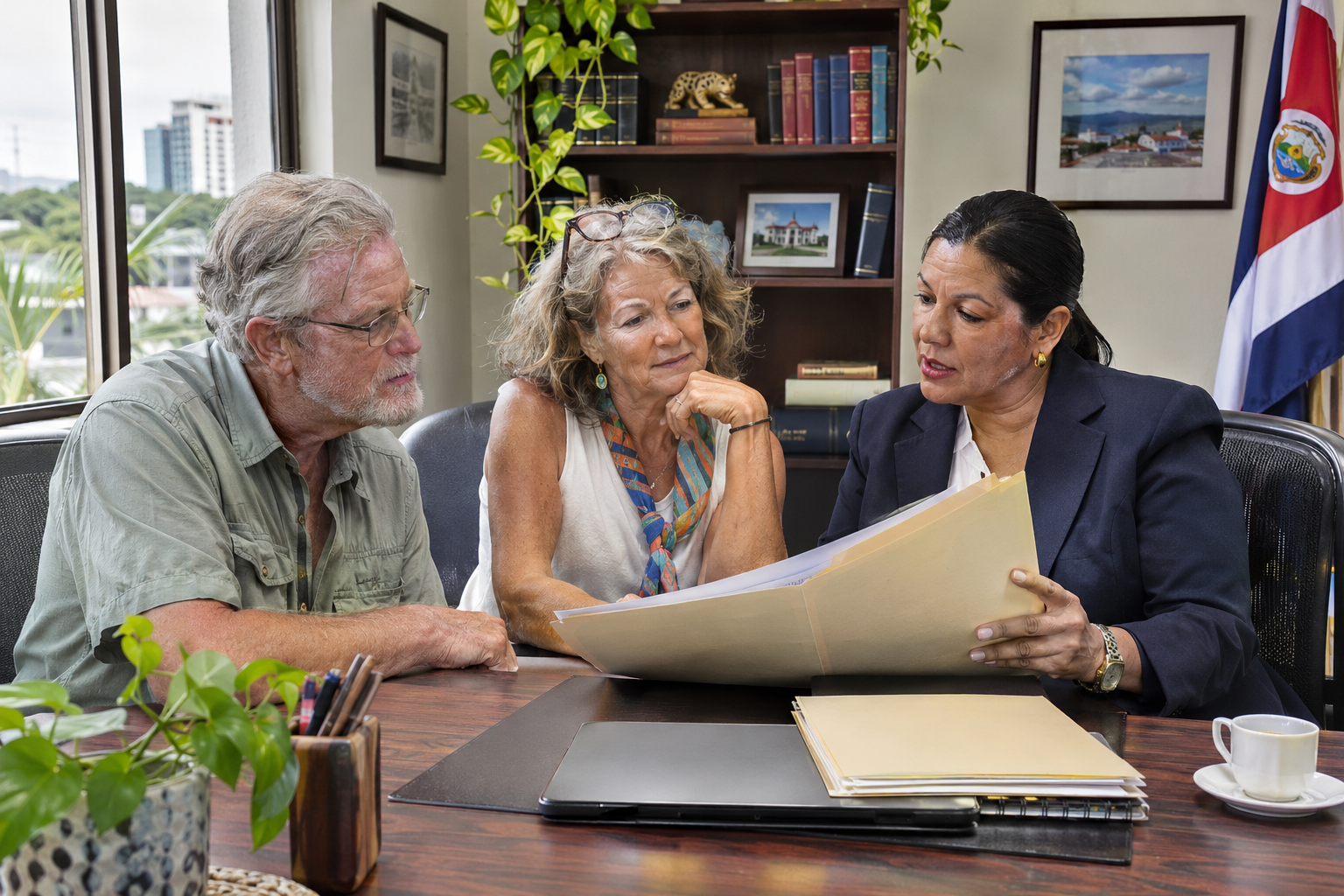
It is worth remembering what all this effort and money actually buys, because Costa Rica is a genuinely desirable place to land, and the Rentista is a real foothold there. The visa is not just a permit to visit; it is a path to a settled life in one of the most stable and beloved countries in the Americas.
The residency ladder is solid and leads somewhere. The Rentista’s two-year temporary residency is renewable, and after three years of temporary residency you can generally apply for permanent residency, with citizenship eligibility following after seven years in total, a clear progression from visitor to permanent resident to, if you wish, citizen. Along the way, residents gain access to Costa Rica’s well-regarded universal public healthcare system, by enrolling in and contributing to the social security fund known as the Caja, at a cost based on a percentage of income. That access to solid, affordable healthcare is a major draw in its own right.
And then there is simply Costa Rica itself. The country is famous for its stability, its democracy and lack of a standing army, its extraordinary natural beauty and biodiversity, its warm climate, and its pura vida ethos of easygoing contentment, all of which have made it one of the most popular retirement and expat destinations in the hemisphere. The Rentista is the price of admission to that life for the pensionless, and while the price is real, so is the prize. You are not just clearing a bureaucratic hurdle; you are buying your way into one of the Americas’ great places to live.
The Honest Costs and Catches
Before anyone rushes to move sixty thousand dollars across a border, it is only fair to lay out the real costs and catches of the Rentista, because it is a demanding visa and Costa Rica is not the bargain some imagine. Going in clear-eyed matters.
Start with the money. The Rentista asks for two and a half times the income of the Pensionado, or it ties up sixty thousand dollars in a bank account earning little for two years, which is a genuine opportunity cost on top of everything else.
The passive-income requirement is strict, salary does not count, and the documentation must be solid. And Costa Rica itself is not cheap by Latin American standards; living costs in the popular Central Valley commonly run several thousand dollars a month for a comfortable life, higher than in a number of peer countries, so the affordable-paradise image oversells it. You must also enroll in and pay into the Caja, an ongoing cost, however good the healthcare it buys.
There are practical catches too, beyond the headline numbers. Requirements and figures can change, and the process involves real paperwork, official document authentication, translations, and time, often with the help of a local immigration attorney whose fees add to the total.
The deposit route, convenient as it is, means committing a large sum to a foreign bank, which carries its own considerations. None of this makes the Rentista a bad choice, but it does make it a serious one, better suited to someone who has genuinely run the numbers than to someone chasing a dream of cheap tropical living that Costa Rica does not quite deliver. This piece is general information, not legal or tax advice; visa rules, amounts, and procedures change, so verify the current requirements with Costa Rica’s immigration authority or a qualified Costa Rican immigration attorney before relying on any of it.
Is the Rentista Right for You?
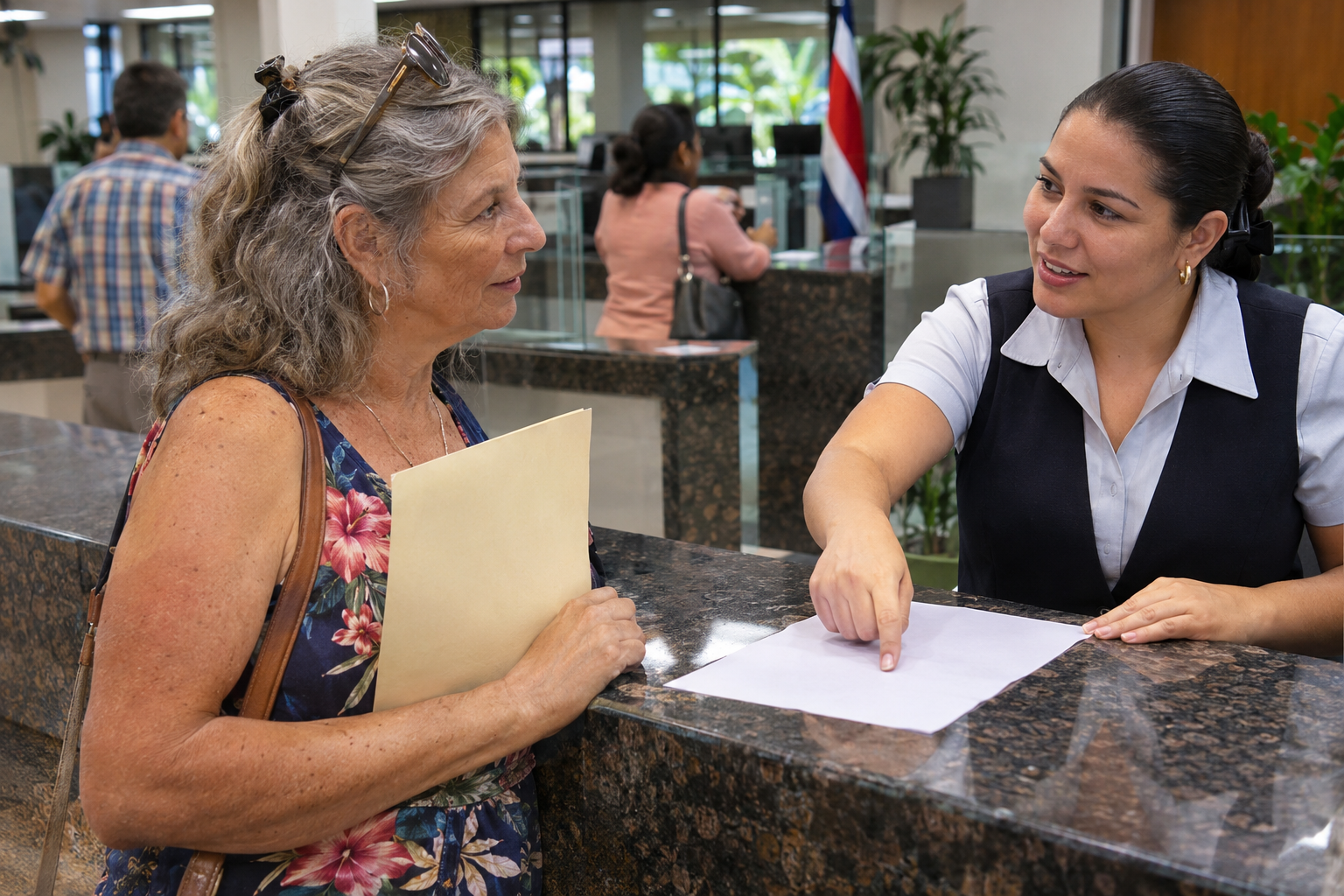
So who is the Rentista actually for, once all of this is weighed? It fits a fairly specific person: the early retiree or financially independent individual who does not have a qualifying pension, who can either show $2,500 a month in passive income or park $60,000 in a Costa Rican bank, and who wants Costa Rica specifically enough to pay its premium. For that person, it is often the best and sometimes the only route in.
For others, the picture may point elsewhere, and it is worth being honest about that. If you do have a qualifying pension, Costa Rica’s own Pensionado is far cheaper and probably your better bet. If your priority is the lowest possible cost of living rather than Costa Rica in particular, countries like Ecuador offer accessible pension-based residency and a genuinely cheaper life, and may suit a modest budget better. The right choice depends as much on the source of your money, pension versus passive income versus savings, as on the amount, which is the subtle point so many people miss until they start comparing visas in detail.
The real lesson of the Rentista is that expat residency is a game of matching your particular financial situation to the particular visa built for it, and that the cheapest headline number is not always the one you can actually use. A pensionless person eyeing the thousand-dollar Pensionado will be disappointed; the same person who understands the Rentista can make a plan that works. Before committing to anything, sit down with a qualified Costa Rican immigration attorney, confirm the current rules and amounts, and map your own income against the options, because the difference between the right visa and the wrong one is often the difference between a smooth move and a stalled one.

About the Author: Ruben, co-founder of Gamintraveler.com since 2014, is a seasoned traveler from Spain who has explored over 100 countries since 2009. Known for his extensive travel adventures across South America, Europe, the US, Australia, New Zealand, Asia, and Africa, Ruben combines his passion for adventurous yet sustainable living with his love for cycling, highlighted by his remarkable 5-month bicycle journey from Spain to Norway. He currently resides in Spain, where he continues sharing his travel experiences with his partner, Rachel, and their son, Han.