
When most Americans picture a modest, affordable retirement, they picture Florida. But Florida has quietly become expensive, hot, and crowded, and a growing number of retirees who do the math are quietly choosing somewhere else entirely, a place most Americans have never heard of despite it being, improbably, one of the largest concentrations of American retirees anywhere on earth. Meet the Days, a composite couple assembled from the patterns of thousands who have made this move: they looked at their roughly one hundred and eighty thousand dollars in savings, looked at what that would buy in Florida, and decided instead to retire to the shores of Lake Chapala in central Mexico, where the same nest egg and their Social Security stretch into a far more comfortable life.
Here is the town you have never heard of, why they chose it over Florida, what that money actually buys, the healthcare edge that sets the place apart, why the landing is so easy, and the honest reality of lakeside life. It is one of the shrewdest retirement moves in the Americas, hiding behind a name almost no one back home recognizes.
What follows is the biggest American retiree town nobody talks about, the Florida comparison that drove the choice, the money math, the healthcare advantage, and the honest trade-offs.
The Town You Have Never Heard Of
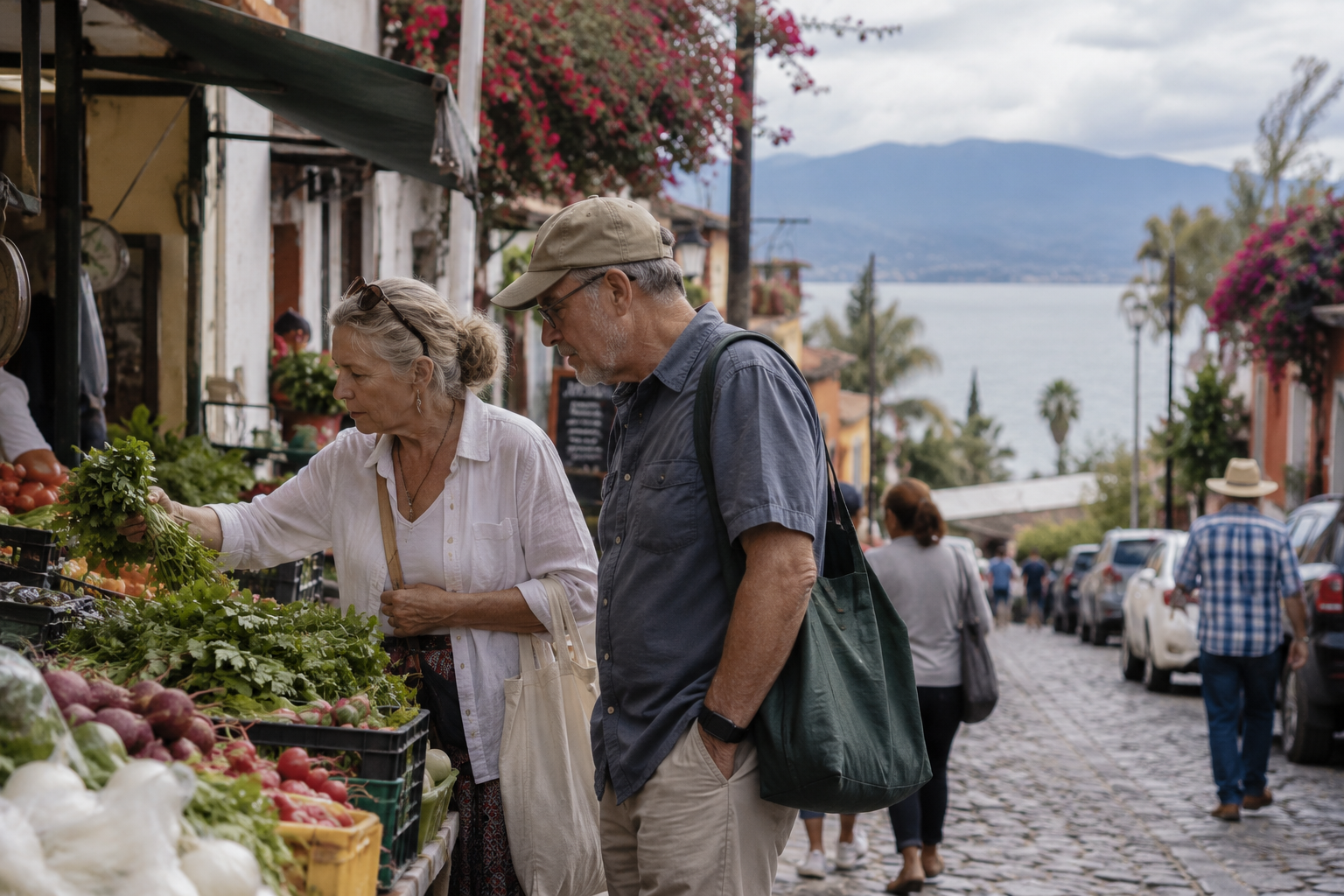
Lake Chapala is Mexico’s largest freshwater lake, sitting in the highlands of Jalisco about forty-five minutes south of the big city of Guadalajara, and along its north shore, centered on a village called Ajijic, lives the largest concentration of American and Canadian retirees in all of Mexico, estimated at fifteen to thirty thousand full-time expats, with thousands more arriving each winter as snowbirds. This is not a new or trendy discovery; North Americans have been retiring here for more than fifty years, making it one of the oldest and most established expat retirement communities in the entire hemisphere.
And yet, ask the average American where Ajijic is, or even how to pronounce it, ah-hee-HEEK, and you will get a blank look, which is the quiet paradox at the heart of the place: it is simultaneously one of the biggest American retirement hubs anywhere in the world and almost completely unknown back home, a secret city of retirees that somehow never made the magazine covers. That obscurity is part of its charm and part of its bargain.
The magnet that built this community over half a century is, above all, the climate. The lake creates a microclimate called the land of eternal spring, with temperatures that hover in a gentle range most of the year and some nine dry months, a combination so pleasant that the area is widely credited with one of the best year-round climates on the planet. Add to that a low cost of living, a charming lakeside setting of cobblestoned villages, colorful murals, and lush gardens, Mexico’s largest lake shimmering below the mountains, and the enormous, deeply established English-speaking expat network, and you have a place that has, over decades, become almost purpose-built for a comfortable, sociable, affordable North American retirement.
Nothing about it was designed; it simply accreted, retiree by retiree, into one of the most functional expat ecosystems anywhere. For the Days, and for the tens of thousands like them, Lake Chapala is not a wild, nerve-racking adventure into the unknown; it is a well-worn, welcoming, thoroughly established landing spot that happens to sit in Mexico, and discovering it felt less like pioneering a frontier than like finding a comfortable secret that had been hiding in plain sight for half a century. That it is foreign barely registers once you arrive and find a few thousand people who did exactly what you just did.
Why They Chose It Over Florida
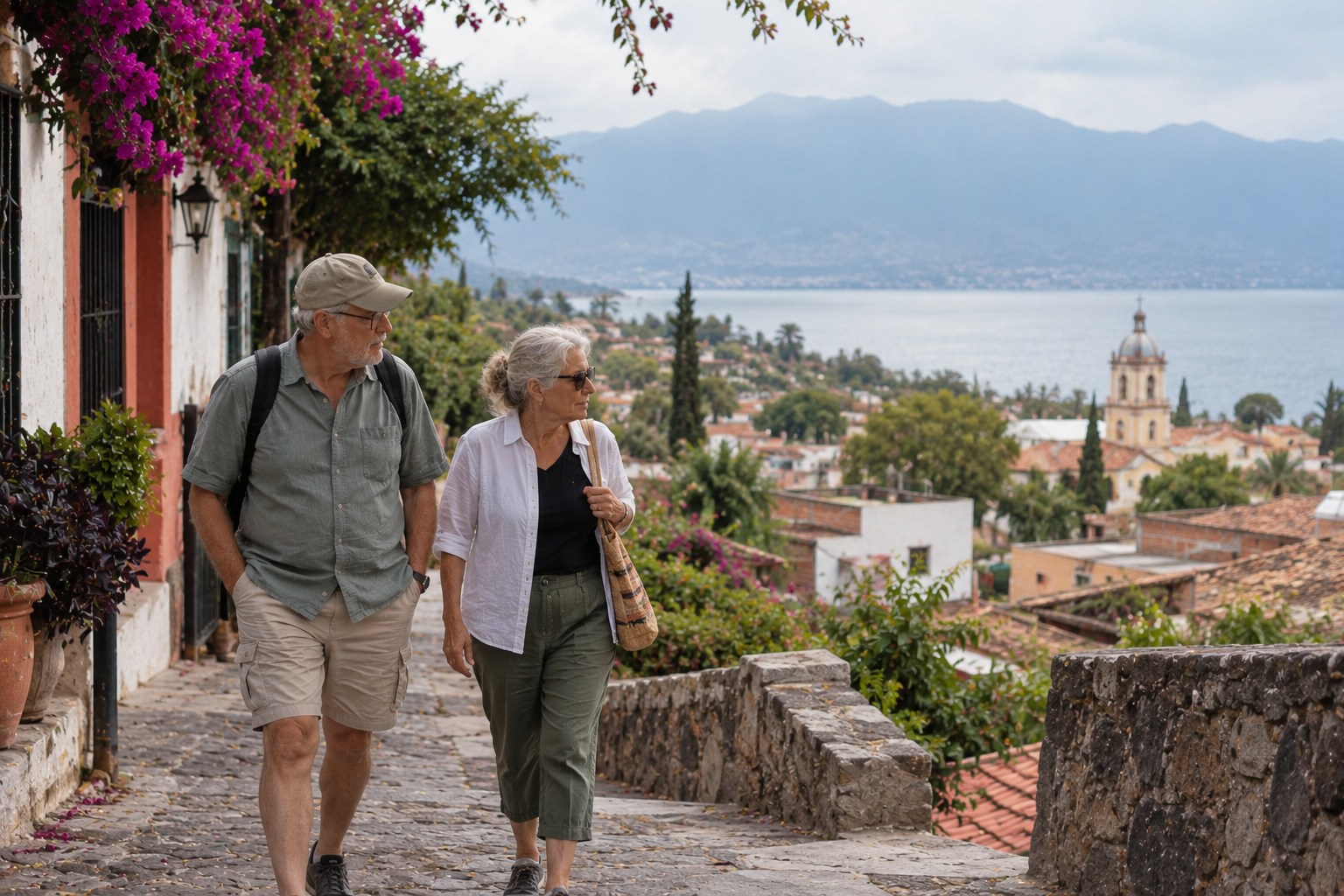
So why pick a Mexican lake town over the classic American retirement in Florida? For the Days, it came down to an honest comparison that increasingly favors Mexico, because the Florida older generations retired to affordably has largely priced itself out of reach. Housing costs in desirable parts of Florida have soared, property taxes and homeowners association fees quietly add up, and, most painfully of all, home insurance has become brutally expensive and in some coastal areas genuinely hard to get at any price, thanks to the ever-present and worsening threat of hurricanes.
For many retirees, the insurance bill alone has become a dealbreaker that no amount of sunshine offsets. The Florida dream now often requires far more money than a modest nest egg actually provides, leaving the retirees who go anyway feeling stretched, insurance-poor, and anxious rather than relaxed, forever bracing for the next premium hike or storm season. That is not the retirement anyone pictured when they imagined Florida.
Lake Chapala flips that equation. The cost of living runs roughly half to sixty percent of a comparable US town, housing is dramatically cheaper, no hurricanes and no crushing insurance bills, and the climate, frankly, is better than Florida’s humid heat. For a couple with around one hundred and eighty thousand dollars in savings plus Social Security, the difference is genuinely stark: in much of Florida that money would fund a tight, worried retirement constantly eroded by rising rents, taxes, and insurance premiums, the nest egg draining visibly year by year, while at Lake Chapala the very same resources fund a comfortable, active, community-rich life with room to breathe, to host visitors, and even to travel.
Same money, two completely different retirements, and only one of them lets you sleep at night. The Days are not unusual in making this trade; a quiet stream of practical-minded retirees is reaching the same conclusion, that the money that buys stress in Florida buys ease at Lake Chapala, and choosing the lesser-known option is simply the better deal. It is less a romantic flight abroad than a shrewd financial decision that happens to come with a gorgeous climate.
The Money: What $180,000 Buys
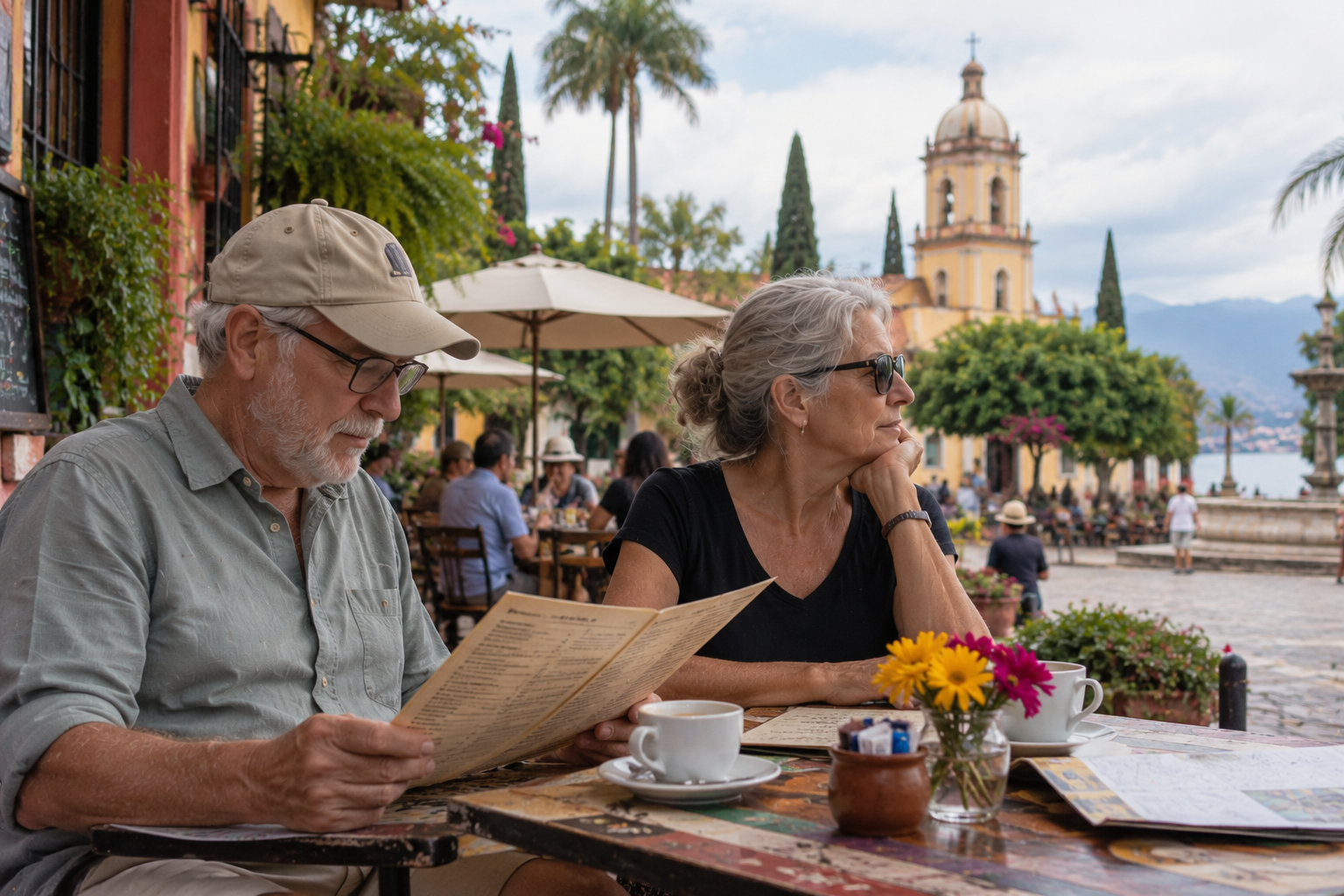
So what does a nest egg of around one hundred and eighty thousand dollars, combined with a typical Social Security income, actually buy at Lake Chapala? Comfortably more than it would almost anywhere in the United States, which is the whole point. A couple can live comfortably for around two thousand to twenty-five hundred dollars a month, covering rent, utilities, food, healthcare, entertainment, and even running a car, which is not bare-bones survival but a pleasant, full life. For many couples, Social Security alone covers a large share of that, which means the savings are preserved as a genuine cushion, not burned through to stay afloat, available for travel, emergencies, and comfort rather than consumed by the basic cost of existing.
That is the math that makes the $180,000 work where it would struggle in the US. The same monthly budget that feels generous at Lake Chapala would feel precarious in most of coastal America, and a nest egg that would evaporate alarmingly fast funding a Florida retirement stretches across a long and comfortable one in Mexico. It is worth the usual honest caveat that the savings come from living locally, since imported American goods cost as much as or more than at home, so the couples who thrive are those who embrace Mexican food, housing, and rhythms rather than trying to import an expensive American lifestyle. But for retirees willing to live the local way, the arithmetic is genuinely liberating, converting a modest, anxious American retirement budget into a relaxed and secure Mexican one, and that financial transformation, more than anything, is why the move makes sense.
The Healthcare Edge
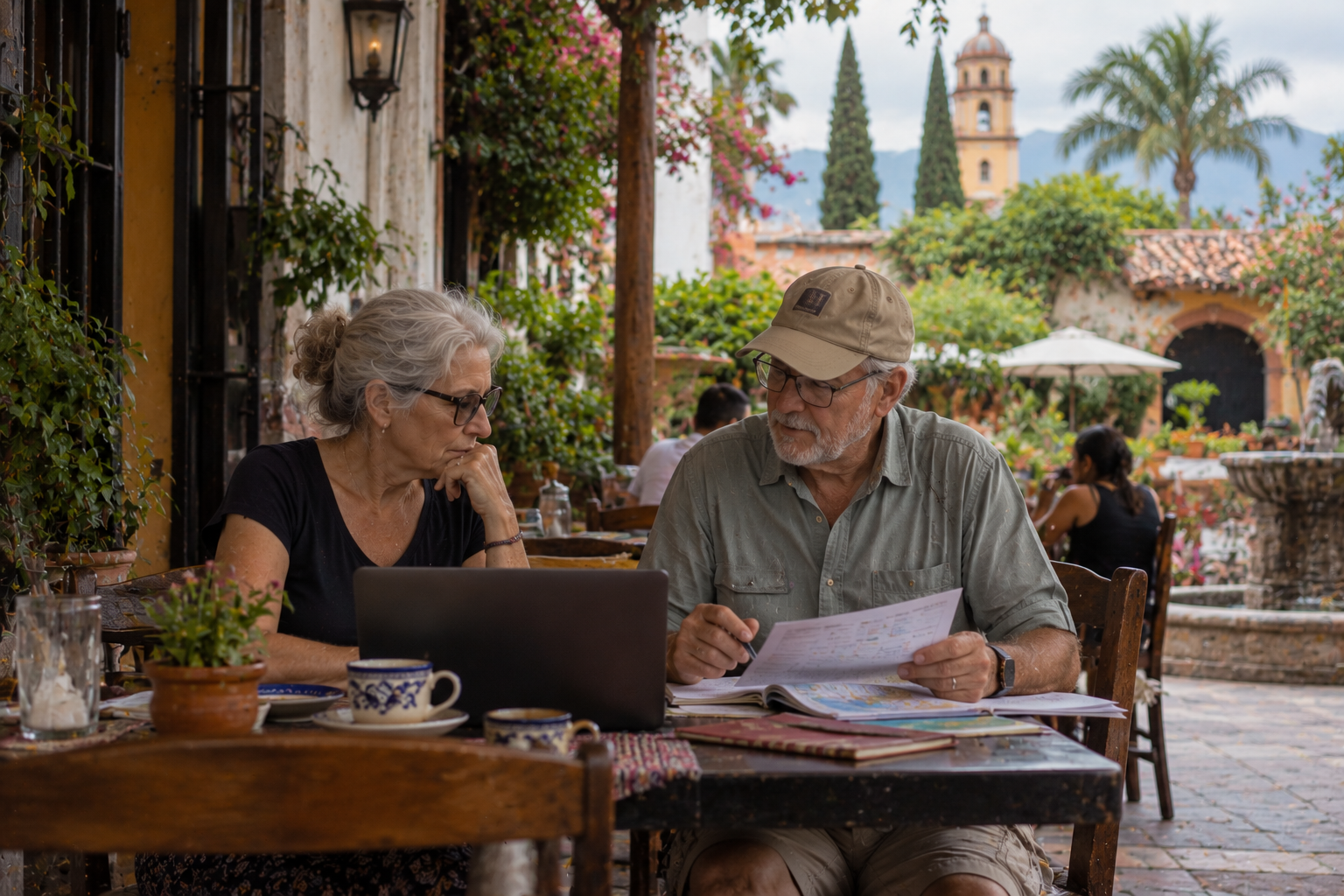
Here is the feature that quietly sets Lake Chapala apart from many other expat retirement enclaves, and that mattered enormously to the Days: the healthcare access is genuinely good. One of the biggest worries for anyone retiring abroad, and the thing that sinks many otherwise-appealing cheap destinations, is distance from quality medical care. Lake Chapala largely solves this, because it sits just forty-five minutes from Guadalajara, Mexico’s second-largest city, which has excellent, modern private hospitals and specialists, so serious or complex care is close at hand rather than a plane ride away.
For everyday needs, Ajijic itself has English-speaking clinics and doctors accustomed to the expat community, and the overall system is both high-quality and remarkably affordable.
Most retirees use a practical mix: enrolling in Mexico’s public IMSS system for a modest annual fee as a catastrophic backstop, carrying private insurance through a Mexican insurer for routine coverage, and paying out of pocket for minor visits, which are cheap. The predictable annual healthcare cost for a couple lands in a very manageable range, a small fraction of US prices, which means medical expenses, the single thing that terrifies so many American retirees and genuinely bankrupts some of them at home, become a budgetable, foreseeable line item rather than a looming catastrophe waiting to wipe out a lifetime of savings. In a country without America’s medical pricing, getting old stops being financially frightening.
For many, that peace of mind alone justifies the whole move. This combination, world-class hospitals less than an hour away plus cheap, accessible everyday care with English-speaking providers, is a large part of why Lake Chapala has endured as a retirement destination for over fifty years, and why it suits older retirees better than more remote cheap-living spots. You get the low cost without the healthcare gamble, which is a rare and valuable pairing.
Why the Landing Is So Soft
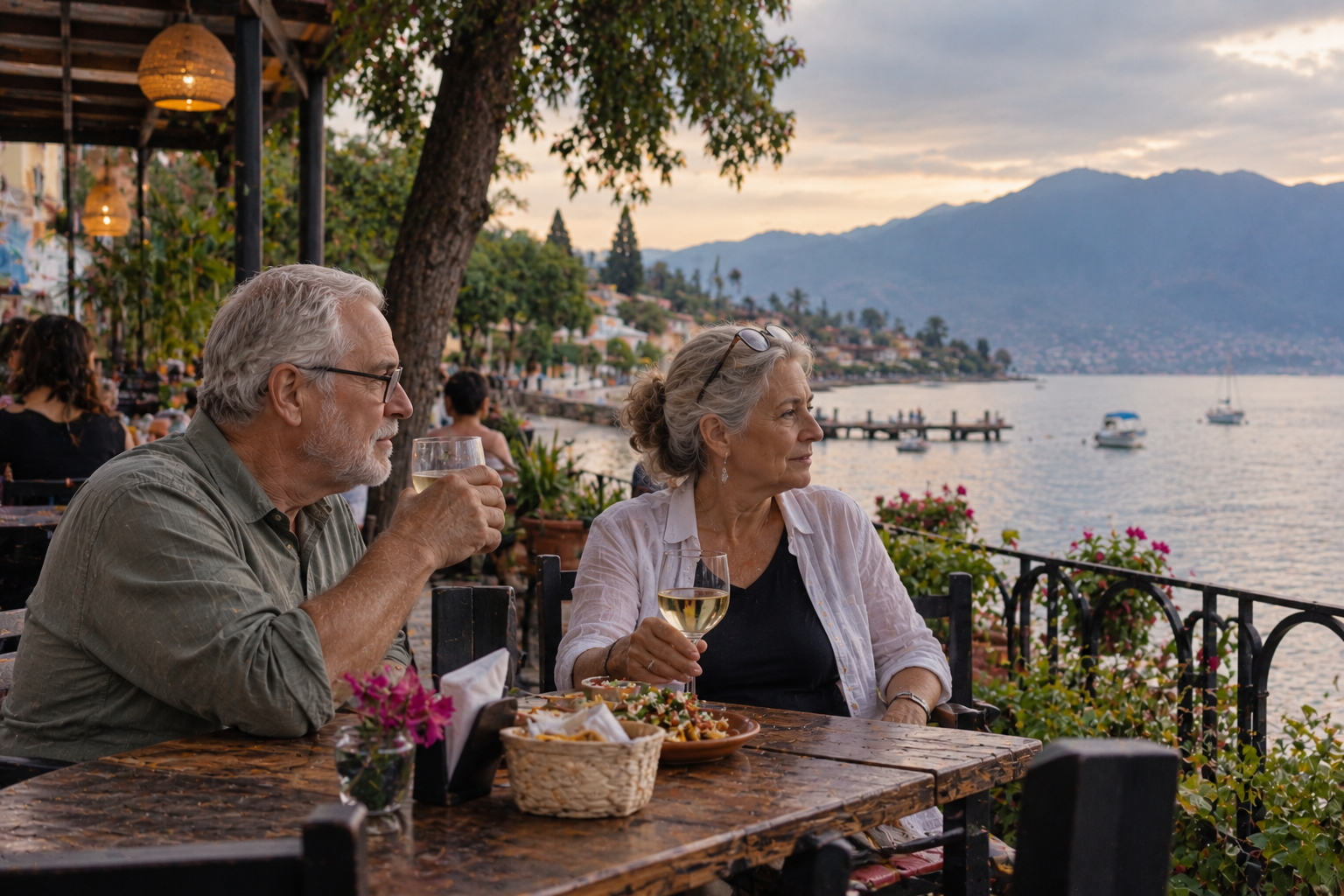
One underrated reason Lake Chapala works so well for first-time expats, and part of why the Days found the move far less daunting than they feared, is that half a century of North American retirees have already built the infrastructure that makes landing easy. This is not a place where you arrive to figure everything out alone in a foreign language. There are English-speaking real estate agents, lawyers, and doctors; expat clubs and newcomer groups and volunteer organizations; familiar products on the shelves; and thousands of people who made the exact same move and are generous with advice. For a nervous retiree, that ready-made support system removes most of the practical terror from the idea of moving to another country.
The smart way in, and the path most successful arrivals follow, is to visit first and rent before buying. A couple like the Days typically comes down for an exploratory stay of a few weeks or a season, rents an apartment, tests the daily reality of the place against the fantasy, taps into the expat community for the real story, and only commits, and only considers buying, once they are genuinely sure. The huge established community makes this trial period easy and low-risk, because everything a newcomer needs already exists and someone has already solved every common problem. That soft landing is a real and specific advantage of choosing a mature, well-trodden destination over a cheaper but rawer frontier town, and it is a big part of why Lake Chapala converts so many curious visitors into permanent, contented residents.
The Honest Reality
No place is perfect, and the honest picture of Lake Chapala includes real trade-offs that a prospective retiree should weigh. The biggest is the flip side of its greatest asset: the enormous, English-speaking expat community is wonderfully welcoming and makes landing easy, but it is also a genuine bubble, so established and self-sufficient that it is entirely possible to live at Lake Chapala for years without learning much Spanish or integrating meaningfully into Mexican life, moving instead within a largely North American social world.
For some retirees that insulation is exactly the comfort they were hoping for, a soft English-speaking cushion in a foreign land; for others it gradually comes to feel like living in a slightly artificial expat enclave that happens to sit in Mexico rather than genuinely living in Mexico at all, and whether that distinction bothers you is worth examining honestly with yourself before you go. There is no wrong answer, but there is a wrong way to find out, which is after you have already moved.
There are smaller caveats too. The lake itself has had environmental ups and downs over the years, with fluctuating water levels and pollution concerns at times, so the postcard view is not always pristine. The area is fundamentally a small-town, low-key, early-to-bed sort of place, so those craving big-city energy, nightlife, or cultural variety will need to lean on nearby Guadalajara to supply it rather than finding it at the lakeside. For the right temperament that quiet is the whole point; for the wrong one it can slowly curdle into boredom.
And the very obscurity that makes Lake Chapala a hidden gem also means it is not for the retiree who wants the familiarity and prestige of a known name. But for the right couple, someone practical about money, wanting a superb climate, valuing community and good healthcare access over adventure or cultural immersion, and happy to join an established North American community rather than forge a path alone, Lake Chapala is one of the smartest retirement values anywhere, which is precisely why so many quietly choose it over Florida and never look back. The Days, in our composite drawn from thousands of real such couples, are among them, settled now, comfortable, warm, well cared for, their savings intact, and quietly glad they ignored the obvious Florida choice and trusted the math to a lake town nobody they knew had ever heard of. Sometimes the best retirement is the one hiding behind an unfamiliar name.

About the Author: Ruben, co-founder of Gamintraveler.com since 2014, is a seasoned traveler from Spain who has explored over 100 countries since 2009. Known for his extensive travel adventures across South America, Europe, the US, Australia, New Zealand, Asia, and Africa, Ruben combines his passion for adventurous yet sustainable living with his love for cycling, highlighted by his remarkable 5-month bicycle journey from Spain to Norway. He currently resides in Spain, where he continues sharing his travel experiences with his partner, Rachel, and their son, Han.