
The headlines are irresistible: a Swiss village handing out tens of thousands of francs, an Irish grant worth up to eighty-four thousand euros, Italian towns writing checks to anyone willing to move in. And the remarkable thing is that they are mostly true. All across Europe, depopulating villages and emptying rural regions really are offering cash, housing, and grants to lure new residents, driven by a genuine crisis of young people leaving the countryside for the cities, and in 2026 the programs are real and running, not internet myths or expired pilots.
What the headlines leave out is the fine print, and the fine print is where the dream meets reality, because every single one of these programs comes with catches, and for an American there is one catch in particular that quietly disqualifies most of them. Here is an honest tour of the European towns that will actually pay you to move in 2026, the real money on offer, the strings attached, and the one obstacle that matters more than all the rest, the one that turns most of these headlines into daydreams. The money is real. Whether you can actually get it is a different question.
What follows is the Italian programs, the rest of Europe, the catch that stops most Americans cold, the strings on the money, the break-even math nobody shows you, and whether any of it is worth it.
The Italian Programs
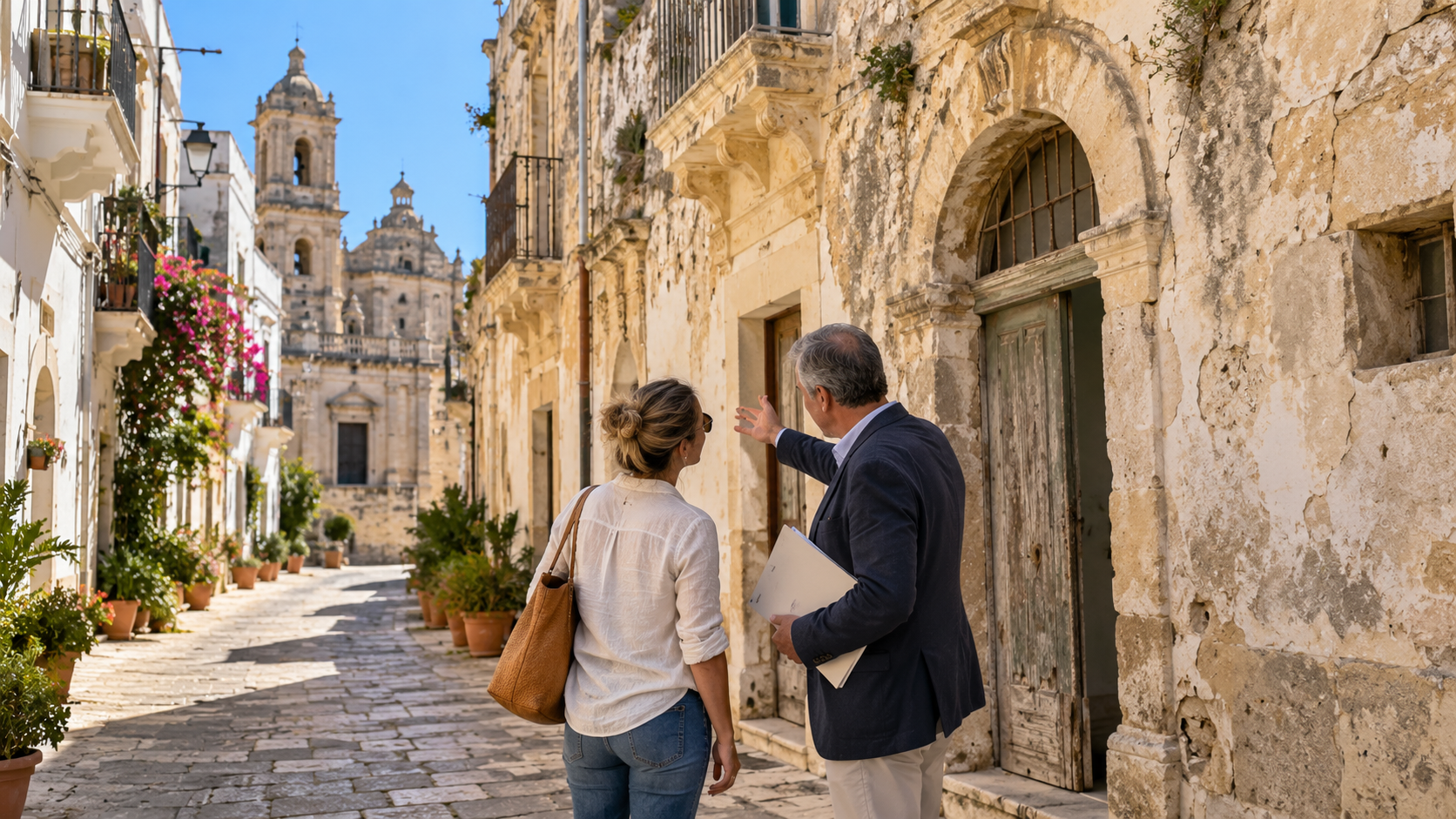
Italy, hit hard by decades of rural depopulation, runs the richest cluster of these schemes, and they are the ones worth knowing first. The most generous is Calabria’s Active Residency Income, the reddito di residenza attiva, which offers up to around twenty-eight thousand euros, paid out over two to three years, to people willing to move to one of its villages with fewer than two thousand residents. The conditions are specific: you must generally be under forty, and you must start a business or take a local job, so this is aimed squarely at young, working newcomers who will contribute to the village economy, not at the retirees these headlines most often reach. The grant is designed to bring a place back to life, not to fund someone’s quiet retirement.
Then there are the home-purchase grants scattered across the Italian south. Presicce-Acquarica, in Puglia, became famous for offering up to thirty thousand euros to new residents who buy and renovate a home there, plus a bonus for every baby born, and as of 2026 it also offers a smaller expert-advice grant to help cover surveyors and conservation specialists.
Sardinia offers around fifteen thousand euros per household to people who move to a municipality under three thousand residents and buy or renovate a property. And beyond the cash grants sits the famous world of the one-euro houses, in Sicilian towns like Sambuca and dozens of others, where derelict homes are sold for a token sum on the strict condition that you renovate them, usually within a set time and often to a required standard. The one euro is the headline; the thirty or fifty thousand in renovation is the reality, and the two are rarely mentioned in the same breath. The Italian offers are the real heart of this phenomenon, but notice the pattern already forming, because it runs through nearly all of these schemes: almost every one is tied to buying and fixing up a specific, often crumbling, property, and to actually living and working in a tiny village for years, not to free money handed over at the door. The grant is a reward for a serious commitment, not a prize for showing up.
The Rest of Europe
Beyond Italy, the programs thin out but are genuinely scattered across the continent. Spain, battling its own emptying interior, the problem Spaniards call the Espana vacia, the empty Spain, offers modest village incentives: Ponga, in Asturias, pays around three thousand euros per adult plus three thousand per child, and Rubia in Galicia pays a supplement of roughly one hundred to one hundred fifty euros a month. These are real but small, closer to a helpful nudge toward a decision you were already weighing than a windfall that changes the decision itself. A few thousand euros does not, on its own, justify uprooting a life across an ocean. Portugal runs Emprego Interior Mais, offering a few thousand euros to people who relocate to its interior for work, and it is one of the cleaner deals because it is essentially a moving-cost reimbursement with no property strings attached.
Greece’s famous offer is the island of Antikythera, where the Greek Orthodox Church has pledged around five hundred euros a month for three years plus housing to young families who settle there, though this one is more aspirational than operational, with very few families actually moved in and housing still being sorted. Ireland’s is the most generous on paper: the Vacant Property Refurbishment Grant, part of the Our Living Islands plan confirmed through 2026, offers up to eighty-four thousand euros to buy and renovate a derelict home on one of roughly thirty inhabited offshore islands. And Switzerland’s Albinen, in the Alps, offers around twenty-five thousand Swiss francs per adult and ten thousand per child to families willing to settle, the headline that launched a thousand daydreams. Each of these is real, and each, as we are about to see, comes wrapped in conditions that shrink the dream considerably once you read past the headline figure. The number in the title is always the best-case version, available to the narrowest slice of applicants.
The Catch That Stops Most Americans Cold
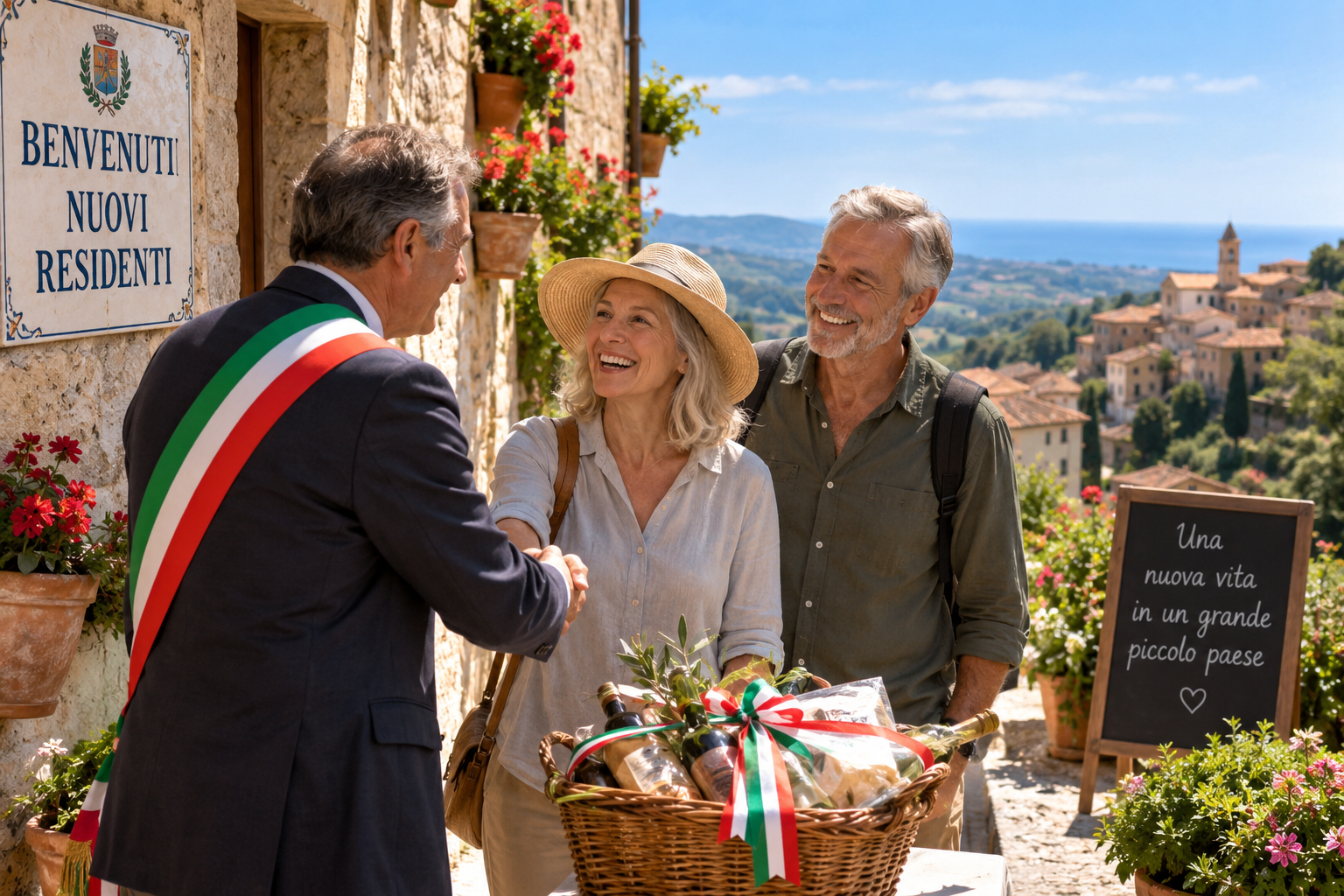
Here is the single most important thing in this entire article, the catch that quietly ends the fantasy for the large majority of American readers, and that almost no cheerful listicle mentions: these programs do not give you the right to live in the country. A town can offer you all the money it likes, but it cannot grant you a visa, and nearly every one of these schemes is open only to people who already have the legal right to reside and work there, which in practice means European Union citizens or people who already hold residency.
Ireland’s generous island grant is explicit about it: you can buy property freely, but you need Irish residency to actually claim the grant, and buying a house does not give you the right to live in Ireland long-term. Switzerland’s Albinen scheme effectively requires a Swiss residence permit or citizenship, which disqualifies almost every international dreamer who reads about it. The Italian and Spanish village schemes assume you can legally live and work in Italy or Spain, something an American cannot simply do by showing up with a renovation budget.
So the brutal truth is this: for an American, the relocation grant is the easy part, and the hard part, the legal right to be there at all, has to be solved first and separately, through one of the residency visas that these town programs neither provide nor replace. The town will happily pay you to move; it just cannot let you in. Solve the visa, through a retirement or work or passive-income route, and these programs become a real bonus. Skip that step, and they remain a daydream no matter how much cash is on the table.
The Strings on the Money
Even once you have the right to be there, the money itself comes tied up in conditions, and they matter enormously for whether any of this makes sense. Age limits are common: Calabria’s richest grant is for the under-forties, Albinen’s for adults under forty-five, which rules out the retirees these headlines most often reach. Long commitments are standard: many programs require you to stay for five years, and Albinen’s demands a decade, with clawbacks if you leave early, so these are not schemes you dip into and out of.
The money is frequently tied to property, meaning you must buy and renovate a specific, often derelict, home, and the grant reimburses renovation costs rather than landing in your bank account as free cash. It is often paid in stages over years rather than upfront, and sometimes requires you to start a business or hold a local job. And the places themselves are, by definition, tiny, remote, depopulated villages and islands, chosen precisely because people have been leaving them, which means limited shops, limited schools, limited work, limited everything, and a very particular kind of quiet, isolated rural life that suits some people wonderfully and makes others climb the walls within a season. These grants exist because the places are hard to live in; that is the whole reason the money is on the table. None of these strings is hidden maliciously; they exist because the programs are trying to genuinely repopulate struggling places with committed long-term residents, not to hand out free money. But every one of them narrows the pool of people for whom the deal actually works, and they are exactly what the breathless headlines leave out.
The Break-Even Math Nobody Shows You
Put the money and the strings together and you get the honest financial picture, which is far less dramatic than the headline numbers suggest. That eighty-four thousand euro Irish grant is not a check that lands in your account; it is reimbursement for renovating a derelict house, work that can easily cost as much as the grant or a good deal more, so the net financial gain may be modest or nothing at all, with the real prize being a renovated home on a remote island rather than cash in your pocket. You are not being paid; you are being heavily subsidized to take on a hard project. Spain’s three thousand euros for a family, paid only after a five-year stay in the village, is essentially break-even once you count the move itself, a small and kindly thank-you for a major life decision rather than anything approaching a reason to make it. Even Calabria’s twenty-eight thousand, spread over three years and conditional on running a business in a village of fewer than two thousand people, is support for a hard undertaking, not a prize.
The honest way to read all of these is that they are lifestyle subsidies, not wealth transfers. They can tip the scales for someone who already wanted to live in rural Italy or a Greek island and who has the legal right and the appetite for village life, turning a desire into an affordable reality.
What they almost never are is a way to get rich, or even noticeably ahead, by moving somewhere you did not otherwise want to be. Nobody has retired early on an Italian village grant; plenty of people have, with one, afforded a rural life they already dreamed of. Run the real numbers on any of them honestly, the headline grant minus the renovation bills, minus the years of commitment, minus the sheer cost and upheaval of uprooting your entire life to a remote village, and the figure that survives is usually small, sometimes negative. The math only ever works if you wanted to be there anyway. The money is real, but it is support for a choice, not a windfall for making it, and anyone promising otherwise has not done the arithmetic.
So Is It Worth It?
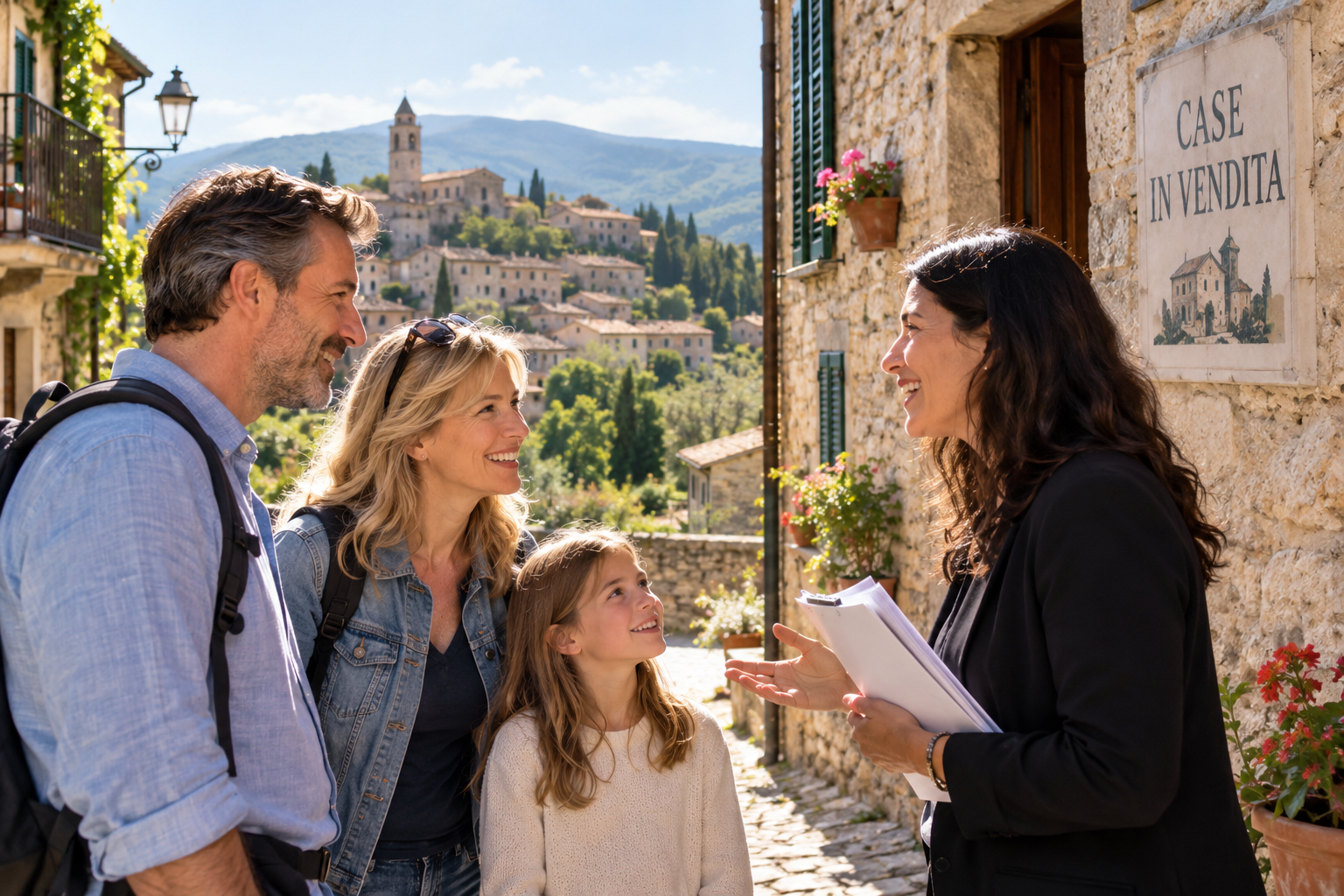
So after all the catches, is there anything real here? Genuinely, yes, for the right person, which is the honest conclusion rather than either the hype or the cynicism. If you already hold the right to live in Europe, whether through citizenship, a residency visa, or an EU passport, and if you actively want the quiet, rooted, small-village life these places offer, and if you go in understanding that the money is support rather than a jackpot, then these programs are a real and welcome leg-up on a move you were already drawn to make. People do it successfully every year, European families and the occasional well-prepared foreigner with residency already in hand, and for them the grant genuinely helps turn a hard move into a possible one. These programs are not scams; they are just far narrower than they sound.
For everyone else, the clear-eyed advice is to treat these headlines as the beginning of a conversation, not the end of one.
Before you fall for a number, solve the residency question first, because without the legal right to be there the grant is meaningless; then do the honest break-even math, counting the renovation, the commitment, and the move; and finally, confirm the program still exists and on what terms, because these schemes open, close, change, and sometimes quietly fail to launch, so last year’s viral article may describe something that no longer runs as advertised. Checked that way, with the visa solved and the math done, a European town paying you to move is a real and lovely thing. Taken at face value, as free money for anyone willing to pack a bag, it is a beautiful headline that most people, and nearly all Americans, can never actually claim without first solving problems the headline never mentions. The difference between the two is entirely in the fine print that nobody ever puts in the title, which is exactly why the honest version of this article is more useful than the exciting one. Read the catches, solve the visa, do the math, and then, maybe, pack.

About the Author: Ruben, co-founder of Gamintraveler.com since 2014, is a seasoned traveler from Spain who has explored over 100 countries since 2009. Known for his extensive travel adventures across South America, Europe, the US, Australia, New Zealand, Asia, and Africa, Ruben combines his passion for adventurous yet sustainable living with his love for cycling, highlighted by his remarkable 5-month bicycle journey from Spain to Norway. He currently resides in Spain, where he continues sharing his travel experiences with his partner, Rachel, and their son, Han.