
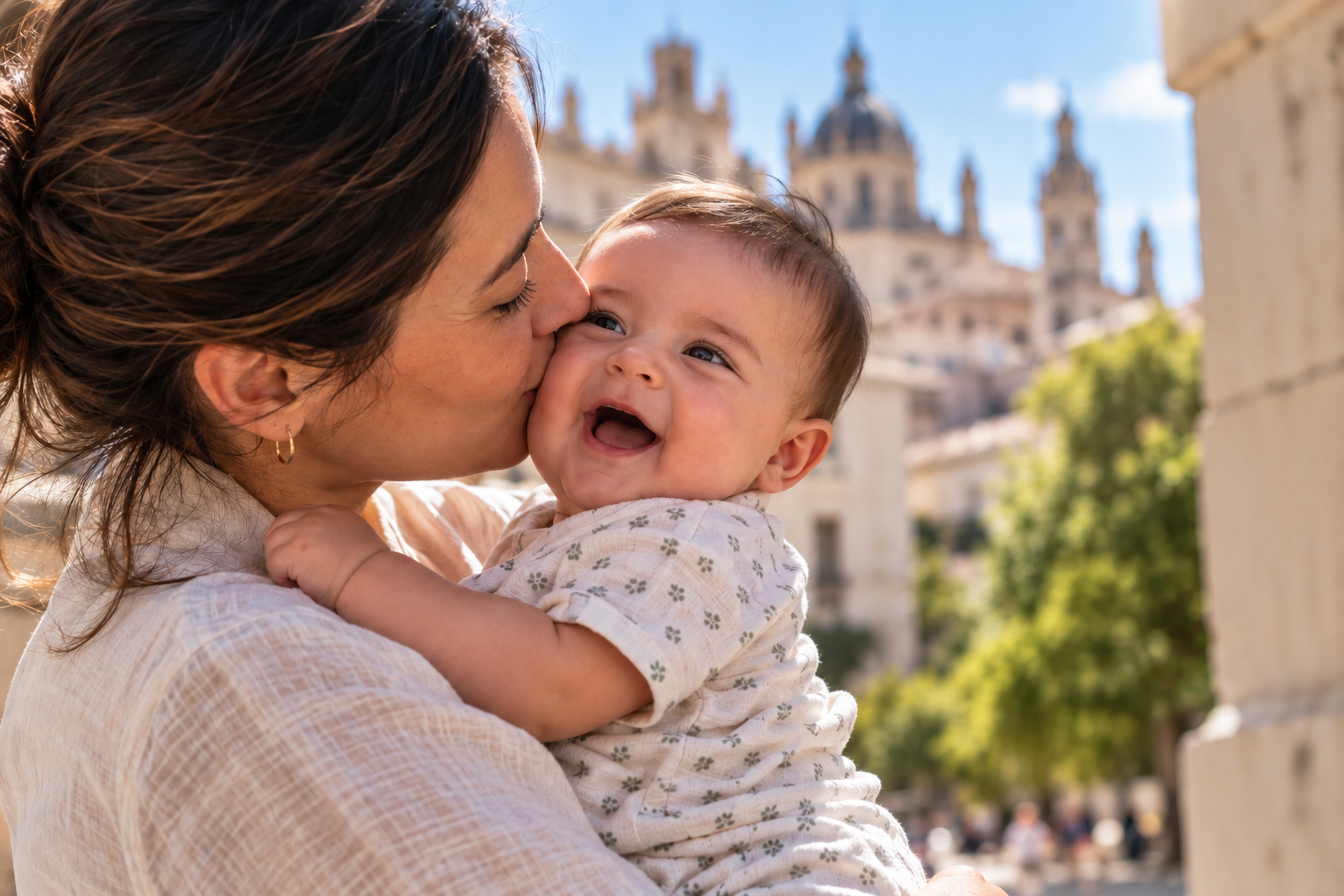
Somewhere in Spain, in an ordinary hospital nursery, a striking statistic is playing out one baby at a time. Roughly one in nine babies born in the country now comes into the world with the help of fertility treatment, a share so high it makes Spain the assisted-reproduction capital of Europe. Behind that number are hundreds of thousands of hopeful parents, both Spanish and foreign. And behind them is a medical industry that has quietly grown into a world leader, drawing people from across the continent and beyond who want a child and have found in Spain the best place to try. It is a story about science and law and demographics all at once, and about the very human desire to build a family. And it explains something surprising about a country more often associated with sun and siestas than with cutting-edge medicine, that Spain has quietly become one of the most important places on earth for the science of having children.
What follows is how large a role fertility treatment now plays in Spanish births, why Spain in particular rose to lead Europe, and what has made it such a magnet for would-be parents from everywhere. It is a subject that touches on medicine and money and law, but at its heart it is about people who want a child, which is worth keeping in view through all the statistics.
The Number Behind the Nurseries
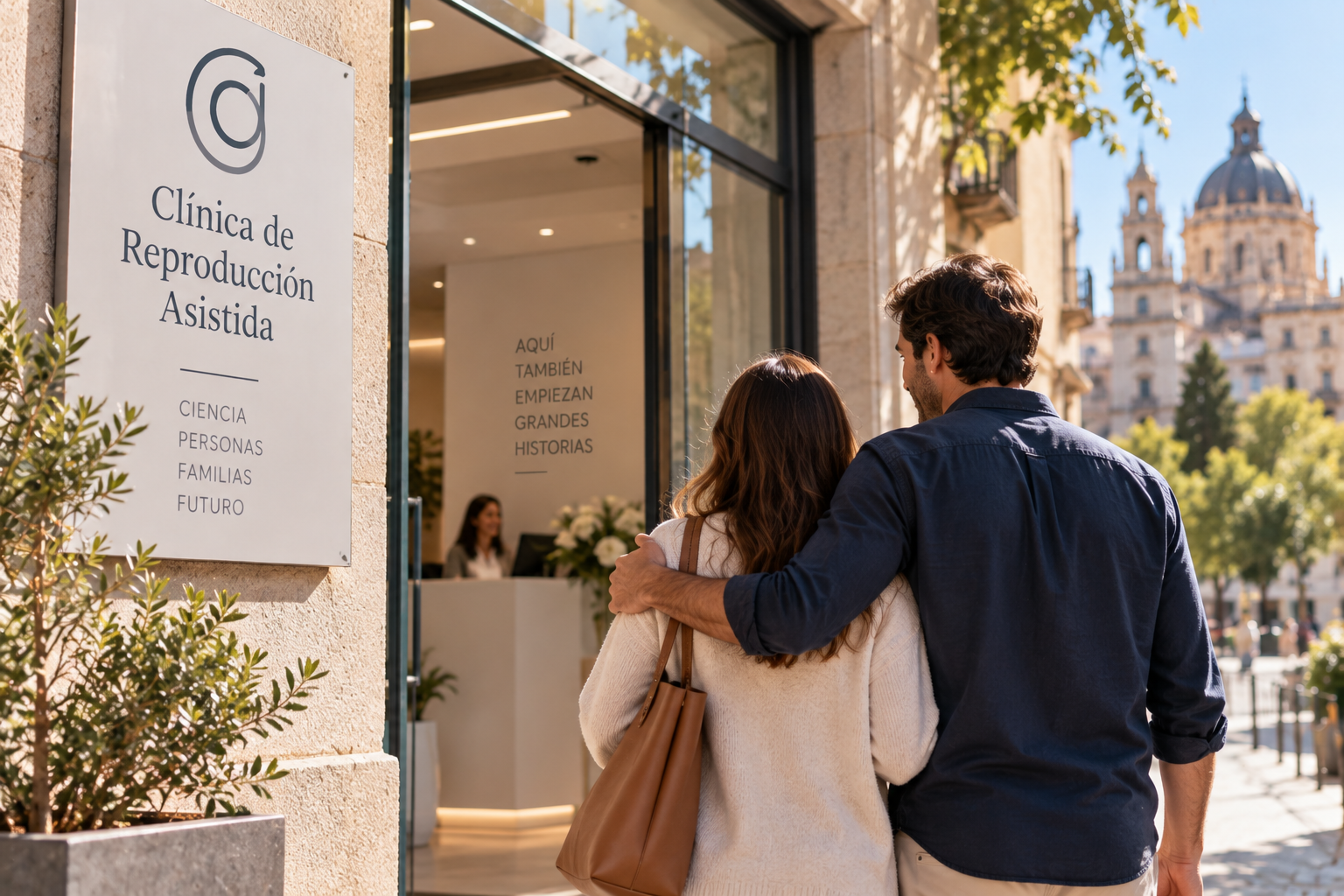
The headline figure is genuinely remarkable, and it has been climbing for years. In recent data, around 12 percent of all babies born in Spain, close to one in nine, were conceived through assisted reproductive technology, the umbrella term, assisted reproductive technology, for treatments like in vitro fertilization and related techniques. That is a far higher share than in most of the world, and it reflects both how common fertility treatment has become in Spain and how central the country has grown to the whole European field. To put it in human terms, in a Spanish maternity ward, better than one baby in every nine or so owes its existence to a laboratory as much as to its parents, a quietly astonishing fact about how families are made now.
Spain does not just have a high rate of treatment, it does the most of it of any country in Europe. Spanish clinics perform more IVF cycles than anywhere else on the continent, well over 150,000 a year, accounting for around 15 percent of all such treatments in Europe, ahead of much larger countries like France and Germany. So the one-in-nine figure is not an isolated curiosity but the visible tip of an enormous, world-class assisted-reproduction sector that has made Spain the place where a remarkable amount of Europe’s baby-making medicine actually happens. In a country of Spain’s size, to lead a whole continent in a field this technically demanding is a genuine and slightly unexpected achievement.
Why Spain, of All Places
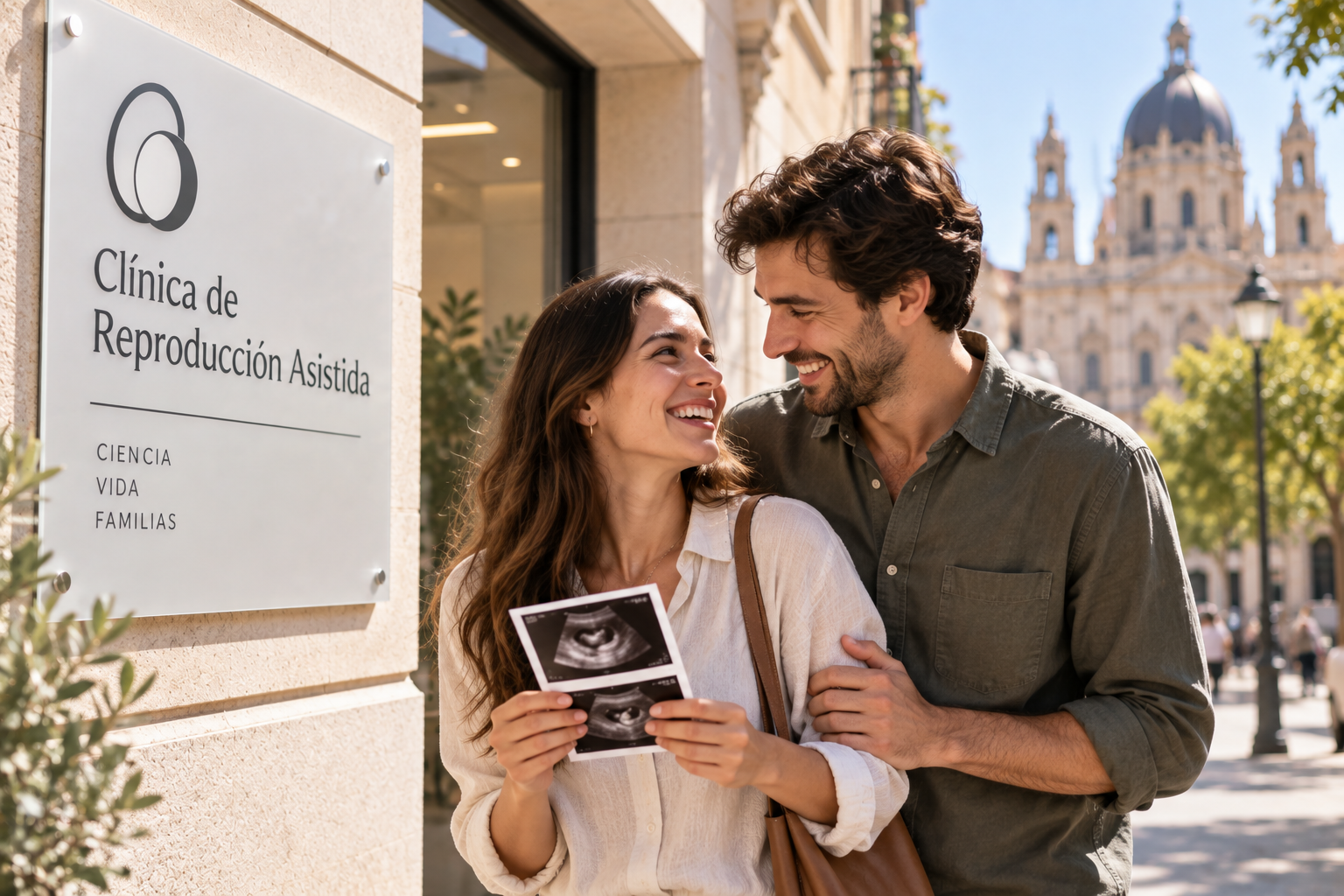
The obvious question is why Spain, rather than a wealthier or larger country, became Europe’s fertility leader, and the answer comes down to a combination of law, medicine, and demographics that lined up almost perfectly. The single biggest factor is Spain’s legislation, which is among the most permissive and well-developed in Europe, allowing a wide range of treatments and, crucially, permitting egg and sperm donation under a well-regulated, anonymous system. Where many countries restrict or ban donor treatments, ban them for certain people, or make them slow and difficult, Spain has built a clear, welcoming legal framework. It manages the difficult balance of being permissive without being lawless, allowing a wide range of treatments while regulating them tightly, which reassures both patients and doctors and has become a model that other countries study.
That openness extends to who can be treated, since in Spain a woman can generally access fertility treatment regardless of her marital status or sexual orientation, so single women and same-sex couples who are shut out or restricted elsewhere are welcomed. On top of the law sits genuine medical excellence, with Spanish clinics known for high-quality care, strong success rates, and constant innovation, and behind that a deep supply of egg donors that makes donor treatments far more available than in most countries. Spanish clinics have also invested heavily in the latest laboratory techniques and technology, giving them some of the best results in Europe, which in a field where success is never guaranteed is a powerful draw all its own. Law, skill, and supply came together, and Spain became the natural European home for building families with medical help. None of these advantages alone would have been enough, but together they created a virtuous circle, in which good law drew patients, patient volume funded excellent clinics, and successful clinics attracted still more patients, until Spain had pulled decisively ahead of every other country in Europe.
The Older Mothers Behind the Numbers

There is a demographic force driving all of this, and it is the same one reshaping much of the developed world, which is that people are having children later. Spanish women, in particular, now become mothers at some of the oldest ages in Europe, waiting well into their thirties and beyond to start families. The reasons are the familiar ones, education, careers, economic insecurity, and the simple difficulty of feeling settled enough to have a child in an expensive and uncertain world. As the age of would-be parents rises, so does the likelihood that they will need help conceiving.
This is the quiet engine under the one-in-nine statistic, because fertility declines with age, so a country where people try for babies later is a country where more of them turn to treatment. Spain has simply run further down this road than most, waiting longer and therefore needing more help, so its clinics are busy in direct proportion to how late its people have chosen, or been forced, to start their families. Spain’s very high maternal ages and its very high rate of assisted reproduction are two faces of the same trend, the postponement of parenthood into years when nature makes it harder. The fertility industry did not create this demand so much as rise to meet it, offering a medical answer to a social pattern that has left many people wanting children at an age when wanting is no longer always enough. It is a genuinely humane role, giving people a real chance at the family they hoped for, even as it grew from a trend that many would rather did not exist, the slow retreat of parenthood into ever-later years.
The Egg Donors at the Heart of It
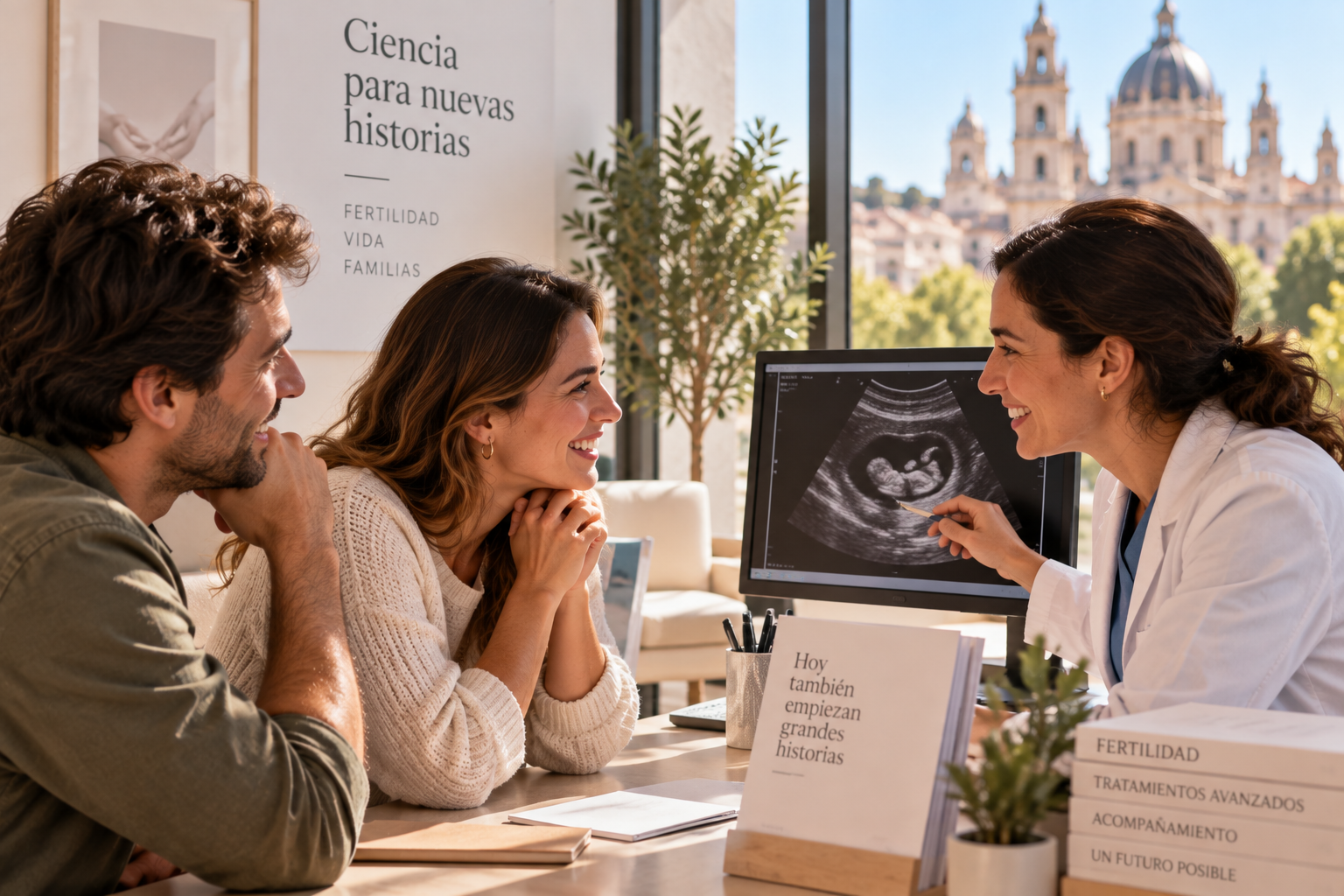
One particular strength deserves its own mention, because it is central to Spain’s dominance and less obvious than the clinics themselves, which is the country’s remarkable supply of egg donors. Spain is not only Europe’s fertility capital but specifically its egg-donation capital, with thousands of women donating eggs every year. That matters enormously, because donor treatments, which are essential for many older would-be mothers and for many who come from abroad, are far more available in Spain than in most countries where donors are scarce.
Several things sustain this supply. Spanish law permits donor compensation, so donors receive a payment for the time and effort a donation cycle demands, and the system is built around strict anonymity, meaning donors and recipients never know each other’s identity, which many donors and patients alike prefer. The result is a steady, regulated flow of donor eggs that keeps Spanish clinics stocked and their waiting lists short, and that has even turned Spain into an exporter, with Spanish egg banks shipping donor eggs to clinics around the world. This deep well of donation is a quiet but decisive reason Spain can treat so many people, including the many who arrive from countries where donor eggs are simply not available. Without a steady supply of donors, even the finest clinics can do little for the older patients who most often need them, so Spain’s donation culture is not a side note but one of the pillars holding the whole edifice up.
The World Comes to Spain
The final piece of the story is that Spain’s fertility patients are not only Spanish, because the country has become a destination for would-be parents from all over the world. A striking share of the people treated in Spanish clinics are foreigners, more than half at many centers, coming from Germany, the United Kingdom, France, Italy, the Netherlands, and dozens of other countries in search of something they cannot easily get at home. Spain has become, in effect, Europe’s fertility clinic as well as its most prolific one, treating not only its own citizens but a large share of the whole continent’s hopeful parents. The scale of that inbound traffic is remarkable, whole clinics whose patients are mostly foreign, entire cities where the fertility trade is a meaningful part of the visitor economy.
They come for concrete reasons that Spain happens to answer well. Many face legal restrictions or outright bans on treatments like egg donation in their own countries, or long waiting lists in overstretched public systems, or a shortage of donors, and in Spain they find those barriers gone, along with strong success rates, donor anonymity, and often lower costs than at home. For someone whose own country has told them no, or not yet, or not you, Spain’s open, capable, welcoming clinics can feel like a door finally opening after years of frustration, which is why year after year they make the journey to become parents on Spanish soil. There is something moving in the picture of couples and single hopefuls traveling across borders, carrying their deepest wish with them, to a country that will simply say yes where their own said no.
A Nation Having Fewer Babies
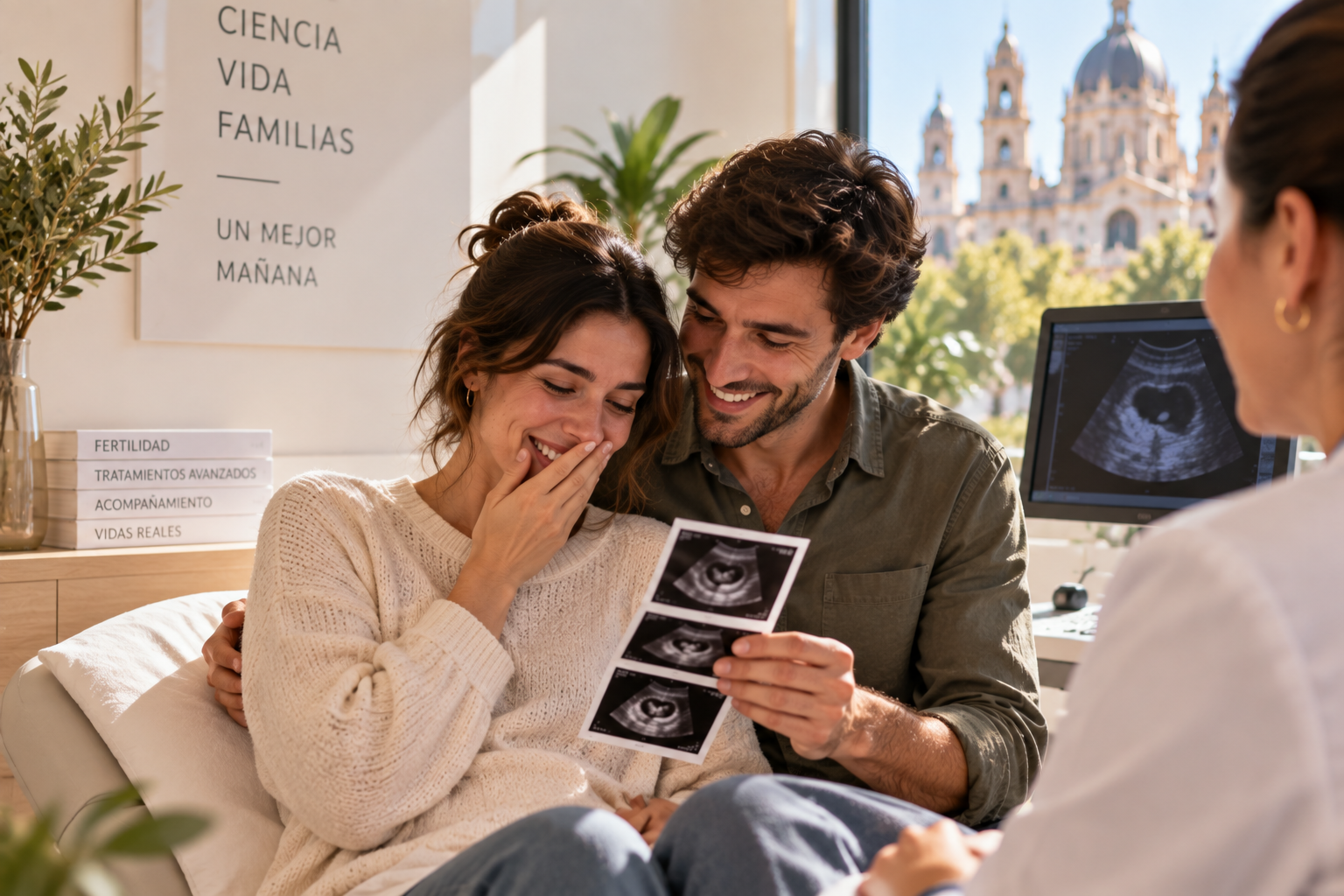
There is a poignant paradox running underneath all of this, and it is worth naming honestly. At the very moment Spain leads the world in helping people have babies, the country itself is having fewer children than almost ever before, with a birth rate that has fallen to historic lows and sits well below the level needed to replace its population. Spain is simultaneously Europe’s reproduction capital and one of its least fertile nations, a contradiction that says a great deal about the modern world.
The two facts are connected, because the same forces that push people to have children later, and thus to need treatment, also lead many to have fewer children or none at all. The high cost of housing, the insecurity of work, the difficulty of combining career and family, all of it pushes parenthood later and makes it smaller, so the same country that helps thousands become parents against the odds is watching its overall birth rate quietly shrink.
The fertility industry helps individual families overcome the biology of delay, one longed-for baby at a time, but it cannot reverse the larger social and economic currents that are shrinking the birth rate across much of Europe. So Spain’s gleaming clinics tell two stories at once, a triumphant one about medicine’s power to build the families people desperately want, and a sadder one about a society in which having children has become harder, later, and rarer than it once was. Both stories are true, and holding them together is the only honest way to think about the whole phenomenon, neither celebrating the industry uncritically nor ignoring the real good it does for the families it helps.
What It Means for Everyone Else
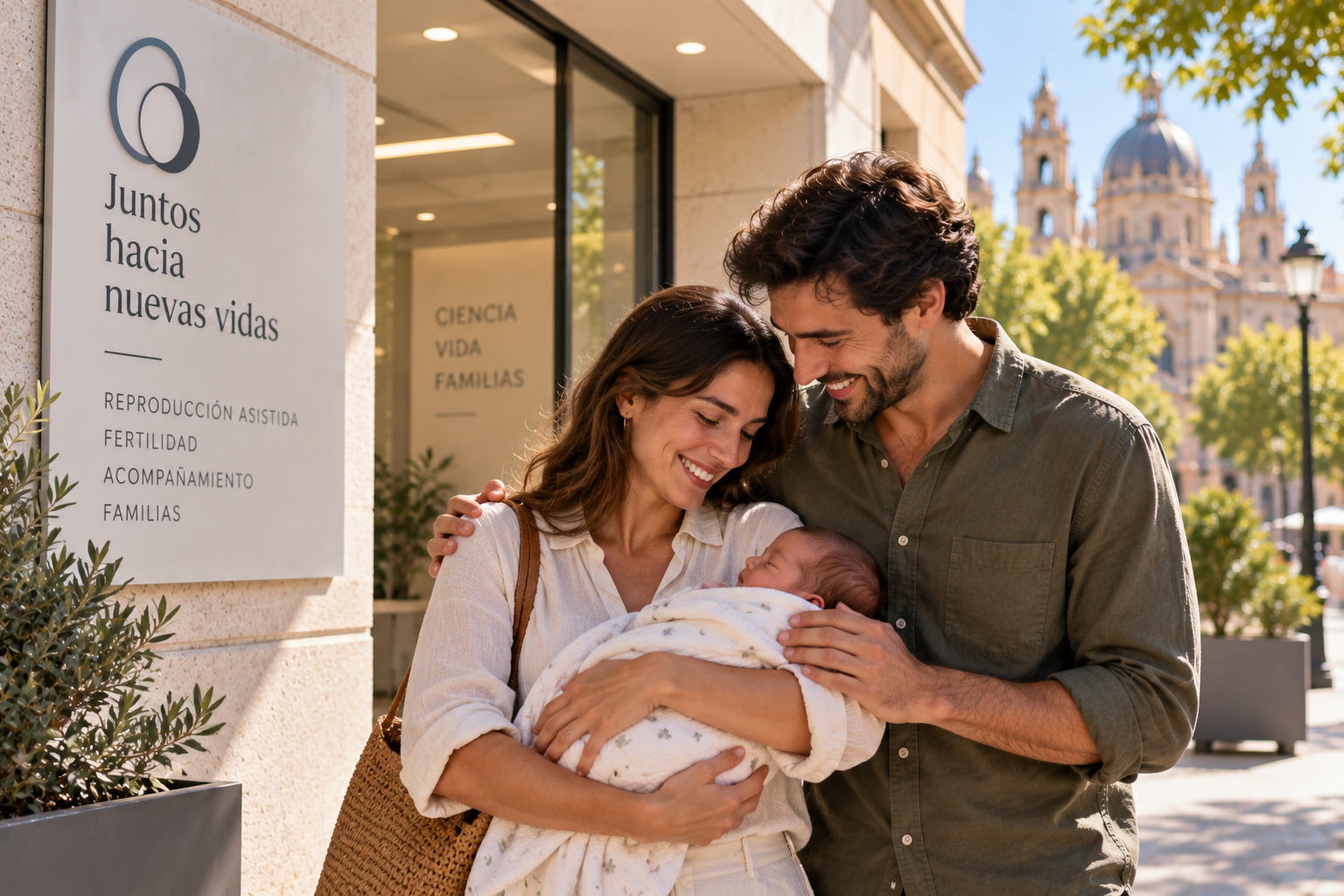
For the wider world, Spain’s rise as a fertility capital is both a practical fact and a sign of things to come. Practically, it means that for people struggling to conceive anywhere in Europe, Spain is a place worth knowing about, a country whose combination of good law, good medicine, and open access has made it the continent’s go-to destination for building a family with help. Word of this has spread far beyond the medical world, so that for many couples across Europe, the phrase going to Spain has quietly come to mean one specific thing. What Spain figured out, others are watching closely, and hoping to learn from. Governments and clinics elsewhere study the Spanish model, its blend of permissive law and tight regulation, its donor system, its balance of access and oversight, as they grapple with the same rising demand at home.
More broadly, Spain is a preview of a trend spreading across the developed world, as later parenthood makes assisted reproduction an ever more ordinary part of how children come into being. What feels remarkable in Spain today may soon feel unremarkable everywhere, as more and more of the developed world ages into the same pattern of delayed families and rising treatment. The one-in-nine figure that seems so high today may look modest in a generation, as more countries follow the same path of delayed families and rising treatment. Spain simply got there first and built the infrastructure to match, turning a quiet medical field into a genuine national strength and a point of quiet pride. In doing so it has become the place the rest of Europe looks to when the oldest human wish, to have a child, needs a modern helping hand, which is a role that is likely only to grow as the years pass and the trend that created it spreads. That it happened in Spain, a country the rest of the world tends to picture in terms of beaches and long lunches rather than laboratories, is a reminder that national strengths can grow in unexpected places, quietly, until one day the numbers reveal them.

About the Author: Ruben, co-founder of Gamintraveler.com since 2014, is a seasoned traveler from Spain who has explored over 100 countries since 2009. Known for his extensive travel adventures across South America, Europe, the US, Australia, New Zealand, Asia, and Africa, Ruben combines his passion for adventurous yet sustainable living with his love for cycling, highlighted by his remarkable 5-month bicycle journey from Spain to Norway. He currently resides in Spain, where he continues sharing his travel experiences with his partner, Rachel, and their son, Han.