
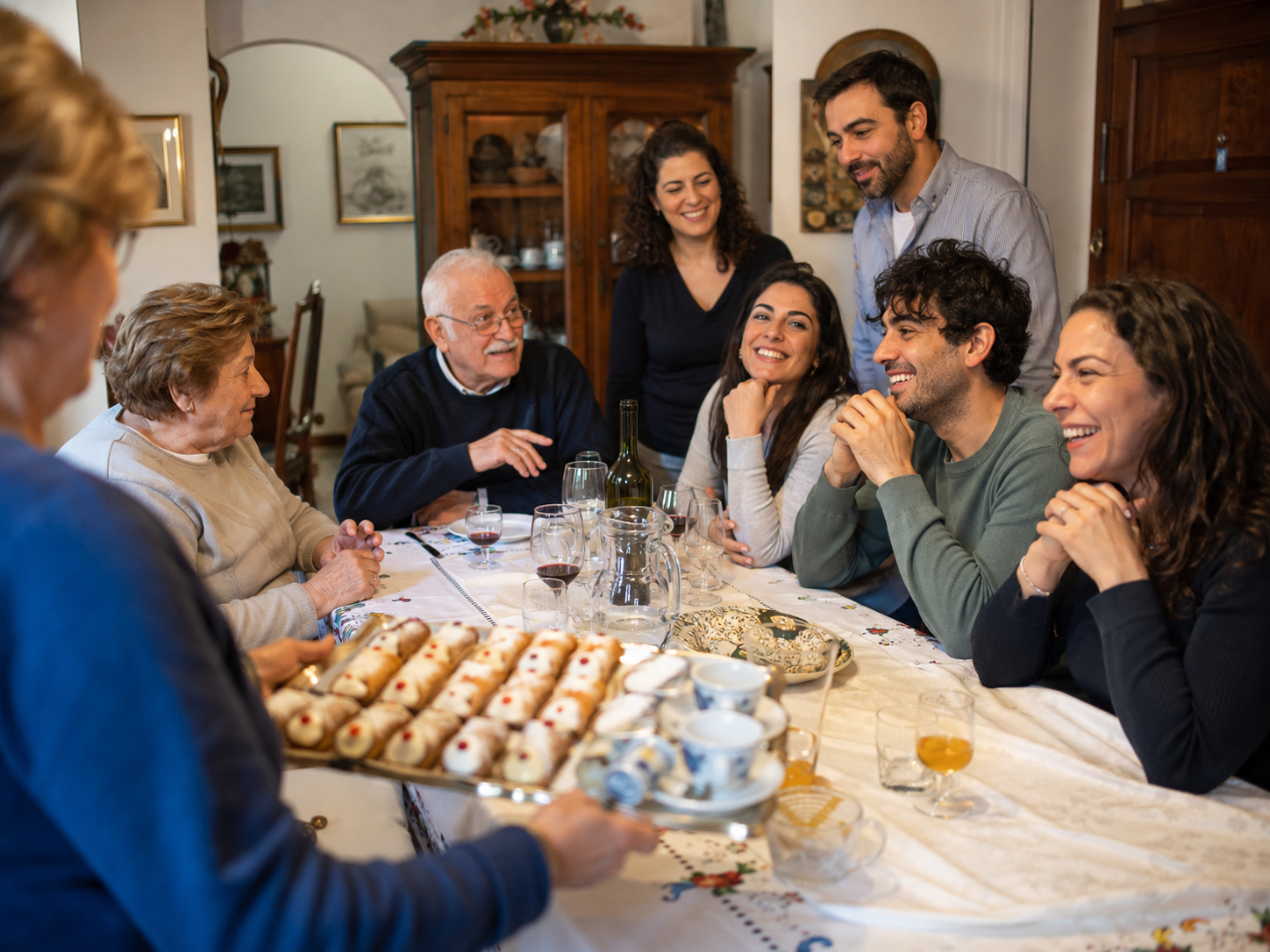
In many Italian families, dessert is not a nightly event but a Sunday one. The tray of little pastries, the pastarelle as they call them in Rome, is bought on Sunday morning and brought to the long family lunch, shared at the end of the meal with coffee and relatives, and it is precisely because it belongs to Sunday that it feels like such a treat. During the week, meals end more simply, with fruit or with nothing sweet at all, and the real dessert waits for the weekend. For thirty days I ate this way, allowing myself a proper dessert only on Sundays, and the most surprising thing was not the discipline of the weekdays but how quickly the discipline stopped being necessary, because within a couple of weeks the daily craving for something sweet after dinner had quietly faded on its own.
What follows is the Italian Sunday-dessert tradition, why the after-meal sweet craving is mostly a habit rather than a need, why it faded so fast, and why the Sunday dessert itself became so much better. The short version is that having dessert less often turned out to mean enjoying it more, which is not what the word discipline usually promises.
The Sunday Pastry Tray
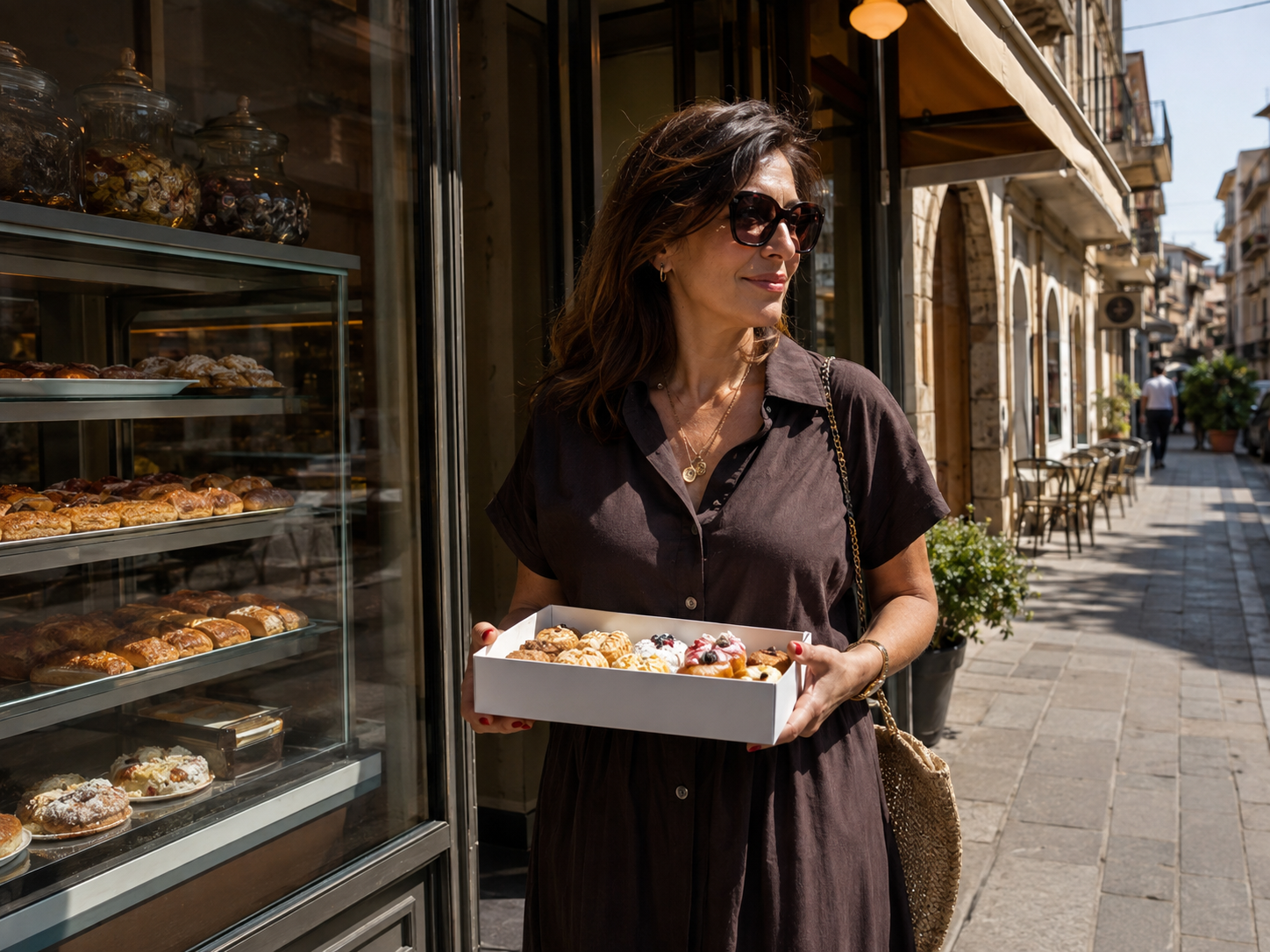
The Italian Sunday dessert is a genuine ritual, tied to the Sunday family lunch that remains, even in a busier modern Italy, a cherished institution. Someone stops at the pasticceria on the way to lunch and carries home a tray of small pastries, mignon-sized delights to be shared, and it arrives at the end of a long, unhurried meal with the coffee, a sweet full stop to a family gathering. It is not something one does alone on a Tuesday night, it is bound up with the weekend, the family, and the sense of occasion.
That framing is the whole point, because it makes dessert an event rather than a routine. The pastries are anticipated all week, chosen with care, shared with people you love, and enjoyed slowly, which is a completely different relationship with a sweet than absentmindedly finishing every dinner with something from a box. During the ordinary week the Italian table is far more restrained about sweets, so the Sunday tray stands out as the treat it is meant to be. Dessert, in this tradition, is not a daily habit but a weekly celebration, and that single structural difference changes everything about how much sugar a person eats and how much they enjoy it.
The Craving Is Mostly a Habit
Here is the piece of psychology that makes the whole thing work, and it is genuinely useful to understand. When you eat dessert after every single meal, your brain learns to expect it, so the end of a meal becomes a cue that automatically triggers a craving for something sweet, not because your body needs it but because it has been trained to anticipate it. The habit of dessert after dinner creates the very craving for dessert after dinner, in a self-reinforcing loop, where each sweet ending teaches your brain to demand the next one.
This is worth sitting with, because it means a great deal of the nightly pull toward dessert is learned rather than innate, a conditioned reflex built by repetition rather than a true hunger. The craving feels like a need, urgent and real, but much of it is really just your brain running a pattern it was taught, expecting the reward it usually gets at that moment. And the useful consequence of that is simple: a pattern that was learned can be unlearned, and a craving built by habit can be dissolved by breaking the habit. The nightly sweet craving is not a fixed feature of you, it is a groove worn by routine, and grooves can be smoothed over. This is genuinely hopeful, because it means the person who says they simply cannot end a meal without something sweet is describing a habit, not a life sentence, and habits, unlike fixed traits, are changeable with a little time and a different pattern.
Why the Weekday Craving Faded
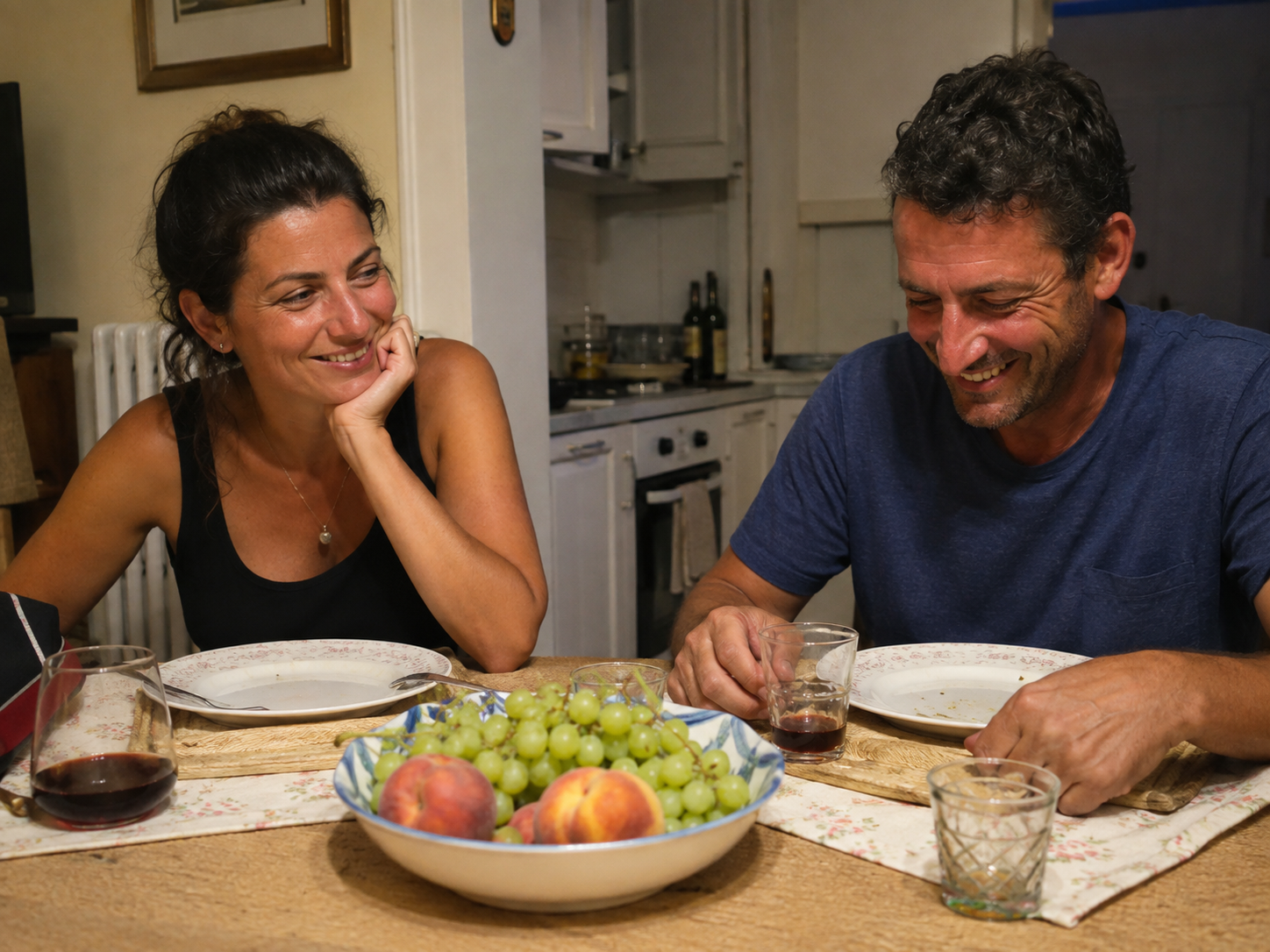
Knowing the craving was largely habit, I still expected the weekdays to be a struggle, and for the first few days they were, since the end of each dinner brought the familiar reflexive reach for something sweet that was not coming. But then something I had read about but not quite believed actually happened, which is that after a week or so, the craving began to shrink, because my brain, no longer reliably rewarded with dessert at the end of a weekday meal, gradually stopped expecting it. The cue slowly detached from the reward, and the reflex faded.
By the end of two weeks, most weeknight dinners simply ended without any strong desire for dessert at all, which a month earlier I would have found hard to imagine. This is the quietly liberating truth at the center of the experiment, that the craving I had assumed was a permanent part of my evenings was mostly a habit I had trained into myself, and that untraining it took not heroic willpower but simply a couple of weeks of a different routine. I want to be honest that cravings are not purely habit, since sweetness is tied to emotion, reward, and deep biology too, so the pull never vanished entirely and Sundays still called. But the ordinary, automatic, every-night version of it, the one that had nothing to do with genuine desire and everything to do with expectation, faded almost completely, and its going was a relief.
The Sunday Dessert Got Better
The unexpected joy of the month was on the other side of the ledger, because as weekday dessert faded, Sunday dessert became genuinely wonderful. When you have something every day, it stops being special, since the daily repetition dulls the pleasure through simple familiarity, and a nightly dessert becomes background rather than a treat. Reserve it for once a week, though, and it transforms back into an event, anticipated, savored, and enjoyed with an attention that daily dessert never receives.
By Sunday I genuinely looked forward to the dessert in a way I never had when it was a nightly given, and the anticipation itself, the knowing all week that Sunday held something sweet and good, turned out to be a pleasure in its own right. When the dessert finally arrived, I tasted it properly, slowly, gratefully, rather than shoveling it in on autopilot, and it was better for the waiting.
This is the paradox that the Italian tradition understood all along, that having less dessert made the dessert I did have more delicious, and that scarcity, in the gentle form of once a week, is what keeps a treat a treat. Daily dessert is not a life of abundance, it is a life where dessert has quietly stopped meaning anything. There is something almost paradoxical in it, that the person who denies themselves dessert most nights ends up with a richer experience of it than the person who never denies themselves at all, but it is true, and once you have felt the difference between a longed-for Sunday pastry and a forgettable Tuesday cookie, you understand it completely.
What the Month Was Actually Like
The lived experience, past those first few reflexive evenings, was easier and happier than I expected. Once the weekday craving faded, there was no ongoing struggle to speak of, because I was not white-knuckling my way past a nightly temptation but simply living without a habit I no longer had, and the absence of the craving meant there was nothing to resist. The weekdays felt clean and uncomplicated, and Sunday glowed on the horizon. There is a particular contentment in ending an ordinary dinner and simply being done, the plates cleared, the evening open, no small tug toward the kitchen for one more thing, and that quiet completeness turned out to be its own reward.
The sugar side of it was significant without any sense of sacrifice, since cutting real dessert from most nights of the week to just one removes a very large amount of sugar from a month, and I did it while still having, and deeply enjoying, dessert every single week. That is the balance the Italian families struck long ago, a diet with far less sugar in it that nonetheless includes a proper, joyful, celebrated dessert, which is a far happier arrangement than either daily indulgence or grim total abstinence. I ended the month eating less sugar, enjoying dessert more, and free of a craving that had quietly run my evenings for years. That last part was the real prize, the freedom, because a craving you always obey is a small daily master, and being released from it, discovering the evenings did not in fact need a sweet ending, felt less like a sacrifice than like getting something back.
The Diminishing Returns of Every Day

There is a deeper principle underneath why the Sunday dessert tasted so good, and it applies to far more than sweets. Human pleasure runs on contrast and novelty, so anything you have constantly, no matter how delicious, gradually fades into the background through simple familiarity, a phenomenon psychologists call hedonic adaptation. The first bite of a dessert you have every night lands with a fraction of the joy of the first bite of one you have been anticipating all week, even when it is the very same dessert.
This is the quiet tragedy of abundance, that having something always is the surest way to stop enjoying it, and daily dessert is a perfect small example. By making sweets a nightly given, the modern habit does not maximize the pleasure of dessert, it minimizes it, spreading a fixed amount of enjoyment so thin across so many servings that each one barely registers. The Italian approach does the opposite, concentrating the pleasure into one anticipated weekly event where it can be felt fully, which means the person eating dessert once a week may genuinely get more total joy from it than the person eating it every night, while consuming a small fraction of the sugar. Less really can be more, not as a diet slogan but as a fact about how pleasure works.
It Is About Rhythm, Not Restriction
This is the essential thing to understand, because framed wrongly it could sound like a punishing rule, and it is the opposite. Eating dessert only on Sundays is not about deprivation or forbidding yourself a food, it is about giving dessert a rhythm that makes it special again, elevating it from a mindless daily habit to a genuine weekly pleasure. You are not taking dessert away, you are giving it back its meaning, and the craving fades not because you are heroically resisting it but because you have simply stopped feeding the habit that created it.
That distinction matters enormously for whether this is a healthy idea or an anxious one. Done in the right spirit, it is joyful, a way to enjoy dessert more by having it less, with no guilt attached and plenty of room for flexibility, and if a Wednesday brings a slice of something wonderful, that breaks nothing. The aim is a happier, more intentional relationship with sweets, not a stricter or more fearful one, and the moment it started to feel like a rigid rule to police rather than a pleasant rhythm to enjoy would be the moment to loosen it. This is Italian joy, not diet culture, and the difference is the whole point. One approach shrinks your life around a food you must fear and ration, while the other enlarges it around a food you get to look forward to and love, and though they might produce a similar number on a chart, they are opposite experiences to live inside. The Italian families who eat this way are not depriving themselves of anything, they are savoring something, and that spirit is what makes the habit both healthy and happy rather than one at the expense of the other.
How to Try It
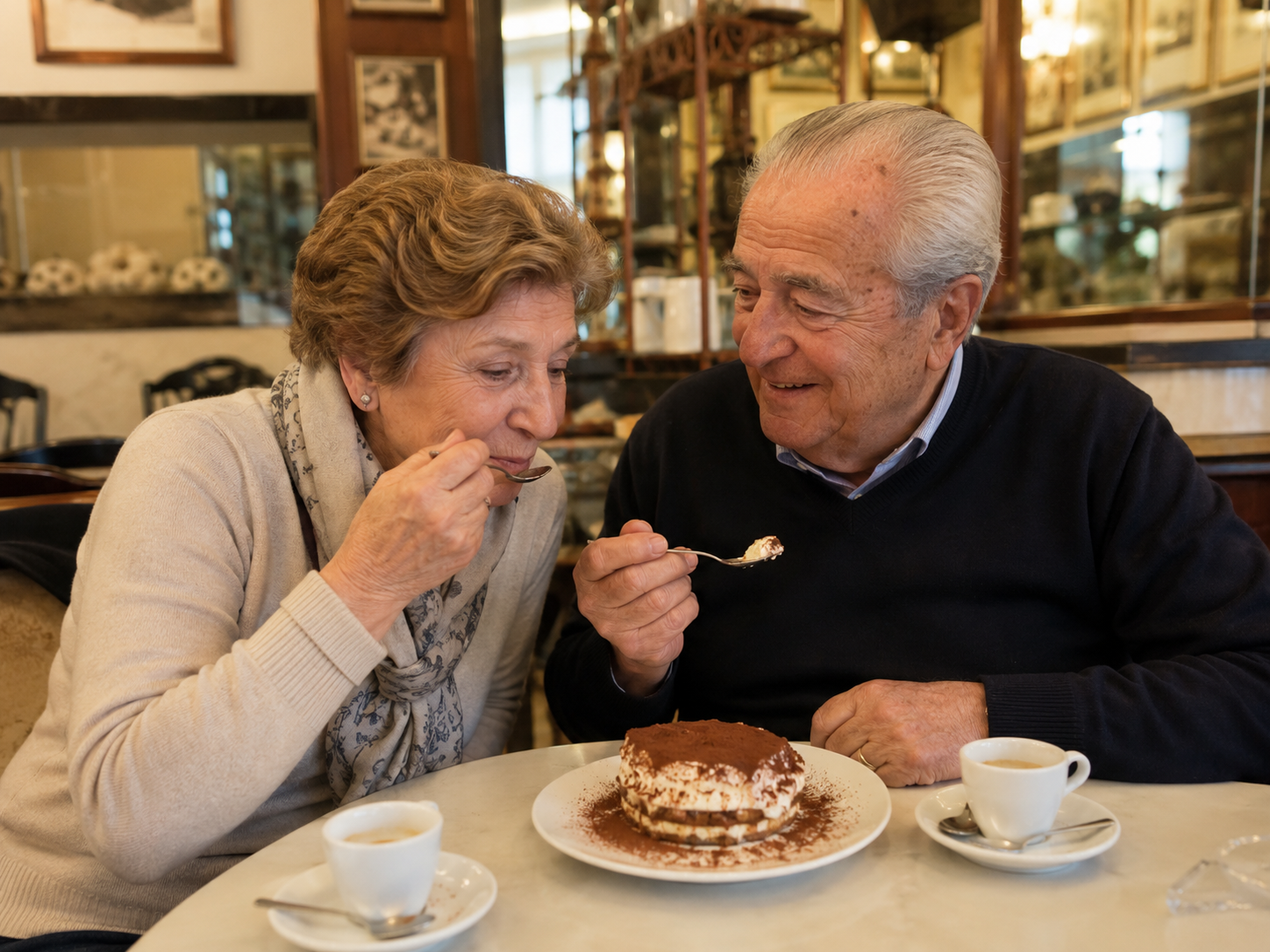
If the idea appeals, the practical version is simple and forgiving. Pick a day, and it does not have to be Sunday, that will be your dessert day, and make the dessert on that day a real, good one that you genuinely love and look forward to, since the anticipation is half the pleasure and a disappointing dessert defeats the purpose. On the other days, end meals with fruit or with coffee or with nothing, and expect the first several days to bring some habitual craving that will ease as your brain adjusts.
Above all, hold it lightly, because the goal is a better relationship with dessert and not a new source of stress, so let the day flex when life calls for it, a birthday, a dinner out, a genuine want, and do not turn a pleasant rhythm into a rigid law. Give it two weeks, let the weekday craving do its quiet fading, and let your chosen dessert day become the small weekly celebration the Italians have always known it could be. You will very likely find, as I did, that you end up eating far less sugar, enjoying dessert far more, and missing the nightly version not at all. Of the many small European habits worth borrowing, this one may be the most surprising, because it delivers the thing every diet promises and almost none provide, less sugar with more pleasure, and it does it not through willpower but through a simple change in rhythm that the Italian family lunch worked out generations ago.
Do hold this loosely and joyfully rather than as a strict rule, since the point is to make dessert a delight to look forward to rather than a thing to police, so a treat on a Wednesday because you feel like it breaks nothing, the aim is a happier rhythm and not a stricter one, and if food or sweets are ever a source of real stress for you, take only the gentle idea of savoring dessert more by having it less often, and be kind to yourself about all the rest.

About the Author: Ruben, co-founder of Gamintraveler.com since 2014, is a seasoned traveler from Spain who has explored over 100 countries since 2009. Known for his extensive travel adventures across South America, Europe, the US, Australia, New Zealand, Asia, and Africa, Ruben combines his passion for adventurous yet sustainable living with his love for cycling, highlighted by his remarkable 5-month bicycle journey from Spain to Norway. He currently resides in Spain, where he continues sharing his travel experiences with his partner, Rachel, and their son, Han.