
Sitting down in a real Spanish restaurant, the kind with tablecloths and a proper kitchen rather than a bar lined with small plates, is one of the great pleasures of the country, and it runs on a rhythm that catches Americans out almost immediately. Show up at the wrong hour, order the wrong way, expect the wrong things, and you will have marked yourself as a tourist before the bread even lands on the table. None of the rules are difficult, and Spanish waiters are patient with a visitor who is clearly trying, but knowing them is the difference between a rushed, slightly baffling meal and one of the long, unhurried, genuinely joyful lunches Spain does better than almost anywhere. Here are the nine that Americans break most often, and a note at the end on why a restaurant is not a tapas bar.
Rule One: Eat on Spanish Time
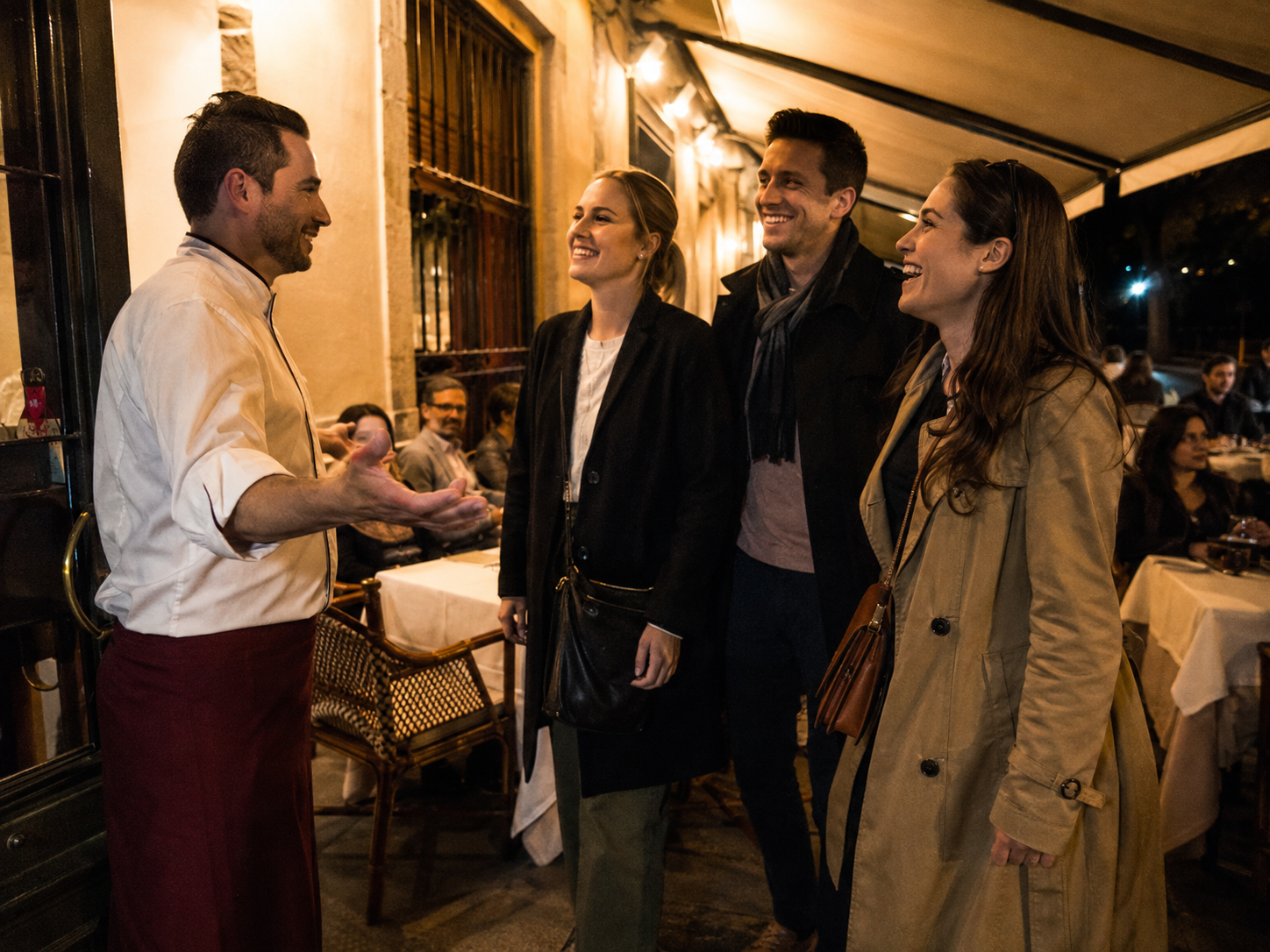
The single biggest mistake is the clock, and it will quietly wreck your plans if you ignore it. Spaniards eat lunch, the main meal of the day, between roughly 2 and 3:30 in the afternoon, and they eat dinner late, from about 9 until 11 at night, with proper restaurants often not opening their kitchens for dinner until 8:30 or 9. Turn up hungry at an American hour, dinner at six, and the good restaurants will be closed, their kitchens dark until the evening service begins.
The trap catches people twice, because between the two main meals, roughly from four until eight-thirty, most restaurant kitchens are shut entirely, so a hot sit-down meal at five in the afternoon is genuinely hard to find outside tourist zones. If you try to keep American hours in Spain, the only places open will be the ones catering to other foreigners, which are rarely the best. The fix is simply to shift your day, a late lunch and a late dinner, and to bridge the gap with a coffee or a snack rather than fighting the schedule. Eat when the Spanish eat and the whole country’s kitchens open up to you. It takes a day or two for a visitor’s stomach to adjust, but once it does, the late Spanish schedule stops feeling strange and starts feeling like the civilized thing it is.
Rule Two: Order the Menu of the Day
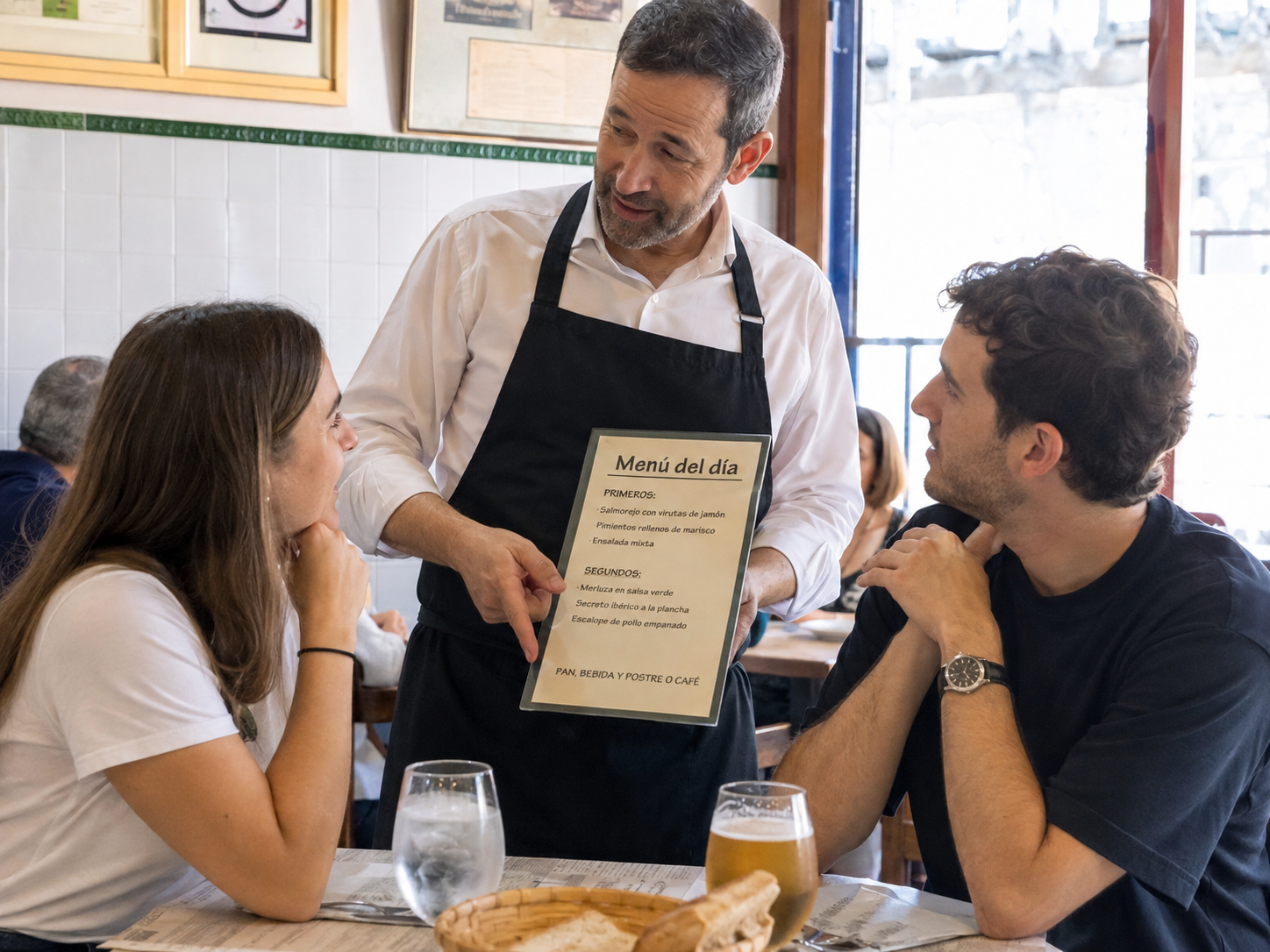
At lunch, the smartest order in Spain is often sitting right there on a board by the door, and Americans routinely walk past it. The menu del dia, the menu of the day, is a fixed-price set lunch that most restaurants offer on weekdays, usually a starter, a main course, a dessert or coffee, bread, and often a drink, all for one modest price. It is how working Spain eats lunch, it is excellent value, and it is a window into honest, seasonal, regional home cooking rather than tourist fare.
Ordering it is the local move and one of the best deals in European dining. For a fraction of what the same three courses would cost ordered separately, you get a real, satisfying midday meal, and because it changes daily with what is fresh and cheap, it is often the truest food in the house. Look for the words menu del dia posted outside or chalked on a board, ask for it when you sit, and you will eat like a local for a working person’s price. Skipping it in favor of the a la carte menu is a common and expensive tourist habit. The menu is usually a lunchtime, weekday offering rather than an evening one, so it is a reason to make lunch your big meal, exactly as the Spanish do.
Rule Three: Ask for Tap Water by Name
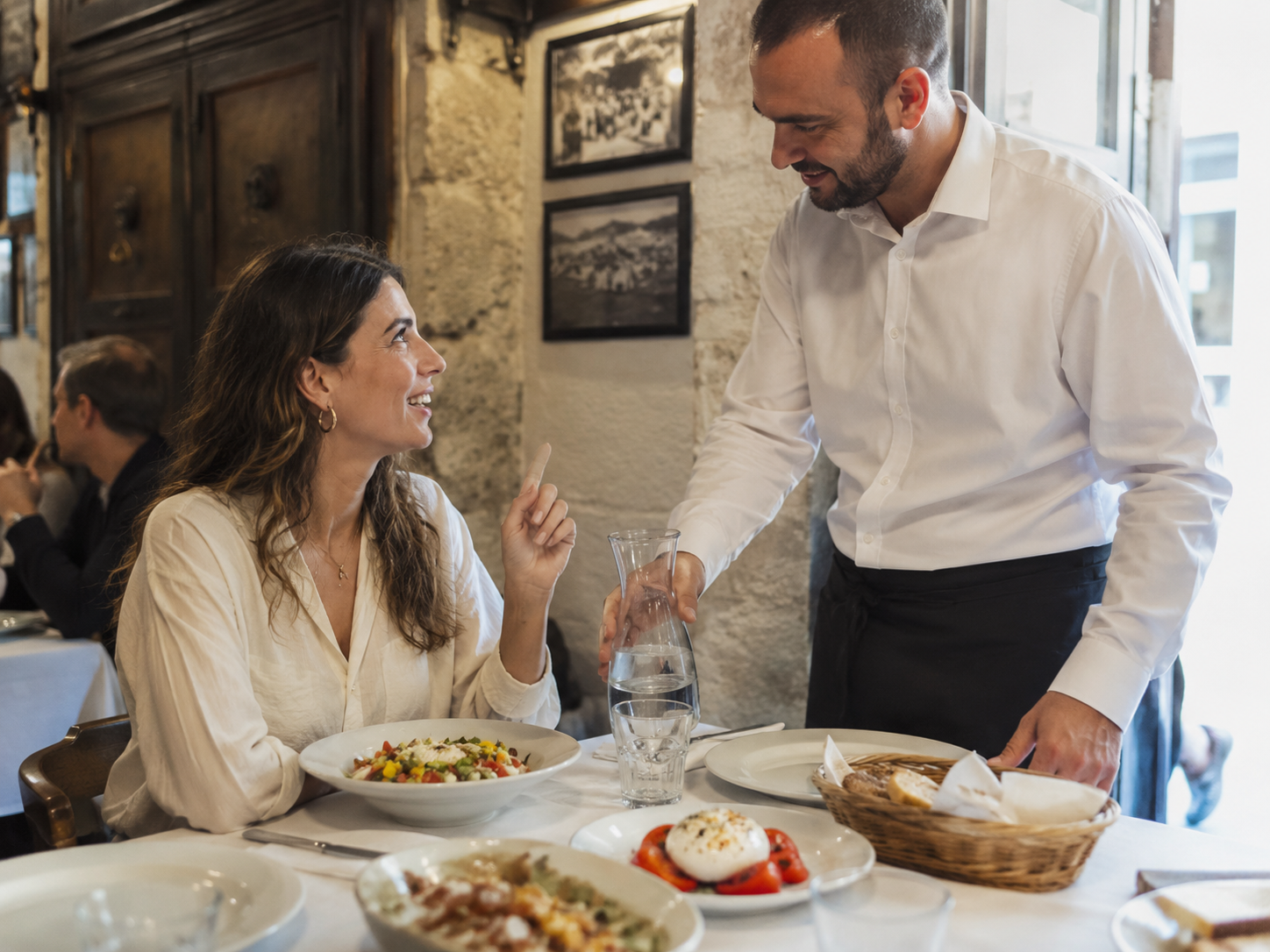
Order “water” in a Spanish restaurant and you will usually get an expensive bottle, because tap water is not brought automatically the way it is in America. If you want the free tap water, which is perfectly good in most of Spain, you have to ask for it specifically as agua del grifo, tap water, or you will be offered bottled, still or sparkling, and charged for it. The waiter may give you a slightly puzzled look, since bottled is the default many Spaniards themselves order, but asking for tap is completely acceptable.
This is a small thing that quietly adds up across a trip. A bottle of water with every meal is a real cost over a week or two, and the tap water is free and fine, so knowing the three words saves you money at no loss of quality. Ask for agua del grifo when you order, take the funny look in stride, and drink for free. It is one of those tiny local habits that marks the difference between a tourist and someone who knows how the country works. And the Spanish tap water is genuinely good in the great majority of the country, so there is rarely any reason beyond preference to pay for the bottle.
Rule Four: The Bill Will Never Come Unasked
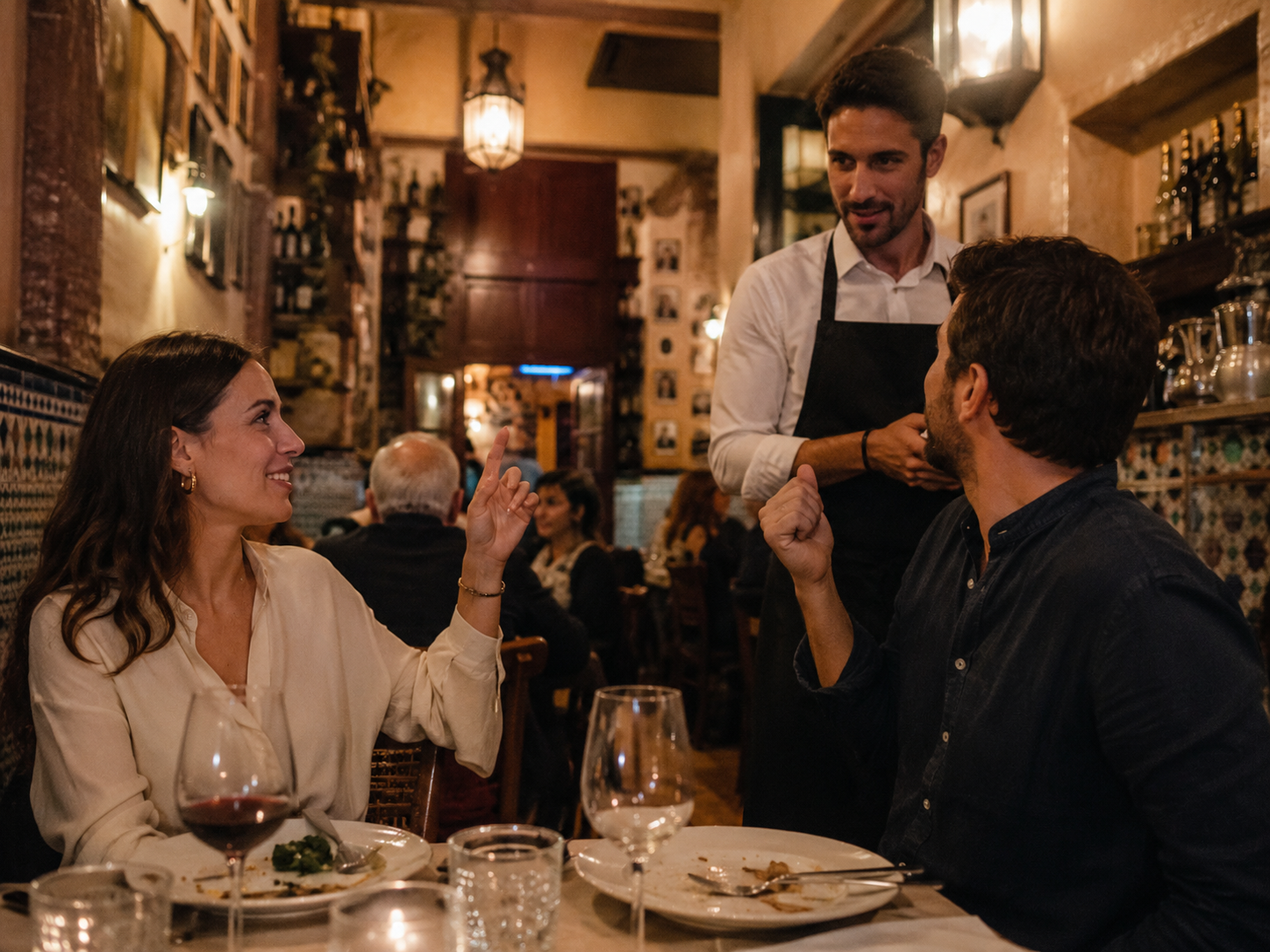
Sit waiting for the check to arrive on its own in Spain and you may be there until closing, because bringing the bill unbidden is considered rude, as though the restaurant were rushing you out the door. The waiter will simply not deliver it until you ask, and to an American used to the check landing the moment the plates are cleared, this can feel like being forgotten or ignored, when in truth you are being left in peace to enjoy your table.
When you are ready to go, you catch the waiter’s eye and ask for la cuenta, por favor, the bill please, and it will come, though often it is the slowest thing to arrive all meal. Do not sit there quietly fuming that the service has failed, because the service is being polite by Spanish standards, not neglectful by American ones. Understanding this one custom turns a frustrating wait into a relaxed one, and it is the natural close to the unhurried Spanish meal, which is not built to be rushed at either end. The waiter is not ignoring you, they are declining to be the one who ends your evening, leaving that decision entirely and courteously in your hands.
Rule Five: Stay for the Sobremesa
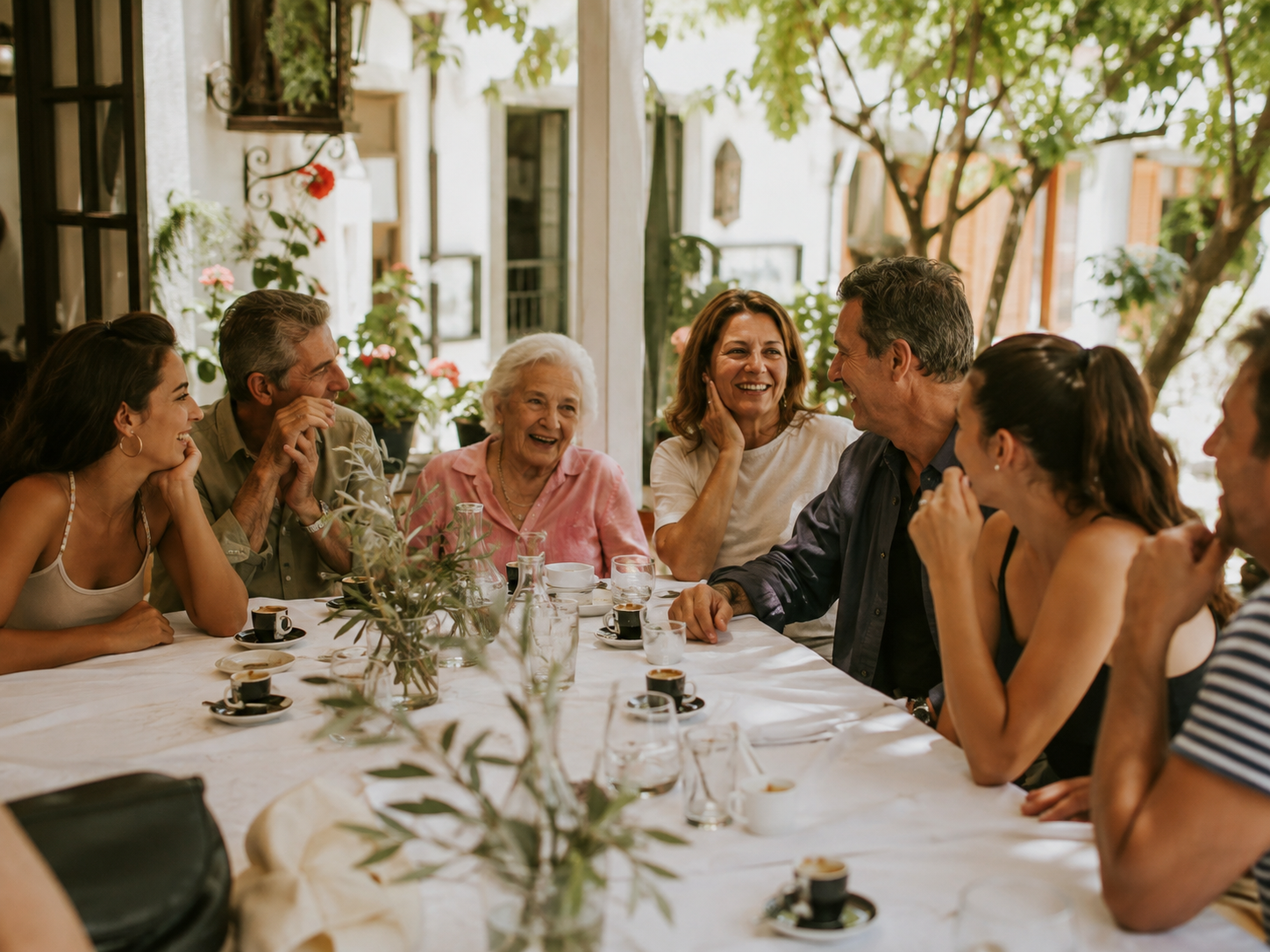
The American habit of standing up the moment the food is gone is deeply out of step in Spain, where the time after the meal is half the point. Spaniards have a word, sobremesa, meaning over the table, for the cherished stretch of lingering after the plates are cleared, talking, laughing, and connecting over a coffee or a last glass of wine. Leaving immediately when you finish eating is not just unnecessary but slightly misses what the meal was for, since the food was partly an excuse for the company.
This changes how you should think about a Spanish meal from the start. It is not a transaction to be completed efficiently but a social occasion to be enjoyed slowly, so budget real time for it, order that final coffee, and let the conversation stretch. Nobody will hurry you, no waiter will hover trying to turn your table, and the lingering is not tolerated but expected. Sink into the sobremesa, and you have understood the deepest thing about how Spain eats, which is that the table is where life happens, not just where hunger is dealt with. It is why a Spanish lunch with friends can stretch across three or four hours without anyone noticing, and why trying to rush it is a small tragedy.
Rule Six: Tip Small, or Not at All
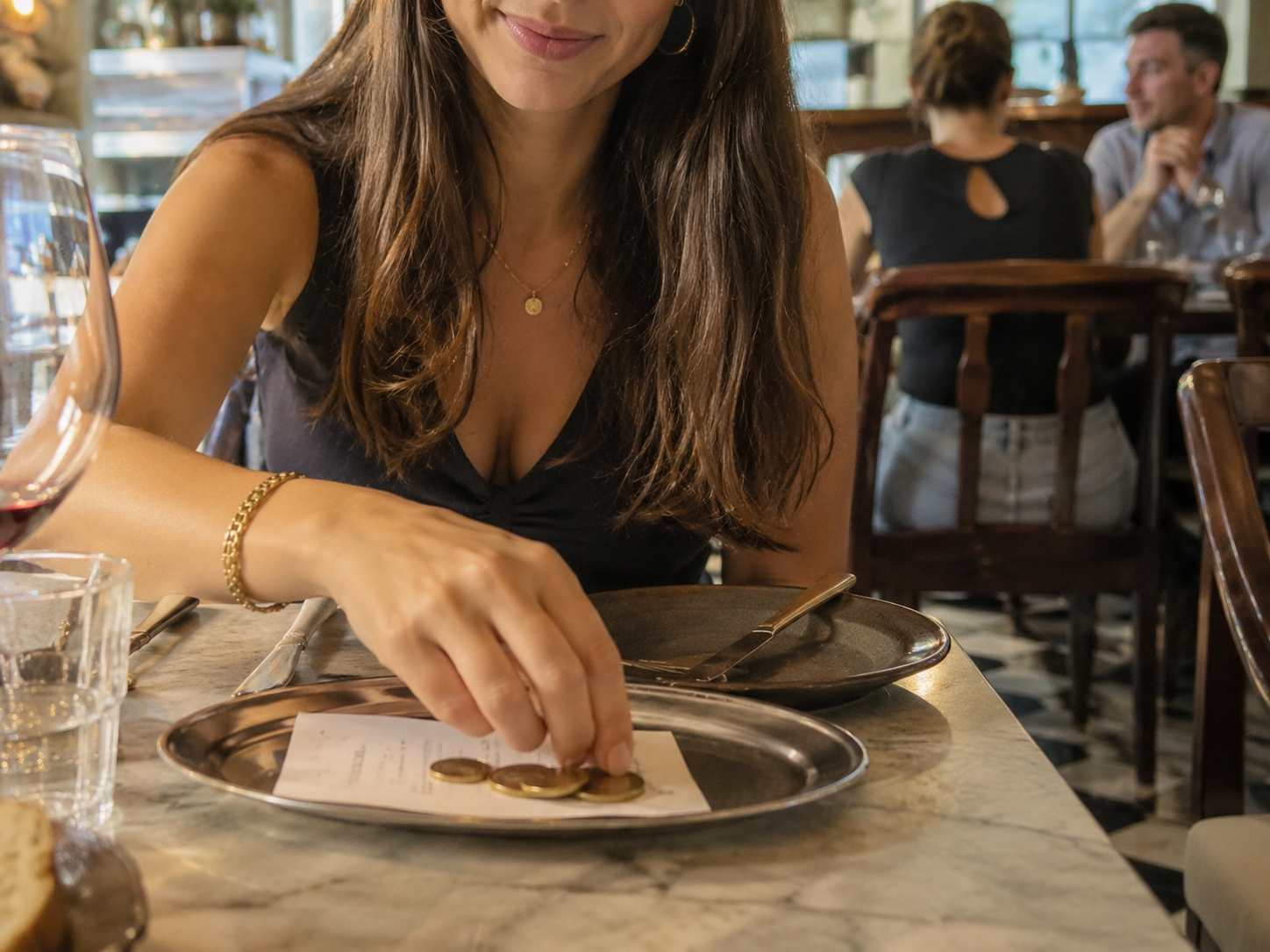
The American tipping instinct badly overshoots in Spain, and understanding the local norm saves both money and awkwardness. Service is generally included and waiters earn a proper wage, so the enormous fifteen or twenty percent American tip is simply not expected, and Spaniards tip modestly if at all. For a coffee or a simple meal, rounding up to the nearest euro is plenty, and for a nicer dinner, leaving a few coins or around five percent is a generous and appreciated gesture rather than an obligation.
There are a couple of practical wrinkles worth knowing. On a menu del dia or a casual lunch, no tip at all is completely normal and nobody thinks the worse of you. And if you pay by card, you usually cannot add a tip to the card total the way you can in America, so any tip you want to leave should be in cash on the table. The whole mental shift is to stop calculating a percentage and simply round up a little if you feel like it, which is both correct and a relief. For Americans used to agonizing over the right percentage on every check, the Spanish way is a small holiday from a familiar anxiety, and the sooner you embrace it the more relaxed your meals become.
Rule Seven: Watch for the Bread and the Extras
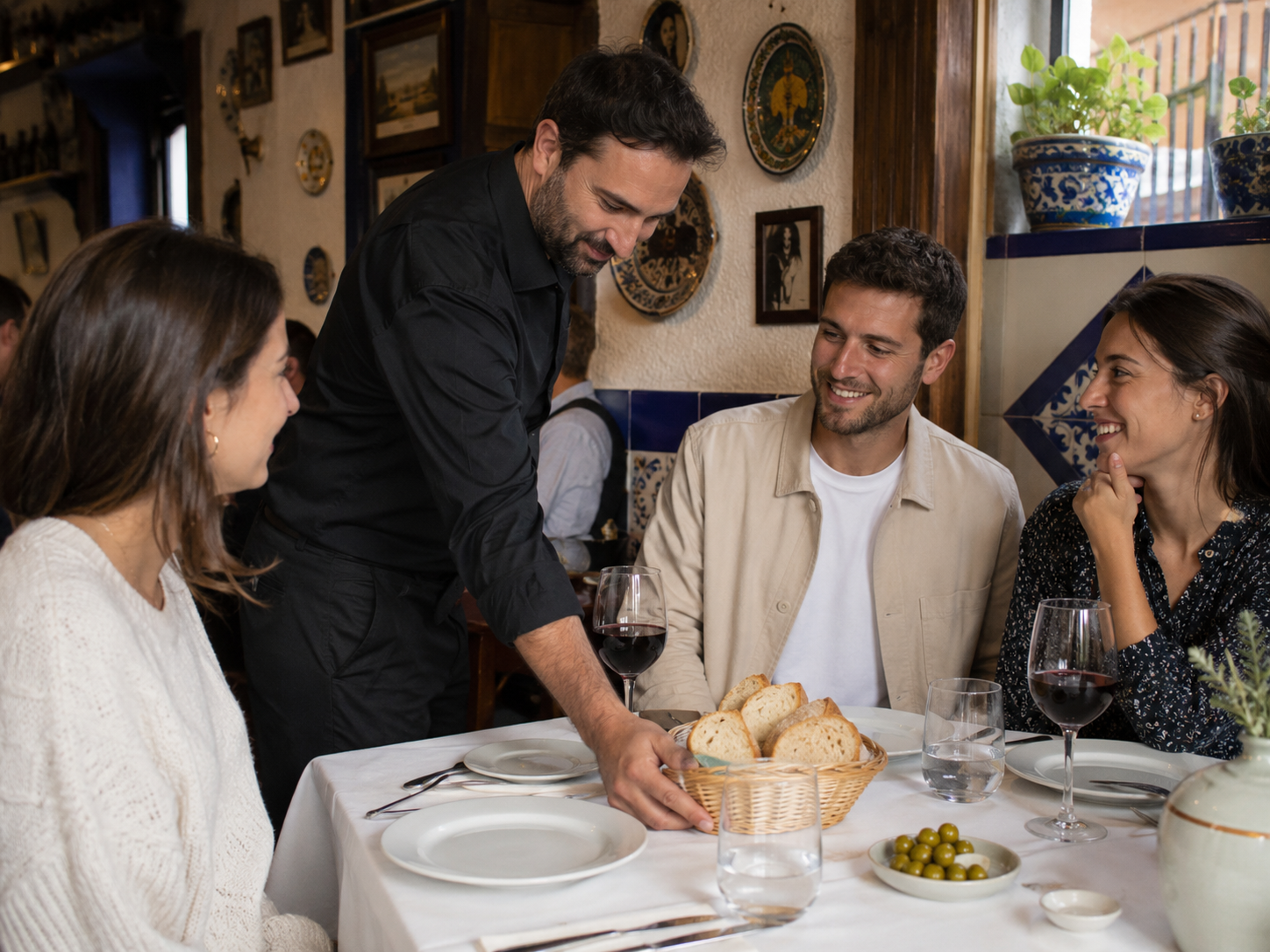
A few small charges surprise Americans, and knowing about them prevents the little jolt at the end. In many Spanish restaurants the bread that arrives at the table is not free but a small charged item, and the same can go for the olives, the nibbles, or a cubierto, a modest cover charge, that may appear on the bill. None of it is a scam, it is simply how many places work, and the charges are usually small and noted somewhere on the menu if you look.
The flip side is one of Spain’s lovely surprises, that in some regions a drink at a bar comes with a free tapa, a small plate of food you did not order and are not charged for, which is the opposite of a hidden fee. The point is not to be annoyed by the bread charge but to expect it, since a euro or two for good bread is hardly a robbery, and to enjoy the free tapa where the local custom offers one. Read the bill, do not be startled by a small cover charge, and take the free food where it comes. Once you know to expect a small charge for bread and to accept a free tapa with a smile, neither one can surprise you, and the bill at the end holds no mysteries.
Rule Eight: Greet, and Order Your Coffee Properly
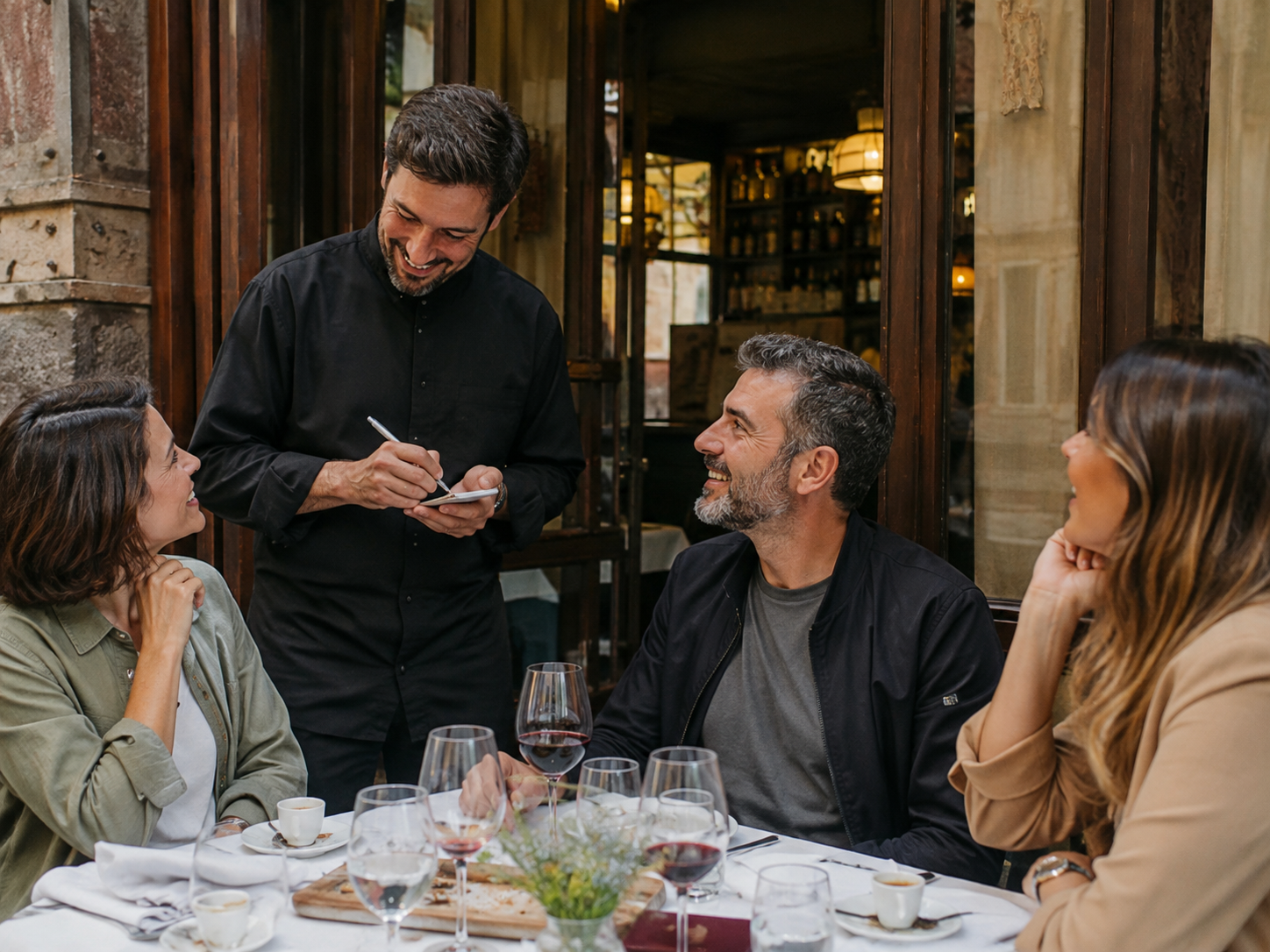
Spanish courtesy runs on small greetings, and skipping them marks you as brusque. You say a simple hello when you arrive and goodbye when you leave, buenos dias in the morning, buenas tardes after about two in the afternoon, and buenas noches in the evening, to the staff and often to the room, and this small acknowledgment sets a warmer tone for everything that follows. It costs nothing and it matters.
Coffee, which comes at the end of the meal or during the sobremesa, also needs specifying rather than a vague request for “a coffee.” A cafe solo is a small black espresso, a cortado is an espresso cut with a little warm milk, and a cafe con leche, the milky breakfast coffee, is more of a morning drink than an after-dinner one. Learn those few and you can close a Spanish meal exactly as a local would, with the right small cup at the right moment, rather than puzzling the waiter with an order that does not quite fit. Asking for a large milky coffee after a late dinner is a small, harmless tell, but the right cup marks you as someone who has done this before.
Rule Nine: A Restaurant Is Not a Tapas Bar
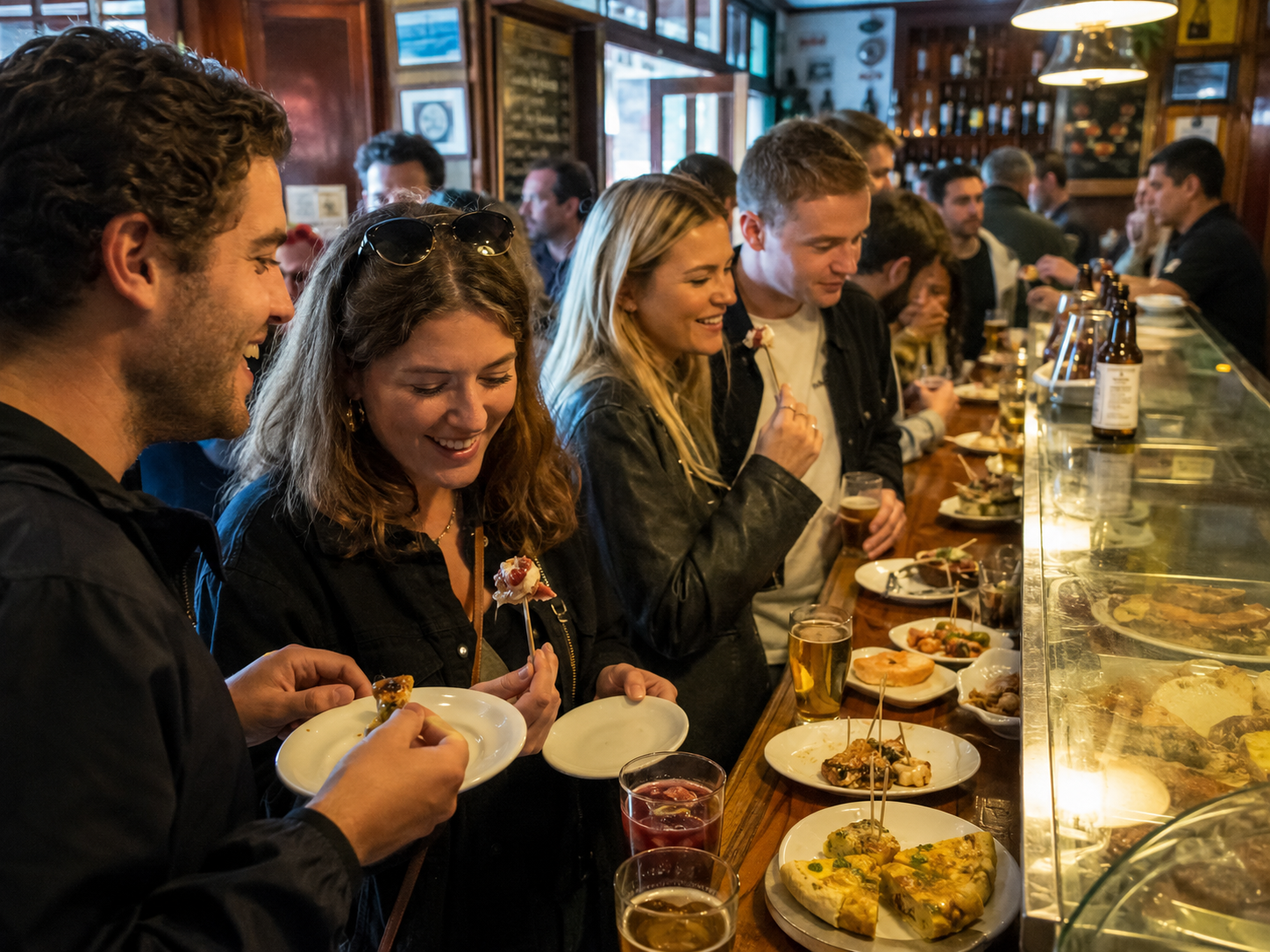
The most useful distinction of all is knowing which kind of place you are in, because a sit-down restaurant and a tapas bar run by completely different rules. In a proper restaurant you wait to be seated, you eat full courses at a table, you order a starter and a main and linger over the whole thing, and the pace is slow and seated. That is a different world from the tapas bar, where you often stand at the counter, order small plates to share, seat yourself if there are stools, and move from bar to bar in the tradition called tapear.
Treating one like the other is where visitors go wrong, sitting down at a formal restaurant expecting to graze on small plates and bar-hop, or trying to have a slow, seated, multi-course meal at a standing tapas counter. Both are wonderful and both are essential to eating in Spain, but they are separate experiences with separate etiquette, and knowing which you have walked into tells you how to behave. This piece is about the sit-down restaurant, the tablecloth and the courses and the long lunch, so save the standing, sharing, bar-hopping rules for the tapas crawl, which is a joy of its own and a subject of its own. The two together are how Spain eats, the leisurely seated meal and the lively standing graze, and a good trip makes room for both without confusing one for the other.
The Whole Rhythm Is Slower and Warmer
Look at the nine together and one theme runs through them all, that Spanish dining is slower, later, more social, and more relaxed than the American version, and nearly every rule is a way of settling into that rhythm rather than fighting it. Eat late, order the menu of the day, ask for your tap water and your bill, stay for the sobremesa, tip lightly, expect the bread charge, greet warmly, and know a restaurant from a bar, and you have understood not just the etiquette but the entire generous spirit of the Spanish table.
None of it is hard, and the reward is one of the best meals of your life, unhurried and delicious and shared. A visitor who gets even most of these right is welcomed warmly, fed beautifully, and folded into the long, lingering pace that makes eating in Spain such a pleasure. Learn the nine, slow down, and the Spanish restaurant becomes exactly what it was built to be, a place to spend a few of the happiest hours of a trip. There are worse things to be than the American who lingered too long over lunch in Spain, and few better.

About the Author: Ruben, co-founder of Gamintraveler.com since 2014, is a seasoned traveler from Spain who has explored over 100 countries since 2009. Known for his extensive travel adventures across South America, Europe, the US, Australia, New Zealand, Asia, and Africa, Ruben combines his passion for adventurous yet sustainable living with his love for cycling, highlighted by his remarkable 5-month bicycle journey from Spain to Norway. He currently resides in Spain, where he continues sharing his travel experiences with his partner, Rachel, and their son, Han.