
Ask a Spanish grandmother what to do with a big appetite and a small budget and she will not tell you to eat less. She will put a bowl of soup in front of you first. Starting the evening meal with a bowl of something warm and brothy, a vegetable soup, a simple caldo, a plate of lentils, is one of the oldest habits in Spanish and Mediterranean home cooking, and it turns out to be quietly clever in a way modern nutrition has only recently caught up with. I did it deliberately for a month, a bowl of soup before dinner every single night, and what I noticed was less about the scale than about the strange, pleasant fact that I simply wanted less of everything else. The soup did the work that willpower usually fails at.
What follows is where the habit comes from, what the research actually says about it, and what a month of soup-first dinners honestly felt like, scale included. The short version is that the grandmothers were right, and the science quietly agrees with them.
The Habit and Where It Comes From
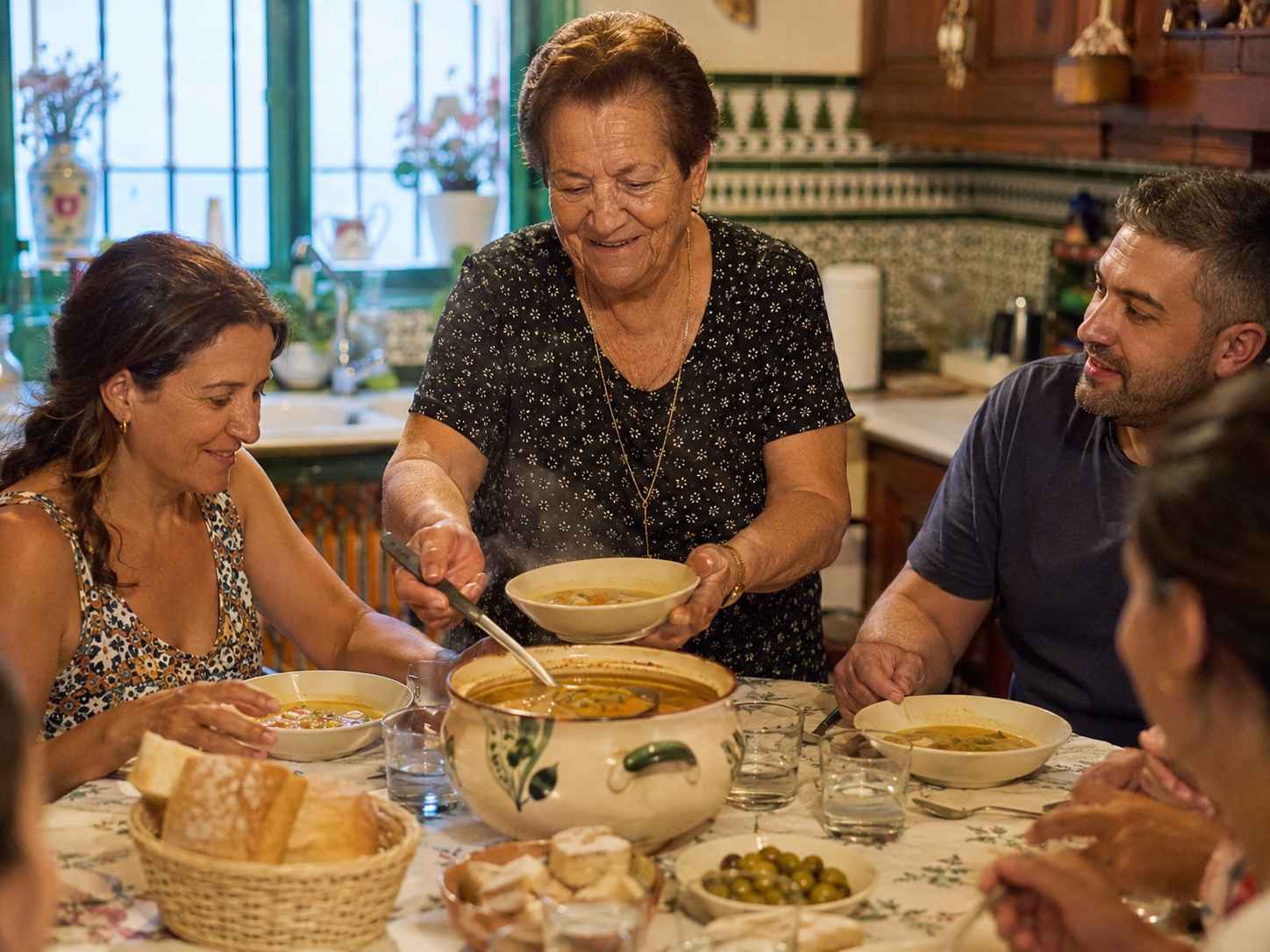
In Spain the evening meal, and often lunch too, traditionally opens with a primer plato, a first course, and very often that first course is soup or something close to it. A bowl of caldo, a vegetable puree, a plate of stewed lentils or beans, something warm and mostly liquid that takes the edge off your hunger before the main event arrives. It is not a fancy course and it was never meant to be, since its whole job is humble, to fill the table and the stomach cheaply before the more expensive food.
This is not unique to Spain, because much of the Mediterranean and a good deal of the world eats this way, opening a meal with soup or broth as a matter of course. What is interesting is that a habit born of thrift and tradition, a way to stretch a modest dinner across a hungry family, happens to line up almost perfectly with what satiety researchers would design if you asked them to make a meal more filling. The grandmothers were not thinking about any of that. They were thinking about feeding people well for little, and the fullness came free with the frugality.
What the Research Actually Found
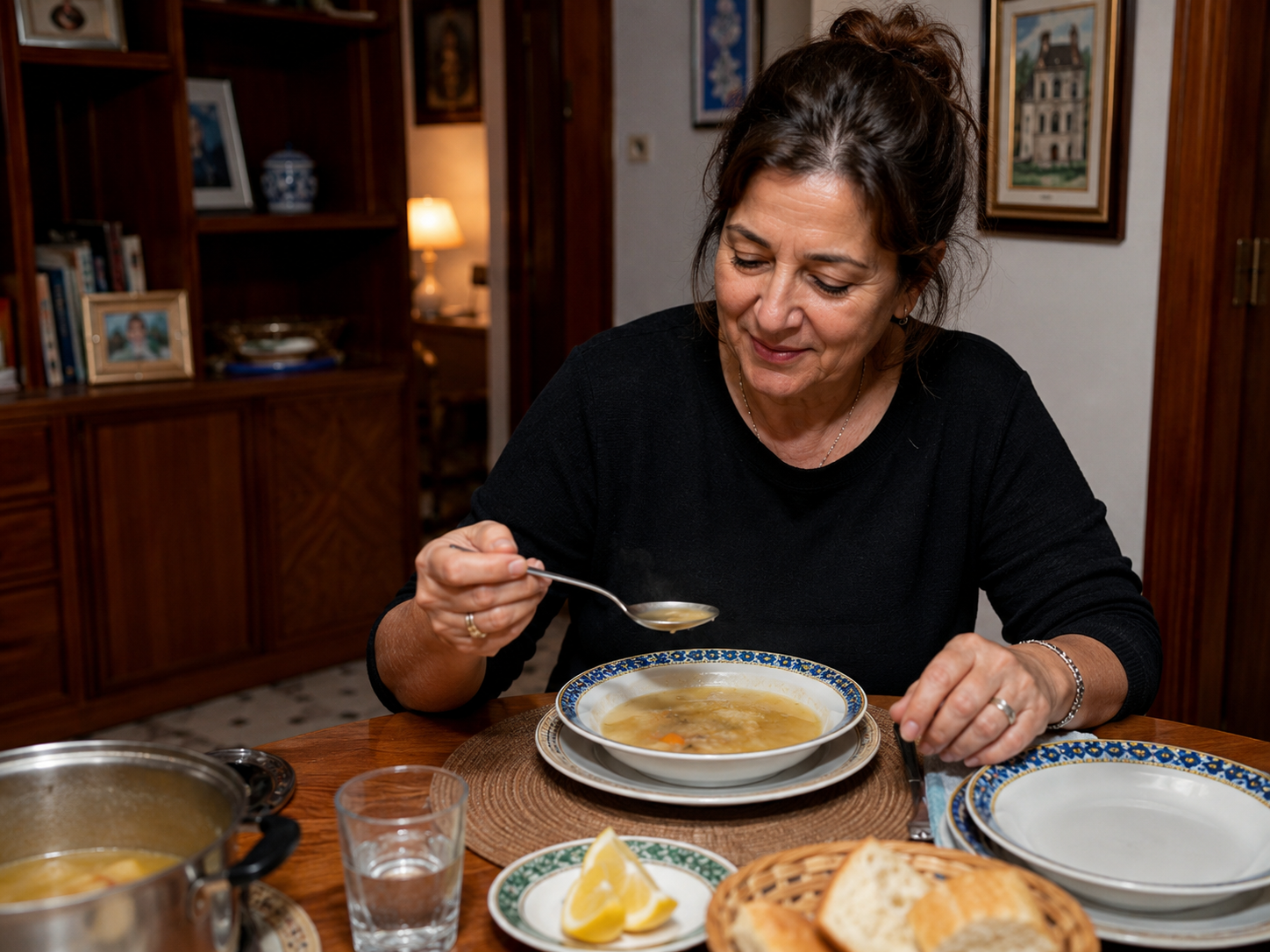
The science here is real and fairly settled, if modest. A well-known line of research led by the nutrition scientist Barbara Rolls at Penn State tested what happens when people eat a bowl of soup right before a meal, and the finding was consistent, that a low-calorie soup eaten as a first course led people to eat less at the meal that followed. In one much-cited study, having a vegetable soup before lunch reduced the total amount people ate at that meal, soup included, by around 20 percent compared to skipping the soup entirely.
It is worth being honest about what that number is and is not. These were short-term laboratory studies measuring a single meal, not long-term trials of people living their lives, so the clean 20 percent figure describes what happened at lunch that day rather than a promise about anyone’s month or year. The effect is genuine and it has been repeated across several studies, but it is a modest, well-understood nudge rather than a dramatic one, and individual people vary. Held at that honest strength, though, it is still a lovely finding, that a warm bowl of soup can leave you satisfied on noticeably less food without any sense of going without. It is also the rare piece of eating advice that costs nothing, asks nothing unpleasant of you, and comes with real evidence behind it, which is more than can be said for most of what gets sold as a way to eat better.
Why Soup Fills You Up
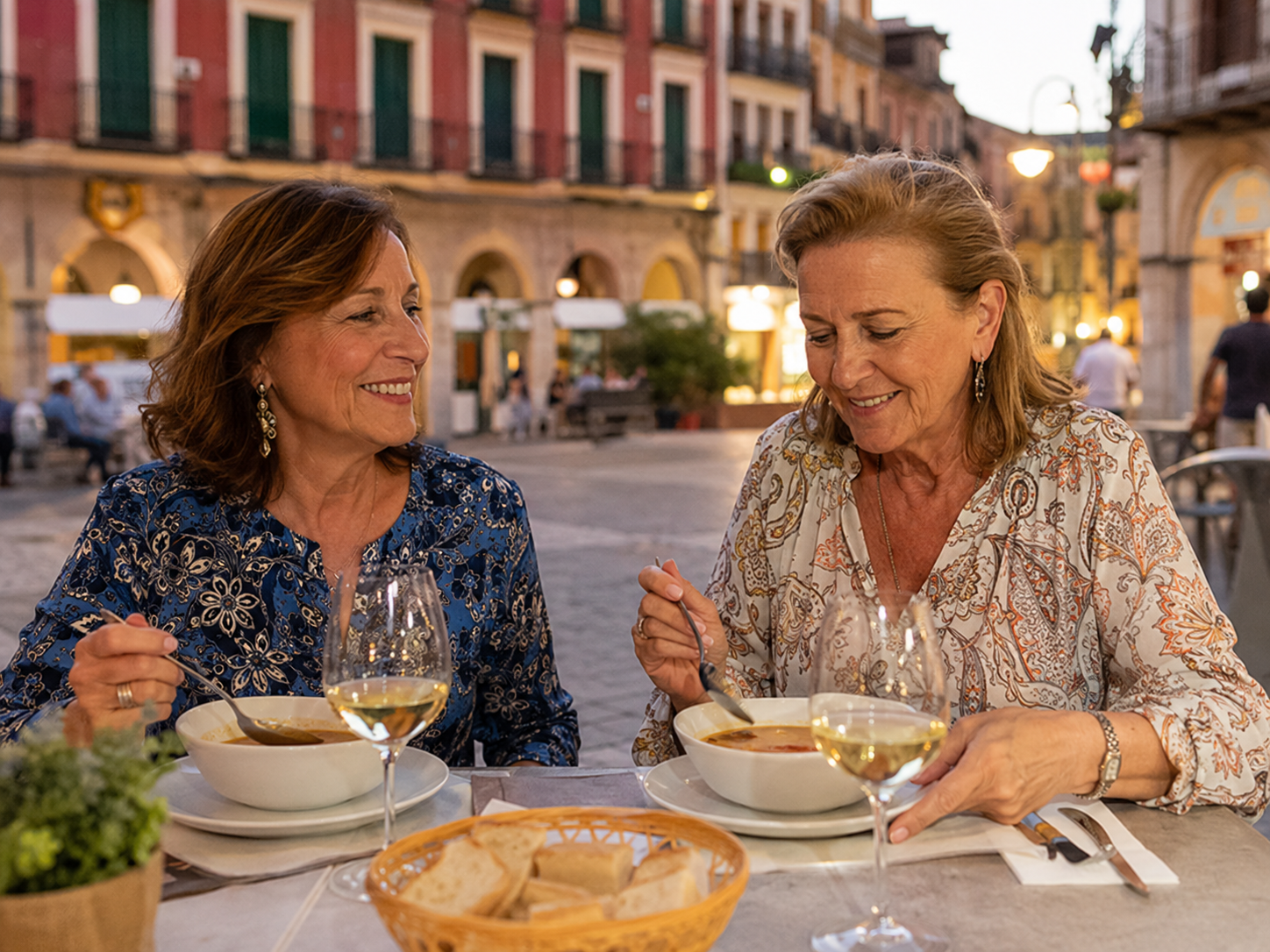
The mechanism behind it is unglamorous and rather satisfying to understand. Soup is mostly water, but crucially the water is bound up inside the food rather than drunk alongside it, and that turns out to matter enormously. Water you drink from a glass empties out of your stomach quickly and does little for fullness, while water folded into a soup, thickened with vegetables and a little fiber, stays in the stomach longer, adds real physical volume, and stretches the stomach in the way that signals fullness to the brain.
The technical term for what makes soup so filling for so few calories is energy density, the amount of energy packed into a given weight of food. Soup has very low energy density, a lot of bulk and weight for very little energy, so a big satisfying bowl of vegetable soup fills your stomach while contributing very little, which is exactly why it takes the edge off your appetite before the richer main course arrives. Add the fiber from the vegetables, which slows digestion and gastric emptying further, and you have a first course that is doing real physiological work to make you feel full. It is not a trick or a suppressant. It is just water, vegetables, and volume, arranged in the way the body finds most filling.
What the Month Actually Felt Like
The honest experience of thirty soup-first dinners was less dramatic and more pleasant than I expected. The main thing was not hunger conquered by force but hunger that had quietly already been half-answered by the time the main course arrived, so I served myself a little less without deciding to, and stopped a little sooner because I was genuinely satisfied rather than because I was being disciplined. There was no white-knuckle restraint anywhere in the month, which is the part that surprised me, because eating soup first felt like adding something warm and good rather than taking anything away.
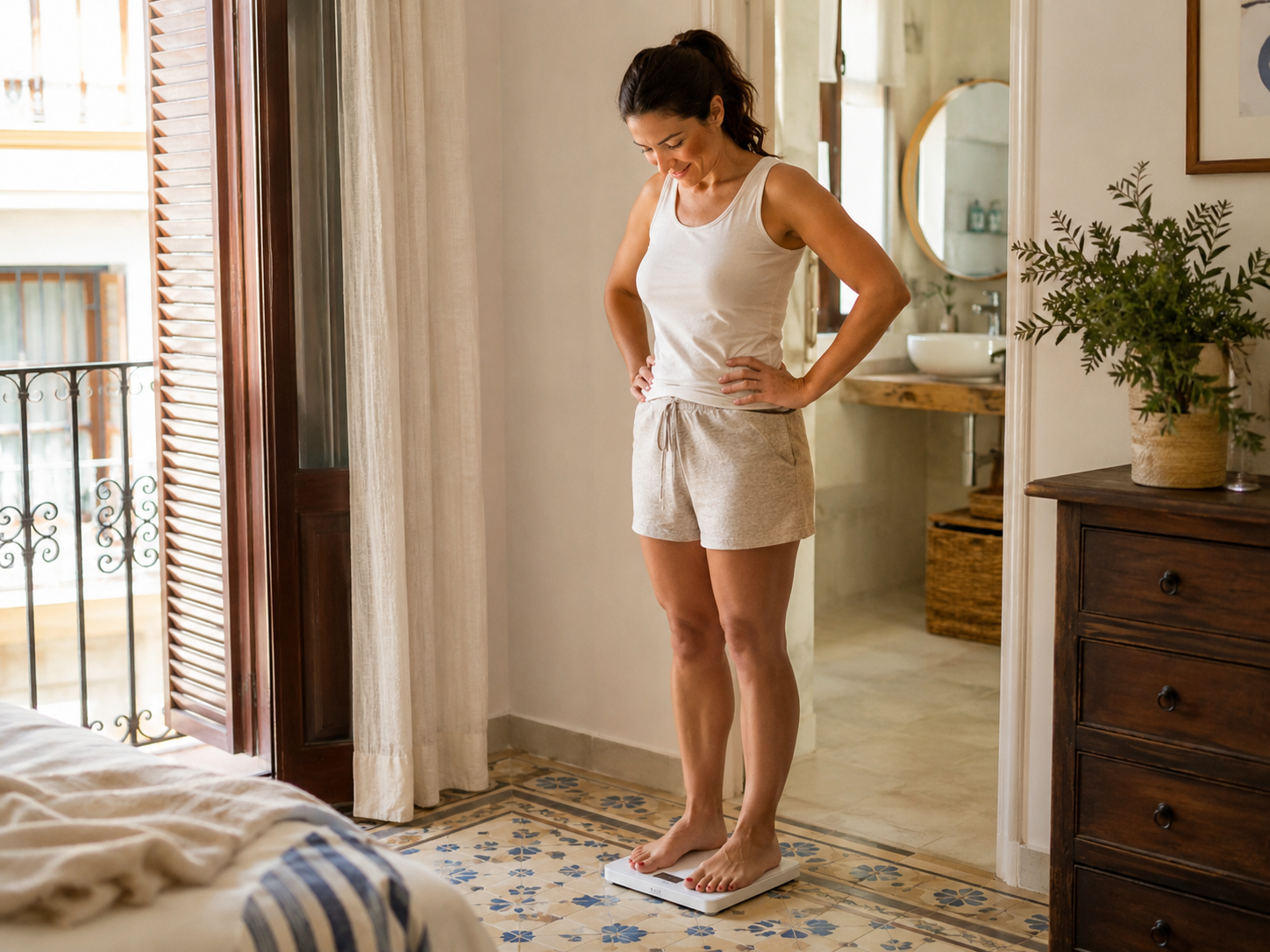
As for the scale, since the title promises it, I will be plain and unexciting about it. Over the month there was a small, gradual drift downward, the kind you notice more in how clothes sit than in any number, and it happened without a diet, without counting anything, and without a single hungry evening. That is really the whole point, and it is worth saying clearly: the change was small, it was slow, and it came from feeling more satisfied rather than from eating less on purpose. Anyone hoping for a dramatic before-and-after will be disappointed, and honestly that gentleness is the best thing about it, because a change that arrives without struggle is the kind that tends to stay. The other quiet benefit had nothing to do with the scale at all, which is that a warm first course simply made dinner feel more like a proper, unhurried meal, a small ritual that slowed the whole evening down and made the eating more pleasant. That, more than any number, is the reason I kept the habit after the month was over.
It Is About Satisfaction, Not Restriction
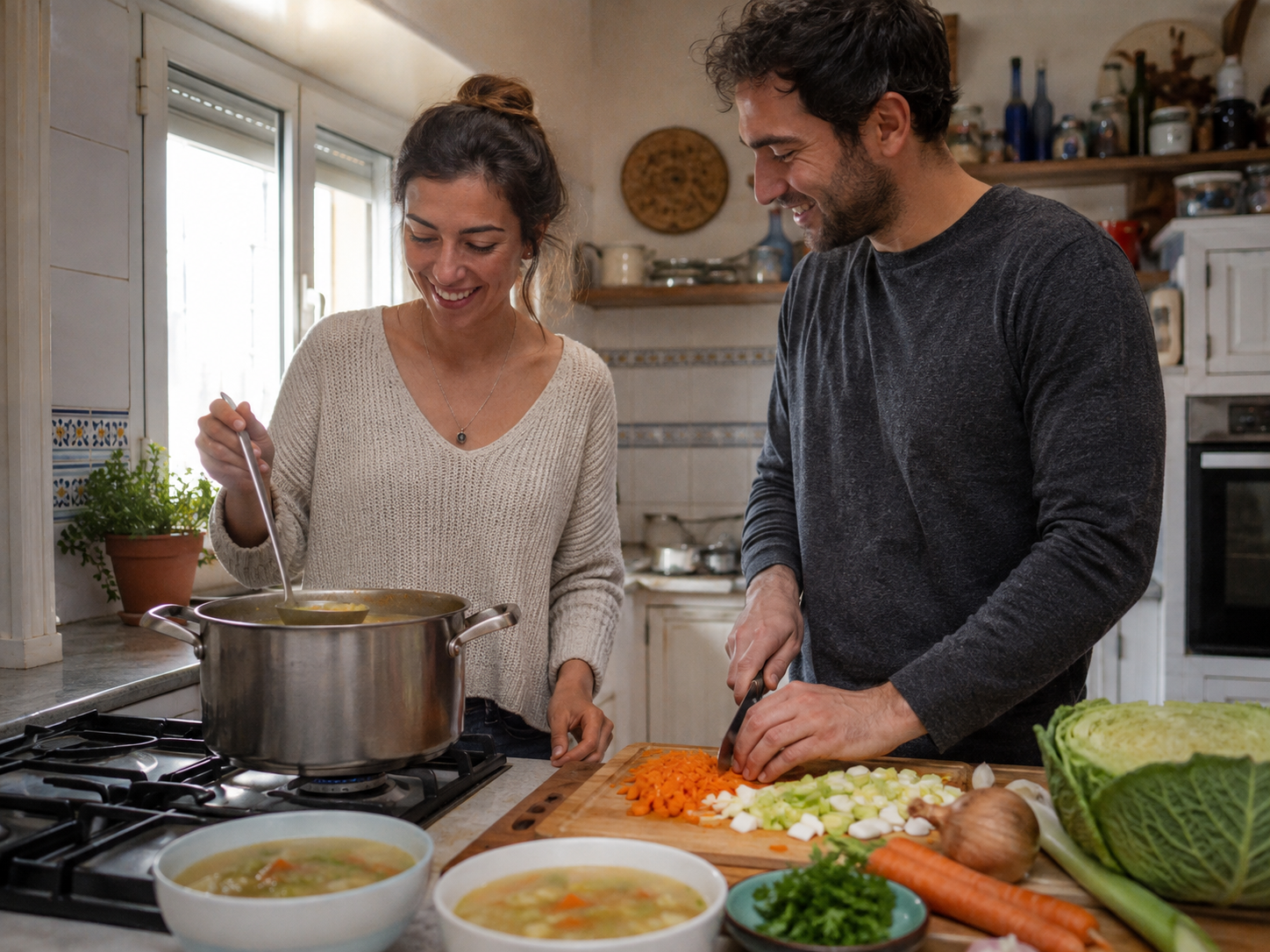
This is the part worth dwelling on, because it is where the soup habit differs from almost everything sold as a way to eat less. The soup does not work by shrinking your plate or forcing you to stop before you are satisfied. It works by making you satisfied sooner, which is the opposite of deprivation, and you end the meal feeling comfortably full rather than virtuously hungry. That difference matters enormously, both for whether a habit lasts and for whether it is a healthy thing to do at all.
There is no counting here, no measuring, no rule about how little to eat, just a warm bowl added to the front of the meal and permission to let your own fullness decide the rest. That is a gentle, sustainable, unanxious way to relate to food, and it is worlds away from the restrictive plans that treat hunger as the goal. The grandmothers who eat this way are not dieting and never were, they are simply eating in an order that happens to leave them satisfied on good, honest food, which is a far better model than any regimen. If a habit ever starts to feel like restriction or a way to punish an appetite, that is the moment to set it down, because the whole value of the soup is that it asks nothing of your willpower and everything of your comfort.
The Bigger Principle Behind the Bowl
The soup is really one example of a larger, well-studied idea that Barbara Rolls named volumetrics, the simple observation that people tend to eat a fairly consistent weight of food at a meal rather than a consistent number of calories. If you fill part of that weight with something bulky and low in calories, the vegetables and water of a good soup, you feel just as full on less energy, because the stomach is responding to volume and weight as much as to anything else. It is the reason a first course of soup, salad, or fruit blunts the appetite so effectively while a handful of nuts, dense with calories for their size, does not.
This is why the same trick shows up in more than one tradition and more than one food. A plate of vegetables or a simple salad eaten first does much the same job as the soup, and studies on whole fruit have found that eating an apple before a meal, with all its water and fiber intact, leaves people fuller and eating less than the same apple juiced or blended. The through-line is always the same, that water and fiber bound inside a whole, bulky, low-energy food are what make it filling, and that the effect fades the moment you strip them out or drown the dish in fat. The Spanish grandmother’s brothy bowl is simply the most delicious and traditional version of a principle that turns out to be broadly true.
Why It Works When Willpower Doesn’t
The reason this habit lasts where diets fail is that it does not run on willpower at all. Most attempts to eat more moderately ask you to override your hunger by force, to feel the pull toward more food and refuse it meal after meal, and that is a battle almost everyone eventually loses, because willpower is a limited thing that drains across a hard day. The soup sidesteps the whole fight, since it does not ask you to resist an appetite but to answer part of it early, so that by the time the temptation to overeat would arrive, it has already quietly faded.
That is a profound difference in how a change feels from the inside. A rule you have to enforce is exhausting and fragile, while a habit that leaves you genuinely satisfied is neither, because there is nothing to enforce. You are not saying no to anything, you are simply arriving at the main course already content, and contentment is a far steadier thing to build on than restraint. This is the quiet genius the grandmothers stumbled into, that the way to eat more moderately is not to want less by force but to be satisfied sooner by design, and a warm bowl of soup does that for you before you have to think about it.
The Kind of Soup That Works
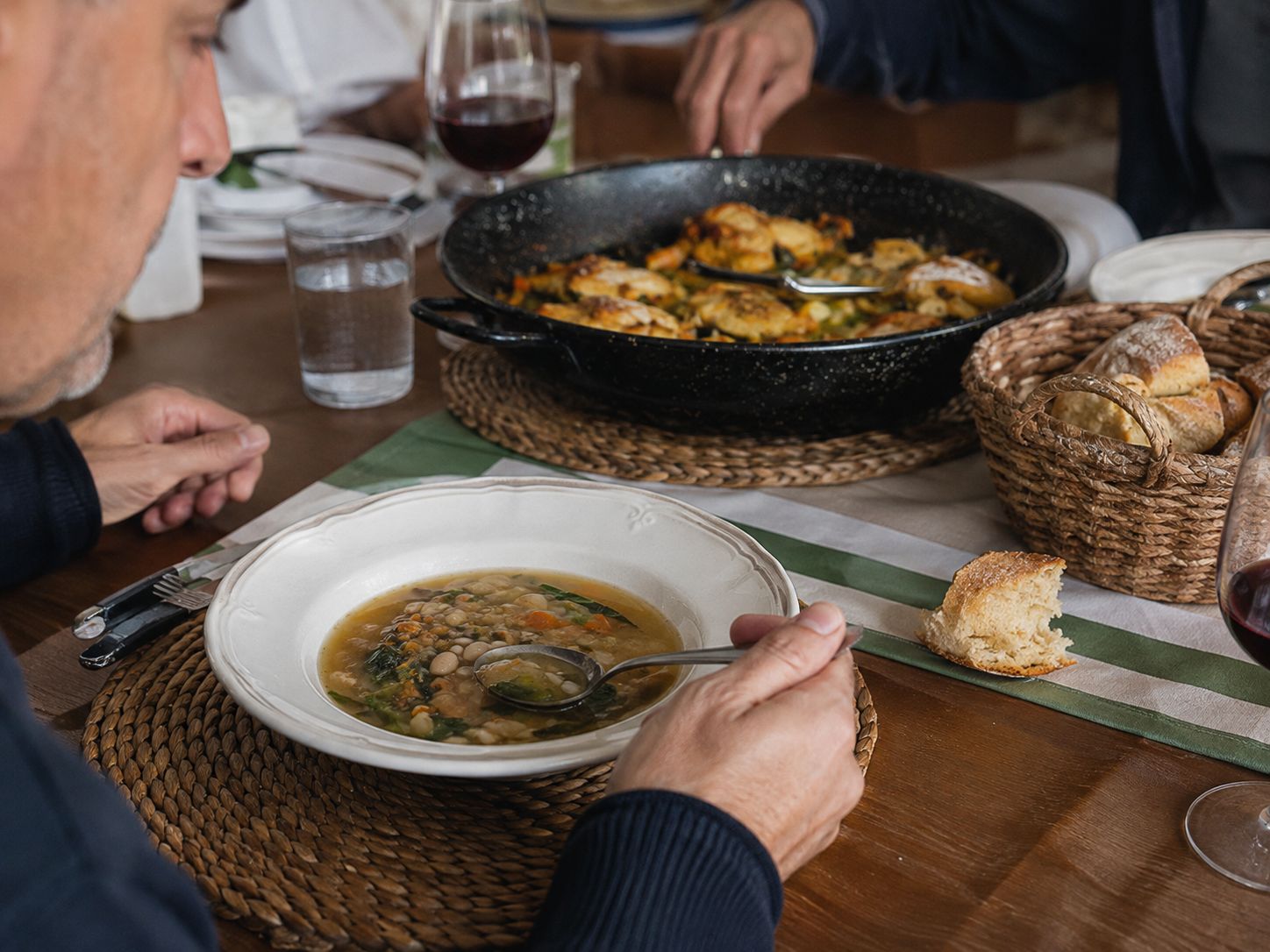
Not every soup does this job equally, and the distinction is worth knowing. The soups that fill you up for very little are the brothy, vegetable-based ones, a clear caldo with vegetables, a light lentil or bean soup, a simple vegetable puree, the low-energy-density bowls that are mostly water and vegetables. These are the traditional Spanish first courses, and they are the ones the research was built on.
The rich, creamy soups thick with cream, butter, or cheese are a different animal, delicious but no longer low in energy density, so they do not deliver the same fill-you-up-for-little effect and can quietly add more than the main course saves. The trick, then, is to keep the first-course soup simple and vegetable-forward, the kind of thing a Spanish grandmother actually makes from what is in the kitchen rather than the luxurious restaurant version. A pot of vegetable and bean soup, seasoned well and made mostly of vegetables and broth, is both the cheapest thing you can cook and the most effective at this particular job, which is a happy coincidence indeed.
Making It an Easy Habit
The practical side is refreshingly simple, because a big pot of soup made once carries you across several dinners, so this is not thirty separate cooking projects but a pot at the weekend and a bowl before dinner most nights. Keep it loose and unfussy, a base of onion, garlic, and whatever vegetables need using, some broth, a handful of lentils or beans for body, and you have days of first courses for almost nothing. It reheats happily and only improves as it sits.
Serve yourself a modest bowl before you plate the main course, eat it slowly and warm, and then let the rest of dinner unfold as normal, helping yourself to whatever you like from a stomach that is already partly content. There is nothing to weigh, nothing to forbid, and nothing to feel deprived about, which is exactly why the habit is so easy to keep. Of all the small European eating habits worth borrowing, the grandmother’s bowl of soup first may be the gentlest and the most quietly effective, and it costs almost nothing to try. It asks for no special foods, no app, no plan, and no promises, only a pot of vegetable soup and the patience to eat it before the rest of dinner, which is about the lowest bar any good habit has ever set.

About the Author: Ruben, co-founder of Gamintraveler.com since 2014, is a seasoned traveler from Spain who has explored over 100 countries since 2009. Known for his extensive travel adventures across South America, Europe, the US, Australia, New Zealand, Asia, and Africa, Ruben combines his passion for adventurous yet sustainable living with his love for cycling, highlighted by his remarkable 5-month bicycle journey from Spain to Norway. He currently resides in Spain, where he continues sharing his travel experiences with his partner, Rachel, and their son, Han.