
Almost every guide to Portugal steers you south, toward the Algarve’s sun and the dry gold light that sells the whole country in a single photograph. Margaret went the other way on purpose, toward the rain, and she will tell you it was the smartest decision she made in her sixties. She is a composite, drawn from several women who have made this same contrarian move and written to us about it, but her reasoning is real and it is sharper than it first sounds. Margaret is a widowed nurse in her early sixties, living near Braga on about $2,300 a month, and she chose the one corner of Portugal that everyone told her to avoid.
The reason a nurse in particular would want the grey, wet north turns out to be a small lesson in what actually matters as you age, and it has almost nothing to do with sunshine.
The Number: $2,300 in the North
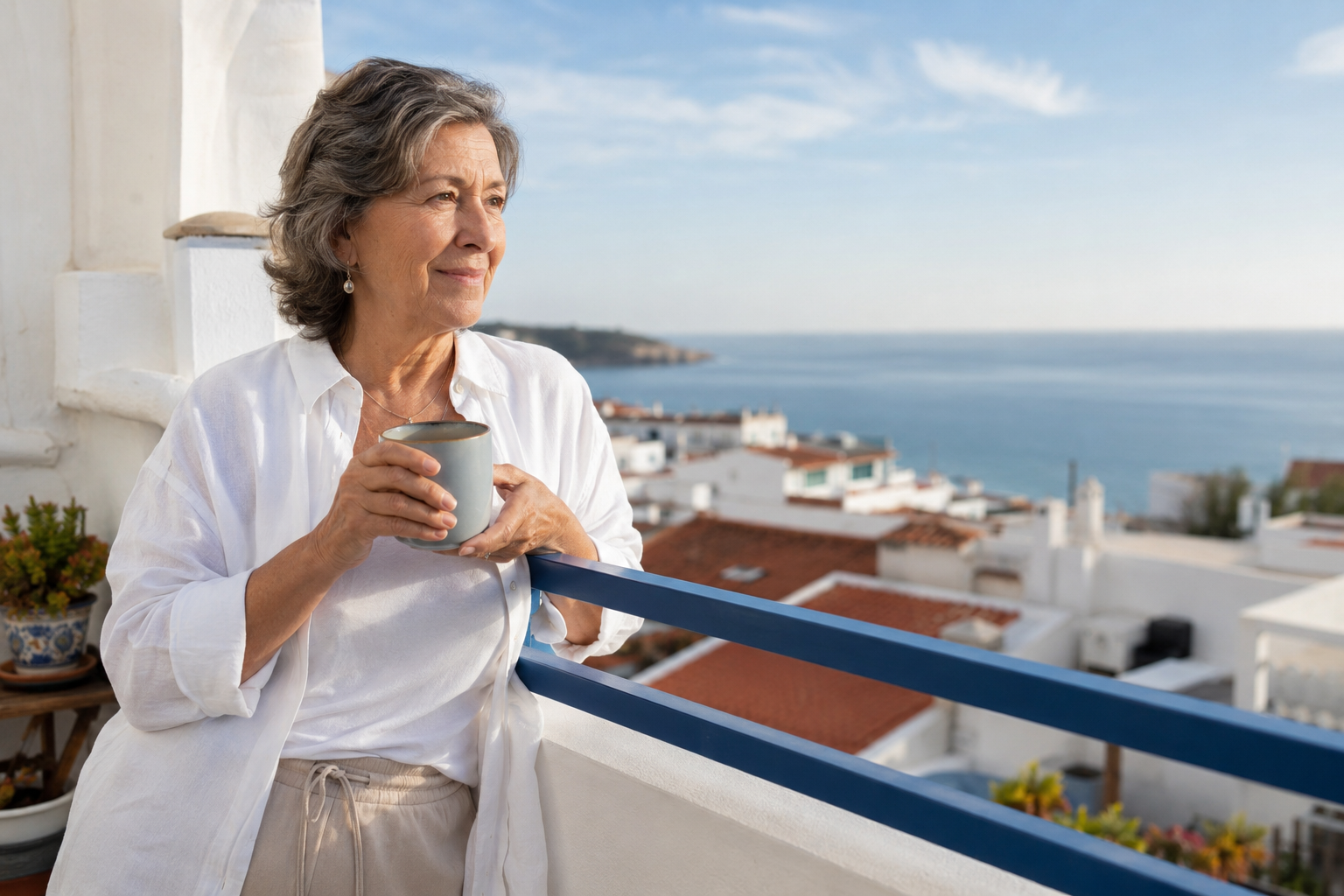
The north is where the Portuguese budget still works the way the brochures promise the whole country does, and Margaret’s money goes further in Braga than it ever could in Lisbon or the Algarve. Her one-bedroom flat, walkable to the old center, rents for about €650 a month, where the same flat in Lisbon would run close to double and a prime Algarve town would be worse still. Groceries, a coffee habit she refuses to give up, the occasional lunch out, and her share of utilities bring her monthly total to somewhere near €2,100, call it that $2,300, and she is not scraping to get there.
Break it down and it is almost boringly ordinary, which is the point. Rent at €650, groceries around €250, utilities and phone near €120, her private health plan under €100, and the rest left over for coffees, transport, and the small pleasures that make a place feel like a life rather than a waiting room. Most months she has a genuine cushion, and she has built a real emergency fund out of what she does not spend. That last part matters more to her than any single line on the budget, because a widow living alone on one income has no second earner to fall back on if the boiler dies or a tooth goes wrong, so the margin the north hands her is not spare money, it is peace of mind with a price tag she can finally afford.
The reason is simple and worth saying plainly. Northern Portugal runs roughly 30% cheaper than Lisbon on the things that matter, rent above all, because the world’s attention and money poured into the south and the capital while the north quietly stayed itself. Foreign buyers chased the Algarve sun and Lisbon’s postcard views and dragged prices up behind them, and that wave never fully reached Braga, whose property market still answers mostly to local wages rather than international demand. Margaret knows it will not stay this way forever, that the north is being discovered slowly and the window of northern affordability may be a decade rather than a lifetime, so she moved while it was open.
The Widow’s Math
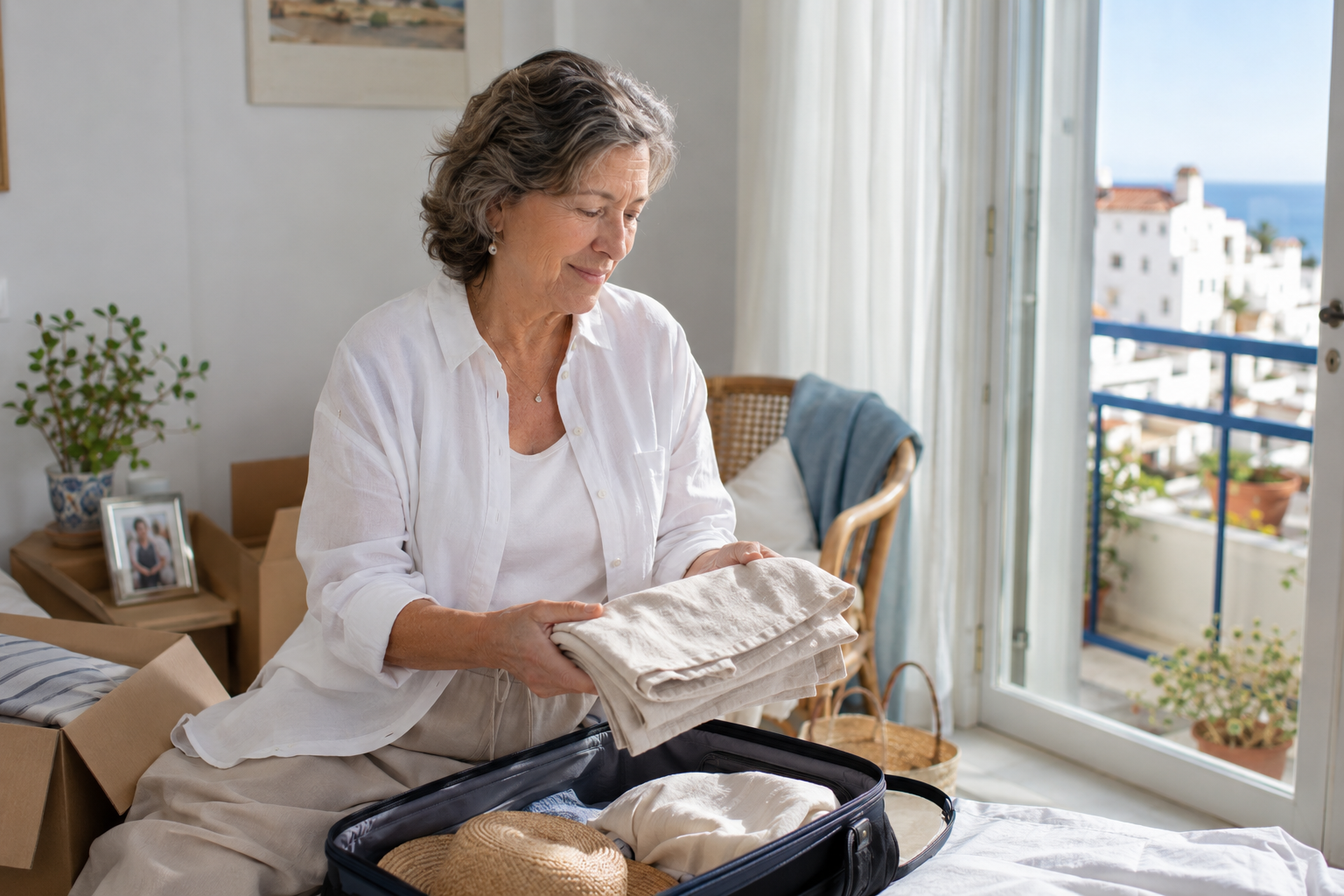
Margaret’s budget is a single-income budget, and that one fact changes everything about where a person can afford to grow old well. When her husband died, the household’s two incomes collapsed into something closer to one and a half, a survivor’s Social Security benefit and a modest pension of her own, and that was the money she had to build an entire life around.
On that math the south was quietly out of reach. Algarve rents alone would have eaten most of a widow’s monthly income and left almost nothing for the living, and Lisbon was worse, so the cheerful guides pointing her toward the coast were pointing her toward a life she could not actually afford. The north was what made a dignified solo retirement possible at all, and the €650 flat instead of a €1,200 one is not a luxury she saved on, it is the difference between a life with a cushion and a life spent anxious about the first of the month. A widow choosing a cheaper region is not settling for less; she is buying herself margin, and margin is exactly what lets a person on one income sleep at night.
The Weather Everyone Warns Against
Here is what the guides warn her about. The north is wet, really wet, and there is no getting around it. Porto and the Minho region around Braga catch somewhere between 1,100 and 1,450 millimetres of rain a year, against roughly 766 in Lisbon and barely 512 down in Faro, so the winters are grey and long, the drizzle settles in around November, and the sun-chasers find the whole thing genuinely dreary.
That is the weather everyone warns against, and it is precisely the weather Margaret wanted, not despite the descriptions but because of them. The rain is the reason the place is called the green north; the hills stay lush, the gardens riot, and the countryside holds its emerald through a season when the south turns dusty and hard. Margaret looked at the same forecast that scares the retirees off and saw the landscape she wanted to grow old inside.
She read the numbers the way a careful person reads a chart, too. Porto’s mean annual temperature sits around 15°C, cool and even, against the Algarve’s 18°C and its brutal summer spikes, and an even, mild climate is far kinder to an aging body than a place of dramatic extremes. It rarely freezes in the north and it rarely roasts. It simply drizzles, and drizzle, unlike a heatwave, is survivable at any age.
Why a Nurse Chose the Cool
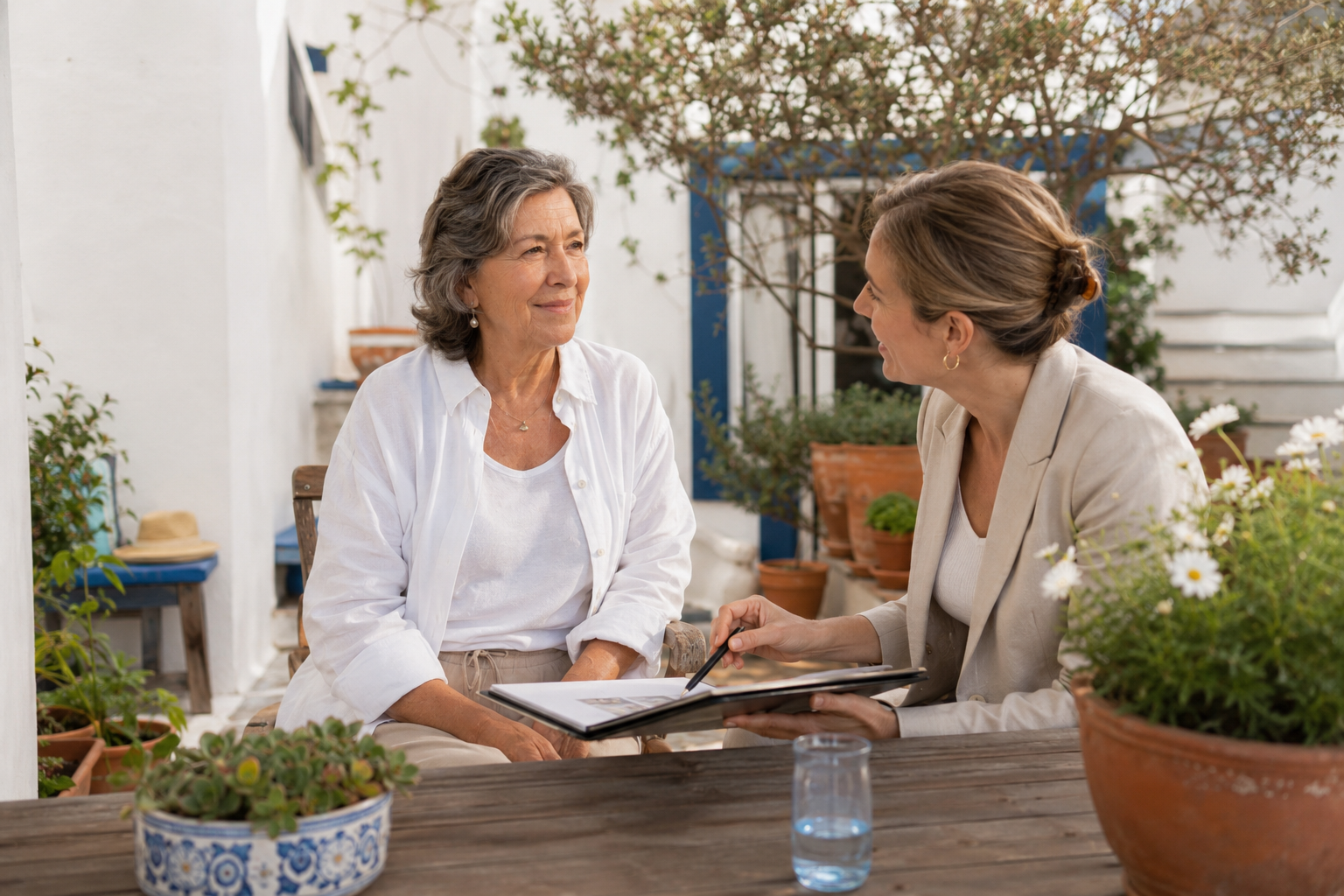
The deeper reason is professional, and it is the part worth paying real attention to. Margaret spent decades as a nurse, and she watched, up close and repeatedly, what heat does to older bodies. She knows that heatwaves are among the deadliest weather events for the elderly, that a stretch of extreme heat fills hospital beds and then fills morgues, and that the danger climbs steeply with every decade of age.
She saw it in the wards herself. The summer admissions that spiked the moment a heatwave rolled in, the dehydration, the strained hearts, the sudden confusion in patients who had been perfectly fine a week before. Older bodies regulate temperature poorly, and many older people live alone and do not notice they are overheating until it has become a crisis, and Margaret has no intention of becoming one of those admissions herself.
The Portuguese south is beautiful and it is also getting hotter, with summer heatwaves pushing temperatures toward and past 40°C into homes that were not always built to shed it. For a healthy thirty-year-old that is an uncomfortable week; for a frail eighty-year-old it can be the end. So Margaret did the math a nurse would do, choosing where to live not for the next five years but for the next twenty-five, into the age where heat becomes genuinely dangerous, and she wanted a climate that would be kind to the old woman she fully intends to become. The cool, wet north is that climate, where summers are pleasant rather than punishing and the worst the weather does is send you back inside for a jacket, and a jacket has never killed anyone.
What the Green Buys
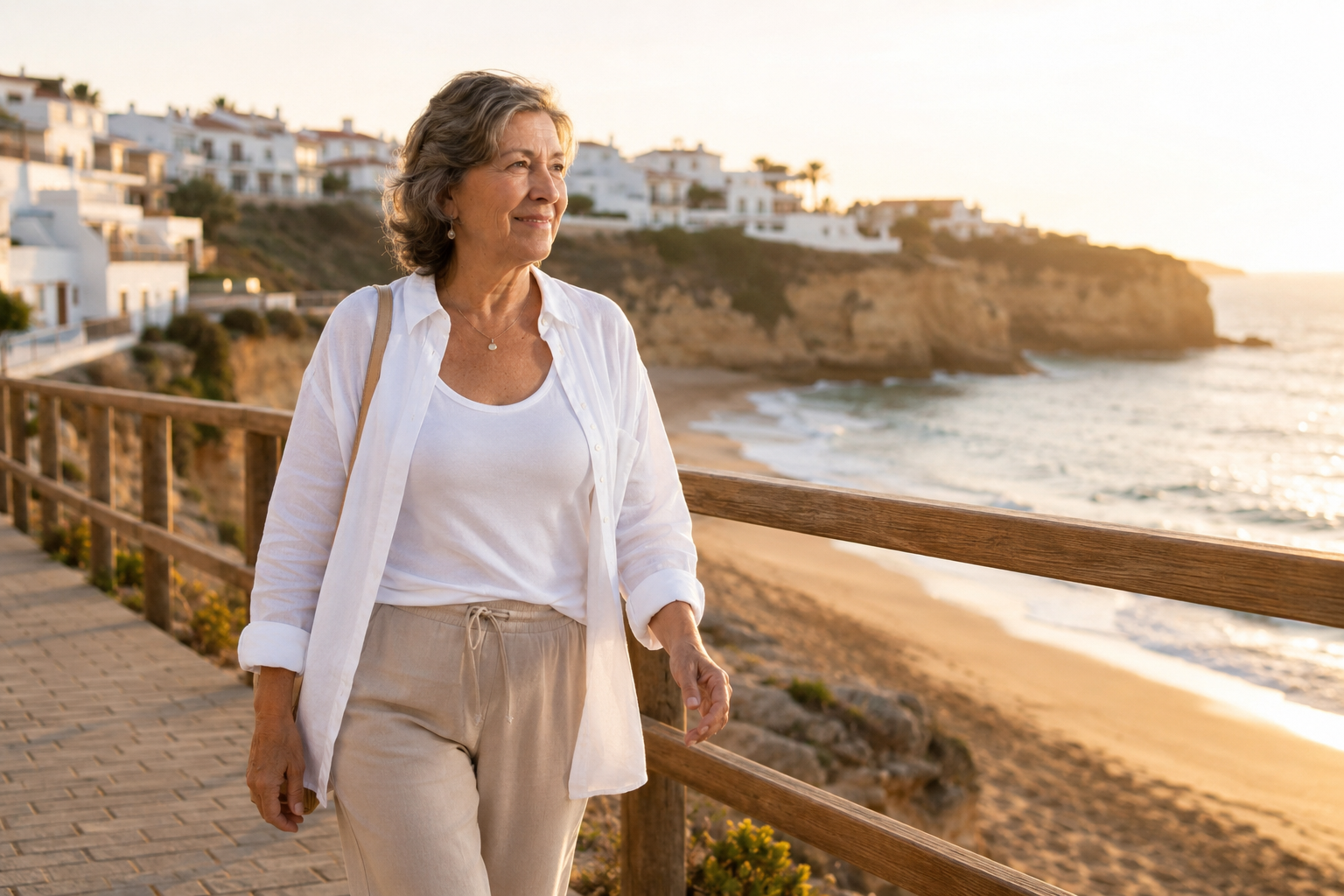
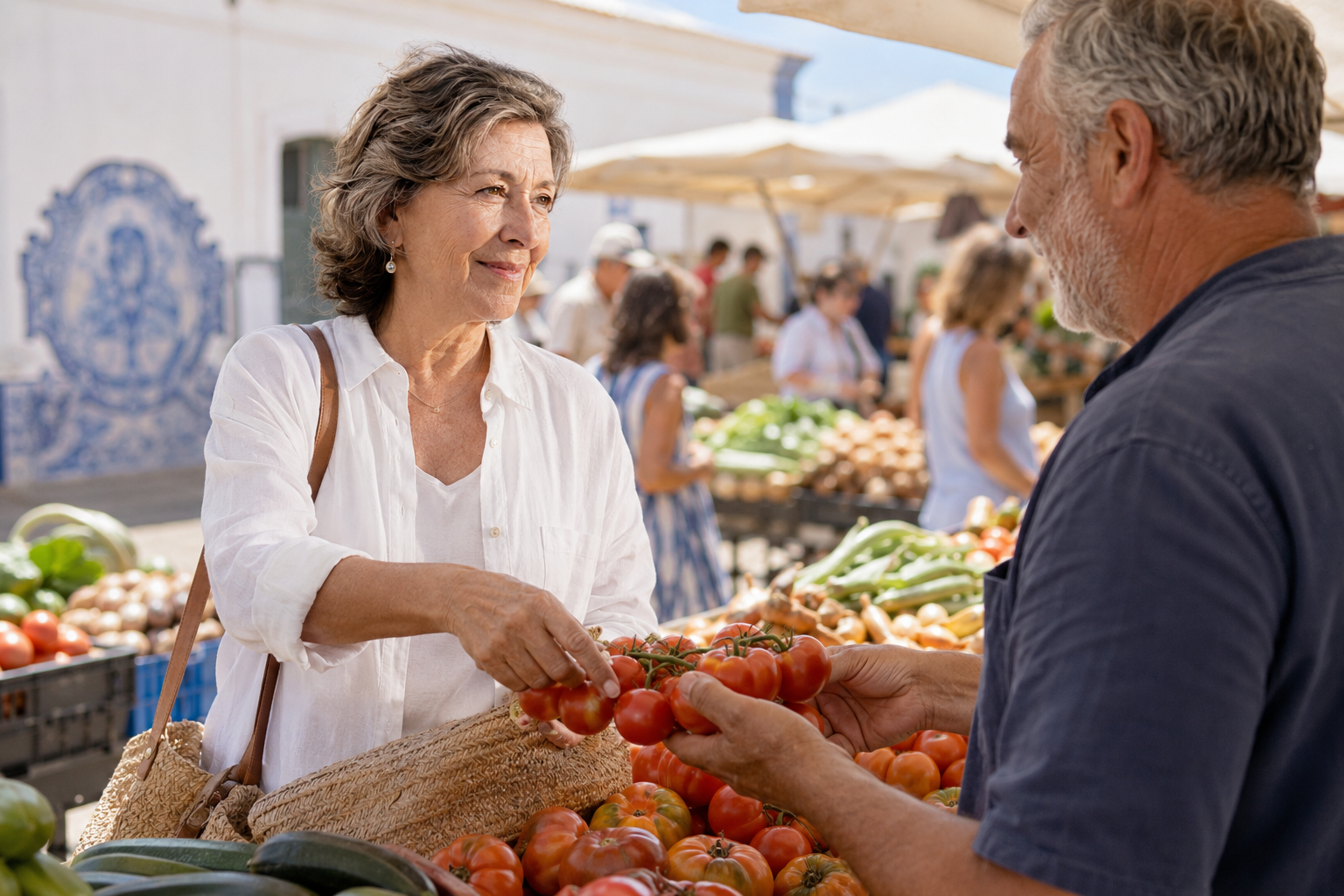
The rain pays her back in ways well beyond safety, and they matter enormously for a life lived largely outdoors and on foot. Braga is walkable, and mild wet weather is walking weather in a way that a forty-degree afternoon simply is not, so Margaret walks to the market, to Mass, to the café where the same faces appear each morning, and she does it in comfort for most of the year.
The green feeds a garden, and the garden feeds her in more than one sense. She grows vegetables and keeps flowers, and gardening in her sixties hands her the gentle daily movement and the sense of purpose that the research keeps tying to a long and well old age. A garden is also company of a kind for a woman living alone, asking something of her every single morning, giving her a reason to be outside and bending and lifting, and handing back tomatoes and herbs for the kitchen. In the dry south, keeping a garden alive through summer is a running battle against heat and the water bill, while in the wet north the rain does the work and the growing season is generous.
The landscape itself is a kind of medicine, and it does not keep her penned in. The Minho’s river valleys and hills are right there for the hiking, and crossing into Spanish Galicia for the day is easy, so a ninety-minute drive puts her in Santiago de Compostela and a shorter one lands her among the vineyards of the Douro. The green north also eats and drinks well and cheaply, being the country’s food and wine heartland, so a widow’s budget that would buy sad sandwiches in Lisbon buys proper long lunches here, with the vinho verde the region is literally named for.
Healthcare in the North
For a nurse, the medical map mattered as much as the rent, and the north scored far better than its sleepy reputation suggests. Braga has solid public hospitals, and the major medical centers of Porto sit less than an hour away by road or train, so Margaret is not stranded in some remote village hours from a specialist. She is in a real city with real care, and she reads the system the way only a nurse can.
Portugal’s public health service, the SNS, covers residents, and Margaret backs it with a private plan that costs her well under €100 a month at her age, a figure that would be simply unthinkable for the same coverage in the United States. Her verdict, delivered with a nurse’s flat certainty, is that northern Portugal offers care that is good, close, and almost absurdly cheap by American standards. She thought hard about the endgame, too, the way nurses do, and concluded that the care which matters most in the last chapter is not the glamorous specialist but the reliable, close, unhurried kind, which a mid-sized northern city delivers better than a beautiful Algarve village an hour from the nearest real hospital. Margaret would rather be ten minutes from a good Braga clinic in the rain than an hour from anything under a perfect southern sun. She also likes that the north’s public hospitals are teaching hospitals, tied to the universities in Porto and Braga, which tends to keep the standard of care high and the specialists current, and for a retired nurse who knows exactly what to look for in a health system, that was not a small thing to weigh.
The Trade-Offs She Accepted
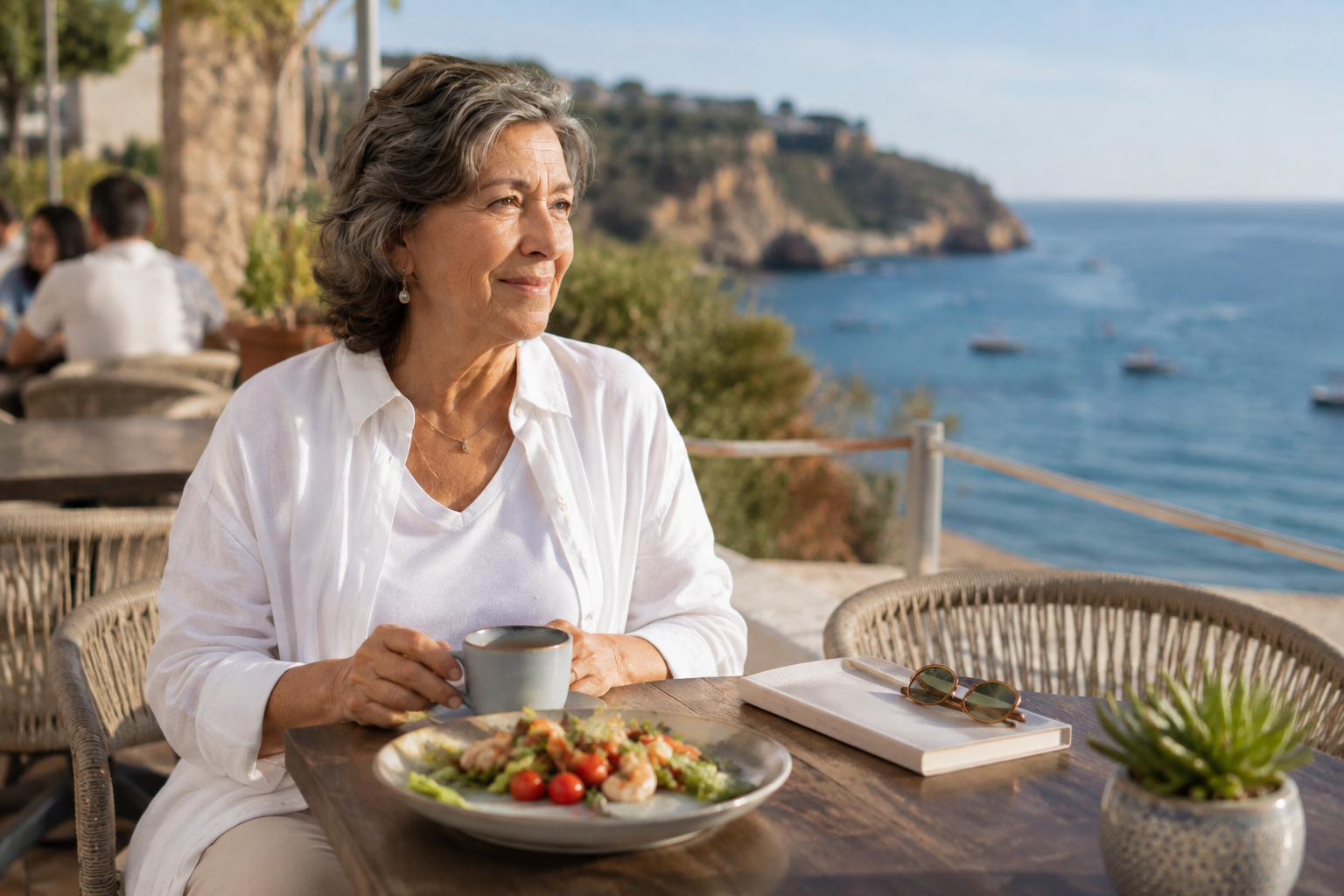
None of this comes free, and Margaret would be the first to list the costs, because she weighed every one of them before she came. The expat scene up north is thin, with far fewer English-speaking retirees settling around Braga than in the Algarve, so the ready-made community of fellow Americans is mostly just not there and building a social life takes real, sustained effort in Portuguese. The language pressure runs higher for the same reason; in the Algarve she could have coasted on English for years, but in the north she has to learn Portuguese, and the northern accent is hard even for other Portuguese speakers, let alone a learner in her sixties.
And the winters are, in honest fact, long and grey. On the darkest February afternoons even Margaret admits the drizzle gets into her mood, and a genuine sun-lover would be miserable, which is why she manages it the way northern Europeans do, with good light indoors, a routine that gets her out of the house daily regardless of the sky, and the certain knowledge that spring comes back green and fast. She traded reliable winter sunshine for summer safety and a green year, and that is not the right trade for everyone. There is one more cost worth naming, the one that weighs heaviest on a widow, which is that starting over socially in your sixties, in a language you are still learning, in a place with few fellow expats, is genuinely hard and sometimes lonely. Margaret will tell you the first winter was the loneliest of her life, before the market vendors knew her and the café friends existed, and she nearly left; what kept her was stubbornness and the garden, and by the second spring the place had quietly become home. Anyone tempted by the cheap, green, safe north should budget for that hard first year exactly the way they budget for the rent, because it passes, but only if you let it.
Choose the Climate for the Body You Will Have
If there is a lesson in Margaret’s contrarian move, it is that most people choose a retirement climate for the wrong body entirely. They picture the vigorous version of themselves on a sunny terrace and optimize for the vacation they want next year, while Margaret optimized for the fragile version of herself two decades out, the one for whom a heatwave is a medical event and a jacket is a non-problem. That is the nurse’s habit, thinking in decades and in worst cases, and it led her somewhere no guidebook would ever send a reader.
It is worth borrowing her method even if you would never borrow her destination. Picture yourself at eighty-five, not sixty-two, and ask what that person actually needs from a place: whether the climate will be kind to a body that no longer regulates heat, whether good care is close, whether the daily errands can be done on foot, and whether the cost leaves room to breathe on whatever income you will really have. Answer those honestly and you may still choose the sun, but you will have chosen it for the right person, which is the one you are going to become. Ask Margaret about the weather and she just smiles, because the weather everyone warned her about is the reason she plans to still be walking to that café at ninety.
Just bear in mind that one person’s numbers are never quite yours. Rents move, climates and health change, and the right region depends on your own income, your own body, and your own tolerance for a grey January, so treat Margaret’s math as the shape of a decision rather than a map of your own.

About the Author: Ruben, co-founder of Gamintraveler.com since 2014, is a seasoned traveler from Spain who has explored over 100 countries since 2009. Known for his extensive travel adventures across South America, Europe, the US, Australia, New Zealand, Asia, and Africa, Ruben combines his passion for adventurous yet sustainable living with his love for cycling, highlighted by his remarkable 5-month bicycle journey from Spain to Norway. He currently resides in Spain, where he continues sharing his travel experiences with his partner, Rachel, and their son, Han.