
The first time someone from a more reserved culture witnesses a Spanish hospital stay, the scene can be quite startling. A single patient in a bed, and around them a rotating cast of family and friends, someone always present, a companion settled in for the night, relatives arriving with home-cooked food and clean clothes, neighbors dropping in through the day to pay their respects. Where a visitor from elsewhere might expect quiet, brief, carefully scheduled visits, or a patient left mostly alone in a quiet room between short appointments, Spain offers something altogether warmer and far busier. Here, when someone is in the hospital, everyone comes, and the crowded room is not chaos but love made visible. To an outsider it can look like too much, until you understand that the constant presence of loved ones is a collective refusal to let anyone face illness alone. For anyone who may find themselves visiting or being visited in a Spanish hospital, there is an etiquette to this beautiful custom, a set of unwritten rules that turn a hospital stay into a gathering of care. Here are nine of them, the small understandings behind the Spanish belief that no one should be sick by themselves.
What makes these customs so moving is that they rest on a simple and generous idea, that the presence of the people who love you is itself a kind of medicine, as important in its way as anything the doctors provide. Where some cultures treat a hospital visit as an intrusion to be kept brief, Spain treats it as an obligation of love to be fulfilled fully. Understanding the rules is less about avoiding embarrassment than about learning to give and receive this particular form of care. Once you grasp the spirit behind them, the crowded Spanish hospital room reveals itself as one of the most humane traditions in the country.
1. Everyone Comes
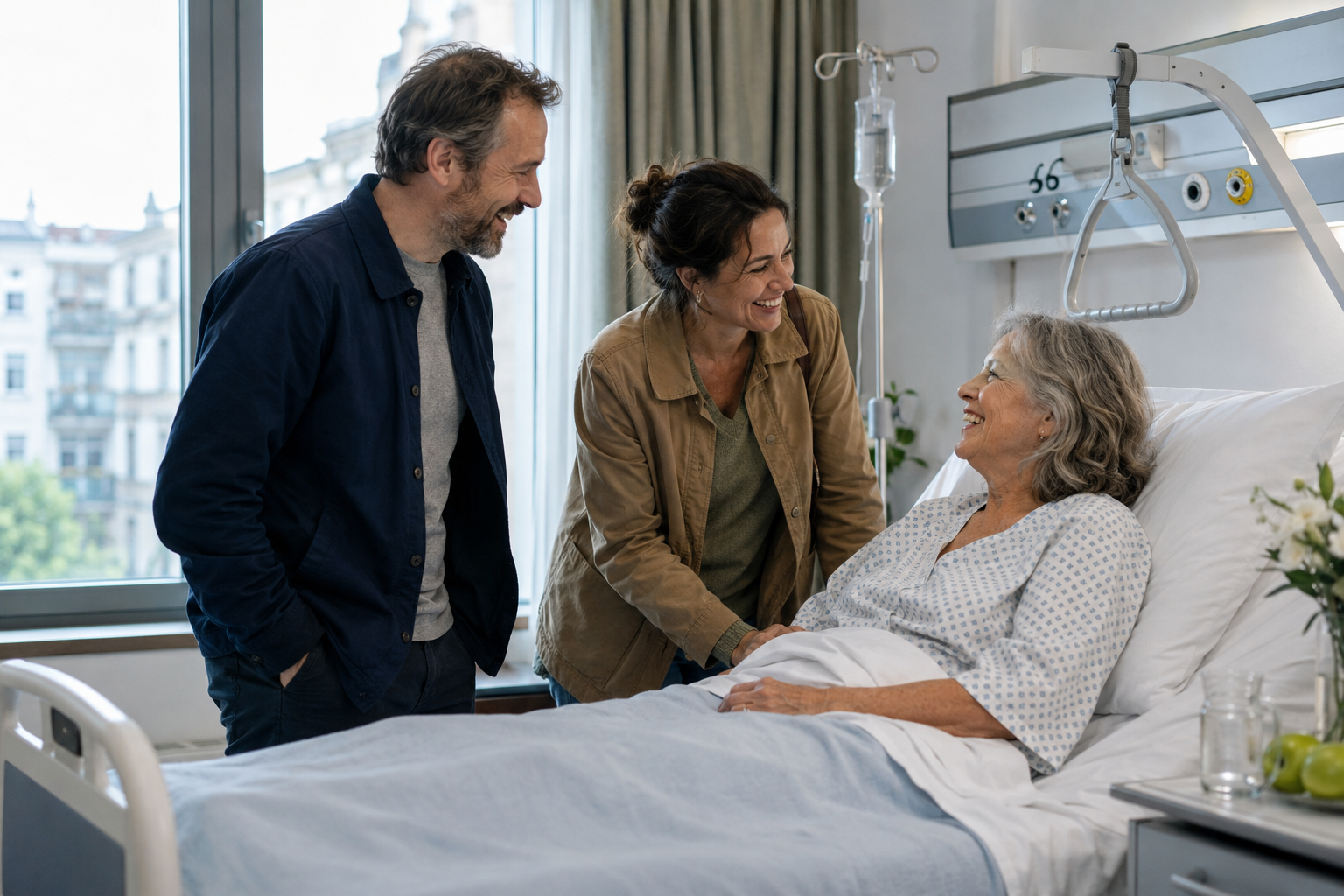
The foundational rule, the one that surprises newcomers most, is that when someone is admitted to the hospital, the people who love them simply show up, and staying away to avoid imposing badly misreads the whole custom. Presence is the gift, not the intrusion.
Your absence would be the surprise. In Spain, failing to visit a hospitalized loved one is far more noticeable than visiting, because turning up is simply what is expected of anyone who cares. The question is never whether to come but when, and the patient counts on that steady stream of familiar faces as a matter of course.
Coming is how you show love. Rather than seeing a visit as a burden on the patient, Spanish culture understands it as the clearest possible sign that they are loved and not forgotten, so the effort of showing up is precisely the message. To come is to say, without needing words, that you are here and they are not alone.
2. Someone Always Stays
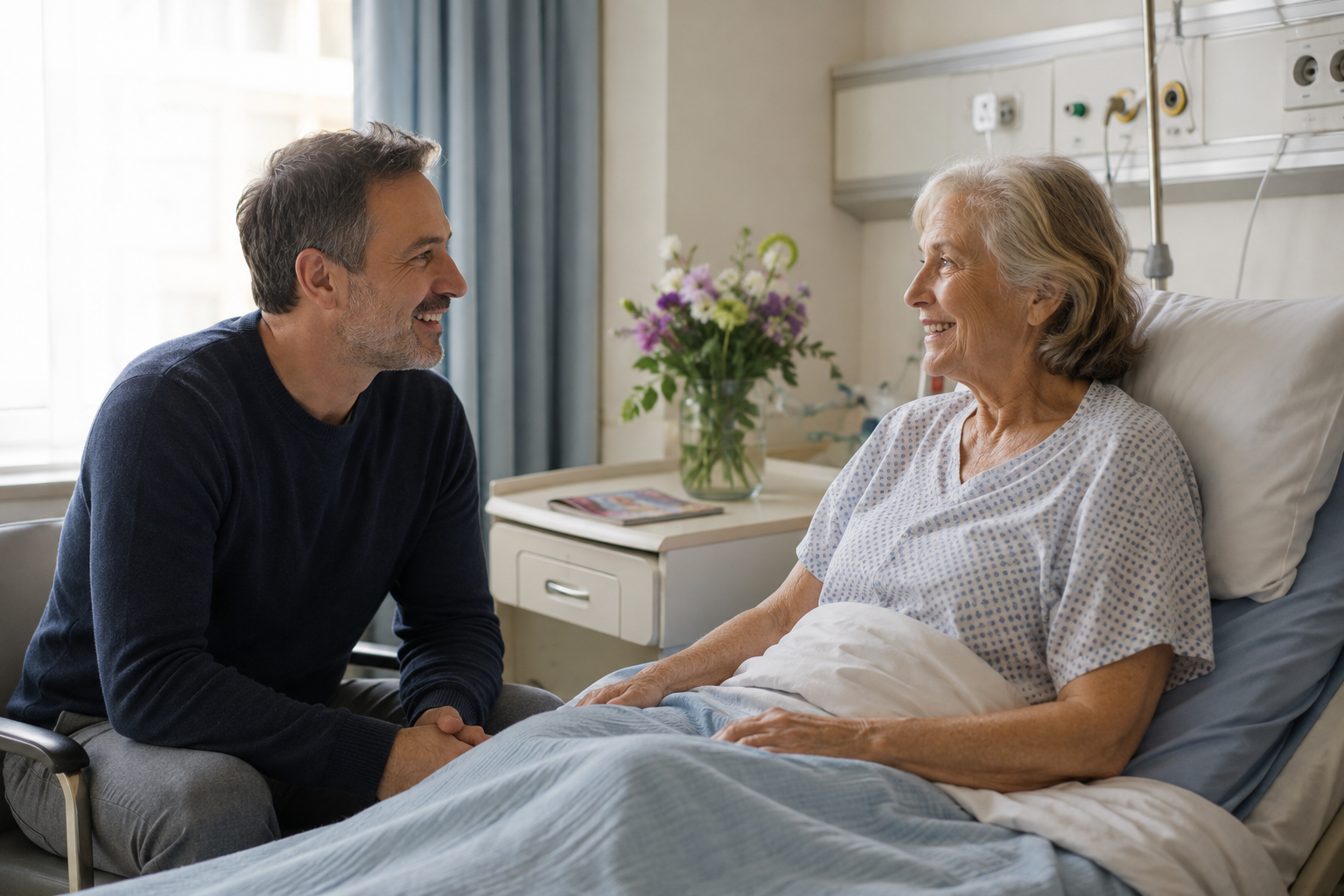
Beyond visiting, the deepest expression of this custom is that a hospitalized person is rarely left alone, day or night, because a family member almost always remains with them as a constant companion. The Spanish call this person the acompañante.
The companion is a fixture, not a visitor. Where many countries send everyone home at the end of visiting hours, in Spain a relative typically stays through the night beside the patient, often in nothing but a chair, keeping watch so that no one wakes frightened and alone. This overnight presence is treated as a normal duty of family rather than an extraordinary sacrifice.
It is an act of quiet devotion. Sitting up all night in an uncomfortable chair beside a sick loved one is nobody’s idea of comfort, yet families do it without complaint, often using their own holiday time from work to take a turn. That willingness to simply be there, hour after hour, is the beating heart of the whole tradition. It says something profound about how the culture understands family, that presence is not measured in convenience but in constancy, and that the middle of the night is exactly when a sick person most needs to know someone is near. The companion may doze fitfully in the chair, but the patient wakes to a familiar face rather than an empty room, and that difference is everything. It is love expressed not in grand gestures but in the plain endurance of staying.
3. The Family Rotates
Because no single person can keep vigil indefinitely, the constant presence is sustained by rotation, with family members organizing themselves into shifts so that someone is always there. A rota forms almost without discussion.
Shifts share the load. Relatives take turns being the companion, one staying the night, another arriving in the morning, others covering the afternoon, so the burden of constant presence is spread across many willing shoulders. This quiet choreography means the patient is never left, and no one person is worn out by carrying it alone.
Coordination is a family act. Deciding who takes which shift, who brings what, and who relieves whom becomes a small shared project that binds the family together around their sick member. Far from being a chore, this organizing is itself a way of turning worry into useful, shared action.
4. Bring Comfort, Not Just Flowers
When you visit, the most valued gifts are rarely the ceremonial ones, because a patient and their tired companion need practical comfort far more than another bunch of flowers. Thoughtful, useful things are what truly help.
Think of real needs. A favorite snack, clean clothes, toiletries, a charger, or a good book beat any formal gift, since they meet the small, grinding needs of a long hospital stay. Bringing what is genuinely useful shows a deeper attention than any bouquet could.
Remember the companion too. The acompañante is also living in that room, tired and hungry and rarely thought of, so bringing them a coffee, a warm meal, or a moment of relief is one of the kindest things you can do. Caring for the carer is very much part of the etiquette, and always gratefully received. The companion often goes unnoticed by everyone but the patient, quietly absorbing the exhaustion of the vigil while the focus stays, understandably, on the person in the bed. A thoughtful visitor sees them too, and a small kindness aimed their way, a hot coffee pressed into their hands, an insistence that they go stretch their legs, lands as a genuine relief. Nobody thanks the chair-sleeper enough, and doing so is its own quiet grace.
5. Presence Over Words
Many visitors freeze at the hospital door, worrying about what to say, when in truth the Spanish custom asks almost nothing of your words and everything of your presence. Simply being there is the entire point.
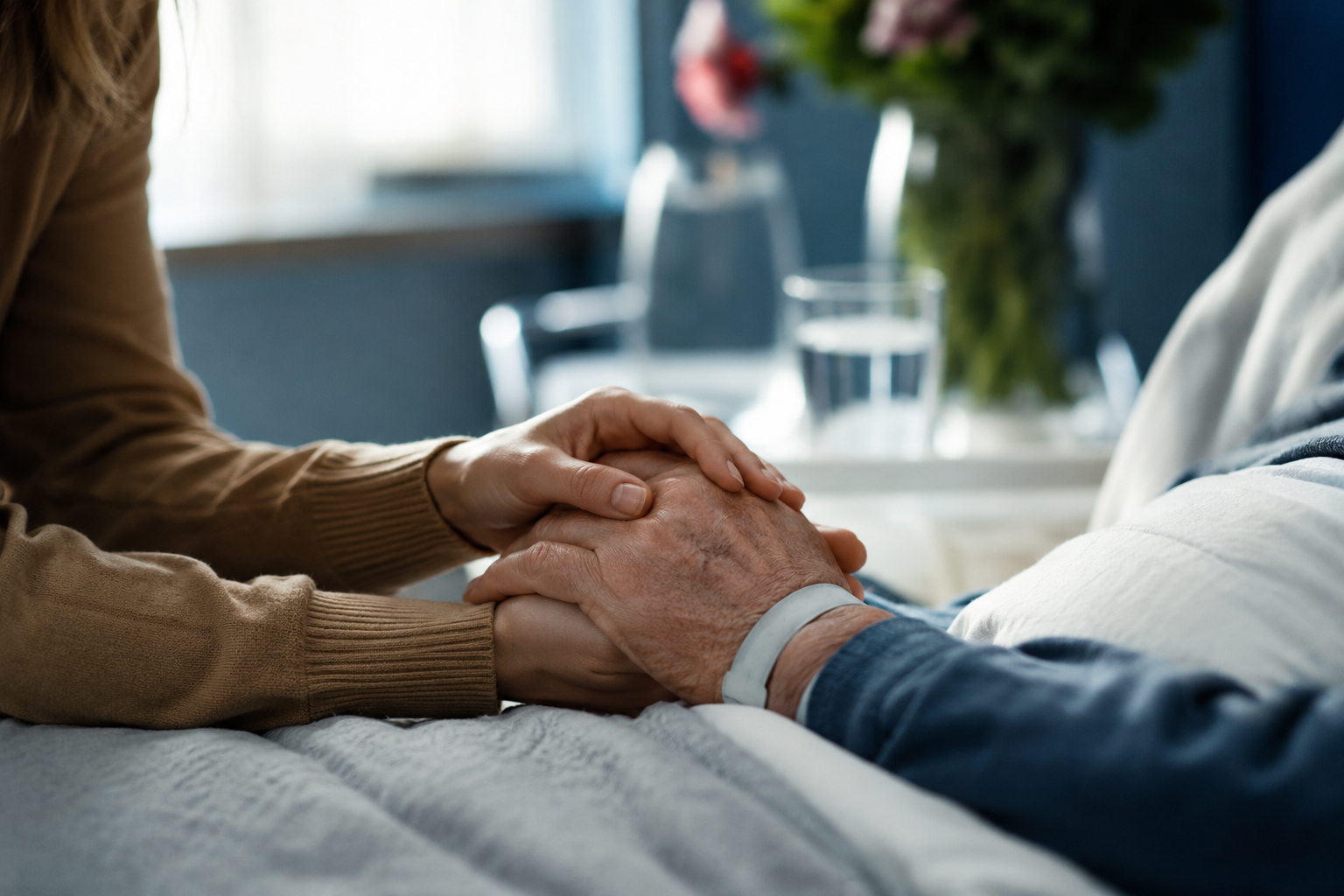
You do not have to perform. There is no need to be cheerful, to offer wisdom, or to fill every silence, because the value of your visit lies in the fact of it, not in anything clever you say. Sitting quietly beside someone, holding a hand, sharing an ordinary conversation, all of it comforts more than any perfect words could.
Ordinary company is the comfort. What the patient most wants is not a speech but the familiar ease of the people they love, the gossip from home, the small talk, the sense that normal life continues around them. To bring your ordinary self into the room is to bring exactly what is needed. Many visitors arrive tense, rehearsing something meaningful to say, and leave having said nothing memorable at all, yet the patient remembers the visit fondly all the same. What lingers is not the words but the warmth, the sense of being treated as a whole person rather than a patient, of the outside world coming in to sit a while. A shared laugh over something trivial can do more good than the most carefully chosen sentiment.
6. Mind the Roommate and the Room
Spanish hospital rooms are often shared, and the warm custom of many visitors has to be balanced against the comfort of others, so a considerate visitor pays attention to the space and the people in it. Good manners keep the crowd kind.
Greet and respect the neighbor. When a room is shared, it is courteous to greet the other patient and their family, and to keep your voices low, and to be mindful that they too are unwell and may need rest. A little awareness turns a potentially crowded, noisy room into a shared space of mutual care. In practice, the families sharing a room often come to know and support one another, swapping small kindnesses, watching a neighbor’s patient while their companion steps out, exchanging the weary solidarity of people going through the same thing. What could be an imposition becomes, at its best, a little community of care formed around two beds, and the considerate visitor helps create it rather than disturb it.
Do not overwhelm the space. However much everyone wants to come, cramming too many visitors around one bed can tire the patient and crowd the room, so it is wise to arrive in manageable numbers and let people take turns. The goal is steady, gentle presence, not an overwhelming crush.
7. Follow the Hours, but Know the Spirit
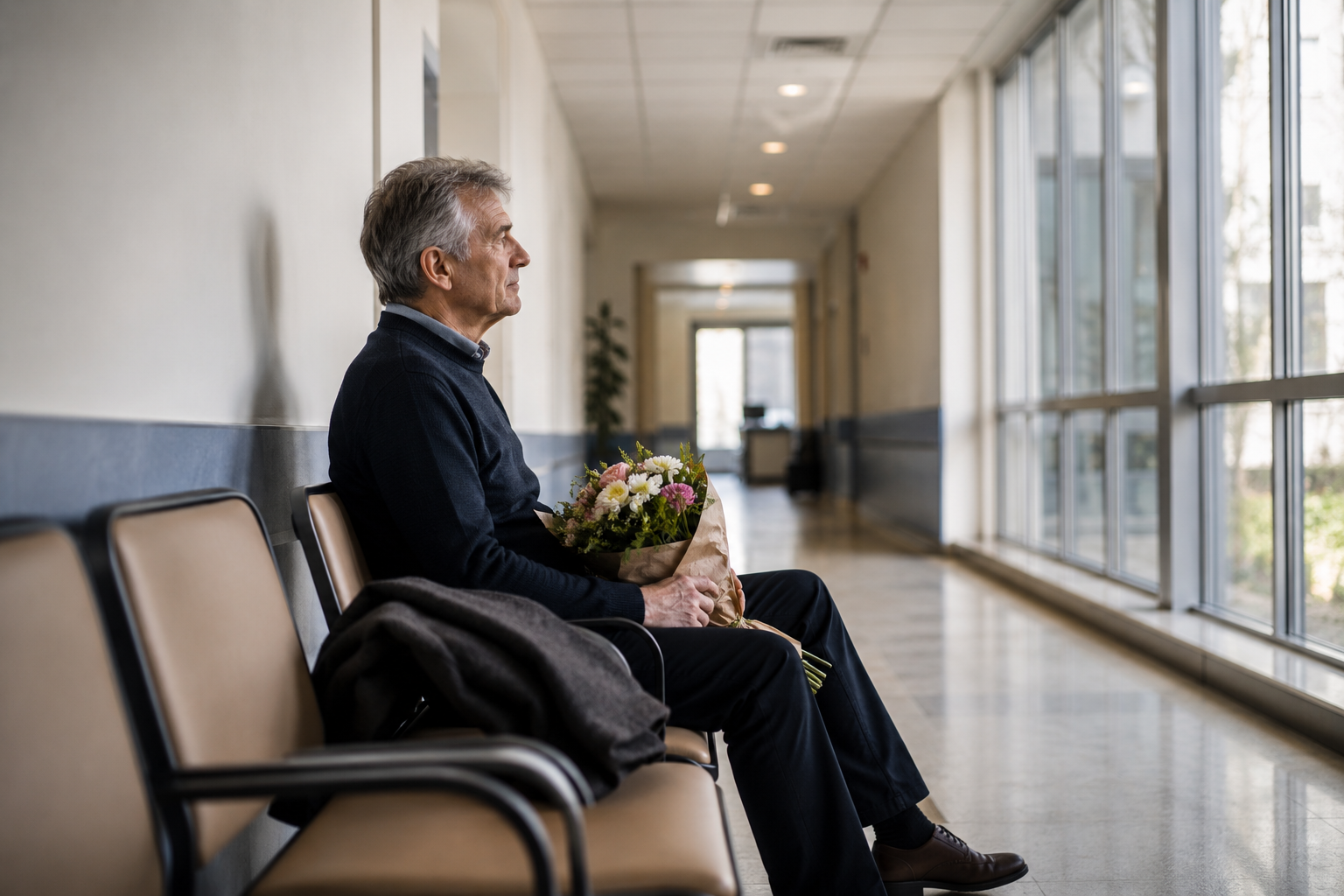
Modern Spanish hospitals do have formal visiting hours and often limit how many people may be at a bedside at once, so the tradition of constant presence now works within real rules. Understanding both keeps you on the right side of them.
Respect the official limits. Especially in recent years, hospitals commonly set specific visiting hours and cap the number of simultaneous visitors, and these rules exist to protect rest, care and other patients, so they should be honored rather than fought. Checking the hours before you go is simply good sense.
Rotation is how the spirit survives the rules. Because families cannot all crowd in at once, they honor both the rules and the custom by taking turns, so that the flow of loved ones continues steadily within the limits rather than all arriving together. The constant presence endures, just in an orderly, respectful form.
8. Feed and Relieve the Companion
The companion who stays around the clock carries the heaviest load of all, and a crucial part of the etiquette is making sure that person is fed, rested and regularly relieved. Looking after the carer sustains the whole effort.
Give the companion a break. When you arrive, one of the most useful things you can do is send the exhausted acompañante off for a meal, a shower, or sleep while you take their place, so they are not run into the ground. A relief shift is often a greater kindness than any gift.
Sustain the ones who sustain. Bringing home-cooked food, fresh clothes, or simply good company to the companion keeps them going through a hard stretch, and acknowledges that their vigil deserves care too. The tradition endures only because the companions are themselves looked after, and tending to them is everyone’s job.
9. Go, Even If You Are Not Close
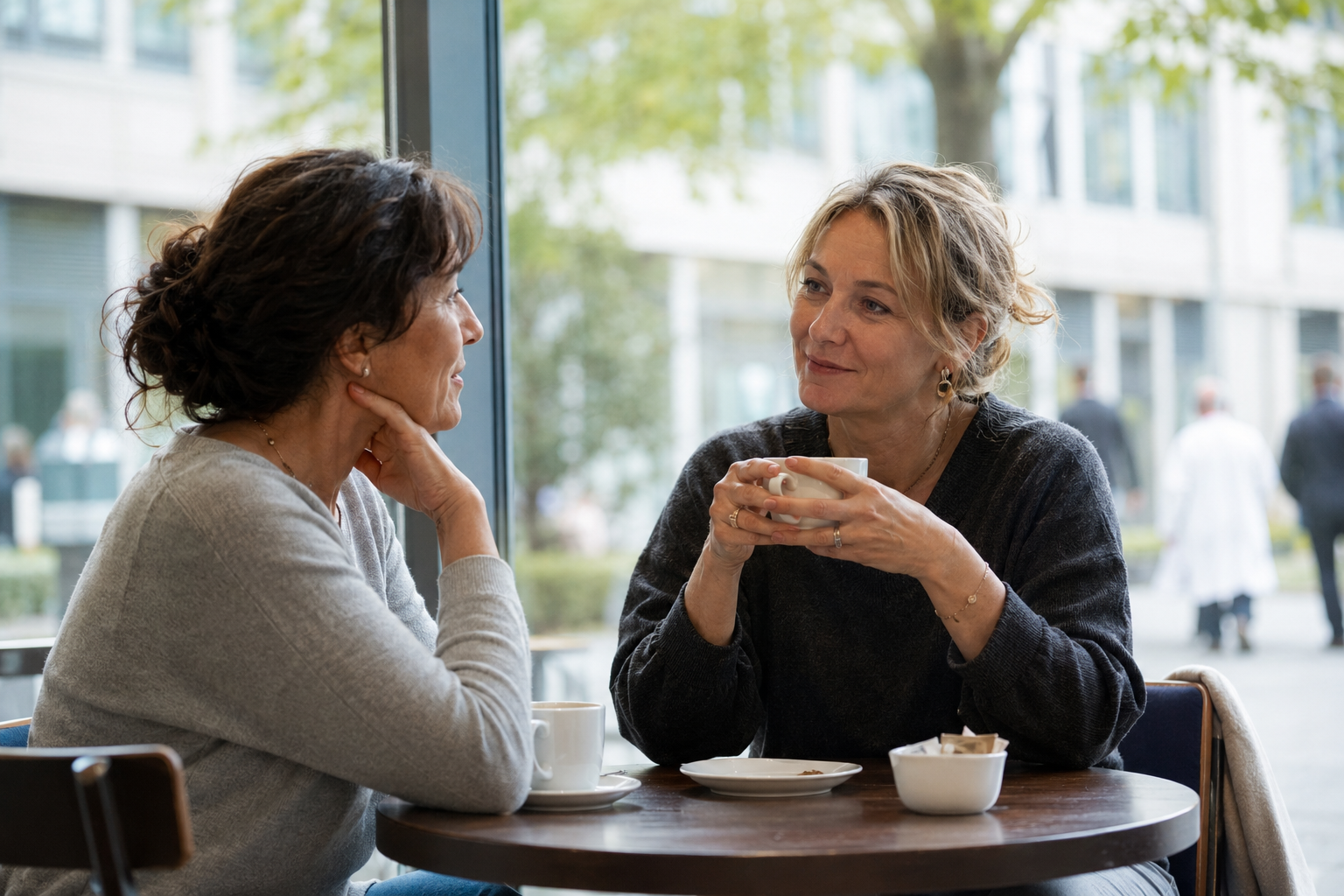
Perhaps the most beautiful extension of the custom is that it reaches far beyond the immediate family, so neighbors, distant relatives, old colleagues, and casual friends all come, and it means a great deal. The breadth of who shows up is part of the wonder.
The circle is wide. It is entirely normal for people who are not intimate with the patient, a neighbor, a coworker, a friend of a friend, to stop by for a short visit, and far from being awkward, such visits are warmly welcomed as signs of a life richly connected. You do not need to be family to show that you care.
A short visit still counts. If you are on the edge of someone’s circle, a brief appearance, a few minutes of warmth and good wishes, is more than enough and truly appreciated. The point is not the length of the visit but the fact of having come, adding one more face to the crowd of people telling the patient they matter. For someone lying in a hospital bed, each new visitor is a small reassurance that their life outside those walls is real and waiting for them, populated by people who noticed their absence and cared enough to come. A steady trickle of well-wishers, however loosely connected, builds into something the patient feels deeply, the sense of being held by a whole community rather than a handful of relatives.
Everyone Comes, and That Is the Point
Taken together, these nine rules describe a culture that treats illness not as a private trial to be endured alone but as a shared burden to be carried by a whole community of the willing. None of the rules is complicated, and all of them flow from the same tender conviction, that no one should be sick by themselves.
What makes this tradition so worth understanding, and so worth borrowing, is the profound comfort at its center, the knowledge that if you fall ill in Spain, you will not be left to face it alone in a quiet room. You will be surrounded, fed, watched over, and kept company, by family through the long nights and by a wide circle of others through the days. That is a powerful medicine of its own, and one that costs nothing but the willingness to show up. In a world where so much of care has been handed over to institutions and professionals, there is something quietly radical about a culture that still insists the family belongs at the bedside, not as a courtesy but as a duty and a right. It is a reminder that healing is not only a medical event but a human one, and that being loved out loud, in a crowded room, can matter as much as any treatment.
So if you ever find yourself with a loved one in a Spanish hospital, do not hang back for fear of intruding. Come, bring something useful, relieve the tired companion, respect the room and its rules, and above all simply be there. In doing so you will be taking part in one of the warmest customs Spain has to offer, the shared insistence that when one of us is unwell, all of us come, because no one should ever have to be sick alone.

About the Author: Ruben, co-founder of Gamintraveler.com since 2014, is a seasoned traveler from Spain who has explored over 100 countries since 2009. Known for his extensive travel adventures across South America, Europe, the US, Australia, New Zealand, Asia, and Africa, Ruben combines his passion for adventurous yet sustainable living with his love for cycling, highlighted by his remarkable 5-month bicycle journey from Spain to Norway. He currently resides in Spain, where he continues sharing his travel experiences with his partner, Rachel, and their son, Han.