
For a long time, the dream of moving to Europe seemed to hinge on one nearly impossible thing, landing a job with a company willing to sponsor you. But for a growing number of people, retirees, remote workers, the financially independent, and anyone with a steady income from outside a job, that barrier has quietly fallen away. A whole category of European residence permits exists precisely for people who do not have, and do not need, a local job offer, asking instead only that you can support yourself. The catch is that these routes vary enormously in how much bureaucratic pain they inflict, from relatively smooth processes to gauntlets of paperwork, appointments and rejection risk that can test the sanity of even the most determined applicant. This is a guide to the main no-job-offer residence options in Europe for 2026, ranked honestly by just how much administrative suffering each one demands.
What makes this worth understanding is that the differences between these routes are not trivial. Two countries might both let you move on the strength of your income, yet one could settle you in four months while another drags you through a year of consular appointments and document requests, with a real chance of rejection at the end. Knowing in advance which routes are relatively painless and which are notoriously grueling can save you many months of frustration and thousands in wasted effort, so it pays to go in with clear eyes about what each one actually involves before you sink months of effort and a good deal of money into the wrong one.
Here is what these no-job-offer residencies are, the main routes available, how they stack up on the crucial question of paperwork pain, and the real trade-offs behind each. This is a general informational overview rather than legal advice, and immigration rules change constantly and vary by individual circumstance, so anyone seriously considering a move should verify the current requirements and consult a qualified immigration professional, but this ranking should help you understand the landscape before you dive in.
What These Residencies Have in Common
Before ranking them, it helps to understand what unites this whole family of visas, because they share a basic logic that sets them apart from work-based immigration. They all rest on self-sufficiency rather than employment.
They ask you to support yourself, not find a job. The defining feature of these routes is that instead of proving a local employer wants you, you prove that you can pay your own way, whether through a pension, investments, savings, rental income, or remote work for clients abroad, so the burden shifts from finding a job to demonstrating financial stability. This is what opens Europe to retirees and location-independent workers who would never qualify through the traditional employment route. It represents a real democratization of the European dream, extending it beyond the young and the corporate-sponsored to anyone who has built up a pension, a portfolio, or a portable income. For decades, moving to Europe meant either marrying in, being posted by an employer, or being wealthy enough for an investor visa. These income-based routes have quietly opened a third way, and their growing popularity reflects how many people around the world now have the kind of location-independent means that fits them.
They split into two broad types. Within this family, there are essentially two kinds of route, passive-income visas for those living off pensions or investments, and digital-nomad visas for remote earners, so which one fits depends on where your money comes from. A crucial detail is that many passive-income visas forbid work of any kind, even remote, so remote earners need the nomad route rather than the passive-income one.
Portugal’s D7, the Low-Income Gateway
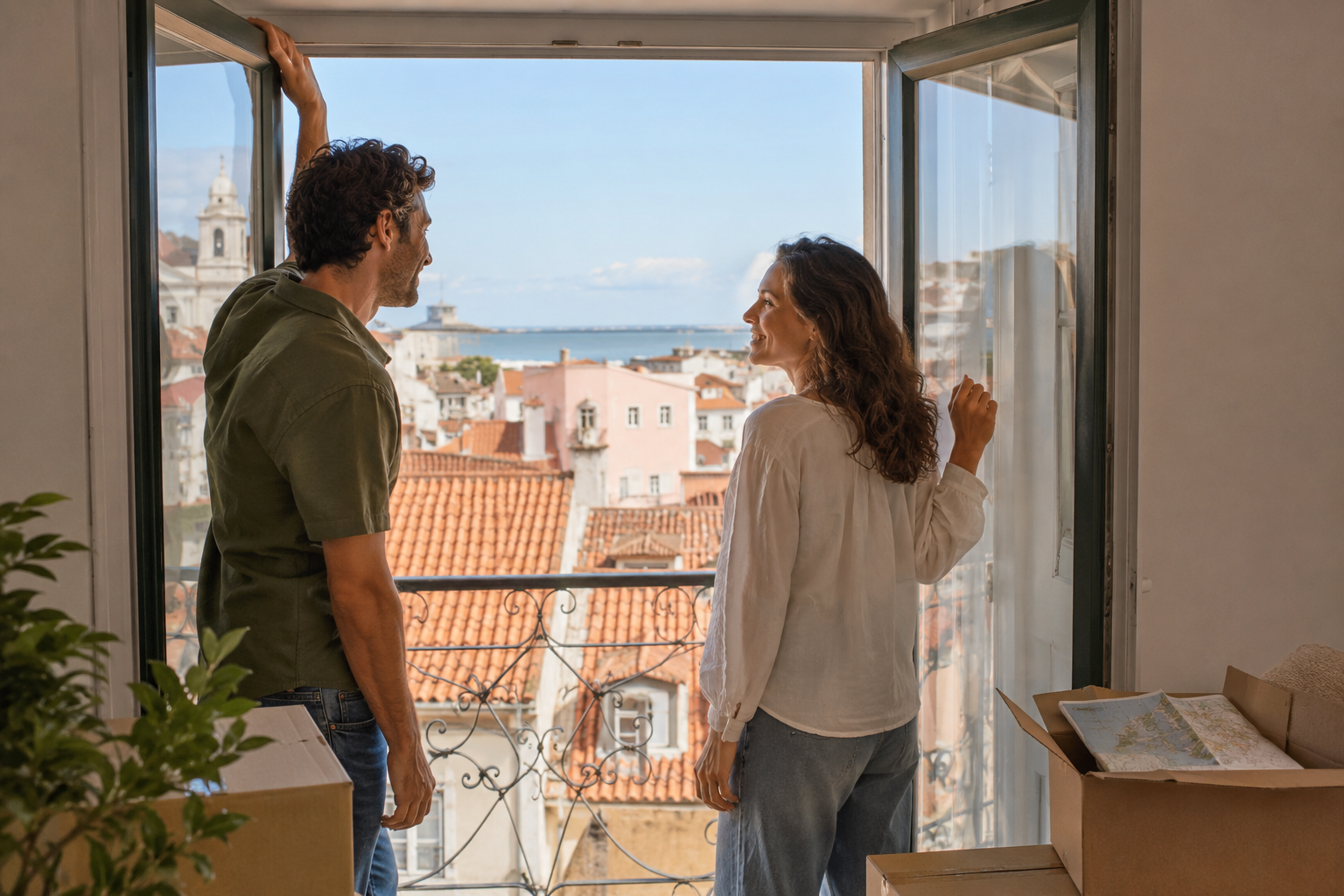
Among the most popular of all these routes is Portugal’s passive-income visa, long celebrated as one of the easiest doors into Europe, chiefly because of how little income it demands. It has become a byword for accessible European residency.
Its income bar is remarkably low. The Portuguese passive-income visa requires only a modest income, roughly the national minimum wage, among the lowest thresholds anywhere, so it is within reach of many ordinary retirees and independent earners who could not meet the steeper bars elsewhere. For people with a small but steady income, this accessibility is its great attraction. It has made the country a magnet for modest retirees and cautious early-downshifters who simply cannot meet the far higher bars set by Spain or Italy. Someone living carefully on a small pension, who would be turned away elsewhere for insufficient funds, can often qualify here, which is why the route has such a devoted following among people of ordinary means rather than the wealthy alone.
But the paperwork pain has grown. The catch has been serious processing backlogs, with the whole process often stretching to many months and the appointments needed to complete it frustratingly hard to secure, so the low financial bar comes paired with a real test of patience. The route is financially easy but administratively slow, which is the central trade-off anyone considering it must weigh.
Spain’s Non-Lucrative Visa, Fast but Strict

Spain offers its own well-trodden passive-income route, which in 2026 stands out as one of the quicker major programs to get through, even as it imposes some firm restrictions. It rewards those who can meet its terms with relative speed.
It moves comparatively quickly. Among the big passive-income visas, Spain’s is often among the fastest, completed in months rather than the longer waits elsewhere, so applicants who value speed and can meet the requirements find it appealing. This relative efficiency is a genuine point in its favor at a time when many routes are bogged down. Spain rebuilt this visa’s importance after closing its investor Golden Visa route, and the non-lucrative visa has since become the default choice for financially independent people who want to settle there. For applicants who can satisfy its conditions, the comparatively brisk timeline is a welcome contrast to the year-long waits that have come to plague some of its neighbors, and it is a large part of why the route remains so heavily used.
But it forbids all work and demands real presence. The significant catch is that this visa bars all work, including remote work for foreign clients, and requires substantial physical presence in Spain, so it suits the genuinely retired or independently wealthy far better than anyone still earning. Its income requirement is considerably higher than Portugal’s, making it a route for the comfortably funded rather than the modestly retired.
Greece and Its Financially Independent Route
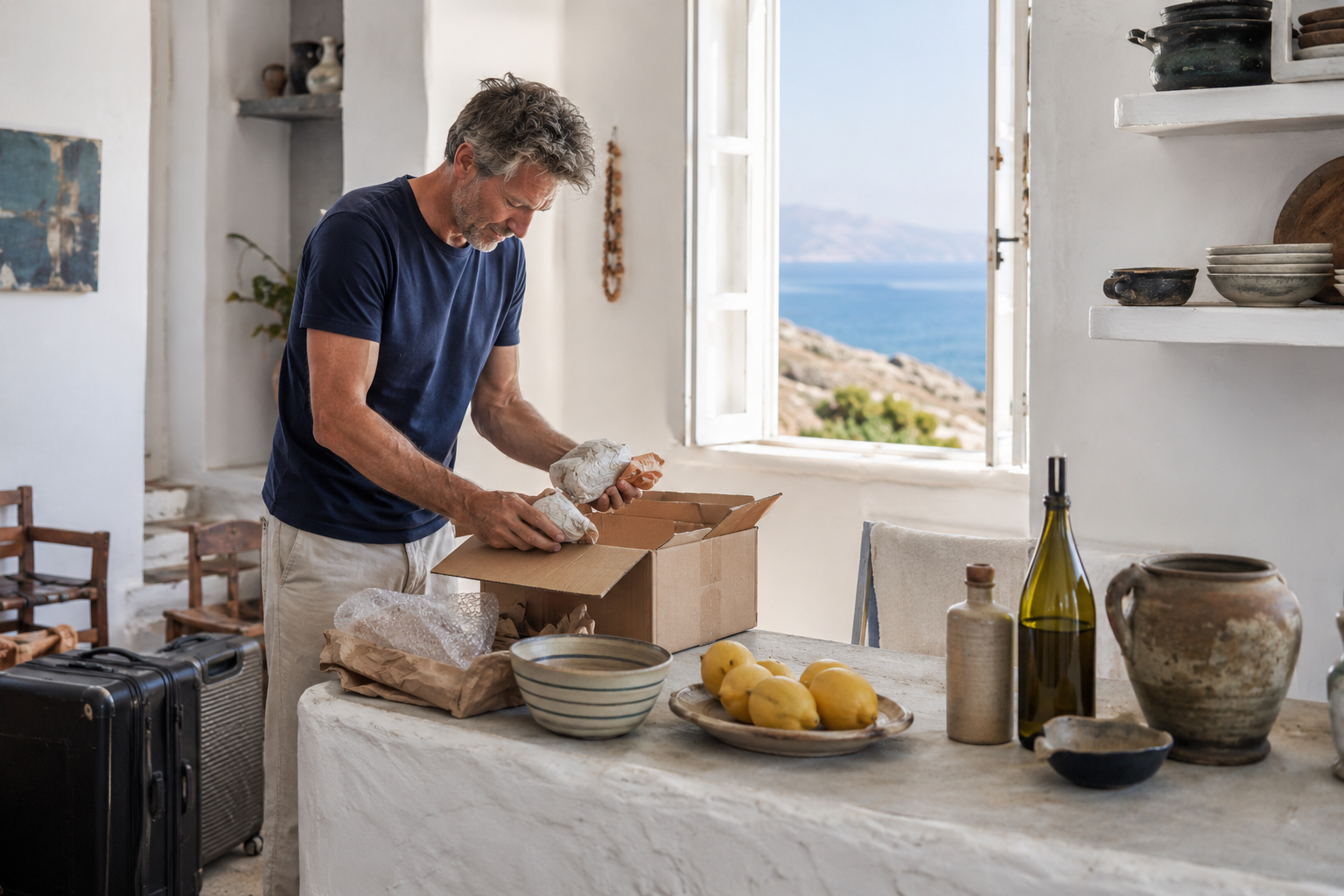
Greece has become an increasingly popular destination for those seeking a sun-soaked European base without a job, offering a financially independent person’s visa alongside a separate nomad route. It sits in the middle of the pack on difficulty.
Its terms are moderate on both money and process. Greece asks for a middling income, higher than Portugal but not the steepest around, and its processing, while not the fastest, is not the worst either, so it occupies a reasonable middle ground for those drawn specifically to Greece. Greece also offers attractive tax arrangements for foreign income that add to its appeal for the financially independent.
But rejection risk is a real factor. Greece’s programs carry a noticeable rejection rate, higher than the smoothest routes though improving, so applicants need to prepare their documents with particular care to avoid a costly refusal. The pain here is less about speed and more about the need for meticulous, correct paperwork to clear a stricter-than-average bar. A refusal is costly in both money and time, since it can mean starting the whole process again, so the sensible approach is to prepare the file with great care or lean on professional help. Greece rewards those who take the documentation seriously, and punishes those who treat it casually, which makes it a route where diligence at the paperwork stage pays off directly in a smoother outcome.
Malta, the English-Speaking Shortcut

For those who prize a smoother process and the comfort of an English-speaking environment, Malta’s remote-work residence permit stands out as one of the less painful options in Europe. It trades a higher income bar for relative ease.
It is comparatively straightforward. Malta’s nomad permit offers a relatively efficient process and the convenience of operating in English, which removes the language friction that complicates applications elsewhere, so the administrative experience tends to be gentler than in many larger countries. For English speakers especially, this ease is a significant draw.
But it asks for a higher income. The trade-off is that Malta sets a fairly high income requirement for its remote workers, so while the process is smoother, you need to earn more to qualify, which makes it less accessible to lower earners even as it is easier to navigate. It is a route that rewards higher income with lower hassle, the reverse of Portugal’s bargain. This neatly captures a pattern that runs through the whole field, that there is often a trade between the financial bar and the bureaucratic one. Some countries let in the modestly funded but make them wait and struggle, while others demand a higher income but process the well-heeled smoothly. Malta sits firmly in the second camp, and for an English-speaking applicant who comfortably clears its income threshold, it may well be the least painful door into Europe of them all.
Italy and France, the Bureaucratic Heavyweights
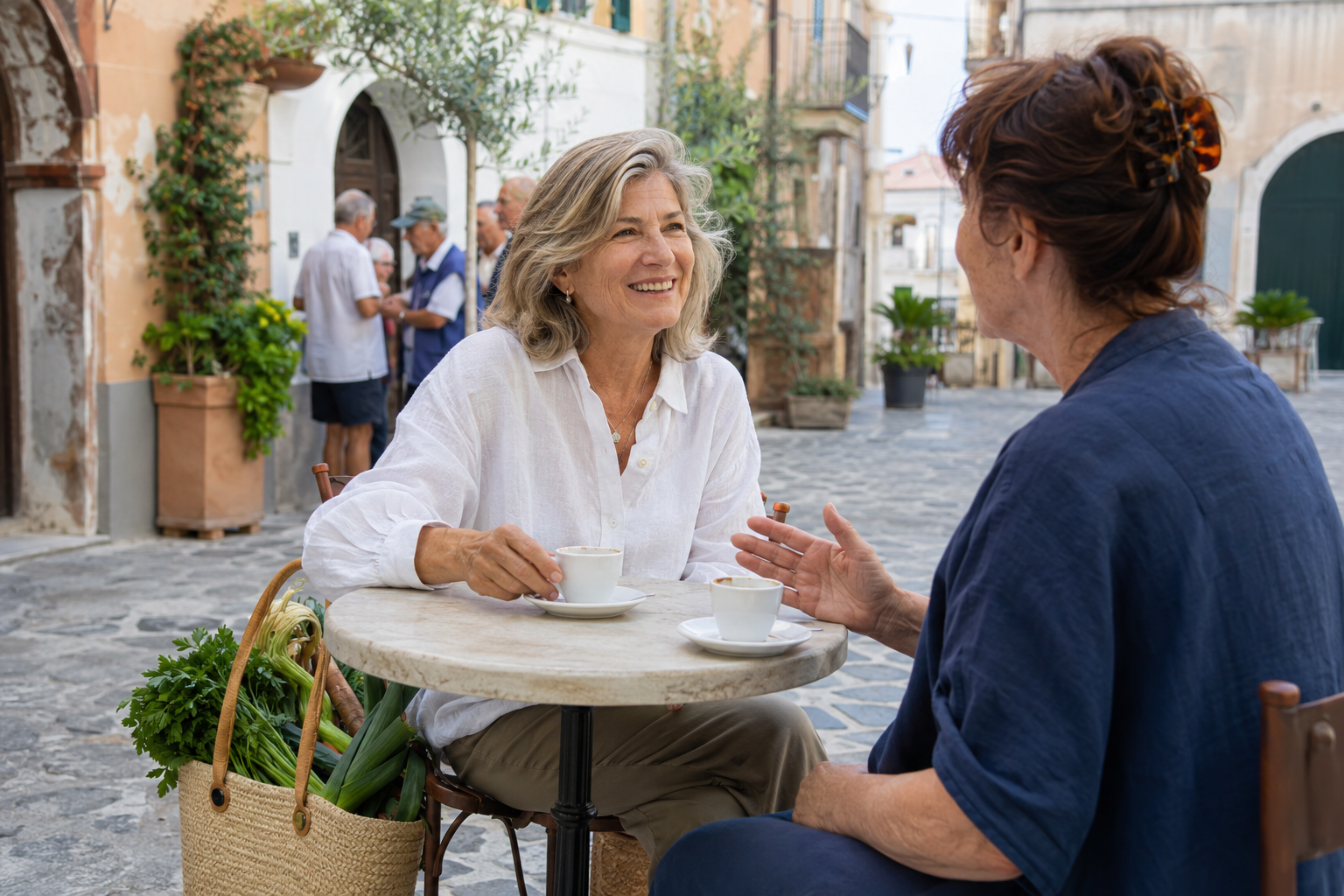
At the more painful end of the spectrum sit Italy and France, both of which offer no-job-offer routes but are notorious for the sheer bureaucratic difficulty of obtaining them. These are not for the faint of heart.
Italy’s elective residence is famously demanding. Italy’s route requires a high income, bars all work including remote, and has consulates that scrutinize with particular severity, producing one of the higher rejection rates among these programs, so it demands both wealth and near-perfect paperwork. The Italian dream is real, but the path to it through this visa is one of the steeper climbs.
France’s visitor route is equally trying. France’s visitor visa carries a reputation for difficulty, with a high rejection rate and appointment bottlenecks that can drag the process out, so it ranks among the more painful options despite France’s obvious appeal. Both countries reward persistence, but neither offers an easy ride, and applicants should brace for a demanding process. Much of the difficulty flows from the same sources in each case, unforgiving consulates, heavy documentation demands, and a shortage of appointment slots that can stall an application for months before it even begins. Those who succeed tend to be either exceptionally organized or well advised, and often both. The appeal of living in Italy or France is powerful enough that many decide the ordeal is worth it, but they go in knowing it will test them.
How They Rank on Paperwork Pain
Pulling it all together, a rough ranking emerges from least to most painful, though the right choice always depends on your own income and priorities. The pattern is fairly consistent across the routes.
The smoother end favors speed or simplicity. At the less painful end sit Spain, prized for speed, and Malta, prized for its English-language ease, along with Portugal’s for its low income bar, though Portugal’s backlogs complicate that picture, so the gentler options each offer a specific advantage. None is effortless, but these tend to spare applicants the worst of the suffering, whether through a faster timeline, a friendlier language, or a gentler income requirement.
The harder end demands wealth and patience. At the more painful end sit Italy and France, with high rejection rates, strict scrutiny and lengthy waits, along with Greece somewhere in the middle, so the toughest routes ask for both deep pockets and deep reserves of patience. Choosing among them means carefully weighing how much bureaucratic pain you are willing to endure for a particular country.
Choosing the Right Route for You
The lasting lesson of this comparison is that there is no single best no-job-offer residency, only the one that fits your income, patience and chosen country, so the ranking by paperwork pain is a tool for matching your circumstances to the right route rather than a simple leaderboard. Someone with a modest pension and endless patience might happily accept Portugal’s backlogs for its low income bar, while a higher earner who values speed might prefer Spain or Malta. A remote worker, meanwhile, has to look past the passive-income routes entirely toward the nomad visas, since so many of the former forbid work outright. There is no universally best answer, only a best answer for a particular person with a particular income, a particular tolerance for bureaucracy, and a particular country tugging at their heart.
What makes this knowledge truly useful is that it lets you go in with realistic expectations rather than being blindsided, understanding before you commit whether you are choosing a relatively smooth path or signing up for a bureaucratic marathon. The applicants who fare best are those who match their own tolerance for paperwork and their financial situation to the demands of the route, rather than falling for a country’s charms without counting the administrative cost.
So if you dream of living in Europe without a job offer, take heart that the doors are more open than you might think, but choose your door wisely. Weigh the income you can prove against the thresholds, your appetite for paperwork against each route’s demands, and your love of a particular country against the pain it will cost you to settle there. Do that, and you can find the path that fits you, entering Europe not through the narrow gate of employment but through one of the many quieter doors that ask only that you can stand on your own two feet.

About the Author: Ruben, co-founder of Gamintraveler.com since 2014, is a seasoned traveler from Spain who has explored over 100 countries since 2009. Known for his extensive travel adventures across South America, Europe, the US, Australia, New Zealand, Asia, and Africa, Ruben combines his passion for adventurous yet sustainable living with his love for cycling, highlighted by his remarkable 5-month bicycle journey from Spain to Norway. He currently resides in Spain, where he continues sharing his travel experiences with his partner, Rachel, and their son, Han.