
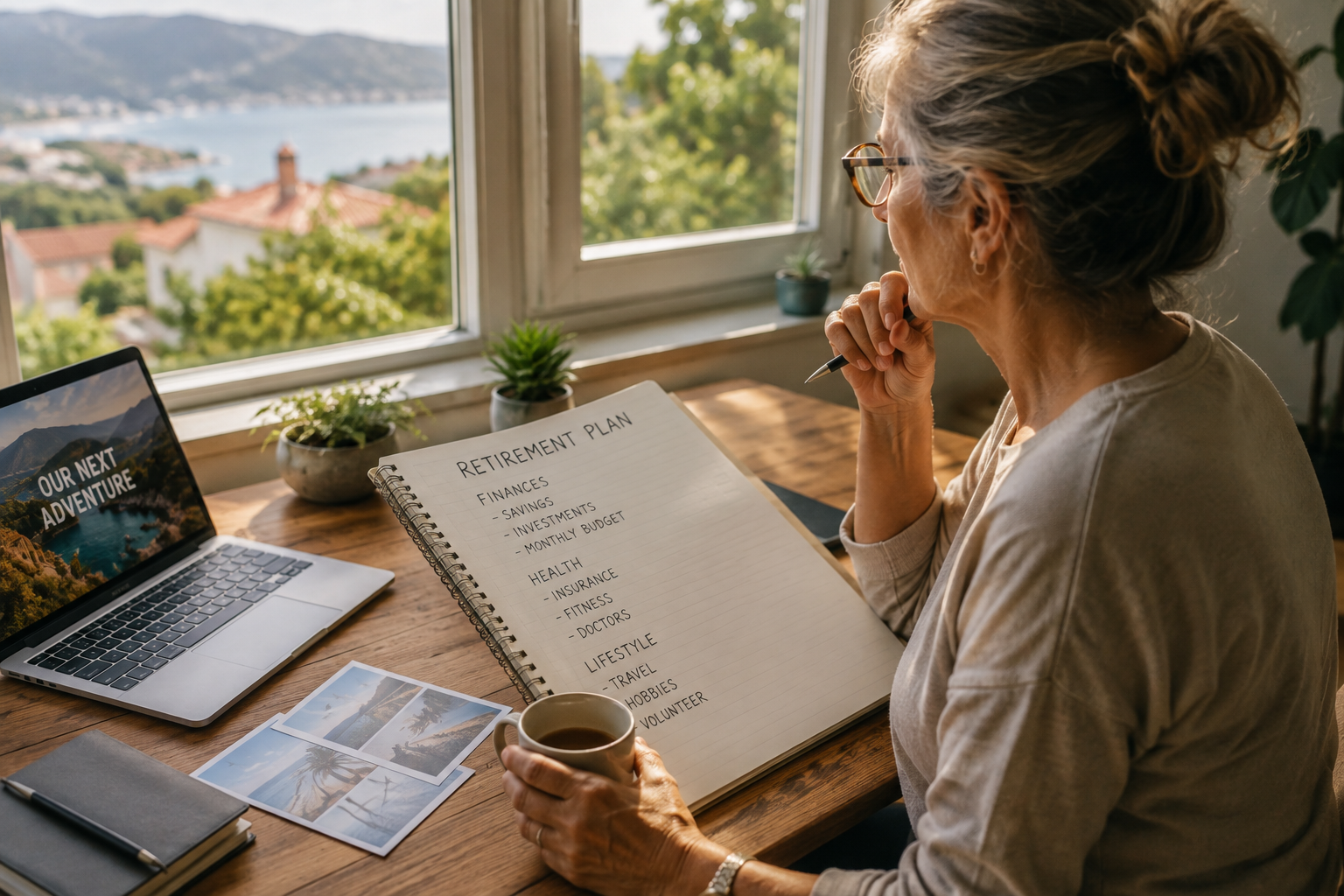
Open almost any guide to retirement and you will notice something quietly frustrating if you happen to be on your own. The advice assumes a partner. It talks about survivor benefits and joint accounts, about who will care for whom. Retirement planning, as an entire genre, is written by and for couples, which leaves the growing number of people who retire solo, by choice or by circumstance, to translate everything into their own situation and to notice, often too late, the gaps that couple-oriented advice never thinks to mention. Retiring alone is not harder in every way, and in some ways it is simpler and freer, but it does require attending to a specific set of things partnered people can leave vague because they have someone to lean on. This is the checklist nobody writes, the list of what a solo retiree, and only a solo retiree, truly needs to think about.
What makes this worth spelling out is that the gaps are not obvious until you hit them. A couple rarely stops to ask who will make medical decisions if one of them cannot, because the answer is usually the other. They do not worry much about who checks on them, because someone is there. Living alone quietly removes all of those silent defaults, and the tasks a partner quietly handled do not disappear, they simply become yours to arrange. Doing so is not a counsel of despair but of competence, the ordinary prudence of a capable adult making sure the practical scaffolding of a good life is quietly in place.
Here is the solo retirement checklist that the couple-focused guides leave out, covering the legal, practical, financial, social and emotional groundwork that matters especially when you are on your own. This is general informational guidance rather than legal or financial advice, and everyone’s circumstances differ, so anyone planning a solo retirement should consult qualified professionals for their own situation, but these are the areas a solo retiree should be sure to consider.
Naming the People Who Decide for You
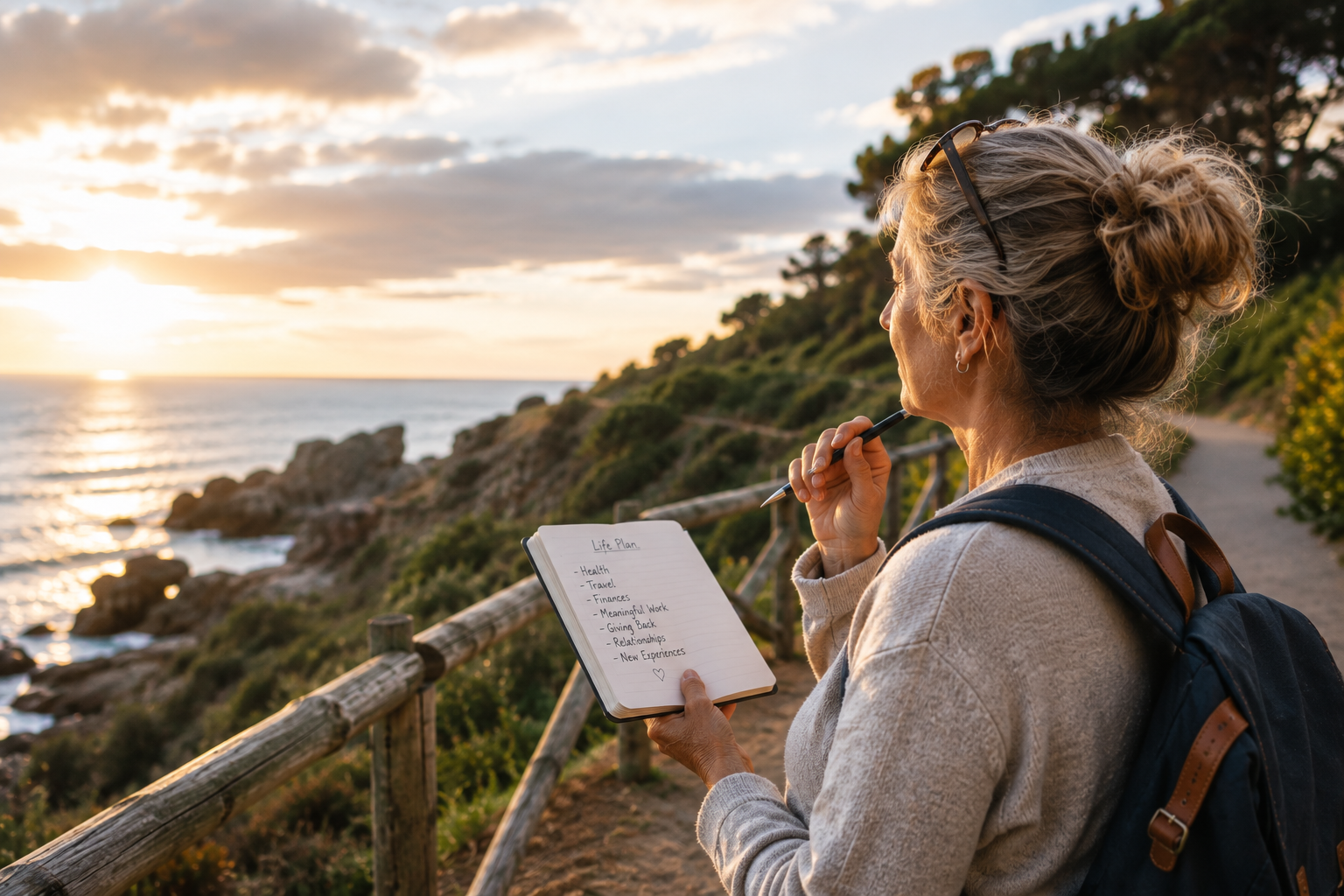
The first and most important item is one couples rarely think about, arranging who will act for you if you cannot, because a solo person has no automatic default. This is the foundation everything else rests on.
You need someone empowered to make medical decisions. If illness or an accident ever left you unable to make your own healthcare choices, someone must be legally authorized to make your medical decisions, and a solo person must formally arrange it through the appropriate legal documents, so setting up a trusted medical decision-maker is the single most important solo task. A couple usually has each other by default, but a solo person must consciously choose and empower someone. This is not a matter of expecting the worst, but of the same ordinary foresight that leads anyone to carry insurance. The documents involved are standard and the process is straightforward, yet an astonishing number of people never get around to it, precisely because for couples it feels less urgent. For a solo person it is truly the first thing to arrange, because without it, a medical crisis can leave no one clearly authorized to act on your behalf at the very moment decisions must be made.
You need the same for finances and affairs. Alongside medical decisions, you should arrange for someone trusted to handle your financial and practical affairs if you cannot, again through proper legal instruments rather than mere hope, so that your bills, your home, and your obligations can be managed in a crisis. Choosing these people carefully and having the paperwork properly drawn up is the bedrock of retiring alone.
Building Your Own Emergency Response
Couples have a built-in alarm system, the simple fact that someone notices if the other does not get up. A solo retiree has to build that safety net deliberately, and it is a genuine and important task. It need not be elaborate, but it must exist.
Someone should notice if something goes wrong. Living alone means that if you fell ill or had an accident at home, no one might know for some time, so a solo person needs a system, whether a daily check-in, a regular call, a watchful neighbor, or a personal alarm device, so help would come if needed. Arranging this kind of quiet monitoring is one of the most practical and reassuring things a solo retiree can put in place.
Your key information must be findable. In an emergency, someone may need to reach your contacts, know your medical details, or access important documents, so a solo person should ensure a trusted individual knows where to find key information and how to act, so that a crisis does not become chaos. Keeping an organized, accessible record of the essentials is a small effort that pays off enormously if it is ever needed. A simple folder or file, known to one or two trusted people, containing your key contacts, medical information, insurance details, and the location of important documents, can transform a frightening situation into a manageable one. It costs nothing but an afternoon to assemble, and it spares the people who care about you from scrambling in the dark at the worst possible time. For a solo person, whose affairs no partner shares day to day, this kind of order is especially valuable.
The Financial Cushion Without a Second Income
Financial planning for one carries a particular weight, because there is no partner’s pension, savings, or earning power to fall back on if something goes wrong, so the solo retiree’s margin for error is thinner. This calls for extra prudence rather than anxiety.
Your buffer has to do the work two incomes might. Without a second person’s resources to cushion a shock, a solo retiree needs a more robust personal financial reserve than a couple might, so that an unexpected expense or a period of higher costs does not become a crisis, since there is no one else to help absorb it. Treating a healthy emergency fund as non-negotiable is a defining feature of sound solo planning.
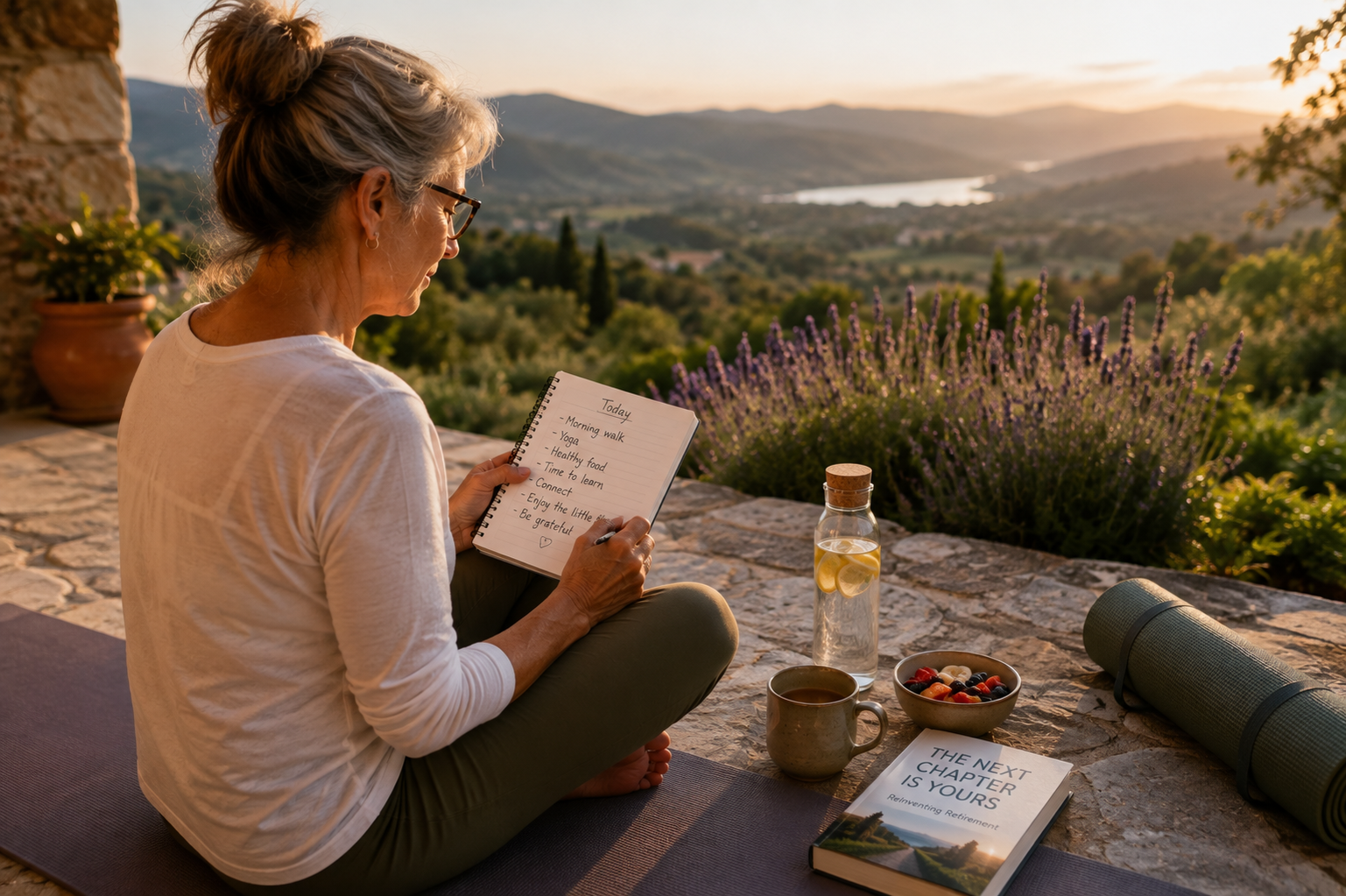
You must plan for care you cannot assume. Couples often quietly count on each other for care in later life, an assumption a solo person cannot make, so it is wise to think ahead about how you would arrange and fund help if you needed it, whether through savings, insurance, or planning where you live, so the possibility is not left to chance. Facing this question early and calmly, rather than avoiding it, is a hallmark of thoughtful solo retirement. It is understandable that people shy away from imagining a future in which they need help, but for a solo person the alternative to planning is not avoiding the issue, it is leaving it to chance at a vulnerable moment. Thinking it through now, while you are well and clear-headed, means the decisions are yours to make on your own terms, rather than being made hastily by others in an emergency. That, paradoxically, is what makes the planning feel less frightening rather than more.
Where You Live Matters More
For a solo retiree, the choice of where and how to live carries extra significance, because your home and its location shape not just your comfort but your safety and your connection to others in ways a couple can partly provide for each other. Location does more work when you are on your own.
Choose a place that keeps you connected. Living alone makes it especially important to settle somewhere that brings you into contact with others and does not leave you isolated, so a walkable town, a sociable neighborhood, or a community with easy access to services and people is worth far more to a solo person than a beautiful but lonely spot. The right location can supply, through daily life, much of the connection a partner would provide.
Think ahead about accessibility and support. Because you will not have a partner to help you manage a home as you age, it is worth choosing a place that stays practical over time, easy to maintain, close to healthcare and well served by transport, so that your home supports you rather than becoming a burden. Planning for the long term in your choice of home is a particular kindness a solo retiree does for their future self. The lovely isolated cottage that seems idyllic at sixty can become a trap at eighty, far from help and hard to maintain alone. Choosing instead a home that is manageable, well connected, and close to what you need is not settling for less but planning wisely, and it need involve no sacrifice of charm or comfort. Many of the most contented solo retirees live in walkable towns where daily life brings them naturally among people, and where everything they need is close at hand.
Building the Social Structure Deliberately
Perhaps the most important thing a solo retiree must construct, and the one couple-oriented advice most neglects, is a deliberate social life, because companionship that a partnership provides automatically must here be built by hand. This is not optional but essential to thriving.
Friendship is infrastructure, not luxury. For a solo retiree, a network of friends and acquaintances is not a pleasant extra but a genuine necessity, providing company, support and the daily human contact that sustains wellbeing, so investing real effort in making and keeping friends is among the most important things you can do. What a partner provides continuously, a solo person assembles through many relationships, and that assembly deserves real attention. This is arguably the single greatest difference between partnered and solo retirement, and the one couple-oriented guides most completely overlook. A married person can neglect friendships for years and still have company at the breakfast table, but a solo person’s social world is exactly as rich as the effort they put into it. Understanding friendship as essential infrastructure, to be built and maintained with the same seriousness one gives to finances or housing, is perhaps the most important shift in thinking a solo retiree can make.
Put yourself where people are. Because these connections will not form by themselves, a solo retiree benefits from actively joining in, through clubs, classes, volunteering or faith communities, or simply becoming a familiar regular in local life, so that companionship has every chance to grow. The happiest solo retirees treat building community as an ongoing, rewarding project rather than something that will simply happen on its own.
Tending Your Own Wellbeing
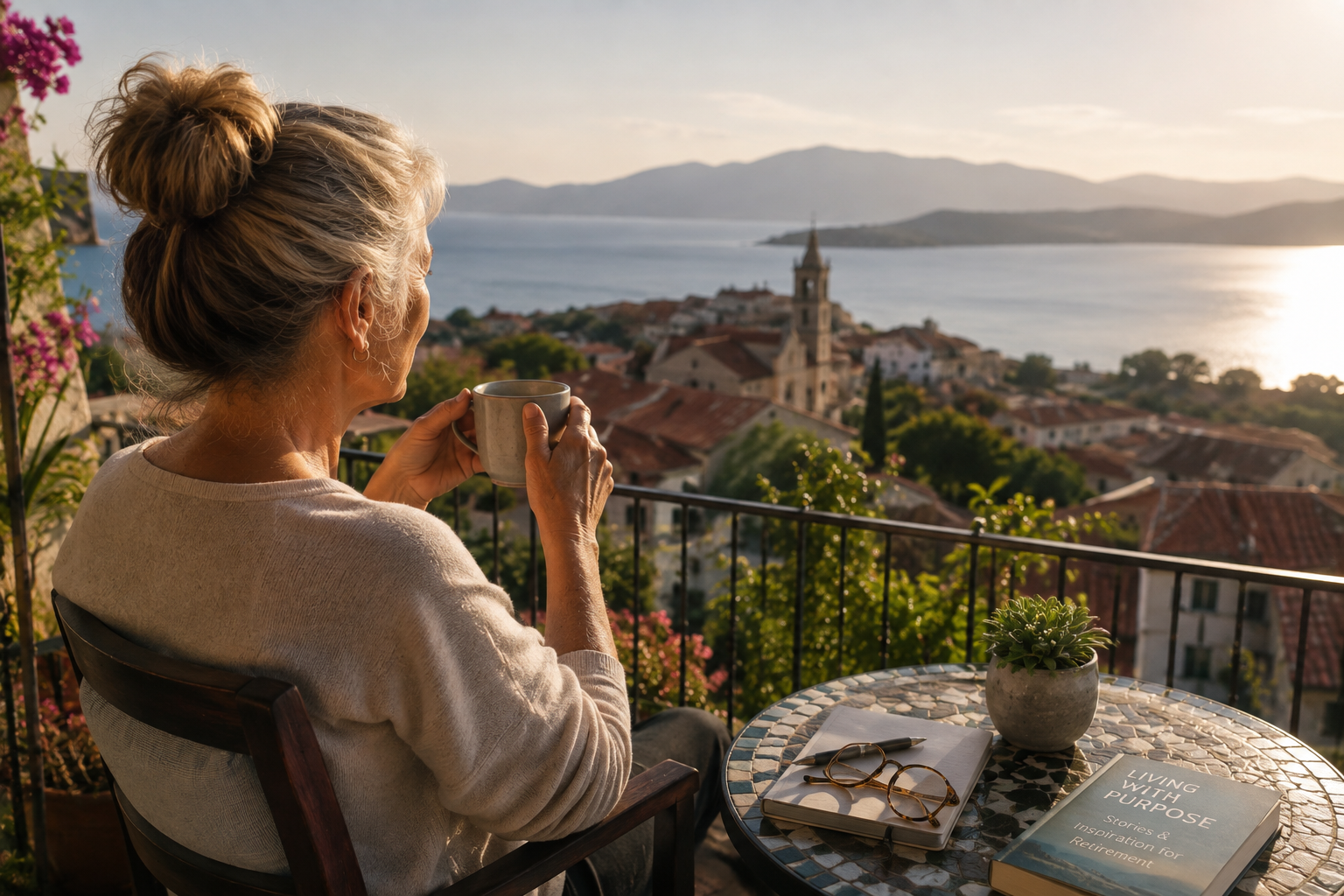
Finally, a solo retiree carries sole responsibility for their own physical and emotional wellbeing, without a partner to notice a low mood, encourage a doctor’s visit, or share the small daily care that couples provide each other. This makes self-directed wellbeing a conscious practice.
You are your own first line of care. Living alone means being attentive to your own health and spirits in a way a partner might otherwise share, so it helps to build habits that keep you well, staying active and noticing your own moods, so that you look after yourself as attentively as a partner would. This is not a burden so much as a form of self-respect, treating your own wellbeing as worth the same care you would give someone you loved.
Purpose keeps the days full. A solo retiree especially benefits from having reasons to engage with the world, since there is no partner’s life to be swept along by, so cultivating interests, routines and things to look forward to gives the days shape and meaning, which matters enormously for a life lived largely on one’s own terms. Filling your time with what you find meaningful is among the surest foundations of a happy solo retirement. Without a partner’s activities and social calendar to be carried along by, a solo person has both the freedom and the responsibility to shape their own days, and the happiest tend to embrace that fully. They finally pursue the interests they never had time for, take up new ones, and build the routines that give each week its own satisfying rhythm. The result is not empty time to be endured but full time to be enjoyed, chosen entirely according to one’s own inclinations.
A Checklist That Is Really About Freedom
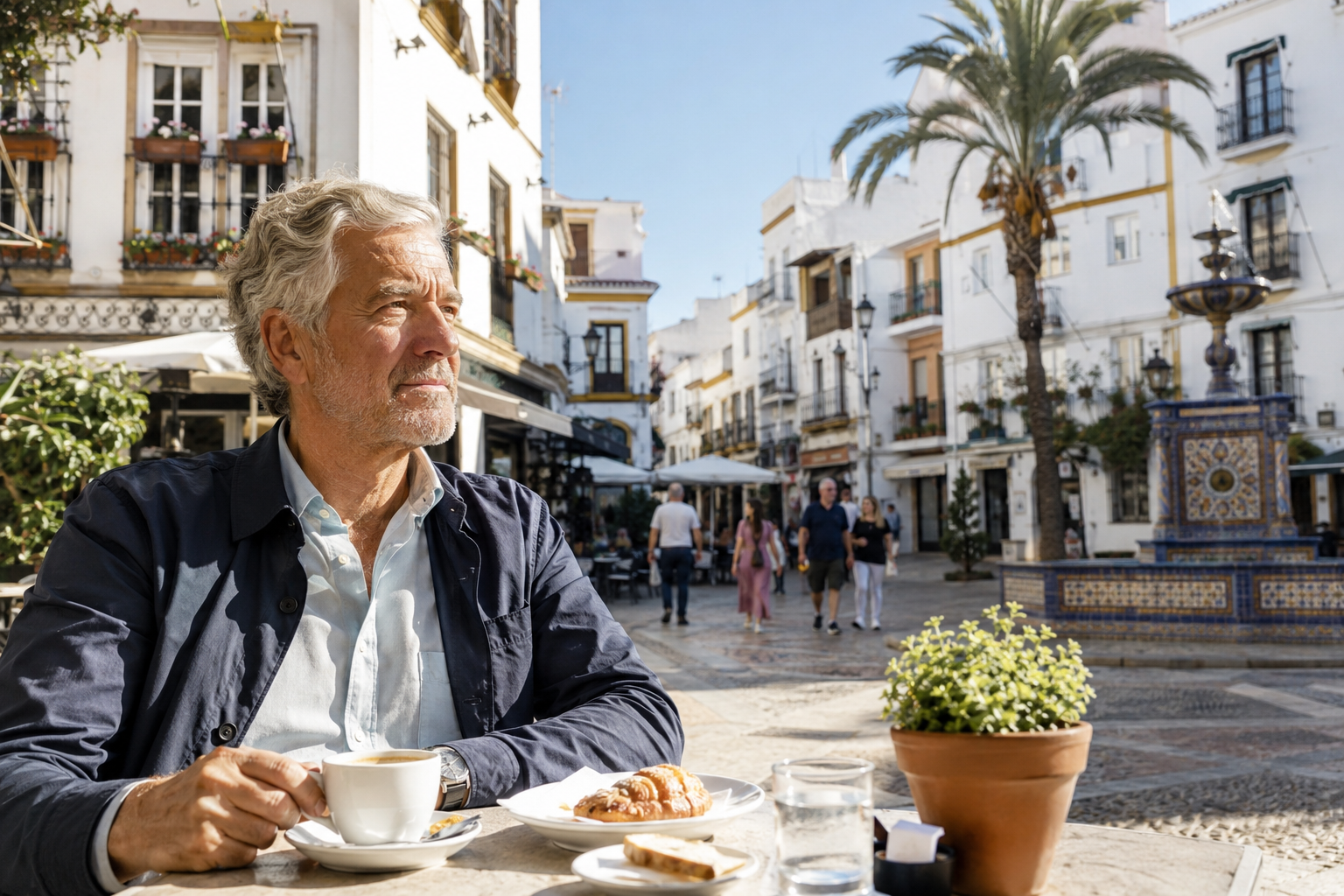
The lasting point of this checklist is that attending to these solo-specific tasks is not a grim exercise in bracing for loneliness but the very thing that makes a free, confident, independent retirement possible, since it is precisely the person who has arranged their affairs well who can relax and enjoy a life fully their own. Competence here buys peace of mind, and peace of mind is what buys the freedom to relax and truly enjoy the life you have built.
What ties every item together is a single principle, that a solo retiree must consciously arrange what a partnership provides by default, from decision-makers to friendships to care, and that doing so deliberately is simply what capable, self-respecting independence looks like. None of it is beyond an ordinary person, and all of it is worth doing, because each item removes a hidden risk and replaces it with security.
So if you are heading into retirement on your own, do not let the couple-centric guides leave you unprepared for the things that matter most to you specifically. Work through this checklist in your own way and at your own pace, arrange the legal protections, build the safety nets, plan the finances, choose your home wisely, construct your social world, and tend your own wellbeing. Do that, and you will not merely survive a solo retirement but design one that is secure, connected and genuinely free, a life that answers to no one and lacks for nothing that careful planning could provide.

About the Author: Ruben, co-founder of Gamintraveler.com since 2014, is a seasoned traveler from Spain who has explored over 100 countries since 2009. Known for his extensive travel adventures across South America, Europe, the US, Australia, New Zealand, Asia, and Africa, Ruben combines his passion for adventurous yet sustainable living with his love for cycling, highlighted by his remarkable 5-month bicycle journey from Spain to Norway. He currently resides in Spain, where he continues sharing his travel experiences with his partner, Rachel, and their son, Han.