
Watch two Italians in full conversational flight and you might reach for your phone to call for help. Voices rise, hands fly through the air, both people talk at once, faces flushing with feeling, chairs pushed back, and the whole thing looks, to an American, like a quarrel about to come to blows. Then, just a moment later, they are laughing, embracing and ordering another coffee together. The fight you were sure you witnessed never happened. This is one of the great misreadings of Italian life, the mistaking of passionate, animated, deeply engaged conversation for anger and conflict. What looks like arguing is very often just Italians talking, pouring in a level of energy, emotion and physical expression Americans reserve for real disputes. Behind the apparent heat lies a whole set of communication rules that Italians follow without thinking, and that outsiders routinely misinterpret. Here are nine of them, and why the argument you think you are seeing is usually nothing of the kind.
What makes this worth understanding is that the misreading runs deep and can leave a visitor bewildered, alarmed, or convinced that Italians are perpetually on the edge of a fight. In truth, the opposite is closer to the mark, since the animation you observe is a sign of warmth, involvement and pleasure in one another’s company, not hostility. The heat is the point, not a warning, and once you grasp that, everything about Italian conversation suddenly makes a different and far happier kind of sense. Learning to see the passion for what it is, rather than filtering it through an American sense of what a raised voice means, opens up one of the most expressive and emotionally generous cultures in the world, and saves you from a great deal of needless worry.
Here are nine communication rules that Italians follow naturally and that Americans frequently mistake for arguing, along with what each one really signifies. This is an affectionate cultural observation rather than a rigid rulebook, and individuals differ enormously, but grasping these patterns will let any visitor relax, join in, and stop bracing for fights that are never going to happen.
Passion Is Not Anger

The most fundamental rule, underlying all the others, is that Italians bring a level of emotional intensity to ordinary conversation that Americans associate only with high-stakes confrontation. This intensity is the source of nearly every misunderstanding.
Feeling flows freely into talk. Italians speak with their whole selves, letting emotion pour openly into even casual conversation, so what an American reads as the heat of an argument is often just the ordinary warmth of Italian expression. The intensity is a feature of the culture’s expressiveness, not a signal that anything has gone wrong.
Engagement runs hot by design. Far from being a breakdown, this emotional fullness is how Italians show they care about a conversation and the person they are having it with, so the passion is a form of respect and involvement rather than aggression. A flat, cool delivery would signal indifference, while the heat signals that the exchange matters. This is the crucial inversion an American must make. In much of American life, keeping calm and measured is the mark of maturity and respect, and letting emotion show can seem like a loss of control. In Italy the equation runs the other way, and pouring feeling into a conversation is a compliment, a sign that you find the topic and the company worth your full engagement. To hold back would be the discourtesy, not to let go.
The Hands Speak Too
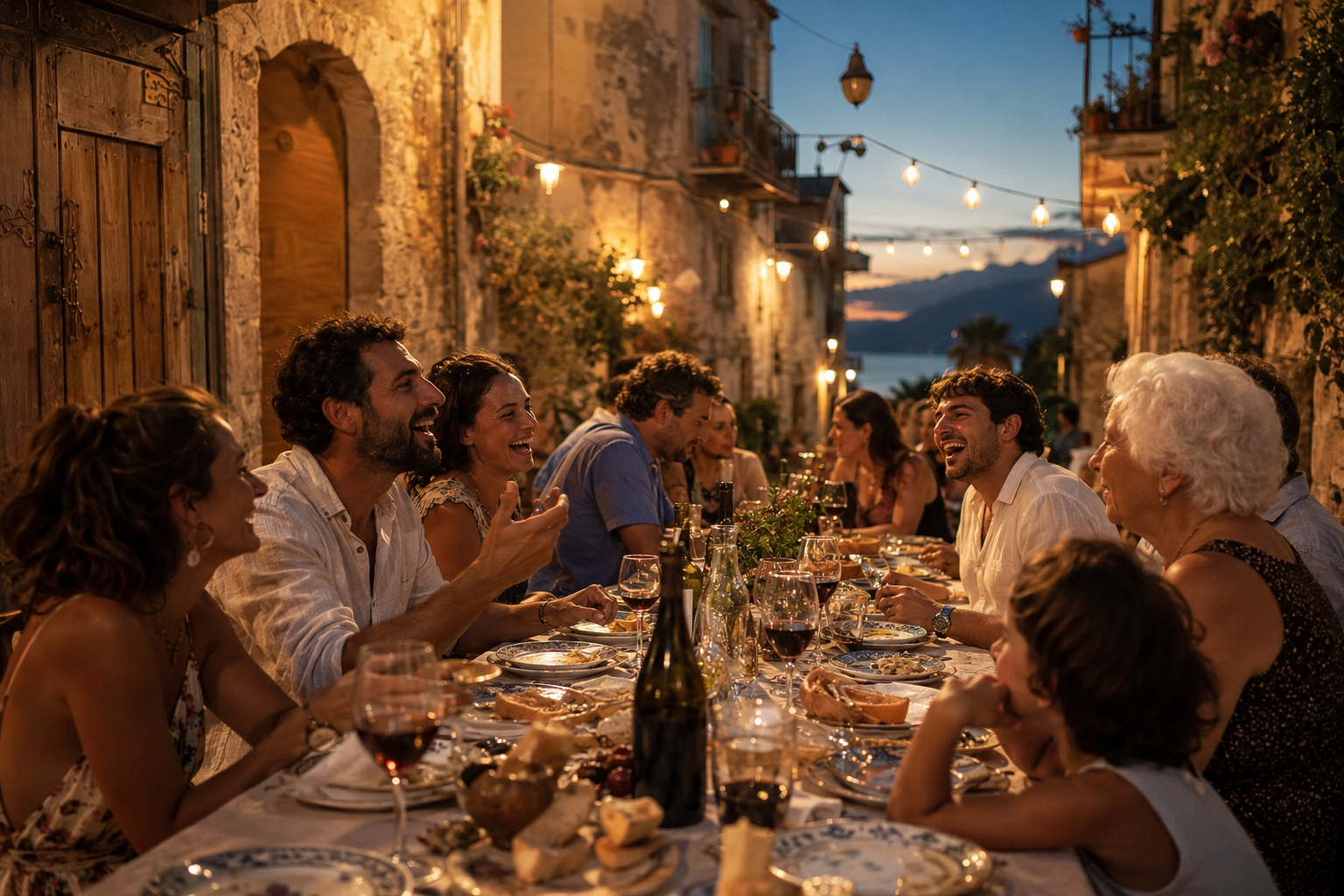
Nothing marks Italian conversation for outsiders like the constant, vivid movement of the hands, which to an American can look like agitation or threat. In fact, the gestures are a language of their own, integral to how Italians communicate.
Gesture is part of the grammar. Italian hand movements are not random flailing but a rich, meaningful system, so the vigorous gesturing that looks like agitation is really an eloquent second channel of expression. The hands help tell the story, adding emphasis, nuance and color to the words. Some gestures carry such precise meaning that Italians can conduct whole silent exchanges with them, and a hand pinched at the fingertips or a particular twist of the wrist communicates as clearly as any sentence. Far from being a sign of a lost temper, this physical eloquence is a cultivated and expressive art, understood by everyone, and it makes Italian conversation as much a pleasure to watch as to hear.
Expressive hands mean investment, not menace. When an Italian’s gestures grow large and rapid, this signals engagement and enthusiasm rather than anger, so the flying hands mark a lively speaker rather than a hostile one. Reading the gestures as part of the performance, not a prelude to violence, is essential to understanding what you are seeing.
Interrupting Keeps the Energy Up

As with much of southern Europe, Italians frequently talk over one another, and to Americans, trained to see interruption as rude, this can look like a conversation collapsing into a shouting match. In Italy, the overlap is the sign of a good conversation.
Overlap is enthusiasm, not rudeness. In animated Italian talk, people jump in before others finish, layering voices together, signaling excitement and involvement rather than a lack of respect, so the constant interruption is a mark of a conversation firing on all cylinders. Waiting for a polite gap can leave you silent all evening. The American instinct to hold back until the other person has clearly finished simply does not fit a conversation where several people are speaking at once and building on each other’s words in real time. The gap you are waiting for is not coming, because in this style the whole point is the overlap. The way to take part is to lean in and add your voice to the others, trusting that this is welcomed rather than resented, which it almost always is.
The best conversations are collective. Italian conversation works as a shared, overlapping creation rather than a tidy sequence of turns, so joining in and adding your voice to the pile is participating properly rather than breaking a rule. The energy of many voices at once is a feature to be enjoyed, not a fault to be corrected.
Disagreement Is a Kind of Sport
Perhaps the most misread rule of all is that Italians often relish a good disagreement, treating a spirited debate as an enjoyable pastime rather than a hostile confrontation. Americans, wary of open conflict, can find this deeply confusing.
Debate is a pleasure, not a battle. Italians enjoy arguing a point vigorously, defending their view and challenging yours, and this discussion is a form of entertainment and connection rather than a fight to be won, so the vehemence is friendly rather than hostile. Two people going at it over a topic are often having a wonderful time.
Strong disagreement leaves no wounds. Because the debate is understood by both sides as a game of ideas rather than a personal clash, Italians can disagree fiercely one moment and be perfectly warm the next, so the intensity of the argument does not damage the relationship at all. What looks to an American like a friendship-ending row is simply a satisfying discussion. Italians often part from a heated debate more fond of each other than before, having enjoyed the vigorous exchange as one might enjoy a good tennis match, energized rather than embittered. The key, invisible to the alarmed outsider, is that the disagreement is understood by everyone present as being about ideas, never about the worth of the people holding them. That shared understanding is what lets the intensity run high without ever curdling into genuine hostility.
Everyone Has Strong Opinions
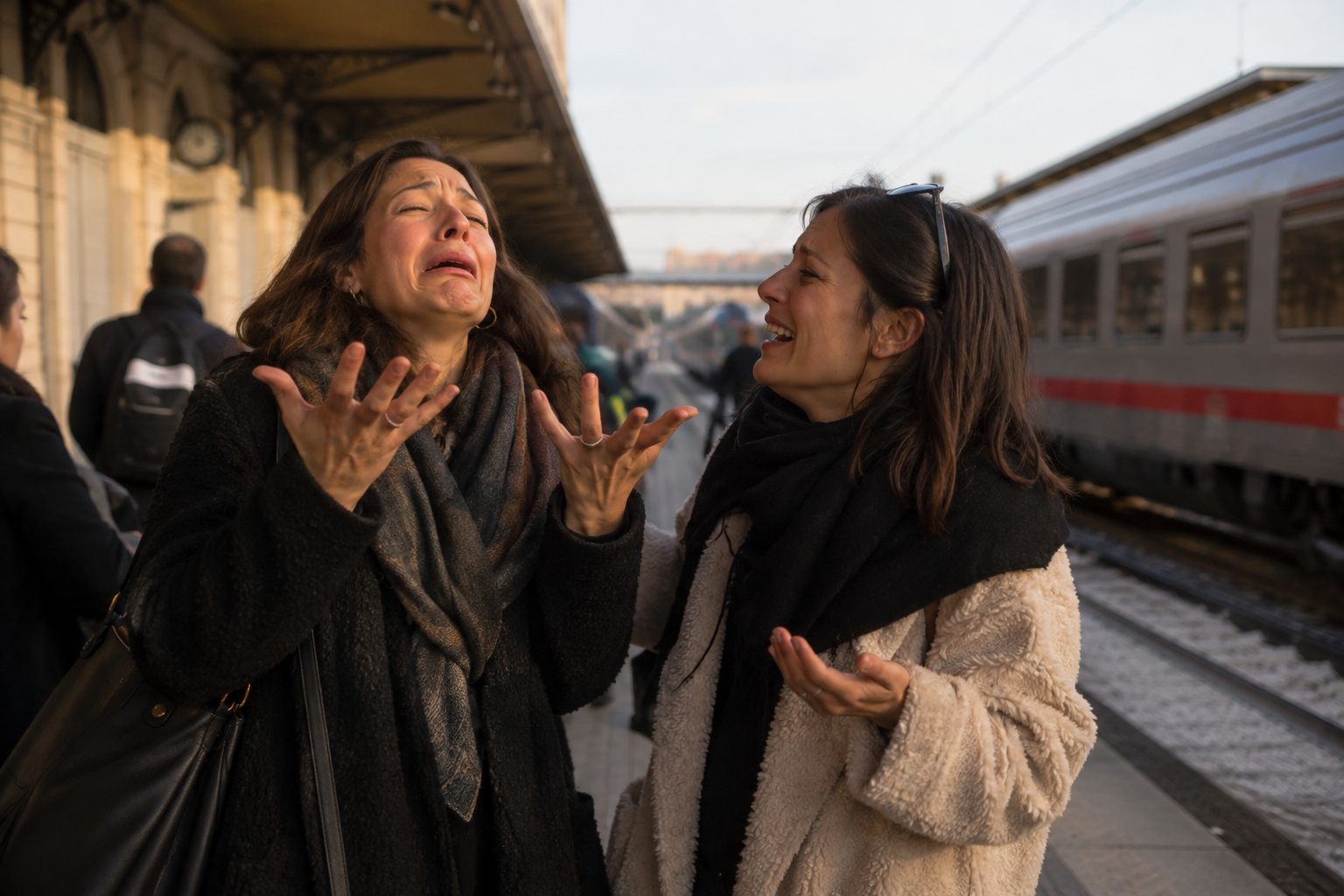
In Italy, having and expressing firm opinions, on food, on politics, on the right way to do almost anything, is a normal and valued part of conversation, and the confidence with which they are delivered can strike Americans as combative. It is simply how Italians engage.
Firm views are the price of entry. Italians hold and voice decided opinions on a great many things, and stating them boldly is expected, so the forcefulness of an Italian’s views reflects engagement rather than a wish to dominate. A person with no opinions would seem oddly disengaged.
Conviction invites response. Voicing a strong opinion in Italy is often an invitation to a lively exchange rather than a demand to be agreed with, so the boldness is the opening of a conversation rather than the closing of one. The strong claim is a serving in a game of verbal tennis, meant to be returned.
Food and Region Are Sacred Ground
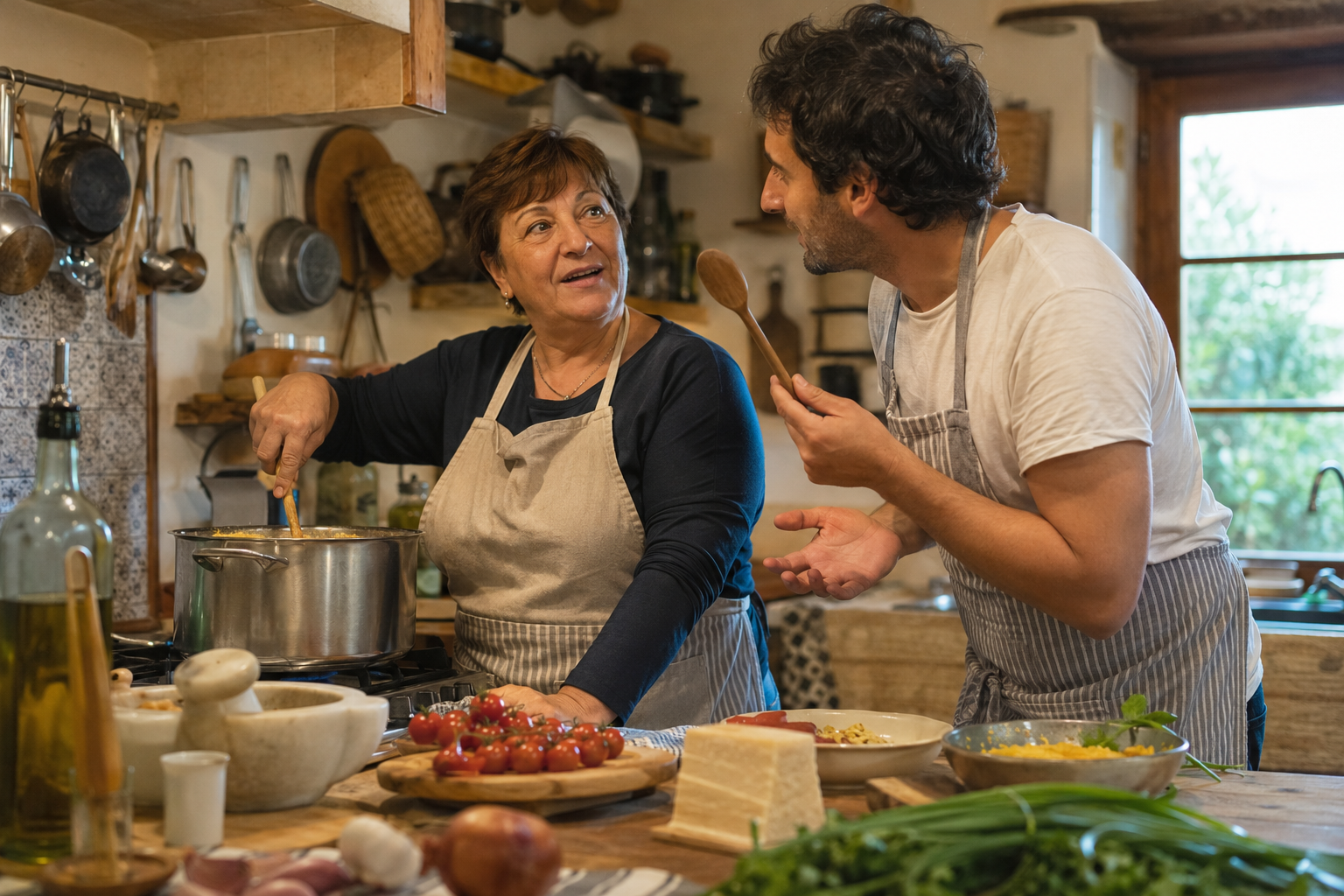
Nothing ignites Italian passion faster than food and local pride, and a discussion about the right way to make a dish or which town does it best can reach a volume and vehemence that astonishes outsiders. This heat is love, not hostility.
Culinary passion runs deep. Italians care enormously about food and its correct preparation, so a fervent debate about a recipe is an expression of deep cultural love, not real conflict, and the intensity honors the subject. To argue passionately about pasta is to take it, and the conversation, seriously. An Italian who shrugged indifferently about how a dish should be made would seem faintly disappointing, even a little cold, because the passion is precisely the mark of caring. The heated insistence that the sauce must be made this way and no other, or that a particular town’s version is the only true one, is affection dressed as argument, a way of honoring something loved. Understanding this turns what sounds like a quarrel into what it really is, a celebration.
Local pride fuels the fire. A powerful attachment to one’s home town and region means Italians defend local traditions and specialties with tremendous spirit, so the vigor of these exchanges reflects pride and affection rather than any real animosity. The heat over whose village makes the better version of something is a form of belonging, not a border war.
The Complaint Is Almost Theatrical

Italians have a gift for the expressive, dramatic complaint, lamenting the state of things with a flair that can make a minor grievance sound like a catastrophe. To an American, this can seem like real distress or anger, when it is often a kind of performance.
Lament is an art form. The Italian complaint about traffic or bureaucracy is delivered with theatrical flourish and evident enjoyment, so the dramatic despair is more a shared cultural performance than a genuine crisis. Everyone present understands it as such and often joins in.
Shared grumbling is a bond. Complaining together, with gusto and humor, is a way Italians connect and commiserate, so the loud lamentation is a social pleasure rather than a sign of real misery or hostility. The theatrical groan about how impossible everything is turns out to be a warm and companionable ritual.
Volume Rises With Warmth
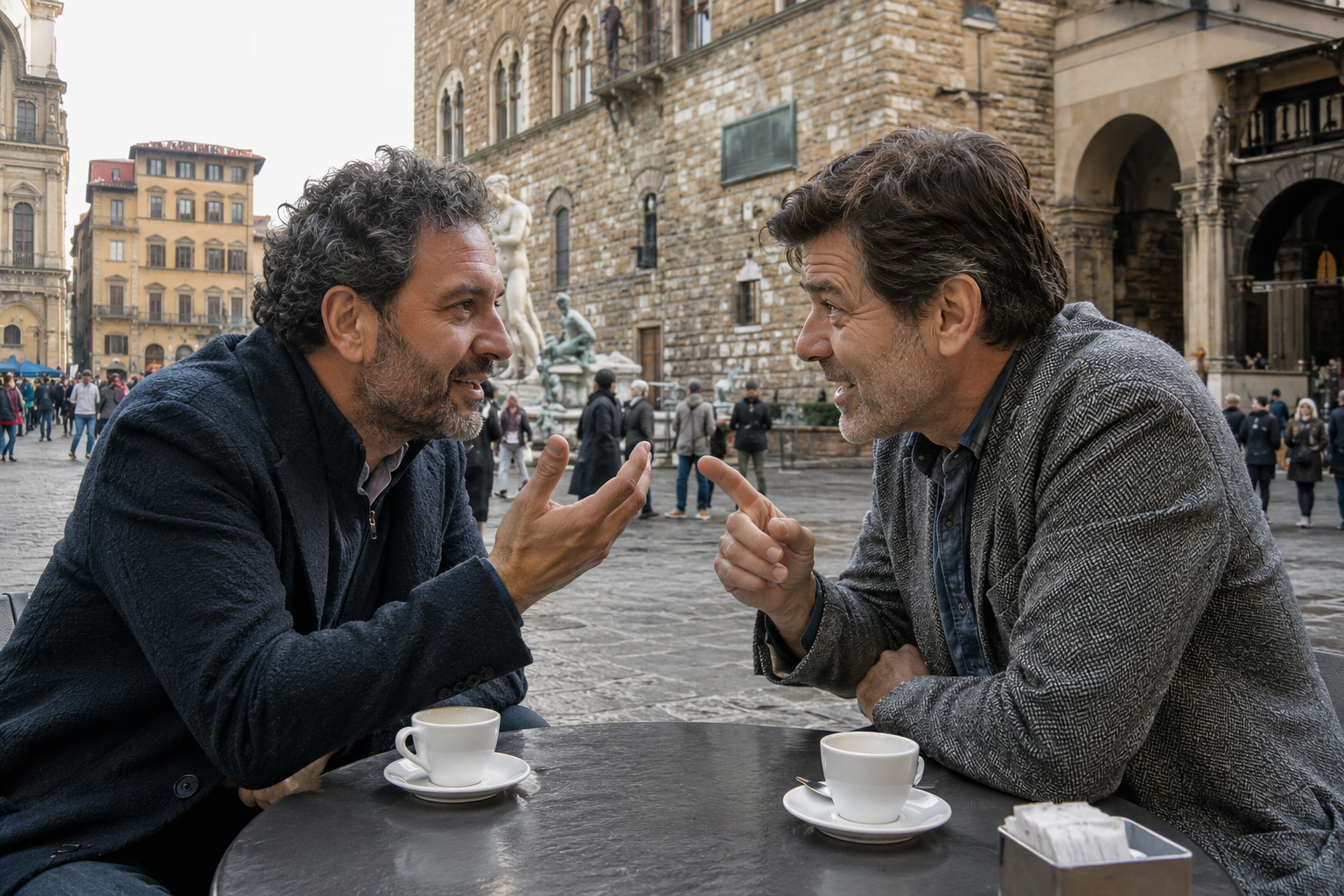
As in Spain, Italian conversation can simply be loud, and to Americans, volume so often signals anger that a boisterous Italian exchange can sound alarming. But in Italy, as the warmth of a conversation rises, so, quite naturally, does the volume.
Loud is a measure of life, not conflict. A noisy Italian gathering usually signals a good time in full swing, not a dispute, so the sheer volume reflects the energy and joy of the company. The louder the table, very often, the better the evening is going.
Quiet can even seem cold. In a culture where lively noise accompanies good company, an overly hushed conversation might feel restrained or unfriendly, so the readiness to raise one’s voice is part of the culture’s expressive warmth. Volume, here, is the sound of people fully enjoying one another.
The Warmth Is the Whole Point

Finally, the rule that ties all the others together is that the emotional intensity of Italian communication, the passion, the gestures, the volume, the debate, is fundamentally an expression of warmth and connection, so reading it as conflict misses its entire meaning. The heat is affection, not hostility.
Intensity signals closeness. All that animated expression shows engagement, care and pleasure in one another’s company, so the very heat that alarms an American is the outward sign of a warm and involved relationship. The more expressive the exchange, very often, the more affection lies behind it.
Reading the feeling correctly changes everything. Once a visitor learns to see the passion as warmth rather than anger, the whole texture of Italian social life transforms from alarming into wonderfully alive, so the apparent arguing is revealed as one of the most generous forms of human connection. What sounded like conflict becomes the sound of people who care.
Hearing the Affection Beneath the Argument
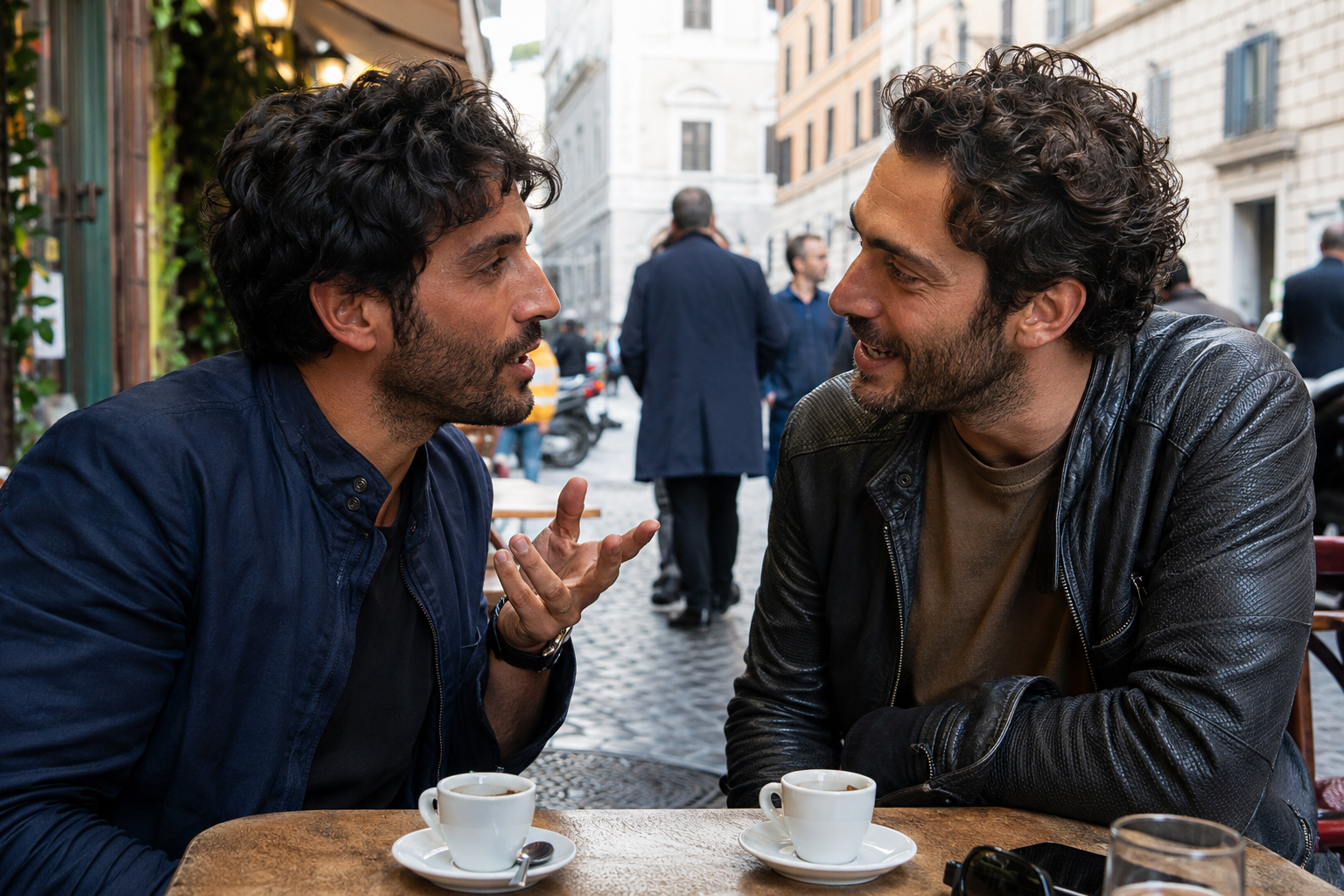
The lasting insight from all these rules is that what an American perceives as Italian arguing is almost never real conflict, but a gloriously expressive style of communication built on passion, engagement and warmth, and once you learn to read it, the fights you thought you saw dissolve into the joyful noise of people fully alive to each other. The volume, the gestures, the interrupting, the debate are all expressions of connection rather than hostility.
What makes this understanding so rewarding is that it does more than calm your nerves, it invites you into one of the world’s most emotionally rich cultures, since a visitor who stops flinching at the intensity and starts joining in the passionate, gesturing, overlapping flow of Italian conversation will find themselves embraced by something wonderfully warm. The intensity that first seemed like arguing becomes the very music of Italian friendliness.
So if you find yourself in Italy convinced that everyone around you is fighting, take a breath and look again. Watch for the laughter that follows the shouting, the embrace that follows the debate, the pleasure that animates the flying hands. Learn to hear the passion as the warmth it truly is, throw yourself into the wonderful noise of it, and you will discover that beneath what looked like endless arguing lies one of the most affectionate and expressive cultures on earth.

About the Author: Ruben, co-founder of Gamintraveler.com since 2014, is a seasoned traveler from Spain who has explored over 100 countries since 2009. Known for his extensive travel adventures across South America, Europe, the US, Australia, New Zealand, Asia, and Africa, Ruben combines his passion for adventurous yet sustainable living with his love for cycling, highlighted by his remarkable 5-month bicycle journey from Spain to Norway. He currently resides in Spain, where he continues sharing his travel experiences with his partner, Rachel, and their son, Han.