
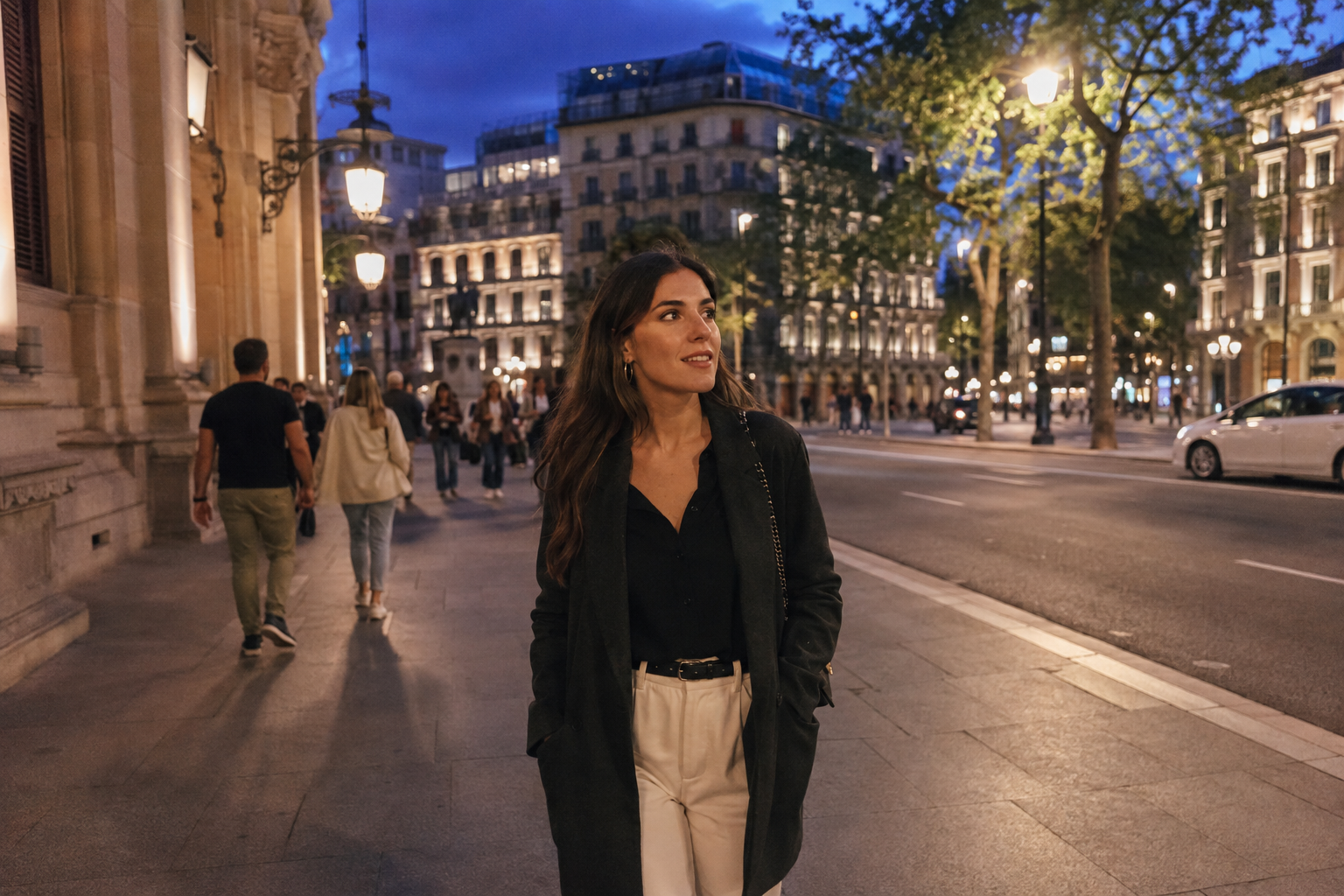
In labs and clinics around the world, researchers keep running a version of the same simple experiment. They feed a group of volunteers an ordinary meal, strap a continuous glucose monitor to them, then have some sit still while others take a short walk. Again and again, the walkers’ blood sugar tells a noticeably different story from the sitters’.. The spike that normally follows a meal is flatter, the peak lower, the whole curve gentler. It has become one of the most consistently reproduced findings in the whole study of everyday metabolism, and it points to something almost absurdly simple, that a short walk after eating meaningfully changes how the body handles that meal. What makes it charming is that while scientists have been carefully measuring this, one whole country has quietly been doing exactly this, unmeasured and unthinking, for centuries. Spain calls the after-dinner stroll the paseo, and it turns out to be a near-perfect embodiment of what the glucose researchers keep finding. This is what that research actually shows, and why the humble walk it points to may be one of the easiest healthy habits there is.
What makes this worth understanding is that the science here is unusually clean and unusually encouraging, describing a benefit that requires almost nothing of you. This is not a punishing regimen but a slow walk, the gentlest movement imaginable, and yet the effect on the body’s handling of a meal is real and repeatedly measured. Knowing what the research says, and how well it maps onto a tradition people already enjoy, turns an abstract finding into something truly usable, a small change almost anyone can make, with unusually real evidence behind it.
Here is what the glucose research on post-meal walking actually shows, why the timing matters so much, how the body produces the effect, what the findings can and cannot claim, and how the everyday Spanish paseo happens to fit the science so remarkably neatly. This is a factual overview of research rather than medical advice, and I am not a doctor, so nothing here is a diagnosis or a treatment plan, but the science is truly worth understanding, especially for how little it asks in return.
The Finding Researchers Keep Reproducing
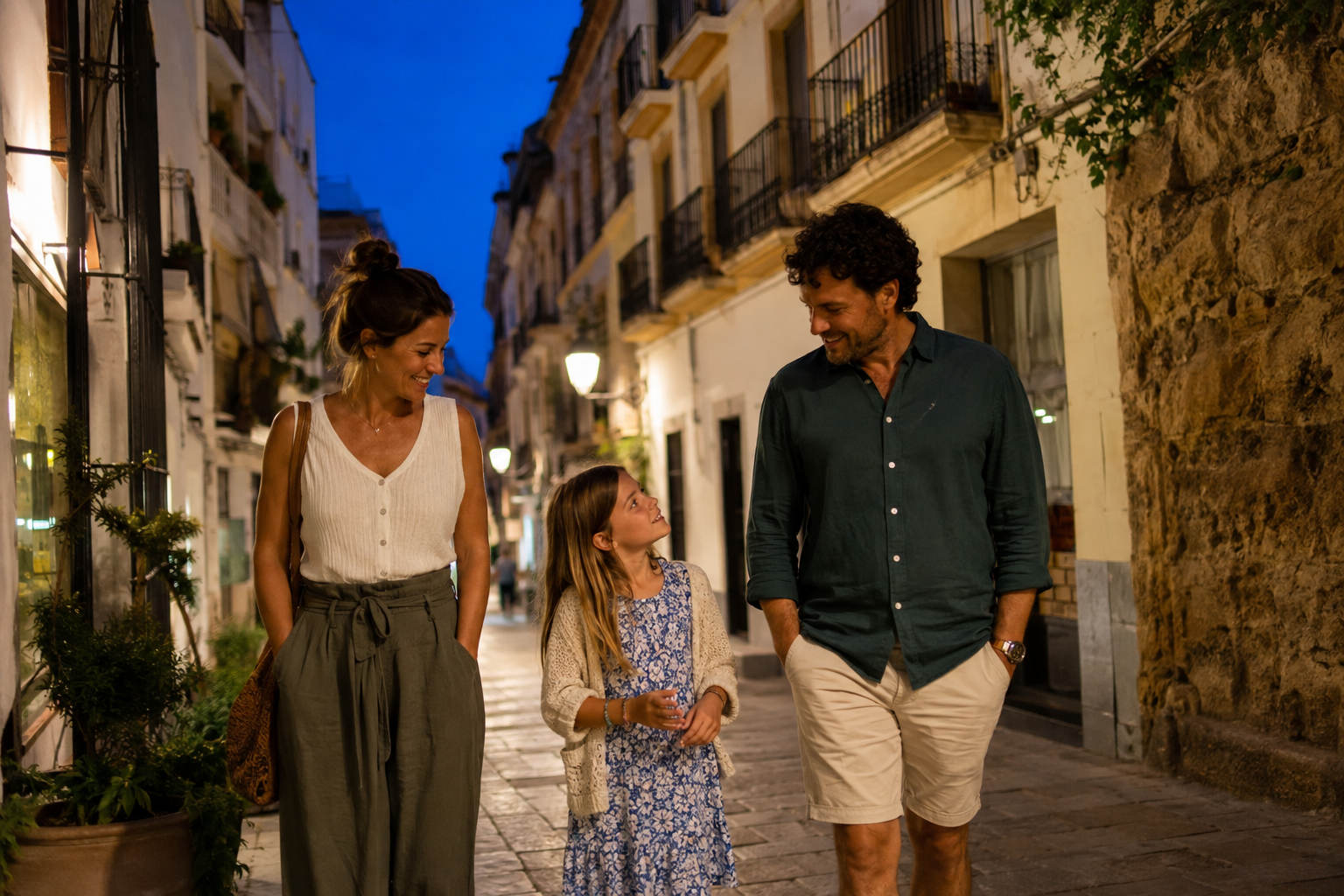
The reason this idea deserves attention is not a single dramatic study but the sheer consistency of the result across many of them, in different people and settings. The effect keeps showing up.
The spike gets flatter. Across numerous controlled studies, walking gently after a meal rather than sitting produces a clear, measurable drop in the post-meal blood sugar rise, so the finding has been reproduced enough times to be taken seriously. The walkers simply do not spike as high as the sitters, a difference plain on a glucose monitor.
It holds across very different people. Researchers find this benefit in people with diabetes, with prediabetes, and even in healthy adults with no diagnosis, so the effect is not confined to the unwell but appears to be a general feature of how bodies handle food and movement. That breadth is part of why the finding is considered so robust and so broadly relevant. When an effect appears only in the sick, it can be dismissed as a quirk of illness, but when the same benefit shows up in healthy people too, it starts to look like a basic fact about human physiology. Spikes in blood sugar are something everyone experiences after eating, diagnosis or not, and the evidence suggests that everyone’s spikes respond to a gentle walk. That universality is exactly what makes the research feel less like a niche medical finding and more like general guidance for anybody who eats.
A Landmark Study and What Followed
Among the many studies, a few stand out for how clearly they pinned the effect down, and they are worth knowing by name because they anchor the whole idea. They turned a folk intuition into measured fact.
One key study compared short and long walks. A well-known study published in a leading diabetes journal found that three short fifteen-minute post-meal walks controlled blood sugar over a full day as well as one longer walk, and that the after-dinner walk in particular was strikingly effective. This was an early, rigorous demonstration that short post-meal walks, spread across the day, do real metabolic work. It was notable partly because it used a continuous glucose monitor to track blood sugar around the clock, capturing the full daily picture rather than a single snapshot. And it delivered a truly practical message, that you do not need one long, dedicated exercise session to get the benefit, since several short walks tied to meals work just as well and fit far more easily into an ordinary life. That finding reshaped how many researchers think about movement, shifting the focus from formal workouts toward small bouts of activity placed at the right moments.
Later research pushed the finding further. Subsequent studies and reviews confirmed and extended the result, with pooled analyses finding that post-meal walking meaningfully lowers the blood sugar peak, and even a few minutes carries a measurable benefit. The picture that emerged is that the effect is real, reliable and available even from the tiniest amounts of movement.
Why the Timing Is Everything
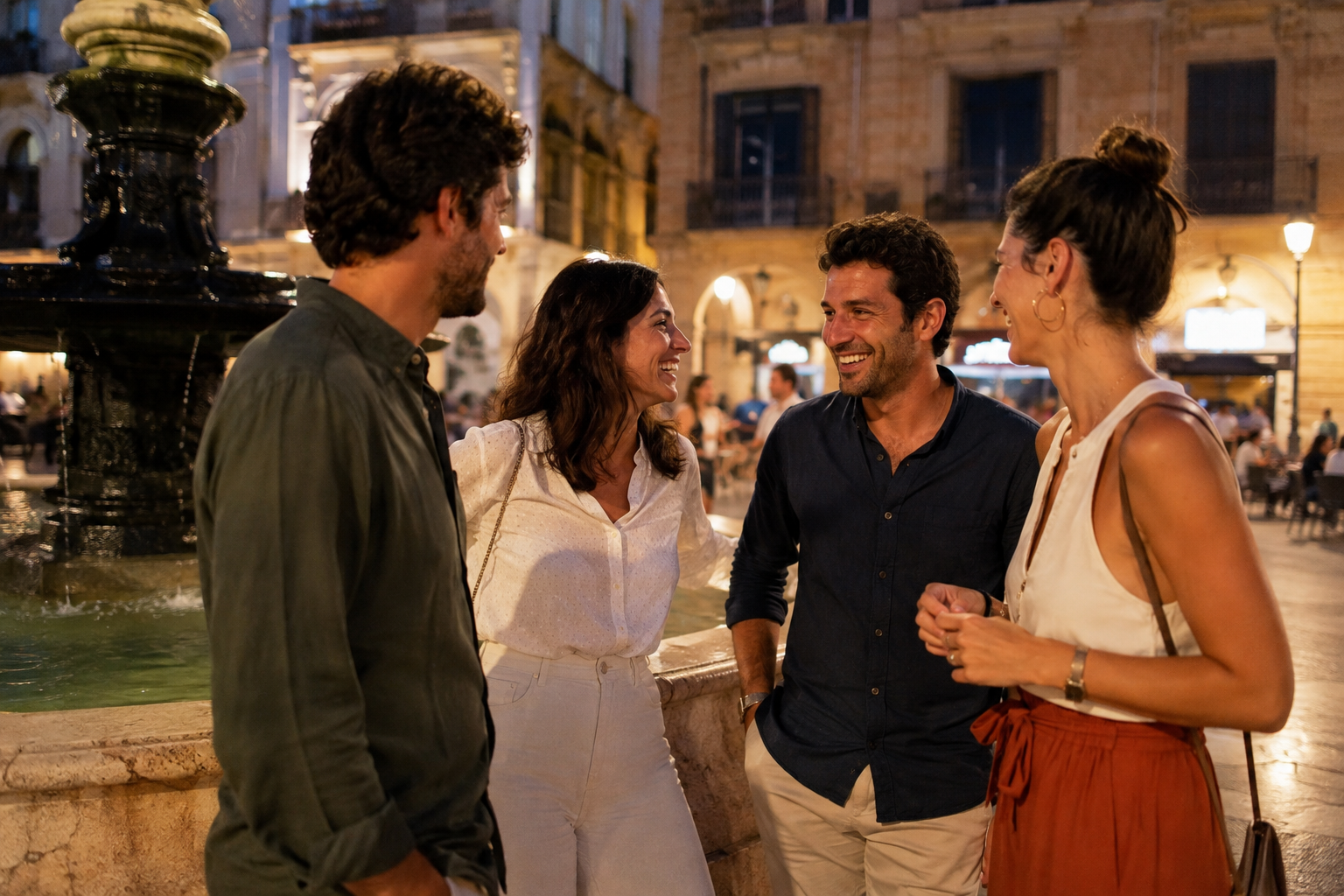
One of the most important lessons from the research is that when you walk matters enormously, and that the after-meal window is the sweet spot, which is exactly where the paseo falls. Timing turns out to be the secret.
The magic window is soon after eating. The research points to the window roughly thirty to ninety minutes after a meal, when blood sugar is actively climbing, as the moment a walk does the most good, so walking soon after eating beats walking at other times of day. Catching the rise as it happens is what produces the strongest effect. Sit down after a meal and the sugar from that food floods into the blood largely unopposed, piling up into the sharp peak the monitors record. Move gently during that same window and the muscles are actively drawing that sugar off as it arrives, so the peak never climbs as high. It is a matter of meeting the glucose at the moment it enters circulation, which is why the timing is not a minor detail but close to the whole point, and why a walk two hours later, however pleasant, misses the wave it was meant to catch.
The evening meal is the one that matters most. Because the evening meal is often the largest, and because the body clears sugar less efficiently at night, the after-dinner walk tends to be the single most valuable one, targeting the day’s biggest glucose rise. This is precisely the meal after which the paseo takes place, an alignment the tradition arrived at with no science at all.
How a Gentle Walk Does It
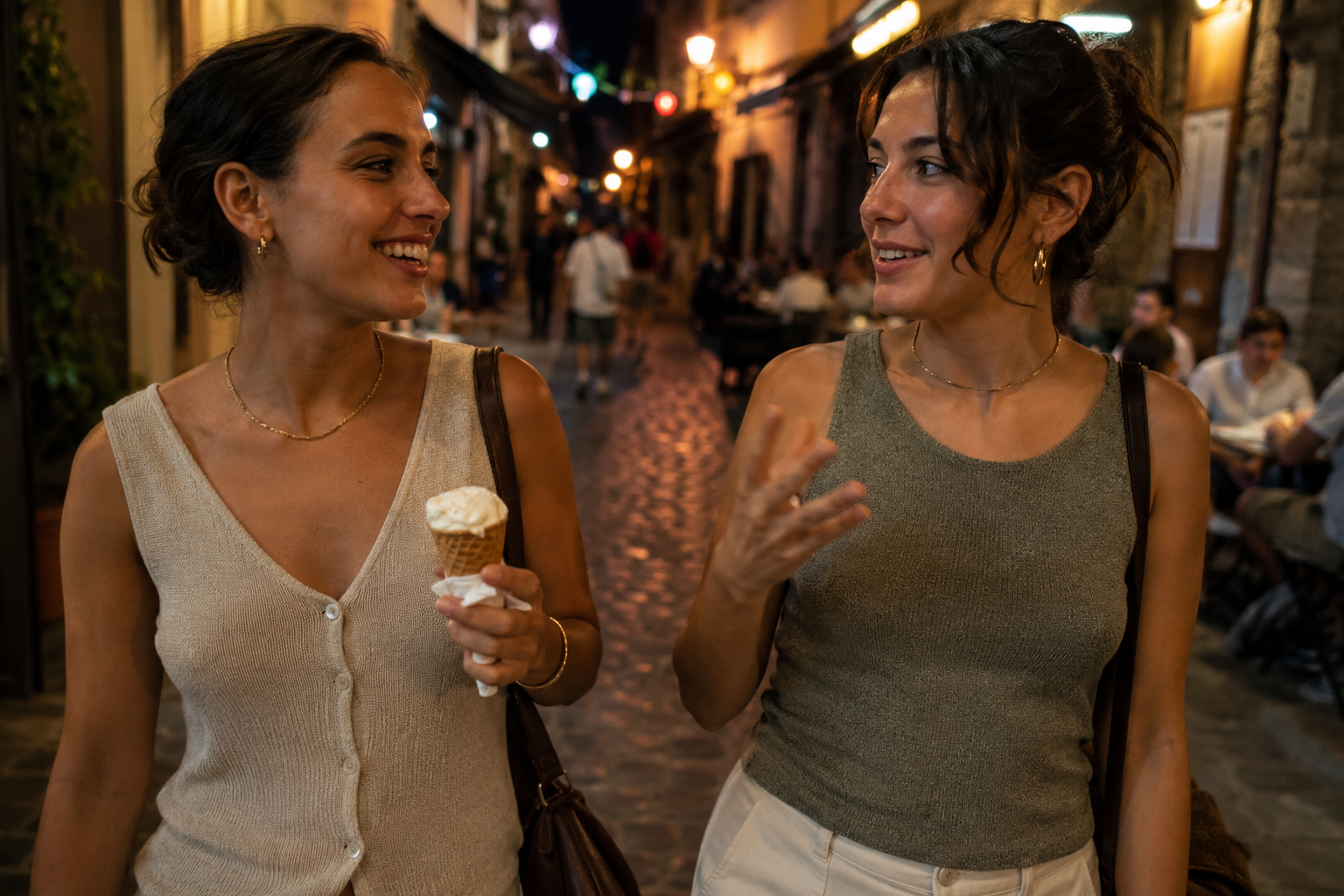
The mechanism behind the effect is elegant and worth understanding, because it explains why such gentle movement works and why it does not require anything strenuous. The answer lies in the muscles.
Working muscles pull sugar from the blood. When you walk, your leg muscles contract and draw glucose from the blood to fuel themselves, working partly without insulin, so the moving muscles effectively mop up the incoming sugar before it can accumulate. This is the heart of the effect, muscles competing with the blood for the glucose from your meal, and winning.
Gentle is not only enough, it is ideal. Because the effect comes from steady muscle activity rather than intensity, a slow walk is perfectly sufficient, and researchers note that vigorous exercise can even temporarily raise blood sugar through a stress response, so the leisurely pace of a stroll is especially well suited to the job. The paseo’s unhurried amble is not a watered-down version of the right exercise but very nearly the ideal form of it. This is a reassuring thing to understand, because it removes any sense that the walk must be earnest or strenuous to count. You are not trying to burn the meal off through effort, which is a different and largely mistaken idea, but simply to keep the muscles gently working while the food is being absorbed. A relaxed stroll, a bit of window shopping, an amble around the block with a companion, all of it does the job, and the ease is not a compromise but part of why the habit is so sustainable and so pleasant.
What the Research Can and Cannot Say
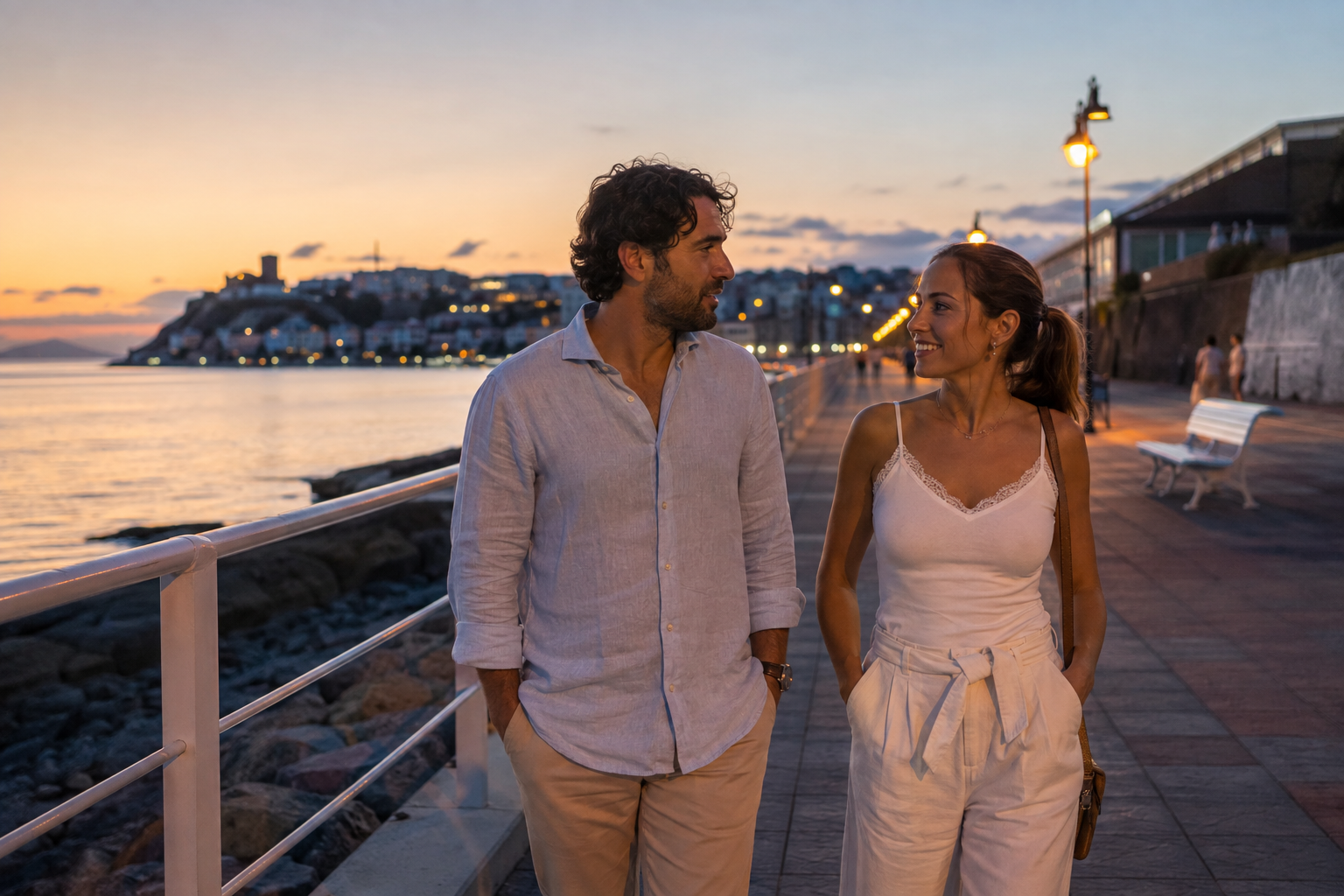
Here a careful distinction is needed, because it is easy to overstate what these findings mean, and the difference between what is proven and what is merely suggested matters a great deal. The evidence is strong in one place and softer in another.
The effect on the meal is well demonstrated. That a gentle post-meal walk lowers that meal’s blood sugar spike is shown clearly and repeatedly in controlled studies, so this immediate and directly measured effect rests on very solid ground. On the narrow question of what a single walk does to a single meal’s glucose curve, the science is about as clear as nutrition science gets. Much of the strongest evidence comes from controlled crossover trials, in which the same people are tested walking and sitting, so the comparison is unusually clean and the result hard to explain away. That is a big part of why this particular finding commands more confidence than the average headline about food and health.
The long-term leap is an association, not a promise. Whether flattening these spikes, day after day for years, translates into less disease or a longer life for any given person is far harder to prove, since that connection rests on associations between glucose patterns and health outcomes, not direct proof, so no one should treat the walk as a guaranteed shield against illness. Elevated glucose spikes are linked to worse cardiometabolic outcomes at the population level, which is reason enough to take the finding seriously, but it remains a marker and a probability rather than a certainty for any individual. This is the honest shape of most nutrition and lifestyle science, and it is worth holding onto rather than glossing over. The walk is not medicine, and no one should abandon treatment or ignore a doctor on the strength of a glucose curve. What the research supports is modest and real, that a gentle walk improves how you handle a given meal, and that better glucose patterns are associated with better long-term health, without promising that any one person’s walk will change any one person’s fate. Held at that realistic level, the finding loses none of its appeal.
Why the Paseo Fits So Well
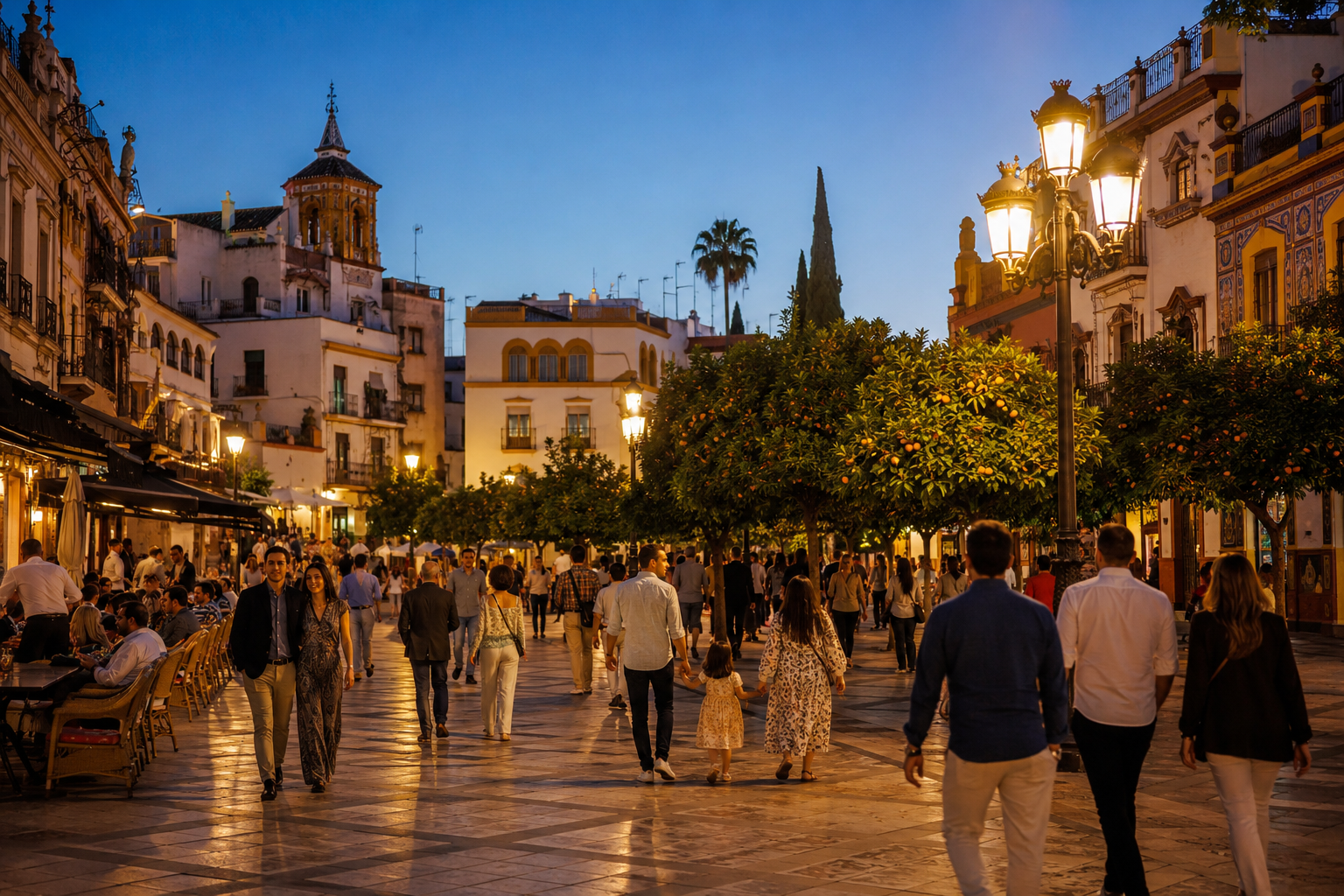
What makes the Spanish paseo such a perfect illustration of all this is not that Spain designed it around the science, but that a purely social custom happens to land on almost everything the research recommends. The tradition is accidental precision.
It does the right thing at the right time. The paseo is a gentle walk taken in the evening, right after the main meal, the right movement, at the right intensity, at the right moment the research identifies, so the tradition matches the science with uncanny closeness. Spain stumbled, through pure custom, onto the optimal post-meal walk. Nobody strolling the plaza after dinner is thinking about glucose curves or muscle glucose uptake, and that is precisely the charm of it. The tradition was built for pleasure and company, for seeing neighbors and letting the evening settle, and the metabolic benefit came along entirely uninvited. It is a lovely example of how traditional ways of living sometimes encode good sense that science only catches up with generations later, arriving at the right answer for reasons that have nothing to do with why it works.
Its social nature is why it lasts. Crucially, because the paseo is a pleasurable social ritual rather than a health chore, people really do it, every evening, which is the very thing that makes deliberate exercise routines so hard to sustain. For a fuller look at the paseo as a Spanish tradition and daily ritual, it is worth reading our dedicated piece on the paseo, but the essential point here is that its social, automatic character is exactly what lets its quiet benefit reach an entire population.
The Easiest Healthy Habit There Is
The lasting takeaway from all this research is that one of the simplest possible actions, a short gentle walk after a meal produces a real, repeatedly measured improvement in how the body handles its sugar, and that the Spanish paseo embodies this almost perfectly without ever having tried to. The science asks for so little and gives back something genuinely worthwhile, which is a rare and welcome combination.
What makes the finding so appealing is precisely its modesty, that it requires no equipment, no expense, no suffering, and no athletic ability, only the willingness to move gently for a few minutes after eating instead of sitting down. In a world of complicated and demanding health advice, here is something almost anyone can do, backed by unusually clear evidence, and pleasant enough to keep up.
So while no single habit can guarantee anyone’s health, the research on post-meal walking is a genuine invitation to try one of the gentlest and best-supported small changes available, and the Spanish paseo is living proof that it can be a pleasure rather than a task. After your next dinner, you might simply step outside and walk a while, the way half of Spain does every evening, and take quiet satisfaction in doing something your body, and a great deal of careful research, will thank you for.

About the Author: Ruben, co-founder of Gamintraveler.com since 2014, is a seasoned traveler from Spain who has explored over 100 countries since 2009. Known for his extensive travel adventures across South America, Europe, the US, Australia, New Zealand, Asia, and Africa, Ruben combines his passion for adventurous yet sustainable living with his love for cycling, highlighted by his remarkable 5-month bicycle journey from Spain to Norway. He currently resides in Spain, where he continues sharing his travel experiences with his partner, Rachel, and their son, Han.