
The dream is seductive and specific. A sunlit apartment in Valencia, a whitewashed townhouse in Andalusia, a place near the sea with a price tag that, to anyone used to American or northern European property, looks almost impossibly good. And then, somewhere between the initial offer and the handover of the keys, the real number finally arrives, because in Spain the purchase price is only the beginning. On top of whatever the property costs, a buyer must add a stack of taxes and fees that together come to around ten to thirteen percent of the price, and sometimes more. That is not a rounding error. On a three hundred thousand euro home, it is thirty to forty thousand euros in extra costs that many buyers never see coming until it is time to sign.
The trouble is that these costs are almost never part of the conversation when people fall in love with a Spanish property. The listings show the price, the agents talk about the price, and the buyer budgets around the price, so the additional costs of completing the purchase come as an unwelcome and sometimes destabilizing surprise at the worst possible moment. Knowing exactly what those costs are, and roughly what they add up to, is the difference between a smooth purchase and a nasty shock, and it is knowledge every prospective buyer should have well before making an offer.
Here is the complete list of the costs that get added on top of a Spanish property’s price, why they come to that ten to thirteen percent figure, and how the total shifts depending on your situation. This is factual information for planning purposes rather than financial or legal advice, and I am not a lawyer or a tax adviser, so rates change and vary by region and anyone buying should confirm current figures with a professional, but understanding the full picture is the surest way to avoid a costly surprise.
The Big One, Purchase Tax
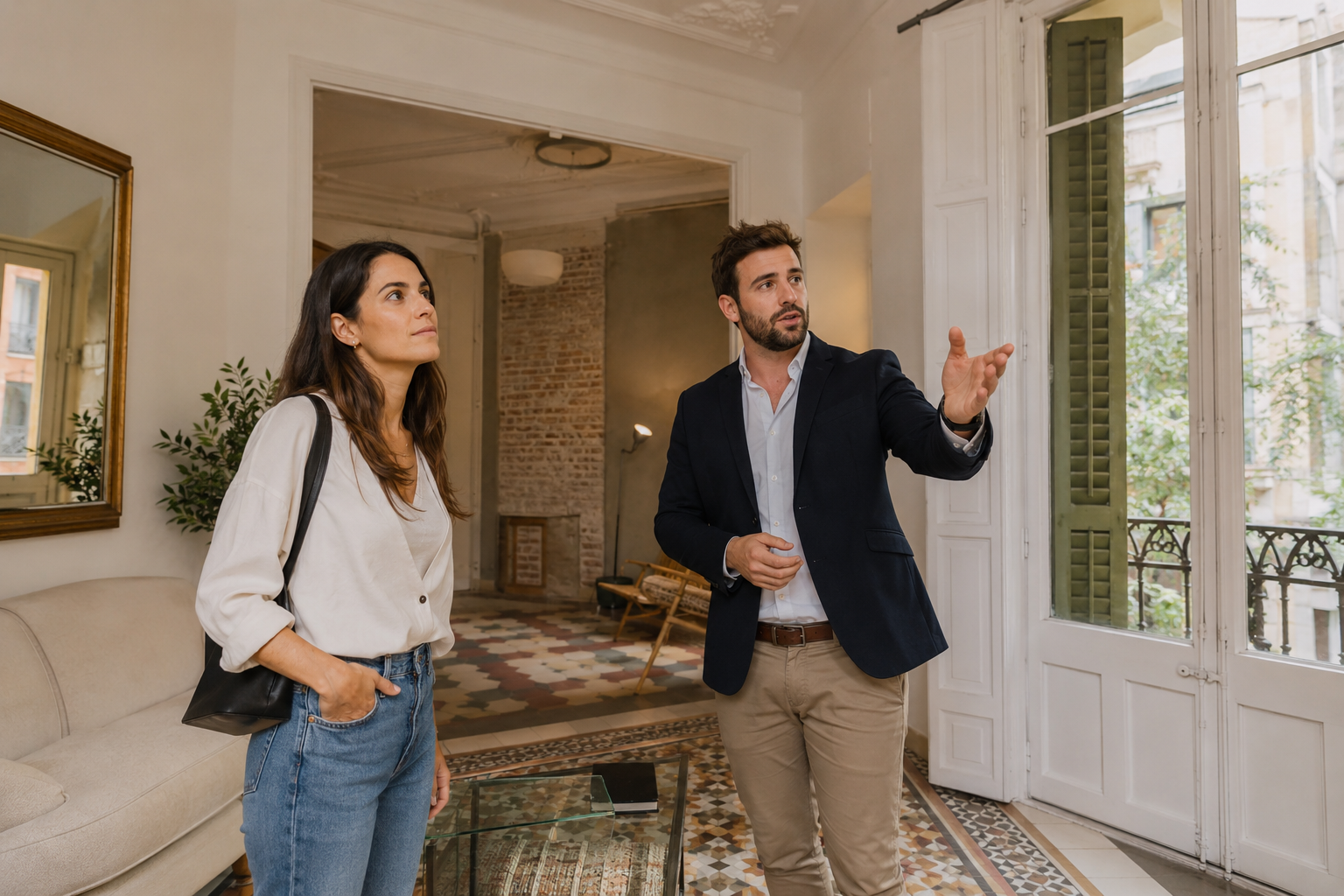
By far the largest of the extra costs is the tax on the purchase itself, and it is so much bigger than everything else that it accounts for most of the ten to thirteen percent on its own. Understanding this tax is the key to understanding the whole total.
Which tax you pay depends on whether the home is new or resale. If you are buying a resale property, a previously owned home, you pay a transfer tax known as ITP, which varies by region and generally runs around six to eleven percent of the purchase price, so this single tax is usually the biggest line on the whole bill. It is charged by the regional government, which is why the rate differs by where you buy.
New builds work differently but land in a similar place. If you are buying a brand-new property directly from a developer, instead of the transfer tax you pay value added tax, usually ten percent, plus a smaller stamp duty, which together typically come to around eleven to eleven and a half percent, so a new home is taxed by a different mechanism but at a broadly comparable overall level. The crucial point is that you pay either the transfer tax or the VAT and stamp duty, never both, depending on which kind of property it is. This distinction between new and resale is worth weighing early, because it can meaningfully change your total. In some regions the resale transfer tax is lower than the combined VAT and stamp duty on a new build, while in others it is the reverse, so the same budget stretches differently depending on which kind of home you pursue. It is also one of the reasons the headline percentage varies so much from buyer to buyer, since two people spending the same amount can face different tax bills simply because one bought new and the other secondhand.
Notary and Registry Fees
After the tax, the next set of costs are the official fees required to make the purchase legally valid and recorded, and while these are far smaller than the tax, they are unavoidable. Every property purchase in Spain must pass through these two steps.
The notary comes first. In Spain, a property sale must be formalized before a notary, who prepares and witnesses the signing of the title deed, and this notary charges a regulated fee that scales with the property value, typically falling somewhere in the range of several hundred to around a thousand euros or a little more, so it is a modest but mandatory cost. Because notary fees are set by regulation, every notary charges the same regulated rate, so there is no shopping around to be done.
Then comes the registry. Once the deed is signed, your ownership must be recorded at the Land Registry to make it official and protect your title, and this registration carries its own regulated fee, again generally in the range of a few hundred to around a thousand euros depending on the property, so it is another small but essential cost. Together, the notary and registry usually add something on the order of one to two thousand euros, predictable and non-negotiable. Because both fees are regulated and scale with the property value, you can estimate them fairly closely in advance, which makes them among the easiest costs to plan for. There is no negotiation and no surprise, only a fixed tariff applied to your particular purchase. For buyers coming from systems where such fees are opaque or wildly variable, this predictability is a small mercy, one of the few parts of the Spanish process where the number you are quoted is simply the number you pay.
Legal Fees
Unlike the taxes and official fees, hiring a lawyer is technically optional, but it is so strongly advised for anyone buying in Spain, and especially for foreign buyers, that it should be treated as a standard part of the cost. A good lawyer is the single best protection against the many ways a Spanish property purchase can go wrong.
The role a lawyer plays is truly important. A Spanish property lawyer checks that the home is legally built, free of debts and liens, and the paperwork in order before you commit, which is protection you very much want given how easily a foreign buyer can miss a serious problem, particularly with older or rural properties. Skipping this to save money is a false economy that can cost a buyer enormously. The horror stories are real and not rare: properties with undisclosed debts that transfer to the new owner, rural homes that turn out to have been built without proper permits, boundaries that do not match the deed, and sellers who are not quite who they claim to be. A competent independent lawyer, one not tied to the estate agent or the developer, exists precisely to catch these problems before your money is committed. Set against the price of the home, the lawyer’s fee is one of the best-value expenditures in the whole transaction.
The cost is usually modest relative to what it protects. Legal fees are typically around one to one and a half percent of the price, or a flat fee often starting around fifteen hundred euros for a straightforward transaction, with more complex cases costing more, so on most purchases the lawyer adds a percent or so to the total. It is one of the few costs here that is negotiable, so it is worth comparing quotes, but it is not a cost to skip.
The Paperwork Handler
There is one more professional cost that often appears, sometimes as a separate line and sometimes folded into the lawyer’s fee, which covers the handling of the mountain of bureaucratic paperwork a Spanish purchase generates. This is the gestoría, and understanding it explains a small but common extra charge.
A gestoría handles the bureaucratic legwork. This is an administrative agent who deals with the practical paperwork of the purchase, filing the tax returns, submitting the registry applications, and obtaining the various certificates, work that is truly essential given the strict deadlines involved, such as the requirement to declare and pay the transfer tax within a short window of signing. Missing that deadline brings penalties, which is exactly why buyers use a gestoría to manage it.
The cost is small but worth knowing about. A gestoría typically charges a few hundred euros, and whether it appears as a separate cost or is bundled into your lawyer’s overall fee depends on how your lawyer works, so it is worth clarifying up front what is included. Either way, it is a minor line item, but one that completes the picture of the professional fees involved.
The Extra Costs of a Mortgage
If you are financing your Spanish home with a Spanish mortgage rather than buying with cash, a further set of costs comes into play, though a helpful law change has made these lighter than they used to be. Understanding what the mortgage adds, and what it no longer does, matters for anyone borrowing to buy.
The main added cost is the valuation. A bank lending against a Spanish property requires an independent valuation, known as a tasación, to confirm what the property is worth, and this typically costs a few hundred euros, paid by the buyer, so it is the one clear extra cost that financing reliably brings. Some banks also charge an arrangement fee for setting up the mortgage, though many now waive it, so it is worth asking.
Here the good news is significant. Thanks to a mortgage law reform in 2019, the bank, not the buyer, now pays the notary, stamp duty and registration on the mortgage deed itself, so the costs of taking out a mortgage in Spain are considerably lower than they once were. The buyer taking a mortgage today mainly adds the valuation and possibly an arrangement fee, rather than the heavier costs that applied before the reform. This reform truly changed the arithmetic for financed purchases, and it is worth knowing about because outdated guides still sometimes quote the old, higher figures. A buyer who read an article from before 2019 might budget for mortgage-related notary and stamp-duty costs that no longer fall to them at all, and while over-budgeting is a happier error than the reverse, it helps to have the current picture.
Adding It All Up
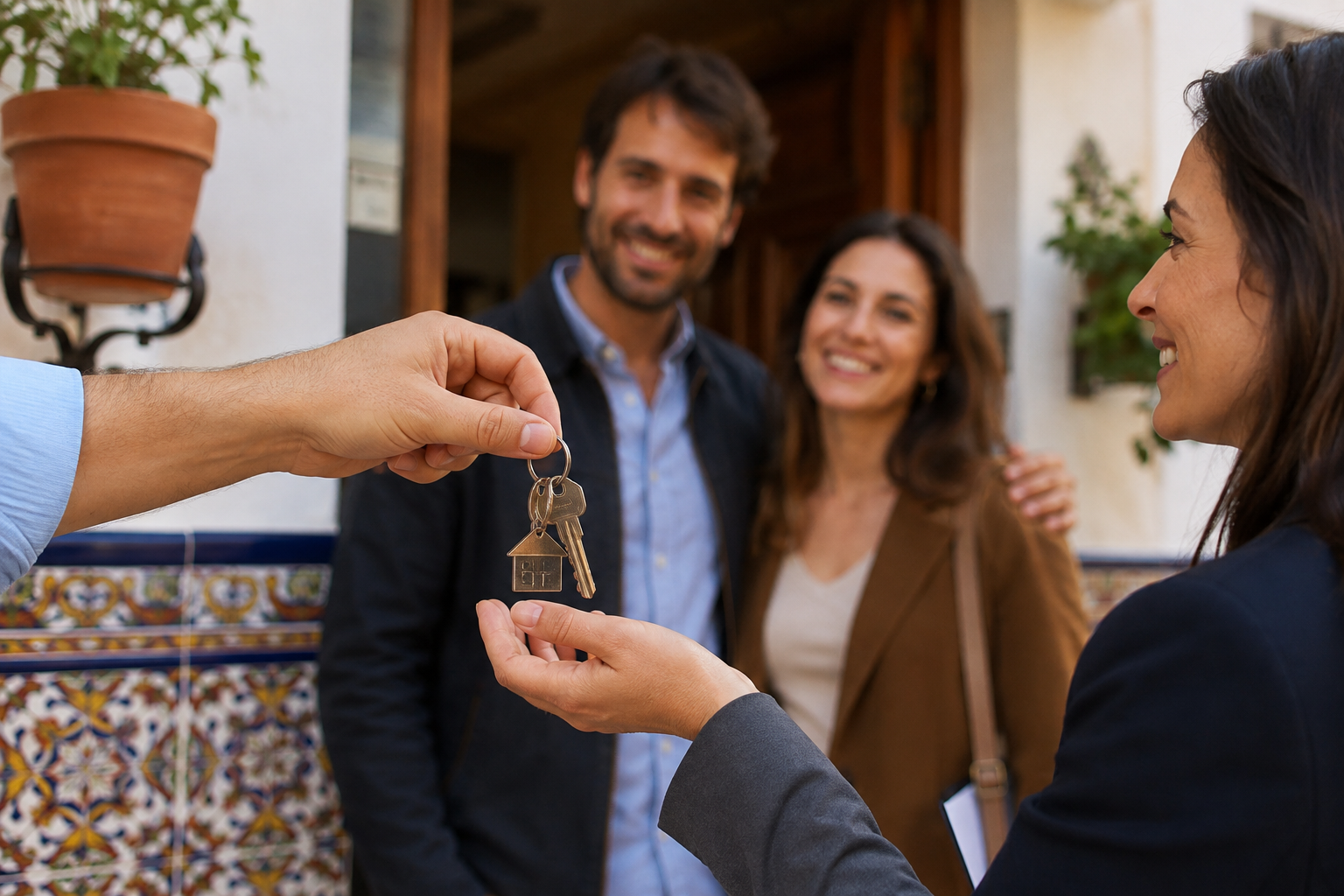
With the full list laid out, it becomes clear how the total reaches that ten to thirteen percent, and why it is so much more than buyers expect when they focus only on the price. The tax does most of the work, and the fees fill in the rest.
The arithmetic is straightforward once you see the parts. The purchase tax alone, whether the transfer tax on a resale or the VAT and stamp duty on a new build, contributes the great majority of the total, generally from six to eleven percent or more, and then the professional fees together add a further one and a half to three percent, so the combined figure lands squarely in that ten to thirteen percent range for most buyers. Add a mortgage, or buy in a higher-tax region, and it can climb toward fifteen percent.
This is why the standard advice is to budget generously. Experienced advisers consistently warn buyers to set aside ten to fifteen percent on top of the price, not the five to eight percent many assume, because underestimating these costs is one of the most common and painful mistakes in Spanish property buying, creating a cash shortfall at the very moment the money is due. Budget conservatively, and the surprise disappears. The buyers who run into trouble are almost never the ones who planned for thirteen percent and paid eleven. They are the ones who planned for the price alone, or for a token few percent on top, and then found themselves scrambling for tens of thousands of euros at the last minute. A slightly pessimistic budget costs you nothing if the final figure comes in lower, and protects you entirely if it does not.
Buying With Your Eyes Open

The lasting point about buying property in Spain is that the sticker price is genuinely only the start, and that the roughly ten to thirteen percent in additional costs is not a hidden trap so much as a predictable and plannable part of the process that simply goes unmentioned in the excitement of the search. Every euro of it can be anticipated and budgeted for by anyone who knows to look.
What makes this worth understanding in advance is that it transforms these costs from a shock into a plan. By knowing that you will need roughly ten to thirteen percent on top of the price, and by understanding exactly which taxes and fees make up that figure, you can budget for the true total from the very beginning, choose your region and property type with the tax implications in mind, and complete your purchase without any unpleasant financial surprises at the notary’s office. The costs do not change, but your preparedness for them does.
So before you fall in love with that sunlit apartment or seaside townhouse, do the arithmetic that the listings leave out. Take the price that caught your eye, add somewhere around ten to thirteen percent for the taxes and fees that come with it, and treat that larger number as the real cost of the home. Do that, and you will approach your Spanish purchase not as a series of unwelcome surprises but as a fully budgeted plan, with the dream intact and the numbers, at last, telling you the whole truth.
This is factual information for planning purposes rather than financial or legal advice, and property taxes and fees change frequently and vary significantly by region and circumstance, so anyone buying property in Spain should confirm the current figures and their own situation with a qualified lawyer or tax adviser.

About the Author: Ruben, co-founder of Gamintraveler.com since 2014, is a seasoned traveler from Spain who has explored over 100 countries since 2009. Known for his extensive travel adventures across South America, Europe, the US, Australia, New Zealand, Asia, and Africa, Ruben combines his passion for adventurous yet sustainable living with his love for cycling, highlighted by his remarkable 5-month bicycle journey from Spain to Norway. He currently resides in Spain, where he continues sharing his travel experiences with his partner, Rachel, and their son, Han.