
Among the many things people do in the hope of protecting their aging minds, one of the more surprising candidates has emerged not from a supplement aisle or a brain-training app, but from the operating theater of the eye surgeon. In recent years, a striking body of research has linked one of the most common operations in the world, cataract surgery, with a meaningfully lower risk of developing dementia. The finding is remarkable, and it has understandably generated excitement, but it also needs to be understood carefully, because the science shows an association rather than a proven cause, and the difference matters enormously. What makes the story especially pointed for many is that this vision-restoring surgery, whatever its exact relationship to the brain, is performed far sooner and far more cheaply in much of Europe than in the United States, which turns a fascinating research finding into a very practical question about real-world access.
This matters because cataracts are almost universal in old age, and the surgery to correct them is already one of the safest and most effective procedures in medicine. If it also carries even the possibility of protecting the brain, then the timing and cost of getting it become questions worth taking seriously, and the gap between how easily Europeans and Americans can obtain it becomes more than a matter of convenience. The research, properly understood with all its caveats, adds a thought-provoking dimension to an operation millions of older people face anyway.
Here is what the recent research found about cataract surgery and dementia, why the link is an association rather than proof of cause, what might explain it, and how access to this surgery differs so sharply between Europe and the United States. This is a look at emerging medical research rather than medical advice, and I am not a doctor, so nothing here is a recommendation about your own care, but the findings are truly interesting and the access gap they highlight is real and worth understanding.
What the Research Found
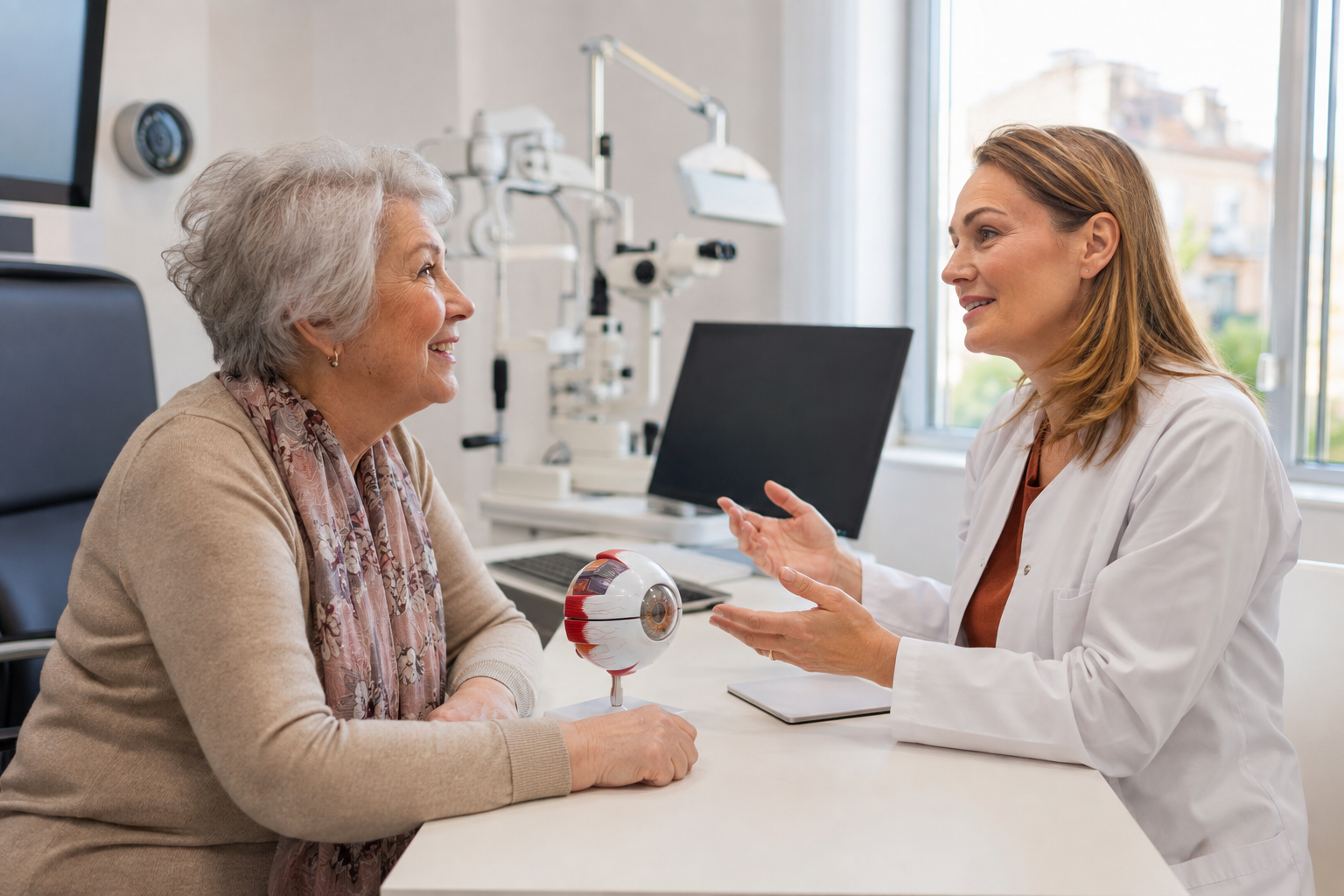
The headline finding comes from a well-regarded study, and it is worth stating precisely. Research published in a major medical journal, drawing on a long-running study of older adults, found that people who underwent cataract surgery had roughly a thirty percent lower risk of developing dementia than those who did not have the surgery.
The details lend the finding weight. The study followed thousands of older adults with cataracts over many years, comparing those who had the surgery with those who did not, and the lower dementia risk among the surgery group was substantial, persisted for at least a decade, and applied both to dementia in general and to Alzheimer’s disease specifically. The researchers had adjusted for many other factors, and the association remained strong.
The scientists involved were notably struck by it. The lead researcher described the strength of the association as about as good as epidemiological evidence gets, noting that few other medical interventions had shown such a strong link with reduced dementia risk, which is a striking thing for a cautious scientist to say. Subsequent and larger studies have pointed in the same direction, adding to the sense that the association is real and robust. This convergence matters, because a single surprising result can always be a fluke, but when much larger cohorts drawn from different populations keep finding the same pattern, the case grows harder to dismiss. Reviews pooling hundreds of thousands of participants have echoed the original finding, which is roughly what you would hope to see if the effect were genuine. It does not remove the fundamental limitation that these are observational studies, but it does make the association one of the more consistently reproduced in this corner of dementia research.
Why This Is an Association, Not Proof
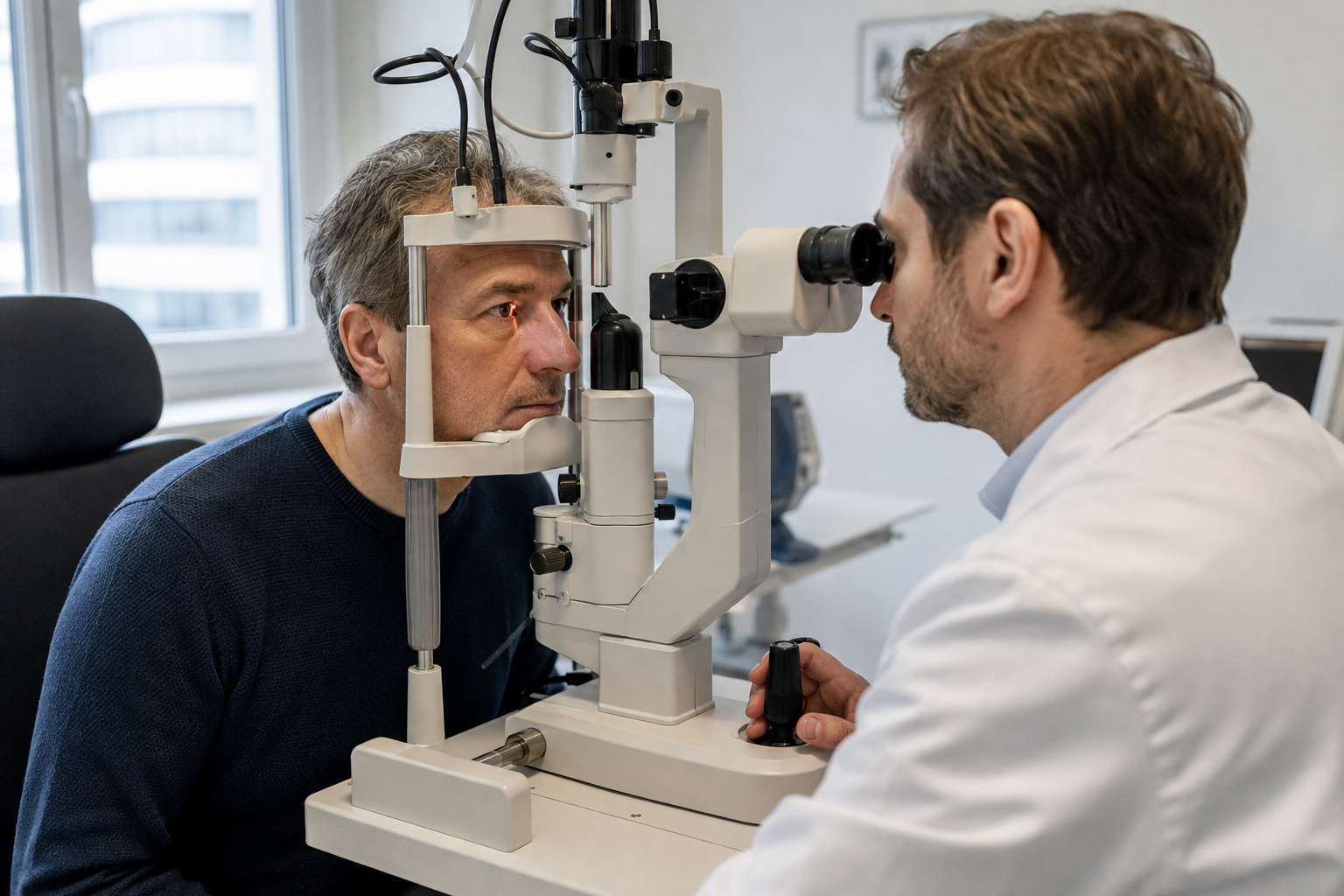
Here is the crucial caveat that must accompany the exciting headline, and it is the single most important thing to understand about this research. However strong the link, the study shows an association, not proof that the surgery causes the reduction, and that distinction is not a technicality but the heart of interpreting the finding responsibly.
The problem is the familiar one with observational research. When you compare people who chose to have surgery with those who did not, the two groups may differ in other ways that affect dementia risk, so even after adjusting for many factors, it remains possible that some unmeasured difference between the groups, rather than the surgery itself, accounts for part or all of the effect. People healthy enough or motivated enough to have surgery might differ from those who forgo it in ways that independently protect the brain. This is not a reason to dismiss the finding, but a reason to hold it at the right temperature. The whole difficulty with observational evidence is that people are not randomly sorted into having surgery or not, and the very things that lead someone to get an operation, better overall health, more engaged medical care, greater resources, can also be things that lower dementia risk on their own. Untangling the surgery from the kind of person who tends to have it is exactly what a controlled trial would do, and exactly what this kind of study cannot fully manage.
The researchers were careful about this, which strengthens the case without settling it. They accounted for many potential confounding factors and the association held, and they acknowledged plainly that, like any observational study, the result could still be influenced by unmeasured factors, so the honest position is one of strong, suggestive evidence rather than proof. The finding is highly promising, but it is not yet the kind of certainty that comes from a controlled trial, and it should be held with that appropriate caution.
The Clever Clue in the Data
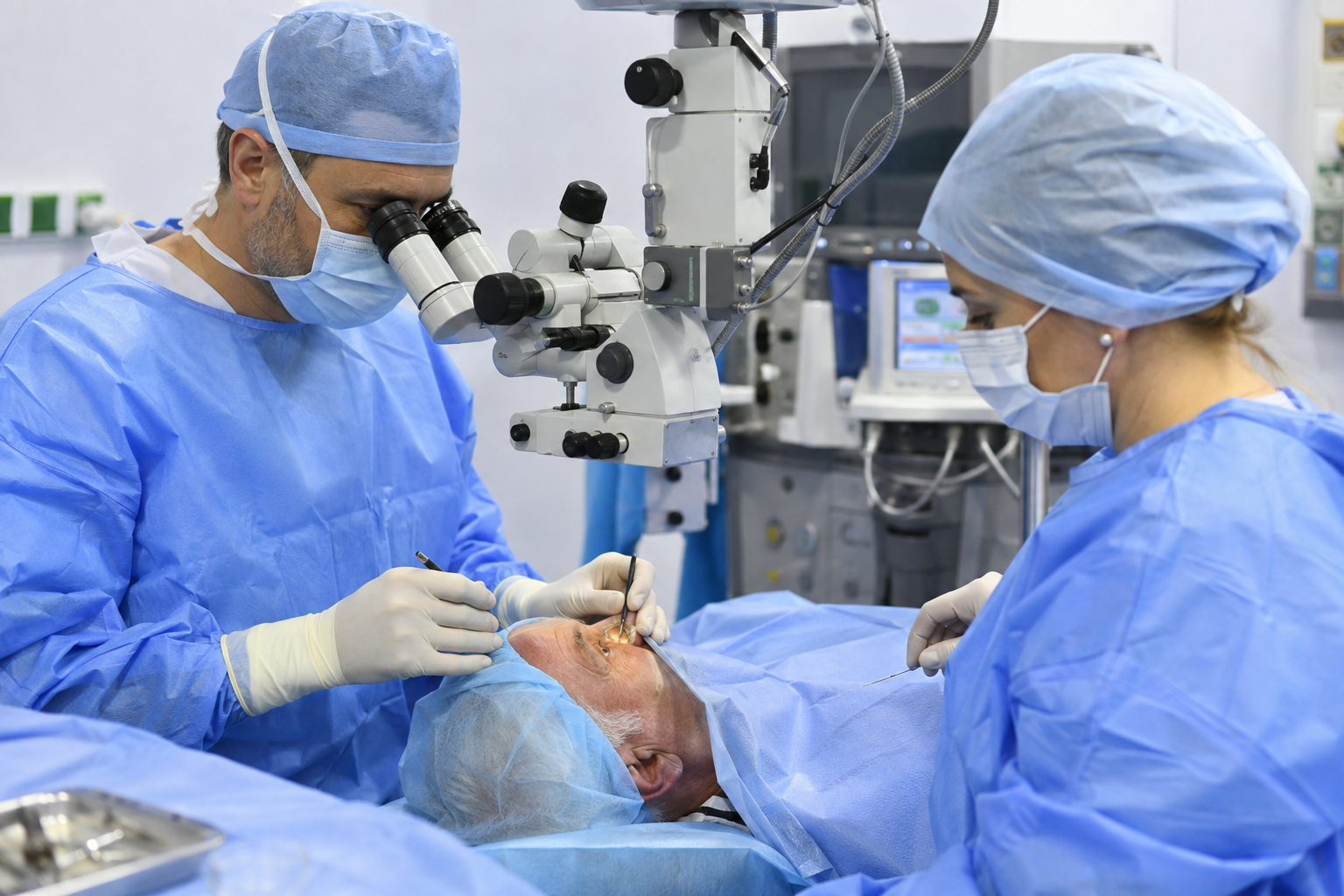
What makes this particular study more persuasive than many observational findings is a single elegant detail, a built-in comparison that helps address the very concern about cause just described. The researchers looked not only at cataract surgery but at another eye operation for comparison, and what they found is quietly illuminating.
The comparison involved glaucoma surgery. Alongside cataract surgery, the researchers examined patients who had undergone glaucoma surgery, a procedure that treats the eye but does not restore lost vision, and here they found no association with reduced dementia risk. This contrast is the clever part, because if merely being healthy enough for eye surgery were driving the effect, glaucoma surgery should have shown a similar benefit, and it did not.
This points toward the restored vision itself. The fact that the vision-restoring surgery was linked to lower dementia risk while the non-vision-restoring surgery was not suggests that it may be the return of clear sight itself, rather than some general characteristic of people who have eye operations, that matters, which makes the causal story more plausible even though it still does not prove it. It is a thoughtful piece of study design that turns a simple correlation into something more suggestive. Comparisons like this are how careful researchers try to rule out the obvious alternative explanations, and while no single design can settle a causal question on its own, the glaucoma contrast is the kind of detail that makes experienced scientists take a finding more seriously. It is a small thing, easy to overlook in the headline, but it is a large part of why this particular result has drawn the attention it has rather than being filed away as just another correlation.
What Might Explain the Link
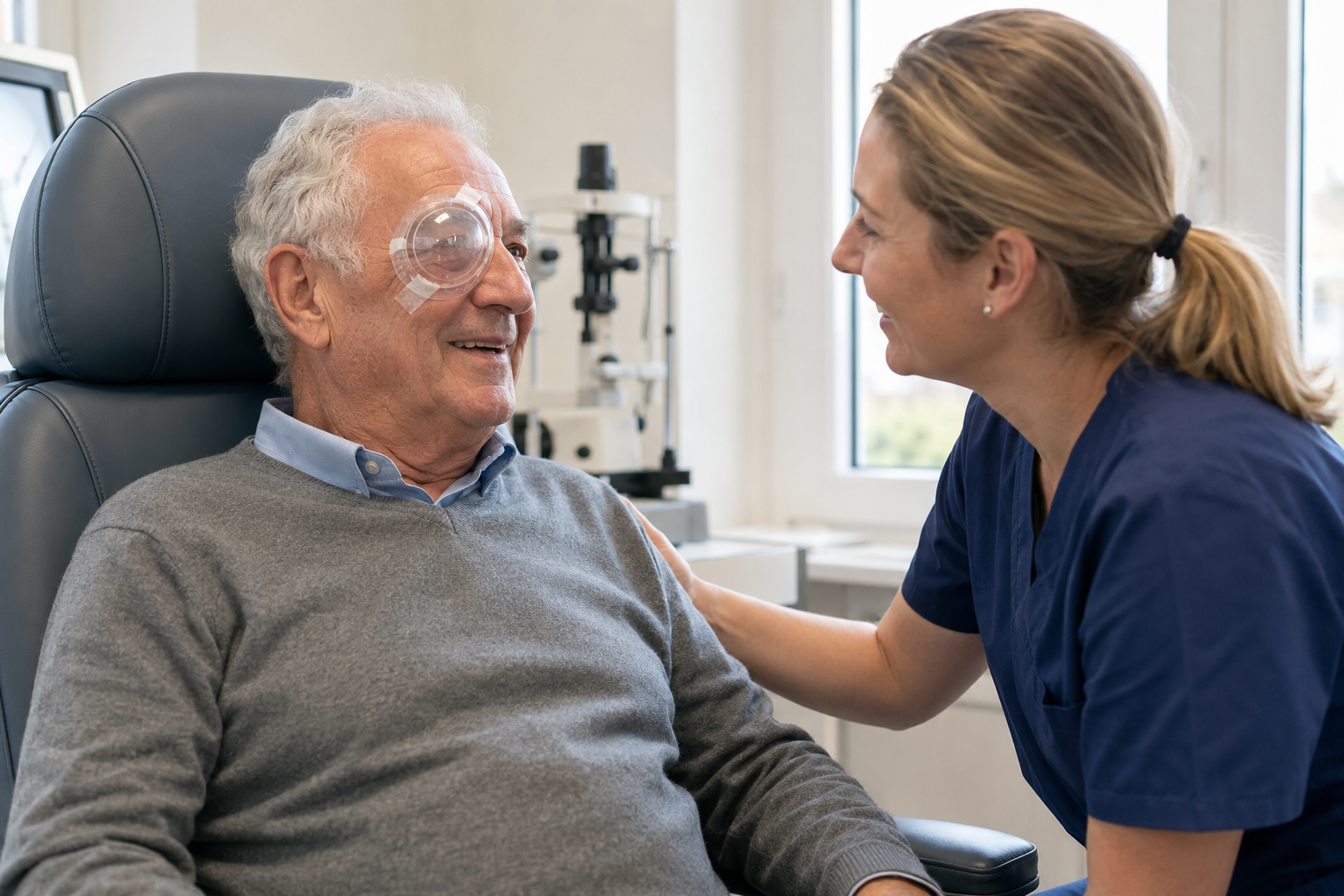
If restoring vision really does help protect the brain, the natural question is how, and researchers have proposed several plausible mechanisms, none yet proven but each biologically reasonable. Understanding these possibilities helps make sense of why the link might be real.
The leading idea concerns sensory input. One prominent hypothesis is that restoring clear vision gives the brain richer, higher-quality sensory input, and since the brain depends on a steady stream of good sensory information to stay healthy, improving that input may help protect cognitive function, in much the same way that untreated sensory loss is thought to strain the aging brain. Clear sight means a brain better fed with information about the world.
Two further ideas round out the picture. One is that people who can see well engage more fully with the world, staying more active, social and mentally stimulated, all of which are themselves associated with better cognitive health, so restored vision may protect the brain indirectly by enabling a richer life. Another, more technical hypothesis concerns the special light-sensitive cells in the retina that regulate the body’s daily rhythms, which cataracts may disrupt by blocking certain wavelengths of light, and which surgery may restore. Each mechanism is plausible, and they may well work together. It is worth noting how neatly the sensory-input idea fits with a broader theme running through recent dementia research, which is that the brain seems to suffer when starved of rich input from the senses. The same logic underlies the growing attention to untreated hearing loss as a risk factor, and cataracts represent the visual equivalent, a gradual dimming of the information reaching the brain. Seen in that light, restoring vision is not a strange or isolated intervention but part of a coherent picture in which keeping the senses well supplied helps keep the mind well supplied.
How Europe Does It Sooner and Cheaper
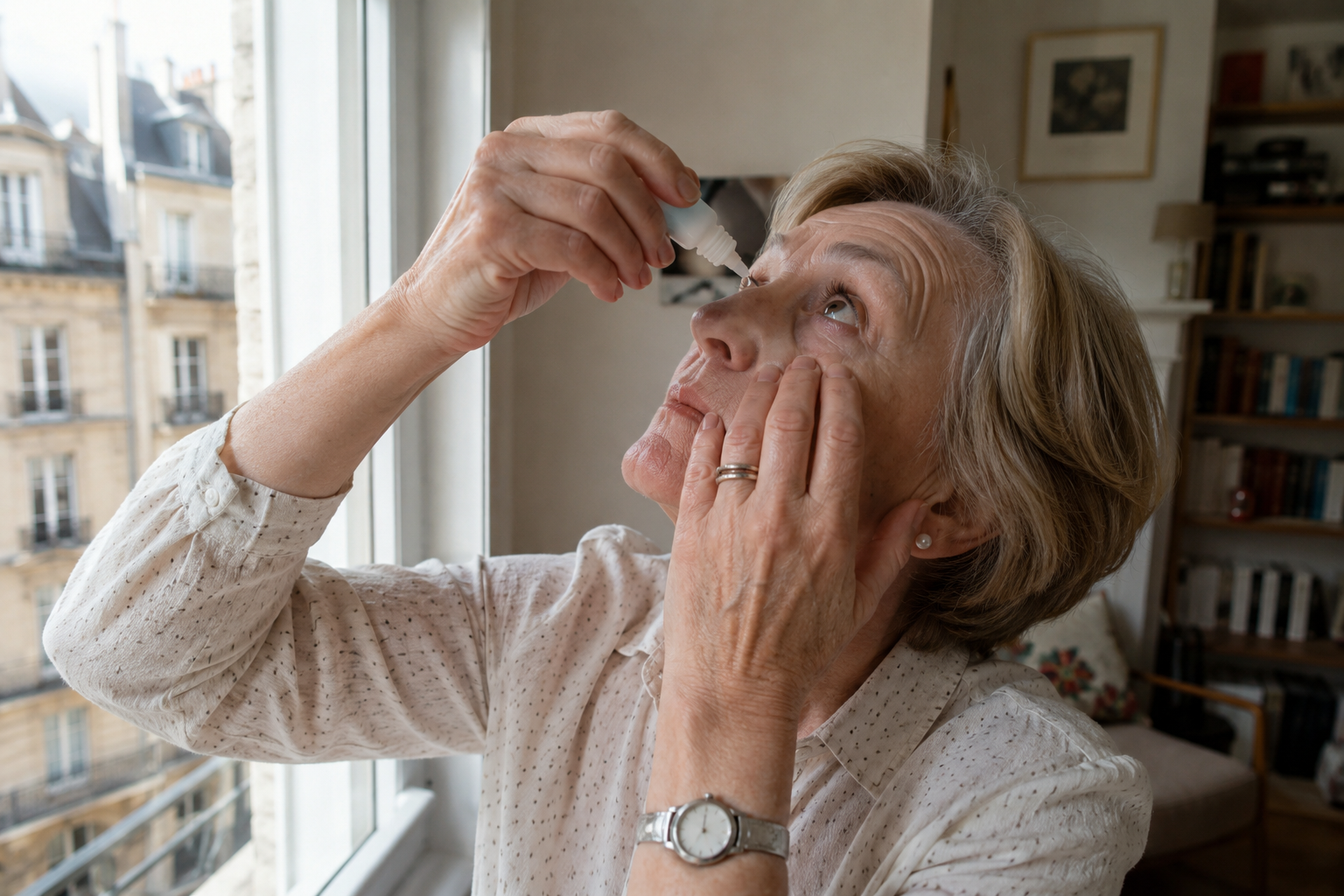
Whatever the exact relationship to the brain, cataract surgery is a genuine good in its own right, and here a sharp difference emerges between how readily older people can obtain it in Europe versus the United States. In much of Europe, cataract surgery is a routine part of publicly funded healthcare, available at little or no direct cost.
The contrast with the American system is significant. Across European countries with universal public health systems, cataract surgery is typically covered as a standard treatment, so an older person who needs it can generally have it without facing a large bill, whereas in the United States cost and access depend heavily on insurance, and out-of-pocket expenses can be substantial, particularly for those who want more than the most basic option. The same operation that a European receives as a matter of course can involve significant cost and navigation for an American.
Timing follows from this. Where the surgery is freely and routinely available, people tend to have it promptly once cataracts begin to impair their vision, whereas cost and access barriers can lead to delay, meaning some people live longer with impaired vision before the problem is corrected, if it is corrected at all. Given the research linking restored vision to brain health, this difference in how soon and how affordably the surgery happens takes on a significance beyond mere comfort or convenience.
Why the Access Gap Matters More Now
The difference in access between Europe and the United States has always mattered for quality of life, since clear vision is precious in itself, but the emerging dementia research gives it a new and sharper edge. If restoring vision promptly may help protect the aging brain, then delays and barriers to cataract surgery could carry a cost beyond the eyes.
This reframes what a delay means. Where once a postponed cataract operation seemed mainly to mean a longer stretch of blurry vision, an inconvenience to be endured, the possibility that timely surgery supports brain health suggests that delay could, at least conceivably, carry a broader cost, which raises the stakes of the access differences considerably. It is one more reason, on top of the obvious benefits to sight and independence, to value getting the surgery done in good time.
The brain link should not be overstated, since it remains an association. No one should be told that having cataract surgery will prevent dementia, because the evidence does not support that certainty, and the primary reasons to have the surgery remain sight and quality of life. But the research does add weight to the general principle that vision care is health care, and that easy, timely, affordable access to a proven, safe operation is a genuine good that systems ought to provide.
Seeing the Whole Picture

The lasting takeaway from this research is a balanced one, neither dismissive nor overhyped. Cataract surgery has been linked, in strong and repeated studies, with a lower risk of dementia, a genuinely exciting finding made more persuasive by clever study design, yet one that remains an association rather than proof, and that should be held with both interest and appropriate caution.
What gives the finding practical bite is the access gap it illuminates. Because this common, safe, vision-restoring surgery is performed sooner and more cheaply in much of Europe than in the United States, the research quietly raises a question about whether barriers to timely eye care might carry hidden costs, and it strengthens the already strong case for making this particular operation easy for older people to obtain. Good vision matters for its own sake, and it may matter for the brain as well.
So the next time cataract surgery comes up, whether for yourself or someone you care about, it is worth knowing both things at once: that the operation is a safe, effective, life-improving procedure that restores sight, and that recent research has linked it, suggestively though not conclusively, with a lower risk of dementia. Treat that second point with the caution it deserves, but do not ignore it, and recognize that timely, affordable access to this surgery, so much easier in some places than others, is a genuine good worth valuing and worth having sooner rather than later. Clear sight is worth a great deal on its own, and if the research is right, the mind may quietly benefit alongside the eyes.

About the Author: Ruben, co-founder of Gamintraveler.com since 2014, is a seasoned traveler from Spain who has explored over 100 countries since 2009. Known for his extensive travel adventures across South America, Europe, the US, Australia, New Zealand, Asia, and Africa, Ruben combines his passion for adventurous yet sustainable living with his love for cycling, highlighted by his remarkable 5-month bicycle journey from Spain to Norway. He currently resides in Spain, where he continues sharing his travel experiences with his partner, Rachel, and their son, Han.
gmg
Saturday 5th of September 2026
As an ophthalmologist I find this very interesting. How about a link to the underlying studies?