
Somewhere in Spain right now, a small truck is working its way through a neighborhood, a delivery man is carrying a bright orange metal cylinder up a flight of stairs, and a household is trading an empty bottle for a full one so they can shower in hot water tomorrow. To a newcomer from a land of piped mains gas, the scene is faintly astonishing, a whole system of home energy delivered by hand, one heavy bottle at a time, well into the twenty-first century. Yet this is exactly how a great many Spanish homes still heat their water and cook their food, and the orange bombona de butano remains one of the quietly essential objects of Spanish domestic life.
For anyone moving to Spain, the butane bottle is one of those small cultural surprises that turns out to matter a great deal in daily life, because if your home runs on it, understanding how it works is the difference between reliable hot water and an unexpected cold shower. Far from being a relic, the system is a living, functioning part of how Spain powers its homes, especially the many properties without a mains gas connection, and it comes with its own rhythms, rules and small rituals worth learning before you arrive.
Here is what the butane bottle is, why so much of Spain still relies on it, how the system works from delivery to cost to safety, and how to live with it well. This is a practical explainer rather than technical or safety advice, and gas equipment should always be handled according to the proper regulations and by qualified professionals where required, but understanding the basics of the bombona is one of the most useful and characteristically Spanish pieces of knowledge a newcomer can pick up.
Why Spain Still Runs on Bottled Gas
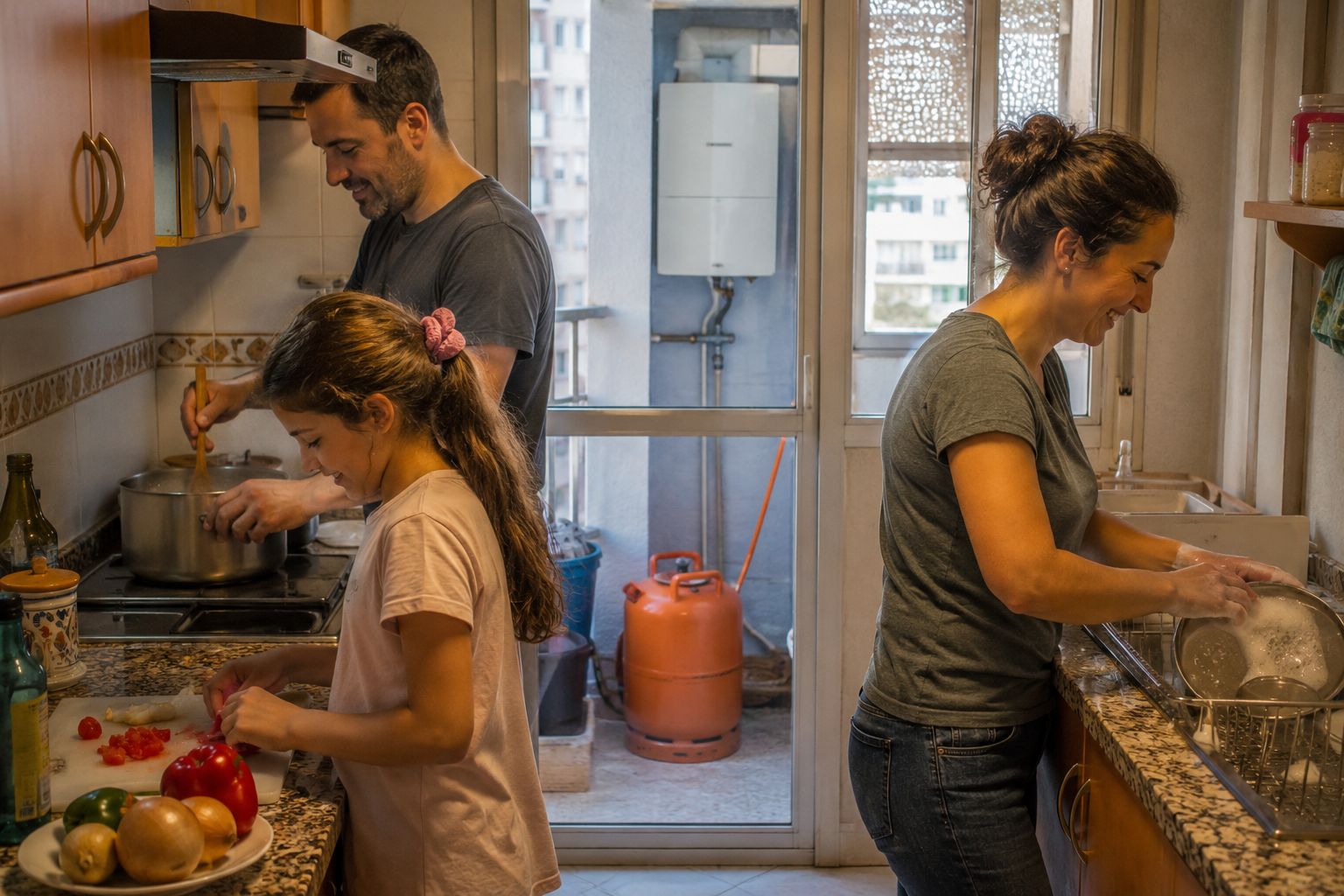
The first thing that surprises newcomers is that bottled gas is not a rare or backward holdover in Spain but a mainstream, widespread system, and the reason is simple infrastructure. A great many Spanish homes, particularly older properties, rural houses and many apartments, were never connected to a mains natural gas network, so instead of piped gas they rely on refillable bottles delivered to the home, which remains completely normal across much of the country.
This is a matter of how Spain developed rather than any failing. Mains natural gas pipelines never reached large parts of Spain, especially away from the cities and in older housing, so bottled gas filled the gap and became the established way to supply homes with gas for cooking and hot water, a role it still plays for millions of households today. In many regions and buildings, the bombona is simply how gas works, and no one thinks it strange.
The result is a genuine divide in Spanish homes that newcomers should understand. Some homes have piped mains gas and receive a monthly bill like anywhere else, while a great many others have no mains connection and run on the orange bottles instead, so one of the first things to establish about any Spanish home is which system it uses, since it shapes both your costs and your daily routine. If the home runs on bottles, the bombona becomes a small but real part of your life. It is worth checking this even in a modern-seeming apartment, since the divide does not always follow the age of the building in obvious ways. Plenty of perfectly comfortable, updated homes run on bottled gas simply because the street was never connected to the mains, so the only reliable way to know is to ask the landlord or agent directly and to look for the telltale bottle in a kitchen cupboard or a ventilated cabinet. Knowing before you move in saves any surprise later.
What the Bombona Really Is
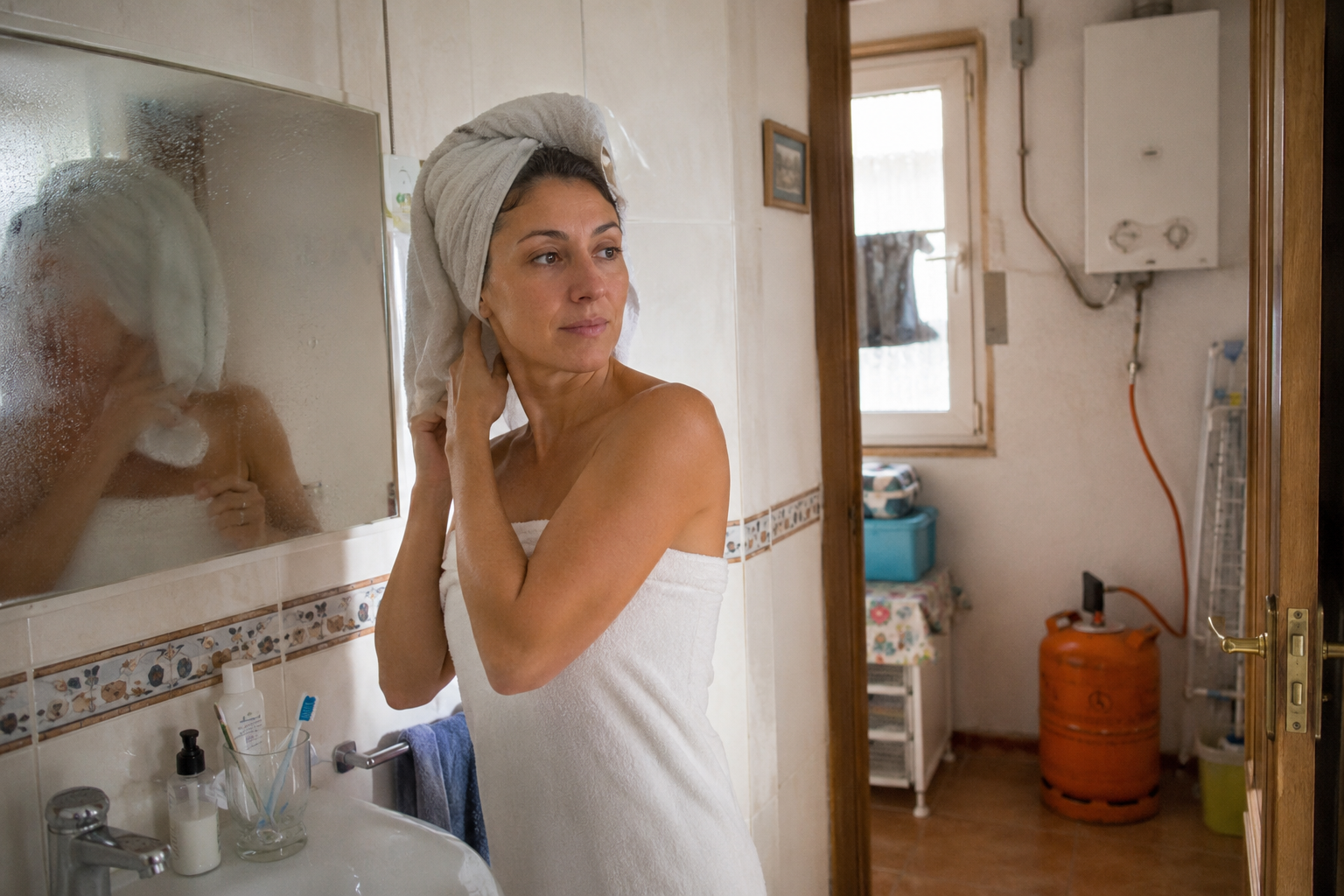
The bombona de butano is a refillable steel cylinder of butane gas, and the standard version is a specific and instantly recognizable object across Spain. The classic bottle is the twelve-and-a-half-kilogram butane cylinder, most famously the bright orange one distributed by Repsol, though other companies supply their own, and it is this standard bottle that powers cooking and water heating in countless Spanish homes.
The bottle itself is a substantial thing. A full standard bombona weighs around twenty kilograms all told, the twelve and a half kilos of gas plus the heavy steel cylinder itself, which is why moving a full one is real physical work and why delivery to the door is so valued. The orange color of the Repsol bottle is so iconic that the object is often identified by it, though you will also see the silver cylinders of other suppliers like Cepsa.
The bottle connects to your home appliances through a simple, standardized setup. A bombona is attached by a regulator and a flexible hose to your gas appliances, typically a cooktop and a gas water heater, feeding them butane until the bottle runs empty, at which point you swap it for a full one. The connections and hoses are subject to safety regulations and periodic checks, but the basic principle is as simple as it sounds, a bottle of gas plumbed into your stove and your hot water. The standardization is part of what makes the system so workable. Because the bottles, regulators and connections follow common standards, a bombona from one part of Spain behaves just like one from another, and the equipment in one home is much like the equipment in the next, so once you have learned the setup in a single home you understand it everywhere. There is no bewildering variety of formats to master, only the one familiar orange bottle and its simple fittings.
How You Get One
Acquiring and refilling butane is quite easy once you know the system, and there are two main ways to keep yourself supplied. The traditional and most convenient method is home delivery, where you arrange with a supplier like Repsol or Cepsa to have full bottles delivered to your door, the delivery man taking away your empties, which spares you from hauling the heavy cylinders yourself.
Setting up delivery involves a small amount of initial paperwork. To start receiving butane, you typically sign a supply contract and, for your first bottle, pay a deposit for the cylinder for the metal cylinder itself, since you are effectively renting the reusable steel shell while buying the gas inside, after which you simply exchange empty bottles for full ones going forward. A contract tied to your home address usually means the bottles are delivered to you, which is the great convenience of the system.
The other route is to fetch them yourself. You can also take an empty bottle to a petrol station or authorized distributor that stocks butane, exchange it for a full one on the spot, and carry it home, which suits those who prefer not to wait for a delivery or who live where delivery is harder to arrange. Either way, the crucial move for a first-timer is getting that first bottle and contract sorted, after which resupply is a simple matter of swapping empties.
What It Costs
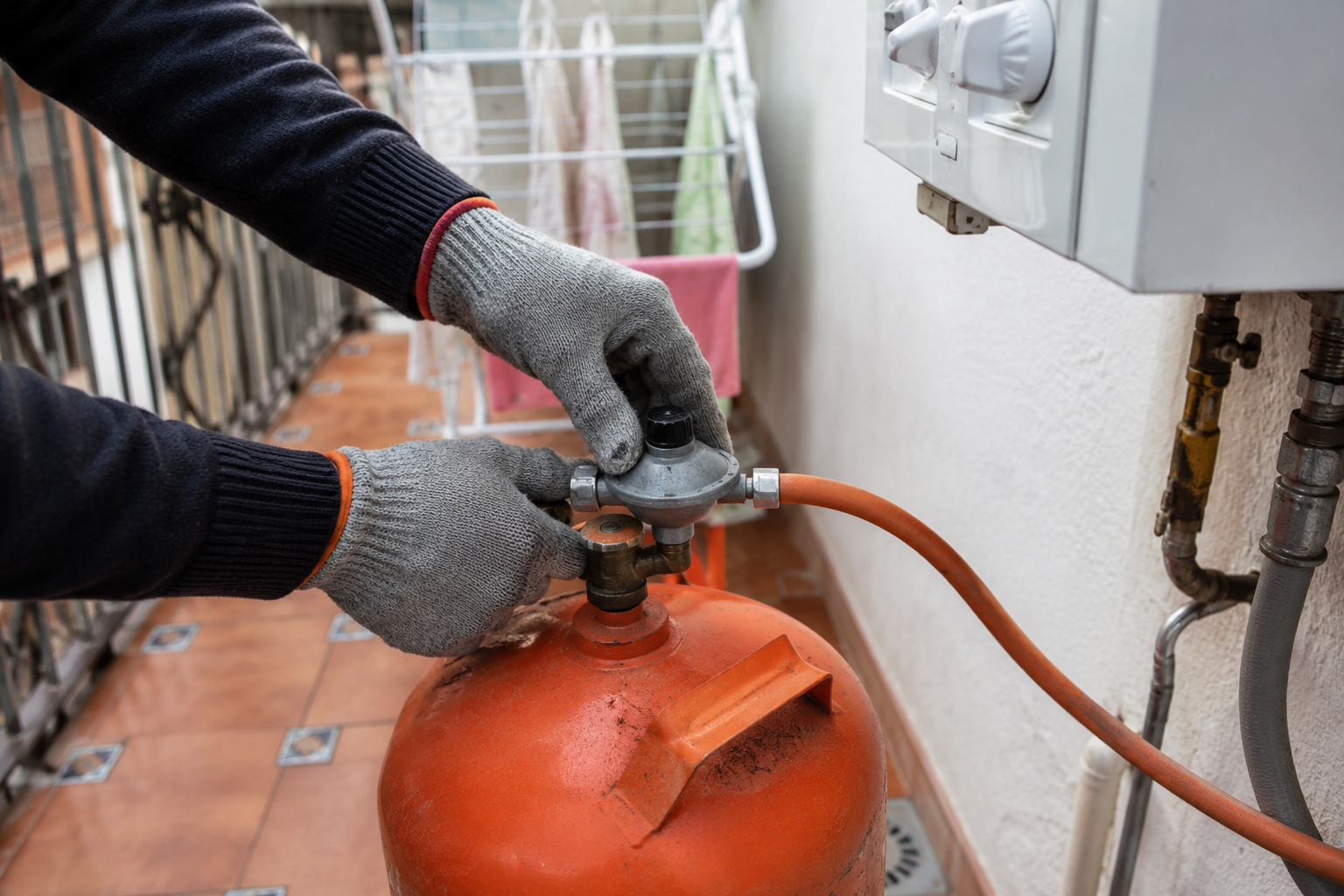
One of the happiest facts about the butane system is that it is cheap, kept deliberately affordable by government regulation, which makes it one of the more reassuring utilities to budget for. The price of the standard bottle is regulated by the Spanish government rather than set freely by suppliers, so it stays low and predictable and is the same across mainland Spain.
The regulated price is modest and adjusts periodically. A standard bombona costs somewhere in the region of fifteen euros, with the exact figure set by the government and revised every couple of months in line with energy costs, so the price shifts a little through the year but remains reliably inexpensive. There is also the one-time deposit for the cylinder itself when you first sign up, but the gas thereafter is truly cheap.
How far that cost goes depends entirely on your usage. A single bottle can last anywhere from several weeks to a couple of months depending on what you use it for, with a bottle used only for cooking lasting a good while, perhaps six to ten weeks, and one also feeding a gas water heater running down faster, more like three to five weeks, so a household’s real gas cost is a matter of how many bottles it gets through. For most homes, the total spent on butane across a year is strikingly low. To put the cost in perspective, a household that gets through a bottle every few weeks is spending only a modest sum each month on the gas that cooks its meals and heats its water, far less than many newcomers expect to pay. The regulated price is a deliberate protection, keeping this essential fuel affordable for the many households that depend on it, which is why the bombona remains such a practical and reassuring part of running a Spanish home on a budget.
Living With the Bottle
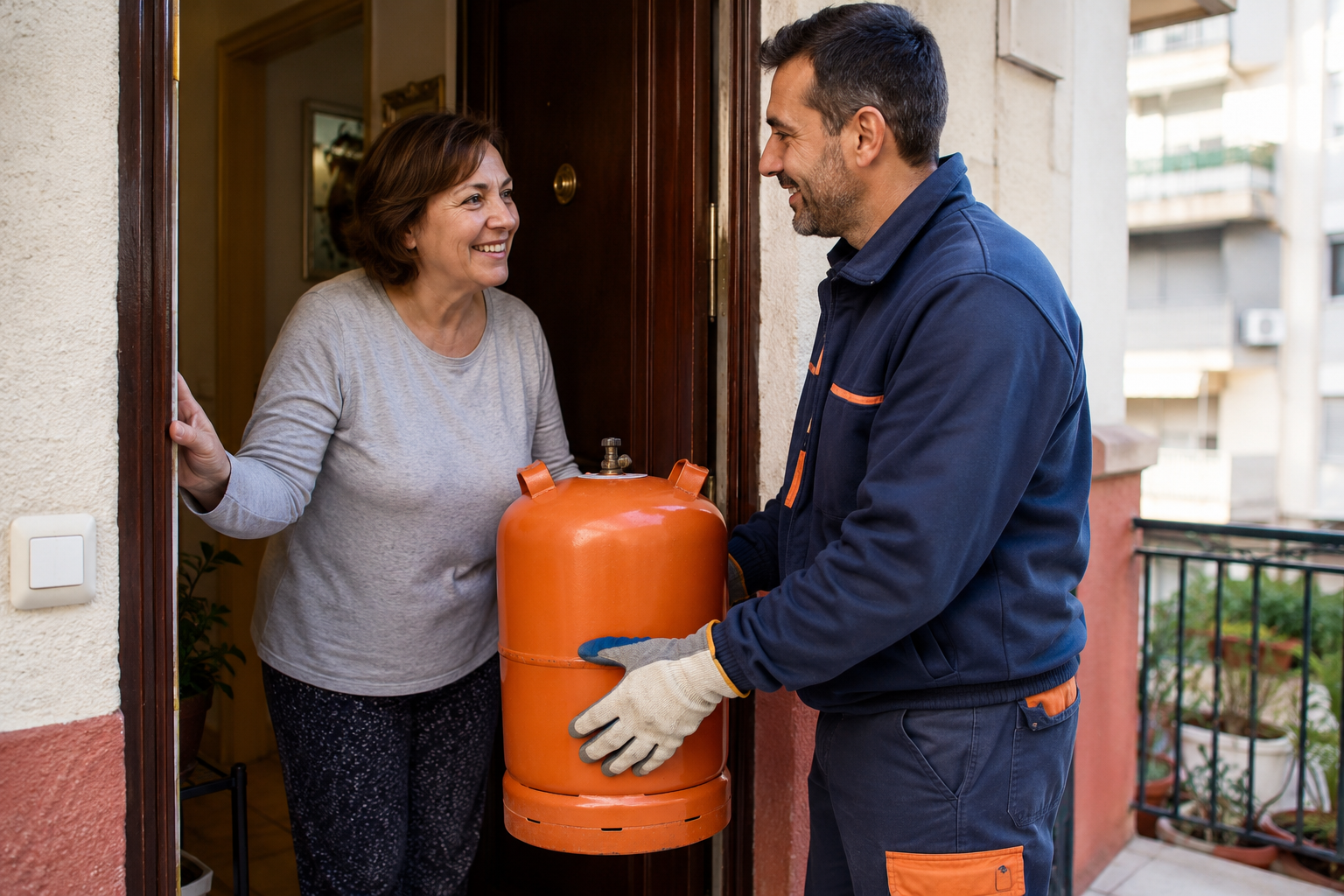
Running a home on butane involves a small rhythm and a few habits that quickly become second nature, and the most important of them is keeping a spare. Because a bottle gives no warning before it runs out, the golden rule of butane living is always to have a spare full bottle on hand, so that when the one in use runs dry, often at the least convenient moment, you can simply switch to the spare and order a replacement rather than facing a cold shower.
That moment of running out is the defining experience of butane life. When the gas stops mid-shower or mid-cooking, you disconnect the empty bottle, connect the spare, and carry on, then arrange for a fresh bottle to restore your reserve, a small routine that becomes entirely familiar with a little practice. Learning to change a bottle, disconnecting the regulator from the empty and fitting it to the full one, is a basic skill of Spanish home life that anyone can master in a minute or two. The first time feels fiddly, and every time after that is routine, a thirty-second job you do without thinking, much as you might change a light bulb.
The rhythm of reordering settles into the background of daily life. You come to know roughly how long a bottle lasts in your home, you keep an eye on your spare, and you reorder or swap in good time, so that the system runs smoothly and the dreaded cold shower never arrives. It is a slightly more hands-on relationship with your home energy than a mains connection requires, but it is a simple and manageable one once the habits are in place.
Safety and Good Sense
Because butane is a fuel burned in the home, a measure of care and common sense is essential, and the rules exist for good reason. Gas bottles, regulators and hoses should be installed and used correctly and in line with Spain’s safety regulations, with the flexible hoses replaced before their expiry date and the whole setup kept in good condition, since a worn hose or a bad connection is exactly the kind of thing that causes problems.
Ventilation is a particular point to respect. Any gas appliance burning butane indoors needs adequate ventilation, and gas water heaters in particular must be properly installed and vented, often located in a ventilated space, because burning gas in an enclosed unventilated room is truly dangerous. This is not a matter to improvise with, and proper installation by a qualified professional is the right approach for water heaters and any fixed appliance.
Periodic professional checks are part of the system too. Gas installations in Spain are subject to periodic safety inspections, and having your setup checked at the required intervals by a qualified technician keeps it safe and compliant, which is both a legal expectation and simple good sense. Treated with the respect any household fuel deserves, butane is a safe and reliable way to power a home, but it rewards care and punishes carelessness, so learning and following the basic safety practices matters.
A Small Ritual of Spanish Life
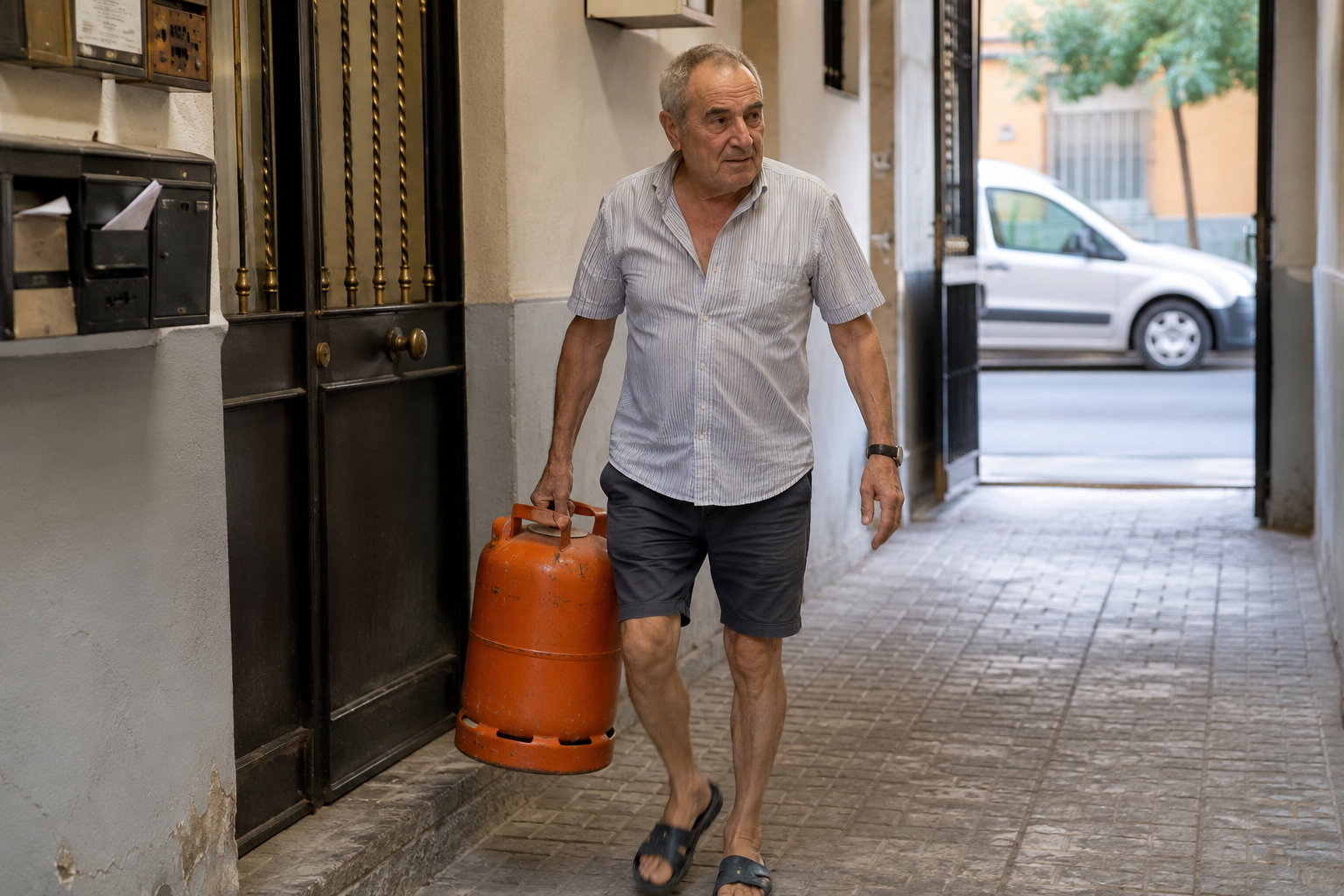
The lasting impression the bombona leaves is that it is one of those small, distinctive features of Spanish life that a newcomer comes to know well and even, in time, to find rather charming. The orange bottle, the delivery truck, the spare kept in the corner, the small ritual of the swap, all become part of the texture of living in Spain, a reminder that daily life here has its own particular rhythms that differ from what you knew before.
What makes it worth understanding rather than dreading is how simple and affordable the system turns out to be. Once you grasp that many Spanish homes run on butane, that the bottles are cheap and easy to get, that keeping a spare prevents any real inconvenience, and that a little safety care keeps it all running smoothly, the bombona stops being a strange imposition and becomes just another manageable part of settling in. The apparent inconvenience is mostly unfamiliarity, and it fades fast, replaced by the easy competence of someone who has done it a hundred times.
So if you find yourself in a Spanish home with a bright orange bottle in the kitchen or a cupboard, do not be daunted, but learn the simple rhythm of it. Set up a supply, keep a spare, learn to change a bottle, respect the safety basics, and you will find that this centuries-old-feeling system delivers hot water and hot meals reliably and cheaply, year after year. The truck will keep winding through the streets, the orange bottles will keep changing hands, and you, once a baffled newcomer, will have become someone who simply knows how gas works in Spain. The cold shower that once loomed as a threat will have become a thing you know exactly how to prevent, which is the quiet mark of having settled in.

About the Author: Ruben, co-founder of Gamintraveler.com since 2014, is a seasoned traveler from Spain who has explored over 100 countries since 2009. Known for his extensive travel adventures across South America, Europe, the US, Australia, New Zealand, Asia, and Africa, Ruben combines his passion for adventurous yet sustainable living with his love for cycling, highlighted by his remarkable 5-month bicycle journey from Spain to Norway. He currently resides in Spain, where he continues sharing his travel experiences with his partner, Rachel, and their son, Han.