
For one month I wrote down everything I spent in Madrid. Every coffee, every metro ride, every bag of groceries, every dinner out, logged in a spreadsheet at the end of each day until I had thirty days of my real life reduced to numbers. Then I did something that surprised even me. I lined those numbers up against what the same life would have cost in Dallas, the American city that serves in my head as the benchmark for what things ought to cost, and I went through it line by line to see where the money really goes.
I should be upfront about the framing, because it matters. I have never lived in Dallas, and I am not an American who moved abroad. When I call it my old Dallas budget I mean it as a shorthand, a stand-in for the American cost of living that so many of my readers know intimately, a way of asking a question I wanted answered, which is how my Madrid life really compares in cold numbers to the American version of the same life. So the Dallas column is a careful reconstruction of what my month would have cost there, not a memory, and the Madrid column is exactly what I spent. I mention all this because a comparison is only as honest as its assumptions, and I would rather show my working than pretend to a Dallas life I never lived. The Madrid figures are hard data from my own month. The Dallas figures are my best, careful reconstruction of the same choices in an American city, drawn from what those things plainly cost there. Where I was unsure, I erred toward the conservative, giving the American column the benefit of the doubt.
Here is the full comparison, category by category, of a real month in Madrid against a reconstructed month in Dallas, along with what the numbers taught me about where each city is cheap, where each is dear, and what the totals hide. This is one household’s accounting rather than a formal study, and costs vary enormously by lifestyle and neighborhood, but tracked carefully, the line-by-line picture is more interesting than any headline about cost of living.
Housing, the Line That Decides Everything
Every cost-of-living comparison lives or dies on housing, because it dwarfs everything else, and this is where the two cities diverge most dramatically. Rent is the single largest line in almost any budget, and the gap between a Madrid apartment and its Dallas equivalent sets the tone for the entire comparison before a single coffee is bought.
The real picture here is more nuanced than the clichés suggest. Central Madrid has grown expensive in recent years, with rents in the desirable neighborhoods climbing hard, so the old story of impossibly cheap European living no longer holds in the heart of the capital. A central apartment in Madrid is no longer the bargain it once was, and anyone expecting to pay a pittance to live in the middle of the city will be disappointed.
But the comparison still tilted my way once I accounted for what the rent truly buys. In Madrid I live centrally, without a car, able to walk or take the metro everywhere, in a dense walkable neighborhood full of life. The Dallas equivalent, a sprawling car-dependent city, would have meant either a long commute or a premium for a central spot, plus the enormous hidden housing cost that Americans rarely count as housing, which is the car you cannot live without. Once I folded transport into the real cost of a place to live, Madrid pulled clearly ahead.
The Car I Do Not Own

That brings me to the line that shaped the whole comparison, which is transportation, and here the gap was so large it reframed everything else. In Madrid my transport costs were almost trivial, a monthly metro pass and the occasional taxi, because the city is built to be lived in without a car and I simply do not own one. The number at the bottom of my transport column was small enough to feel like a rounding error.
The Dallas column told the opposite story. Dallas is a city built around the automobile, where daily life without a car is close to impossible, and reconstructing that budget meant adding the full, brutal cost of car ownership that Americans absorb as simply the price of existing. The car payment, the insurance, the fuel, the maintenance, the registration, all of it stacks into one of the largest expenses in an American budget, a cost so normalized that many people do not even think of it as optional.
Set side by side, the two columns were almost comic. My entire month of getting around Madrid cost less than a single week of the American equivalent, and the thousands upon thousands of dollars a year that a Dallas life demands for cars simply did not appear in my Madrid accounting at all. This one category, more than any other, is where the European city quietly wins, and it is the cost Americans are least likely to see because it is hidden in plain sight in every driveway. What strikes me is how invisible this cost is to the people paying it. A car is not experienced as a luxury or even a choice but as a fact of life, like weather, so its enormous annual price never enters the mental ledger the way rent or groceries do. It took building the two columns side by side for me to see that the single biggest difference between the two lives was sitting, unremarked, in a parking space.
Groceries and the Weekly Shop

Food at home was the next line I tracked closely, and the grocery comparison was a clear and consistent win for Madrid, repeated every single week of the month. My weekly shop, built around fresh produce from the market, good bread, local staples and the occasional treat, came in clearly cheaper than the same basket would have cost in an American supermarket.
The difference was not only in the total but in what the money bought. In Madrid my grocery spending went a long way toward fresh, seasonal, local food, the fruit and vegetables and bread and olive oil that form the base of how people eat here, much of it inexpensive because it is local and in season. The quality I got for the price consistently outran what I would have expected from an American shop, where fresh whole food often costs more and processed convenience food less.
Over the full month the grocery gap added up to real money, one of several quiet lines where Madrid saved me a steady amount week after week. It was never dramatic on any single receipt, but the cumulative effect across thirty days was significant, and it came bundled with the harder-to-price benefit of eating better. On food at home, Madrid was both cheaper and, to my taste, considerably nicer.
Eating and Drinking Out

Here the gap became almost embarrassing, because eating out is where Spain’s value is most visible and most joyful. A month of the small daily pleasures that structure life here, the coffee at the bar, the caña with a free tapa, the affordable lunch menu, the relaxed dinner with friends, cost a fraction of what the equivalent social life would have run in Dallas.
The everyday examples tell the story. A proper coffee in a Madrid bar costs a little over a euro, a fraction of an American coffee-shop price, and the famous menú del día, a full multi-course lunch with a drink included, remains one of the best-value meals anywhere in the developed world. Even a leisurely dinner out, the kind of evening that would be a careful treat on an American budget, sits comfortably within reach here as an ordinary pleasure.
And crucially, the American total would have carried a sting that the Madrid one did not, which is the tip. Every restaurant line in the Dallas column had to be inflated by tax and a twenty percent tip, while the Madrid prices were already final, tax included and no obligatory gratuity, so the real gap in dining out was even wider than the menu prices suggested. Eating and drinking out was where Madrid did not just win but ran away with it, and it is the category that most shapes the daily texture of life.
Utilities, Phone, and the Monthly Bills

Not every line favored Madrid, and it is worth dwelling on the ones that did not. Utilities were a mixed picture, and in some months a losing one, because Spanish electricity is not cheap and the summer and winter bills can climb, especially for anyone running heating or cooling hard. My energy costs were a real line, and they were not the bargain the rest of my budget led me to expect.
The saving grace on utilities was partly behavioral and partly structural. Living without air conditioning through much of the summer and in a home built to hold its temperature kept my energy use lower than an American household’s tends to be, so while the unit prices were high, my consumption was modest. The bill was a genuine cost, but a smaller one than the sprawling, heavily heated and cooled American home would typically generate.
Other monthly bills leaned back toward Madrid. Mobile phone and internet service in Spain is generally cheaper than the notoriously high American equivalents, and several of the smaller recurring costs of life came in lower here, a euro or two at a time. No single one of these bills decided anything, but stacked together the recurring monthly costs modestly favored Madrid, with utilities the one line that kept the contest honest.
Healthcare, the Line That Barely Existed
Then there was the category that, in the Madrid column, was almost blank, and it is the one that most astonishes Americans. My healthcare costs for the month were minimal, a reality of living within the Spanish system, where the great fear of a ruinous medical bill that shadows American life simply does not loom in the same way. The line that can dominate and even bankrupt an American budget was, for me, a quiet near-zero.
Reconstructing the Dallas equivalent was where the exercise turned sobering. To live that month in America would have meant carrying the cost and the constant background worry of health insurance, with its premiums, its deductibles, its copays, and the ever-present possibility of a bill large enough to change your life. Even a healthy month with no medical events carries a heavy fixed cost in the American system, and any month could turn expensive without warning.
This is a line that does not show up in a simple price comparison of coffees and rents, and yet it may be the most important of all. The security of knowing that illness will not ruin me is a benefit no grocery saving can match, a weight lifted that I did not fully appreciate until I tried to price its absence. In the Madrid column it barely registered. In the Dallas column it loomed over everything, which tells you something a spreadsheet can only partly capture.
What the Totals Hid
When I added up both columns at the end of the thirty days, Madrid came out clearly cheaper overall, but the totals concealed as much as they revealed, and the line-by-line story was the real lesson. The headline number, that my Madrid month cost meaningfully less than the reconstructed Dallas one, was true but almost too blunt to be useful, because the interesting truth was in the distribution.
The pattern underneath was consistent. Madrid won decisively on transport, dining out, groceries and healthcare, lost on utilities, and drew closer than expected on central housing, and the shape of that spread matters more than the total. The European city was cheaper not through one dramatic saving but through a steady accumulation of smaller advantages across the categories that make up daily life, with the giant hidden win being the car I never had to buy.
There was also a quality dimension the numbers could not hold. In category after category, Madrid was not only cheaper but, to my mind, better, the food fresher, the coffee nicer, the transport less stressful, the medical security greater, the daily life richer. A pure cost comparison misses this entirely, treating a cheap good coffee and an expensive mediocre one as merely different prices for the same thing, when the whole point is that they are not the same thing at all.
What Thirty Days of Numbers Taught Me
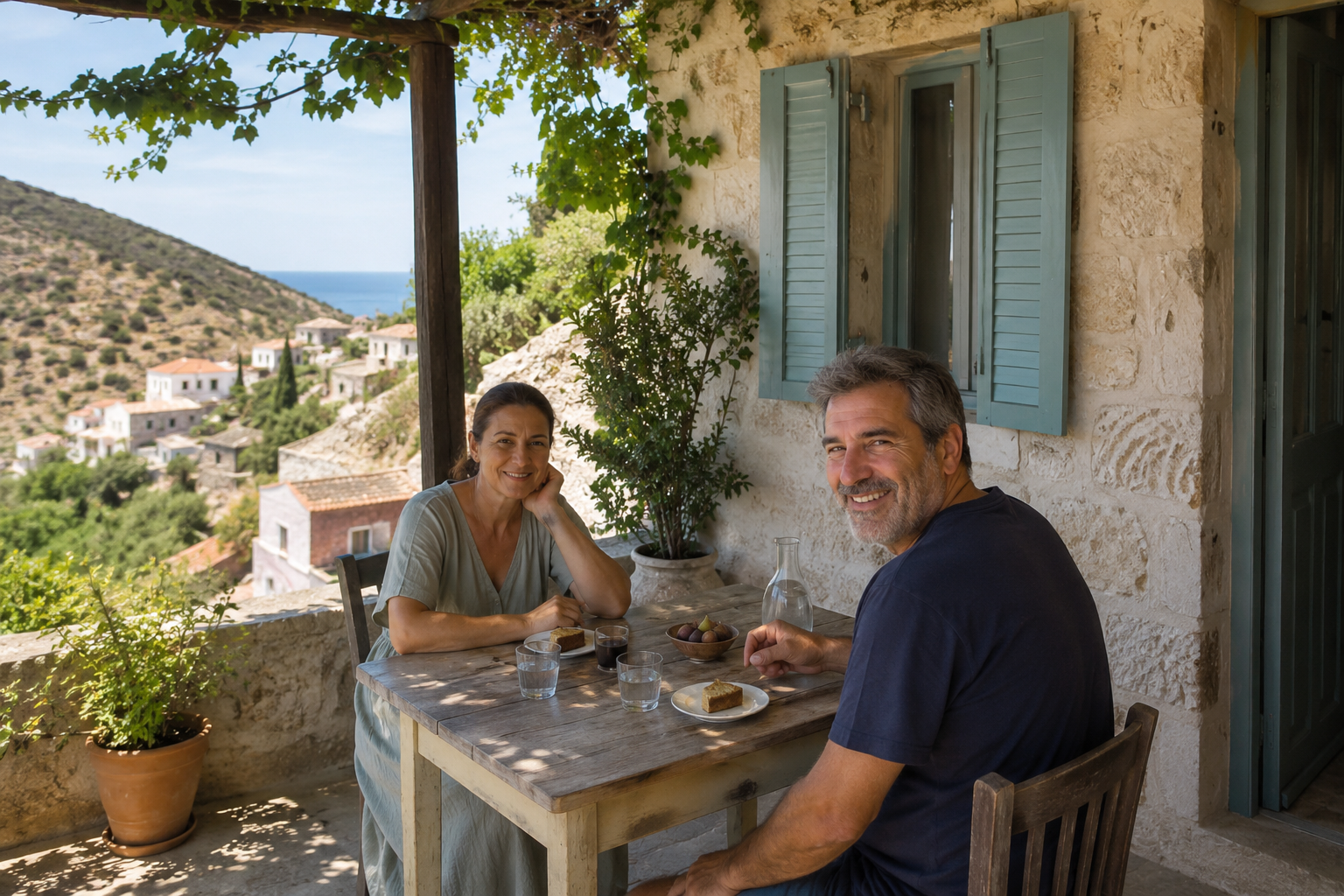
The exercise changed how I think about the cost of where I live, and the biggest lesson was about the things that do not appear on a receipt. The car that a car-built city forces on you, the medical bill that a private system leaves always possible, the tip stacked on every meal, these are the enormous hidden costs that make a simple price comparison lie, and they nearly all run against the American side of the ledger.
The second lesson was about the small and the steady. Madrid did not win through any single spectacular bargain but through a hundred modest ones, the cheap coffee and the cheap metro and the cheap market vegetables and the cheap phone bill, each trivial alone but relentless together. A good, affordable daily life is built less from occasional big savings than from the ordinary things costing a little less, over and over, every single day.
The last lesson was the hardest to put in a spreadsheet, which is that cost and value are not the same. My Madrid month was cheaper than the Dallas reconstruction, and that alone would have been a satisfying result, but the deeper finding was that it was cheaper while also being, by almost every measure I care about, a nicer way to live. That is the number the accounting could not produce and the one that matters most. Thirty days of tracking every euro told me exactly where my money goes, and then quietly told me something larger, which is that here it goes further and buys more life. The spreadsheet, in the end, answered a smaller question than the one I really cared about. It told me precisely that Madrid was cheaper, and by how much, and in which categories, which was satisfying in the way that hard numbers always are. But the thing it could not measure, the ease and pleasure and security folded into those cheaper numbers, turned out to be the real answer, and it pointed the same way the totals did.

About the Author: Ruben, co-founder of Gamintraveler.com since 2014, is a seasoned traveler from Spain who has explored over 100 countries since 2009. Known for his extensive travel adventures across South America, Europe, the US, Australia, New Zealand, Asia, and Africa, Ruben combines his passion for adventurous yet sustainable living with his love for cycling, highlighted by his remarkable 5-month bicycle journey from Spain to Norway. He currently resides in Spain, where he continues sharing his travel experiences with his partner, Rachel, and their son, Han.