
For years, a particular scandal played out in the back alleys of French supermarkets. At closing time, unsold food that was perfectly edible, close to its date but still good, would be hauled to the bins, and some stores went further, pouring bleach over the discarded food to stop people from scavenging it. Homeless people picked through the dumpsters anyway. And a young local councilor near Paris, watching them do it, decided this was intolerable and set out to change the law.
He succeeded. In early 2016, France passed a groundbreaking law that made it illegal for large supermarkets to destroy unsold but still edible food, requiring them instead to donate it. France became the first country in the world to ban supermarket food waste in this way, and the law has since been studied, praised and copied abroad. It changed where the unsold groceries of a nation go, redirecting a river of food that used to end in the trash toward the people who needed it.
Here is what the French food waste law really requires, how it works in practice, where the rescued food goes, and what it has and has not achieved. This is general information rather than legal advice, and the law has been amended and extended since it passed, but its core remains a landmark in how a country decided to treat food.
The Scandal That Started It
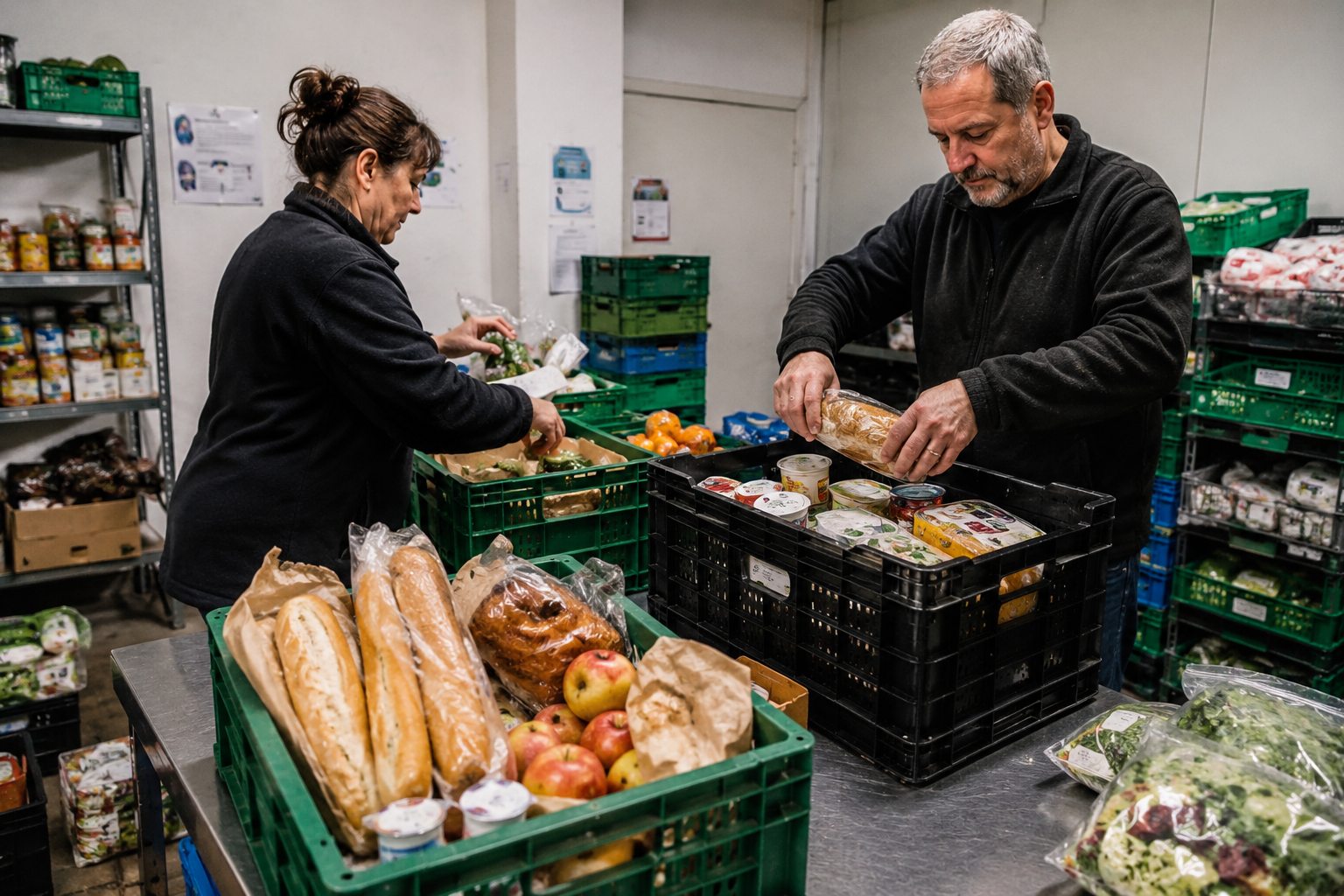
The law has an origin story, and it matters. The campaign was driven by Arash Derambarsh, a local councilor in the Paris suburb of Courbevoie, who was appalled by the sight of homeless people scavenging in supermarket bins for food the stores had thrown away. He began by collecting unsold food himself and handing it out to those in need, then launched a petition that gathered enormous public support and built the momentum that carried the idea into national law.
What made the waste especially galling was how deliberate some of it was. To stop people from taking discarded food from their bins, some supermarkets had taken to dousing it with bleach, destroying edible food on purpose to keep it out of hungry hands. The politician who sponsored the bill in parliament called it scandalous to see bleach poured into supermarket dustbins alongside good food, and that image became the emotional engine of the whole campaign.
The underlying numbers gave the outrage substance. France was throwing away enormous quantities of food each year while people went hungry, a contradiction that struck many as both wasteful and indefensible, edible food destroyed on one side of a city while people went hungry on the other, and the government had already set a goal of cutting national food waste in half. The bleach in the bins was simply the most vivid symbol of a much larger problem, and it gave reformers exactly the story they needed. There is a reason this particular detail did the political work. A statistic about tonnes of waste is abstract and easy to ignore, but the image of someone deliberately ruining edible food so that a hungry person could not eat it is visceral and impossible to defend. The campaign succeeded in large part because it found a symbol that made an ordinary business practice look like what it was, which was cruel.
What the Law Requires
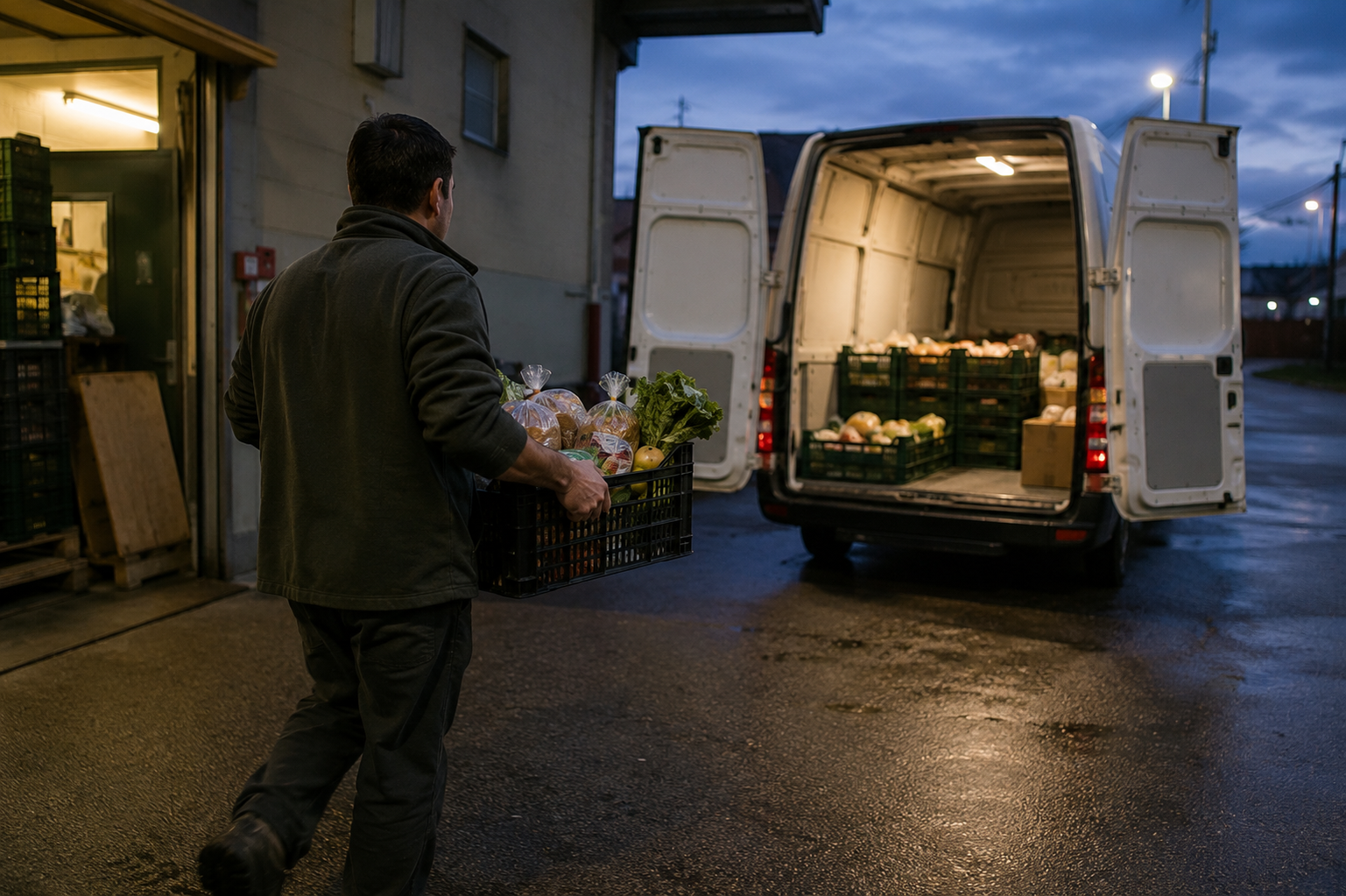
The law itself is more specific than the headlines suggest, and understanding its mechanics matters. It applies to larger supermarkets, those above a size threshold of several hundred square meters, and it forbids them from deliberately destroying or spoiling unsold food that is still fit to eat. The old practice of binning and bleaching edible stock became, quite simply, illegal.
In place of destruction, the law imposes an obligation to arrange donation. Covered supermarkets must sign a formal contract with a charity or food aid organization to hand over their unsold but edible food, establishing an ongoing relationship rather than a one-off gesture. A store that fails to put such an arrangement in place, or that destroys food instead of donating it, faces fines for each infraction. The penalty gave the requirement teeth.
There are important limits to what the law compels, and they are worth stating clearly. It does not dictate how much food a store must donate, so in principle a small fraction could satisfy the letter of the rule, and it obliges supermarkets to offer the food rather than forcing charities to take everything. What it changed decisively was the default. Destroying edible food went from a routine business practice to a legal offense, and donation went from optional charity to standing obligation. That shift in the default is the law’s real genius, and it is subtler than a simple ban. By making donation the path of least resistance and destruction the punishable exception, the law harnessed the ordinary incentives of a business to do the humane thing. A store manager now finds it easier and safer to hand surplus food to a waiting charity than to throw it away, which is exactly the behavior the law wanted to produce.
The Food Waste Hierarchy
The French law did more than ban destruction, because it also established a clear order of priorities for surplus food, a ladder that shapes where everything goes. This hierarchy sets out, in order of preference, what should happen to food that will not be sold, and it is the logic underneath the whole system.
At the top sits prevention, reducing the surplus at the source through better ordering and management so that less food goes unsold in the first place. Below that comes donation for human consumption, redirecting edible surplus to people through charities and food banks, which is the heart of the law. Only when food is no longer fit for people does it move down to the next rungs, animal feed, and then composting or recovery for agricultural use and energy.
The point of the hierarchy is that destruction and landfill sit at the very bottom, the last resort rather than the convenient default they had been. By codifying this order, the law reframed surplus food as a resource to be directed to its highest use rather than a nuisance to be disposed of as cheaply as possible. Feeding people comes first, and only what truly cannot feed people is allowed to slide down toward waste. This ordering sounds obvious once stated, yet the old system inverted it constantly, sending perfectly edible food to landfill because that was the cheapest and simplest thing to do. The hierarchy’s value is that it makes the humane order the legal order, so that a supermarket cannot skip straight to the dumpster when a food bank is willing to take the surplus. Convenience no longer outranks feeding people.
Where the Groceries Go
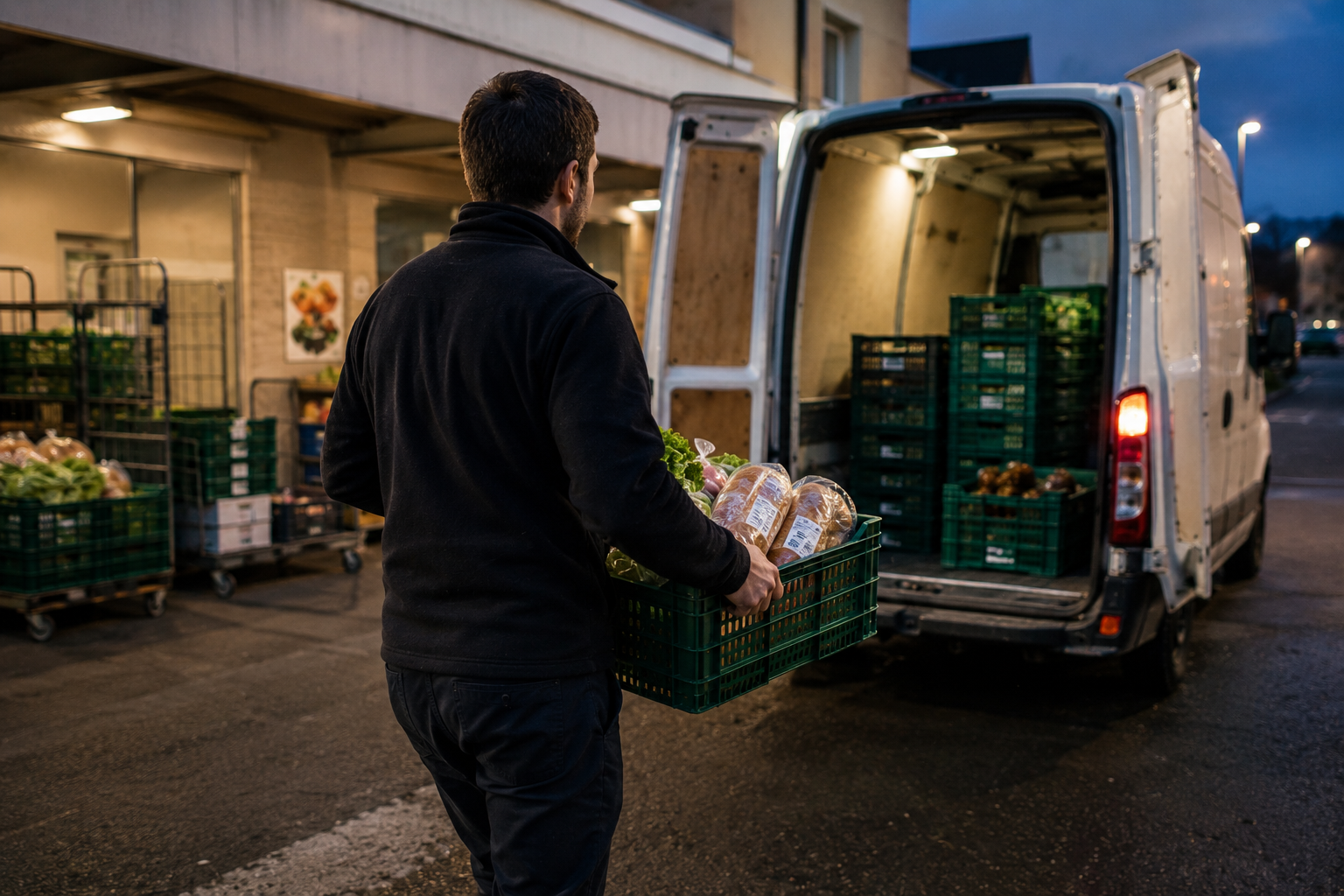
So where does the rescued food end up? Overwhelmingly, it flows to France’s network of food banks and charities, which redistribute it to people in need. The Banques Alimentaires, the French food bank network, along with major charities like the Restos du Coeur, receive the donated surplus and channel it to the millions of people who rely on food aid across the country.
The daily reality of this is a quiet logistical operation repeated across France. Each morning, drivers from food banks arrive at supermarkets to collect the previous day’s unsold stock, the fruit, vegetables, bread and dairy that can no longer be sold but remain good to eat for days, loading it up and carrying it to distribution points. What used to be a trip to the dumpster became a delivery run to the hungry, playing out at thousands of stores. The relationships behind these runs matter as much as the food. Because the law requires an ongoing contract rather than a casual handoff, supermarkets and charities built stable partnerships, with regular schedules, agreed standards and the trust that lets fresh and perishable food move quickly enough to still be good. A reliable daily pickup is worth far more to a food bank than an unpredictable pile of whatever happened to be left over.
The scale of the redirected food is substantial. The French food bank network came to receive a large share of its donations from grocery stores as a direct result of the law, with supermarket donations becoming a cornerstone of how the country feeds its poorest. Beyond the raw quantity, the nature of the food improved, because the system now delivers more fresh produce and more items further from their expiration dates than the old ad hoc charity ever did.
The Date Label Problem Underneath
Part of why so much good food reached the bins in the first place lies in how food dates are labeled, and the law bumped up against this directly. Much of the surplus that supermarkets discarded was not spoiled at all but simply approaching a printed date, and the confusion between different kinds of dates drives an enormous amount of needless waste across the whole food system.
The crucial distinction is between a use-by date, which is a genuine safety limit on perishable items, and a best-before date, which is only a marker of peak quality after which food is often perfectly safe to eat for days or weeks. Vast quantities of food are thrown away the moment a best-before date passes, by shops and shoppers alike, even though the contents remain good, because the label is misread as a deadline rather than a suggestion.
The food waste law works with this reality rather than against it. By pushing supermarkets to donate packaged goods before their dates rather than binning them after, and by moving surplus quickly into the hands of charities who understand the difference, the system rescues a great deal of food that is nowhere near unsafe. The rescued sandwich or yogurt is not a risky handout but a good product caught before an overcautious date label could send it to the trash.
There is a consumer lesson folded into this that reaches beyond supermarkets. Households throw away far more food than shops do, much of it for the same reason, a misread date on something still perfectly edible. Understanding that best-before is about quality and use-by is about safety is one of the simplest ways an ordinary person can waste less, and it is the same insight the French law built into national policy.
What It Has and Hasn’t Achieved
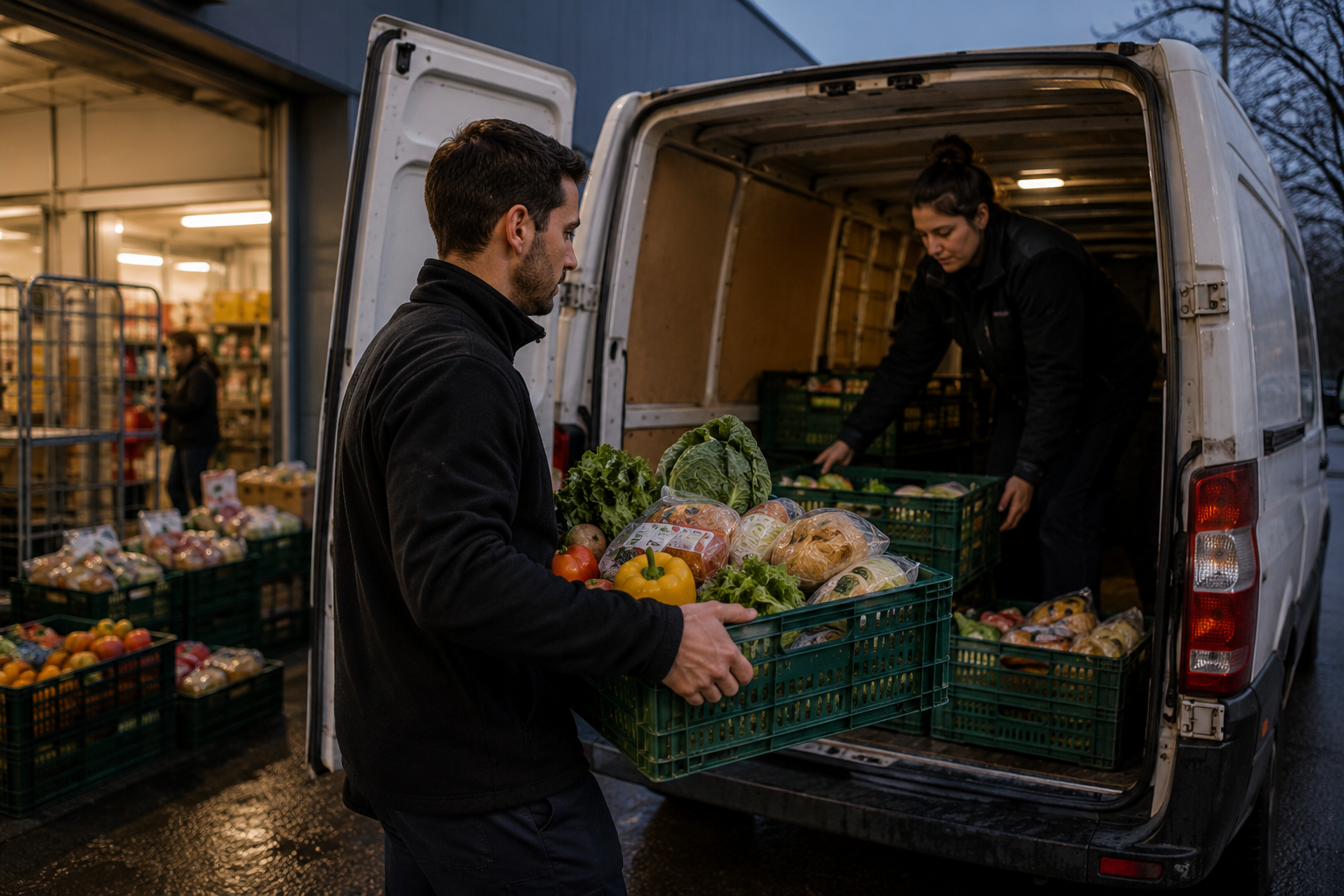
The honest assessment of the law is that it accomplished a great deal while falling short of the miracle some headlines implied. On the positive side, donations rose meaningfully, with reported increases of around thirty percent in the period after the law, and the share of supermarkets donating their unsold food climbed from roughly two thirds before the law to more than ninety percent within a couple of years. The behavior of an entire sector shifted.
The improvement in quality mattered as much as the quantity. Because the law pushed stores to sort their surplus and hand over packaged goods before their expiry rather than after, food banks received better, fresher, safer donations, and some wasteful contracts that prevented manufacturers from donating were swept away. One food bank chief described receiving tens of thousands of sandwiches a month that had previously been thrown away. Details like that capture what the law changed better than any percentage. Somewhere a manufacturer had been making sandwiches for a supermarket under a contract that forbade donating the unsold ones, so they were destroyed by the thousand every month, and the law swept that absurdity away. Multiply that single example across a whole country’s worth of contracts and stores, and the scale of the rescued food becomes clear.
The limits are real too, and worth stating plainly. Large supermarkets account for only a modest share of total national food waste, with households, restaurants, farms and manufacturers responsible for far more, so a law targeting big stores addresses only a slice of the problem. Some critics argued the law changed the media conversation more than the underlying behavior, since many stores were already donating. The law was a powerful start and a moral statement rather than a complete solution, and France has spent the years since extending its logic to other parts of the food chain.
The Idea That Spread
Perhaps the law’s greatest effect has been beyond France’s borders, because it turned an idea into a proven model that other countries could follow. By being first, France demonstrated that a supermarket food waste ban was workable rather than merely idealistic, that stores could be made to donate without collapse and that the rescued food would truly reach people, and that demonstration gave reformers elsewhere something concrete to point to. Before France acted, opponents everywhere could dismiss such a ban as naive, a nice idea that would founder on the realities of retail. Afterward, that argument was much harder to make, because a large and demanding country had done it and its supermarkets had carried on functioning.
The influence has been wide. Other European countries moved to adopt similar measures, campaigners across the world cited the French law as a template, and the European Union broadly pushed member states toward the same food waste hierarchy the French law embodied. A councilor’s petition in a Paris suburb ended up shaping food policy far beyond the country where it began.
There is a larger lesson in the story that reaches past food. France looked at a practice that was legal, routine and quietly monstrous, the deliberate destruction of good food while people went hungry, and simply decided that it would no longer be allowed. The law did not solve hunger or end all waste, and it never claimed to. What it did was redraw the line of what a society will tolerate, moving the destruction of edible food from the category of ordinary business into the category of things you may not do, and then showing the rest of the world that the sky did not fall on the supermarkets forced to comply. Where the unsold groceries go now is to people, and that is because a country decided the bin was the wrong answer. It is a small idea with a long reach, and it began with one man watching another pick through the trash.

About the Author: Ruben, co-founder of Gamintraveler.com since 2014, is a seasoned traveler from Spain who has explored over 100 countries since 2009. Known for his extensive travel adventures across South America, Europe, the US, Australia, New Zealand, Asia, and Africa, Ruben combines his passion for adventurous yet sustainable living with his love for cycling, highlighted by his remarkable 5-month bicycle journey from Spain to Norway. He currently resides in Spain, where he continues sharing his travel experiences with his partner, Rachel, and their son, Han.