
A newcomer to Spain almost always hits the same wall in the first weeks. They go to sign up for public healthcare and are told they need to be registered first. They try to enroll a child in school and hear the same thing. They go to exchange a driver’s license, apply for a residency card, or open certain doors at a bank, and the clerk asks for one document they have never heard of. That document is the empadronamiento, and until you have it, a surprising amount of Spanish life is simply closed to you.
The word is a mouthful and the idea sounds bureaucratic, but the concept underneath is plain. The empadronamiento is your registration at the local town hall confirming that you live where you say you live. It is the foundation stone of officialdom in Spain, the thing almost every other procedure quietly rests on, and getting it should be close to the first thing a new arrival does.
Here is what it is, everything it unlocks, and exactly how to get it, explained without the jargon that usually surrounds it.
What the Padrón Is
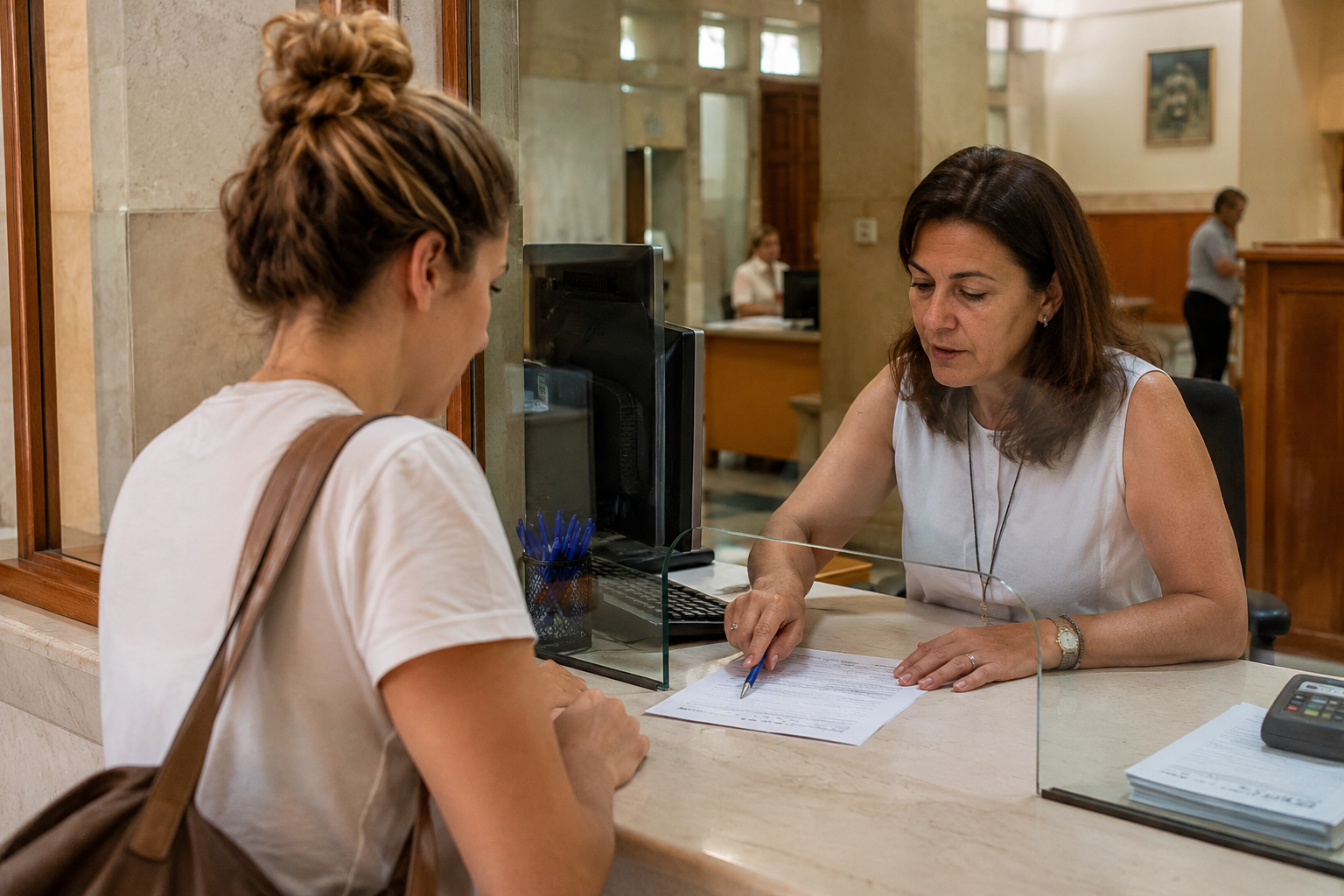
Every Spanish town and city keeps a municipal register of its residents called the padrón municipal, run out of the ayuntamiento, the town hall. To be on it is to be empadronado, registered, and the certificate proving it is your evidence, recognized across the whole of Spanish administration, that you are a resident of that municipality at a particular address.
The register is old and serious business. Spain has counted its population this way for centuries, and the padrón is still how the country knows how many people live where. That matters to your town hall for a very concrete reason. National funding is handed to municipalities partly on the basis of how many people are registered in them, so every person on the padrón is money and political weight for the local council. Town halls generally want you registered rather than throwing up obstacles to it.
The register is continuous by design. People sign on when they arrive and sign off when they leave, and the running total is the municipality’s official population at any given moment, updated in the background as a town’s residents come and go over the years.
It helps to be clear about what the padrón is not, because the confusion causes real trouble. Being registered on the padrón is not the same as holding legal residency in Spain, and it is not the same as being a tax resident. It is a municipal record of where you physically live, nothing more. You can be registered without a residency permit, and you can be registered without owing Spanish tax on your worldwide income. Those are separate questions decided by separate authorities entirely.
That separation cuts both ways and is worth holding onto. The padrón does not grant you the right to live in Spain, and it does not by itself pull you into the Spanish tax net. It simply establishes, on the public record, the fact of where your home is. An astonishing number of other things then turn out to depend on that single established fact.
Everything It Unlocks
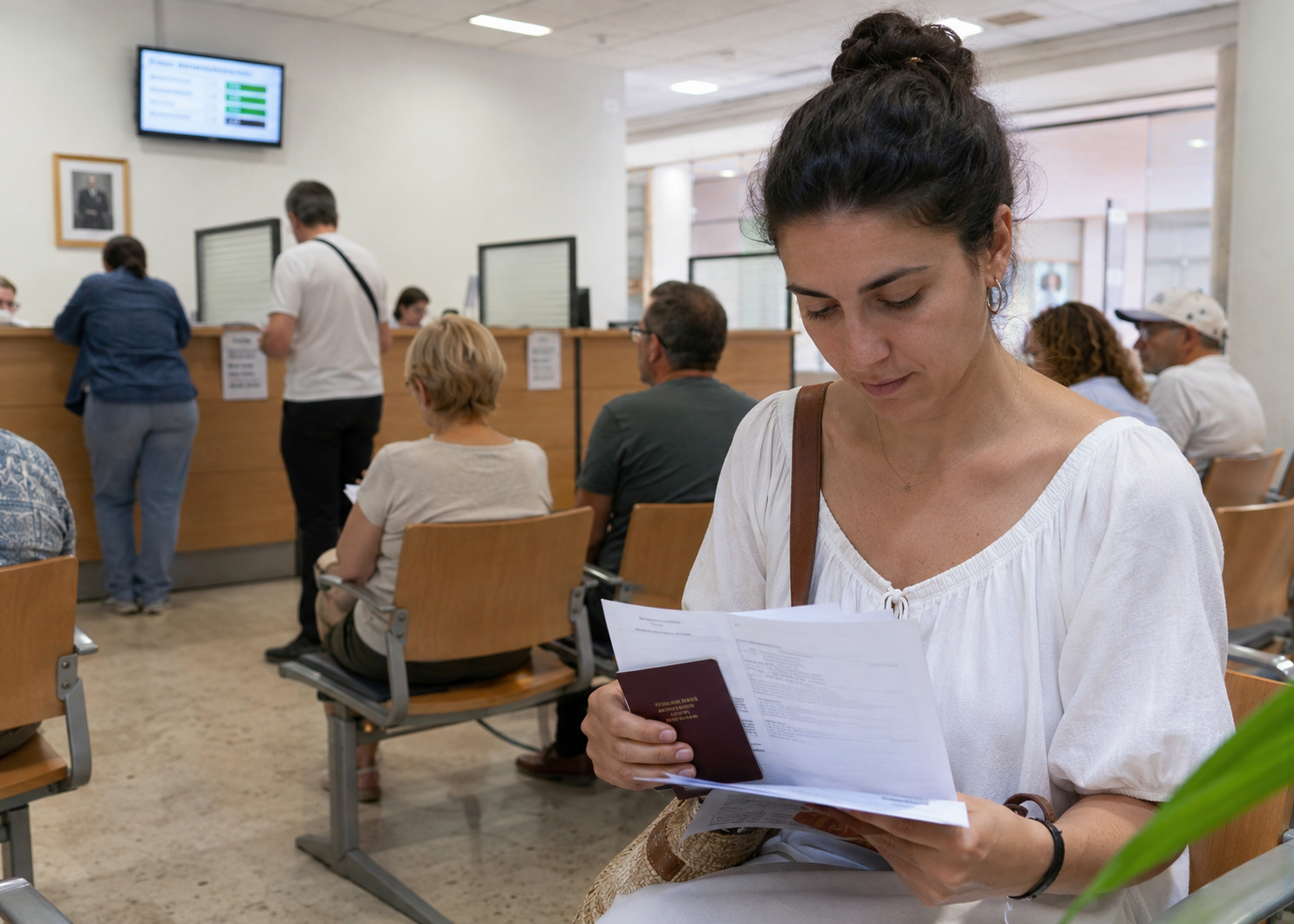
The reason the empadronamiento matters so much is that it is the key the rest of the system is built around. Start with healthcare. To register with a local health center, the centro de salud, and receive your public health card, the tarjeta sanitaria, you must first be on the padrón, because the health system assigns you to a clinic based on where you live. No padrón, no assigned doctor and no card.
Schooling runs the same way. Places in state schools are allocated by catchment area, so enrolling a child depends on proving which area you live in, which the padrón does. Families moving to Spain quickly learn that the school application and the town hall registration are two halves of the same errand, and that skipping the second stalls the first.
The list runs long from there. The padrón is required, at one stage or another, to apply for or renew a foreigner identity number and residency card, the NIE and TIE, to apply for permanent residency and eventually Spanish nationality, to exchange or obtain a driving license, to register a car, to get married in Spain, to reach municipal social services, and, for those eligible, to vote in local elections. In case after case the clerk’s first question is whether you are empadronado, and the certificate is what ends the conversation and lets the real business begin.
None of these doors will open without it, which is why experienced expats give newcomers the same advice on arrival. Before you chase the healthcare card or the residency appointment or the school place, get on the padrón, because every one of those things will send you straight back to the town hall the moment you try to proceed without it.
The Volante and the Certificado
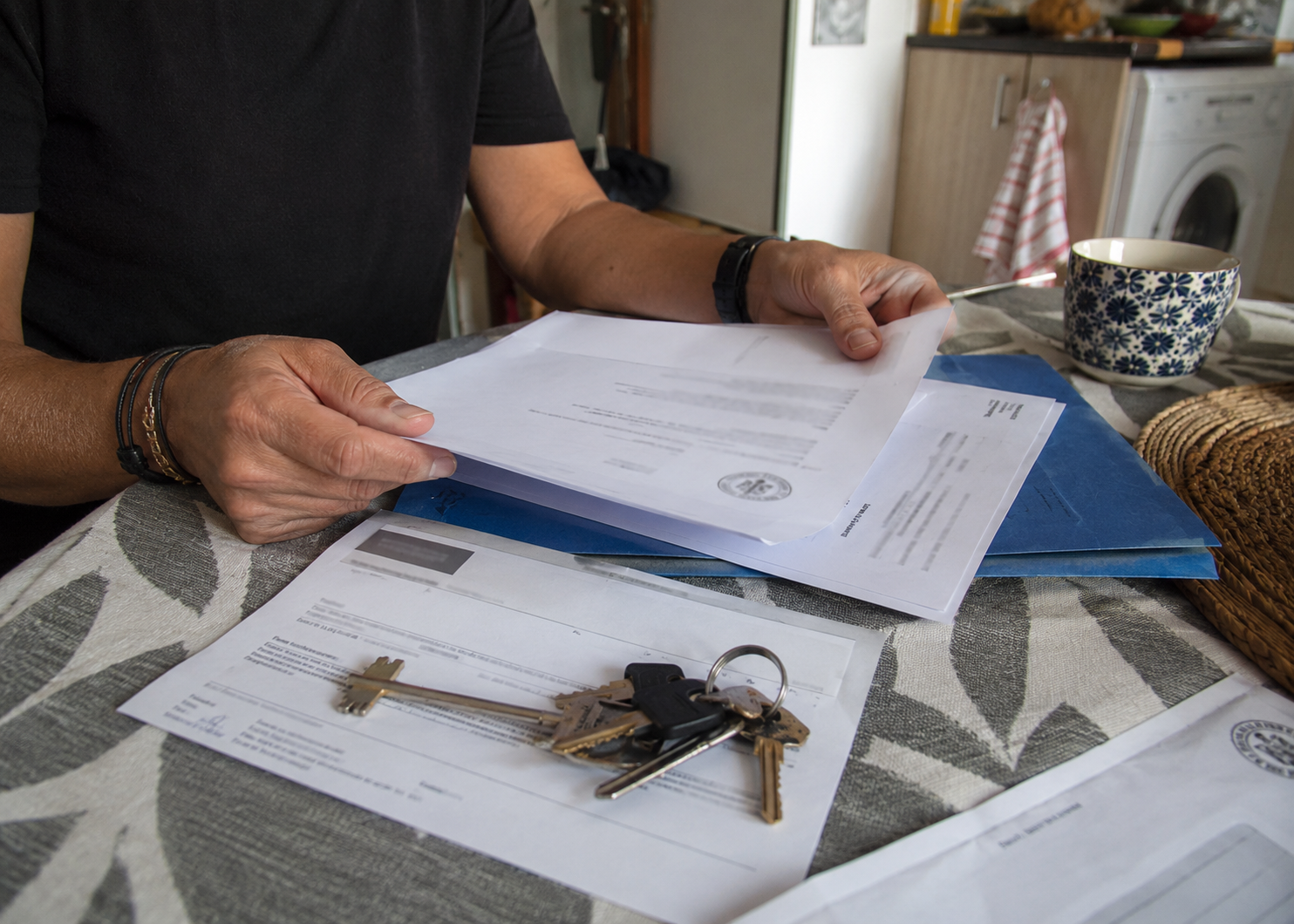
There are two versions of the proof, and knowing which one you need saves a wasted trip. The volante de empadronamiento is the informational version, a simple printout confirming your registration. It is fine for most everyday purposes, the routine occasions where an office just needs to see that you are registered somewhere in the municipality.
The certificado de empadronamiento is the formal, official version, stamped and signed by the town hall. You need the certificado rather than the volante for the weightier legal procedures, the ones with real consequences, such as applying for Spanish nationality, getting married, or anything that goes before a court or a national authority. When a process is serious, it wants the certificate, not the printout, and turning up with the wrong one means coming back.
There is also a distinction between an individual certificate, covering only you, and a collective one, the colectivo, covering everyone registered at the same address, which is useful when a whole family needs to prove they live together under one roof. The town hall can issue either, so it is worth knowing which your particular procedure requires before you queue.
The detail that catches people out is freshness. Many of the important procedures, nationality above all, demand a padrón certificate issued within the last three months. An old certificate from when you first registered will not do for these. The register itself does not expire from one request to the next, but the paper proof has a shelf life for official purposes, so you often request a fresh certificate specifically for the procedure at hand rather than reusing the one in your drawer.
How to Register
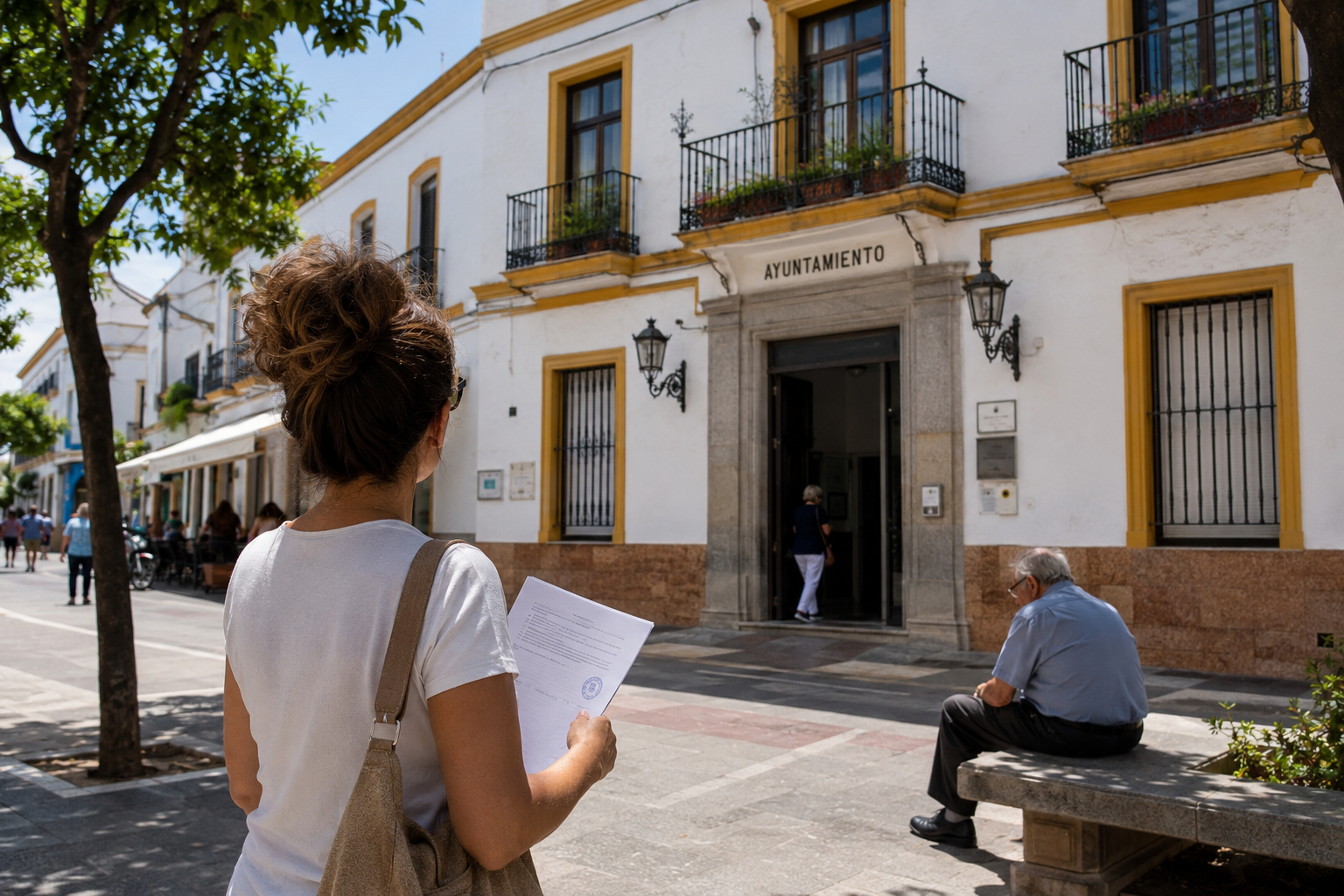
The mechanics are simpler than the reputation suggests, though they vary a little from one town hall to the next. The usual first step is to book an appointment, a cita previa, through the ayuntamiento, since most now run on appointments rather than walk-ins, and in the busier cities those appointments can take a few weeks to come up. Some smaller municipalities still allow you to walk in, and a growing number let you register online or by post.
You bring three kinds of thing to the appointment. First, identification, your passport and, if you have it, your NIE. Second, the completed registration form, which the town hall provides. Third, and this is the part that trips people, proof of the address you are registering at. That proof is usually a rental contract in your name, the deed if you own the property, the escritura, or in some towns a recent utility bill showing your name and the address.
If you are living in someone else’s home, staying with family or renting a room informally, you register using the owner’s or main tenant’s written authorization together with their own proof of address, which lets you be added to that household on the register. The system is designed to reflect where people really live, so it reflects the common reality of new arrivals who do not yet hold a lease of their own.
The registration is generally free, or carries only a nominal charge, and this is the point worth repeating for anyone anxious about their immigration status. You can and should register on the padrón regardless of that status. The padrón records residence, not legal permission to be in the country, and being on it is precisely how people without settled status still reach healthcare and school for their children. Town halls register people on this basis as a matter of routine.
The register runs on two simple acts, the alta when you sign on at an address and the baja when you leave it. Move house within Spain and you re-register at the new address, and the town hall handles the switch, so the padrón always mirrors where you currently live rather than where you first landed. Moving to a different municipality means a fresh alta at that town hall, which quietly updates your assigned health clinic and your children’s school catchment along with it. Keeping the address current is not optional housekeeping, and it is what keeps every service attached to the padrón pointed at the right place.
The Perks People Miss
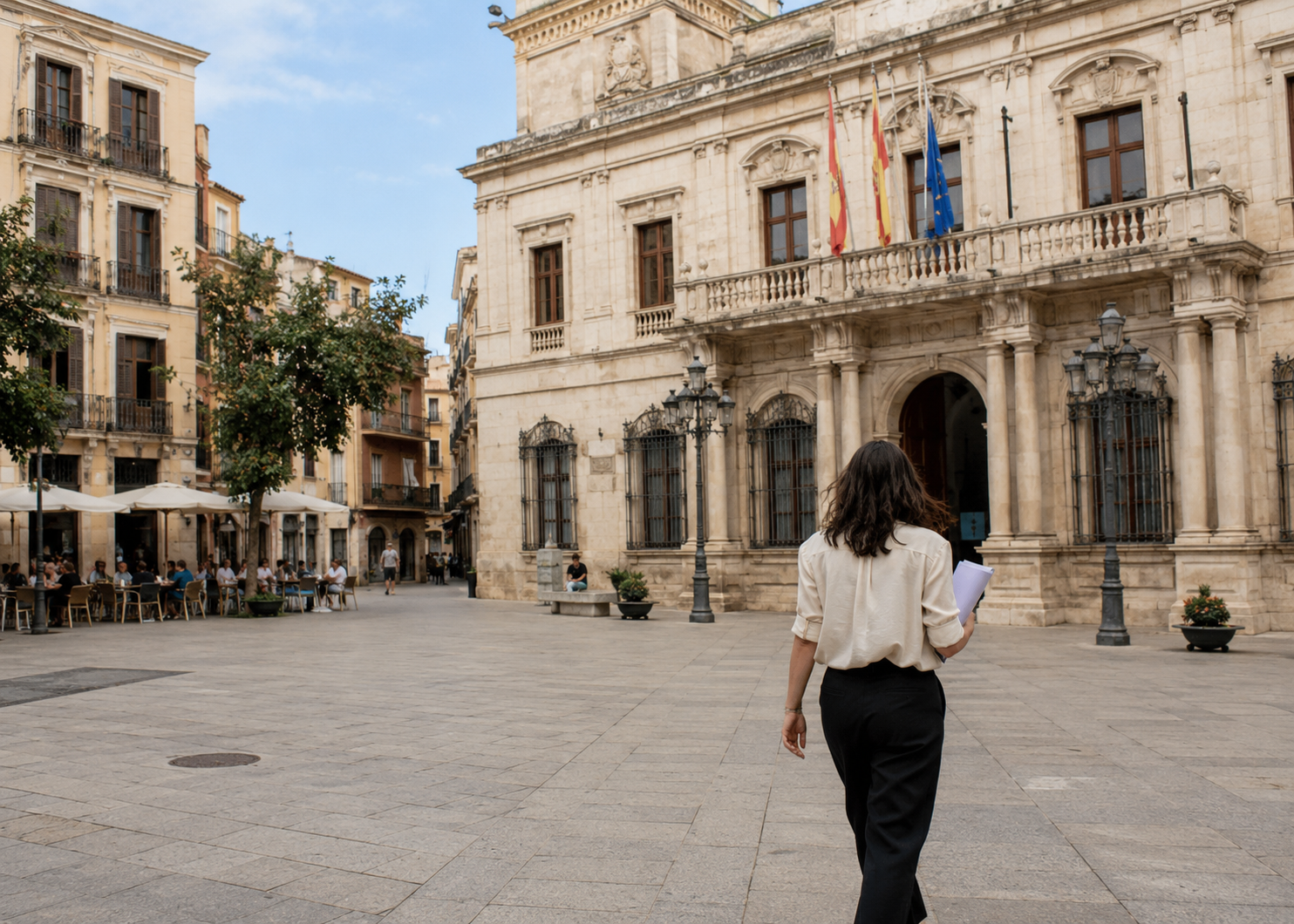
Beyond the big unlocks, the padrón carries a set of smaller benefits that many residents never realize they are entitled to. Registration is what makes you a resident in the eyes of the municipality, and residents get things visitors do not. Discounted or free entry to many municipal museums and monuments, resident rates on local swimming pools and sports centers, and access to the public library network all flow from being on the register.
Transport is a common one. Cities often reserve their cheapest travel passes and their resident parking zones for people registered in the municipality, so the padrón can quietly lower the cost of getting around. In some places a registered resident pays noticeably less for the same monthly transport pass than a visitor would. In Madrid, for instance, residents registered in the city reach a range of municipal cultural sites and services on better terms than a day-tripper, and the padrón is the proof that separates the two at the ticket window.
The most dramatic version of this belongs to people living on the islands. Residents of the Canary and Balearic islands are entitled to a large discount, on the order of 75 percent, on flights and ferries between the islands and the mainland, a benefit that rests on proving island residence, which begins with the padrón. For an islander who travels to the peninsula even a few times a year, that single entitlement can be worth far more than any of the paperwork cost to obtain.
The register even shapes the country’s politics and budgets in the background, since it feeds the official population count that determines local funding and representation. Being on it is not only useful to you. It is, in a small way, how your neighborhood gets counted and resourced at all.
The Part That Trips People Up
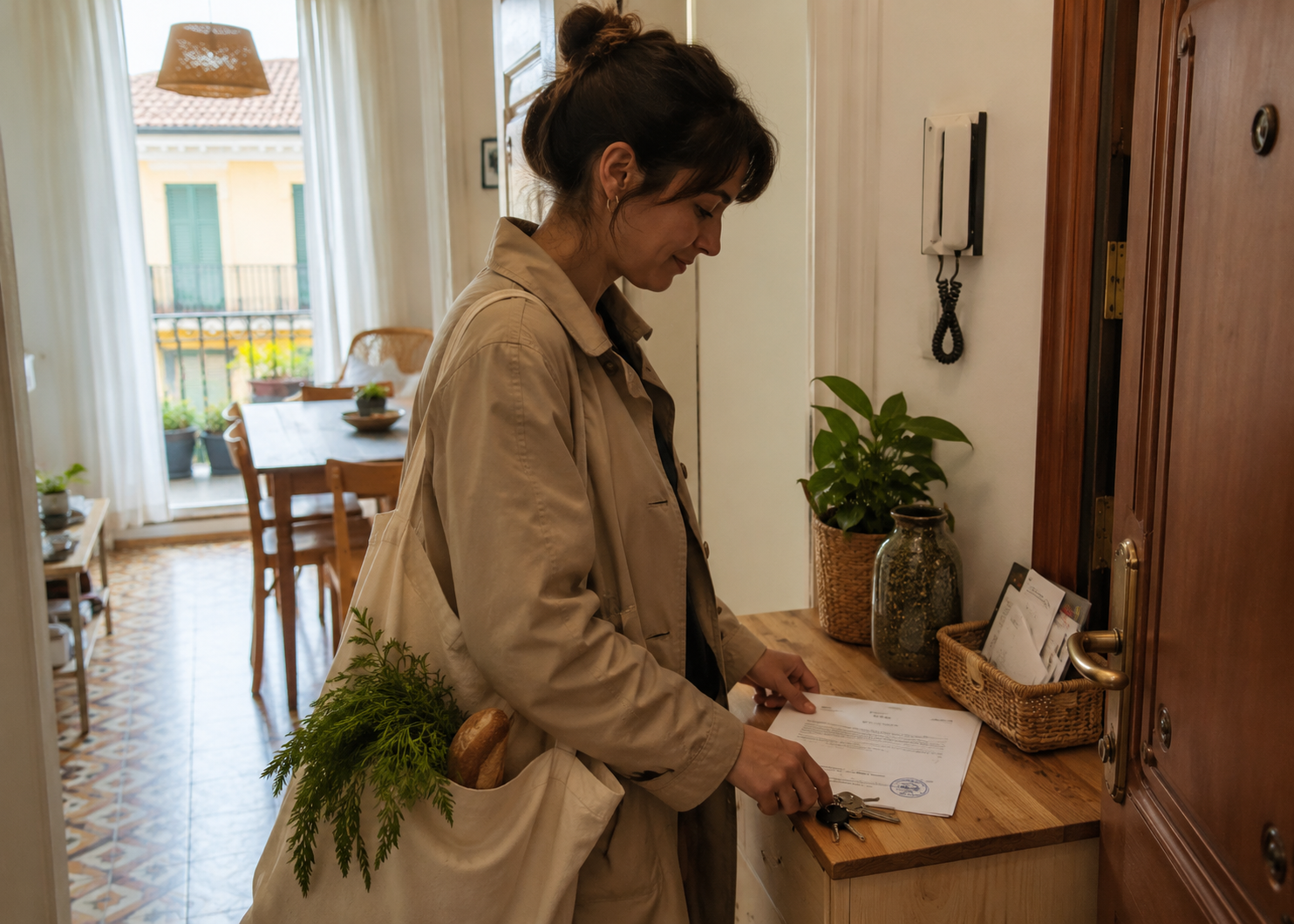
For all its usefulness, the empadronamiento comes with a few traps worth naming in one place. The first is the renewal people forget. Registration is not permanent for everyone. Non-EU residents without long-term permits generally have to confirm or renew their padrón every two years, and if they let it lapse the town hall can remove them from the register, which then quietly breaks all the things the padrón was propping up. EU citizens face a longer cycle, but the principle is the same. The register has to be kept current.
The second trap is the proof of address itself. People subletting without a formal contract, or staying with a friend who is reluctant to sign an authorization, can find themselves genuinely stuck, unable to register because they cannot document where they live, and therefore unable to reach the services the padrón unlocks. It is the single most common reason a registration stalls, and it is worth sorting out the paperwork of your living situation early rather than discovering the gap at the counter.
The third is simply managing expectations about pace. This is Spanish local bureaucracy, and it moves at its own speed. Appointments can be slow to come up in a big city, requirements differ from one ayuntamiento to the next, and the person at the next town’s counter may ask for something yours did not. Patience and a folder of documents, originals and copies both, are the tools that get you through with the least friction. It helps to arrive with more paperwork than you think you need rather than argue a requirement at the window, since the rules are national but their interpretation is local, and the local interpretation is the one in front of you on the day.
None of these obstacles is a reason to put it off. They are reasons to start early, because every one of them takes time to resolve, and the padrón sits at the front of a long queue of other procedures that cannot begin until it is done.
Do This First
If there is one piece of practical advice for anyone moving to Spain, it is to treat the empadronamiento as the first errand on the list rather than one to get to eventually. Almost everything else, the healthcare card, the residency card, the school place, the license, waits on the other side of it, and starting it late means every downstream step starts late too.
The process rewards a little preparation. Sort out proof of your address, book the cita previa the week you have somewhere to live, bring your passport and your documents in original and copy, and request the version, volante or certificado, that your next procedure requires. Get that right and the town hall visit is brief and unremarkable, which is exactly what you want from the document that everything else depends on.
The word will always be a mouthful, but the thing itself is straightforward once it is demystified. It is Spain writing down, officially, that this is where you live, and in a country where officialdom runs on that single fact, it is the small key that turns every larger lock. Get it early, keep it current, and most of the doors ahead of you open on the first try.

About the Author: Ruben, co-founder of Gamintraveler.com since 2014, is a seasoned traveler from Spain who has explored over 100 countries since 2009. Known for his extensive travel adventures across South America, Europe, the US, Australia, New Zealand, Asia, and Africa, Ruben combines his passion for adventurous yet sustainable living with his love for cycling, highlighted by his remarkable 5-month bicycle journey from Spain to Norway. He currently resides in Spain, where he continues sharing his travel experiences with his partner, Rachel, and their son, Han.