
For most of the twentieth century, sleeping in the afternoon was something a certain kind of American filed under the very old, the very young, and the frankly lazy. Then, in 2007, a large study out of Greece handed the afternoon nap a cardiology defense, and the people who had been quietly napping all along felt something close to vindicated.
The finding was striking enough to circle the world in a week. Greek adults who napped regularly were dying of heart disease at sharply lower rates than those who did not, and among working men the gap was enormous. For a habit long treated as a small moral failing, it read like an acquittal.
The truth, as usual, turned out to be more tangled than the headline that carried it. The study is real and its numbers are serious. But the science of napping did not stop in 2007, and the years since have complicated the picture in ways worth understanding before anyone reorganizes an afternoon around a pillow.
The Study Everyone Cites
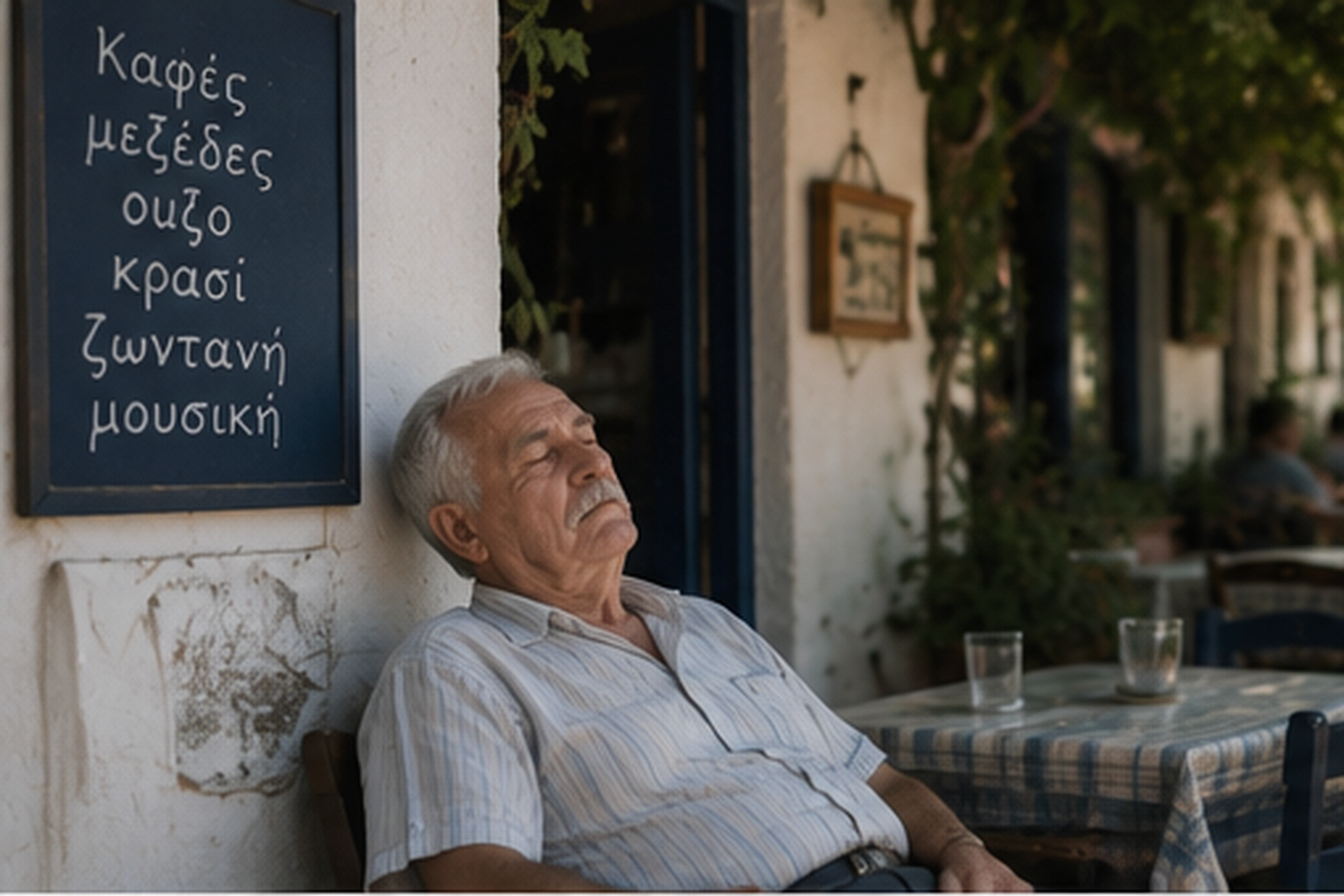
The paper came out of the Greek arm of a huge European health project, the EPIC cohort, and it followed 23,681 adults who at the outset had no history of heart disease, stroke, or cancer. Researchers led by Androniki Naska and Dimitrios Trichopoulos, working with the Harvard School of Public Health, tracked them for an average of just over six years and recorded who died of what.
The nappers did conspicuously well. After the team accounted for the usual confounders like diet and physical activity, people who napped at all had roughly a third lower rate of death from heart disease than those who never did. Those who napped systematically, meaning about half an hour at least three times a week, showed a 37 percent lower coronary death rate.
Among working men the effect was startling. Employed men who napped, whether occasionally or regularly, carried up to a 64 percent lower risk of dying from heart disease over the study than working men who never napped. The team could not run the same analysis for working women, because too few of them died during the follow-up for the numbers to mean anything.
The proposed explanation was stress. Trichopoulos suggested a midday nap might act as a small daily release valve on the cardiovascular strain of a pressured life, which fit the detail that the benefit ran largest in working men, the group carrying the heaviest load. The size of it impressed even the authors, who noted that if it held up, the nap would sit alongside diet and cholesterol drugs as a lever on heart disease, which is heady company for an afternoon lie-down.
The design is part of why the study still carries weight. By enrolling only people who were free of heart disease, stroke, or cancer when they signed up, the researchers tried to head off the most obvious objection, that sick people nap more, which would make napping look dangerous when it is really just a marker of illness already present. Starting from a healthy group does not erase that problem, but it blunts it, and it is a large part of why this remains the paper people reach for first, nearly two decades and many muddier studies later.
Where the Nap Culture Really Lives
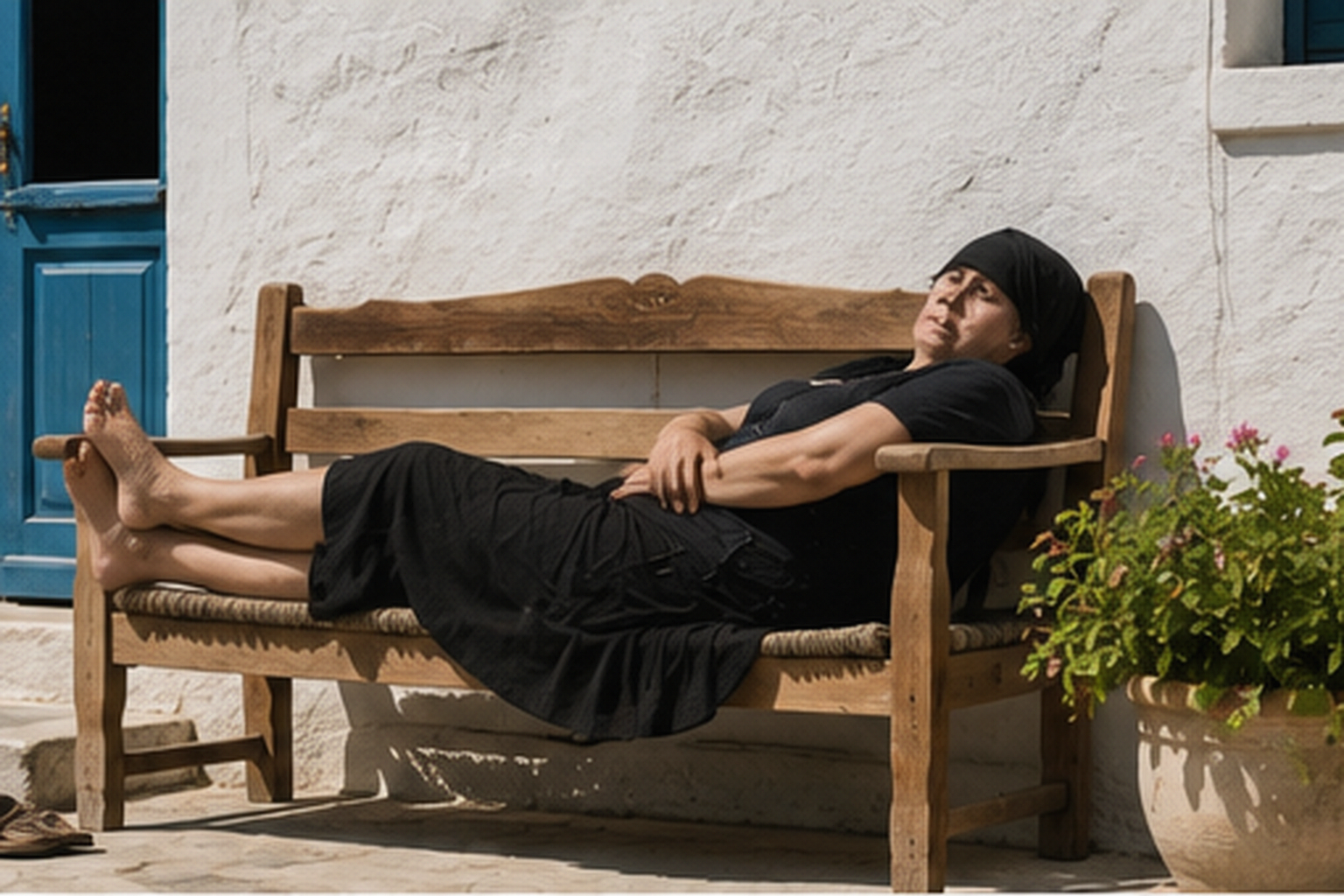
The habit the study described runs deep through the countries around the Mediterranean. The siesta, the early-afternoon rest taken during the hottest stretch of the day, shaped Spanish, Greek, and southern Italian life for generations, built around long lunches and split working days in a climate that made labor at midday a punishment.
The split day had a logic beyond comfort. Work through the cool morning, retreat from the fierce early-afternoon sun, then come back to it and stay out late into the mild evening, and you have shaped the whole day around the climate rather than against it. The nap was the hinge the day folded on.
Italy kept its own version, the riposo, the shuttered midday hours when small-town shops close and the streets fall quiet until the late afternoon. Travelers who did not plan for it still hit locked doors at two in the afternoon across much of the south, a whole working economy pausing on schedule to eat and rest before starting up again.
Nowhere is the image sharper than on the Greek island of Ikaria, one of the handful of places researchers tag a Blue Zone for the sheer number of residents who pass ninety in good health. Ikarians are famous for a life with almost no clocks in it, late mornings and long unhurried afternoons, with a nap taken whenever the body asks for one. They sleep in the afternoon without a flicker of guilt, because in their world the rest was never coded as laziness to begin with.
It is worth being precise about one thing the headlines tend to blur. The 2007 study was not a study of islanders or of Blue Zones in particular. It drew on the general Greek population, mainland and island alike. Ikaria is the vivid picture people pin to the finding, but the finding itself came from ordinary Greeks living ordinary Greek lives, which is arguably the more useful fact, since ordinary is what most readers have to work with.
Spain Is Quietly Losing Its Siesta
There is an irony worth naming before anyone romanticizes the whole region. Modern Spain, the country whose language handed the world the word siesta, has largely stopped taking one. Surveys in recent years have found that a majority of Spaniards rarely or never nap on a normal working day, with under 20 percent doing it daily and nearly six in ten never napping at all.
The reasons are ordinary and global. Long commutes into big cities, office hours that no longer break for three hours at midday, and a work culture converging on the northern European clock have squeezed the afternoon rest out of most people’s days. The long Spanish lunch break now survives more in memory, and in tourist expectation, than in the average Madrid office.
The slide has become enough of a public concern that Spanish health voices periodically campaign for a return of the short rest, framing it now as a wellness practice to be recovered rather than a birthright everyone still has. That reframing is its own quiet evidence of how far the habit has drifted from the default.
This matters for reading the science. It means the healthy nappers of the famous studies were not simply everyone in a hot country, but people whose lives were still built around the rest, in a setting that made it easy and unhurried. The habit and the health may travel together precisely because both grow from the same unhurried way of arranging a day. Pull the nap out of that context, into a stolen twenty minutes on an office sofa, and there is no guarantee the benefit comes with it.
The Part the Headline Left Out
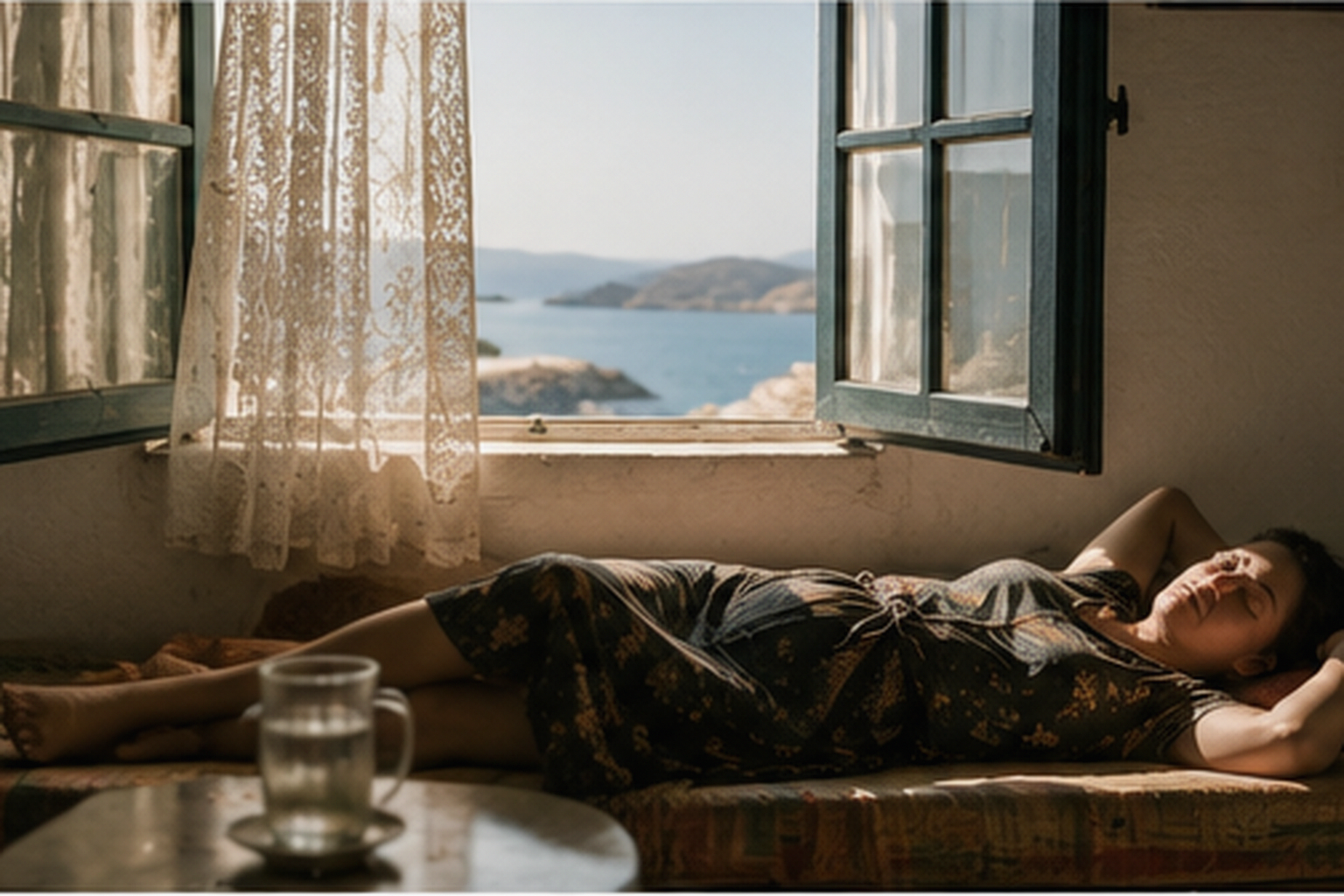
Here is where the clean story breaks down, and it rewards sitting with rather than skipping past. The 2007 result did not settle the question, because other large studies have found close to the opposite. Research in Israel and Costa Rica linked regular siestas to higher rates of heart disease and death rather than lower, and several more recent meta-analyses pooling many populations have concluded that frequent or long napping tends to track with worse cardiovascular outcomes overall.
Much of the discord comes down to who is napping and why. Where the siesta is a normal, scheduled rest, a nap is just a sign of a life running on its usual rhythm. A frequent napper in a place without that custom, though, may be resting because they are already unwell, exhausted, or sleeping badly at night, in which case it is the underlying trouble rather than the nap that lifts their risk. This is the reverse-causation trap that haunts the whole field. Because illness causes napping as readily as napping might cause illness, a bare correlation can point either way, and only studies that screen out the already-sick at the start, as the Greek one tried to do, can begin to separate them.
Duration turns out to matter enormously too. The Greek benefit clustered around short, regular naps of about half an hour. Much of the harm seen in the other studies clustered around long naps of an hour or more, which are far more often a symptom of disrupted nighttime sleep or hidden illness than a sign of health. One large pooled analysis found the risk rising specifically with naps beyond roughly an hour, while shorter ones carried no such penalty, which fits the duration story and cuts against the notion that all napping is one thing. Filing a twenty-minute rest and a two-hour afternoon collapse under the same word is a large part of why the literature looks so self-contradictory.
So the honest summary is narrower than the headline promised. A short, regular, culturally normal nap is at worst neutral for the heart and quite possibly good, especially for people under real stress. A long, irregular nap, particularly one you did not plan and could not fight off, is a different creature, and may be a signal worth raising with a doctor rather than a habit to celebrate.
Why Duration Decides It
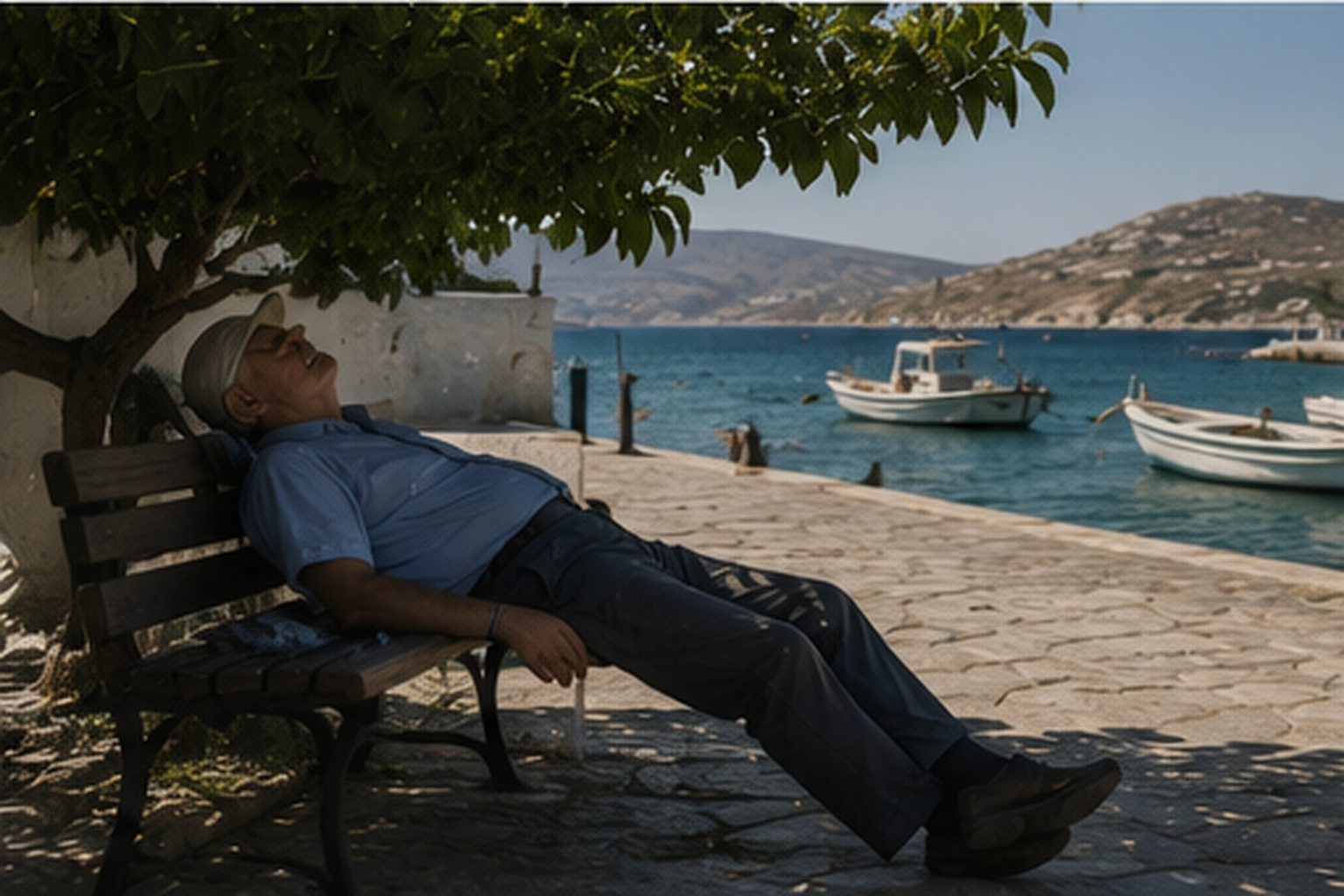
The sleep researchers who study napping have converged on a rough sweet spot, and it is short. A nap of about ten to thirty minutes taken in the early afternoon tends to deliver the good parts, a lift in alertness and mood and a modest easing of cardiovascular stress, without collecting the bad ones.
The reason lies in what a longer sleep does. Past roughly half an hour the body starts to sink into deep, slow-wave sleep, and being hauled out of that stage is what produces sleep inertia, the thick, groggy heaviness that can trail a long nap for an hour afterward. A short nap stays in the lighter stages and lets you surface clean.
The upside of the short version has been measured directly. Studies of shift workers and pilots find that a brief afternoon nap sharply improves reaction time and cuts errors for hours afterward, which is why some airlines and hospitals now build short, controlled naps into their most demanding schedules rather than pretending tired people can simply push through.
Timing counts nearly as much as length. The early-afternoon dip is real and built in, a genuine trough in the body’s circadian rhythm that shows up whether or not you ate a heavy lunch. The siesta cultures did not invent that drowsiness so much as choose to sleep through it rather than fight it off with a third coffee, and the traditional nap is timed precisely to that trough and finished well before evening. A nap taken too late in the day borrows against the coming night instead, which can start exactly the kind of downward spiral the harmful studies may be partly measuring.
None of this is secret knowledge in the places that nap. The folk practice and the sleep science point at the same narrow target, a short rest early in the afternoon, which is quietly reassuring to find even while the large-scale epidemiology keeps arguing with itself.
The Guilt Is the American Part
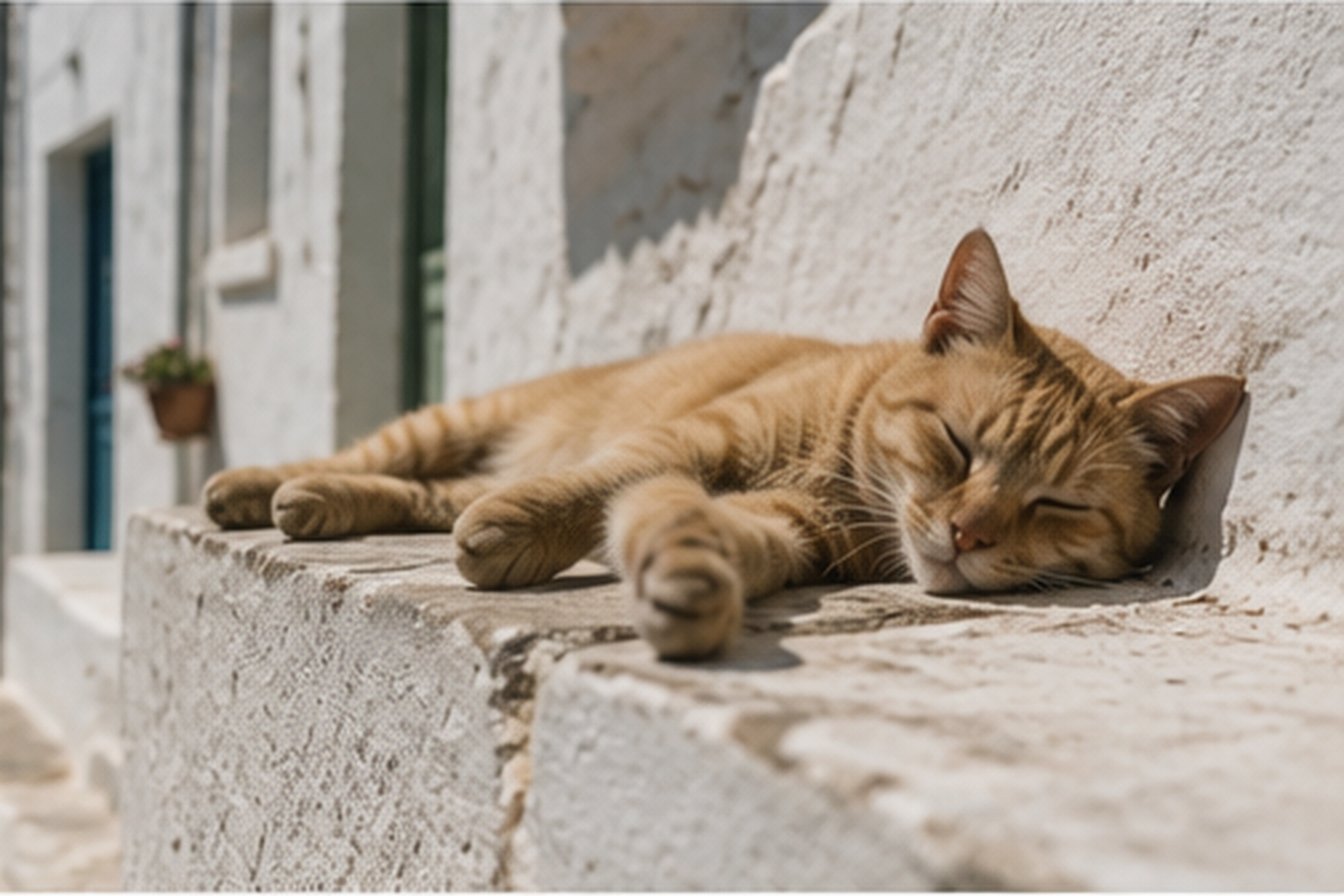
Strip the science away and a cultural difference remains, and it may be the most portable part of the whole subject. In much of the United States, napping still carries a residue of shame, a sense that a working-age adult asleep at two in the afternoon has somehow failed at being productive. The nap becomes a thing to hide, to apologize for, to wave off as a one-time lapse.
The Mediterranean attitude never attached that meaning. Rest in the middle of the day was simply part of being a person, no more shameful than eating lunch, and the whole society was arranged to make room for it rather than to raise an eyebrow. The guilt an American feels lying down in the afternoon is not some universal human reflex. It is a specific and fairly recent cultural inheritance, local to a few productivity-minded corners of the world.
There is even a physiological echo of the attitude. Studies of blood pressure find it dips during a nap, a small cardiovascular rest in the middle of the day, and a body that lies down expecting to rest seems to reach that dip more easily than one lying down braced with guilt and half-listening for footsteps. The Ikarian who lies down without a second thought gets more from twenty minutes than the American who lies down and then feels bad about it for the other nineteen.
Letting go of the guilt is therefore not a soft or sentimental footnote to the science. It is plausibly the part with the clearest payoff, because a nap you are fully at peace with is the only kind likely to do you any lasting good.
How to Take One Without the Guilt or the Risk
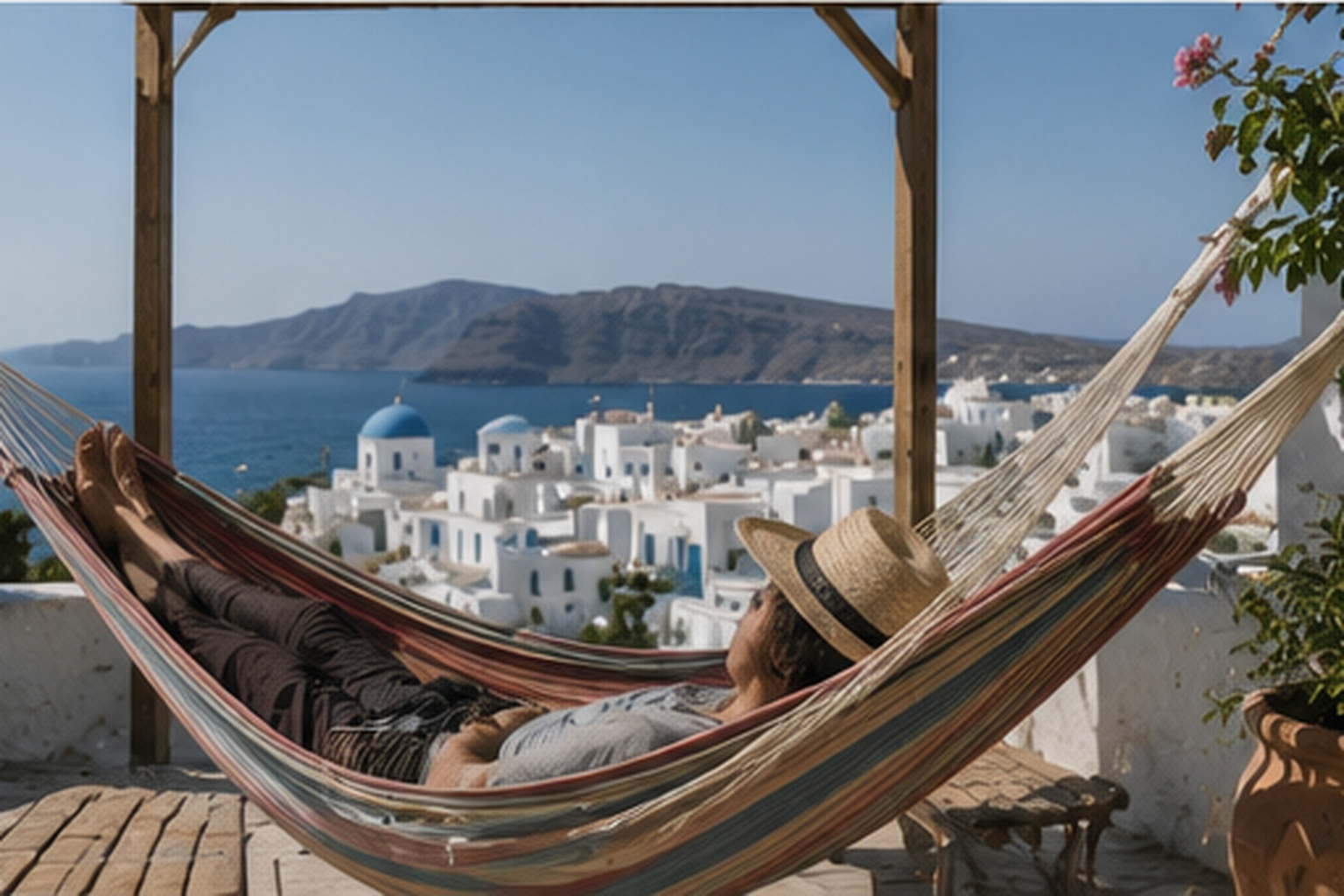
The practical version folds the whole tangle down to a few plain rules. Keep it short, twenty minutes or so, with an alarm set so it stays that way. Take it in the early afternoon, after lunch rather than late in the day. And take it regularly enough that it becomes part of your rhythm instead of a random collapse, since regularity is the thread running through every version of the habit that seems to help.
Then watch for the one warning sign the research keeps flagging. If you find yourself needing long naps of an hour or more, or fighting off sleep you cannot resist most afternoons, that points toward a conversation with a doctor rather than a bigger pillow, because it more often signals a problem with your nighttime sleep or your health than a habit to lean into.
Done the short way, early in the afternoon, without the guilt, the nap is at worst harmless and quite plausibly a small daily kindness to your heart. The Greek islanders were never waiting on a study to grant them permission, and they simply closed their eyes at two in the afternoon, the way people around that sea have done for a very long time, and got on with the slow business of living to ninety.

About the Author: Ruben, co-founder of Gamintraveler.com since 2014, is a seasoned traveler from Spain who has explored over 100 countries since 2009. Known for his extensive travel adventures across South America, Europe, the US, Australia, New Zealand, Asia, and Africa, Ruben combines his passion for adventurous yet sustainable living with his love for cycling, highlighted by his remarkable 5-month bicycle journey from Spain to Norway. He currently resides in Spain, where he continues sharing his travel experiences with his partner, Rachel, and their son, Han.