
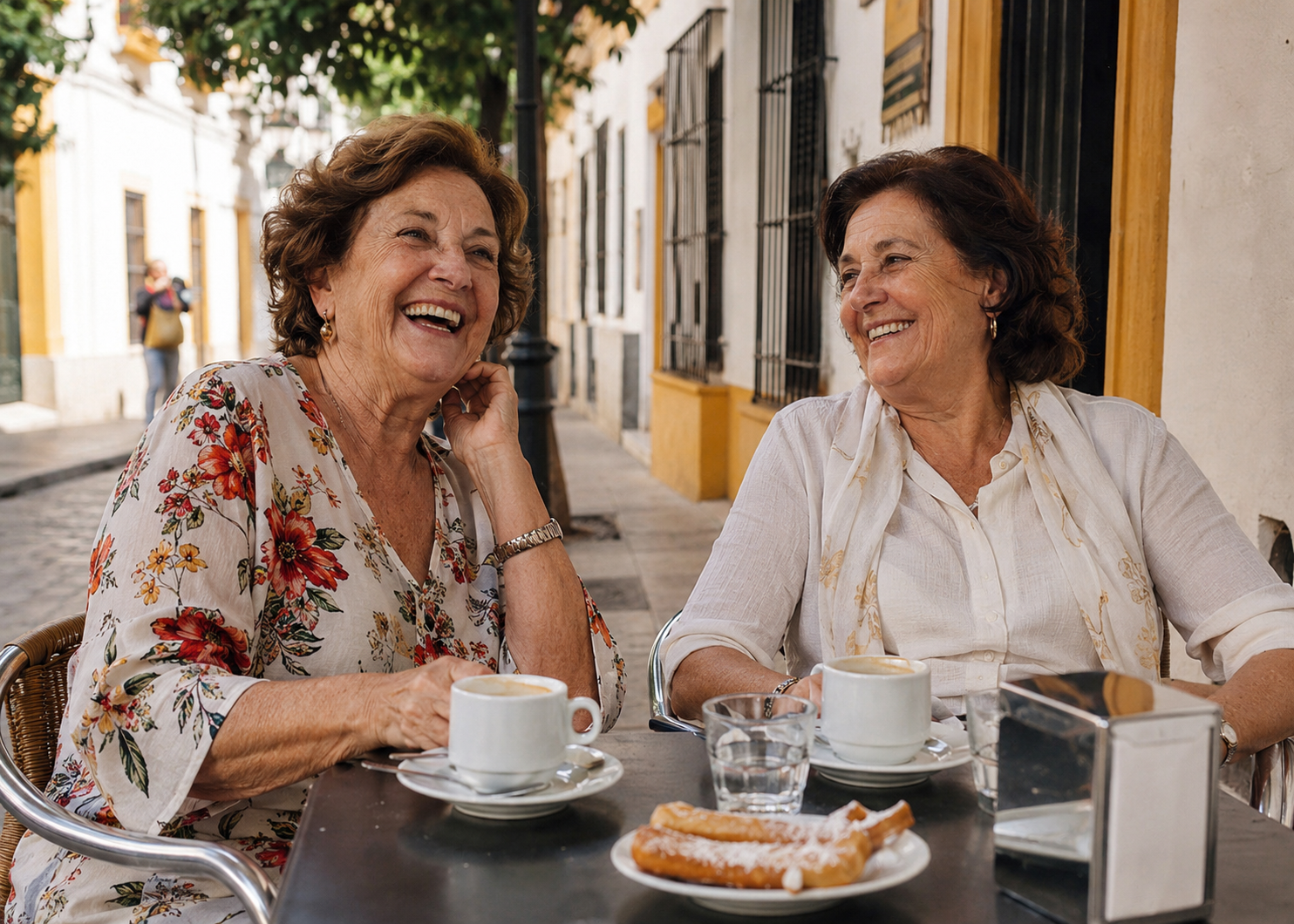
A woman born in Spain today can expect to live to around 86 and a half. A woman born in the United States can expect to live to around 80. That gap, roughly six years, is one of the widest between two wealthy, developed nations, and it has held stubbornly for years.
Researchers have spent decades trying to explain why Spaniards, and Mediterranean women in particular, live so long. Many possible answers get examined, but one keeps coming back to the table, an ordinary afternoon habit so woven into Spanish life that most Spaniards never think of it as healthy at all: the siesta. It is worth looking honestly at what the science actually says, because the truth is more interesting, and more tangled, than the headline suggests.
The Six-Year Gap Is Real
Start with the number, because it is not an exaggeration. In 2024, life expectancy for women in Spain was about 86.5 years, among the very highest in the world and near the top of the European rankings. For women in the United States, the figure sits closer to 80. The difference of roughly six years is real, measured, and persistent.
It is also striking because the two countries are both rich, with advanced medicine and high incomes. Spain does not outlive America because it is wealthier; by most measures it is not. American women, meanwhile, have seen their life expectancy stall and even fall in recent years, battered by the opioid crisis, rising chronic disease, and the pandemic, while Spanish longevity kept climbing. Whatever is driving the gap, it is not simply money or medical technology, which is exactly why researchers keep hunting for the lifestyle factors underneath.
The Spanish advantage shows up most clearly at older ages. The Comunidad de Madrid, for instance, recently recorded the highest life expectancy at age 65 of any region in the European Union. Spaniards are not just avoiding early death; they are reaching old age and then continuing well into it, which points toward something in the daily texture of life rather than any single medical intervention.
It is worth adding that the gap has, if anything, widened in recent years, not because Spanish women accelerated but because American ones lost ground. United States life expectancy fell measurably during the pandemic and has been slow to recover, and American women’s gains had already been stalling before that. A gap that grows because one side falls back is a different and more troubling thing than one that grows because the other pulls ahead.
The Afternoon Habit
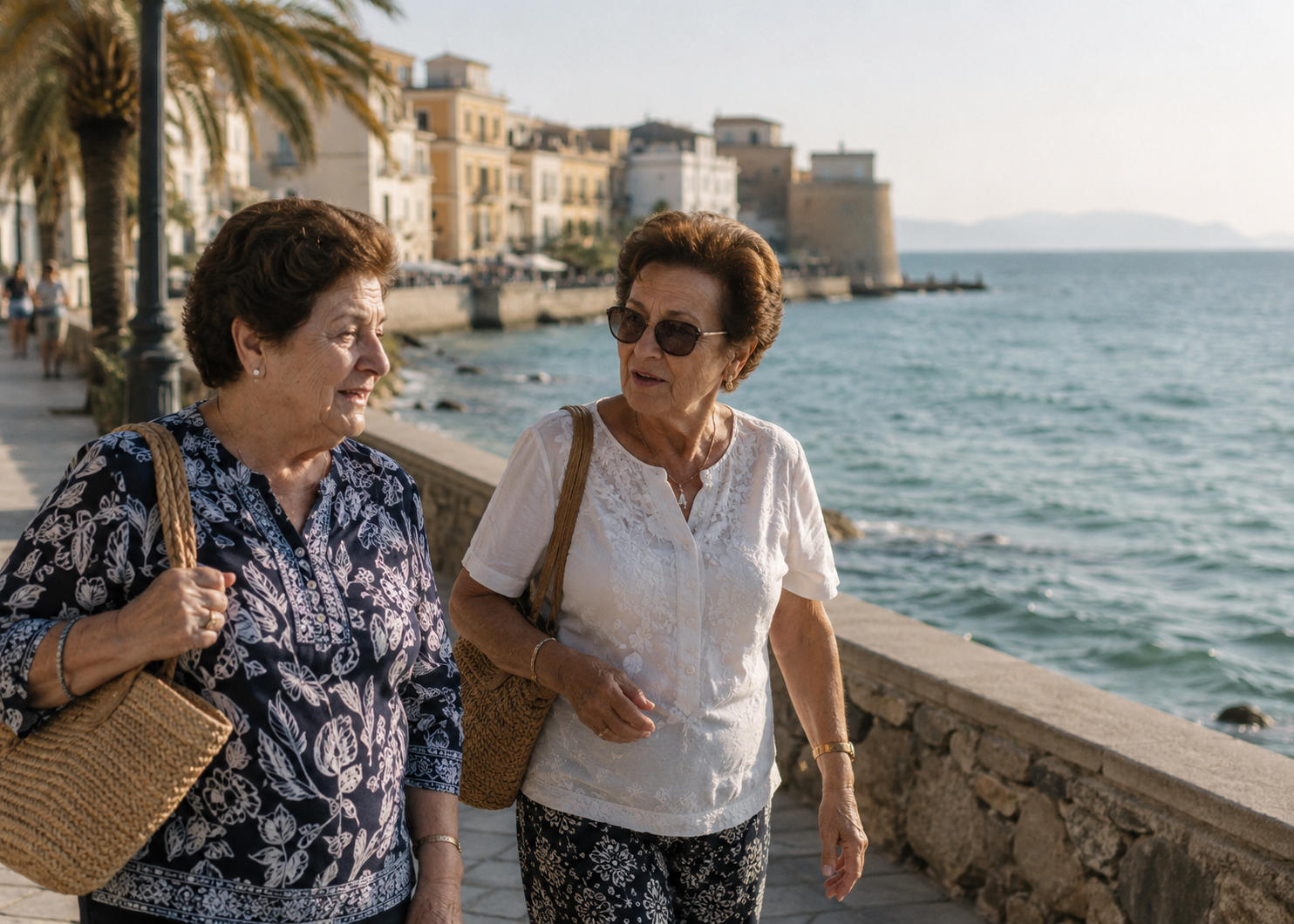
Of all the Spanish customs that draw researchers’ attention, the siesta is the most famous and the most measured. The word describes the traditional midday rest, a pause in the early afternoon, often after the main meal of the day, when historically shops shut, offices emptied, and people went home to eat and rest through the hottest hours.
The habit is not unique to Spain. It runs through the Mediterranean and into Latin America, and its cousins appear in Greece, Italy, and beyond. But Spain is the country most associated with it in the popular imagination, and the midday break remains a real, if fading, part of the rhythm of the day, especially in smaller towns and in summer. It is precisely this ordinariness, a rest treated as a natural part of living rather than a wellness practice, that makes researchers curious.
What draws scientific interest is the idea that a daily pause might do something measurable to the body over a lifetime. A short rest lowers heart rate and blood pressure and releases the accumulated tension of the morning. Repeated every day for decades, the theory goes, that small daily reset might add up to a meaningful protective effect on the heart. It is a plausible idea, and researchers have spent years trying to test it, with results that are genuinely intriguing but also more complicated than the enthusiasts admit.
What the Research Actually Found
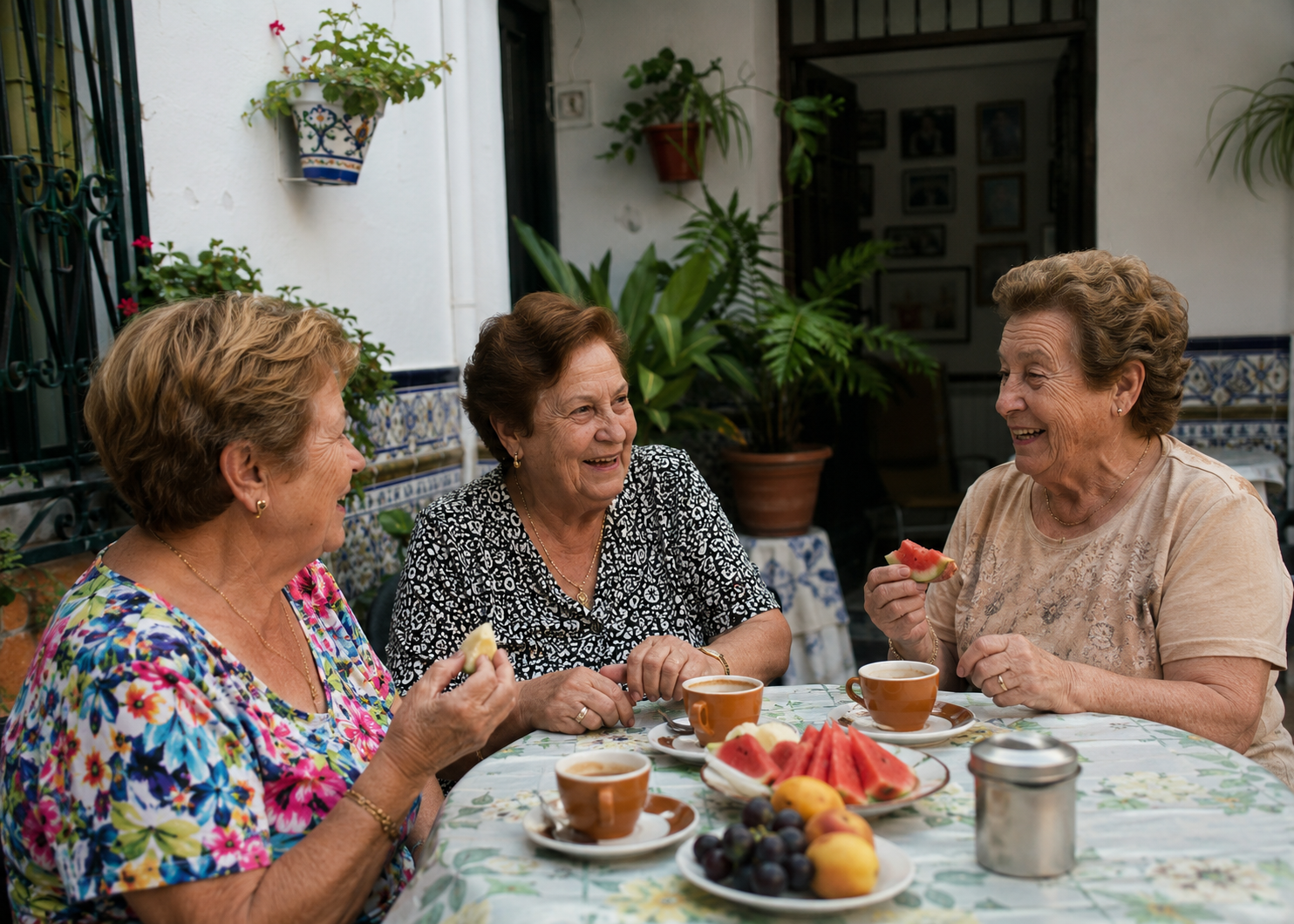
The most cited work on afternoon napping and the heart comes from a large study led by researchers at the Harvard School of Public Health together with the University of Athens Medical School, with the epidemiologists Dimitrios Trichopoulos and Androniki Naska among those behind it. Published in 2007, it followed more than 23,000 Greek adults for an average of about six years.
The finding was headline-grabbing. After accounting for other cardiovascular risk factors, people who took regular midday naps had a substantially lower risk of dying from heart disease. Those who napped systematically, for at least half an hour several times a week, showed roughly a 37 percent lower risk of coronary death than those who never napped. The researchers suggested that the stress-releasing effect of a daily rest was the most likely explanation.
Later work reinforced the blood-pressure angle. In research presented at an American College of Cardiology meeting, a team led by the Greek cardiologist Manolis Kallistratos reported that midday nappers had systolic blood pressure several points lower on average than non-nappers, a reduction comparable to what a low dose of medication might achieve. Across a number of studies, the pattern of short naps and lower blood pressure has appeared often enough that researchers genuinely keep measuring it, decade after decade, trying to pin down whether the effect is real and what it means.
The Catch Nobody Mentions
Here is where honesty is essential, because the tidy story falls apart under a closer look. The famous 2007 study’s dramatic mortality benefit was found mainly among working men. When the researchers tried to run the same analysis for women, they could not: there were too few deaths among the working women in the sample to draw any conclusion at all.
That single fact should stop anyone from claiming the siesta explains why Spanish women outlive American women. The strongest evidence for napping and reduced heart death simply does not extend cleanly to women, which is an awkward gap given that the six-year gap in question is specifically a women’s gap. It is a perfect example of how a real finding can be stretched, in popular retellings, far past what the data support.
None of this means the siesta is worthless, only that the confident causal story often told about it is not earned. The afternoon habit is something researchers keep measuring precisely because the picture remains unresolved. Measuring a thing repeatedly is not the same as proving it, and the gap between those two ideas is where most health mythology lives.
Why Napping Might Help, and Why It Might Not
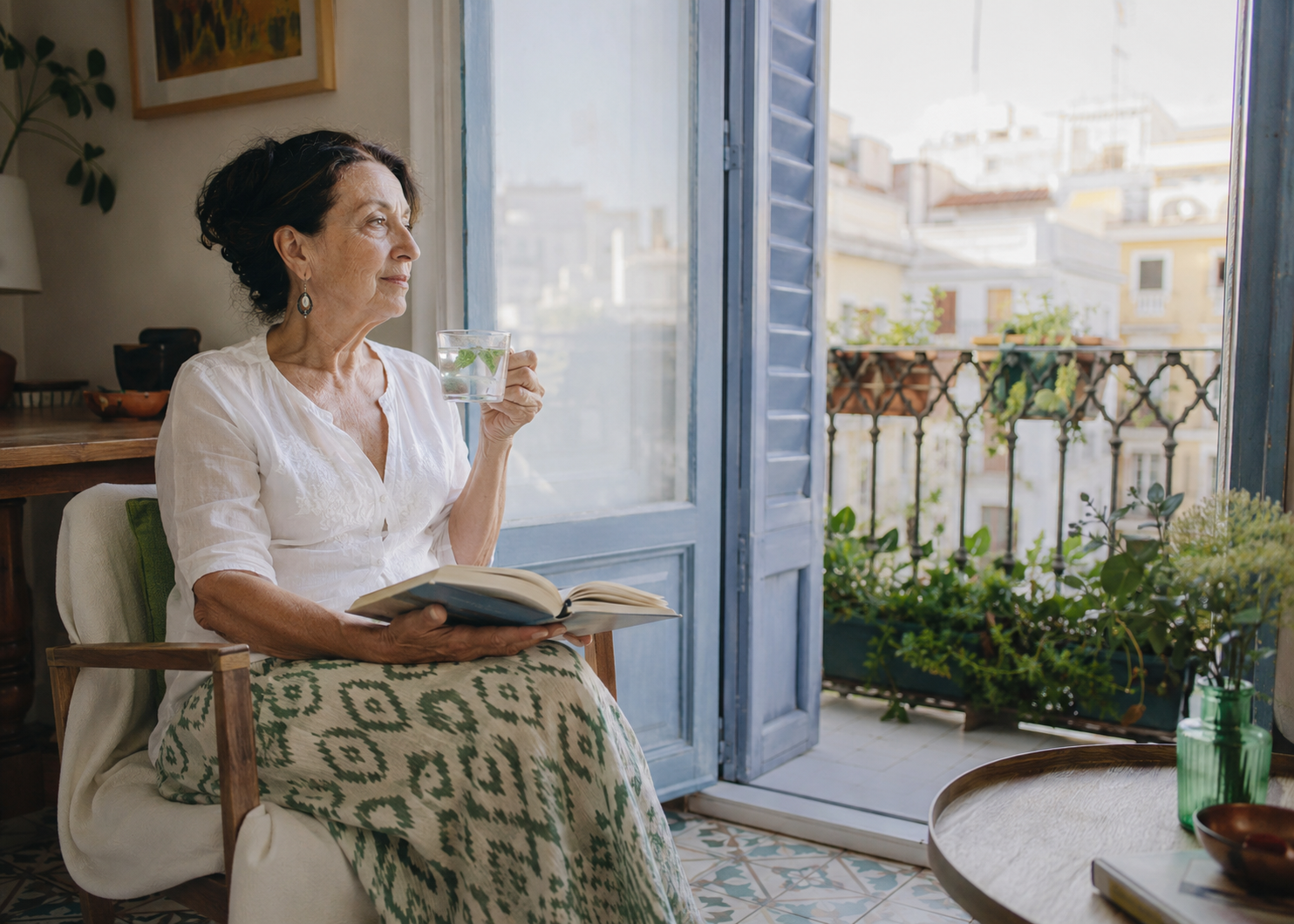
The case for napping rests on a believable mechanism. Chronic stress and sustained high blood pressure damage the cardiovascular system over time, and a daily interval of genuine rest could plausibly ease both. A body that gets a real break in the middle of every day may simply spend fewer of its hours in a state of low-grade strain, and over a lifetime that could matter.
But the counter-evidence is real and should not be brushed aside. Several large studies, including analyses drawing on the UK Biobank, have linked long or frequent daytime napping to worse health outcomes, not better ones. The likely explanation is reverse causation: people who are already ill, frail, or sleeping badly at night tend to nap more, so heavy napping can be a symptom of poor health rather than a cause of good health. The apparent benefit seems to attach specifically to short naps, in the range of twenty to thirty minutes, taken by people who are otherwise well, while long naps may signal the opposite.
So the fair summary is that a short, regular afternoon rest may offer a modest cardiovascular benefit for some people, and may do nothing measurable for others, and that napping a great deal can be a warning sign rather than a wellness win. This is not the clean, marketable message the internet prefers, but it is what the evidence actually supports, and it is a more useful thing to know than a slogan.
It is also worth remembering how hard this kind of thing is to study at all. You cannot easily run a decades-long controlled trial in which one group is made to nap and another forbidden, so almost all the evidence is observational, drawn from watching how people already live. That leaves it perpetually vulnerable to the reverse-causation trap, and it is a large part of why researchers keep measuring, and keep hedging.
It Was Never Just the Nap
The deeper problem with crediting the siesta is that it isolates one thread from a thick, tangled rope. Spanish longevity is not the product of a single habit; it emerges from a whole way of living, and researchers who study it point to many factors at once.
The Spanish diet is a large part of the story: heavy on vegetables, legumes, fish, and olive oil, lighter on ultra-processed food than the American norm, and eaten slowly and socially. Spain has universal healthcare, free at the point of use, which catches illness earlier and treats it without bankrupting anyone. Obesity rates, while rising, have long sat below American levels. Spanish towns are walkable, so daily movement is built into ordinary life rather than confined to a gym. And Spain suffers far fewer of the specific harms that have dragged down American life expectancy, the guns, the opioids, the deaths of despair.
Perhaps most underrated is social connection. Spanish life is built around long shared meals, extended family, and strong community ties, and social integration is one of the more robust predictors of healthy ageing in the research. Set against all of that, a daily nap is at most one modest contributor among many, and quite possibly a marker of a relaxed, unhurried lifestyle rather than a cause of longevity in its own right. The siesta may be less the secret than a symptom of the thing that actually helps.
More Years, But Are They Healthy Years?
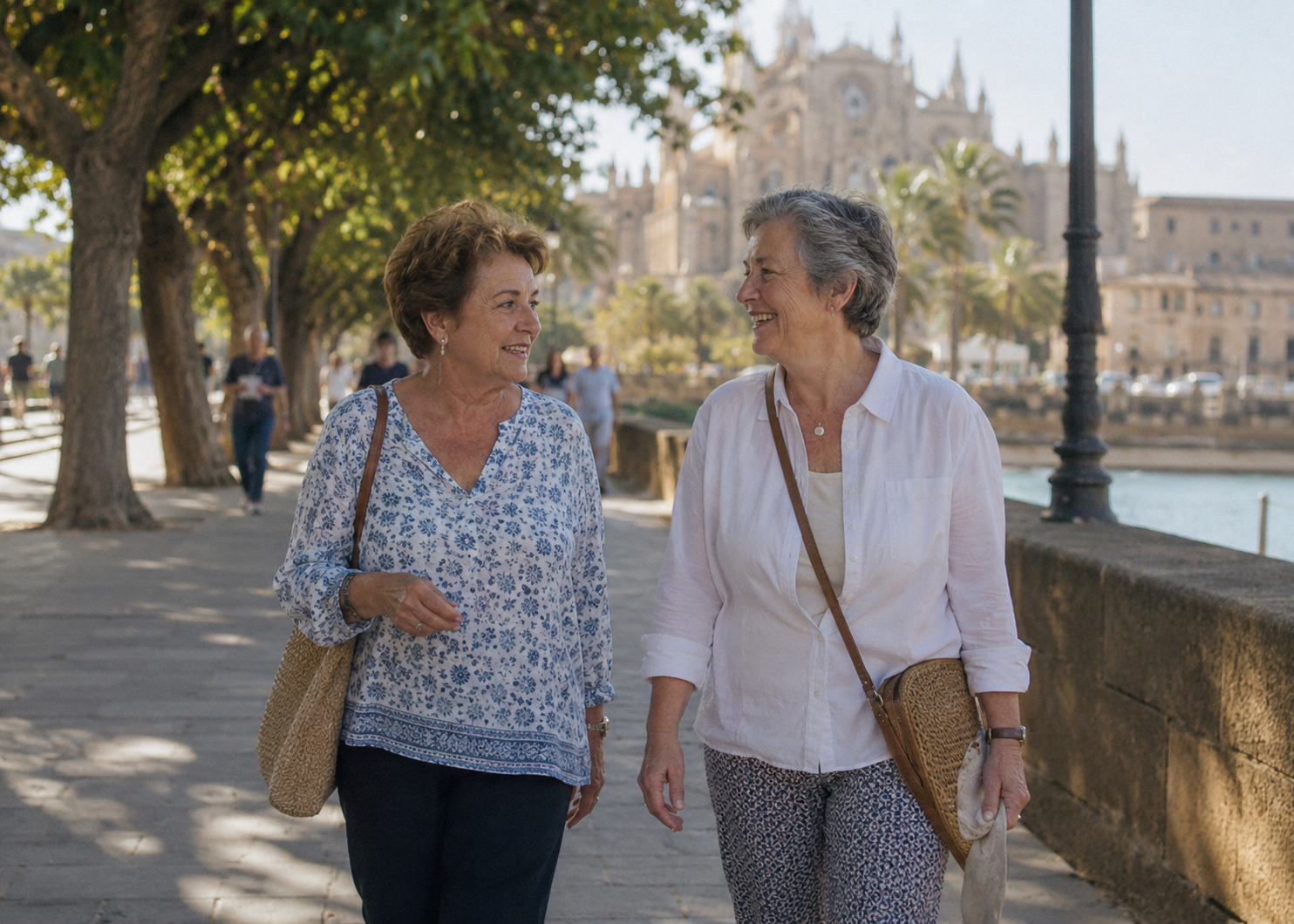
One honest complication rarely mentioned alongside the longevity figures is that living longer is not the same as living well, and the research draws a careful line between the two. Women outlive men, and Spanish women outlive most of the world, but studies of healthy life expectancy show that women also tend to spend more of their later years in poorer health than men do.
Demographers call this the male-female health-survival paradox: women survive longer but report more chronic conditions, more disability, and worse self-rated health at older ages. It does not erase the advantage of those extra years, but it complicates any simple celebration of them. What longevity researchers increasingly chase is not just more years of life but more healthy years, what the field calls healthspan, and on that measure the picture is more mixed than the raw life-expectancy tables suggest.
This matters for how we read the Spanish figures. The six-year edge is real and enviable, but the more interesting question is how many of those years are lived in good health, active and independent, rather than merely survived. It is also where lifestyle plausibly matters most, since the habits that stretch life, good food, movement, connection, are largely the same ones that protect the quality of it. If there is a case for borrowing from the Spanish way of living, this is its strongest form: not to add years for their own sake, but to age better within them.
What You Can Actually Take From It
If the siesta is not a magic bullet, it is also not nothing, and there is a sensible, honest takeaway for anyone tempted by the idea. A short afternoon rest, twenty to thirty minutes, is low-risk and may genuinely help some people feel and function better, and possibly do their heart a small favour. As habits go, it is a gentle one to try.
What would be a mistake is to treat the nap as the lever that closes a six-year longevity gap, because the evidence does not remotely support that, and the things that actually appear to drive the gap are bigger and less convenient. Eating more whole and less processed food, moving through the day rather than sitting still, staying socially connected, and living somewhere that treats healthcare as a right rather than a luxury: these are the heavy contributors, and no amount of afternoon napping substitutes for them. None of this is medical advice, and individual health varies enormously, but the direction of the evidence is clear enough.
Put bluntly, the nap is the easiest of the Spanish habits to copy and the least important. The hard ones, the diet, the daily walking, the social fabric, are where the real difference lives, and they are also the ones no listicle can hand you as a single trick.
The most useful way to see the siesta is as a small, pleasant part of a larger picture, not the picture itself. It is worth borrowing for its own sake, because a calmer, less relentless day is a good thing regardless of what it does to a mortality table. Just do not expect a nap to do the work of an entire way of life.
The Honest Picture
So the six-year gap between Spanish and American women is real, and the siesta is genuinely the afternoon habit researchers keep measuring. Both halves of the headline are true. What is not true is the implied line connecting them, the suggestion that Spanish women live longer because they nap.
The best evidence links short naps to lower blood pressure and, in some populations, lower heart-disease death, but that evidence is strongest in men and cannot carry the weight of explaining a women’s longevity gap. The gap itself flows from diet, healthcare, activity, social ties, and the relative absence of the specific killers cutting American lives short. The siesta sits inside that world as one small, much-studied thread, not as the answer.
That is a less thrilling story than a single secret, but it is a truer and more useful one. If there is a lesson in the way Spanish women live, it is not that a nap will save you. It is that longevity tends to come not from one clever trick but from a hundred ordinary things done gently and consistently, day after unhurried day, of which the afternoon rest is merely the most charming to talk about.

About the Author: Ruben, co-founder of Gamintraveler.com since 2014, is a seasoned traveler from Spain who has explored over 100 countries since 2009. Known for his extensive travel adventures across South America, Europe, the US, Australia, New Zealand, Asia, and Africa, Ruben combines his passion for adventurous yet sustainable living with his love for cycling, highlighted by his remarkable 5-month bicycle journey from Spain to Norway. He currently resides in Spain, where he continues sharing his travel experiences with his partner, Rachel, and their son, Han.