
There is a puzzle that strikes many Americans who spend time in Europe, that Europeans often seem to live richer, fuller, more pleasurable lives while spending considerably less money on the things Americans pour money into. The European somehow has the good coffee, the good food, the rich social life, the sense of leisure and pleasure, often on a smaller budget than the American who feels perpetually stretched despite spending more. The secret is not that Europeans have more money, often they have less, but that they spend it differently, getting more genuine satisfaction from small affordable luxuries while avoiding the expensive things Americans overspend on. Understanding this is a lesson in living richer on less.
This is an honest look at how Europeans often extract more life-satisfaction per dollar than Americans, focused on six categories where Americans tend to overspend and Europeans get more for less, told as a useful cultural observation rather than a rigid prescription. The point is not that one side is right and the other wrong, since some American spending reflects genuine structural differences, but that there is real wisdom worth borrowing in the European approach. Here is how Europeans live richer on less, and the six small luxuries Americans overspend on.
The Coffee And Cafe Experience

The first is the coffee and cafe experience, where Europeans get more pleasure for far less.
Americans often overspend on coffee, the daily large expensive specialty drinks, the elaborate sweetened concoctions, the habit of multiple costly coffee purchases adding up to a substantial monthly sum, while Europeans typically get more genuine pleasure from a simpler, cheaper coffee culture. The European espresso or coffee, taken at a cafe as a small affordable ritual or made simply at home, costs far less than the American specialty-drink habit yet delivers more genuine pleasure, the small good coffee and the pleasant ritual of taking it outweighing the large expensive American version. The coffee difference is that Europeans get more satisfaction from a simpler cheaper coffee culture than Americans get from their expensive one.
The deeper point is about the nature of the pleasure, the European coffee being about quality and ritual rather than size and customization and expense, so the small espresso enjoyed properly delivers more real satisfaction than the giant costly drink consumed on the go. By valuing the quality and the ritual over the size and the cost, the European gets more genuine enjoyment for less money, the cheap good coffee taken with pleasure beating the expensive elaborate one, a model of richer-on-less. Understanding the coffee difference, the simpler cheaper but more satisfying European coffee culture versus the expensive American one, is understanding the first of these small luxuries where Europeans live richer on less.
Eating Well For Less
The second is food, where Europeans often eat better for less by valuing simple quality over expensive convenience.
Americans often overspend on food while eating less well, through expensive convenience foods, frequent costly takeout and delivery, elaborate processed products, and dining habits that cost a great deal, while Europeans frequently eat better for less by valuing simple, fresh, well-prepared food, often cooked at home or enjoyed at modest establishments. The European approach of fresh simple ingredients, home cooking, modest local eateries, and markets delivers genuinely better eating for less money than the American pattern of expensive convenience and processed food, the simple good food outshining the costly convenient kind. The food difference is that Europeans often eat better for less by valuing simple fresh quality over expensive convenience.
The deeper point is that good eating need not be expensive and is often cheaper than poor eating, since fresh simple ingredients cooked well cost less than processed convenience foods and constant takeout while tasting better and nourishing more, so the European gets superior food for less money. By valuing the simple and fresh and home-cooked over the expensive and convenient and processed, the European eats richly for less, the good cheap food beating the costly convenient kind, another model of richer-on-less. Understanding the food difference, the better-for-less European approach of simple fresh quality versus the expensive American convenience, is understanding another small luxury where Europeans live richer on less.
Socializing Affordably

The third is socializing, where Europeans build rich social lives at far lower cost.
Americans often overspend on socializing, the expensive nights out, the costly entertainment, the pricey activities and venues that American social life often centers on, while Europeans frequently build rich social lives around far cheaper pleasures, the long cafe sit, the stroll, the gathering at home, the inexpensive aperitivo, the public square. The European social life, built around cheap or free pleasures like walking, sitting at cafes, gathering in homes and public spaces, and modest food and drink, delivers genuine richness for far less than the expensive American pattern of paid entertainment and costly nights out. The socializing difference is that Europeans build rich social lives around cheap pleasures rather than the expensive American ones.
The deeper point is that genuine social connection comes from time and presence rather than money, so the European habit of cheap, leisurely, frequent socializing, the long conversations over modest coffee, the strolls, the home gatherings, delivers more real connection than expensive American outings, the cheap social pleasures being richer than the costly ones. By building social life around presence and modest shared pleasures rather than expensive venues and activities, the European gets richer connection for less, another model of richer-on-less. Understanding the socializing difference, the rich cheap European social life versus the expensive American one, is understanding another small luxury where Europeans live richer on less.
Leisure And Free Time
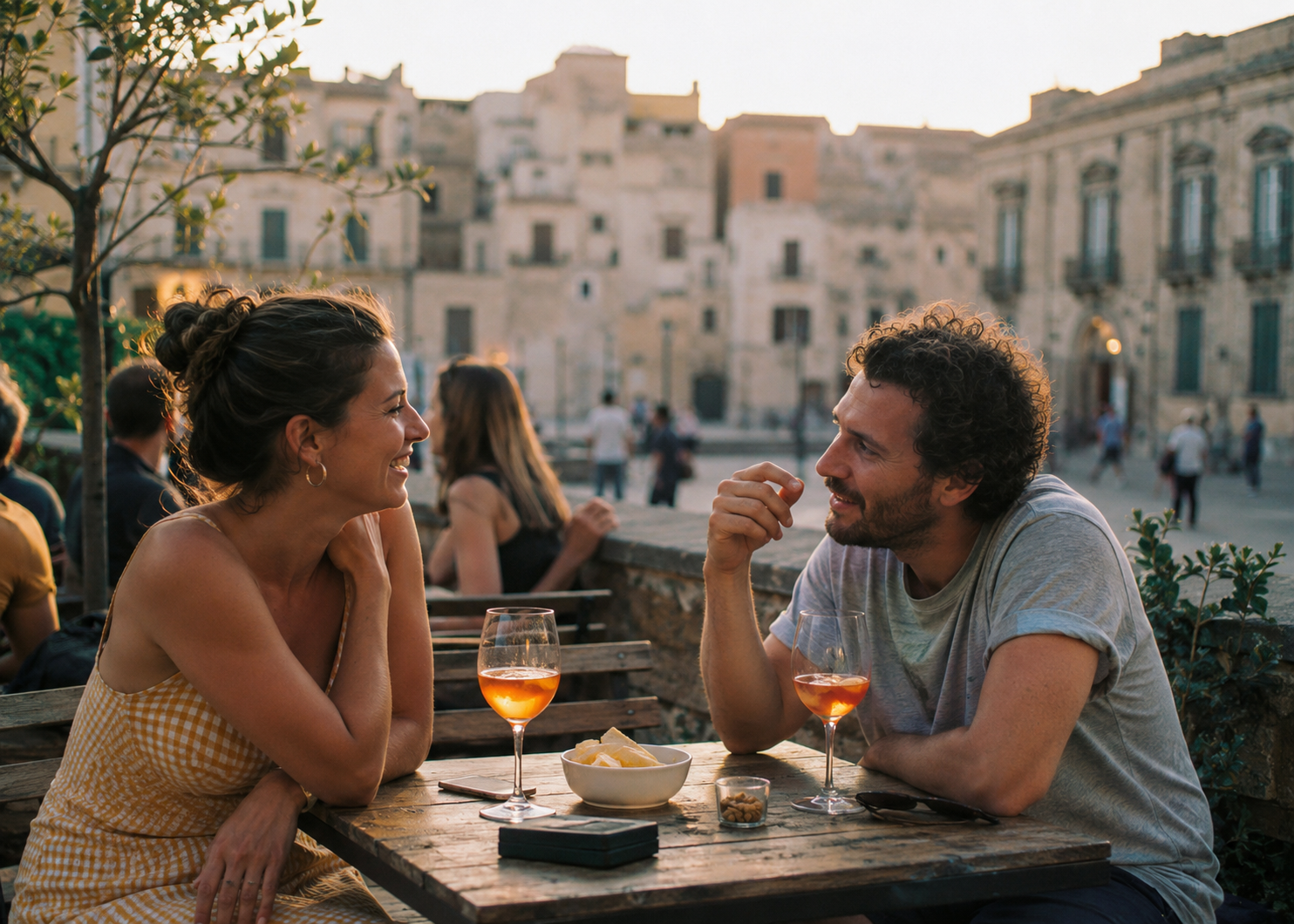
The fourth is leisure, where Europeans get more pleasure from simple free or cheap activities.
Americans often overspend on leisure and entertainment, the expensive activities, subscriptions, gadgets, and outings that American leisure often involves, while Europeans frequently get more pleasure from simpler, cheaper, or free leisure, the walk in the park or countryside, the time at the cafe, the public festival, the simple pleasures of a life with leisure woven in. The European leisure built around walking, nature, public spaces, conversation, reading, and simple inexpensive pleasures delivers genuine enjoyment for far less than the expensive American pattern of paid entertainment and consumer leisure. The leisure difference is that Europeans get more pleasure from simple cheap or free leisure than Americans get from expensive entertainment.
The deeper point is that much of the best leisure is cheap or free, the walk, the conversation, the time outdoors, the simple rest, so the European who values these gets rich leisure for little money, the simple pleasures outshining the expensive purchased ones. By valuing the simple and free and unhurried over the expensive and purchased and busy, the European enjoys richer leisure for less, another model of richer-on-less, the cheap good leisure beating the costly kind. Understanding the leisure difference, the simple cheap satisfying European leisure versus the expensive American entertainment, is understanding another small luxury where Europeans live richer on less.
Clothing And Possessions

The fifth is clothing and possessions, where Europeans often spend less by valuing quality and restraint over quantity.
Americans often overspend on clothing and possessions, the large quantities of cheaper fast fashion and consumer goods, the frequent buying, the accumulation that American consumer culture encourages, while Europeans frequently spend less overall by valuing fewer, better-quality, longer-lasting things over the constant acquisition of many cheaper ones. The European tendency toward a smaller wardrobe of better-quality pieces, fewer but more durable possessions, and less constant consumption often costs less over time than the American pattern of frequent cheap purchases, the quality-and-restraint approach beating the quantity one. The possessions difference is that Europeans often spend less by valuing quality and restraint over the American quantity and accumulation.
The deeper point is that buying fewer better things often costs less and satisfies more than constantly buying many cheaper ones, since the quality pieces last and please while the cheap accumulation wastes money and satisfies little, so the European gets more for less through restraint and quality. By valuing the few good lasting things over the many cheap disposable ones, the European spends less and enjoys more, another model of richer-on-less, the curated quality beating the accumulated quantity. Understanding the possessions difference, the quality-and-restraint European approach versus the quantity-and-accumulation American one, is understanding another small luxury where Europeans live richer on less.
The Daily Rituals And Small Pleasures

The sixth is the daily rituals and small pleasures, where Europeans extract great satisfaction from inexpensive everyday things.
Americans often overspend chasing big expensive pleasures and experiences while underinvesting in the small daily ones, whereas Europeans frequently extract enormous satisfaction from inexpensive daily rituals and small pleasures, the morning coffee, the evening stroll, the good bread, the glass of wine, the pause in the day, the small affordable delights woven through ordinary life. The European art of the small daily pleasure, the inexpensive rituals and delights that fill ordinary life with satisfaction, delivers a steady richness for little money that the American pursuit of bigger expensive pleasures often misses. The daily pleasures difference is that Europeans extract great satisfaction from inexpensive daily rituals where Americans chase expensive big ones.
The deeper point is that a life is mostly made of ordinary days, so the ability to fill those days with small affordable pleasures, the good coffee and the stroll and the simple delights, delivers more total satisfaction than occasional expensive splurges amid unsatisfying ordinary days, the small daily pleasures outweighing the big rare ones. By cultivating satisfaction in the inexpensive daily rituals rather than chasing expensive occasional experiences, the European lives richer on less, the steady small pleasures of ordinary days being the deepest model of richer-on-less. Understanding the daily pleasures difference, the inexpensive daily satisfaction of European life versus the expensive occasional pleasures Americans chase, is understanding the last and perhaps deepest of these small luxuries where Europeans live richer on less.
The Honest Caveats
In fairness, this contrast is not purely about choices, and honesty requires noting the structural side.
I want to be honest that not all of this is simple personal choice, since some American spending reflects genuine structural differences rather than mere overspending, the car-dependent development that necessitates car costs, the healthcare system, the way American cities and life are organized, all of which impose costs that are not simply choices. So the European advantage rests partly on structural features, the walkability, the public spaces, the social infrastructure, that make the cheap good life easier, rather than purely on wiser individual choices, which is a fair and important caveat. The honest caveat is that the European richer-on-less rests partly on structural advantages, not just better personal choices.
This said, much of the European approach is genuinely about values and choices that can be borrowed anywhere, the valuing of quality over quantity, ritual over expense, presence over purchase, simple pleasures over expensive ones, which any person can apply to live richer on less whatever their structural circumstances. So while acknowledging the structural side, the core wisdom, of finding richness in affordable quality and simple pleasure rather than expensive consumption, is genuinely transferable, a lesson worth taking. Understanding the honest caveats, that the contrast involves both structural differences and transferable wisdom, keeps the lesson realistic while preserving its real value.
The Real Lesson
Finally, the real lesson behind these six luxuries, which is the heart of living richer on less.
The real lesson behind all six is that richness in life comes far more from how you live and what you value than from how much you spend, the European getting more satisfaction from affordable quality, simple pleasure, ritual, presence, and restraint than the American gets from expensive consumption, the secret being values rather than money. To live richer on less is to invest in the small affordable luxuries that genuinely satisfy, the good coffee, the simple food, the cheap social life, the free leisure, the quality possessions, the daily rituals, while declining the expensive things that satisfy less, a reorientation of spending toward what truly enriches. The real lesson is that satisfaction comes from values and how you live rather than from how much you spend.
So take these six small luxuries as a guide to living richer on less, by shifting your spending and your attention toward the affordable things that genuinely enrich life and away from the expensive things that do not, learning from the European art of extracting much satisfaction from modest means. Cultivate the cheap good coffee, the simple fine food, the rich cheap social life, the free leisure, the quality restraint, the daily small pleasures, and you can live a richer life on less money, which is the genuine and achievable wisdom behind the European example. Understanding the real lesson, that living richer on less is a matter of values and the cultivation of affordable pleasures rather than expensive consumption, is understanding the deepest and most useful truth behind how Europeans live richer on less.

About the Author: Ruben, co-founder of Gamintraveler.com since 2014, is a seasoned traveler from Spain who has explored over 100 countries since 2009. Known for his extensive travel adventures across South America, Europe, the US, Australia, New Zealand, Asia, and Africa, Ruben combines his passion for adventurous yet sustainable living with his love for cycling, highlighted by his remarkable 5-month bicycle journey from Spain to Norway. He currently resides in Spain, where he continues sharing his travel experiences with his partner, Rachel, and their son, Han.