
Every culture has food habits that seem perfectly normal from the inside and slightly baffling from the outside, and American food culture, seen through European eyes, has a number of habits that genuinely surprise, puzzle, or even alarm European observers. These are not always criticisms, and some reflect European misunderstanding as much as American excess, but they are real points of difference that Europeans notice and react to, sometimes with raised eyebrows, sometimes with genuine concern. Understanding them is a window into the real differences between American and European food cultures, told honestly and with a sense of humor rather than judgment.
This is a tour of eleven American food habits that Europeans tend to find surprising or alarming, offered in a spirit of cultural curiosity rather than America-bashing, since the point is the interesting difference, not the superiority of one side. Some of these European reactions are fair, some are themselves a bit overblown, and I will try to be honest about which is which. Here are eleven American food habits Europeans find genuinely alarming, and the truth behind each.
The Sheer Portion Sizes
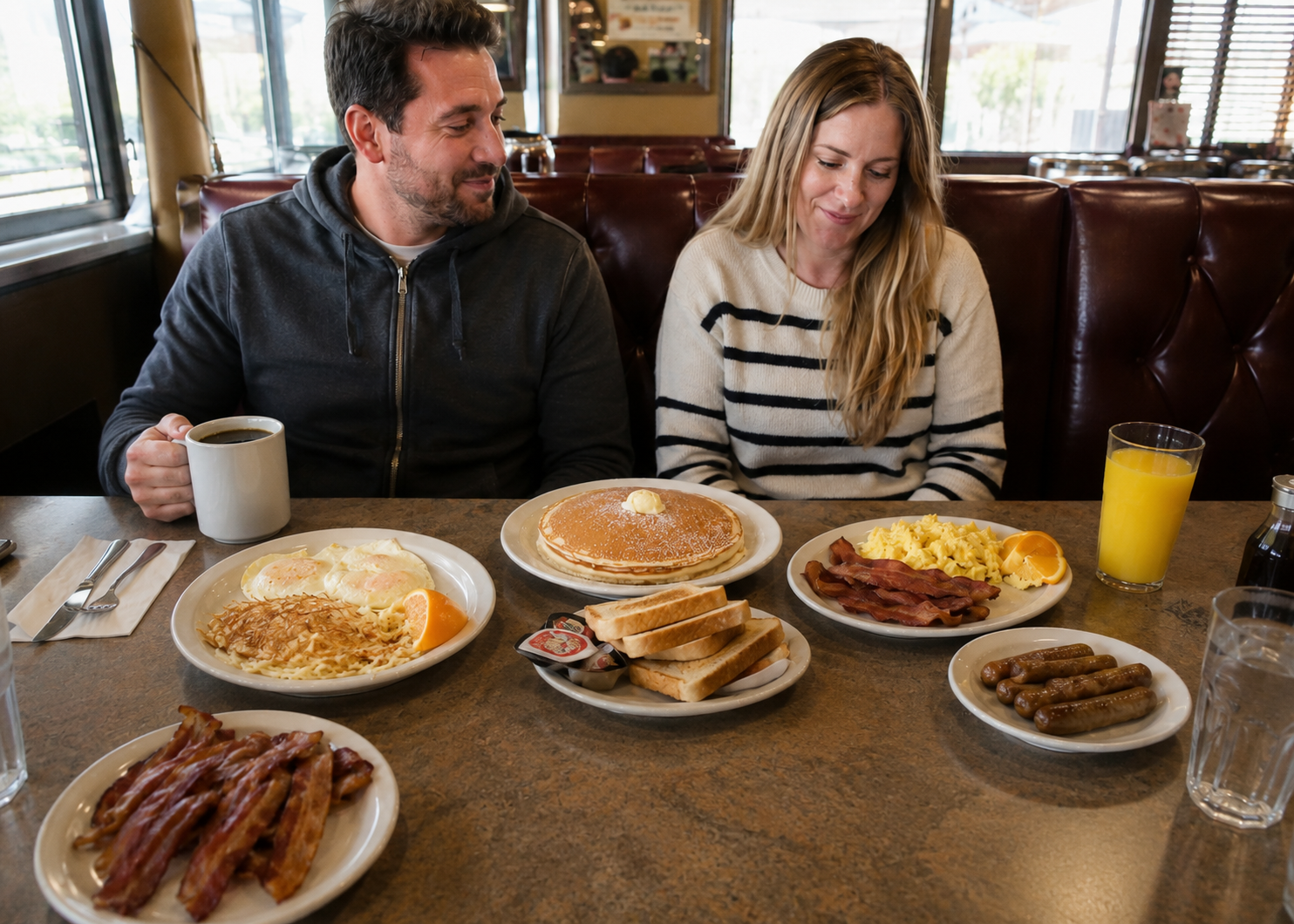
The first and most universal alarm is the size of American portions, which startle nearly every European visitor.
The portion sizes in America genuinely shock most European visitors, the sheer quantity of food served in American restaurants being far larger than European norms, the plates piled high, the drinks enormous, the servings often two or three times what a European would expect, which strikes Europeans as both excessive and faintly alarming. This is one of the most universal European reactions to American food culture, the sheer scale of the portions, the giant meals and bottomless drinks and supersized everything seeming, to the European accustomed to more modest servings, like an almost overwhelming abundance. The portion size is the first and most universal alarm, the scale of American servings genuinely startling Europeans.
To be fair, this difference is real and significant, the larger American portions being a genuine feature of the food culture, connected to value expectations and dining norms, and Europeans are not wrong to notice the contrast with their smaller servings. Whether it is alarming or simply different is partly a matter of perspective, but the contrast is real, and the European surprise at the scale is understandable, the portions genuinely being much larger. Understanding the portion difference, the large American servings versus the more modest European ones, is understanding the first and most universal of these cultural surprises, a real and striking contrast.
The Amount Of Sugar In Everything
The second alarm is the amount of sugar in American foods, including savory ones, which surprises Europeans.
Europeans are often startled by how much sugar appears in American food, not just in obvious sweets but in foods that Europeans would not expect to be sweet at all, bread, savory sauces, condiments, and many processed foods carrying a sweetness that surprises and sometimes dismays the European palate. The American bread that tastes sweet, the savory products with sugar high in the ingredients, the general sweetness of much processed food strikes Europeans, accustomed to less sweetness in such foods, as excessive and surprising, the sugar seeming to be in everything. The sugar difference is a real alarm, the pervasive sweetness of American food, including savory items, surprising Europeans.
This difference is genuine, the higher sugar content of much American processed food being a real and documented feature, and the European reaction reflects a real contrast with their less sweet food norms. There is also a legitimate nutritional point within it, since very high added sugar across the diet is widely understood to be best moderated, a view held on both sides of the Atlantic, so the European alarm has some genuine basis beyond mere taste. Understanding the sugar difference, the pervasive American sweetness versus the less sweet European norm, is understanding a real and somewhat substantive alarm, rooted in genuine differences in sugar content.
The Obsession With Ice
The third alarm, a milder and more amusing one, is the American obsession with ice in drinks.
Europeans are often amused and a little baffled by the American love of ice, the drinks served in America being filled with so much ice that Europeans, accustomed to little or no ice in their drinks, find it strange, excessive, and even off-putting, the glass more ice than drink. This is a classic cultural difference, the American expectation of abundant ice in nearly every cold drink versus the European preference for little or no ice, which leaves European visitors puzzled by the mountains of ice and Americans puzzled by the warm-ish European drinks. The ice difference is a milder, more amusing alarm, the American abundance of ice surprising Europeans.
This one is more a matter of cultural preference than any real concern, the ice habit being simply a difference in custom rather than something genuinely alarming, so the European reaction is more bemusement than worry. It reflects different norms and perhaps different climates and customs, neither side being wrong, just different, the ice a harmless but noticeable cultural divide. Understanding the ice difference, the American love of abundant ice versus the European preference for little, is understanding a milder and more amusing of these cultural surprises, a harmless but real difference in habit.
The Drive-Through Everything

The fourth alarm is the American drive-through culture, eating in cars, which strikes Europeans as strange.
Europeans are often struck by the American drive-through culture and the habit of eating in cars, the extent to which Americans obtain and consume food through car windows and while driving seeming, to Europeans more accustomed to eating while seated at a table, both strange and a little sad, the food experience reduced to a transaction through a window. This pervasive drive-through and eating-in-the-car culture, far more developed in America than in most of Europe, strikes the European, for whom meals are more often a seated social occasion, as an oddly impersonal and hurried way to eat. The drive-through difference is a real alarm, the American car-eating culture surprising Europeans who value the seated meal.
This reflects a genuine cultural difference in how meals are understood, the American convenience-and-car orientation versus the European seated-meal tradition, so the European reaction reflects a real contrast in food culture and values. Whether it is alarming or simply a different way of living is partly perspective, but the contrast in how and where food is eaten is real, the car versus the table being a genuine cultural divide. Understanding the drive-through difference, the American car-eating convenience versus the European seated meal, is understanding another real cultural surprise, rooted in different conceptions of the meal.
The Snacking And Eating On The Go

The fifth alarm is the American habit of constant snacking and eating on the go, which differs from European meal structure.
Europeans often notice and are surprised by the American habit of constant snacking and eating on the go, the tendency to eat frequently throughout the day, to snack constantly, to eat while walking or working or in transit, which contrasts with the more structured European pattern of proper meals at set times with less grazing between. This constant snacking and informal all-day eating strikes the European, accustomed to more defined mealtimes and less grazing, as a somewhat chaotic and unstructured way of eating, the food a constant background activity rather than a series of proper meals. The snacking difference is a real alarm, the American constant grazing surprising Europeans who favor structured meals.
This reflects a genuine difference in eating structure, the American grazing-and-convenience pattern versus the European structured-meal tradition, so the European reaction reflects a real contrast in how eating is organized through the day. There is some substance to it too, since the structured meal with less constant grazing is often considered a healthier and more mindful pattern, so the European preference has some basis beyond mere custom. Understanding the snacking difference, the American constant grazing versus the European structured meals, is understanding another real cultural surprise, rooted in different patterns of eating through the day.
The Food Combinations
The sixth alarm is certain American food combinations that strike Europeans as strange or alarming.
Europeans are sometimes startled by certain American food combinations that seem strange or even alarming to them, things like combining sweet and savory in unexpected ways, pancakes and syrup alongside savory bacon and eggs on the same plate, or other combinations that violate European expectations of how foods go together. These combinations, normal to Americans but surprising to Europeans, the sweet maple syrup touching the savory bacon, the particular pairings that differ from European norms, strike the European palate as unusual, a difference in the sense of how flavors and dishes should combine. The food combination difference is an alarm of a sort, certain American pairings surprising the European sense of how foods go together.
This is largely a matter of cultural palate and custom rather than any real concern, the combinations being simply different conventions of how foods are paired, neither side being wrong, just accustomed to different norms. The European surprise reflects different culinary conventions rather than anything genuinely alarming, the sweet-savory pairings and other combinations being a harmless cultural difference in taste. Understanding the food combination difference, the American pairings that surprise the European palate, is understanding a more lighthearted of these cultural surprises, rooted in different conventions of how foods combine.
The Coffee Culture Differences
The seventh alarm is the American coffee culture, the large mild coffees, which differs from European coffee norms.
Europeans, especially those from the strong-coffee cultures, are often surprised by American coffee culture, the enormous cups of relatively mild coffee, the to-go culture, the elaborate sweetened coffee drinks, all contrasting with the European tradition of small strong espresso-based coffees taken more deliberately. The giant American coffee, the bottomless mild brew, the sweet elaborate coffee concoctions strike the European coffee lover, accustomed to the small intense espresso, as a quite different and sometimes baffling approach to coffee, more about quantity and sweetness than the European intensity. The coffee difference is a real alarm of a sort, the American large mild sweet coffee surprising European coffee culture.
This is largely a difference in coffee tradition and preference, the American large-and-mild versus the European small-and-strong, a genuine cultural divide in how coffee is taken, neither side wrong but quite different. The European surprise reflects the real contrast in coffee cultures, the quantity and customization of American coffee versus the intensity and simplicity of European, a notable but harmless difference. Understanding the coffee difference, the large mild American coffee versus the small strong European one, is understanding another cultural surprise, rooted in genuinely different coffee traditions.
The Tipping And Service Expectations Around Food
The eighth alarm is the American tipping and service culture around food, which surprises Europeans.
Europeans are often surprised and sometimes made uncomfortable by the American tipping and service culture around food, the expectation of substantial tipping, the very attentive and frequent service, the quick turnover, all contrasting with European norms of more modest tipping and more relaxed, less hovering service. The American tipping expectation, much heavier than the European, and the attentive fast service can leave Europeans both surprised at the tipping pressure and a little unsettled by the constant attention and the push to turn the table, a different service culture entirely. The tipping and service difference is a real alarm, the American food-service culture surprising Europeans.
This reflects genuine structural differences in how restaurant service and pay work in the two systems, the American tipping-dependent attentive model versus the European included-service relaxed model, so the European reaction reflects a real contrast rather than mere preference. Understanding which is better is a complex question of labor and custom, but the contrast is real, the heavy tipping and attentive service genuinely differing from European norms. Understanding the tipping and service difference, the American tipping-and-attentiveness versus the European modest-and-relaxed model, is understanding another real cultural surprise, rooted in different service systems.
The Additives And Processing

The ninth alarm is the additives and processing in American food, where the European concern has some genuine basis.
Europeans sometimes express alarm at the additives and processing in American food, the longer ingredient lists, the additives and colorings and preservatives that European regulation restricts more tightly, the degree of processing in some American food, which connects to the genuine regulatory differences between the two systems. This is one where the European concern has some real basis, since the EU does regulate many additives more strictly through its precautionary approach, so the European noticing more additives in American food reflects a genuine regulatory difference, though it is important not to exaggerate it. The additives difference is an alarm with some real basis, rooted in genuine regulatory contrasts.
I want to be honest and measured here, since this subject is also full of exaggeration, the viral claims about American food being poison going far beyond the truth, the real differences being about precautionary regulation and burden of proof rather than mass poisoning, and not every restricted additive being a proven hazard. So the European concern has a genuine kernel, the real regulatory differences, wrapped in a good deal of exaggeration that should be treated with skepticism, the honest picture being one of real but often overstated differences. Understanding the additives difference, the genuine regulatory contrast amid much exaggeration, is understanding an alarm with a real basis that should nonetheless be kept in honest perspective.
The Free Refills And Bottomless Portions
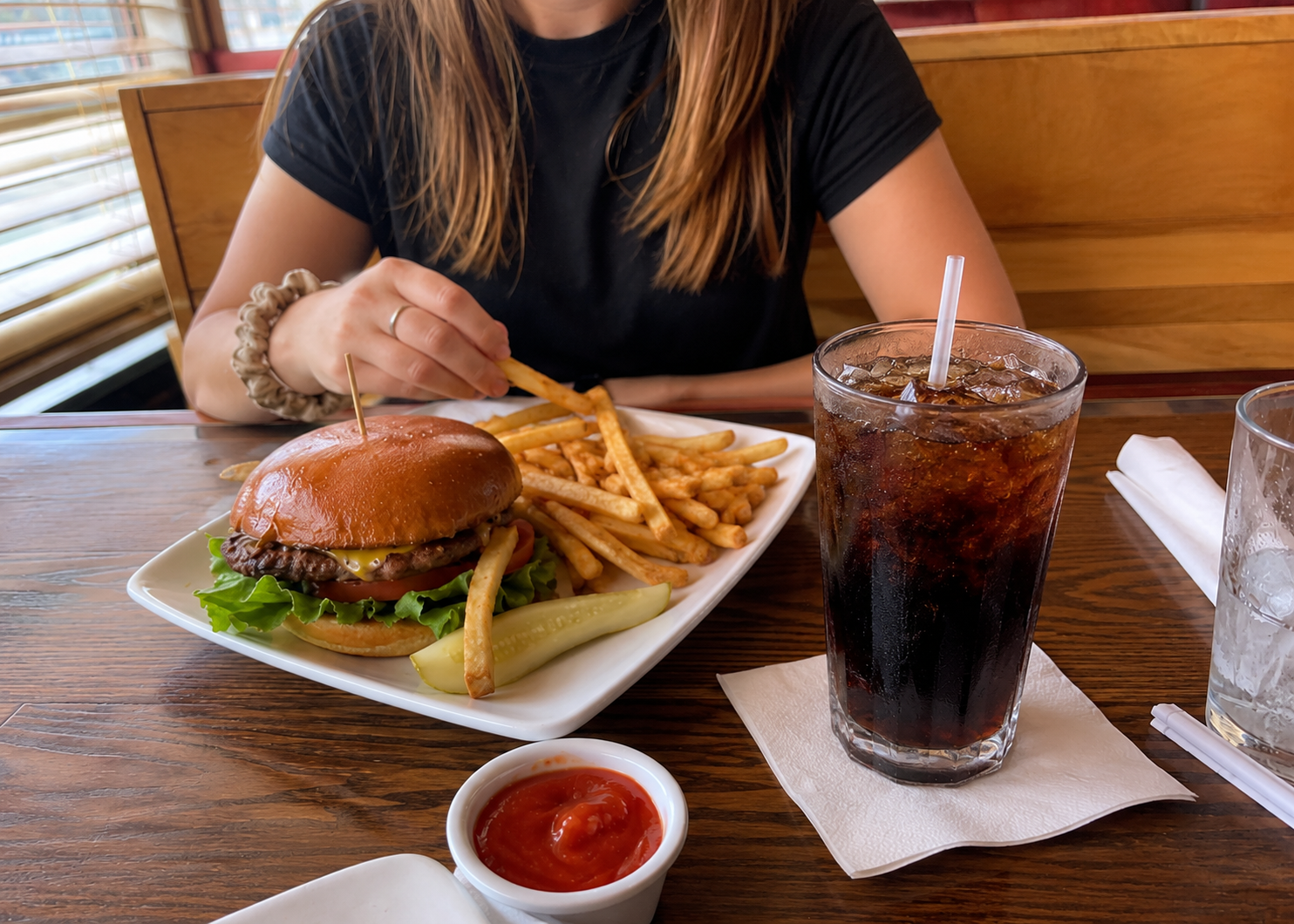
The tenth alarm is the American free refills and bottomless portions, which strike Europeans as excessive.
Europeans are often struck by the American culture of free refills and bottomless portions, the endless refilled sodas, the bottomless fries or breadsticks, the all-you-can-eat abundance, which contrasts sharply with the European norm of paying for each item and more measured portions. The bottomless American refill, unknown in most of Europe where you pay for each drink, and the all-you-can-eat abundance strike the European as both surprising and excessive, an almost limitless approach to food and drink quite alien to European norms. The refills difference is a real alarm, the American bottomless abundance surprising Europeans.
This connects to the portion and abundance theme, the American value-through-quantity orientation versus the European measured approach, so the European reaction reflects a real cultural difference in how abundance and value are understood around food. Whether it is alarming or simply different is perspective, but the contrast between the bottomless American model and the measured European one is real and striking. Understanding the refills difference, the American bottomless abundance versus the European measured portions, is understanding another real cultural surprise, rooted in different conceptions of value and abundance.
The Speed Of Eating

The eleventh alarm is the speed at which Americans often eat, which contrasts with the leisurely European meal.
Europeans, especially those from the Mediterranean cultures of the long leisurely meal, are often struck by how quickly Americans tend to eat, the meal frequently consumed rapidly rather than lingered over, the quick efficient American meal contrasting with the European tradition of the long, slow, social meal enjoyed at length. The speed of American eating, the meal often a quick refueling rather than a leisurely occasion, strikes the European accustomed to the long convivial meal as hurried and even a little joyless, the food rushed rather than savored. The speed difference is a real alarm, the quick American eating surprising Europeans who linger.
This reflects a genuine difference in the conception of the meal, the American efficiency versus the European leisure, so the European reaction reflects a real contrast in how the meal is valued and experienced. There is some substance to the European preference too, since the slow mindful social meal is often considered both more pleasurable and more healthful than hurried eating, so the European alarm has some basis beyond custom. Understanding the speed difference, the quick American meal versus the leisurely European one, is understanding the last of these cultural surprises, rooted in genuinely different conceptions of what a meal is for.
The Honest Perspective On All This
These differences finally deserve an honest perspective, balancing the genuine contrasts against the exaggerations.
The honest perspective on these eleven habits is that they reflect a mix of genuine differences worth noting and European reactions that are sometimes themselves a bit overblown, so the fair view holds both that American food culture really does differ from European in these striking ways and that not every European alarm is entirely justified. Some of these, the portions, the sugar, the additives, the eating speed, touch on real and somewhat substantive differences, while others, the ice, the food combinations, the coffee, are more matters of harmless cultural preference, so an honest accounting distinguishes the substantive from the merely different. The honest perspective balances the genuine contrasts against the exaggerations, seeing both clearly.
So take these eleven habits in the right spirit, as a window into the real and fascinating differences between American and European food cultures, neither as proof of American failure nor as mere European snobbery, but as the interesting contrasts they genuinely are, some substantive and some lighthearted. Understanding them honestly, the real differences and the exaggerations alike, enriches the appreciation of both food cultures, the American and the European, each with its own character, the differences being a source of mutual curiosity rather than judgment. That is the honest perspective on these alarming habits, a fair and curious view of genuine cultural differences, free of both defensiveness and snobbery, which is the most rewarding way to understand them.

About the Author: Ruben, co-founder of Gamintraveler.com since 2014, is a seasoned traveler from Spain who has explored over 100 countries since 2009. Known for his extensive travel adventures across South America, Europe, the US, Australia, New Zealand, Asia, and Africa, Ruben combines his passion for adventurous yet sustainable living with his love for cycling, highlighted by his remarkable 5-month bicycle journey from Spain to Norway. He currently resides in Spain, where he continues sharing his travel experiences with his partner, Rachel, and their son, Han.