
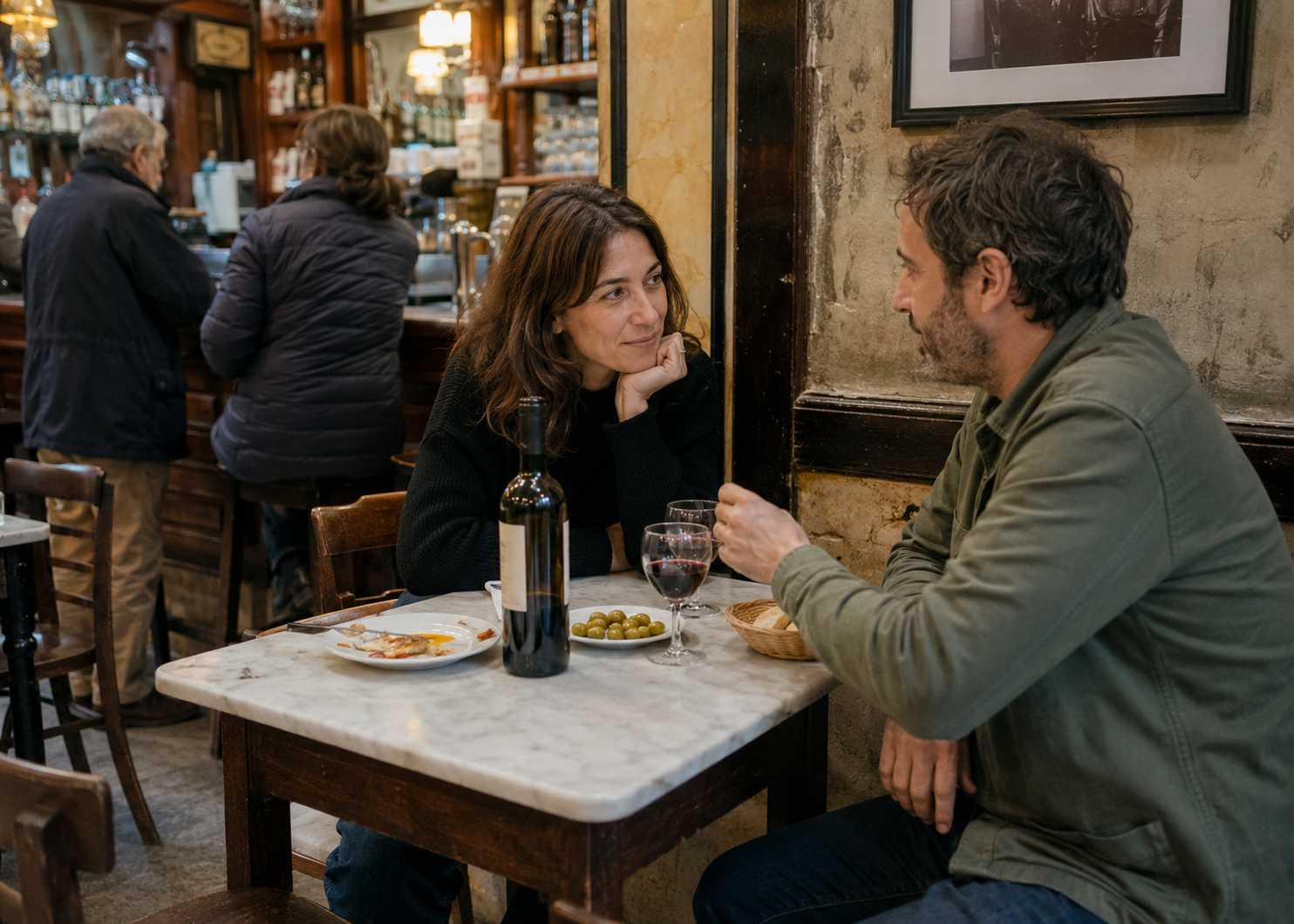
There is a particular small heartbreak that hits the American who has spent time in Spain and then goes back to dinner in the States. They open the wine list, and there, at thirty-eight dollars, is a bottle they recognize, a good honest Spanish red they bought all the time in Madrid for eight euros, drank without a second thought on a Tuesday, considered nothing special. The same wine. The same bottle. Marked up to nearly five times what a Madrid local pays, and presented as a mid-range treat rather than the everyday table wine it actually is. Understanding why this happens, and what to do about it, is one of the more useful and money-saving things an American wine drinker can learn.
The gap is real and it is large, and it comes down to two things, the genuine cheapness and quality of everyday Spanish wine, and the steep markups that restaurants apply, especially to exactly this kind of inexpensive bottle. Neither is a scandal exactly, both have their explanations, but together they produce the striking situation where the Madrid local’s casual weeknight wine becomes the American diner’s thirty-eight-dollar selection. Here is why Spanish wine is such extraordinary value, why it costs so much more in American restaurants, and how to drink well and cheaply on both sides of the ocean.
Why Spanish Wine Is Such Good Value
The first half of the story is the genuine and remarkable value of Spanish wine, which is among the best value in the world.
Spain is one of the world’s great wine countries, with vast vineyards, a deep wine tradition, and a huge range of excellent wines, and crucially it offers extraordinary quality for the price, with very good everyday wines available at prices that would buy only the most basic bottles elsewhere, the result of Spain’s enormous production, lower land and labor costs, and a domestic market accustomed to good wine at low prices. In Spain, a genuinely good bottle of Rioja or Ribera del Duero or Garnacha can be had for a handful of euros, the everyday drinking wine that Spaniards buy without thinking being of a quality that impresses visitors, the value simply built into the Spanish wine market where good wine is cheap and abundant. This is why the eight-euro bottle exists and is good, because Spain produces excellent wine at low prices as a matter of course, the everyday Spanish table wine being far better than its price would suggest anywhere else.
The specific regions and styles that offer this value are worth knowing, since they are the bottles to look for, the Rioja that is Spain’s most famous red, the Ribera del Duero of similar quality, the Garnacha that offers tremendous value, the crisp Albariño from the northwest, the sparkling Cava that is a fraction of Champagne’s price, and many others, all offering quality far above their cost. These are not obscure wines but Spain’s mainstream offerings, widely available and consistently good value, the everyday wines of a country that drinks well cheaply, and learning these regions and styles is learning where the value lies. Spanish wine, then, is genuinely among the world’s best value, excellent quality at low prices as the norm rather than the exception, which is the foundation of the whole story, the eight-euro bottle being good precisely because Spain makes good wine cheap.
Why It Costs So Much More In American Restaurants
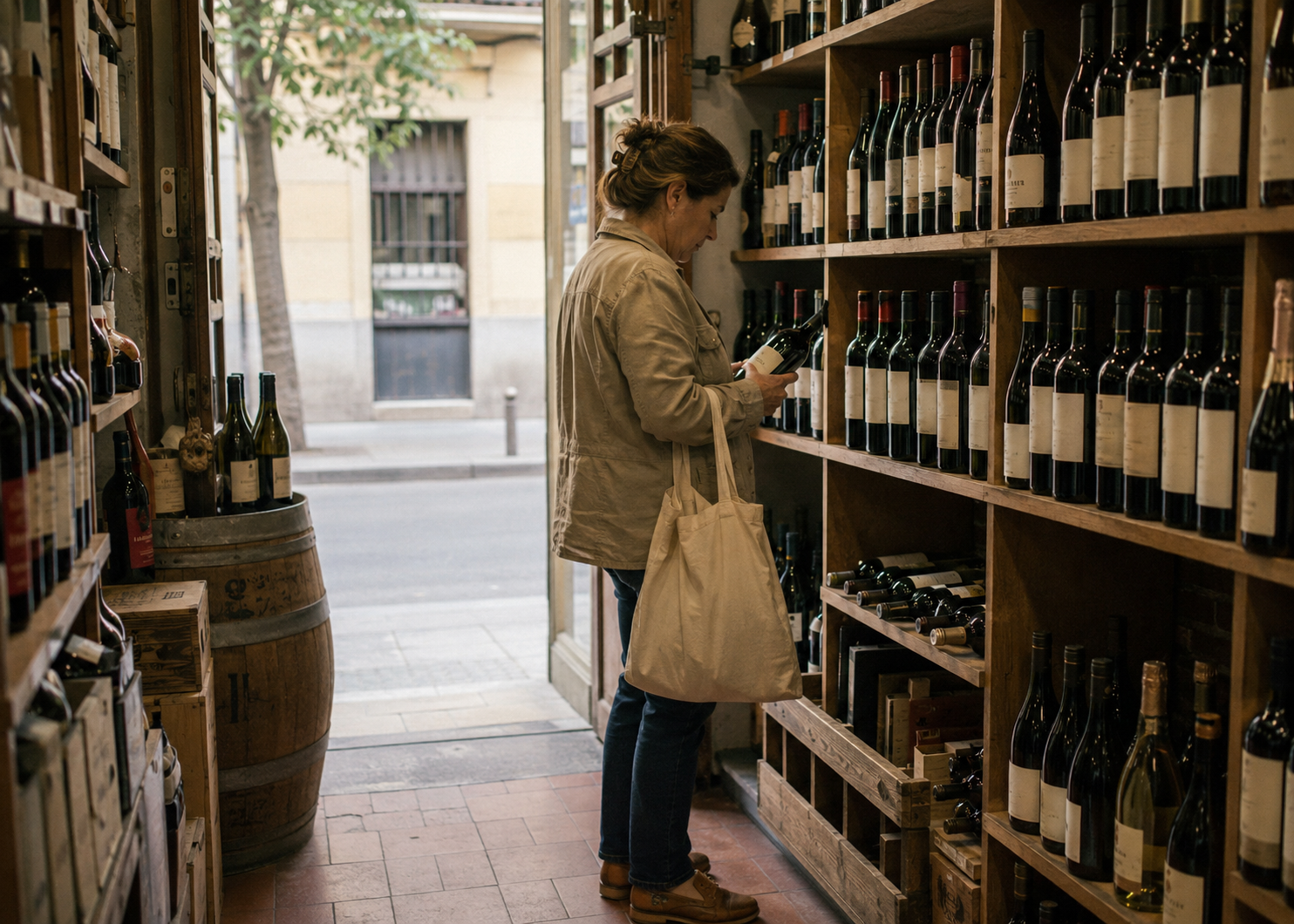
The second half of the story is the steep markup that American restaurants apply, which is both standard practice and particularly pronounced for inexpensive wines.
Restaurant wine markups are large everywhere, with the industry standard being to mark up a bottle by two hundred to three hundred percent over its retail price, and as much as four hundred percent or more for some wines, so that a bottle costing the restaurant little is sold for several times that, the markup being how restaurants make wine one of their most profitable offerings. This means that even an inexpensive wine, after the restaurant’s markup, lands at a price several times its retail or wholesale cost, the eight-euro Spanish bottle, which the restaurant might buy wholesale for a similar small sum, marked up by the standard multiple to arrive at something like thirty or forty dollars on the list. The markup is standard restaurant economics, applied to all wine, and it alone accounts for most of the gap between the Madrid shop price and the American restaurant price.
What makes it worse for exactly this kind of bottle is the practice of graduated markup, where restaurants apply the highest percentage markups to the cheapest wines and lower percentages to the expensive ones, so the inexpensive everyday Spanish bottle gets marked up the most steeply of all, the cheap wine bearing the heaviest multiple. This is why the eight-euro wine specifically lands at such a striking multiple, because as a cheap bottle it attracts the steepest percentage markup, the restaurant turning a wine that cost them little into a thirty-eight-dollar list price through the aggressive markup reserved for inexpensive bottles. Add the standard large markup, the extra steepness applied to cheap wines, and the costs of importing a Spanish wine to America, and the gap between the Madrid local’s eight euros and the American diner’s thirty-eight dollars is fully explained, standard restaurant economics applied most aggressively to exactly this kind of inexpensive bottle.
How To Drink Well And Cheaply
The practical payoff of understanding all this is knowing how to drink the same good Spanish wine without the markup, and the strategies are simple.
The single most effective move is to buy Spanish wine at retail rather than drinking it in restaurants, since the same excellent Spanish bottles that cost so much on a restaurant list are available at wine shops and supermarkets for a small fraction of the price, often genuinely close to the Spanish price, so the American who buys Spanish wine to drink at home captures all the value that the restaurant markup destroys. A good Spanish Rioja or Garnacha or Albariño bought at a wine shop for fifteen or twenty dollars, or less, is the same wine that would be forty or more on a restaurant list, so shifting your Spanish wine drinking to home, bought at retail, is the easy way to drink the good cheap Spanish wine at something like its true value. Buy it at the shop, drink it at home, and the markup simply disappears.
For restaurant drinking, a few strategies soften the markup, ordering the less marked-up options where the graduated markup means the mid-range and higher bottles often offer better value relative to their quality than the steeply-marked cheap ones, looking for restaurants with fairer wine pricing, or drinking by the glass strategically. But the fundamental lesson is that the great value of Spanish wine is best captured by buying it at retail, since the restaurant markup, especially on cheap bottles, destroys most of the value, so the knowing drinker buys Spanish wine at the shop for home drinking and accepts that restaurant wine, Spanish or otherwise, carries the markup. Learn the good-value Spanish regions, buy them at retail, drink the excellent cheap Spanish wine at home as the Spaniards do, and you capture the value that the American restaurant list would take away, drinking very well for very little.
The Wines To Actually Look For
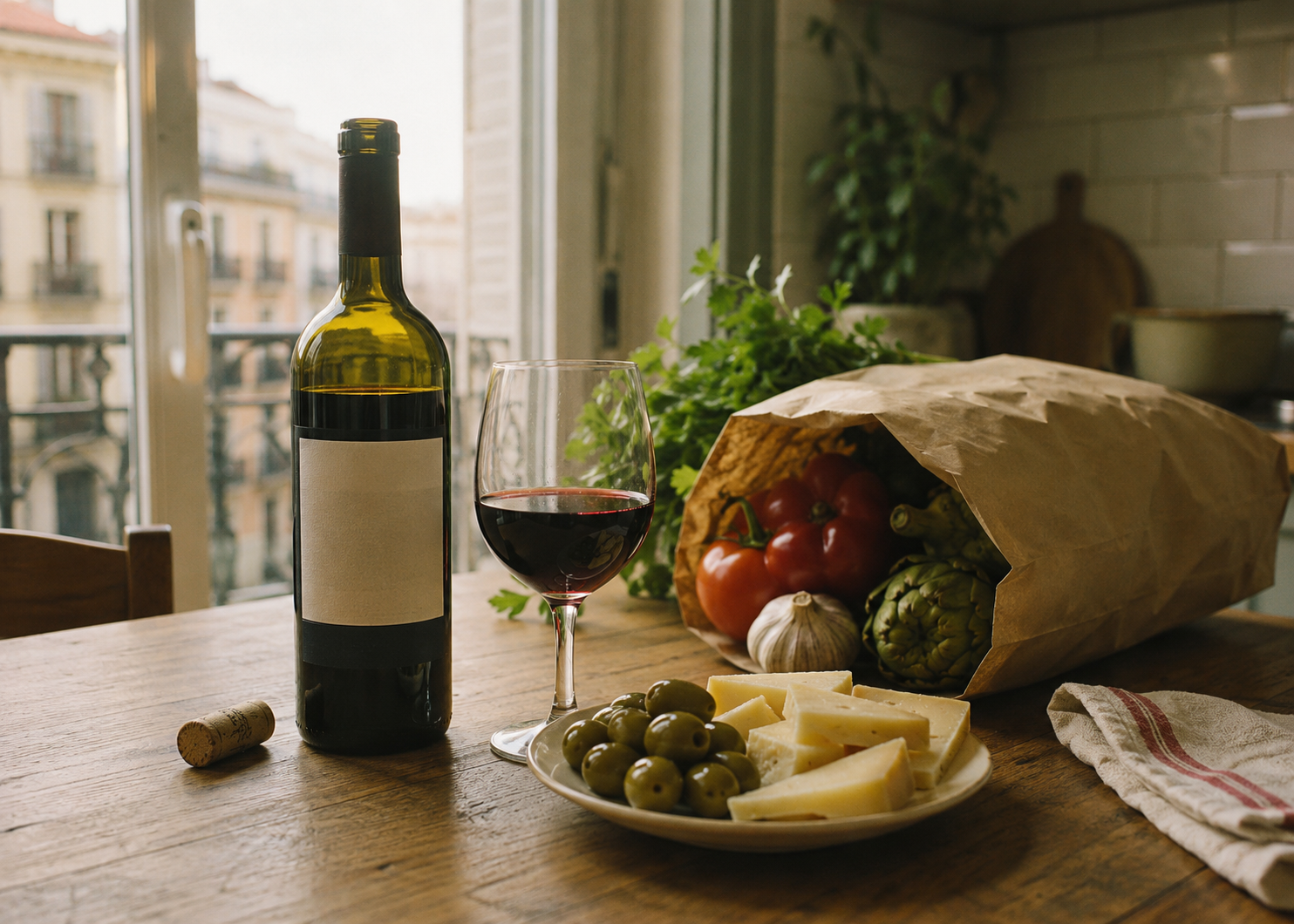
It helps to be specific about which Spanish wines offer the best value, since knowing the names is what lets you find them on a shelf or a list.
For reds, Rioja is the place to start, Spain’s most famous red region, its tempranillo-based wines offering tremendous range and value, the joven and crianza levels especially affordable and good, the reserva and gran reserva more serious but still well-priced against their quality. Ribera del Duero offers reds of similar grape and often higher intensity, slightly pricier but excellent value at the quality, while Garnacha, the grape known elsewhere as grenache, offers some of the best value of all, regions like Campo de Borja and Calatayud producing rich generous reds for very little. For everyday drinking these reds are the heart of Spanish value, and learning to recognize them, Rioja, Ribera del Duero, Garnacha, is most of what you need to buy Spanish red well.
For whites and sparkling, Albariño from Rías Baixas in the green northwest is the star, a crisp aromatic white superb with seafood and offering real quality for the price, while Verdejo from Rueda is another good-value white, fresh and affordable. And Cava, Spain’s traditional-method sparkling wine, is perhaps the single greatest value in all of wine, made by the same method as Champagne at a fraction of the price, an excellent bottle of Cava costing less than a mediocre prosecco and far less than any Champagne. Knowing these, the Albariño, the Verdejo, the Cava, alongside the reds, gives you a map of Spanish wine value, the regions and styles to look for whether buying at a shop or scanning a restaurant list, the names that signal quality at a price that, at retail at least, remains the bargain that Spanish wine has always been.
Why The Markup Is Not A Scandal

It is worth being fair about the restaurant markup, since understanding why it exists makes the whole picture clearer and the strategy more sensible.
The large restaurant wine markup, striking as it is, is not really a rip-off but the economics of how restaurants work, since restaurants make much of their profit on drinks, wine especially, and use that margin to cover the considerable costs of the business, the rent, the staff, the glassware, the storage, the service, the whole apparatus of dining out, much of which the wine markup helps fund. The markup pays not just for the wine but for the experience of drinking it out, the served bottle in the pleasant room with the meal and the glassware and the service, which is a different product from the bottle bought at the shop and drunk at home, and the markup reflects that the restaurant is selling an experience, not just a wine. So the thirty-eight-dollar bottle is not a cheat exactly but the cost of drinking that wine in a restaurant, with everything that entails, rather than at home.
Understanding this makes the strategy sensible rather than resentful, since the point is not that restaurants are wicked to mark up wine but that the markup means the value of cheap Spanish wine is best captured at retail, the knowing drinker simply choosing to buy the wine at the shop for home and accepting the markup when they choose to drink out for the experience. There is a place for both, the cheap excellent Spanish wine at home for everyday drinking, and the marked-up bottle in the restaurant when you want the night out, and the wisdom is in knowing the difference and choosing deliberately rather than overpaying for everyday drinking out of ignorance. Know why the markup exists, buy your everyday Spanish wine at retail, enjoy the restaurant bottle as the occasional experience it is priced as, and you drink both well and wisely, capturing the great value of Spanish wine where it is best captured while understanding what you pay for when you drink out.
The Bigger Lesson About Spanish Value
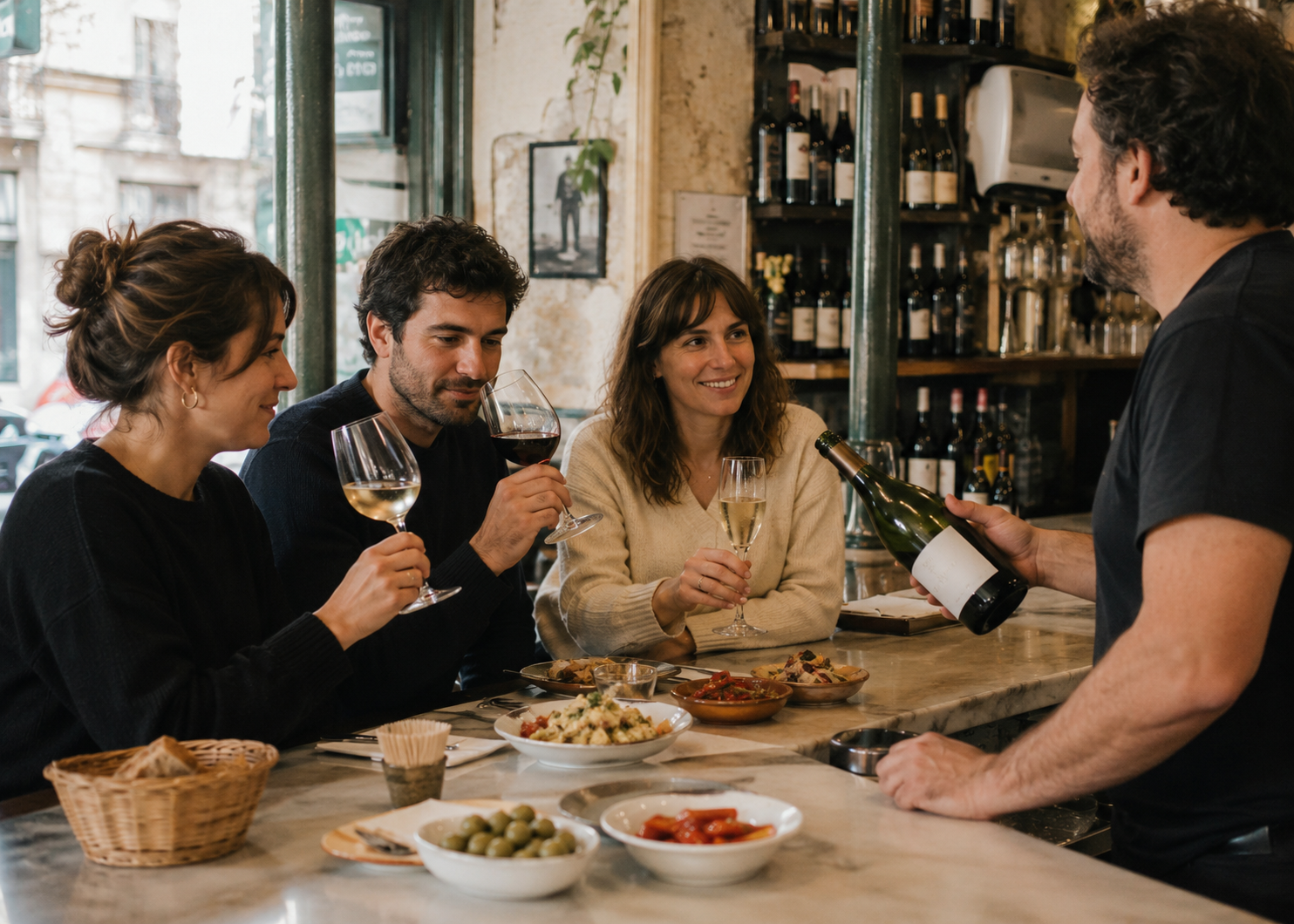
The wine is really one instance of a larger truth about Spain, that it offers extraordinary everyday value that the rest of the world marks up, and the lesson generalizes.
The eight-euro wine that becomes the thirty-eight-dollar bottle is a perfect small emblem of something true about Spain more broadly, that the everyday Spanish good life, the wine, the food, the eating out, the simple pleasures, is available in Spain at prices that make it an everyday matter rather than a luxury, the quality of ordinary Spanish life being high and its cost being low. This is much of what draws people to Spain, the discovery that the good wine and the good food and the pleasant unhurried life are not expensive treats but the affordable everyday norm, the eight-euro bottle of excellent wine standing for a whole way of living well cheaply that Spain offers and that the more expensive world marks up. The wine is the small visible sign of the larger value.
For the visitor or the would-be expat, this is the real lesson behind the wine, that Spain offers a quality of everyday life, in its food and drink and pace and pleasures, that is genuinely high and genuinely affordable, the good life as the ordinary default rather than the expensive exception. The eight-euro wine drunk on a Madrid Tuesday is a small daily instance of this, the everyday excellence at everyday prices that makes Spanish life so appealing, and recognizing it in the wine is recognizing it in the whole, the affordable good living that is much of Spain’s quiet draw. Buy the cheap good wine, yes, but understand too what it represents, the larger Spanish value, the good life made affordable, the eight-euro bottle being one delicious sip of a whole way of living well that Spain offers at prices the rest of the world can only mark up.

About the Author: Ruben, co-founder of Gamintraveler.com since 2014, is a seasoned traveler from Spain who has explored over 100 countries since 2009. Known for his extensive travel adventures across South America, Europe, the US, Australia, New Zealand, Asia, and Africa, Ruben combines his passion for adventurous yet sustainable living with his love for cycling, highlighted by his remarkable 5-month bicycle journey from Spain to Norway. He currently resides in Spain, where he continues sharing his travel experiences with his partner, Rachel, and their son, Han.