
A reader sent us a headline last week announcing that a Greek island had capped American visitor numbers for 2026 and asking which islands were absorbing the redirected Americans. The headline was wrong in its specifics, since no Greek island has capped visitors by nationality, and the idea of an American-specific visitor cap misunderstands how any of this works, countries do not turn away tourists by passport. But underneath the garbled version is a real and significant story, one worth getting right, because Santorini genuinely has capped visitor numbers for 2026, the cap is real and consequential, and there genuinely are islands positioning themselves to take the overflow. The truth is more interesting than the rumor.
What Santorini actually capped is cruise passengers, not Americans, a hard daily limit that is reshaping Greek island tourism in real ways and pushing cruise lines toward alternative islands that stand to benefit enormously. For an American planning a Greek island trip in 2026, the real story matters, since it changes what Santorini will feel like, where the cruise ships are going instead, and which quieter islands are about to get busier. Here is what Santorini actually did, why, and the islands genuinely taking the overflow.
What Santorini Actually Capped

The real measure is precise and significant, and it has nothing to do with nationality and everything to do with cruise ships.
Santorini has imposed a hard daily cap of 8,000 cruise passengers, a strict limit on how many cruise visitors can come ashore on any single day, introduced in 2025 and tightened for 2026, a direct response to the overtourism that had made the island a global symbol of the problem. Before the cap, peak days saw cruise crowds of 11,000 to 17,000 descending on a small island, overwhelming the narrow streets of Oia and Fira, jamming the cable car, straining the infrastructure, and degrading the experience for everyone, which is what drove the authorities to act. The cap of 8,000 is enforced through a ranked allocation system that assigns the daily slots among the ships requesting to dock, with lower-priority ships shifted to other dates when a day would exceed the limit, a managed throttling of the cruise flood.
For 2026 the cap got tighter in a technical but meaningful way, since the calculation of how many passengers each ship counts against the 8,000 limit changed from an assumed 80 percent occupancy to a full 100 percent, meaning ships now count their full passenger capacity against the cap rather than a discounted figure. The practical effect is fewer large ships able to dock on any given day, a real reduction in cruise traffic, with scheduled cruise arrivals for 2026 reportedly down significantly from the previous year as the tighter cap bites. Alongside the passenger cap, Greece introduced a cruise levy, a per-passenger charge of up to 20 euros at the most pressured islands, Santorini and Mykonos, during peak season, both raising revenue for infrastructure and adding a further gentle brake on the cruise flood. The cap is real, it is tightening, and it is already reducing the cruise crowds on Santorini.
Why Santorini Did It

The reasons behind the cap explain why it matters and why it is likely to spread, and they go to the heart of the overtourism crisis.
Santorini had become the poster child for Mediterranean overtourism, a small volcanic island of limited size and infrastructure receiving cruise crowds so large they threatened to ruin the very thing they came for, the narrow clifftop towns choked with people, the famous sunset viewpoints packed shoulder to shoulder, the island’s character and livability eroding under the sheer weight of numbers. The cruise model was the particular problem, since cruise passengers arrive in enormous concentrated waves, thousands at once for a few midday hours, overwhelming the island and then leaving, contributing heavily to the congestion while spending relatively little compared to overnight visitors, the worst tourism math for a stressed destination. The cap targets exactly this, the concentrated cruise surge, capping the daily wave to a level the island can actually absorb.
The deeper driver is a broad shift across Greece and the wider Mediterranean toward managing rather than maximizing tourism, a recognition that unlimited growth was destroying destinations and angering residents, and that the long-term health of these places requires limits. Santorini is the leading edge of this shift, but it is not alone, and the logic that drove its cap, protect the destination and the residents from being overwhelmed, applies across the most pressured Greek islands and is likely to spread as the overtourism backlash grows. For the traveler, this is the meaningful context, that Santorini’s cap is part of a larger turn toward limited, managed tourism, and that the era of unlimited cruise crowds on the most famous islands is ending by design. The cap is not a one-off but a sign of where Greek island tourism is heading.
The Islands Taking The Overflow
Here the rumor had a kernel of truth, since the cap is genuinely redirecting cruise traffic, and certain islands are positioned to absorb it.
As Santorini limits cruise calls, the cruise lines need alternative destinations, and several Greek islands and ports are stepping into that role, chief among them Syros, which has been chosen by major cruise lines as an alternative Cycladic call, its handsome capital Ermoupoli with its neoclassical harbor offering a real and attractive destination that has historically seen little cruise traffic. Syros is a particularly interesting beneficiary, since it is a genuine year-round working island, the administrative capital of the Cyclades, with the infrastructure to handle visitors and a real cultural life, gaining cruise tourism as Santorini sheds it. Other ports are growing too, with mainland and Cretan ports like Volos and Agios Nikolaos expanding their cruise business significantly, positioning themselves to capture the redirected traffic as the famous islands cap out.
The broader pattern is a redistribution of Greek island tourism away from the overwhelmed marquee islands toward the quieter, less famous ones that have capacity and want the business, a rebalancing driven by the caps and levies at the top end. For these absorbing islands the cruise traffic is an opportunity, bringing visitors and revenue to places that have not been overwhelmed and can handle the growth, though they will want to manage it carefully to avoid Santorini’s fate. This redistribution is genuinely reshaping which Greek islands see cruise crowds, with the overflow flowing toward Syros and the growing ports, and it is the real version of the rumor’s claim about islands taking the overflow, just driven by cruise economics rather than any nationality cap. The map of Greek island cruise tourism is being redrawn, and the quieter islands are the ones it now includes.
What This Means For An American Trip
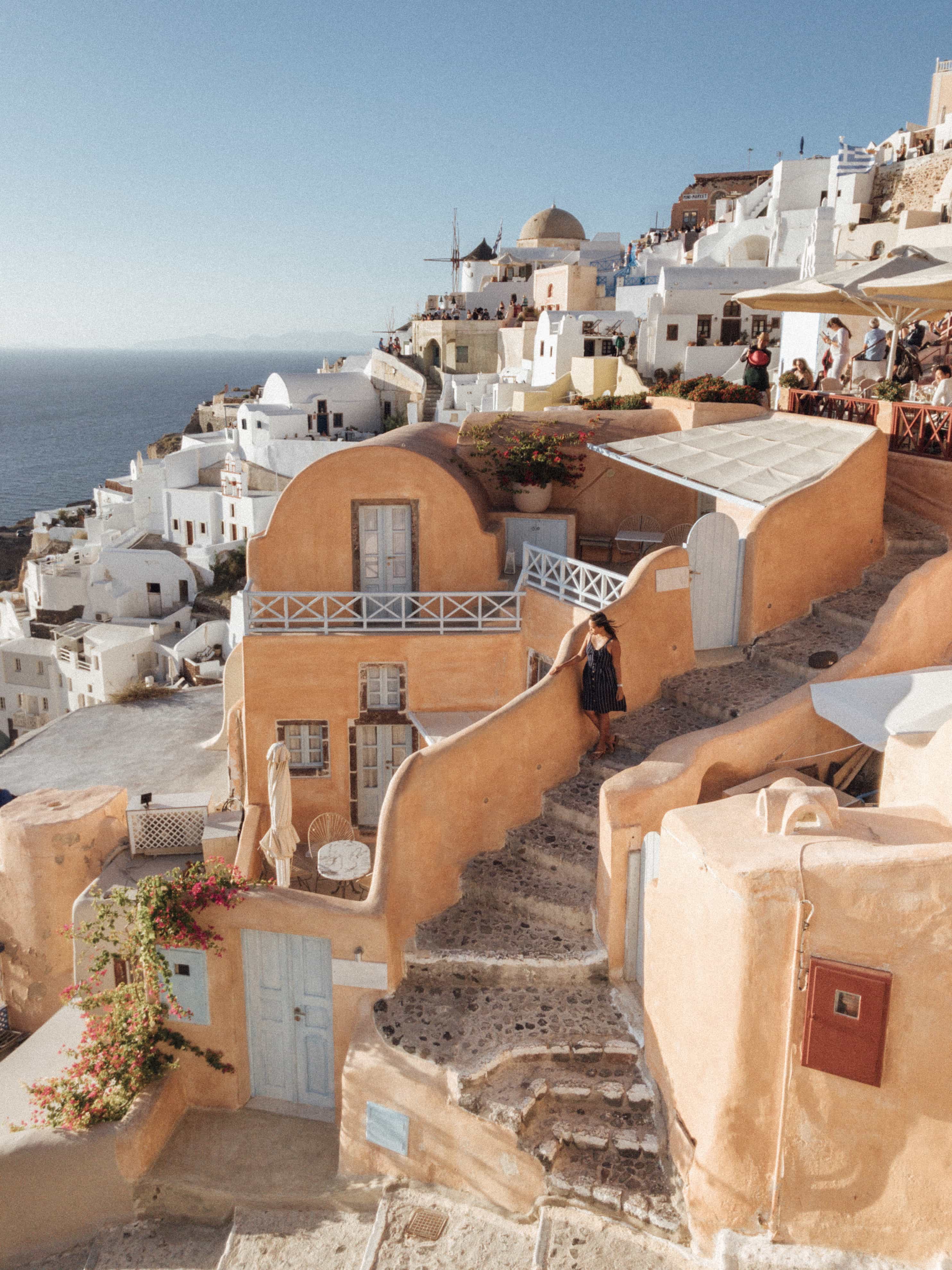
For an American actually planning a Greek island visit in 2026, the cap has real practical implications worth understanding.
If you are visiting Santorini by cruise, expect the experience to be more managed and potentially less crowded than in past years, with the cap thinning the worst of the midday crush, though the island remains popular and busy, and your ship may face the allocation system that determines which days it can dock. If you are visiting Santorini as an overnight or independent traveler, the cap is genuinely good news, since reducing the cruise crowds makes the island more pleasant for those who stay, the streets less jammed in the midday hours when the cruise waves used to peak, the experience closer to what drew people before the overtourism. The cap improves Santorini for the overnight visitor while constraining it for the cruise day-tripper, a deliberate tilt toward the higher-value, lower-impact kind of tourism.
The wider implication is that the quieter islands now entering the cruise map, and the less famous islands generally, are increasingly where the better Greek island experience lies, away from the capped and crowded marquee destinations. An American planning a Greek island trip would do well to look beyond Santorini and Mykonos toward the islands this blog has covered before, the Syros and Naxos and Evia and the other year-round working islands that offer a more authentic and less overwhelmed experience, which the cruise redistribution is now bringing into wider view. The cap is, in a sense, the system pointing everyone toward the better choice, the quieter islands, and the American who follows that signal away from the famous crush will have a richer trip. The real story of the cap is also, usefully, a map toward the more rewarding Greece.
The Lesson About Reading These Headlines
It is worth closing on the gap between the rumor and the reality, because the lesson protects you from the next garbled headline.
The rumor said American visitors were capped and asked which islands were taking the redirected Americans, and every specific in that was wrong, no nationality cap exists, Americans are not being redirected, the whole framing was a distortion. Yet the distortion grew from real facts, a real cap on Santorini, real redirection of traffic, real islands benefiting, scrambled into a false story about Americans specifically. This is exactly how travel misinformation works, real developments distorted into clickable but wrong specifics, and the defense is to check the actual measure against a real source before believing or acting on a dramatic headline. The reality, a cruise-passenger cap reshaping island tourism, is more useful to know than the rumor, an American visitor cap, ever could have been, precisely because it is true.
So when you see a headline announcing that some country capped some category of visitor, or lowered some threshold, or opened some special program, check the specifics before you plan around them, since the specifics are exactly what these headlines most often get wrong. Santorini capped cruise passengers, not Americans, and the islands taking the overflow are taking redirected cruise ships, not redirected Americans, and knowing the real version tells you something genuinely useful about planning a Greek island trip in 2026, while the rumor would only have misled you. The truth, here as so often, is both more accurate and more helpful than the dramatic distortion, which is the whole reason this blog checks before it writes.
How To Actually See Santorini In 2026
If Santorini is still on your list, and for many it rightly is, the cap changes the optimal way to visit, and a little strategy goes a long way.
The single best move is to stay overnight rather than come as a cruise day-tripper, since the cap is specifically thinning the cruise crowds while the island remains fully open to those who stay, meaning an overnight visitor now gets a meaningfully less crowded Santorini, especially in the early mornings and the evenings after the day’s cruise passengers have gone. The rhythm of the capped island rewards the overnight stayer, who can see Oia and Fira in the quiet hours, watch the famous sunset with somewhat less of a crush, and experience the island closer to its real self once the midday wave recedes, which is exactly the experience the cap was designed to protect. Staying over, always the better way to see Santorini, is now more clearly so than ever.
Timing within the year matters too, since the cap and the levy bite hardest in peak summer, and visiting in the shoulder seasons, late spring or autumn, means fewer crowds, lower charges, gentler weather, and a more pleasant island all around. The cap manages the peak, but the smart visitor avoids the peak entirely, coming in May or June or September or October when Santorini is at its best and least overwhelmed, the cap and the calendar together pointing toward the same conclusion. An American planning the trip should aim for an overnight stay in the shoulder season, which sidesteps the worst of the crowds the cap is fighting and delivers the Santorini people actually dream of, rather than the packed midday version the cruise crowds created. Plan around the cap rather than into it, and Santorini still delivers.
A Final Word On The Bigger Picture

Stepping back, the Santorini cap is a small piece of a large and accelerating change in how the most beautiful places manage the people who want to see them.
Across the Mediterranean and beyond, the most pressured destinations are introducing caps, levies, and restrictions, Venice with its day-tripper fee, Barcelona phasing out tourist apartments, Spain’s islands tightening rentals, and now Santorini capping cruise passengers, all responding to the same pressure, that unlimited tourism was destroying the places it descended on. This is the defining shift in travel for the coming years, the turn from maximizing visitors to managing them, and Santorini’s cruise cap is one of its clearest and most consequential expressions, a famous place deciding it had reached its limit and acting to defend itself. The traveler who understands this shift will navigate the new landscape better than one still expecting unlimited access to everywhere.
For the American retiree or traveler drawn to these places, the practical wisdom is to adapt to the managed era, to favor the quieter destinations, the shoulder seasons, the overnight stays, the less famous islands and towns, all of which offer better experiences in a world where the marquee places are increasingly capped and crowded and charged. The Santorini cap is not an obstacle but a signal, pointing toward a smarter way to travel the changing Mediterranean, away from the overwhelmed icons and toward the quieter places that still welcome visitors warmly. Read the signal correctly, and the era of caps and limits becomes not a frustration but a guide to the better, quieter, more rewarding corners that the crowds have not yet found and the caps are now steering you toward.

About the Author: Ruben, co-founder of Gamintraveler.com since 2014, is a seasoned traveler from Spain who has explored over 100 countries since 2009. Known for his extensive travel adventures across South America, Europe, the US, Australia, New Zealand, Asia, and Africa, Ruben combines his passion for adventurous yet sustainable living with his love for cycling, highlighted by his remarkable 5-month bicycle journey from Spain to Norway. He currently resides in Spain, where he continues sharing his travel experiences with his partner, Rachel, and their son, Han.