
Walk into a cheese shop in a tourist district of Paris and you will see, prominently displayed, a particular set of cheeses, the ones with the famous names, the ones tourists recognize and reach for, often pre-cut and packaged for travel. The French shopper standing next to you is buying something else entirely, the cheeses without the international fame, chosen by season and by the advice of the cheesemonger, often a humble-looking thing that tastes extraordinary. The gap between what tourists buy and what French people actually eat is one of the quiet truths of French food culture, and understanding it is the difference between bringing home a souvenir and bringing home the real thing.
From Spain, where the respect for a good cheese runs deep and the French cheese tradition is admired and envied, the tourist-versus-local divide in Paris cheese shops is a familiar pattern, the famous names doing the work of recognition for visitors while the French quietly buy better. This is not to say the famous cheeses are bad, since many are genuinely great, but that the tourist often buys a lesser, mass-market version of a famous name, or buys for recognition rather than quality, while the French buy by season, condition, and the cheesemonger’s guidance. Here are five cheeses tourists commonly buy that the French often consider tourist-grade as usually sold, and what the French reach for instead.
A Note On What Tourist-Grade Means
Before the cheeses, a clarification, because tourist-grade does not mean the cheese itself is bad, but something more specific worth understanding.
The phenomenon is rarely that a famous French cheese is inherently inferior, since most of the famous names are famous for good reason and a properly made, properly aged example is superb. The issue is that the version sold to tourists is often a mass-market, industrial, or poorly kept example of the famous name, chosen for its recognizability and shelf stability rather than its quality, while the same cheese in its proper artisanal, well-aged, seasonally-right form is a different and far better thing. So tourist-grade refers to the version and the buying, the supermarket or tourist-shop industrial example bought by name recognition, rather than to the cheese in principle, and the French buy the good version of the same cheeses, or different cheeses entirely, through better shops and better knowledge.
The deeper distinction is between buying by name and buying by quality, condition, and season, which is the heart of how the French actually shop for cheese. A French cheese lover buys from a good fromagerie, takes the advice of the affineur or cheesemonger about what is at its peak right now, considers the season, and judges the individual piece by its condition, none of which the tourist reaching for a recognized name in a tourist shop is doing. The five cheeses below illustrate this, each a famous name often bought tourist-grade, paired with what the discerning French buyer reaches for instead, whether a better version of the same or a different cheese altogether.
Brie, And What The French Buy Instead
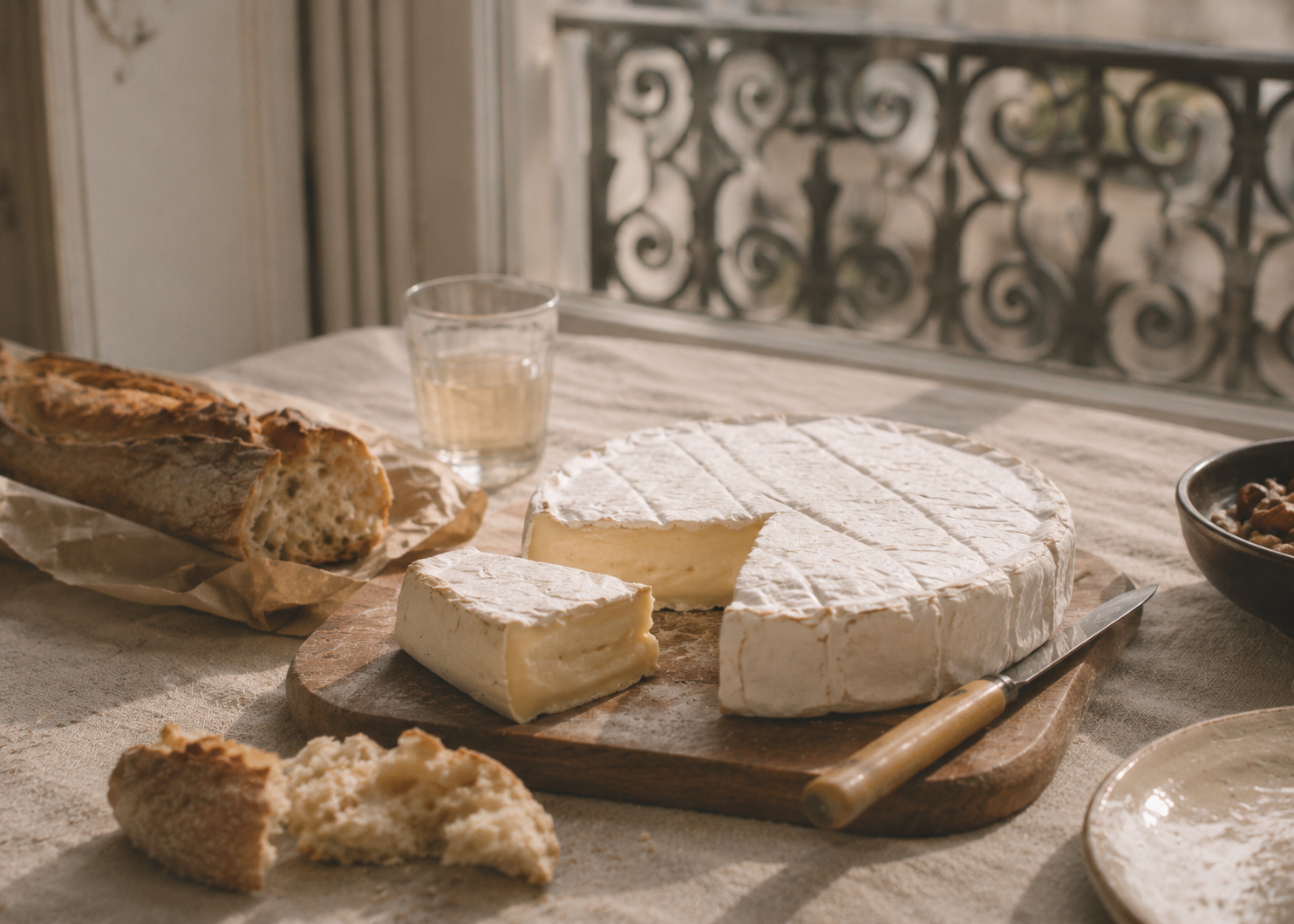
Start with Brie, perhaps the most famous French cheese of all to foreigners, and one of the most commonly bought in its tourist-grade form.
Tourists buy Brie because it is the French cheese they know, soft, mild, recognizable, and they often buy an industrial, mass-market Brie, a bland, uniform, factory-made version that bears little resemblance to the real thing. The mass-market Brie sold widely, including the stabilized versions made for export and supermarket shelves, is a pale shadow of proper Brie, mild to the point of blandness, uniform in texture, lacking the depth and complexity of the real cheese. It is perfectly edible but unremarkable, and it is what many tourists carry home as their taste of French cheese, never having met the real thing.
What the French buy instead is real Brie, specifically the genuine artisanal versions like Brie de Meaux, an AOP-protected cheese made traditionally with raw milk, properly aged, with a deep, mushroomy, complex flavor and a runny, oozing interior at its peak, a completely different and superior experience to the industrial version. The discerning French buyer goes to a good fromagerie, asks for a properly ripe Brie de Meaux or Brie de Melun, and buys a piece judged to be at its peak of ripeness, which is a cheese of real depth and character. The lesson of Brie is the lesson of the whole subject, that the famous name sold industrially is tourist-grade, while the same name in its genuine AOP, raw-milk, properly-aged form is what the French actually eat and what is worth seeking.
Camembert, The Same Story
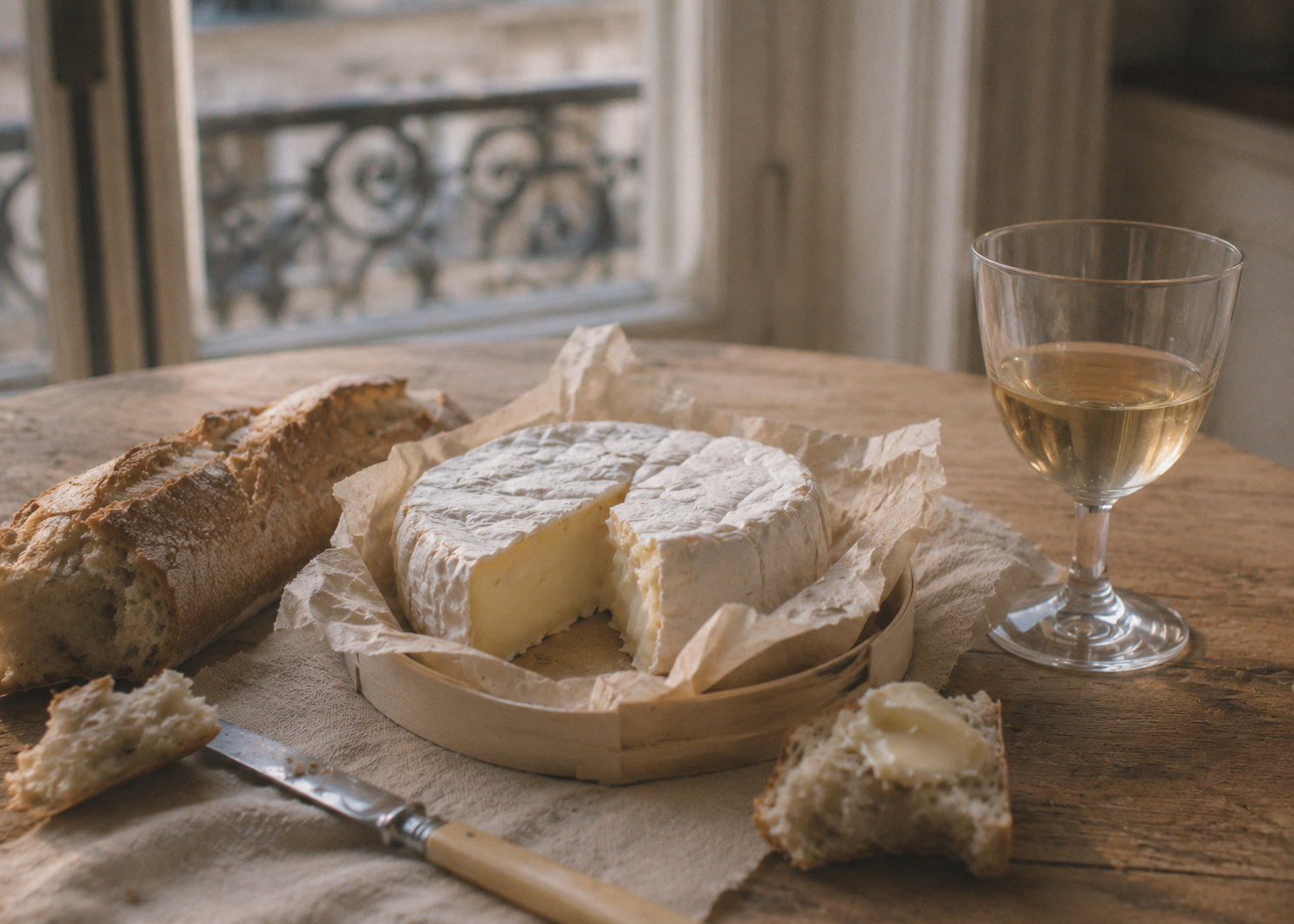
Camembert follows almost exactly the same pattern as Brie, another famous name often bought in a tourist-grade version far from the real thing.
Tourists buy Camembert as another recognizable French cheese, and again often get an industrial, pasteurized, mass-market version, the stabilized supermarket Camembert that is mild, rubbery, and uniform, lacking the pungency and the oozing, complex character of the real cheese. The industrial Camembert made for mass distribution and export is a tamed, stabilized product, and while it is fine, it is not the genuine article and gives little sense of what real Camembert is. This is the version many visitors encounter and take to be Camembert, never tasting the real, far more characterful thing.
What the French buy is the genuine Camembert de Normandie, the AOP-protected, raw-milk, traditionally-made version, with its strong aroma, its complex earthy flavor, and its proper runny ripeness, a cheese of real pungency and depth that the industrial version only hints at. The French buyer seeks out the true Camembert de Normandie, made with raw milk and ladled by hand in the traditional way, and buys it properly ripe from a good shop, which is an intense and wonderful cheese. As with Brie, the divide is between the industrial version bought by tourists for the name and the genuine AOP raw-milk version the French actually eat, the same famous name pointing to two very different cheeses.
Roquefort, Where Quality Varies Widely
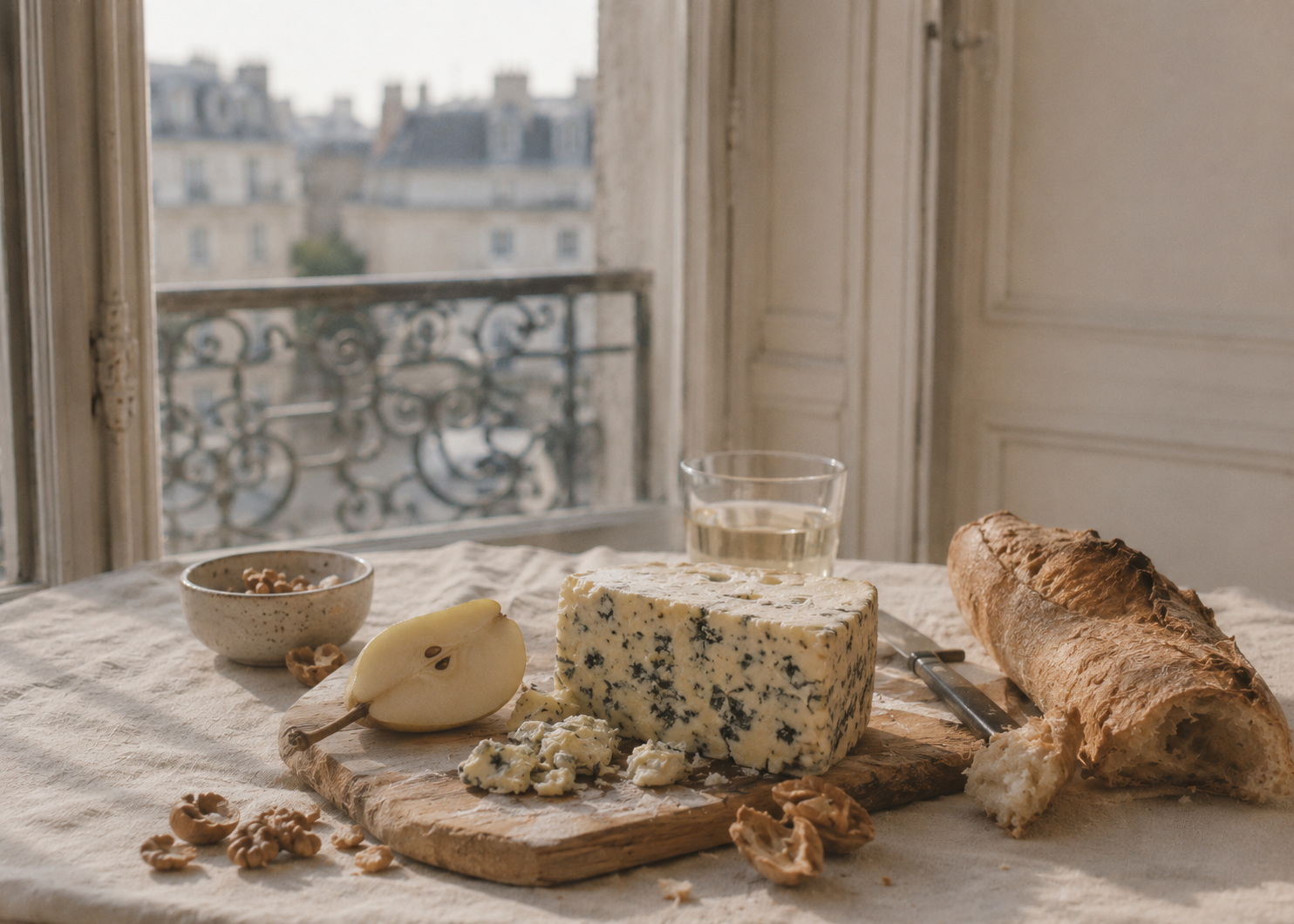
Roquefort, the famous blue, is a slightly different case, where the cheese is always real Roquefort by law but the quality and the buying still separate tourists from locals.
Tourists buy Roquefort as the famous French blue cheese, and while all Roquefort is AOP-protected and made to a standard, so it is never industrial in the way mass-market Brie is, there is still a wide range of quality among producers and ages, and tourists often buy whatever Roquefort is most prominently sold without regard to the producer or condition. They buy by the famous name, getting a perfectly real but perhaps not exceptional example, often pre-packaged, and miss the variation in quality and character among the different Roquefort houses and the importance of the cheese’s condition. The famous name guarantees a baseline, but not that the tourist is getting the best version.
What the French buy is Roquefort chosen by producer and quality, since the knowledgeable buyer knows that different Roquefort houses produce cheeses of different character and quality, and selects accordingly, often preferring the smaller artisanal producers over the largest industrial brands, and buys from a fromagerie that keeps the cheese properly. The discerning buyer also considers other great French blues entirely, the Bleu d’Auvergne, the Fourme d’Ambert, the various regional blues that are less internationally famous than Roquefort but excellent and often what the French eat at home. The lesson here is subtler, that even with a protected cheese, the French buy by producer, quality, and condition, and range across the many French blues, while the tourist buys the one famous name.
Comté, The Cheese The French Actually Buy Most
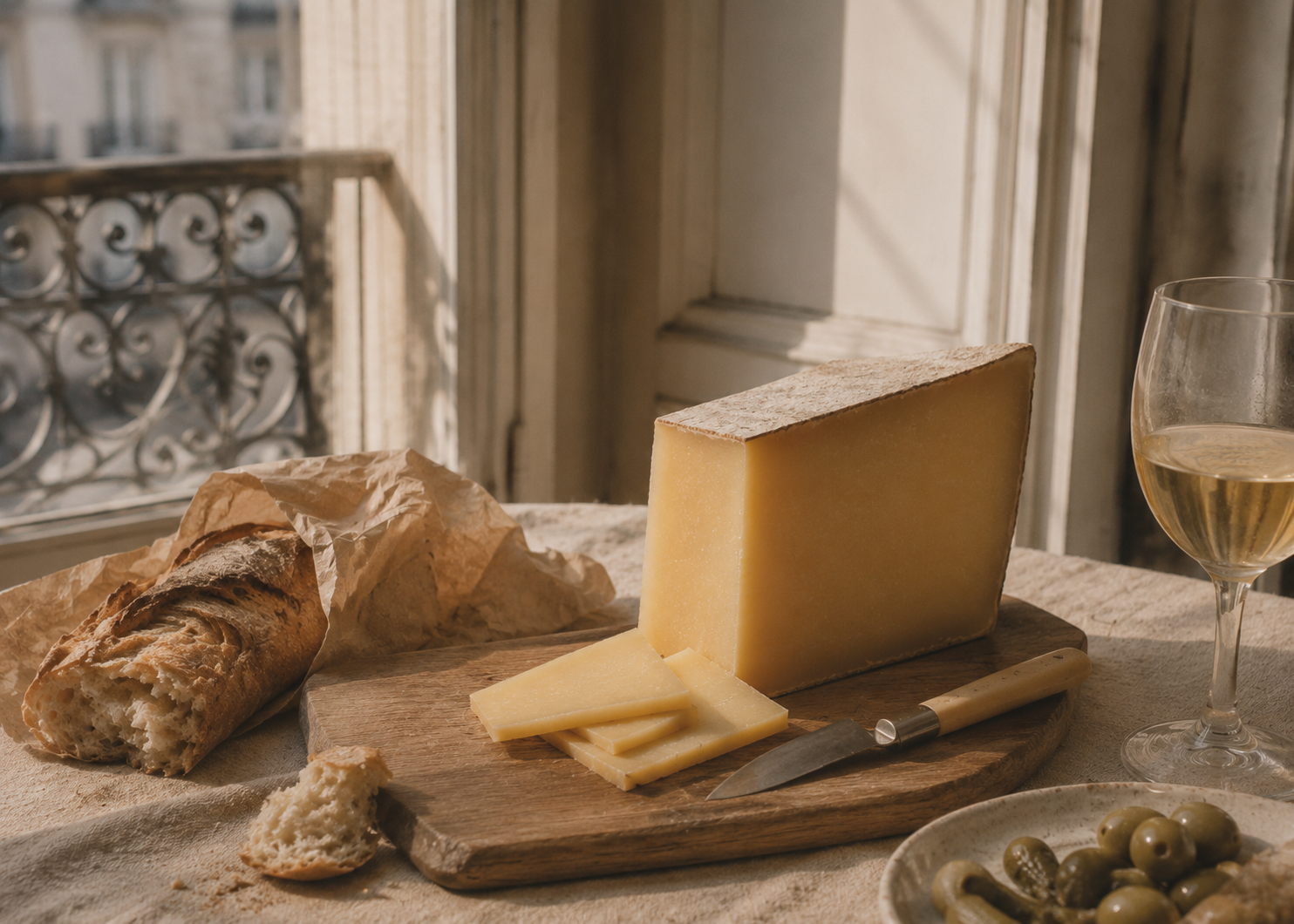
Comté is interesting because it is a case where the French buy enormous amounts of a genuinely great cheese, and the tourist divide is about age and selection rather than industrial versus artisanal.
Comté is one of the most beloved and most consumed cheeses in France, a hard mountain cheese of real depth and complexity, and it is genuinely great, so this is not a case of the French avoiding it, since they eat more of it than almost any other cheese. The tourist divide with Comté is about selection, since Comté varies enormously by age and by the individual wheel, from young, mild, fruity versions to long-aged, complex, crystalline ones, and the knowledgeable buyer selects by age and character while the tourist takes whatever is labeled Comté without regard to its aging. A young Comté and a thirty-month-aged Comté are very different cheeses, and the difference matters enormously to the French buyer.
What the French do is buy Comté by age and by tasting, choosing a young or aged version according to preference and use, often asking the cheesemonger about the specific wheel and its character, and treating the age as the key variable. They know that a well-aged Comté from a good wheel is one of the great cheeses of the world, complex, nutty, with those little crunchy crystals of long aging, and they select accordingly. The lesson of Comté is that even with a cheese the French love and eat constantly, the discerning approach is to buy by age, character, and the cheesemonger’s guidance rather than by the name alone, getting the version that suits the moment and is at its best.
The Fifth, Chèvre Beyond The Famous Logs
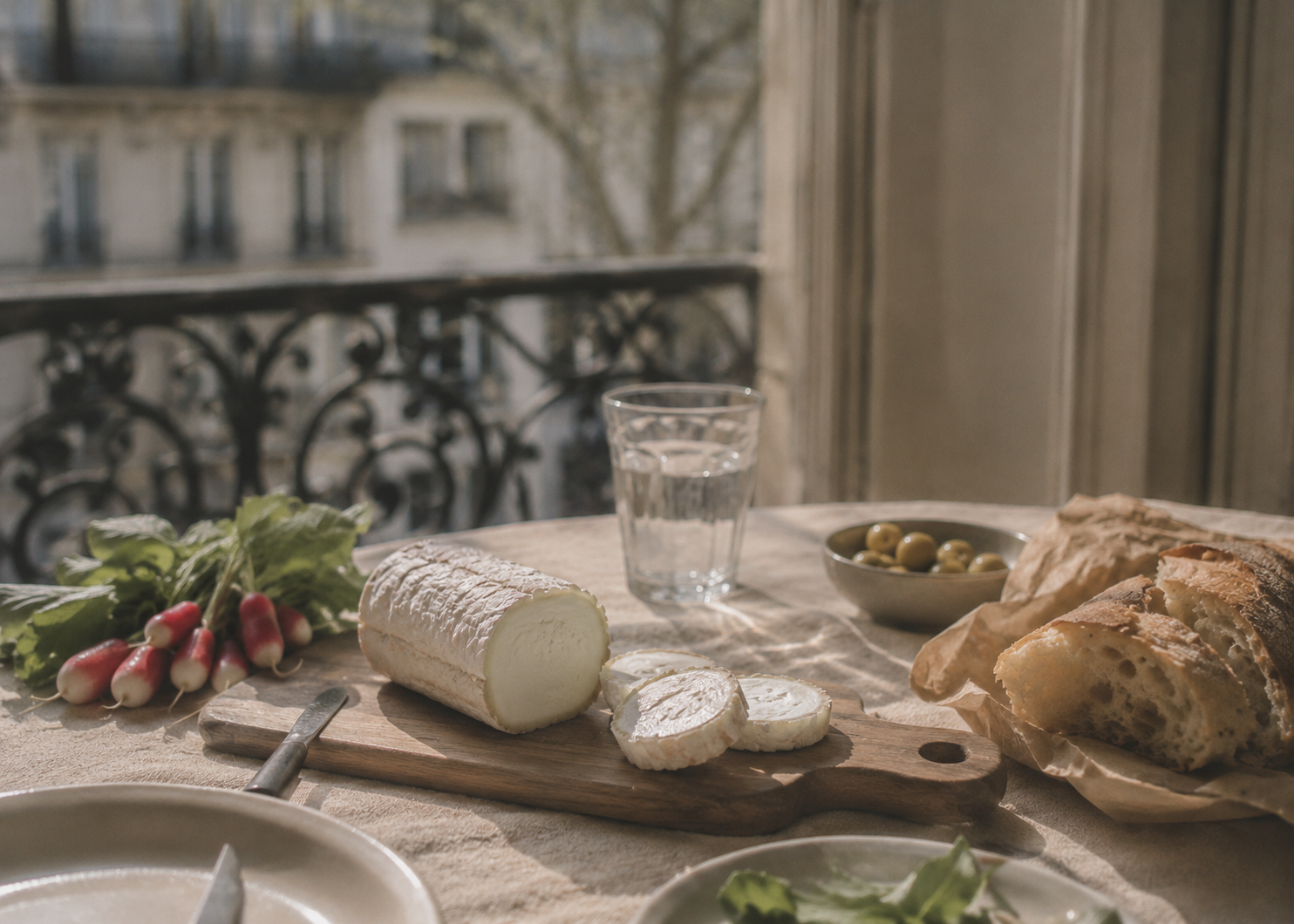
The fifth case is goat cheese, chèvre, where tourists buy a narrow famous form while the French range across a whole world of regional goat cheeses.
Tourists buy chèvre often as the soft fresh log, the mild, recognizable goat cheese sold widely, and while fresh chèvre is lovely, it represents only a tiny corner of the French goat cheese world, and the mass-market log is often a bland industrial version of even that. The tourist meets goat cheese as a single mild form and misses the enormous variety of French chèvres, the aged ones, the ash-covered ones, the regional AOP goat cheeses each with its own character. The famous soft log, especially in its industrial version, is the tourist-grade goat cheese, a narrow and often bland slice of a vast and wonderful category.
What the French buy is from across the whole spectrum of French goat cheeses, the many regional and AOP chèvres like Crottin de Chavignol, Sainte-Maure de Touraine, Valençay, Chabichou, and dozens more, each with its own shape, age, character, and terroir, ranging from fresh and mild to aged, firm, and intensely flavorful. The French buyer chooses among these by season, region, and condition, treating goat cheese as the rich and varied category it is rather than a single product, often buying the aged and regional versions that the tourist never encounters. The lesson is the broadest one of all, that behind the single famous form the tourist knows lies a whole world of genuine French cheese that the locals actually eat, accessible to anyone willing to look past the famous names.
How To Buy Cheese Like A Local In Paris
Pulling the five cases together, the way to buy cheese like a Parisian rather than a tourist is clear, and it is entirely available to a visitor willing to do it.
The essential move is to buy from a real fromagerie rather than a supermarket or tourist shop, and to engage the cheesemonger, the fromager or affineur, asking what is at its peak right now, what they recommend, what is in season, and trusting their guidance rather than reaching for the names you already know. A good cheesemonger will steer you to the genuine versions, the properly aged and seasonally right cheeses, and will let you taste, and will sell you a piece in proper condition, which is the whole difference between tourist-grade and the real thing. Buying by the cheesemonger’s advice rather than by name recognition is the single biggest step toward eating cheese as the French do.
The other principles follow from this. Buy by season and condition, since cheese is a living, seasonal thing and the best cheese is whatever is at its peak now rather than a fixed favorite. Be willing to try the unfamiliar, the cheeses without international fame, since those are often what the French eat and love. Seek the AOP, raw-milk, artisanal versions of the famous names rather than the industrial export versions. And buy small amounts of properly kept cheese to eat soon rather than stable industrial cheese for travel, since the real thing is perishable and meant to be eaten at its peak. Follow these, and a visitor buys and eats the genuine French cheese the locals do, rather than the tourist-grade versions of famous names, which is one of the great and accessible pleasures of France.
The Affineur, The Secret Behind The Best Cheese
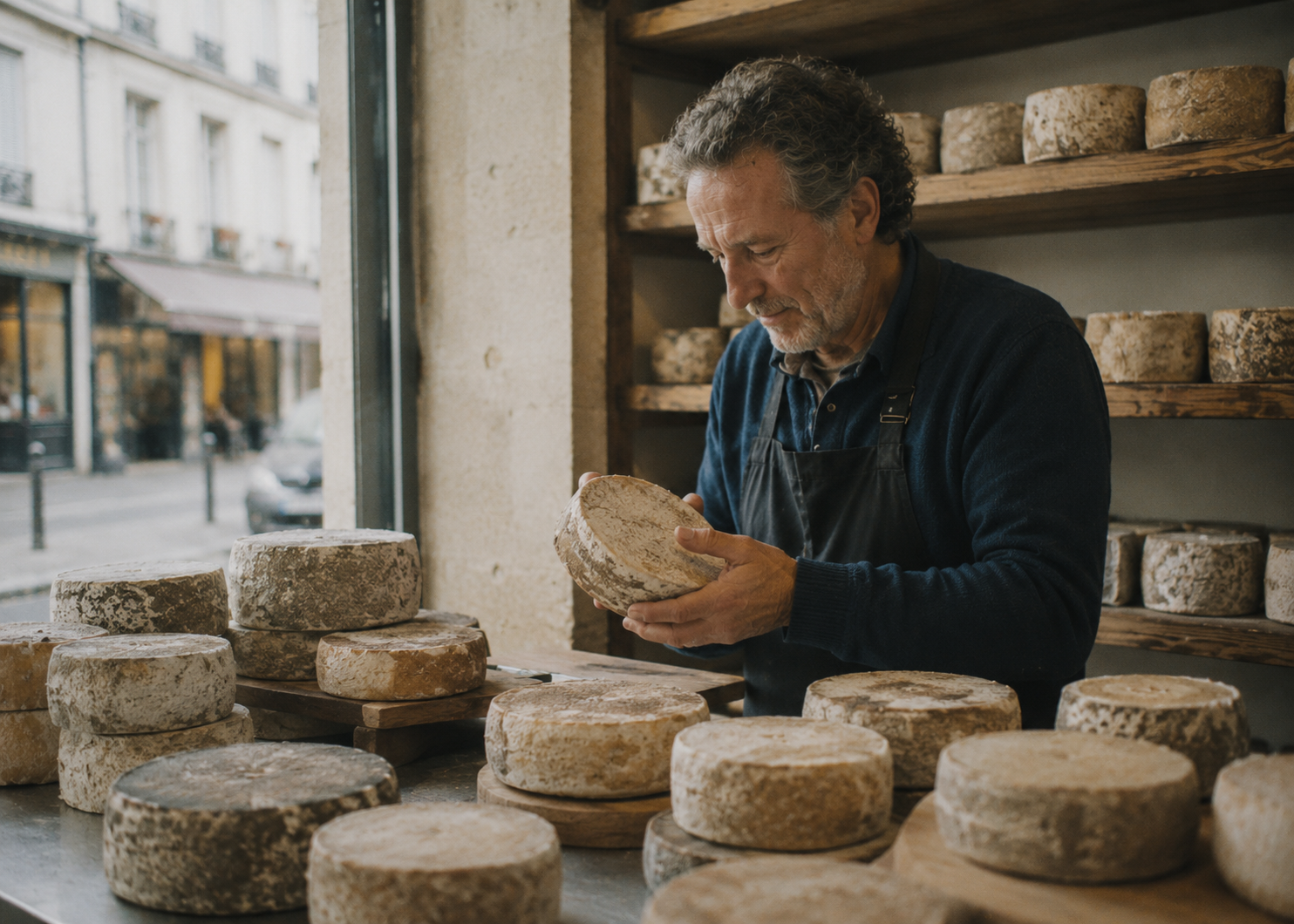
One figure deserves a closer look, because understanding the affineur explains much of why French cheese at its best is so much better than the tourist-grade version.
An affineur is a cheese ager, a specialist who takes young cheeses and matures them in carefully controlled conditions, caves or cellars, turning, washing, brushing, and tending them over weeks or months until they reach their peak, a craft and a profession in its own right distinct from making the cheese. The best French cheese shops are run by or work with affineurs, and the cheese they sell has been aged to perfection by an expert, which is a large part of why it is so superior to the industrial cheese that is aged minimally and uniformly by machine and sold young and stable. The affineur’s work is invisible to the tourist buying a packaged cheese by name, but it is central to why the cheese from a good fromagerie tastes so much better, since the same young cheese in the hands of a master affineur becomes something extraordinary.
For the visitor, the practical implication is to seek out the shops that age their own cheese or work closely with affineurs, the serious fromageries where the cheesemonger can tell you exactly how long a cheese has been aged and when it will be at its best, since these are the shops selling cheese at the peak the affineur brought it to. The French buyer values this aging enormously, knowing that a cheese is only as good as its maturation, and buys from shops that take the aging seriously, which is why the cheese on a French table at home, bought from such a shop, so often outshines anything the tourist finds. The affineur is, in a sense, the hidden hero of French cheese, and finding the shops that honor that craft is the key to eating the cheese the French actually eat, aged to its peak by an expert hand rather than sold young and industrial for the name.

About the Author: Ruben, co-founder of Gamintraveler.com since 2014, is a seasoned traveler from Spain who has explored over 100 countries since 2009. Known for his extensive travel adventures across South America, Europe, the US, Australia, New Zealand, Asia, and Africa, Ruben combines his passion for adventurous yet sustainable living with his love for cycling, highlighted by his remarkable 5-month bicycle journey from Spain to Norway. He currently resides in Spain, where he continues sharing his travel experiences with his partner, Rachel, and their son, Han.