

A couple from Michigan sells the house, packs up a life built over decades, and moves to Portugal for the dream, the sun, the cost of living, the pace, the adventure of it. And within two years, more often than the glossy relocation stories admit, they are back, the Portuguese chapter closed, the dream quietly folded away. It happens often enough to be a pattern rather than bad luck, and the reasons are remarkably consistent, a handful of specific difficulties that catch people who arrived expecting paradise and found, instead, a hard adjustment they were not prepared for. Understanding why these moves fail is the best way to make sure yours does not.
From Spain, watching Americans make and unmake the move to Iberia, the failures are not mysterious and they are not really about Portugal, which is a wonderful place. They are about the gap between the fantasy of the move and the reality of it, and about specific challenges that the dream version glosses over. Here are the five reasons that come up again and again when these moves do not last, drawn from the recurring pattern rather than any single couple, and what each one actually takes to survive.
The First Reason, Healthcare Is Not What They Expected

Start with healthcare, because it is both a major draw and a major source of disappointment, and the gap between the two is where people stumble.
Americans move to Portugal partly for the healthcare, having heard it is excellent and cheap, which is true, but the reality of accessing it differs from the American expectation in ways that catch people off guard. The Portuguese public system is good and affordable, but access can involve waits for non-urgent care and specialists that an American used to fast, paid-for access finds frustrating, and navigating a foreign healthcare system in a foreign language, with different procedures and expectations, is harder than navigating the familiar American one. Newcomers also have to bridge the period before they are enrolled in the public system, arrange private insurance, and understand a system that works differently from what they know, all of which is more friction than the simple promise of cheap healthcare suggested.
The disappointment is not that the care is bad, because it is not, but that it is different and harder to access than the fantasy implied, and for older retirees, for whom healthcare is a central and growing concern, that gap matters enormously. A couple that moved partly for easy healthcare and finds instead a system with waits, language barriers, and unfamiliar procedures can feel the move has failed them on one of its central promises. The ones who last are those who arrived understanding the real nature of the system, prepared to navigate its differences and its waits, and who set up their care properly from the start, while those who expected American speed and ease at Portuguese prices are the ones most likely to be disillusioned.
The Second Reason, The Language Wall
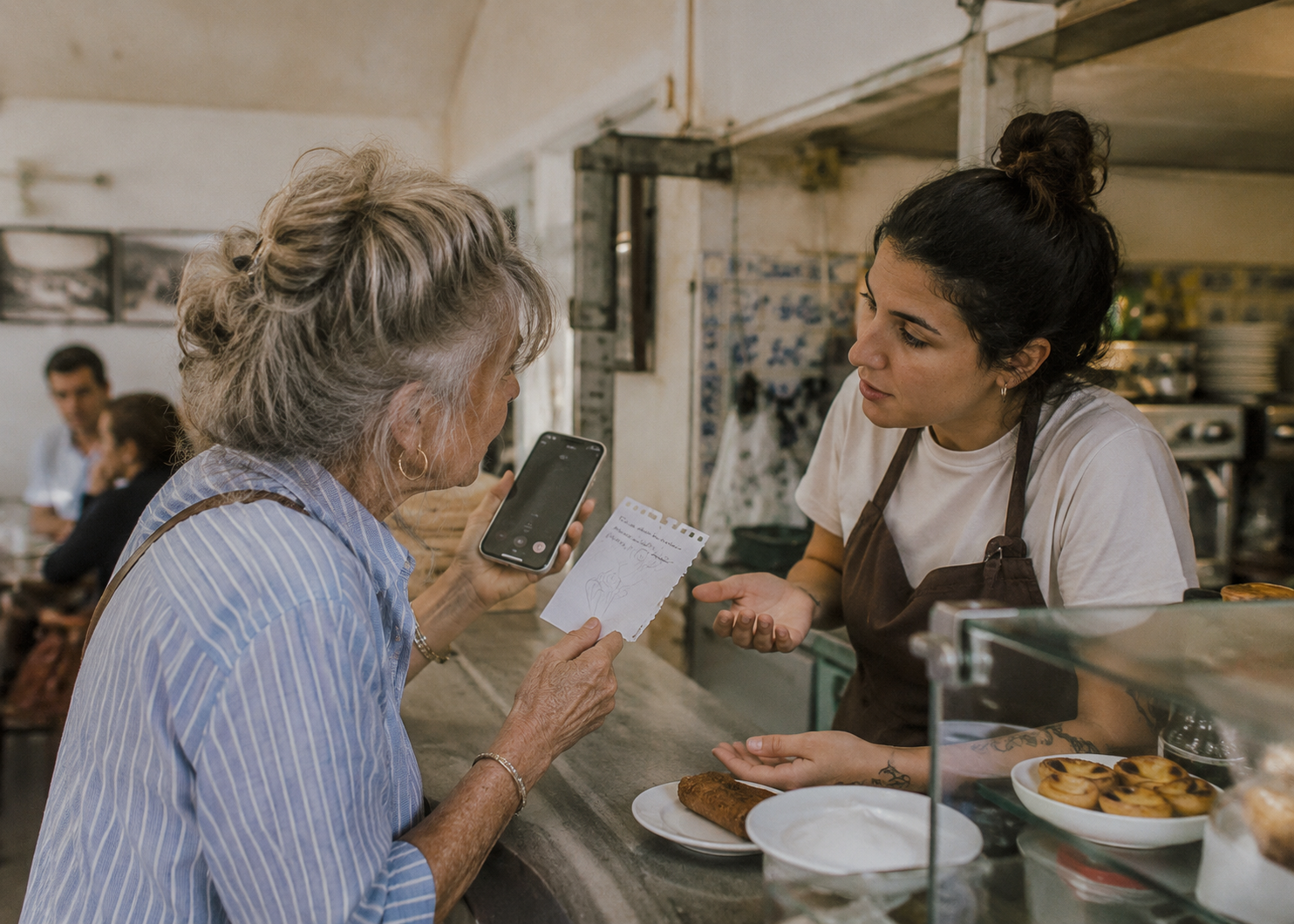
The second reason is language, which sounds obvious but is consistently underestimated, and it isolates people more than they expect.
Many Americans move to Portugal believing they will get by on English, having heard that many Portuguese speak it, and in the tourist areas and among younger people this is partly true, but daily life as a resident, the bureaucracy, the healthcare, the deeper social connections, the genuine integration, all require Portuguese, and Portuguese is a genuinely difficult language for English speakers. The newcomer who does not commit to learning it finds themselves perpetually on the surface of the society, able to manage tourist interactions but unable to handle the real business of life or form deep local friendships, marooned in an English-speaking bubble that grows lonely over time. The language wall is not just a practical obstacle but a social and emotional one, the barrier between living in a place and merely staying in it.
The failure here comes from underestimating both how much the language matters and how hard it is to learn, especially later in life, and from assuming the English-gets-by reports meant integration without effort. The couples who last are those who commit seriously to learning Portuguese, accepting that it is hard and slow and necessary, and who push through the discomfort of being beginners into genuine if imperfect competence, which opens the door to real life and real connection. The ones who fail are often those who never made that commitment, stayed in the English bubble, and found over time that they could not build a real life through a language barrier they never crossed, the isolation eventually driving them home.
The Third Reason, The Loneliness Nobody Warned Them About
The third reason is social isolation, the loneliness of starting over far from everyone they knew, which is the quiet killer of these moves.
A move to Portugal means leaving behind, in most cases, the entire social fabric of a life, the friends, the family, the community, the familiar faces built up over decades, and starting over in a place where the newcomer knows no one and, because of the language and cultural barriers, cannot easily build the deep connections they left behind. The loneliness of this can be crushing, especially for older people whose social worlds are harder to rebuild, and especially when the distance from grandchildren and aging parents and lifelong friends turns out to weigh far more than the fantasy of the move accounted for. The beautiful Portuguese life can become a lonely one, the couple increasingly isolated, missing the people and the belonging they gave up, and that loneliness is one of the most common reasons the move does not last.
The failure comes from underestimating how much the left-behind social world mattered and how hard the new one is to build, and from not actively, deliberately working to construct a community in the new place. The couples who last are those who treat building a social life as the central project of the move, putting real sustained effort into making friends, both local and expat, joining things, showing up repeatedly, and constructing over time a genuine community to replace the one they left, while also maintaining the ties to home that anchor them. The ones who fail often drifted into isolation, never built the new community, felt the loneliness grow, and eventually concluded that the beautiful place was not worth the price of the connection they had lost.
The Fourth Reason, The Bureaucracy Grinds Them Down

The fourth reason is bureaucracy, the grinding administrative reality of living as a foreigner in Portugal, which exhausts people more than they expect.
Living in Portugal as a foreign resident means an ongoing relationship with bureaucracy, the residency renewals, the tax filings, the healthcare enrollment, the endless paperwork and official processes, all conducted in a system that can be slow, opaque, and frustrating, and in a language the newcomer may not command. This administrative burden, manageable in small doses, becomes wearing over time, an unending series of official errands and obstacles that consumes energy and patience, and for some it comes to feel like the dominant texture of the move rather than the sunny ease they imagined. The contrast between the fantasy of relaxed Mediterranean living and the reality of repeated bureaucratic ordeals is jarring, and the grind of it wears some people down to the point of leaving.
The failure comes from not anticipating how much bureaucracy the move would involve and how draining it would be, and from facing it without help or preparation. The couples who last are those who go in expecting the bureaucracy, build patience and systems for handling it, often engage professionals to help with the worst of it, and refuse to let it define their experience of the move, treating it as a manageable cost rather than a defining burden. The ones who fail are sometimes simply ground down by it, the accumulated weight of the administrative struggle eroding the pleasure of the move until the dream no longer feels worth the hassle, and home, with its familiar and navigable systems, calls them back.
The Fifth Reason, The Dream Was Never Tested
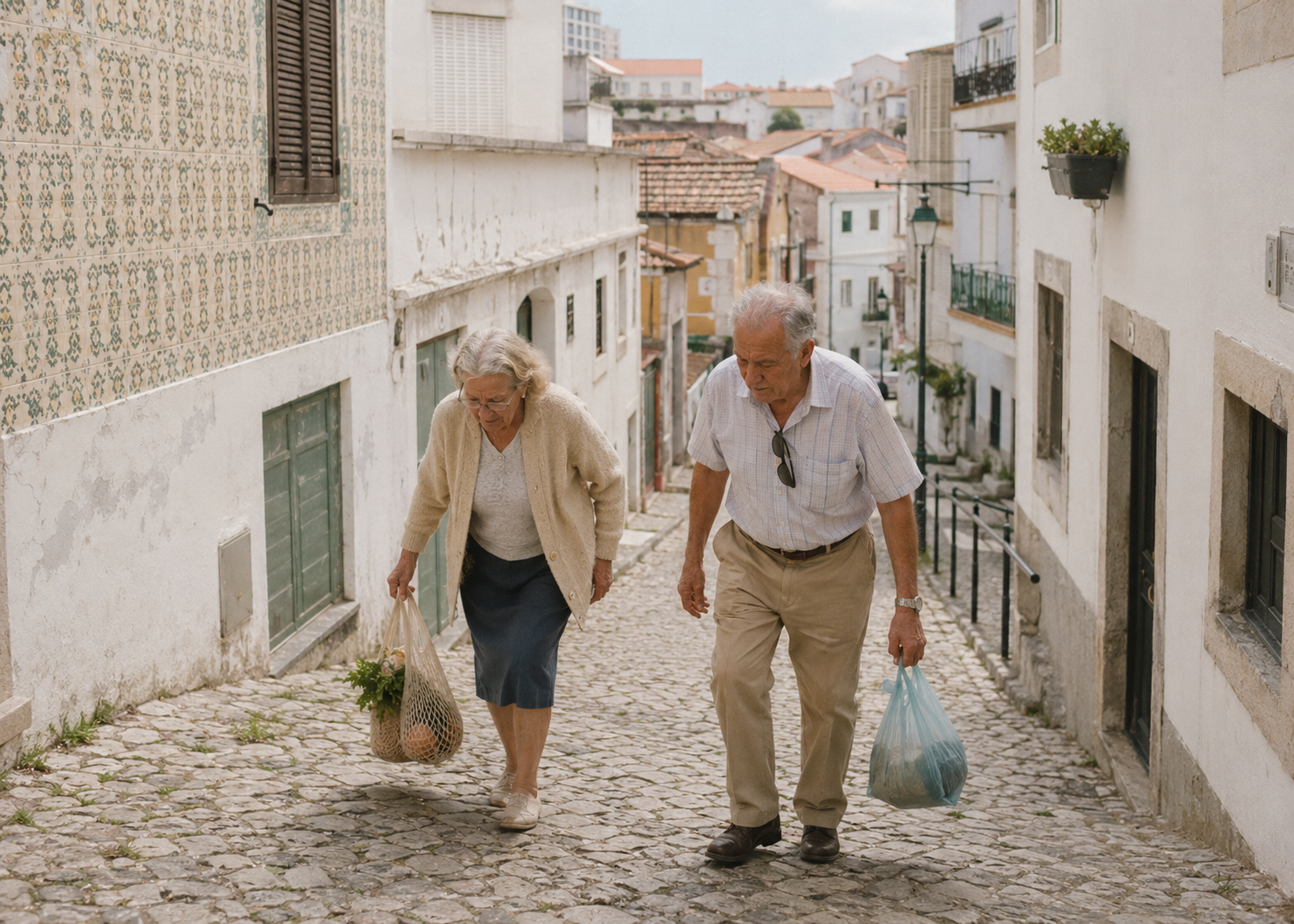
The fifth reason is the deepest, that many of these moves were built on a fantasy that was never tested against reality before the irreversible commitment, and reality then broke the fantasy.
A great many failed moves share a root cause, that the decision was made on the basis of a vacation-tinted dream, a romantic image of Portuguese life formed on a lovely holiday or from glossy articles, without a serious test of what actually living there, year-round, as a resident, dealing with the healthcare and the language and the bureaucracy and the loneliness, would really be like. The couple fell in love with a fantasy and committed to it fully, selling the house and burning the bridges, before discovering whether the reality suited them, and when the reality turned out to differ from the dream, they had no fallback and no choice but to reverse the whole move. The failure was baked in at the decision, made on insufficient information and excessive romance.
The couples who last are very often those who tested the move before committing irreversibly, spending extended time in Portugal first, living there for months rather than visiting for weeks, experiencing the real texture of resident life including its difficulties, and confirming that the reality, not just the fantasy, suited them before they sold the house. The ones who fail frequently skipped that test, leapt on the dream, and discovered the gap only after it was expensive and painful to reverse. The deepest lesson of the failed moves is to test the reality thoroughly before the irreversible commitment, to live the real life before betting everything on the dream of it, which is the single best protection against becoming one of the couples who do not last two years.
How To Be One Who Lasts
Pulling the five reasons together, the pattern is clear, and so is the way to avoid it, because the failures are consistent enough to be preventable.
The couples who last are the ones who went in with clear eyes rather than a fantasy, who understood the healthcare system’s real nature, committed seriously to the language, made building a community the central project, prepared for the bureaucracy, and above all tested the reality of the life before committing to it irreversibly. The ones who fail are usually those who did the opposite, arrived on a romantic dream, expected English and easy healthcare and instant belonging, underestimated the language and the loneliness and the bureaucracy, and never tested the reality until it was too late to adjust. The difference is not luck or even the place, which is wonderful for those who succeed and those who fail alike, but preparation, realism, and effort.
The encouraging truth underneath the failure pattern is that the move genuinely works for the many who do it right, who go in prepared and realistic and willing to do the hard work of building a real life, and that Portugal richly rewards those people with exactly the life they hoped for. The failures are not evidence that the dream is false but that it must be pursued with realism and effort rather than romance and assumption. A Michigan couple, or any couple, can absolutely build a wonderful lasting life in Portugal, but only by understanding and preparing for the five challenges that send the unprepared home, and by testing the reality before betting everything on it. Do that, and you are likely to be among those who last. Skip it, and you risk joining those who do not.
Why Michigan Specifically, And Why It Does Not Matter
The title names Michigan, and it is worth a word on why the home state is both relevant and, in the end, beside the point, because the lesson generalizes.
There is a particular jolt for retirees coming from a place like Michigan, with its hard winters, its wide spaces, its car-dependent suburban and rural life, and its particular American rhythm, into the dense, walkable, Mediterranean-paced, ancient-towned reality of Portugal, and the size of that contrast is part of what catches people. A retiree from a cold, spacious, car-centered American life is adjusting not just to a foreign country but to an almost completely different way of living, the walkability, the density, the climate, the social rhythm, the scale of everything, all at once, and the bigger the gap between the old life and the new, the harder the adjustment and the more there is to find disorienting. In that sense the home state matters, because the further the starting point from the destination, the larger the leap.
But in the deeper sense the home state does not matter at all, because the five reasons that send people home apply to retirees from anywhere, and the protections against them are the same for everyone. A couple from Michigan and a couple from Arizona and a couple from Maine face the same five challenges and survive them by the same means, realism, preparation, language commitment, community-building, and testing the reality first. The naming of Michigan is really just a stand-in for the American retiree generally, making the larger leap from American life to Portuguese life, and the lesson belongs to all of them equally. Wherever you start from, the move lasts or fails on the same five factors, and prepares for them the same way.
The Two-Year Pattern Itself
It is worth noting why the failures so often cluster around the two-year mark specifically, because the timing reveals something about how these moves come apart.
The first year of a move abroad is often carried by novelty and momentum, the excitement of the new life, the project of settling in, the honeymoon period in which the difficulties feel like adventures and the dream is still fresh. It is in the second year, when the novelty has worn off and the difficulties have become routine rather than exciting, that the real test comes, and it is then that the accumulated weight of the healthcare frustrations, the language struggle, the loneliness, and the bureaucracy starts to outweigh the fading thrill of the new. The two-year failure is the point at which the honeymoon ends and the question becomes whether a genuine, sustainable life has been built underneath it, and for those who have not built one, that is when the move comes apart.
This is why the protections matter so much and why they have to be in place from the start rather than improvised once the trouble comes. The couple that spent the honeymoon first year seriously learning the language, building community, and setting up their life properly arrives at the two-year test with a real foundation that carries them through, while the couple that coasted on novelty arrives at the same point with nothing underneath the fading excitement and finds the difficulties suddenly unbearable. The two-year mark does not cause the failures, it reveals them, exposing whether the work of building a real life was done during the window when novelty made it easier. The lesson is to use the honeymoon year to build the foundation, so that when the novelty fades, a real life remains.

About the Author: Ruben, co-founder of Gamintraveler.com since 2014, is a seasoned traveler from Spain who has explored over 100 countries since 2009. Known for his extensive travel adventures across South America, Europe, the US, Australia, New Zealand, Asia, and Africa, Ruben combines his passion for adventurous yet sustainable living with his love for cycling, highlighted by his remarkable 5-month bicycle journey from Spain to Norway. He currently resides in Spain, where he continues sharing his travel experiences with his partner, Rachel, and their son, Han.