
A single woman over sixty-five sells up and moves to Spain alone, for the adventure and the beauty and the affordability, and within a year and a half, more often than the inspiring solo-move stories suggest, she is back home, the Spanish experiment ended. It is a real pattern, common enough that anyone considering this move should understand it, not as a warning against the move, which can be wonderful, but as a map of the specific difficulties that send solo women home so that a prospective mover can prepare for them rather than be ambushed. The women who stay and the women who return differ in identifiable ways, and the differences are mostly about preparation and expectation rather than luck.
From Madrid, watching solo women make and unmake this move, the returns are not mysterious and they are not about Spain being a bad choice. They are about the particular challenges a woman faces moving alone late in life, challenges that the romantic version of the solo-move story tends to underplay. Here is an honest look at why these moves end early, drawn from the recurring pattern, and what it actually takes to be among the women who stay.
A Necessary Word About The Numbers
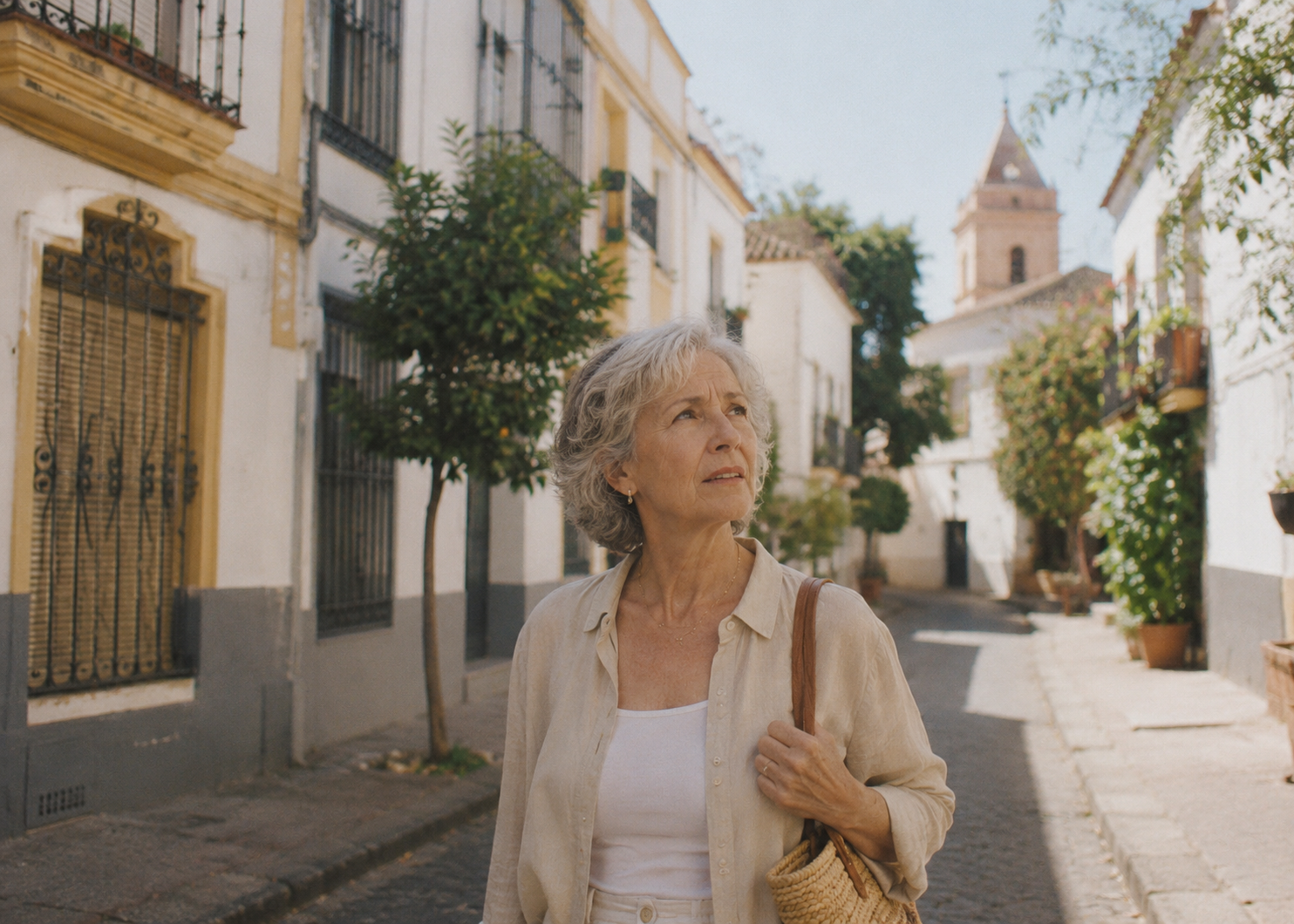
Before the substance, an honest note about statistics, because this topic attracts confident-sounding figures that deserve scrutiny.
You may see a very specific number attached to this phenomenon, a claim that some precise percentage of solo American women over sixty-five return from Spain within their first eighteen months, presented as though it came from a definitive study. The honest position is that there is no single authoritative survey establishing a precise figure of that kind, and a clean percentage offered without a clear source should be treated with caution rather than repeated as established fact. What can be said honestly, without inventing a number, is that the early return of solo women is a real and observed pattern, that those who work with expatriate communities and relocation regularly note solo women finding the move harder to sustain than they expected, and that the eighteen-month window, the point after the initial excitement fades, is a genuinely common time for these moves to come apart.
The reality does not need a manufactured statistic to be true, and it is far more useful to understand the actual reasons solo women return, which are concrete and addressable, than to anchor on a precise-sounding proportion that may have no foundation. The pattern is real, the reasons are identifiable, and the protections are knowable, and all of that stands on its own without a percentage attached. So treat any specific figure you encounter on this with healthy skepticism, and focus on the substance, the real challenges and the real ways to meet them, which is what genuinely helps a woman considering this move decide wisely and prepare well.
The Loneliness That Hits Solo Movers Hardest
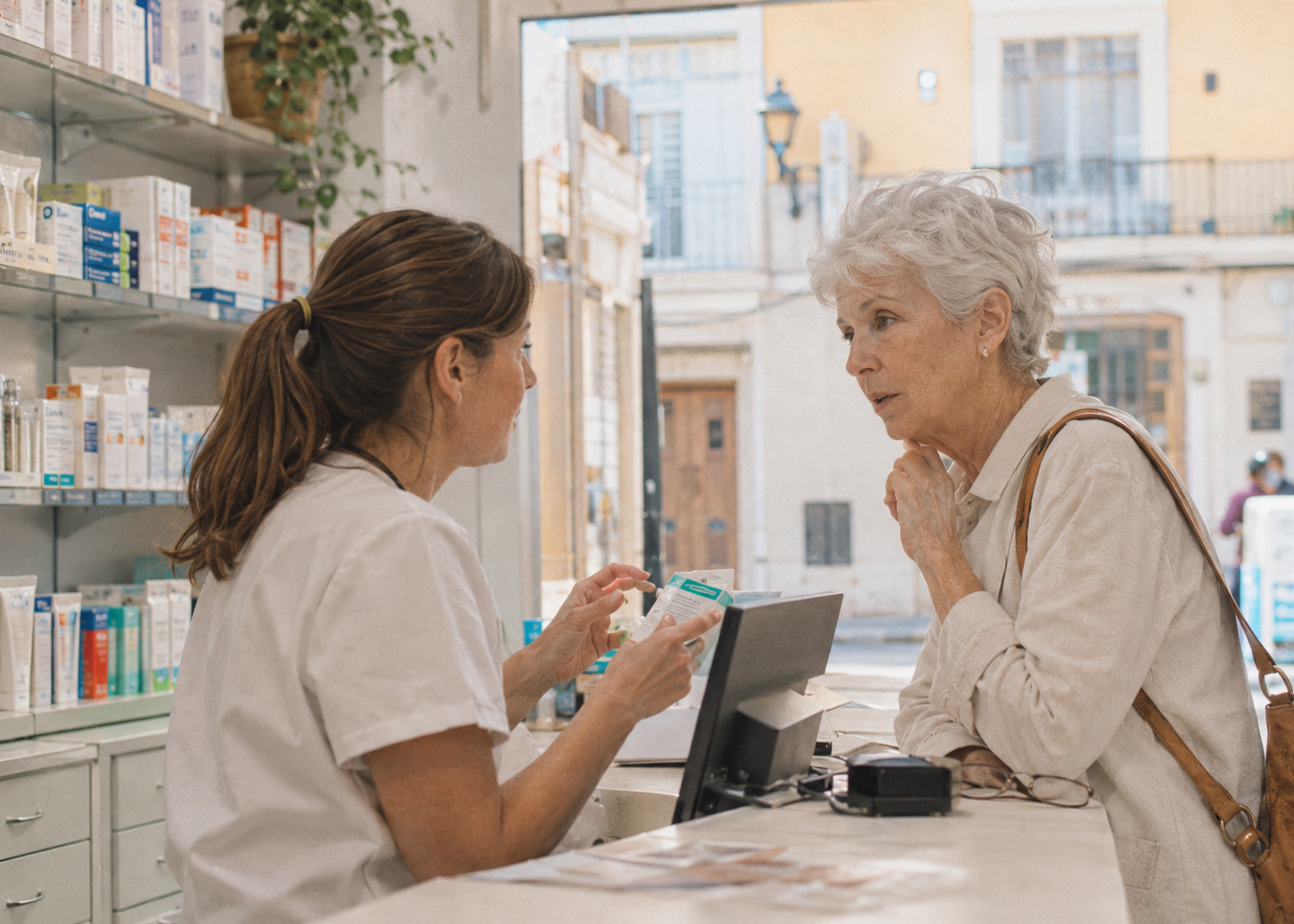
The first and largest reason is loneliness, which strikes the solo mover with a force that the partnered mover is partly buffered against.
A woman moving alone leaves behind her entire social world, the friends, the family, the community of a lifetime, and arrives in a new country with no one, and unlike a couple, who at least have each other through the hard early period, she faces the isolation entirely alone. The early months of any move abroad are lonely, but for the solo mover there is no built-in companion to share the adjustment with, no one who shares the daily experience, no buffer against the silence of an apartment in a country where she knows nobody and may not yet speak the language. This isolation can be crushing, and it is the single most common reason solo women return, the loneliness of starting over alone proving heavier than the beauty and affordability of the new place can offset.
The women who stay are those who recognized this risk and attacked it directly, making the building of a social life the central, urgent project of the move from day one, putting sustained deliberate effort into meeting people, joining things, building both local and expatriate friendships, and constructing as quickly as possible the community that would replace the one left behind. The women who return are often those who underestimated the loneliness, assumed connection would come naturally, and found instead that the social world did not build itself, the isolation deepening until it drove them home. The difference is not temperament alone but effort and strategy, the deliberate, early, sustained work of building a community, which is what stands between a solo move that thrives and one that collapses into loneliness.
The Safety And Confidence Factor
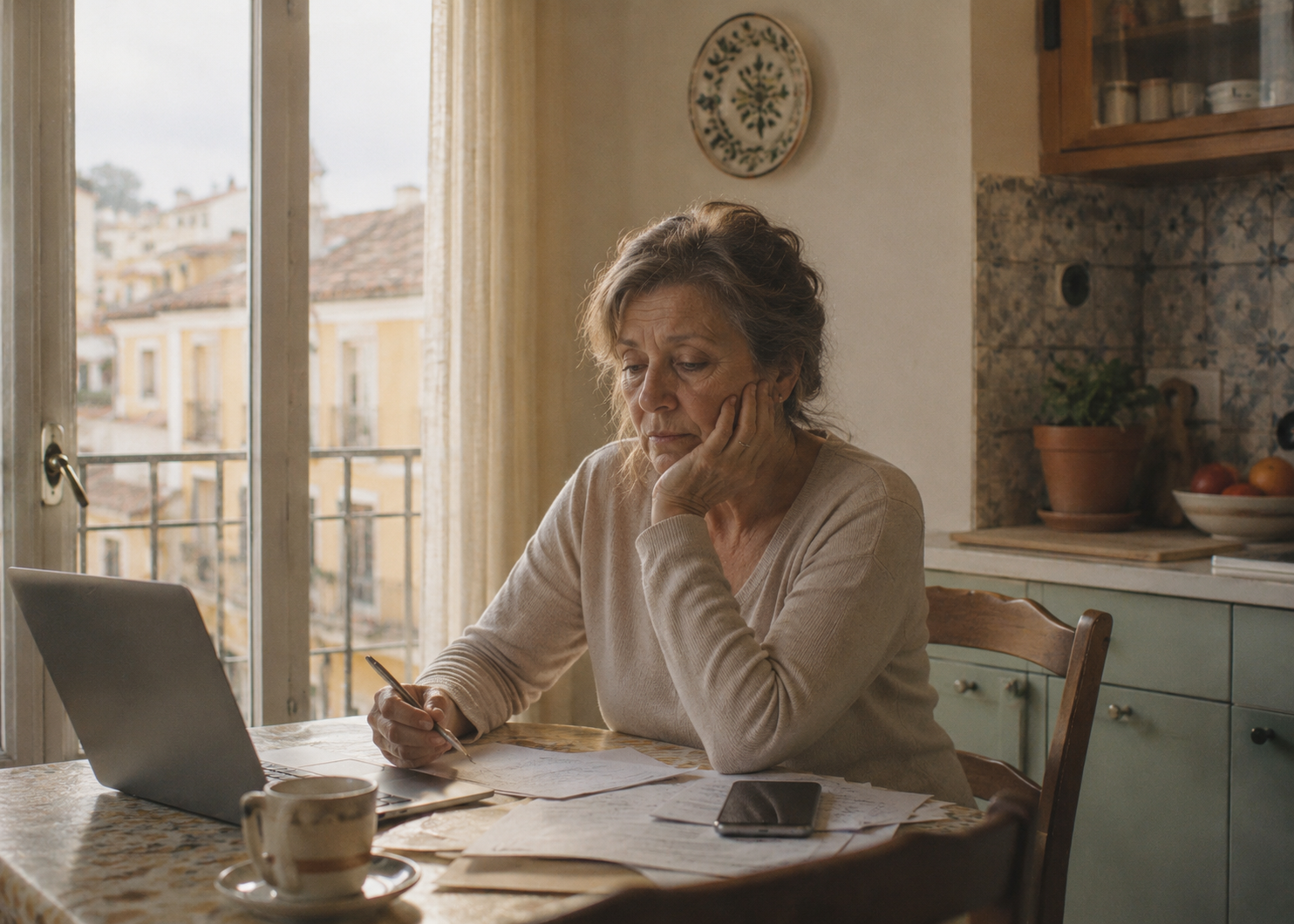
The second reason involves the particular concerns a woman alone navigates, the questions of safety, confidence, and managing entirely on her own in a foreign place.
A woman moving alone late in life must handle everything herself, every practical problem, every bureaucratic hurdle, every emergency, every decision, without a partner to share the load or provide backup, and this can be daunting in a foreign country with a foreign language and unfamiliar systems. There are also the safety considerations a woman navigates, the need to feel secure alone in a new place, to build the confidence to move through an unfamiliar society on her own, and while Spain is generally a safe and welcoming country, the experience of being a woman entirely on her own in a foreign place is its own challenge that can wear on someone unprepared for it. The weight of managing everything solo, with no one to share it, is a real and sometimes decisive difficulty.
The women who stay are those who either arrived with the confidence and independence to handle managing alone, or who built it deliberately, developing the competence and the support systems, the trusted contacts, the professional help, the friendships, that make handling everything solo manageable rather than overwhelming. The women who return are sometimes those for whom the sheer weight of doing everything alone in a foreign place became too much, the accumulated stress of solo management without backup eroding their confidence and their enjoyment. The protection is partly disposition and partly the deliberate building of competence and support, turning the daunting prospect of managing alone into a manageable reality through preparation and the construction of a support network that substitutes for the partner she does not have.
The Language Isolation, Doubled For The Solo Mover
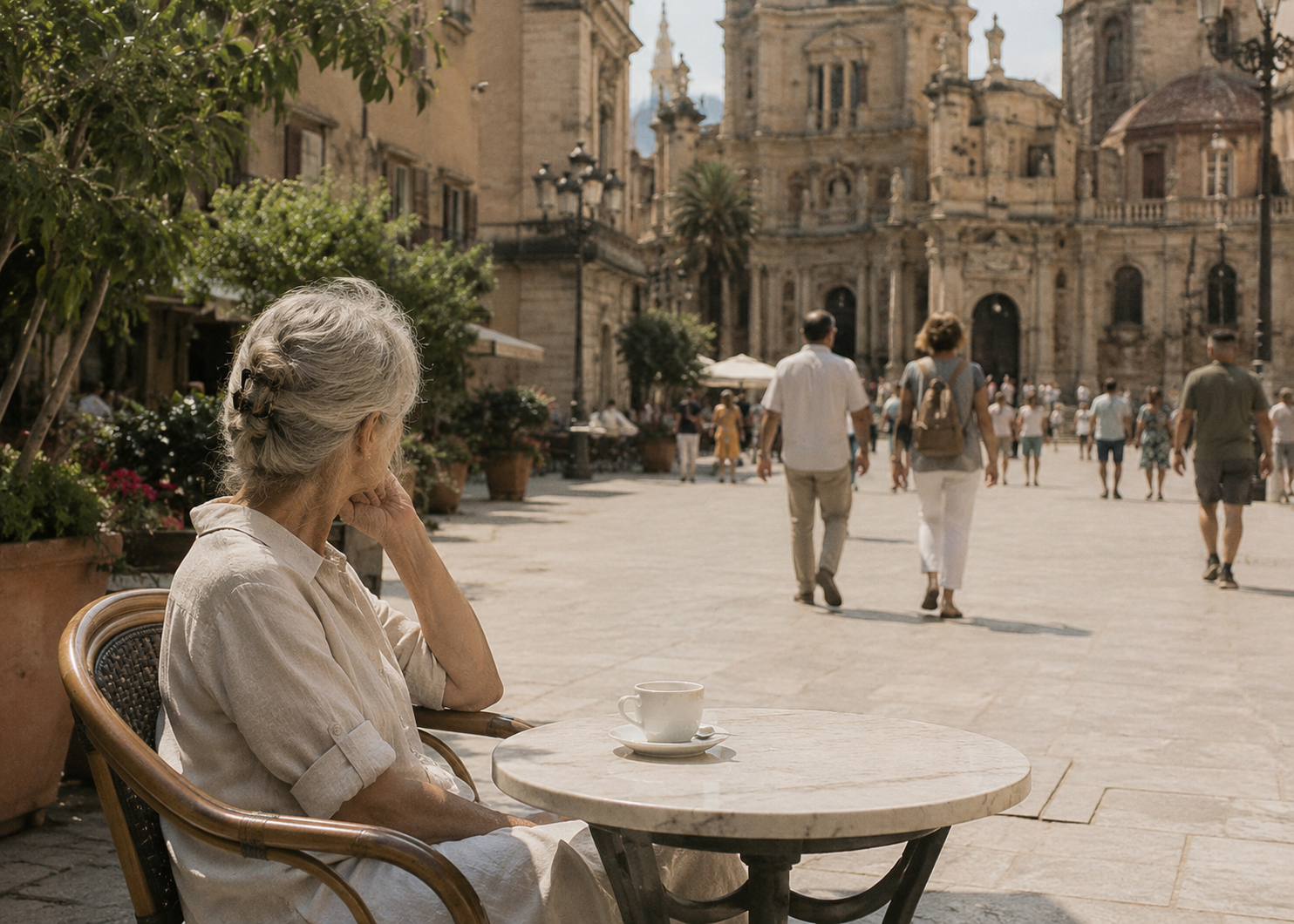
The third reason is language, which isolates the solo mover doubly, since she has neither a partner to share the struggle with nor an easy bridge into local society.
Spanish is learnable but takes real effort, especially later in life, and the woman who does not commit to learning it finds herself unable to handle the deeper business of life or build genuine local friendships, stuck on the surface of the society. For the solo mover this language isolation compounds the social isolation, since she has no partner with whom to share the English-speaking bubble and no easy path into local connection without the language, so the failure to learn Spanish leaves her doubly alone, cut off from both a shared experience and from local society. The language barrier is not just practical but profoundly social for the solo woman, the difference between integrating into Spanish life and remaining a perpetual isolated outsider.
The women who stay are those who committed seriously to learning Spanish, understanding that for the solo mover especially it is the key to escaping isolation and building the local connections that make the move sustainable, and who pushed through the difficulty into genuine if imperfect competence. The women who return often never made that commitment, stayed in the English-speaking expatriate bubble or in isolation, and found that without the language they could not build the real local life that would have anchored them, the language barrier reinforcing the loneliness until the move became unsustainable. For the solo woman, the language commitment is even more crucial than for the partnered mover, because she has no companion to fall back on and the language is her primary route out of the isolation that most threatens her move.
The Distance From Family That Weighs Heavier
The fourth reason is the pull of family, the distance from children, grandchildren, and aging relatives, which can weigh especially heavily on a woman alone.
A solo woman moving abroad is often leaving behind adult children and grandchildren, and sometimes aging parents or siblings, and the distance from them can weigh more heavily than anticipated, particularly for a woman whose identity and emotional life are closely tied to family. The missed milestones, the inability to be present for the grandchildren, the worry about aging parents far away, the simple ache of distance from the people she loves most, can grow over the eighteen months from a manageable cost into an unbearable one, especially when combined with the loneliness of the solo move. For many solo women, the pull of family is ultimately what brings them home, the beauty of Spain unable to compete with the longing to be near the people who matter most.
The women who stay are those who either had less pull homeward, or who managed the family distance deliberately, arranging regular visits in both directions, staying closely connected through technology, and integrating the family relationship into the new life rather than simply severing it by distance. The women who return are often those for whom the family pull simply proved stronger than the move, the distance from children and grandchildren becoming the deciding factor regardless of how good the Spanish life otherwise was. This reason is in some ways the hardest to protect against, since the pull of family is real and legitimate, and the honest truth is that for some women it should win, that being near family is the right choice and the move was a mistake to begin with, which is itself worth knowing before committing.
How To Be A Woman Who Stays
Pulling the reasons together, the pattern points clearly to what distinguishes the women who thrive from those who return, and the distinctions are mostly preparable.
The women who stay tend to share a set of things, a realistic understanding going in that the solo move would be hard and lonely, a deliberate and early commitment to building a community as the central project, a serious commitment to learning Spanish as the route out of isolation, the confidence or the developed competence to manage everything alone with a support network in place, and a workable plan for maintaining the family connections that pull hardest. The women who return often lacked one or more of these, arriving on a romantic solo-adventure fantasy, underestimating the loneliness, neglecting the language, overwhelmed by solo management, or pulled home by a family longing they had not reckoned with. The difference is largely preparation, expectation, and effort rather than luck or the merits of Spain.
The honest and encouraging truth is that the solo move genuinely works, and works beautifully, for the many women who do it well, who go in prepared and realistic and who do the hard work of building a community, learning the language, developing their independence, and managing the family distance. Spain rewards these women with an extraordinary life, the adventure and beauty and affordability and freedom that drew them, made sustainable by the foundation they built. The early returns are not evidence that solo women cannot thrive in Spain, since many do, but that the move must be approached with realism and effort rather than romance and assumption, and especially that its particular solo challenges, the loneliness, the solo management, the language isolation, the family pull, must be understood and prepared for specifically. A woman who does that can absolutely be among those who stay and flourish, and the honest map of why others return is precisely what helps her get there.
Why The Eighteen-Month Mark
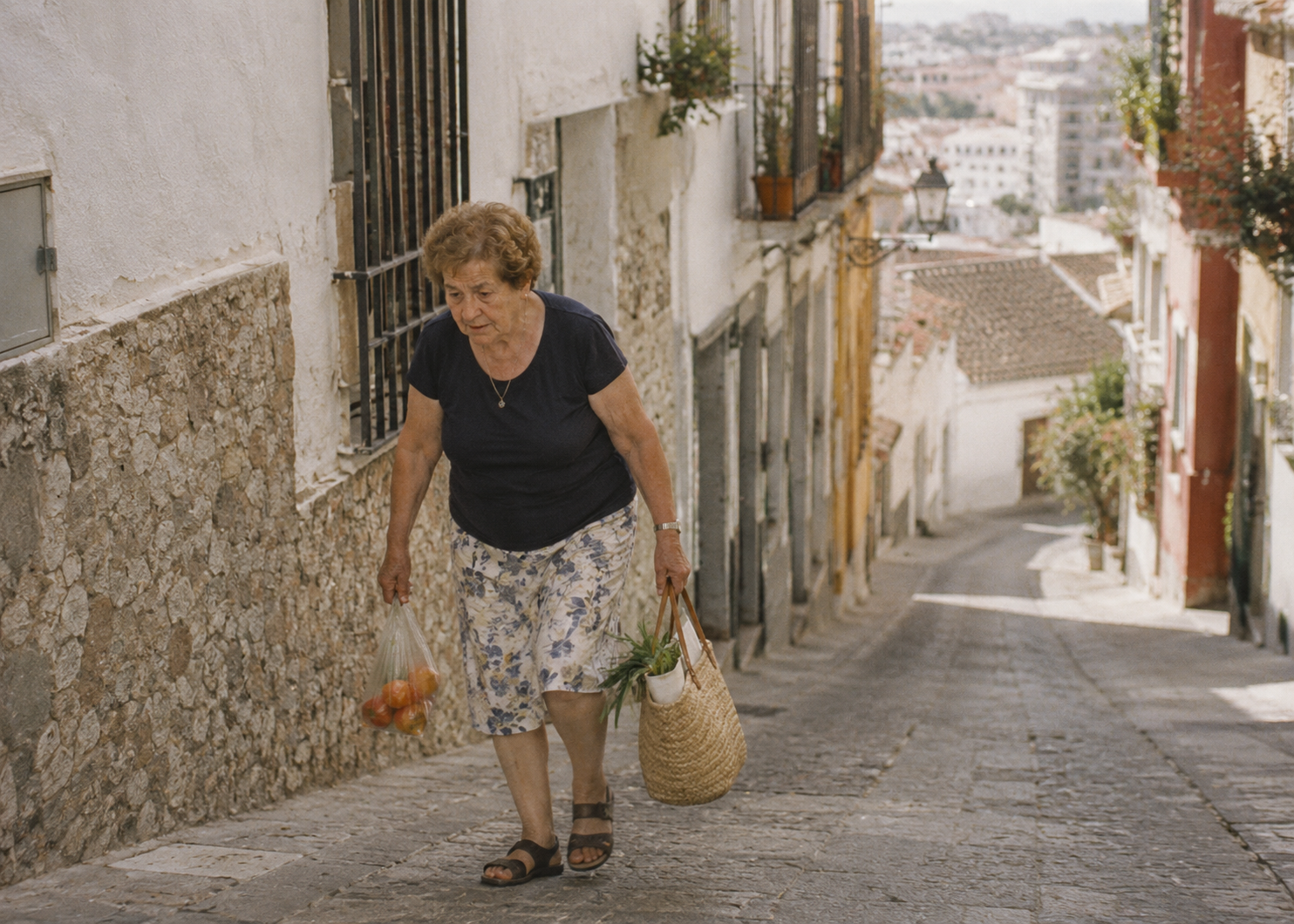
It is worth understanding why these returns cluster around the eighteen-month point specifically, because the timing reveals the mechanism and points to the defense.
The pattern mirrors the broader rhythm of moves abroad, in which the first stretch is carried by novelty and excitement, the adventure of the new life masking the difficulties, and it is only after that initial glow fades, somewhere around a year to eighteen months in, that the real test arrives. For the solo woman, the eighteen-month point is when the novelty has worn off, the practical setting-in is done, and the underlying question surfaces of whether a genuine, sustainable, connected life has actually been built, or whether beneath the fading excitement lies loneliness, isolation, and a longing for home. The women who built a real community and a real life during the honeymoon period pass this test, while those who coasted on novelty reach it with nothing solid underneath and find the difficulties suddenly decisive.
This timing carries a clear lesson, that the crucial work, the community-building, the language, the support network, the family-connection plan, must be done early, during the window when novelty makes it easier and before the test arrives, rather than postponed until the loneliness has already set in. The solo woman who treats her first year as the time to urgently build the foundation, rather than as a honeymoon to enjoy passively, arrives at the eighteen-month test with the connected, anchored life that carries her through, while the one who enjoys the novelty and defers the building arrives at the same point exposed. The eighteen-month mark does not cause the returns, it reveals whether the foundational work was done, which is why the advice is always to do that work from the very beginning.
A Word On When Returning Is The Right Choice
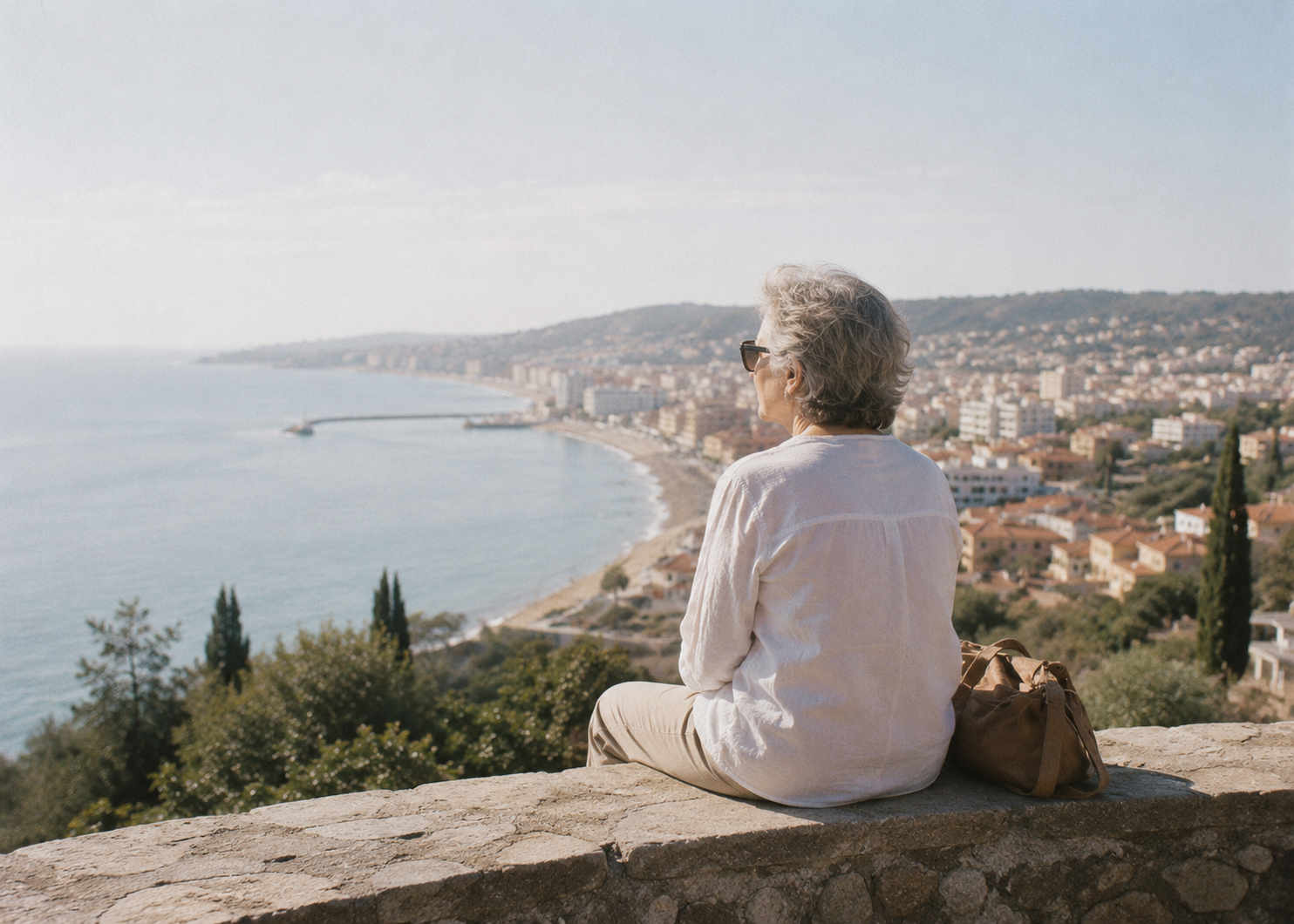
One honest point deserves making, because not every return is a failure, and treating it as one does solo women a disservice.
Sometimes returning home is genuinely the right decision, not a failure of preparation or effort but a clear-eyed recognition that the move, however well executed, does not suit the woman’s actual needs and priorities, particularly when the pull of family is strong and legitimate. A woman who discovers that being near her grandchildren matters more to her than any life abroad, however beautiful, and who returns for that reason, has not failed, she has learned something true about her own priorities and acted on it wisely. The framing of every return as a failure to be avoided is itself misleading, since for some women the honest answer is that home, near the people they love, is where they belong, and discovering that through the attempt is a legitimate and valuable outcome rather than a defeat.
The useful distinction is between the returns that come from preventable mistakes, the loneliness that better community-building would have eased, the isolation the language would have broken, and the returns that come from a genuine and considered reordering of priorities toward family and home. The first kind is worth preventing through preparation, and this piece is largely about how. The second kind is worth respecting as a valid choice rather than mourning as a failure. A woman considering the solo move should prepare thoroughly to give it the best chance, but should also hold it lightly enough to return without shame if she discovers, honestly, that her life belongs elsewhere, which is wisdom rather than weakness, and a perfectly good outcome of having been brave enough to try.

About the Author: Ruben, co-founder of Gamintraveler.com since 2014, is a seasoned traveler from Spain who has explored over 100 countries since 2009. Known for his extensive travel adventures across South America, Europe, the US, Australia, New Zealand, Asia, and Africa, Ruben combines his passion for adventurous yet sustainable living with his love for cycling, highlighted by his remarkable 5-month bicycle journey from Spain to Norway. He currently resides in Spain, where he continues sharing his travel experiences with his partner, Rachel, and their son, Han.