
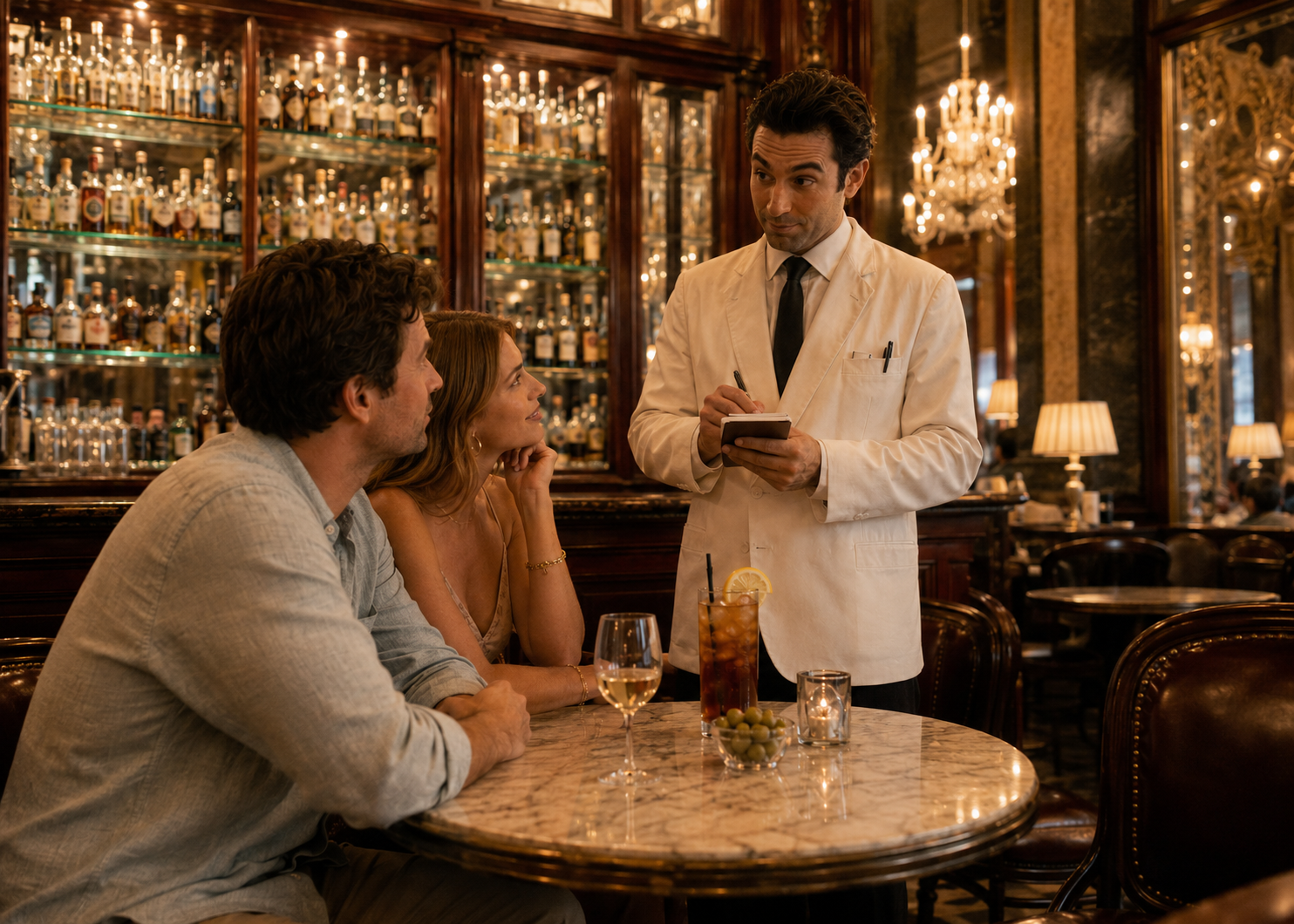
A waiter at a busy aperitivo bar in central Milan watches an American couple sit down at one of his tables at 6:45pm. They look at the cocktail menu briefly. The husband orders a Long Island Iced Tea. The wife orders a frozen strawberry margarita. The waiter takes the order professionally, walks to the bar, and quietly tells the bartender that table 12 will not be tipping well.
The waiter has not been rude or judgmental. He has read information that the American couple did not realize they were communicating. The drink order has told him something specific about their experience with Italian aperitivo culture, their integration into Milanese restaurant patterns, and by reasonable inference their understanding of Italian tipping conventions. The pattern is consistent enough across his fifteen years of restaurant work that he treats it as reliable information about which tables he can expect tips from and which tables he cannot.
This piece walks through what the drink order specifically communicates in Italian restaurant culture, what the broader pattern of cultural signaling looks like at Italian restaurants, what Italian tipping conventions actually are, and what Americans visiting Italy can adjust to communicate different information through their orders.
What The Long Island Iced Tea Communicates

The Long Island Iced Tea at an Italian aperitivo bar is not just a drink choice. It is a cluster of signals that experienced Italian restaurant workers read consistently.
The drink is American. Long Island Iced Tea originated in the United States, became standard in American cocktail bars across the 1970s and 1980s, and is not part of the traditional Italian cocktail repertoire. An Italian customer ordering Long Island Iced Tea at an aperitivo bar would be unusual. The drink signals that the customer is looking for something familiar from home rather than engaging with the cocktail tradition of the location.
The drink is large and strong. Five spirits in a single glass. The drink is designed for substantial alcohol consumption per serving. Italian aperitivo culture is built around lower-alcohol drinks that accompany small plates of food across an extended social period. The Long Island Iced Tea signals a different relationship with alcohol than the aperitivo tradition assumes.
The drink is not an aperitivo. The Italian aperitivo tradition involves specific drinks that prepare the palate for dinner. Bitter aperitifs like Campari and Aperol. Vermouth. Light wines. Prosecco. The Long Island Iced Tea does not prepare the palate. It is a destination drink rather than a preparation drink. The order indicates that the customer is treating the bar as a cocktail bar rather than as an aperitivo bar.
The drink suggests unfamiliarity with the menu. Italian aperitivo bars typically have specialty cocktails developed by their bartenders, traditional Italian cocktails like Negroni or Americano, regional drinks from Lombardy. The customer who orders Long Island Iced Tea has not engaged with what the bar actually specializes in. They have ordered the most familiar option from home.
The combined signaling from the single drink order is substantial. The waiter learns that the customer is American, looking for familiarity, not engaged with the local tradition, and likely operating on American expectations rather than Italian ones. The inference about tipping follows from this pattern.
What The Frozen Strawberry Margarita Adds
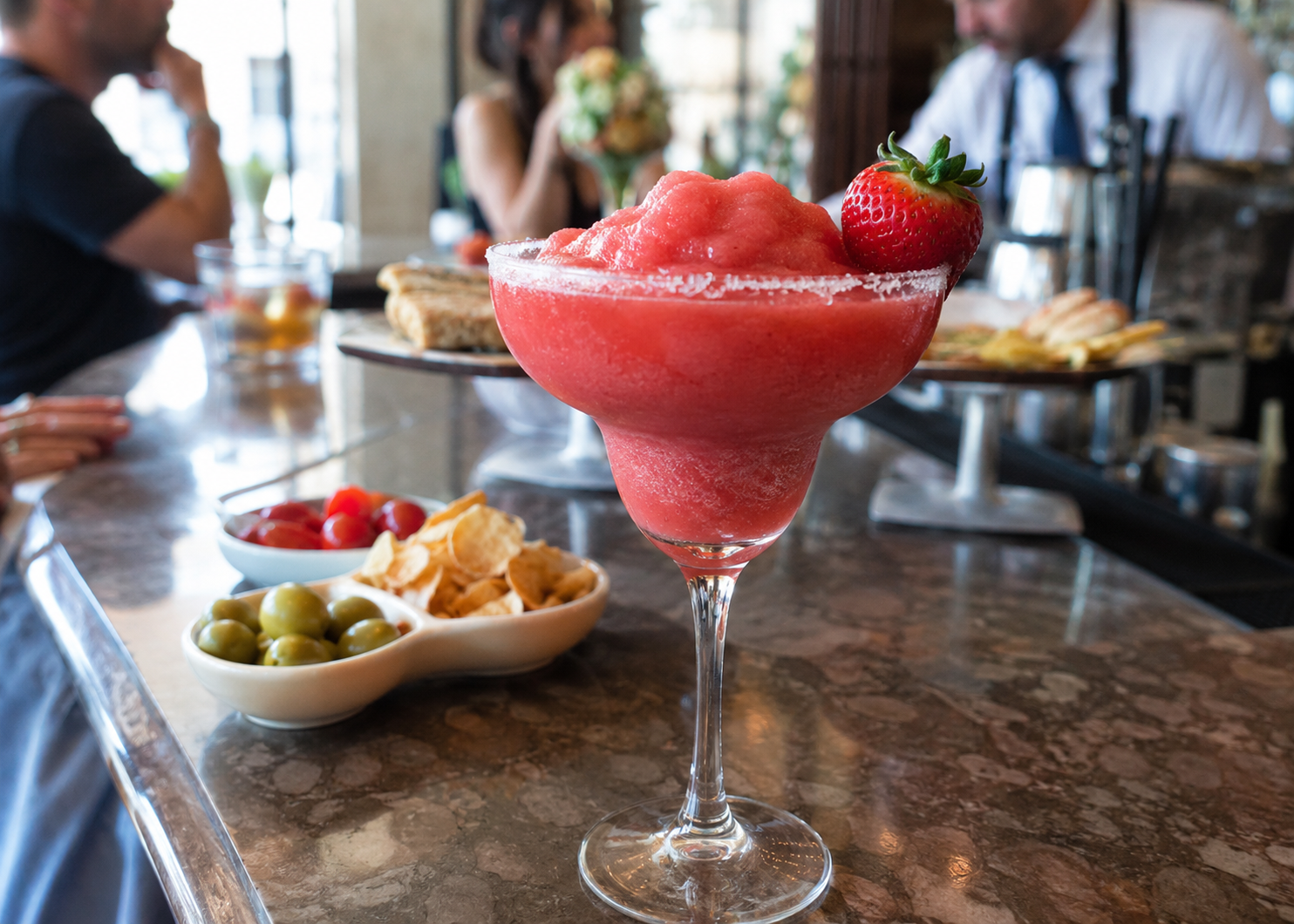
The wife’s frozen strawberry margarita extends the signaling rather than altering it.
Frozen drinks are not Italian. The blender-based frozen cocktail is American and Mexican in origin. Italian aperitivo bars do not typically feature frozen drinks. The order indicates that the customer is selecting from an American mental catalog rather than from the Italian cocktail tradition.
The fruit margarita is associated with chain restaurant culture. Frozen strawberry margaritas became standard at American chain restaurants in the 1980s and 1990s. The drink carries cultural associations that an Italian restaurant worker recognizes. The order signals chain-restaurant familiarity rather than independent restaurant exploration.
The drink is sweet. Italian cocktail tradition runs toward dry, bitter, and complex rather than sweet. A sweet fruit cocktail at an Italian aperitivo bar signals palate preferences that the Italian tradition would not produce. The order tells the waiter that the customer’s palate is American.
Together with the husband’s order, the pattern is reinforced. Both members of the couple have ordered drinks that signal American cocktail culture rather than Italian aperitivo culture. The waiter’s inference about cultural integration is now based on consistent signals from both customers rather than one signal from one.
What Italian Tipping Conventions Actually Are
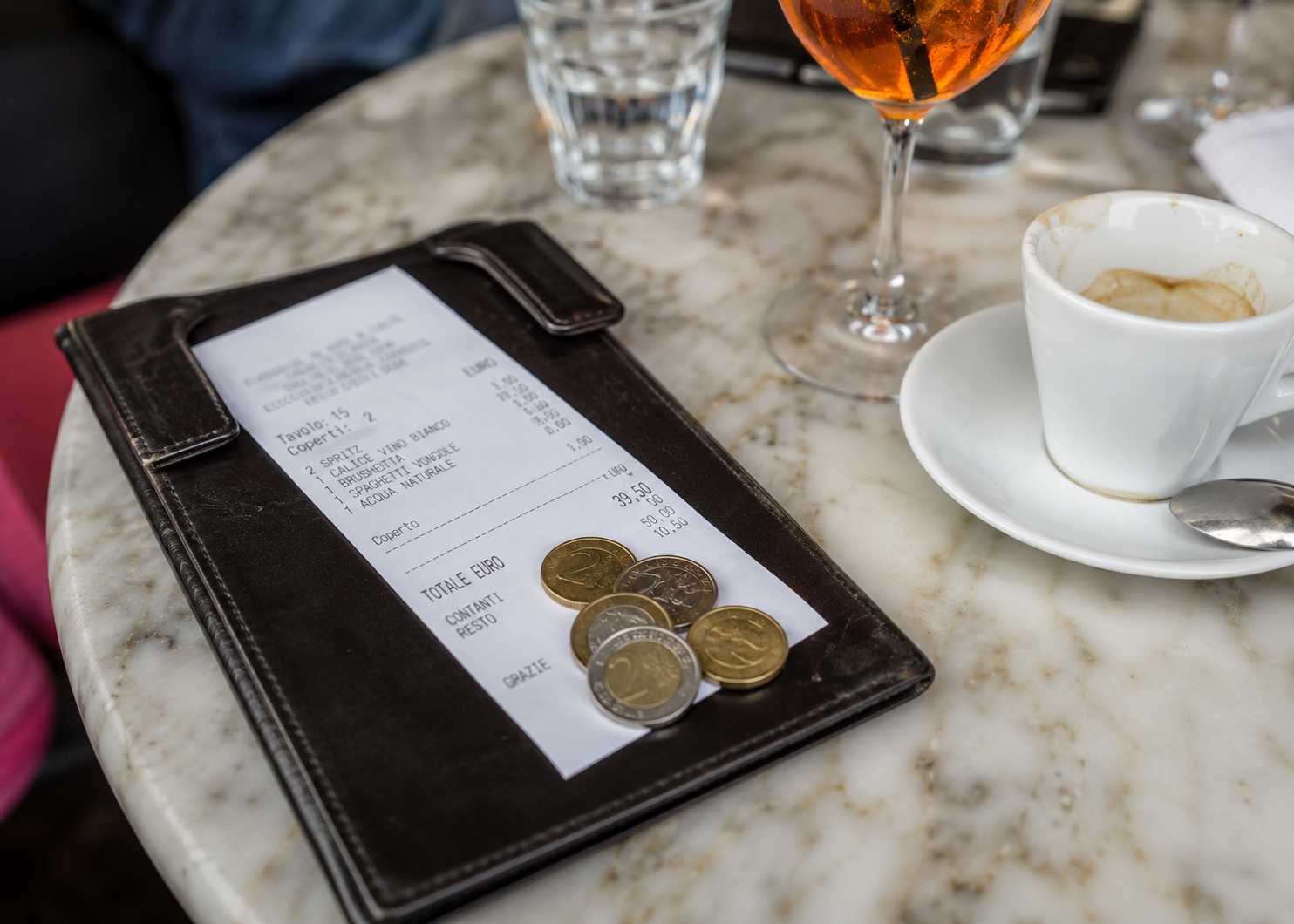
Italian tipping conventions differ substantially from American conventions in ways that the cultural signaling around drink orders relates to.
Restaurant prices include service. Italian restaurants build service costs into menu prices. The coperto (cover charge) of €1.50 to €4 per person covers table service, bread, and basic amenities. The customer who pays the menu price plus the coperto has paid for the service.
Additional tipping is appreciated but modest. A 5 to 10 percent tip on the food cost for good service is generous in Italian terms. A 15 to 20 percent American-style tip is excessive and sometimes uncomfortable for Italian restaurant workers, who interpret it as either overcompensation or implicit critique of the Italian system.
Tipping happens differently mechanically. Italian tipping typically involves leaving cash on the table or telling the waiter to keep small change. The American pattern of writing a tip percentage on the credit card receipt is awkward in Italian contexts because many Italian restaurants either do not process credit card tips through the standard system or do so inconsistently.
The expectation is that the customer recognizes the restaurant as good rather than feels obligated to compensate the worker. Italian restaurant workers are paid through their wages and the embedded service charges. They appreciate recognition rather than depending on tips. The American assumption that workers depend on tips for income is not the Italian situation.
Tourists who tip 15 to 20 percent are often confused with locals who tip 0 to 5 percent in restaurant worker mental accounting. Restaurant workers who have experience with American tourists generally know that Americans will overtip if they tip at all. The question is whether they will tip at all. The cultural signaling around drink orders becomes information about likelihood of tipping in a system where tipping is variable.
What The Pattern Tells The Waiter About Likely Tipping Behavior
The drink order signals do not directly predict tipping amounts. They predict broader cultural integration patterns that correlate with tipping behavior.
Customers who have integrated with Italian restaurant culture typically tip in Italian patterns: small amounts in cash, rounding up the bill, leaving a few euros for good service. They have learned the Italian framework and operate within it.
Customers who have not integrated with Italian restaurant culture typically fall into two categories. The first overtips in American patterns, leaving 18 to 20 percent. The second does not tip at all, having heard that Italian restaurants do not require tipping and having concluded that no tip is required.
The Long Island Iced Tea customer is more likely to fall into the second category than the first. The customer who is ordering from an American mental catalog at the drink stage is operating on American assumptions throughout the meal. The American assumption that tipping is required at American levels is paired with the American assumption that tipping might not be required at all in Italy. The customer who resolves this tension by not tipping is more common than the customer who resolves it by tipping at American levels.
The waiter’s inference is statistical rather than judgmental. He has not concluded that these specific customers will not tip. He has concluded that customers ordering this way often do not tip, and he is adjusting his expectations accordingly. The adjustment affects his service delivery in subtle ways: the level of attention, the engagement with their questions, the willingness to make special accommodations.
The pattern does not always hold. Some American customers who order Long Island Iced Teas tip generously in Italian terms. Some who order Negronis tip badly. The signaling is information rather than determination. It shifts expectations rather than locking them in.
What Else Italian Restaurant Workers Read From Their American Customers
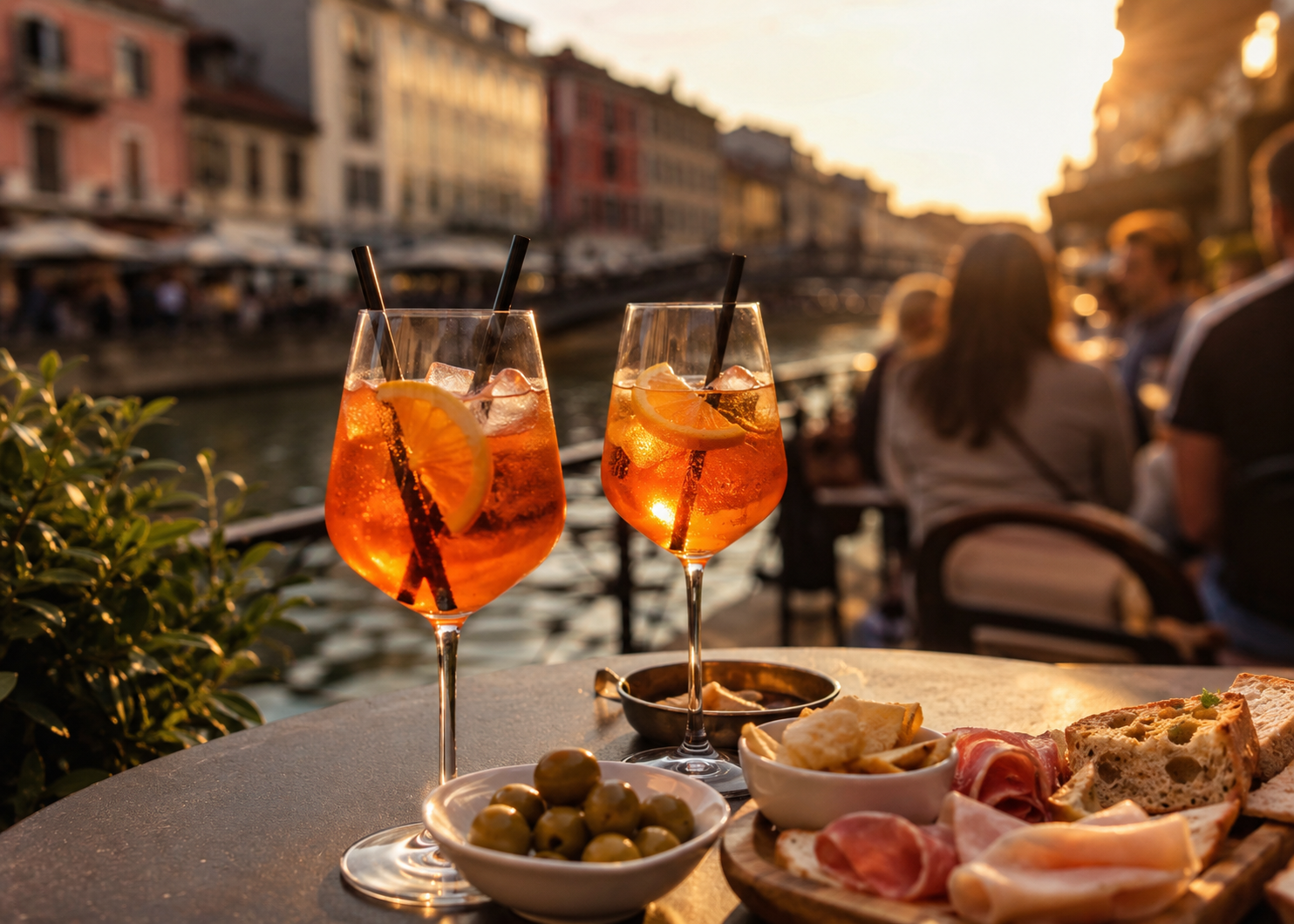
The drink order is one of several pieces of information that Italian restaurant workers read from American customers. Other signals operate consistently.
Arrival time. American customers arriving for dinner at 6:30 or 7:00pm are operating on American dinner timing. Italian dinner timing runs 8:00 to 10:00pm. Arrival at 6:30 signals that the customers are not familiar with Italian timing. The kitchen may not even be open. The restaurant adjusts expectations.
Menu engagement. Customers who ask substantive questions about the menu, request specific recommendations, and engage with the regional or seasonal options signal cultural interest. Customers who order without engagement or order familiar items without engagement signal different expectations.
Wine selection. Customers who order Italian regional wines, ask about pairings, or request specific producers signal wine knowledge and respect for Italian wine tradition. Customers who order generic categories (“a red wine,” “Pinot Grigio”) signal lower engagement.
Bread and water requests. Customers who understand that bread comes with food and water is ordered rather than provided automatically signal familiarity with Italian customs. Customers who ask for water and bread at the wrong times signal unfamiliarity.
Coffee timing. Customers who order cappuccino after dinner signal unfamiliarity (cappuccino is a morning drink). Customers who order espresso after dinner, possibly with grappa or amaro, signal familiarity. The after-dinner coffee order is one of the clearer cultural signals available.
Volume and behavior. American customers are often louder than Italian customers in restaurant contexts. The volume signals broader cultural patterns about restaurant etiquette and social awareness.
Phone use during the meal. Italians typically do not use phones at the table during meals. Americans frequently do. The phone use during the meal signals different priorities and different cultural integration.
Children’s behavior and parent management. Italian children at restaurants typically sit through long meals quietly. American children often require entertainment, snacks, and parent attention. The management patterns differ.
The cumulative signaling produces a coherent picture of cultural integration that the Italian restaurant worker assesses across the first few minutes of customer interaction. The assessment shapes service delivery in ways that the customer experiences as variation in the quality of their meal.
What American Customers Can Adjust To Communicate Different Information
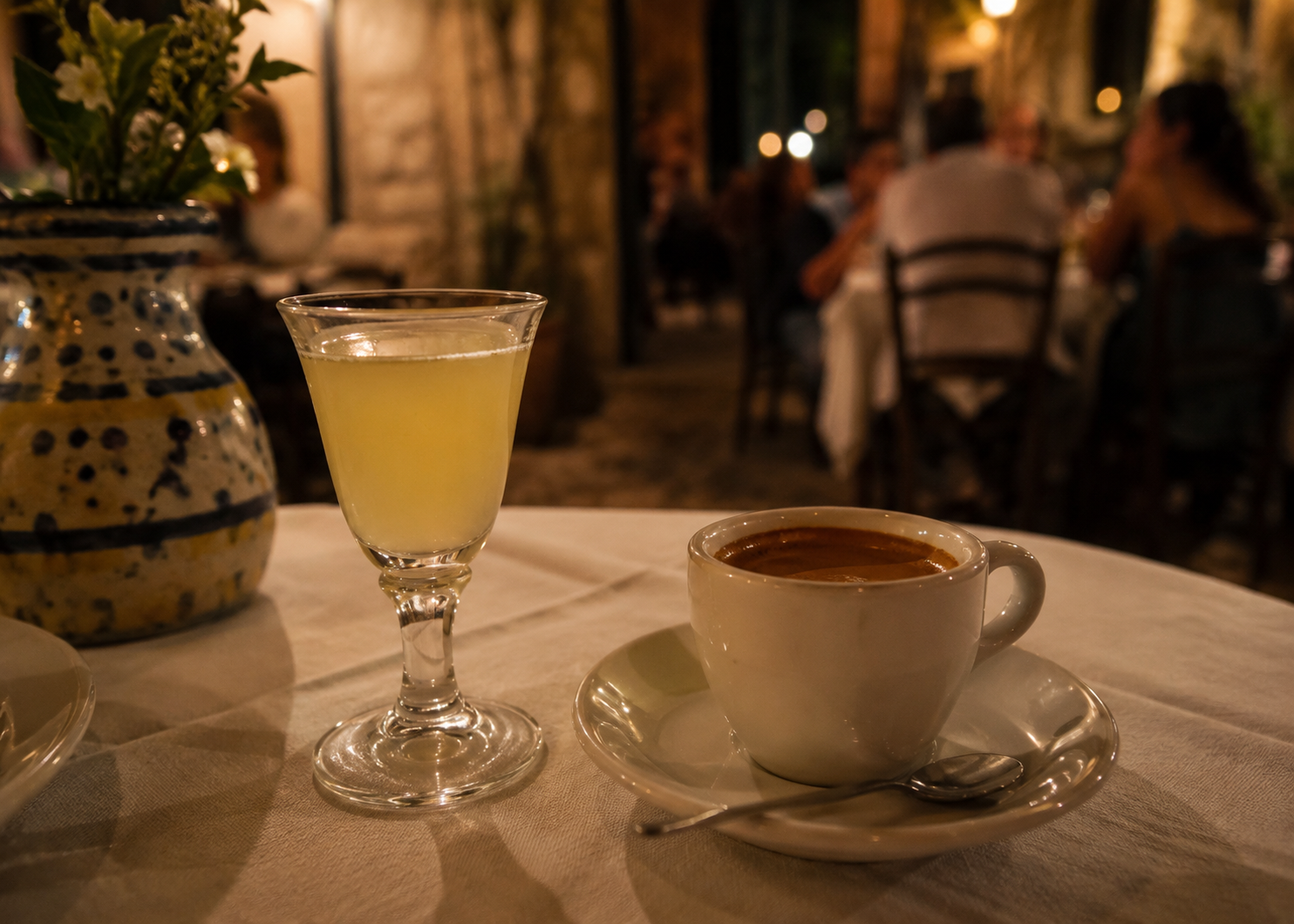
For American customers visiting Italy who want to communicate different information through their cultural signals, several adjustments are accessible.
Order Italian drinks at Italian establishments. A Negroni, an Aperol Spritz, an Americano, prosecco, a glass of regional wine. The drink order is the easiest cultural signal to adjust. The customer who orders any of these communicates immediately that they have learned something about Italian aperitivo culture.
Engage with the menu meaningfully. Ask the waiter about regional specialties. Ask about seasonal dishes. Ask about wine pairings. The questions communicate interest in the local tradition rather than expectation that the menu will accommodate American familiarity.
Time your meals to Italian patterns. Lunch from 12:30 to 2:30. Dinner from 8:00 to 10:00. Arriving at Italian times signals integration with Italian rhythm.
Learn the basic restaurant customs. Bread comes with food. Water is ordered. Coffee at the end. No cappuccino after dinner. The bill is requested. The basic customs can be learned in five minutes and signal substantial cultural integration when applied.
Tip modestly in Italian patterns. A few euros for good service. Round up the bill. Tell the waiter to keep small change. The tipping pattern signals understanding of how the Italian system works rather than imposing American patterns on it.
Keep volume moderate. Italian restaurant volume is typically lower than American restaurant volume. Adjusting volume to local norms signals cultural awareness.
Put phones away during meals. The phone visible on the table is an American pattern. The phone away from the table is an Italian pattern. The simple adjustment communicates engagement with the meal.
Engage with regional and seasonal specialties when available. The customer who orders the special signal cards on Tuesday because that is what they ordered on Monday signals lower engagement than the customer who orders the seasonal dish that is only available in October.
The adjustments are not deception. They are not pretending to be Italian. They are basic cultural awareness that produces meaningfully better restaurant experiences. The Italian restaurant worker who receives the signals of integrated cultural awareness adjusts service in favorable directions. The customer who has done minimal adjustment receives meaningfully better service than the customer who has done none.
What This Pattern Reveals More Broadly
The drink order question is one specific implementation of a broader pattern in how cultures signal information through small daily choices.
Italian restaurant culture has refined a system of signals that workers read fluently. The signals communicate cultural integration, expectations about service, likely tipping behavior, and overall customer profile. The signals are real information that affects service delivery and customer experience.
American customers operating without awareness of the signals produce predictable patterns that Italian restaurant workers learn to recognize. The patterns are not malicious or deliberate. They are the natural consequence of operating on American cultural assumptions in Italian cultural contexts. The customers do not realize they are signaling. The workers receive the signals consistently and adjust accordingly.
For American visitors who want better restaurant experiences in Italy, the implication is that small adjustments produce substantial improvements. The drink order is the entry point. The broader pattern of integration follows from it. Customers who adjust the entry point signals typically adjust the broader patterns naturally because they have engaged with Italian framework rather than continuing to operate on American assumptions.
For American visitors who do not make the adjustments, the consequence is not catastrophic. Italian restaurants will serve them. The food will be good. The bill will be paid. The visit will be completed. The difference is the quality of the experience, the warmth of the service, the engagement of the worker with the customer’s interests. The unadjusted American customer receives competent service. The adjusted American customer often receives the warmth and engagement that produces the memorable Italian restaurant experiences.
The waiter at the Milan aperitivo bar does not refuse service to the American couple ordering Long Island Iced Tea and frozen strawberry margarita. He serves them professionally. He does not extend the warmth and engagement that he extends to customers who have ordered Negronis. The American couple may not notice the difference because they have nothing to compare it to. The customers at the next table who have ordered Negronis are receiving a different version of the same restaurant.
For American customers who would prefer to receive the version of the restaurant that the Negroni-ordering customers receive, the adjustment is small. Order a Negroni next time. Or an Aperol Spritz. Or an Americano. The drink order is the entry point to the broader cultural framework that produces better service, better experiences, and better Italian visits.
The waiter is not judging the American couple. He is reading information. The information is accurate. The information shapes his behavior. The American customers who recognize that they are providing information through every choice they make can choose to provide information that produces the experience they want rather than information that produces the experience they would not have chosen if they had understood what they were communicating.

About the Author: Ruben, co-founder of Gamintraveler.com since 2014, is a seasoned traveler from Spain who has explored over 100 countries since 2009. Known for his extensive travel adventures across South America, Europe, the US, Australia, New Zealand, Asia, and Africa, Ruben combines his passion for adventurous yet sustainable living with his love for cycling, highlighted by his remarkable 5-month bicycle journey from Spain to Norway. He currently resides in Spain, where he continues sharing his travel experiences with his partner, Rachel, and their son, Han.