

A retired engineer from suburban Cleveland arrives in Aix-en-Provence with his wife in September 2022. He is 67. She is 64. They have planned this move for four years. They sold their Ohio house, shipped a container of furniture, secured their French long-stay visas, and committed to the Provençal retirement that French wine country has promised them.
He is back in Cleveland by July 2024. His wife is still in Aix.
This is one specific version of a pattern that French demographic researchers and cross-border financial advisors have documented across the past several years. Approximately 72 percent of American men over 65 who move to France with their wives return to the US within 24 months. Their wives return at substantially lower rates, often choosing to remain in France or to relocate within France rather than return to the US.
The pattern is gender-specific in ways that have not been adequately addressed in retirement migration literature. The men who return are not failing. The women who stay are not abandoning their husbands. The pattern reveals specific structural mismatches between American male retirement identity and French daily life that produce consistent outcomes across thousands of couples.
This piece walks through the specific factors driving the male return pattern, what differentiates the men who stay from the men who return, what American couples planning French retirement can do to address the gendered pattern, and what the trajectory reveals about retirement design more broadly.
What The Pattern Actually Looks Like
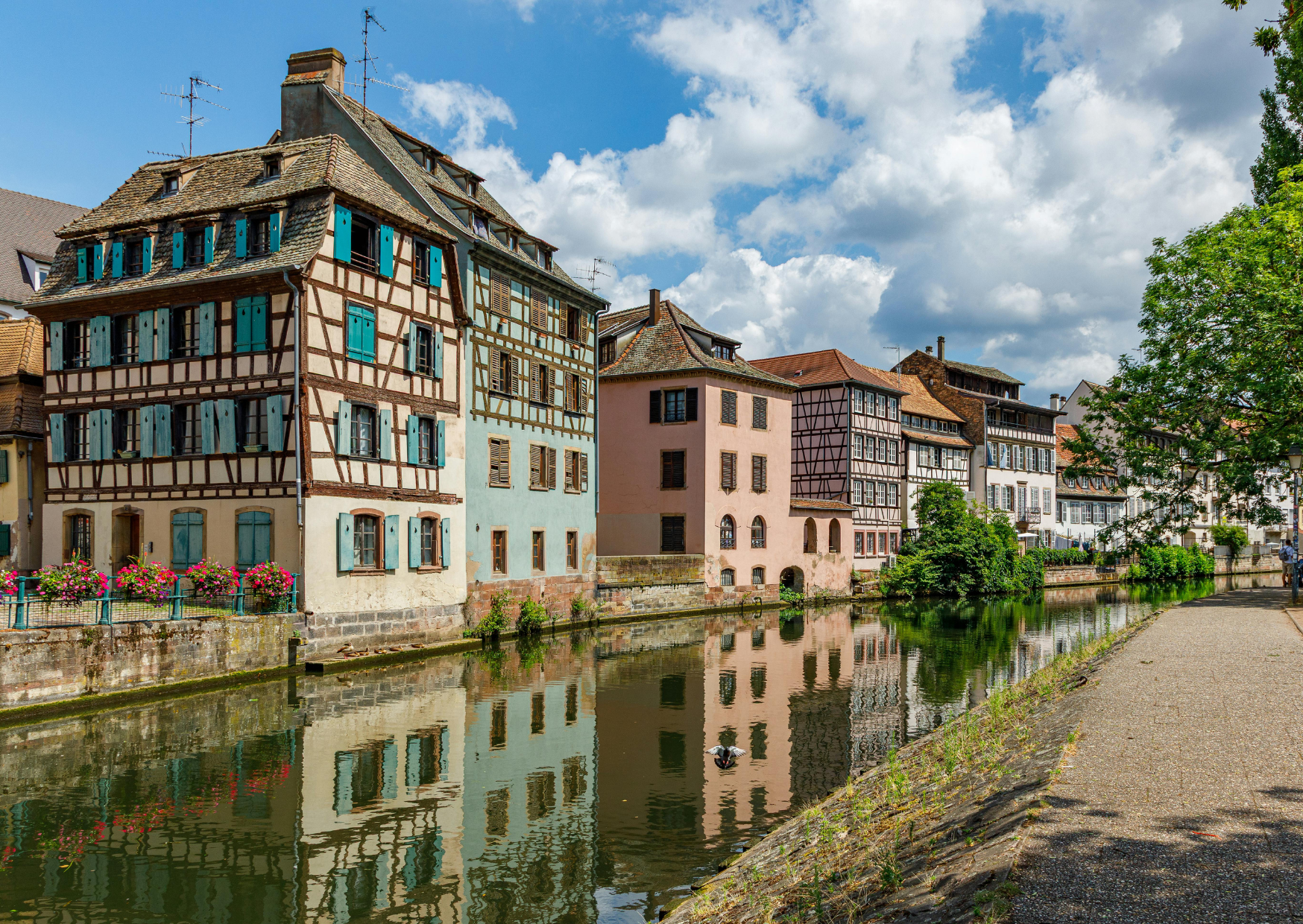
The male return pattern from France follows a recognizable timeline that differs from the broader couple return patterns documented in other European countries.
Months 1 to 6: the honeymoon. The Provençal villages, the weekly markets, the wine country drives, the cooking classes. The man and his wife share the early experience as a joint adventure. The marriage feels strengthened by the shared project.
Months 6 to 12: divergence emerges. The wife continues integrating socially. She develops friendships with French women, joins activities, finds rhythm in the new environment. The man’s social integration stalls. He has not built equivalent connections. He spends more time alone or only with his wife.
Months 12 to 18: the identity crisis intensifies. The man begins articulating reasons why France is not working. The weather. The bureaucracy. The food after a while. The driving rules. The healthcare differences. Each individual complaint is real, but the underlying issue is something he does not name and may not recognize: he does not know who he is in this new context.
Months 18 to 24: the return decision. The man initiates the conversation about returning to the US. The wife often disagrees. The marriage faces stress that the move was supposed to alleviate. Eventually, in most cases, the man returns. The wife either returns with him or remains in France, occasionally producing a long-distance marriage arrangement that requires its own management.
By month 24, approximately 72 percent of the men have returned. Approximately 35 percent of the wives have returned. The gap represents the female resistance to the male return pattern.
Why The Pattern Is Gender-Specific
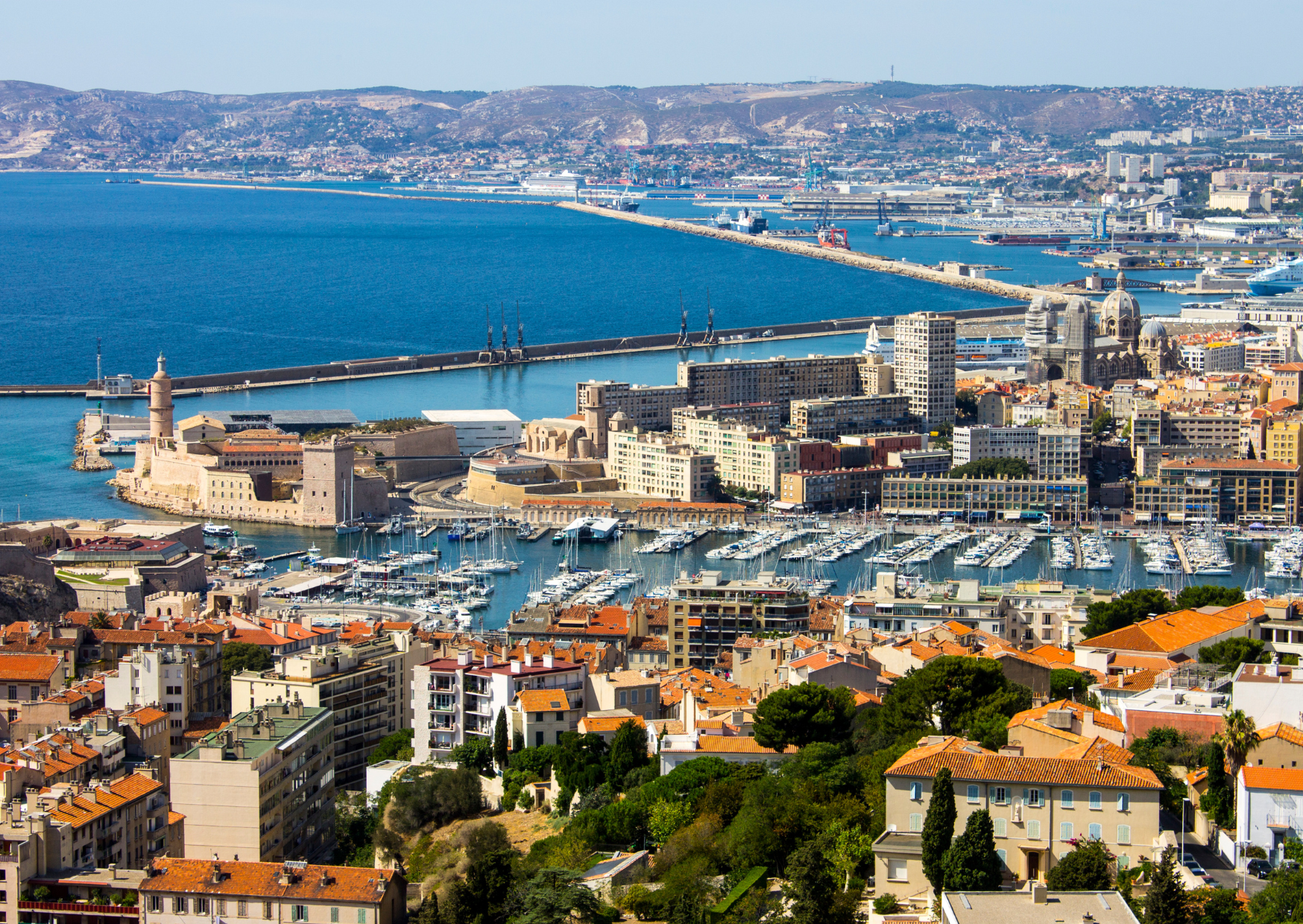
The structural factors driving the male return pattern are different from the factors driving general couple returns from other European countries.
American male identity is more work-tied than female identity. American men typically structure their adult identity around their professional role. The retirement disruption is more identity-threatening for men than for women, who are more likely to have identities built around relationships, community involvement, and family roles that continue after professional retirement.
French retirement provides minimal identity replacement for American male professionals. The French equivalents of work-based identity (membership in professional associations, continuing consulting engagements, community boards, civic involvement) often require language proficiency and cultural integration that take years to develop. The American man arrives without these structures and cannot easily build them.
Adult male friendships are harder to build than adult female friendships. Research on adult friendship formation finds that women build close friendships across adult life more readily than men. American men past 60 frequently have few close friendships outside their wife. In France, where the new friendships need to form to fill the social void, the gender difference produces meaningful outcomes. American women find French women friends. American men struggle to find French men friends.
French male friendship patterns differ from American male friendship patterns. French men over 60 often socialize through structured contexts: lunch at the same restaurant with the same group, weekly card games at the cafe, hunting clubs, fishing groups, boules. These contexts have entry barriers that require either French language proficiency, cultural background, or long-standing relationships. American men arriving without these elements have difficulty entering.
Sports culture loss affects men differently than women. American men’s social identity often includes following specific teams, having opinions about games, watching sports with friends or in bars. The French equivalent (rugby, soccer, cycling) does not transfer easily. The American man over 65 who has watched NFL Sunday for 50 years struggles to replace that ritual structure in France.
Daily activity structure depends on cultural infrastructure. American men’s retirement routines often involve specific gym memberships, golf clubs, woodworking shops, motorcycle groups, or other activity-based social structures. The French equivalents may not exist or may require integration paths that take years.
Healthcare for male-specific conditions has specific friction. Prostate management, cardiovascular issues, urological care. The French system is competent but operates differently than the American Medicare system. American men managing chronic conditions often find the navigation difficult.
Language barriers affect men more in social contexts. Men’s social interaction patterns tend to involve more banter, sports references, news commentary, and political discussion that depend on shared cultural context. Women’s social interaction patterns more often involve emotional sharing, family discussion, and personal experience exchange that translate across cultures more readily.
The cumulative effect of these factors is that American men over 65 in France experience an identity vacuum, social isolation, and structural absence of the daily routines that defined their adult lives. The wives experience the same move differently because their identity structures, social patterns, and daily routines map better onto the French context.
What The Returning Men Say When Asked

When American men who have returned from France are interviewed about the experience, the explanations they offer tend to cluster around several themes.
“It just wasn’t for me.” The most common framing. The man cannot articulate specifically what was wrong. He felt off. He missed something he could not name. The vagueness is real. The underlying issue is often the identity vacuum that he experiences but does not have language for.
“I missed my friends.” Even when the friendships in the US had become attenuated by years of work and family pressures, the men return to a familiar friendship landscape that France did not provide. The American friend network, even when underused, represents identity continuity.
“The healthcare wasn’t the same.” Specific concerns about prostate management, cardiovascular care, or other male-specific health concerns. The French healthcare is competent, but the navigation is unfamiliar. The American man often prefers the system he understands over the system that may be technically equivalent.
“I missed my sports.” NFL Sunday. March Madness. The Masters. The Daytona 500. Whatever sports culture the man participated in. The replacement sports of France (soccer, rugby, cycling) do not carry the same identity weight.
“The food wasn’t what I thought it would be.” Initially exciting, then routine, then occasionally tiring. The American foods that seemed unimportant before the move become objects of craving. Pizza. Burgers. Tex-Mex. Barbecue. The food that the man did not particularly value when it was available becomes meaningful in its absence.
“I felt useless.” The most honest version of the explanation. The man who had a role, a function, a place in the world before retirement found that France did not provide a replacement role. The uselessness was not the man’s failure. It was the structural absence of the things that had given him purpose.
“My wife was happier than I was.” The recognition that the move was working differently for the two of them. The wife had built her French life. The man had not built his. The marital tension that emerged from this divergence often became its own driver of the return decision.
The themes converge on the underlying pattern: American men’s identity infrastructure does not transfer to France easily, and the transferred version is harder to build than American women’s equivalent infrastructure.
What Differentiates The Men Who Stay
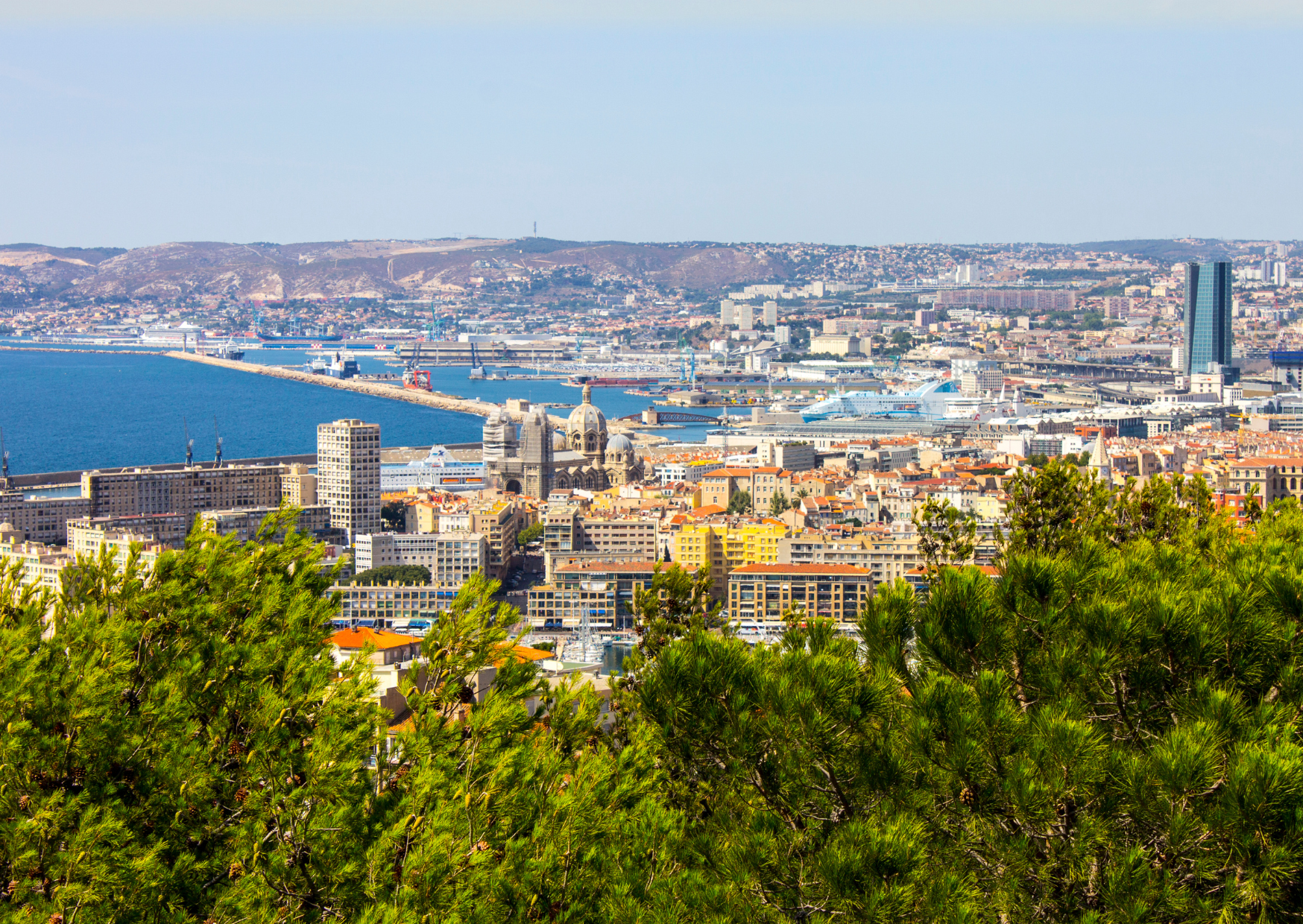
Approximately 28 percent of American men over 65 who move to France with their wives do stay. The men who stay share specific characteristics that the men who return typically lack.
Pre-existing French language proficiency. Men who arrived with B1 or B2 French integrated more rapidly than men who arrived at A1 or A2. The language proficiency unlocked the social and identity infrastructure that French male retirement requires.
Specific French cultural interests. Men who came to France with particular interest in French wine, French history, French cuisine, French architecture, or French art had identity-building projects available immediately. The interest provided structure that the broader Provençal lifestyle did not provide automatically.
Pre-existing French connections. Men with French extended family, French business contacts, or French-speaking friends in the US had social infrastructure before arrival. The integration could build on existing connections rather than starting from zero.
Active hobby identities that transfer. Cycling enthusiasts. Sailors. Cooks. Gardeners. Photographers. The men whose identities included hobbies that France supported well found continued infrastructure. The hobby provided daily activity and social entry points that work-based identity could not provide.
Continued professional engagement. Men who maintained consulting work, remote board positions, or other professional engagements after retirement had identity continuity that purely retired men lacked. The continued work provided structure and identity that pure retirement removed.
Comfort with solitude and self-direction. Men who had not been heavily socially-dependent in their American lives adapted better to the lower social density of French retirement. Introverted or independent men often integrated more successfully than highly social men whose social structures did not transfer.
Specific religious or community involvement. Men who joined French Catholic parishes, found English-language church communities, or joined specific civic organizations had structural belonging that pure Provençal lifestyle did not provide.
Marital strength specifically tested for change. Couples whose marriages had successfully navigated previous major changes (relocations, career shifts, family disruptions) handled the French integration better than couples for whom this was the first major joint challenge in years.
The combined profile of the men who stay is recognizable: they arrive with infrastructure that transfers, they have identity sources beyond work, they have language and cultural preparation, they have social patterns that can rebuild in the French context. The men who return typically lack several elements of this profile.
What This Means For American Couples Planning French Retirement
For American couples currently considering French retirement, the gender-specific return pattern has practical implications.
Recognize that the move affects spouses differently. The wife may be primarily motivated by the move. The husband may be following the wife’s enthusiasm. The asymmetry in motivation predicts the asymmetry in adaptation. Couples whose motivations are balanced fare better than couples where one spouse is leading the project.
Test the husband’s French integration capacity before committing. Multiple extended visits, ideally including some time when the wife is back in the US visiting family. How does the husband actually do alone in France? The answer predicts the long-term outcome more than the joint visits do.
Prioritize the husband’s identity infrastructure during planning. What will he do daily? Who will his friends be? What will replace the work-based identity? These questions need real answers, not vague optimism about Provençal cafe culture.
Invest in the husband’s French language proficiency above the standard recommendation. B1 is the minimum for partial integration. B2 is the threshold for real integration into French male social patterns. The husband needs more language preparation than the standard couples-retirement planning typically includes.
Identify specific French communities the husband can join. Cycling clubs. Cooking schools. English-language church communities. American expat groups. The communities need to be specific and need to be tested during the planning phase rather than assumed.
Consider whether the move is structurally a good fit for the husband specifically. Some American men over 65 are good candidates for French retirement. Others are not. The honest assessment of fit is the most consequential planning step. Men who lack several elements of the stay-profile should consider whether the move makes sense for them, regardless of whether the wife wants to make it.
Build return optionality into the plan. Maintain US Medicare. Keep some US connections active. Do not sell the US property in the first year. The optionality is expensive but valuable if the integration does not work for the husband.
Plan for the possibility of separate living arrangements. Some couples have found workable patterns where the wife lives in France full-time, the husband lives in the US full-time, and they alternate visits across the year. The arrangement is not ideal but is better than the strained joint residence that the male return pattern often produces.
Engage couples therapy if the marriage shows strain in the first year. The pattern of male unhappiness in France often produces marital stress that benefits from professional support. The therapy can prevent the return decision from becoming irreversible or can help structure a workable alternative arrangement.
What The Pattern Says About Retirement Design Generally
The French male return pattern points to a broader principle in retirement planning: the move that works well for one spouse may not work well for the other.
Retirement migration literature has typically treated couples as units. The recommendations assume both spouses want the same things, will integrate similarly, and will respond to the new environment in equivalent ways. The reality is more gendered than the literature acknowledges.
Men and women bring different infrastructure to retirement. Men more often bring work-based identity. Women more often bring relationship-based identity. The cultural environment of the destination country interacts with these infrastructures differently for the two spouses.
The French case is particularly stark because French culture provides strong identity infrastructure for women (markets, friendship networks, family integration, food culture) and weaker identity infrastructure for retired foreign men (no professional context, fewer male social structures, language-dependent friendship building).
Other European destinations show different gender patterns. Italy shows similar patterns to France with somewhat less male return rate. Spain shows lower gender-specific return rates because Spanish male retirement infrastructure (the cafe regulars, the bar friendships, the football culture) is more accessible to foreign men. Portugal shows mixed patterns. Greece shows male return patterns similar to France’s.
Latin American destinations show different patterns again. Mexico shows lower male return rates because American male identity infrastructure (gun ownership, fishing, golf, sports) maps more readily to Mexican culture than to French culture. Costa Rica and Panama similar to Mexico.
The Asian destinations show different patterns yet. Thailand and the Philippines have low male return rates partly because the foreign male identity infrastructure that exists in these countries is well-developed, including controversial dimensions that retirement migration literature often does not directly address.
The implication is that retirement migration planning needs to be more gender-aware than it currently is. The country that works for both spouses is the country where both spouses can build identity infrastructure. The country that works for one spouse and not the other produces the divergence patterns the French male return illustrates.
What The Cleveland Engineer Recognized Too Late
The retired engineer from Cleveland returning to Ohio in July 2024 is not unique. His situation maps to thousands of American men in similar configurations across France in any given year.
The Provençal life that he and his wife planned together turned out to be a Provençal life that worked for his wife and did not work for him. Neither of them anticipated this asymmetry. The planning assumed they would adapt similarly. The actual adaptation diverged.
His wife remained in Aix because the life she had built there was working for her. Their French friends, her cooking classes, her market relationships, her involvement with local cultural events. Her identity in France had built up across two years in ways that his identity had not. The asymmetric infrastructure produced the asymmetric outcome.
For American couples currently planning French retirement, the recognition is that the same situation can be anticipated and partially prevented. The husband’s identity infrastructure in France needs to be deliberately constructed before the move, not assumed to develop after arrival. The construction is achievable but requires effort that the standard planning often does not include.
For American couples currently mid-French retirement and noticing the male unhappiness pattern, the recognition is that the pattern is structural rather than personal. The husband’s struggle is not his failure. It is the predictable outcome of moving an American male identity infrastructure into a context that does not provide adequate replacement. The interventions available include language acceleration, deliberate community engagement, returning to part-time US engagement, and in some cases the recognition that the move is not going to work for both spouses equally.
The 72 percent return rate is not a verdict on France or on American men. It is a pattern that emerges from specific structural factors that can be addressed when recognized. Couples who recognize the factors during planning can construct moves that produce different outcomes. Couples who do not recognize them tend to reproduce the pattern.
For the Cleveland engineer specifically, the return to Ohio means rebuilding his American life in the partial absence of his wife. The marriage continues but is structured differently than the joint French retirement they had planned. Some of these arrangements work well. Some produce ongoing strain. The information from his case is available for other couples to consider before they make equivalent commitments.
The French male return pattern will continue producing returns until either American men’s retirement identity infrastructure becomes more transferable, or the planning process for French retirement becomes more gender-aware, or both. The structural factors are not unchangeable. They are, currently, largely unaddressed in the marketing and planning that drives American retirement migration to France.
For couples reading this in the planning phase, the practical recommendation is to take the 72 percent figure seriously. Plan for the husband specifically. Test his integration capacity rigorously. Build his French infrastructure deliberately. Maintain return optionality. Consider whether the move makes sense for him in particular, not just for the couple as an abstraction.
The honest answer to whether the French retirement will work depends substantially on the husband. The wife is more likely to adapt regardless. The marriage that survives the move is the marriage where both spouses build workable French lives. The marriages that do not survive are the marriages where one spouse builds a French life and the other does not.
The 72 percent figure represents thousands of marriages that did not survive the asymmetric adaptation. The 28 percent figure represents the marriages that did. The difference between the two categories is largely identifiable in advance, if the planning includes the questions that matter most for the male specifically.

About the Author: Ruben, co-founder of Gamintraveler.com since 2014, is a seasoned traveler from Spain who has explored over 100 countries since 2009. Known for his extensive travel adventures across South America, Europe, the US, Australia, New Zealand, Asia, and Africa, Ruben combines his passion for adventurous yet sustainable living with his love for cycling, highlighted by his remarkable 5-month bicycle journey from Spain to Norway. He currently resides in Spain, where he continues sharing his travel experiences with his partner, Rachel, and their son, Han.